The Noodles Made From Beans That Are Quietly Changing Everyday Eating: Japan’s Plant Based ZENB Noodles
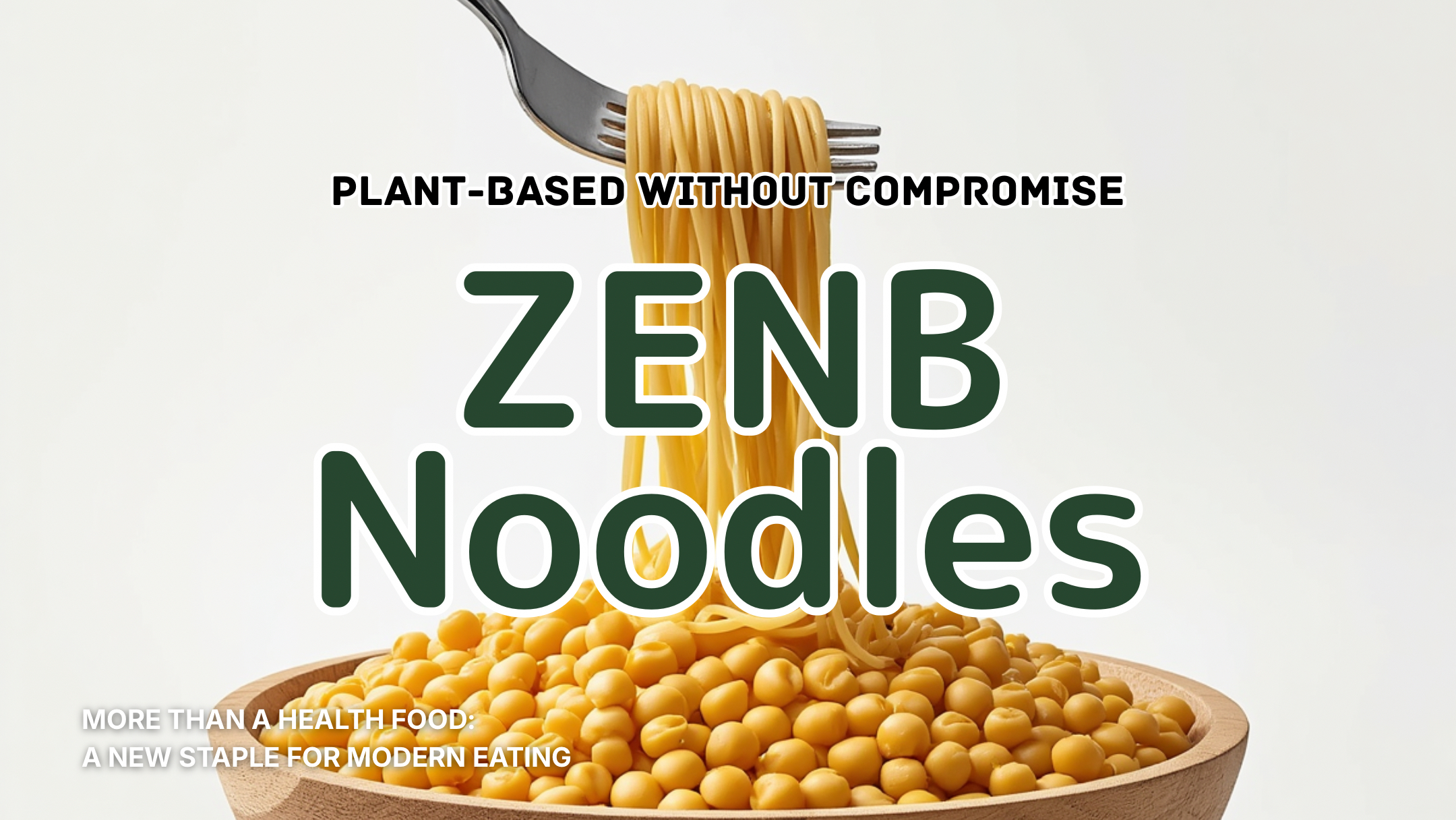
At first glance, ZENB Noodles may look like just another gluten-free pasta alternative or health-focused food product. In reality, the story behind the product is much broader than that.
Developed by Japanese food brand ZENB, ZENB Noodles are made primarily from yellow peas and are designed around a simple but ambitious idea: rethink how staple foods are made. Rather than creating a niche product for people with dietary restrictions, ZENB aims to offer a new everyday staple that fits naturally into daily life
To understand why this matters, it helps to look at the company behind it. ZENB emerged from the broader Mitsukan Group, a company with deep roots in Japanese food culture. Decades of experience in the food industry exposed the challenges embedded within modern food production, including heavily refined ingredients, the separation of nutrition from flavor, and production systems that generate significant waste.
Instead of trying to improve these issues one step at a time, ZENB started with a different question: What if we changed the way ingredients are used in the first place?
That philosophy can be seen throughout the brand's product lineup, but nowhere is it more visible than in ZENB Noodles. The company's goal is not simply to serve consumers looking for high protein, low carbohydrate, or gluten-free options. It is to create staple foods that anyone can enjoy, regardless of dietary preferences.
To achieve this, ZENB focuses on using as much of the original ingredient as possible while minimizing unnecessary additions. The result is a noodle designed not as a specialty food, but as a practical everyday staple.
For international audiences, this approach is particularly relevant. Around the world, consumers increasingly evaluate food through multiple lenses at once, including nutrition, taste, sustainability, and ethics. Features such as high protein content, increased fiber, and gluten-free formulations are no longer limited to niche markets. They have become part of broader conversations about what modern food should be.
ZENB Noodles offer a distinctly different perspective. Rather than emphasizing restriction, they focus on creating a staple food that feels familiar and easy to incorporate into daily meals.
Their Japanese origins also matter. Japan's food industry has long operated in a market where expectations for flavor, texture, and consistency are exceptionally high. The techniques and standards developed in that environment have influenced how ZENB approaches plant based foods. While many alternative food products highlight what they replace, ZENB Noodles place greater emphasis on how naturally they fit into everyday cooking.
In this article, we explore the philosophy behind ZENB, the thinking that led to the creation of ZENB Noodles, and the role this product may play in the future of everyday eating. Rather than viewing it solely as a health food, it is more useful to see it as an example of how Japan's food industry is rethinking the concept of staple foods.
ZENB Noodles Overview
ZENB Noodles are a dry noodle product developed by the plant based food brand ZENB. Their defining feature is the use of whole yellow peas as the primary ingredient. Instead of relying on wheat flour, the noodles are made from peas that are processed and transformed into noodles while retaining as much of the original ingredient as possible.
Because wheat is not used, the noodles are naturally gluten-free. They also provide protein and dietary fiber directly from the peas themselves rather than through added ingredients or nutritional fortification.
What makes ZENB Noodles particularly interesting, however, is that their value extends beyond nutritional statistics.
Unlike many health-oriented foods, they are not designed as a special meal for specific dietary needs. They are intended to function like any other staple food. Whether paired with pasta sauces, incorporated into noodle dishes, or adapted to local recipes, they are designed to fit seamlessly into existing eating habits.
This flexibility is central to the product's identity. Rather than asking consumers to learn entirely new cooking methods, ZENB encourages people to use the noodles in ways that already feel familiar.
The product is priced somewhat higher than conventional pasta or dried noodles. However, that premium reflects the production philosophy rather than marketing positioning. The cost is tied to the use of minimally refined ingredients and manufacturing processes that prioritize ingredient integrity over maximum efficiency.
In many ways, ZENB Noodles represent a different way of thinking about staple foods. Instead of refining ingredients until they become standardized commodities, the product preserves more of the ingredient's original structure and nutritional value.
The company also notes that it maintains information security management systems certified under ISO/IEC 27001:2022 (JIS Q 27001:2023), covering activities such as e-commerce operations, product development, and marketing.
What Makes ZENB Noodles Different?
ZENB Noodles are dry noodles made primarily from yellow peas. While conventional pasta and many noodle products rely on wheat flour, ZENB uses whole yellow peas and carries them through the production process from milling to noodle formation.
The result is a wheat-free noodle that can serve a remarkably wide range of culinary purposes.
One of the product's strengths is that it is not tied to a specific cuisine. It can be served with Italian-style pasta sauces, incorporated into Japanese noodle dishes, used in soups, or adapted to recipes from other parts of the world. The official product positioning emphasizes versatility rather than specialization.
This distinction is important.
Many alternative food products are created to imitate existing foods. ZENB Noodles take a slightly different approach. They are less focused on replacing wheat noodles and more focused on expanding what a staple food can be.
Preparation is straightforward. The cooking process is similar to that of traditional dried pasta, requiring no specialized equipment or unusual preparation techniques. This simplicity helps reduce one of the common barriers associated with health-focused foods: convenience.
Flavor and texture have also been carefully balanced. While the noodles retain subtle characteristics from the yellow peas they are made from, the flavor is intentionally designed not to overpower other ingredients. This reflects a broader Japanese culinary philosophy that values harmony within a dish rather than allowing any single element to dominate.
The higher price point compared to standard dried noodles reflects production choices rather than added functionality. By avoiding excessive refinement and preserving more of the original ingredient, ZENB accepts higher production costs in exchange for maintaining its core philosophy.
Ultimately, the product's defining feature is not what has been added, but what has been left intact. The skins, fiber, and naturally occurring nutrients of the peas remain part of the final product. In doing so, ZENB Noodles invite consumers to think differently about how staple foods are made.
What Can ZENB Noodles Do as a Staple Food?
What ZENB Noodles aims to be is not a functional food designed for a specific group of people, but a staple food that naturally fits into everyday meals. Many health foods and alternative products are built around a particular goal or dietary restriction—whether for people reducing carbohydrates, avoiding animal products, or being unable to consume wheat. While ZENB Noodles can accommodate many of these needs, that was not the starting point of its design.
When considering what this noodle can do, its greatest strength is its flexibility as a substitute. It can be used as pasta, yakisoba, noodle soup, or even cold noodle dishes. Rather than limiting preparation methods or flavors, it can be incorporated directly into existing recipes. Even on the official website, it is presented not as a product tied to a specific food culture, but as a natural extension of everyday home cooking. This demonstrates that it remains firmly positioned as a staple food rather than a specialty product.
ZENB Noodles is also designed around the concept of “health without constant awareness.” Instead of requiring consumers to calculate nutritional values or carefully manage their intake, it allows them to cook and eat as usual while naturally consuming protein and dietary fiber. This approach aligns closely with the philosophy of traditional Japanese home cooking, where health is integrated into daily life rather than treated as a separate objective. To support this, the flavor and cooking experience have been intentionally designed to avoid feeling drastically different from familiar noodles.
The product is not targeted at a narrow audience. It works equally well for busy weekday meals, family dinners, or simple meals for people living alone. It can be used without treating it as a special dietary product, which is a key reason for its practicality.
From an industry perspective, ZENB Noodles occupies a unique space between processed and fresh foods. While it offers the shelf stability of dried noodles, the identity of its raw ingredients remains relatively visible and understandable. As consumer interest in food transparency and traceability continues to grow, this characteristic becomes increasingly significant. By minimizing processing, the product makes it easier for consumers to understand what they are actually eating.
Ultimately, ZENB Noodles is not designed to impress consumers with nutritional statistics. Its purpose is to provide an effortless alternative for an everyday staple food. If that gradual substitution also reduces the burden on the body and the environment, those benefits emerge naturally over time. This slow and sustainable shift is the role that ZENB JAPAN envisions for the product.
The Japanese Philosophy Behind Turning Whole Beans Into Noodles
The uniqueness of ZENB Noodles does not simply lie in being plant-based or gluten-free. Its defining characteristic is the philosophy behind how the ingredients are processed. In many food products, raw ingredients are first refined, with certain portions removed before additional ingredients and additives are introduced to achieve the desired taste and texture. ZENB Noodles does not begin with that assumption.
Using whole yellow peas is not only a way to preserve nutritional value; it is also a challenge to conventional approaches to food production. Parts such as the skin and inner portions of the bean have often been removed in pursuit of processing efficiency and uniform flavor. Instead, ZENB prioritized developing the technology and product design needed to transform the entire bean into noodles without separating those components. As a result, the natural structure of the ingredient itself contributes directly to the noodle’s texture and flavor.
This philosophy closely reflects a traditional Japanese approach to food: making the most of the ingredient itself. Rather than adding strong flavors, the focus is on drawing out qualities that already exist. ZENB Noodles does not treat beans as a substitute for wheat. Instead, it places the bean itself at the center of the product. This is why it avoids the sense of compromise often associated with alternative foods.
The decision to use the whole ingredient also carries environmental significance. Reducing waste and simplifying production processes can improve overall efficiency within food manufacturing. However, ZENB does not heavily emphasize this aspect. Rather than marketing itself primarily as an environmentally conscious product, sustainability emerges as a natural outcome of its design. This understated approach is another characteristic often associated with Japanese brands.
Using whole beans also creates a distinctive texture and flavor profile. The noodles retain a certain chewiness and subtle bean-derived taste rather than becoming completely neutral. At the same time, these characteristics are carefully balanced so they do not overpower the dish as a whole. This balance is essential for a product intended to be used in everyday cooking.
The uniqueness of ZENB Noodles does not come from showcasing innovation for its own sake. Instead, it comes from asking a simple question: “Could food have been made this way all along?” Turning whole beans into noodles sounds straightforward, but behind that simple concept lies a quiet challenge to long-standing assumptions within the food industry.
The Structural Challenges of Staple Foods That ZENB JAPAN Set Out to Address
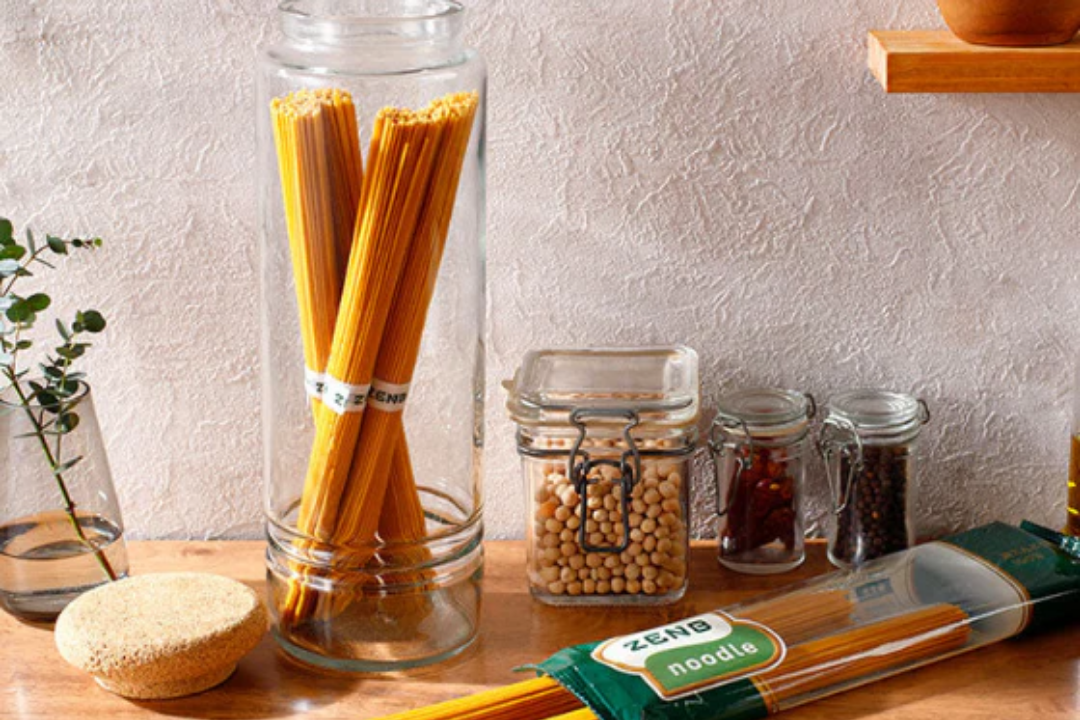
Source: ZENB Homepage
To understand the origins of ZENB Noodles, it is necessary to look beyond individual health concerns and examine the structural challenges that the food industry has faced for decades. The issue identified by ZENB JAPAN was not simply what people eat, but the assumptions behind how staple foods are produced in the first place.
Most staple foods have historically been designed with stable supply and uniform quality as top priorities. As a result, ingredients are often refined, nutrient-rich portions are removed, and additional processing steps are introduced to restore texture and flavor. While this system works well for large-scale production and price stability, it leaves unresolved questions regarding nutrition and environmental impact. Rather than making minor improvements to this model, ZENB JAPAN believed the starting point itself needed to be reconsidered.
This led the company to focus on legumes. Beans are rich in protein and dietary fiber and have long served as staple foods or key dietary components in many cultures around the world. Yet within Japanese processed food production, beans are often broken down into ingredients or confined to limited applications. ZENB posed a different question: Could whole beans become a staple food without being dismantled first?
ZENB Noodles became the answer to that question. Instead of creating a wheat substitute, the company sought to transform beans directly into a staple food. This was a challenge that could not simply rely on existing noodle-making technologies or flavor standards. Texture, cooking performance, and compatibility with a wide range of dishes all had to be carefully refined to create a product suitable for everyday use.
The company’s primary focus was never responding to short-term trends. Interest in gluten-free and plant-based foods may be increasing globally, but those characteristics were secondary outcomes rather than the central objective. The core question throughout development was: how can a staple food be created that people can continue eating effortlessly over the long term? The belief was that foods built around restriction or sacrifice rarely lead to lasting dietary change.
There is also a sense of responsibility rooted in ZENB JAPAN’s identity as a food company. Having long contributed to the dining table, the company sees value in presenting new possibilities for the future of food. However, this could not come at the expense of taste or the cooking experience. ZENB Noodles emerged as an answer developed within those constraints—experimental in concept, yet highly practical in execution.
ZENB Noodles was not born from the health-food market. It emerged from a desire to rethink staple foods, one of the most conservative and difficult-to-change areas of the food system, beginning with the very way ingredients are used. That motivation lies at the heart of why ZENB JAPAN created the product.
How Its Value Emerges Through Everyday Use
Looking at real-world examples of how ZENB Noodles is used, one thing becomes clear: its adoption is not concentrated in a particular industry or specialized setting. Rather than being defined by restaurants or commercial applications, the product has found its place in daily life. It is used at breakfast, lunch, and dinner in much the same way as conventional noodles. This reflects ZENB JAPAN’s long-standing philosophy of not turning it into a “special” food.
In home kitchens, ZENB Noodles are often valued as a convenient staple for busy days. Because it is a dried noodle with a long shelf life and requires only simple boiling, the barrier to preparation is low. It can easily be paired with pasta sauces or common seasonings, allowing people to incorporate it into familiar recipes without significant changes. This ability to fit into existing habits is particularly important for a health-oriented food, as it removes the need to overhaul daily routines and makes long-term use more realistic.
For people living alone, the product is equally practical. Many consumers want to pay attention to nutritional balance without adding complexity to meal preparation. Since ZENB Noodles can provide a satisfying meal even with minimal ingredients, it allows for quick and simple cooking. As a result, it can serve as an alternative to frequent restaurant meals or heavily processed convenience foods.
At the family table, another advantage is that separate meals are often unnecessary. There is no need to prepare a special dish for one person while serving something different to everyone else. The same meal can be shared by the entire household, reducing both effort and decision-making stress. Instead of functioning as a specialty dietary product, it works as a staple food for everyone.
Notably, adoption is not limited to consumers who are highly engaged with health or nutrition. Many people first try the product out of simple curiosity. While health benefits or plant-based ingredients may initially attract attention, the deciding factor tends to be practicality. If the taste and cooking experience feel familiar enough, the product often remains part of a person’s regular rotation. This natural integration into daily life is one of the defining characteristics of ZENB Noodles.
From an industry standpoint, ZENB Noodles does not attempt to force new eating habits through education or advocacy. Instead, it offers a small substitution within routines that already exist. As a result, its use cases are not limited to specific occasions but spread naturally across a wide variety of everyday situations. The diversity of these use cases is itself evidence of the product’s maturity and practicality.
Built to Be a Reliable Staple, Not Just a Novel Food
ZENB Noodles are often discussed in terms of innovation, but much of their value comes from something less visible: manufacturing consistency and quality control. If a product is meant to serve as an everyday staple, nutritional benefits alone are not enough. Reliability, consistency, and ease of use matter just as much. From the beginning, ZENB JAPAN has treated these factors as essential parts of product development.
The yellow peas used as the primary ingredient are selected according to specific quality standards. Because the noodles are made from whole peas rather than highly refined ingredients, variations in the raw material can have a more noticeable impact on the final product. Maintaining consistency therefore requires careful control throughout the entire production process.
The manufacturing process is designed to transform whole peas into shelf-stable dried noodles while preserving their natural flavor and texture. Equally important is ensuring that the noodles remain practical for everyday cooking. Cooking times, texture, and handling characteristics are adjusted so that the product can be prepared as easily as conventional dried pasta.
Quality control follows the same expectations consumers would have for any staple food product. Rather than positioning the noodles as a niche health product, ZENB aims to meet the standards expected of foods that people purchase repeatedly and incorporate into their regular diets.
Because ZENB primarily operates through direct-to-consumer sales, quality management extends beyond manufacturing itself. Storage, packaging, and distribution all play important roles. The decision to offer the product as dried noodles also supports longer shelf life and stable delivery without requiring refrigerated or frozen logistics.
The production system behind ZENB Noodles is not designed to emphasize how different the product is. Instead, it aims to make the noodles feel as approachable and dependable as any other pantry staple. Consumers should not need special knowledge or complicated preparation methods. The goal is simple: a new type of noodle that can be used as naturally as the foods people already know.
Why Did ZENB Choose to Reinvent the Staple Food Category?
At its core, ZENB is driven less by the desire to create healthy foods and more by a desire to rethink the assumptions behind modern eating habits.
Many food brands innovate by adding new features to existing products. ZENB took a different approach. Instead of asking what could be added to a staple food, the company asked a more fundamental question: What if we reconsidered how staple foods are made in the first place?
Staple foods are among the hardest parts of a diet to change. They are deeply connected to habit, affordability, cooking methods, and cultural expectations. This is one reason why many alternative foods remain niche products or occasional substitutes rather than becoming everyday meals.
ZENB saw this resistance to change as precisely the reason to focus on staples. If the foods people eat most frequently remain unchanged, broader challenges related to nutrition, sustainability, and resource use become difficult to address.
One notable aspect of the brand's philosophy is its refusal to frame food choices in terms of right and wrong. ZENB does not argue that people should stop eating wheat. Instead, it suggests that peas can also serve as a staple food. The goal is not replacement through restriction but expansion through choice.
This perspective reflects a broader Japanese approach to food culture, where variety and balance are often valued more highly than strict rules. Food is deeply personal, and ZENB avoids presenting a single "correct" way to eat.
The whole-food approach behind ZENB Noodles also reflects a preference for long-term sustainability over short-term efficiency. The company believes that a product cannot meaningfully change eating habits unless it remains enjoyable, practical, and easy to continue using over time.
ZENB Noodles are therefore not an experiment for the sake of experimentation. They represent a small but deliberate shift in how staple foods can be imagined and consumed.
ZENB's Role Within Japan's Food Industry
When viewed within the context of Japan's food industry, ZENB Noodles represent more than just a new product launch.
Japan has spent decades refining systems for producing staple foods with exceptional consistency, quality, and consumer trust. Rather than rejecting those traditions, ZENB builds upon them while exploring new possibilities.
Beans have long been a cornerstone of Japanese cuisine. Foods such as miso, soy sauce, tofu, and natto all rely on legumes as key ingredients. Historically, however, beans have typically played supporting roles rather than serving as staples themselves.
ZENB Noodles subtly challenge that convention. By turning beans into a primary staple food, the brand reinterprets traditional Japanese ideas about ingredients for a modern audience.
The project also relies heavily on capabilities that Japanese food manufacturers have developed over many years: precise quality control, dependable production systems, and consistent product performance. ZENB does not lower these standards in pursuit of novelty. Instead, it seeks new answers while maintaining the same level of rigor.
Another aspect that reflects Japanese food culture is the idea of gradual adoption. Dietary changes in Japan often happen incrementally rather than through dramatic shifts. People mix grains into rice, adjust portion sizes, or introduce new ingredients alongside familiar ones. ZENB Noodles fit naturally into this pattern by offering an additional option rather than demanding a complete lifestyle change.
For international audiences, this cultural context helps explain why the brand's messaging often feels understated. ZENB is not attempting to disrupt food culture through bold claims. Instead, it offers a practical alternative rooted in a longstanding tradition of craftsmanship and respect for ingredients.
In this sense, ZENB occupies a unique position between tradition and innovation. It neither rejects the past nor simply preserves it. Instead, it reexamines established assumptions and proposes new possibilities.
Expanding the Definition of Staple Foods

Source: ZENB Homepage
ZENB's long-term vision is not centered on persuading consumers to completely change how they eat. Rather than presenting a choice between one food and another, the company seeks to gradually expand the range of staple foods available to consumers.
ZENB Noodles represent the first step in that process.
Future product development is expected to build upon the same core principles while adapting to different cooking styles, cuisines, and consumer preferences. The objective is to move from being viewed as a specialty product to becoming a normal and familiar option.
Importantly, ZENB has consistently avoided relying on excessive functional claims or highly specialized positioning. The focus remains on ingredient utilization and thoughtful product design.
The company's growth strategy also appears to emphasize consumer understanding as much as distribution. Rather than limiting the conversation to health or sustainability, ZENB presents a simple proposition: what happens when you slightly change the noodles you already eat?
This approach has relevance far beyond Japan. Around the world, concerns about food systems and environmental impact continue to grow. Yet consumers often respond more positively to practical solutions than to products built around strong ideological messaging.
ZENB's philosophy of using whole ingredients to create familiar staple foods can potentially be adapted across many different culinary cultures.
The company also recognizes that staple foods change slowly. Because they are deeply woven into daily life, meaningful shifts happen gradually. ZENB appears comfortable with that reality and is focused on creating products that people continue using long after trends have faded.
Its goal is not to redefine what a staple food must be. It is simply to broaden what a staple food can be.
What Users Appreciate Most: Practicality
When examining consumer feedback, a clear theme emerges.
People rarely describe ZENB Noodles as revolutionary. Instead, they often describe them as surprisingly easy to continue eating.
Comments frequently focus on practical benefits such as:
"They fit easily into my regular recipes."
"I didn't have to change how I cook."
"They were easier to use than I expected."
These reactions align closely with the product philosophy behind the brand.
Home cooks often appreciate the noodles' flexibility. They can be used in pasta dishes, stir-fries, soups, and a wide variety of everyday meals. Even consumers who are aware that the noodles are bean-based often report that the difference feels manageable rather than disruptive.
International users tend to express similar sentiments. Rather than focusing exclusively on attributes such as gluten-free or plant-based, many discussions center on convenience, versatility, and compatibility with different sauces and cooking styles.
Some consumers do note the subtle flavor of the peas themselves. However, this characteristic is typically viewed as part of the product's identity rather than a flaw. The flavor remains present without overwhelming the overall dish.
Perhaps the most telling feedback is that many users describe the noodles as something that gradually became part of their routine. For a staple food, this kind of quiet adoption may be more meaningful than excitement or novelty.
A Gradual but Meaningful Presence in Japan
Within Japan, ZENB Noodles are best understood not as a viral food trend but as a product that has steadily found its place in everyday life.
Awareness has grown less through massive advertising campaigns and more through consumer experience. Over time, the product has increasingly been viewed not merely as a health food or alternative food, but as a legitimate staple food option.
Media coverage has reflected this perception. Discussions often focus not only on nutrition or plant-based ingredients but also on practical topics such as cooking applications, storage convenience, and everyday usability.
The brand's direct-to-consumer model has also contributed to its development. Repeat purchases and subscription-based buying patterns suggest that many consumers move beyond simple experimentation and incorporate the product into their regular routines.
Social media discussions frequently feature ordinary home-cooked meals rather than highly curated promotional content. The noodles are often presented as part of everyday life rather than as a special occasion food.
This may ultimately be the strongest indicator of success. The product's value lies not only in sales figures but in how naturally it integrates into daily eating habits.
Why It Works as a Staple Rather Than Just an Alternative Food
ZENB Noodles have potential in international markets for reasons that extend beyond their plant-based and gluten-free characteristics.
Their greatest strength may be their neutrality.
The noodles are not designed primarily as a food to avoid something else. Instead, they are designed as another viable staple food option. This distinction makes them adaptable across a wide variety of cultures and cuisines.
Noodles already serve as staple foods around the world. Whether in the form of pasta, rice noodles, wheat noodles, or instant noodles, the basic concept is familiar across many regions.
ZENB Noodles fit naturally within this framework. Because they are not strongly tied to a single national cuisine, they can be paired with a broad range of local ingredients, sauces, and cooking traditions.
The use of yellow peas also provides an advantage. Legumes are already established components of diets throughout the Middle East, South Asia, Latin America, and many other regions. Consumers are not being introduced to an unfamiliar ingredient but rather to a different way of using one.
The whole-ingredient approach may also resonate with growing interest in sustainability and food resource efficiency. However, because these values are not aggressively marketed, the product remains accessible to consumers with a wide range of priorities.
Perhaps most importantly, ZENB Noodles leave room for local adaptation. They are not a finished dish but a versatile staple that can be interpreted differently depending on the culture and cuisine.
That flexibility gives the product considerable potential beyond Japan.
Current International Presence and Future Possibilities
Source: ZENB Homepage
At present, publicly available information does not indicate large-scale overseas distribution networks or major international expansion programs for ZENB Noodles.
This suggests a cautious and deliberate approach rather than a rapid globalization strategy.
That said, international consumers have not been entirely absent. Through cross-border e-commerce and personal imports, the product has reached users outside Japan who are interested in plant-based foods and alternative staples.
What is particularly notable is that ZENB appears to view international growth not simply as market expansion but as a test of how broadly its ideas about staple foods can resonate across different cultures.
The company has not heavily promoted export achievements or international sales figures. Instead, it appears focused on refining the product and understanding how it fits into everyday life.
Because the noodles are designed as a relatively neutral staple, they may require less localization than many food products entering foreign markets. This allows for a more gradual expansion process built on adaptation and consumer feedback.
Limited overseas availability should therefore not be viewed as a weakness. For a product that seeks to become part of daily eating habits, patience may be a strategic advantage.
Conclusion
ZENB Noodles occupy an unusual position within the modern food landscape. While often grouped with health foods or alternative foods, they do not fit neatly into either category.
Their defining characteristic is not what they exclude but what they offer: an additional staple food option.
Attributes such as being plant-based, gluten-free, or high in protein are important, but they are outcomes of the product's design rather than its primary purpose. This distinction gives ZENB Noodles a broader appeal and greater long-term potential.
For international markets, this approach is especially significant. Consumers around the world are increasingly interested in nutrition, sustainability, and responsible food production. Yet products built entirely around those messages do not always become part of everyday life.
ZENB Noodles take a different path. They enter the kitchen as another noodle option, one that happens to be made from whole yellow peas.
The idea of using entire ingredients rather than heavily refined ones also has global relevance. Legumes are already familiar to billions of people worldwide, making the concept easy to understand across cultures.
Equally important is the company's measured approach to growth. Rather than prioritizing rapid expansion, ZENB appears focused on creating products that people genuinely continue using. For distributors, retailers, and potential partners, that long-term perspective may be just as valuable as short-term sales performance.
Ultimately, ZENB JAPAN is not asking consumers to replace staple foods. It is asking them to broaden their definition of what a staple food can be.
That simple shift in perspective may be the company's most important contribution. By creating room for new options rather than insisting on new rules, ZENB Noodles offer a practical example of how food systems can evolve while remaining deeply connected to everyday life.
FAQ About ZENB Noodles
1. What Are ZENB Noodles?
ZENB Noodles are a plant-based noodle product developed by ZENB JAPAN Co., Ltd. Made primarily from whole yellow peas, they differ from conventional wheat-based noodles by using as much of the bean as possible. Designed to fit seamlessly into everyday meals, they offer a new staple food option that can be enjoyed in pasta dishes, noodle recipes, and other familiar meals.
2. How Are They Different From Regular Pasta or Noodles?
The biggest difference lies in both the ingredients and how they are used. While traditional pasta is primarily made from wheat flour, ZENB Noodles are made from yellow peas. Rather than heavily processing the ingredient into separate components, the noodles are designed to preserve the bean's natural nutritional qualities, allowing consumers to naturally enjoy its protein and dietary fiber as part of their meal.
3. Why Are Yellow Peas Used?
Yellow peas are a nutritious legume that naturally contains plant-based protein and dietary fiber, and they have long been consumed in many parts of the world. Instead of treating them simply as a substitute for wheat, ZENB Noodles showcase yellow peas as a satisfying staple food in their own right, allowing people to enjoy the ingredient itself in a familiar noodle format.
4. Are ZENB Noodles Only for Health-Conscious Consumers?
No. While they certainly appeal to health-conscious consumers, they are designed for anyone looking to add more variety to their everyday meals. Rather than functioning as a restrictive diet food, ZENB Noodles are intended to be used just like ordinary pasta or noodles, making it easy to incorporate them into regular eating habits without dramatically changing one's lifestyle.
5. What Types of Dishes Can You Make With ZENB Noodles?
ZENB Noodles are highly versatile. They pair well with traditional pasta sauces, Japanese-style noodle dishes, soups, and many other recipes. Because they are not limited to any particular cuisine, they can simply replace the noodles in dishes you already enjoy. Their familiar cooking process also makes them easy to incorporate into everyday cooking.
6. Why Did ZENB JAPAN Develop This Product?
ZENB JAPAN developed the product to rethink how food ingredients are used and to create new possibilities for everyday eating. Rather than discarding parts of ingredients that are often removed during conventional food processing, the company aims to make full use of them while balancing nutrition, flavor, and environmental sustainability. ZENB Noodles bring this philosophy into a familiar staple food that people can enjoy every day.
7. Do ZENB Noodles Reflect Japanese Food Philosophy?
Yes. They embody the Japanese appreciation for making the most of natural ingredients and integrating innovation into everyday life without disrupting existing food culture. Although they introduce a new type of noodle, they are designed to complement familiar dishes rather than replace traditional cuisine, allowing them to blend naturally into daily meals.
8. What Makes ZENB Noodles Appealing to International Consumers?
Their flexibility makes them easy to adopt across different food cultures. Noodles are enjoyed worldwide, and yellow peas are already familiar ingredients in many countries. Because ZENB Noodles are a staple ingredient rather than a finished meal, they can be paired with local flavors, cooking styles, and culinary traditions in a wide variety of ways.
9. Why Are ZENB Noodles Gaining Attention?
Consumers around the world increasingly expect food to offer more than great taste alone, placing greater value on health, nutrition, and environmental sustainability. Rather than presenting itself as a restrictive alternative food, ZENB Noodles provide a practical new option that fits naturally into everyday eating habits, making them an appealing choice for modern lifestyles.
10. What Is the Biggest Appeal of ZENB Noodles?
Their greatest strength is that they expand people's choices rather than limiting them. Instead of asking consumers to give up familiar foods for the sake of health or sustainability, ZENB Noodles allow them to enjoy new ingredients as a natural extension of their regular meals. By combining the nutritional potential of yellow peas with Japanese food innovation, they offer an inspiring vision for the future of everyday eating.
Related Videos
Related Videos
If you're interested in Japan’s ambitious spirit of innovation, the video below introduces Dassai’s challenge to brew sake on the Moon. This video shows how one of Japan’s most famous sake brands is pushing the boundaries of fermentation technology and exploring what Japanese craftsmanship could look like beyond Earth.