In Osaka's upscale Kitashinchi district, a Japanese company has built an entertainment business around an unlikely concept: muscle.
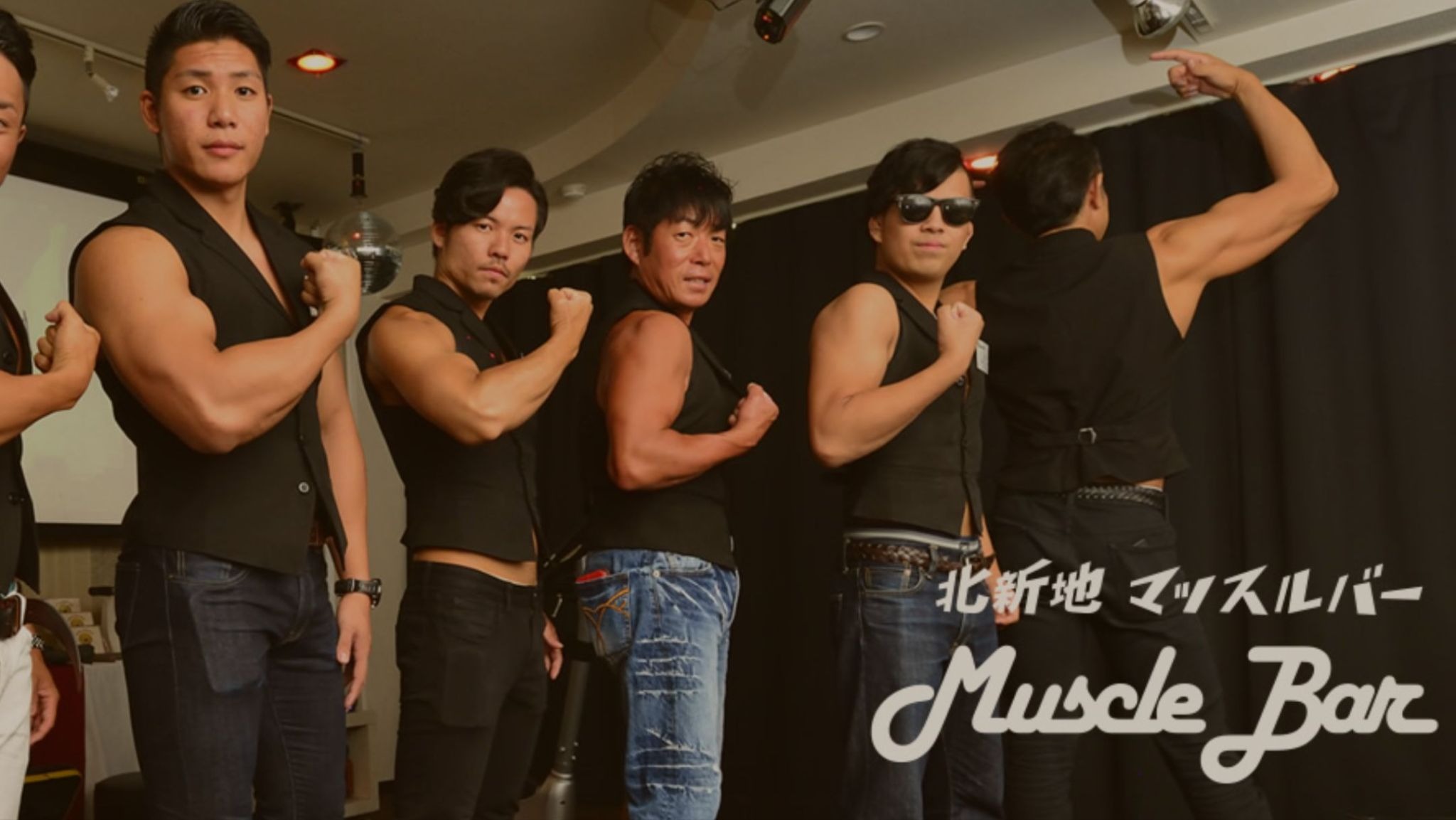
While most bars compete through cocktails, atmosphere, or music, Muscle Bar offers something entirely different. Guests do not simply come for drinks. They come for an experience built around interaction with highly trained staff whose physiques are part of the entertainment itself.
Visitors can watch performances, take photos with staff members, participate in light fitness activities, and engage in conversations that revolve around fitness culture and body transformation. The result sits somewhere between a themed bar, live entertainment venue, and fitness experience.
This may sound uniquely Japanese, but the business taps into two global trends that continue to accelerate.
The first is the rapid growth of the worldwide fitness industry. Health consciousness, body transformation culture, and social media have transformed the human body into a form of self-expression. Muscles increasingly represent discipline, personal achievement, and lifestyle identity rather than simply athletic ability.
The second trend is the growing challenge facing traditional nightlife businesses. Bars exist in every major city, and while concepts differ, many offer fundamentally similar experiences. Customers drink, socialize, and move on. Differentiation often depends heavily on location, pricing, or brand image.
Muscle Bar combines these two trends by treating muscle itself as entertainment content.
Rather than selling fitness products or gym memberships, the company transforms physical achievement into a shared social experience.
This article explores how the company designed this unusual business model, why Osaka's Kitashinchi district proved to be fertile ground for the concept, and whether muscle-based entertainment could eventually find an audience outside Japan.
The more interesting story is not that Muscle Bar made muscles entertaining.
It is how the company turned physical culture into an experience business.
Kitashinchi Muscle Bar Overview
Kitashinchi Muscle Bar operates an experiential entertainment bar in Osaka's famous nightlife district.
Unlike traditional bars where drinks serve as the main attraction, the venue is built around staff members who actively train and maintain impressive physiques as part of their professional role. Throughout the evening, guests may encounter muscle performances, photo opportunities, demonstrations of strength, and casual fitness interactions that become part of the overall experience.
The entire environment is designed around one theme: celebrating the body as entertainment.
Pricing typically follows a cover charge or time-based system, with additional fees varying depending on drinks, special events, and group bookings. Customers range from local professionals and corporate groups to tourists and international visitors looking for experiences they are unlikely to find elsewhere.
For overseas visitors, the venue often fits into Japan's broader culture of highly specialized concept bars. Much like maid cafés, ninja restaurants, or themed entertainment venues, Muscle Bar offers an experience that feels distinctly Japanese while remaining accessible to visitors regardless of language.
The Problem of Undifferentiated Nightlife
Source: Kitashinchi Muscle Bar Homepage
The challenge Muscle Bar set out to solve was not the growth of the fitness industry itself. Instead, it was responding to a structural problem facing nightlife businesses around the world: differentiation had become increasingly difficult.
Most bars operate using a familiar formula. The interior design may vary, drink menus may differ, and customer demographics may change depending on the location, but the core experience often remains largely identical. Guests arrive, order drinks, socialize, and eventually move on to the next venue. As competition intensifies, businesses frequently rely on location, reputation, or pricing strategies to distinguish themselves from competitors rather than fundamentally changing the customer experience.
How Interaction Drives the Muscle Bar Experience
Osaka's Kitashinchi district represents this challenge particularly well. As one of western Japan's best-known nightlife districts, the area is filled with upscale clubs, hostess lounges, and venues built around corporate entertainment and business hospitality. The market is established and financially successful, but for tourists and first-time visitors it can also feel exclusive and difficult to approach. Kitashinchi had become highly optimized for existing demand, leaving relatively little room for entirely new reasons to visit.
At the same time, the global fitness industry was experiencing its own transformation. Bodybuilding and fitness culture had moved beyond gyms and competitions to become a form of entertainment in their own right. Platforms such as Instagram, TikTok, and YouTube turned physical transformation into visual content consumed by millions of viewers. Muscular physiques increasingly became symbols of discipline, self-management, and personal achievement, while workout content evolved into one of the internet's most popular categories of media.
The body had become more than a health asset. It has become a communication tool and a form of self-expression.
Building a Business Around the Human Physique
Despite this cultural shift, fitness largely remained confined to gyms, competitions, and online communities. Few businesses had explored how physical culture could intersect with hospitality, tourism, or nightlife experiences. Muscle Bar recognized an opportunity in the gap between these industries. Muscles may be the result of individual effort, but they also possess visual impact and entertainment value. The company believed those qualities could be transformed into a shared social experience rather than remaining within fitness communities alone.
This represented a fundamentally different way of thinking about nightlife. The challenge facing bars was no longer simply increasing customer spending after they arrived. It was creating compelling reasons for customers to walk through the door in the first place. Muscle Bar shifted the motivation from "Let's grab a drink" to "Let's go experience that place."
That distinction may seem minor, but it reflects a much larger economic transition taking place across hospitality, retail, and tourism industries worldwide. Businesses are increasingly competing not through products or services alone, but through experiences that customers cannot easily replicate elsewhere.
Showing muscles is not new.
Building an entire hospitality model around them is.
Turning Muscle Into Spatial Entertainment Content
Source: Kitashinchi Muscle Bar Homepage
Muscle Bar was not created as a novelty attraction designed purely to generate headlines. Behind the concept was a larger question that extends beyond fitness itself:
How can the human body become a source of economic value beyond competition and social media?
Traditionally, physical achievement is rewarded within relatively narrow ecosystems. Competitive athletes perform on stage, influencers build audiences online, and gym communities recognize individual accomplishments internally. Outside those environments, however, opportunities to convert years of training into stable and sustainable careers are relatively limited.
The Story of Kitashinchi Muscle Bar
The founders of Muscle Bar believed fitness culture and entertainment culture shared characteristics that had been largely overlooked. Muscles communicate instantly and visually. They require no translation and almost no explanation. A highly developed physique immediately conveys years of effort, discipline, and consistency regardless of the viewer's language or cultural background.
This characteristic becomes particularly valuable in international tourism.
A visitor to Japan may not speak Japanese, but they immediately understand the meaning behind a body built through years of training. Physical achievement becomes a universal language that can be appreciated without explanation.
Why Muscle-Based Entertainment is Ready for Export
The company also recognized an economic reality within the fitness industry itself. Only a small percentage of bodybuilders, trainers, and athletes generate meaningful income through competitions, sponsorships, or influencer activities. Many individuals possess extensive knowledge, years of training experience, and impressive physiques but have relatively few opportunities to monetize those assets professionally outside traditional fitness careers.
Muscle Bar attempted to create an alternative pathway.
By combining hospitality skills with physical training, the company transformed fitness achievements into a marketable form of entertainment labor. Physical development became not just a personal accomplishment but a professional skill that could contribute directly to customer experiences.
The concept was initially tested through temporary events and pop-up experiences designed to gauge public reaction. The response proved stronger than expected. Visitors were not simply watching performances from a distance. They were participating through conversation, photographs, shared jokes, and interactions that transformed physical culture into something approachable and socially engaging.
This insight ultimately shaped the business model.
Muscle Bar was not selling muscles themselves.
It was selling an environment where muscles became part of a larger experience.
Customers still ordered drinks and enjoyed the atmosphere of a traditional bar, but beverages were no longer the primary attraction. Visual entertainment, participation, photography, and light fitness interaction combined to create an experience that competitors could not easily reproduce.
As a result, Muscle Bar occupies an unusual position somewhere between hospitality venue, fitness culture showcase, and live entertainment experience.
Its true innovation was not creating fitness culture.
It was relocating fitness culture into the urban experience economy.
Designing an Experience Around Muscles Instead of Selling Muscles
The essence of Muscle Bar lies not in the physiques of its staff but in the experiences built around them. Customers are not simply seated in front of muscular bartenders while observing from a distance. Every aspect of the environment is designed to encourage participation and interaction.
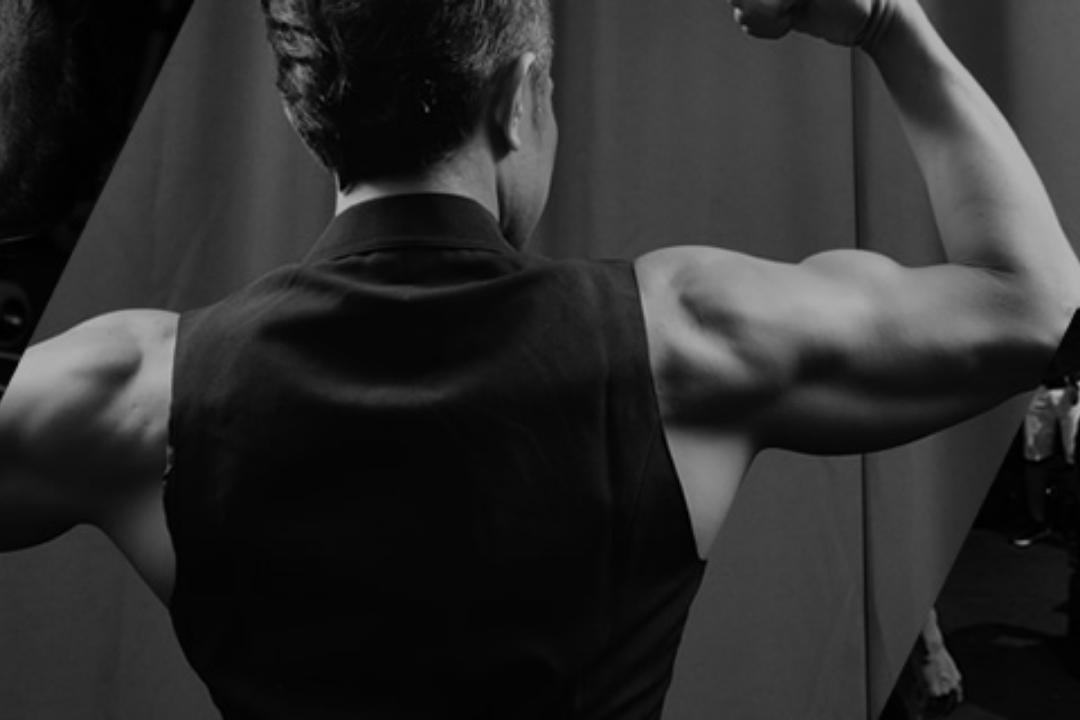
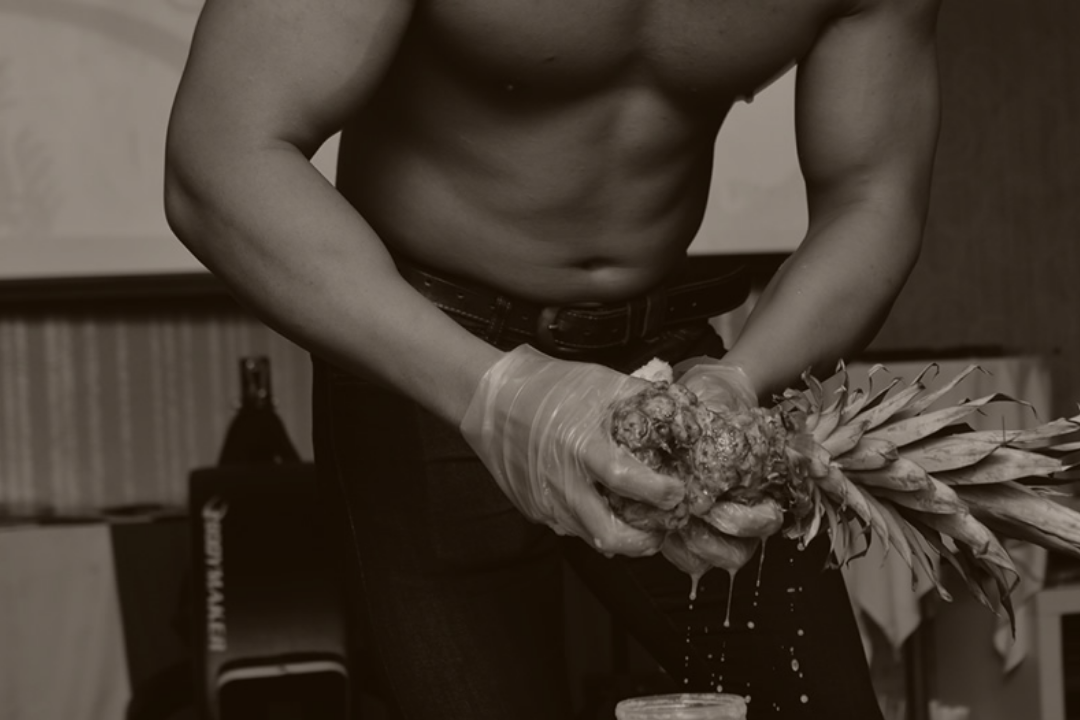
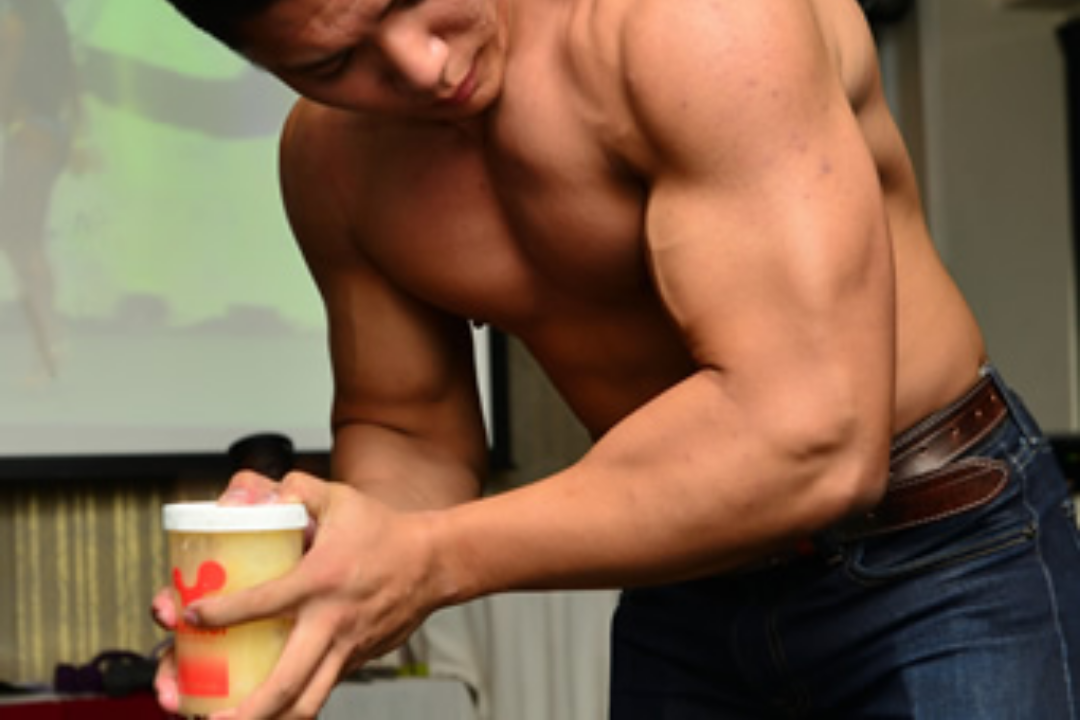
Staff members perform poses, engage directly with guests, participate in photographs, and occasionally offer light fitness demonstrations or casual training advice. The body is not treated as something to be displayed passively. Instead, it becomes an active part of the social experience that visitors engage with throughout their time in the venue.
The Scalable Soul of Concept Bars
In a traditional bar, atmosphere and conversation are typically the primary sources of value. At Muscle Bar, visual impact and physical reactions become equally important components of the experience. Watching muscles flex from only a few feet away, participating in playful performances, and taking memorable photos create moments that naturally encourage social sharing. In many ways, customers themselves become participants in the content creation process, allowing the experience to continue long after they leave the venue.
The staff are also more than performers.
Many possess genuine fitness expertise and are capable of offering practical advice about training, nutrition, or exercise routines when customers express interest. This creates an unexpected connection between entertainment and fitness education, lowering the barriers that often prevent newcomers from engaging with gym culture. For some visitors, the experience may even become an introduction to fitness rather than simply an evening out.
Another important difference between Muscle Bar and many other concept bars is authenticity. The concept is not built around fictional characters, costumes, or elaborate set design. The central attraction is a real human body shaped through years of discipline and effort.
That authenticity carries a different kind of credibility.
Unlike themed decorations or scripted performances, physical achievement cannot be manufactured overnight. Visitors are responding to something tangible and real, and that creates a level of engagement that theatrical design alone often struggles to replicate.
Tapping into the Wellbeing Economy
From an operational perspective, the model also offers advantages. Unlike large-scale entertainment productions that require extensive infrastructure and significant fixed costs, Muscle Bar can operate within relatively compact urban spaces. By combining regular business operations with special events and promotional activities, the company can maintain flexibility while keeping costs manageable.
Perhaps most importantly, the concept aligns with long-term cultural trends rather than temporary novelty.
Global interest in health, fitness, bodybuilding, and wellness continues to grow across demographics and regions. By integrating these trends into hospitality and nightlife rather than treating them as separate industries, Muscle Bar has effectively created a new category within the experience economy.
Rather than asking customers to choose between fitness culture and entertainment, it combines both into a single social experience.
Corporate Demand and Opportunities in Tourism
Source: Kitashinchi Muscle Bar Homepage
While Muscle Bar attracts plenty of curious tourists and first-time visitors, the business is not built on novelty alone. Its location in Osaka's Kitashinchi district, one of Japan's best-known nightlife and corporate entertainment areas, naturally brings in business clients, company groups, and event organizers as well. The venue is frequently used for client entertainment, team celebrations, farewell parties, and post-conference gatherings where companies are looking for something more memorable than a standard bar experience.
How Muscle Bar Monetizes Lifestyle Identity
Part of the appeal lies in Muscle Bar's ability to act as a social catalyst. Traditional nightlife venues often depend heavily on the chemistry of the guests themselves. If the group lacks energy, the atmosphere can quickly become flat. Muscle Bar removes much of that uncertainty by placing a shared experience at the center of the evening. Performances, interactions with staff, and photo opportunities create natural conversation starters that help break down barriers between people who may have only just met.
For corporate hospitality, that has obvious advantages. Clients remember the experience, colleagues interact more naturally, and organizers avoid the risk of hosting an event that feels interchangeable with countless others.
International visitors approach Muscle Bar from a different perspective. Much like maid cafés, themed restaurants, or other uniquely Japanese hospitality concepts, it is often viewed as part of Japan's broader culture of immersive entertainment experiences. Visitors may arrive expecting something unusual, but many leave impressed by how carefully the experience has been designed.
Inside the Business of Osaka’s Muscle Bar
The concept also travels surprisingly well across language barriers. Muscles communicate visually and instantly. Guests do not need to understand Japanese to appreciate the discipline required to build a physique or the humor and energy of the performances. The experience is largely self-explanatory, which gives it an advantage over entertainment formats that rely heavily on dialogue or cultural references.
This creates opportunities beyond the bar industry itself. Travel agencies and inbound tourism operators could potentially include venues like Muscle Bar as part of evening experience packages aimed at overseas visitors. In a city such as Osaka, where food and entertainment already form a major part of the tourism brand, adding fitness culture introduces another layer of differentiation.
From a business-to-business perspective, Muscle Bar also functions as an event space rather than simply a drinking venue. Brand collaborations, product launches, promotional campaigns, and private events all fit naturally within the format. Fitness apparel companies, supplement manufacturers, protein brands, and wellness businesses represent particularly obvious partnership opportunities.
Rather than increasing revenue primarily through higher prices, Muscle Bar increases value by giving customers a clear reason to choose its experience over competing venues. In an industry often driven by price competition, creating a strong motivation to visit can be a far more sustainable advantage.
That distinction helps reduce dependence on price competition.
Managing Operational Risks and Quality Standards
A memorable concept may attract attention, but long-term success in hospitality still depends on operational discipline. Behind the performances and entertainment elements, Muscle Bar faces many of the same responsibilities as any other bar or restaurant, including licensing requirements, hygiene management, staff training, and customer safety.
Because physical performance sits at the center of the business model, employee wellbeing becomes an operational issue rather than simply a personal matter. Injuries, fatigue, or health problems directly affect service quality and customer experience. Management therefore needs to consider training schedules, recovery periods, and sustainable workloads in ways that traditional hospitality businesses may not.
The company also operates in a space where entertainment and parody exist very close together. Muscles can be empowering and inspiring, but handled poorly they can quickly become a joke that undermines the brand itself. Maintaining the right balance requires carefully designed interactions, clear service guidelines, and a consistent understanding of what kind of experience the business wants to provide.
Japanese Discipline Meets Social Fun
As with any food and beverage operation, regulatory compliance remains essential. Food safety standards, cleanliness, and operational consistency may not be the most visible parts of the business, but they form the foundation that allows more experimental concepts to survive over the long term. Without those fundamentals, repeat customers and corporate clients would be difficult to retain.
Social media introduces another layer of complexity. Muscle Bar operates in an environment where guests routinely photograph and film their experiences before sharing them online. Every customer effectively becomes a potential marketer for the business, helping to spread awareness without large advertising budgets.
The downside is that every interaction also contributes to the public perception of the brand. Positive experiences can spread rapidly, but disappointing ones can travel just as quickly. Consistency therefore becomes part of the marketing strategy rather than simply an operational goal.
Many entertainment businesses struggle once the initial curiosity fades. The challenge is transforming novelty into a repeatable experience that people actively seek out rather than merely trying once. Muscle Bar's long-term sustainability depends on its ability to balance operational excellence with the sense of fun that attracted attention in the first place.
A Founding Philosophy That Celebrates Physical Culture
At the heart of Muscle Bar lies a surprisingly simple idea: training and physical effort should be something worth celebrating rather than something hidden away inside gyms or niche communities.
Muscles are often associated with extreme discipline, vanity, or personal obsession. Muscle Bar attempts to reinterpret them as something more approachable, social, and positive. In doing so, it shifts the conversation away from competition and toward shared enjoyment.
Building a physique requires years of consistency. Progress is slow, setbacks are common, and visible results often take far longer than outsiders realize. Traditionally, recognition for that effort has been limited to bodybuilding competitions, fitness communities, or social media audiences.
The Evolution of Japanese Concept Hospitality
The founders wanted to create a different kind of space where physical achievement could become part of everyday urban culture rather than remaining confined to specialist circles.
This changes the nature of the business itself. Restaurants primarily sell food. Bars sell drinks, atmosphere, and conversation. Muscle Bar places the human body at the center of the customer experience. Staff members are not simply employees delivering service. Their training, discipline, and physical achievements directly shape the product customers are paying to experience.
The philosophy also emphasizes connection rather than competition. Guests take photographs, ask questions, laugh with staff, and often leave feeling inspired rather than intimidated. The physiques become conversation starters rather than status symbols.
Japan has long celebrated physical expression through traditions such as martial arts, theater, and athletic performance. In that sense, the idea of training the body and presenting it publicly is not new. What Muscle Bar has done is reinterpret that tradition for modern urban entertainment and contemporary nightlife culture.
For that reason, the business rests on something deeper than novelty alone. It is built on the belief that physical culture itself has social value and deserves public recognition.
As fitness and wellness industries continue to expand worldwide, that philosophy may become increasingly relevant far beyond Japan.
Where Japanese Urban Culture Meets Concept Bar Culture
Muscle Bar could likely only have emerged in Japan, at least in its current form. Its existence reflects the intersection of Japanese nightlife culture and the country's long-standing fascination with immersive themed experiences.
Kitashinchi, located in central Osaka, has long been associated with upscale restaurants, clubs, and corporate entertainment. The district attracts a relatively specific customer base, but it also provides fertile ground for highly specialized concepts that might struggle elsewhere.
Japan has spent decades refining themed hospitality experiences into an art form. Anime cafés, ninja restaurants, maid cafés, and interactive attractions demonstrate a broader cultural preference for experiences that prioritize participation and immersion rather than simply consumption.
These businesses are not successful merely because they are unusual. They succeed because customers place value on experiences that feel memorable, distinctive, and difficult to replicate elsewhere.
The Cultural Appeal of the Muscle Bar
Muscle Bar belongs to this tradition while introducing an important difference. Its central attraction is not a fictional character, a costume, or an elaborate set design. It is a real human body shaped through years of discipline and training.
That authenticity creates a kind of credibility that themed decoration alone cannot easily reproduce. It also makes the concept particularly suited to social media, where images and short videos communicate experiences faster than words ever could.
Japanese cities provide another advantage. Dense urban environments encourage compact business models capable of delivering high-value experiences in relatively small spaces. Unlike large-scale entertainment productions that require major infrastructure investments, Muscle Bar can operate successfully in venues with only a few dozen seats.
This makes the economics significantly more accessible, especially in expensive city centers.
Hospitality standards also play an important role. Japanese consumers generally expect high levels of service regardless of how unusual the concept may be. A themed venue that relies solely on novelty rarely survives for long.
Muscle Bar's continued operation suggests that it has managed to balance entertainment with professionalism, creating an experience that customers remember for more than just its unusual premise.
The business ultimately sits at the intersection of physical culture and Japan's highly developed ecosystem of concept-driven hospitality.
It is unmistakably Japanese in its origins while still offering ideas that could travel surprisingly well abroad.
Can Muscle Entertainment Become an Export Industry?
At first glance, Muscle Bar appears inseparable from Japan's reputation for unusual entertainment concepts. Viewed from another angle, however, it represents something much broader: the integration of physical culture into the experience economy.
The question is not whether muscles can work as a theme internationally.
The more interesting question is which cities have demand for experiences built around participation, performance, and visual storytelling.
Why International Travelers are Flocking to Muscle Bar
Global fitness markets continue to grow rapidly across North America, Europe, Southeast Asia, and the Middle East. Personal training, bodybuilding, and wellness culture have become mainstream industries, and muscular physiques increasingly symbolize discipline, self-improvement, and healthy living.
What remains relatively uncommon is the combination of fitness culture with nightlife and hospitality.
Compared with large entertainment destinations such as Las Vegas or Bangkok, Muscle Bar offers a lighter and more flexible operating model. Permanent venues can function without expensive productions, large theaters, or extensive technical infrastructure.
That makes expansion into dense urban environments considerably more realistic.
Another advantage is the concept's low dependence on language. Muscles communicate visually and immediately, allowing visitors from different cultural backgrounds to understand the experience almost instantly. Tourist districts, entertainment zones, and international cities could therefore represent natural opportunities for expansion.
The model also opens the door to partnerships with fitness brands, supplement manufacturers, sports apparel companies, and wellness businesses seeking experiential marketing opportunities.
The greatest challenge will likely involve cultural adaptation. Cities that already embrace playful or humorous approaches to fitness culture may be more receptive than markets with more conservative attitudes toward public performance or body display.
Long-term success would also require more than novelty. Repeat visits depend on fresh events, community engagement, and an evolving customer experience rather than relying exclusively on curiosity.
Seen through that lens, Muscle Bar looks less like a themed restaurant and more like an experiment in urban experiential entertainment.
International expansion may ultimately prove most viable through licensing agreements, joint ventures, or partnerships with local operators who understand the cultural expectations of their own markets.
Physical culture is already global.
The challenge lies in transforming it into experiences people want to share.
The Possibilities of a Business Built Around the Human Body
Source: Kitashinchi Muscle Bar Homepage
Muscle Bar did not simply turn muscles into entertainment.
What the company created was a model that transforms physical effort itself into experiential value.
By combining hospitality, fitness culture, tourism, and nightlife, it introduced an entirely new category into the urban experience economy.
Around the world, cities are becoming increasingly experience-driven. Products can be purchased online, and information is available instantly from anywhere. Experiences tied to a specific place, however, are becoming more valuable precisely because they cannot be replicated digitally.
Muscle Bar fits neatly into this transition.
The drinks support the business.
The experience creates the destination.
For international businesses examining the concept, three strengths stand out clearly. The model operates effectively in relatively small spaces, relies heavily on visual communication rather than language, and connects naturally with both tourism and fitness industries.
Potential expansion paths could include tourism-focused franchises, collaborations with fitness brands, temporary pop-up installations, or event partnerships tied to conventions and exhibitions.
With thoughtful localization, the concept could adapt to a wide variety of urban markets.
Ultimately, Muscle Bar is attempting to change more than how muscles are displayed.
It is proposing a different role for the human body within modern cities and shared experiences.
As societies become increasingly health-conscious, the body itself may gradually shift from being viewed purely as a private project toward becoming a form of cultural expression shared within public spaces.
What began in a single nightlife district in Osaka may ultimately represent an early blueprint for a new category of experiential business.
The question Muscle Bar poses is surprisingly simple:
How do you turn years of personal effort into something that others can experience, enjoy, and remember?
Its answer is still being written.
FAQ About Kitashinchi Muscle Bar
1. What Is Kitashinchi Muscle Bar?
Kitashinchi Muscle Bar is an experiential entertainment bar located in Osaka's Kitashinchi district that places fitness culture and muscular performance at the center of the customer experience.
Rather than focusing solely on food and drinks, the venue offers interactive entertainment through performances, customer engagement, photo opportunities, and conversations with highly trained staff members. The concept is designed not simply to showcase muscles, but to transform them into a social and participatory experience.
2. How Is It Different From A Traditional Bar?
The biggest difference is that the entire venue is designed around experience rather than consumption alone.
In most bars, drinks, atmosphere, and conversation provide the primary value. At Muscle Bar, the physical achievements and performances of the staff become part of the entertainment itself. Guests are not simply visiting for a drink. They are visiting for an experience they are unlikely to find anywhere else.
3. Why Create A Bar Built Around Muscles?
The goal was to bring the appeal of physical training beyond the boundaries of gyms and fitness competitions.
Muscles represent discipline, consistency, and long-term effort. Rather than limiting that achievement to sporting environments, Muscle Bar explores how physical culture can become a form of entertainment that people can share and enjoy together.
In doing so, the company is attempting to create a new relationship between fitness culture and everyday social life.
4. What Does It Mean To "Experience" Muscles?
The experience goes beyond simply looking at muscular physiques.
Guests interact directly with staff members through conversations, posing sessions, photographs, and live performances that allow them to appreciate the physical presence and energy of years of training up close.
Unlike a traditional stage show, the atmosphere is intentionally participatory, allowing visitors to become part of the experience rather than passive observers.
5. Can You Enjoy Muscle Bar Even If You Know Nothing About Fitness?
Absolutely.
Muscle Bar was never designed exclusively for bodybuilders or fitness enthusiasts. Visitors with no training experience can still enjoy the atmosphere, performances, and interactions with staff members.
For some guests, the experience even becomes their first introduction to fitness culture and personal training.
6. Why Is Muscle Bar Popular With International Visitors?
One major reason is that the experience works across languages and cultures.
The impact of a highly trained physique and the energy of a live performance can be understood instantly without translation. This makes Muscle Bar particularly accessible to overseas visitors looking for experiences that feel uniquely Japanese while remaining easy to enjoy.
Many tourists view it as part of Japan's broader concept bar culture, alongside attractions such as maid cafés and themed restaurants.
7. What Value Does Muscle Bar Create For Its Employees?
Muscle Bar creates opportunities for people to turn years of physical training and dedication into professional value.
Outside of elite sports, competitions, and influencer careers, there are relatively few ways for fitness enthusiasts to monetize their achievements. By combining physical development with hospitality and performance skills, Muscle Bar creates an entirely new type of career opportunity.
8. Why Is The Concept Interesting From An International Perspective?
One reason is that it connects fitness culture with hospitality, tourism, and entertainment in ways that are still relatively uncommon internationally.
Interest in fitness, wellness, and body transformation continues to grow around the world, yet very few businesses have explored how physical culture can become an immersive social experience.
Muscle Bar offers one example of how fitness can be transformed into urban entertainment.
9. What New Possibilities Does Muscle Bar Suggest For The Hospitality Industry?
The business highlights the growing importance of experiences that cannot easily be replicated elsewhere.
As consumers gain more choices, competing purely on food quality or pricing becomes increasingly difficult. Muscle Bar demonstrates how people, interaction, and atmosphere can become the primary source of value within a hospitality business.
It represents a broader shift from selling products to creating memorable experiences.
10. What Is The Biggest Appeal Of Kitashinchi Muscle Bar?
Its greatest strength lies in its ability to transform personal effort into shared entertainment.
Rather than treating muscles solely as tools for competition or self-expression, Muscle Bar turns years of training into experiences that create conversations, laughter, and memorable moments between people.
The combination of fitness culture, hospitality, and entertainment gives the concept a distinct identity that remains difficult to replicate elsewhere.