Ramen has become one of Japan's most beloved culinary exports, enjoyed by people around the world. From New York and London to Sydney, ramen specialty shops have appeared in major cities across the globe, and the word "ramen" itself has become internationally recognized. Yet experiencing ramen in its birthplace, Tokyo, is entirely different from enjoying a bowl overseas.
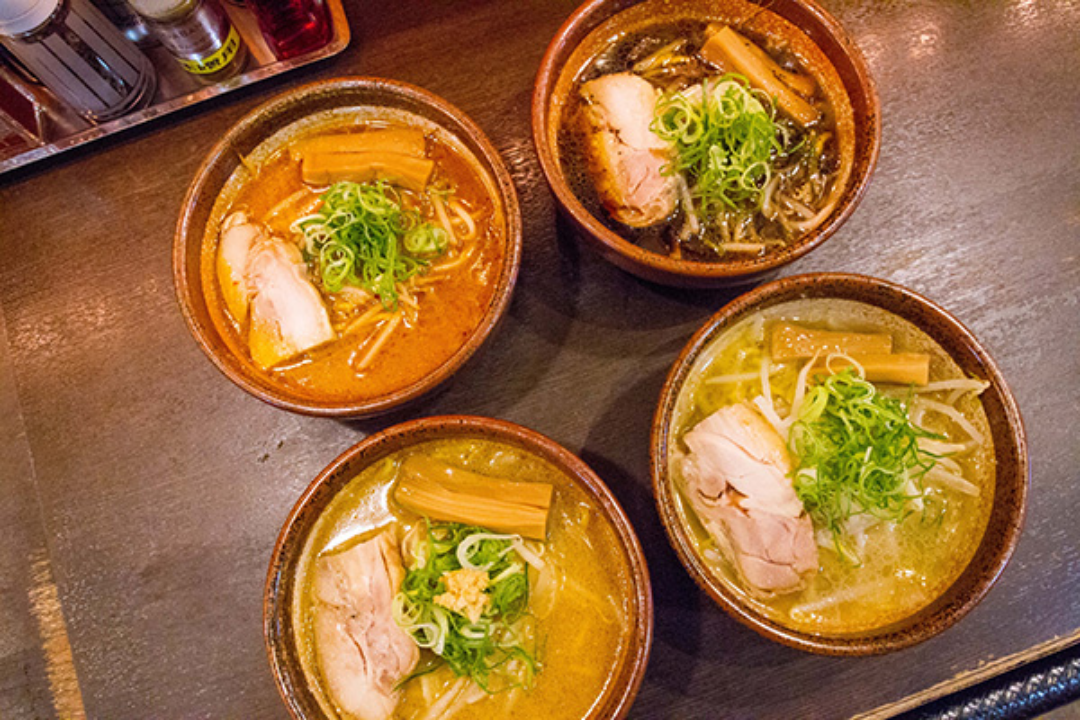
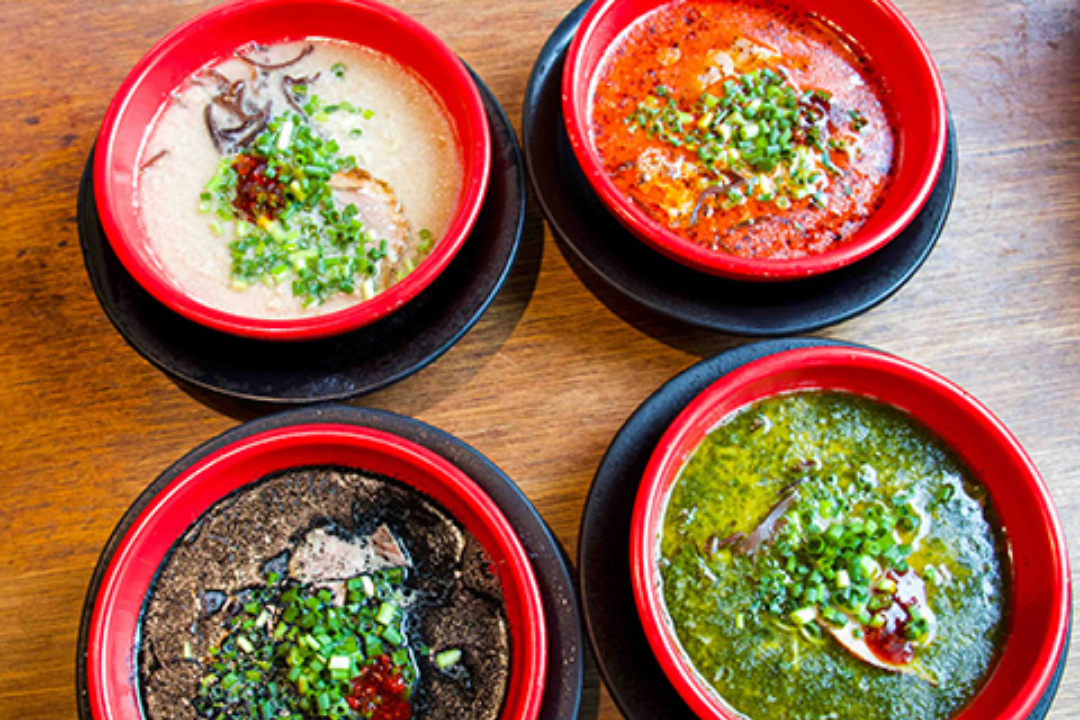
Tokyo is home to thousands of ramen shops, offering an extraordinary range of styles. Alongside classic varieties such as shoyu (soy sauce), miso, shio (salt), and tonkotsu (pork bone broth), visitors can find seafood-based ramen, rich chicken paitan broths, and highly creative original recipes. However, this abundance of choice can also be overwhelming. Many visitors find themselves wondering where to go, feeling intimidated by local establishments, or struggling to navigate ticket vending machines.
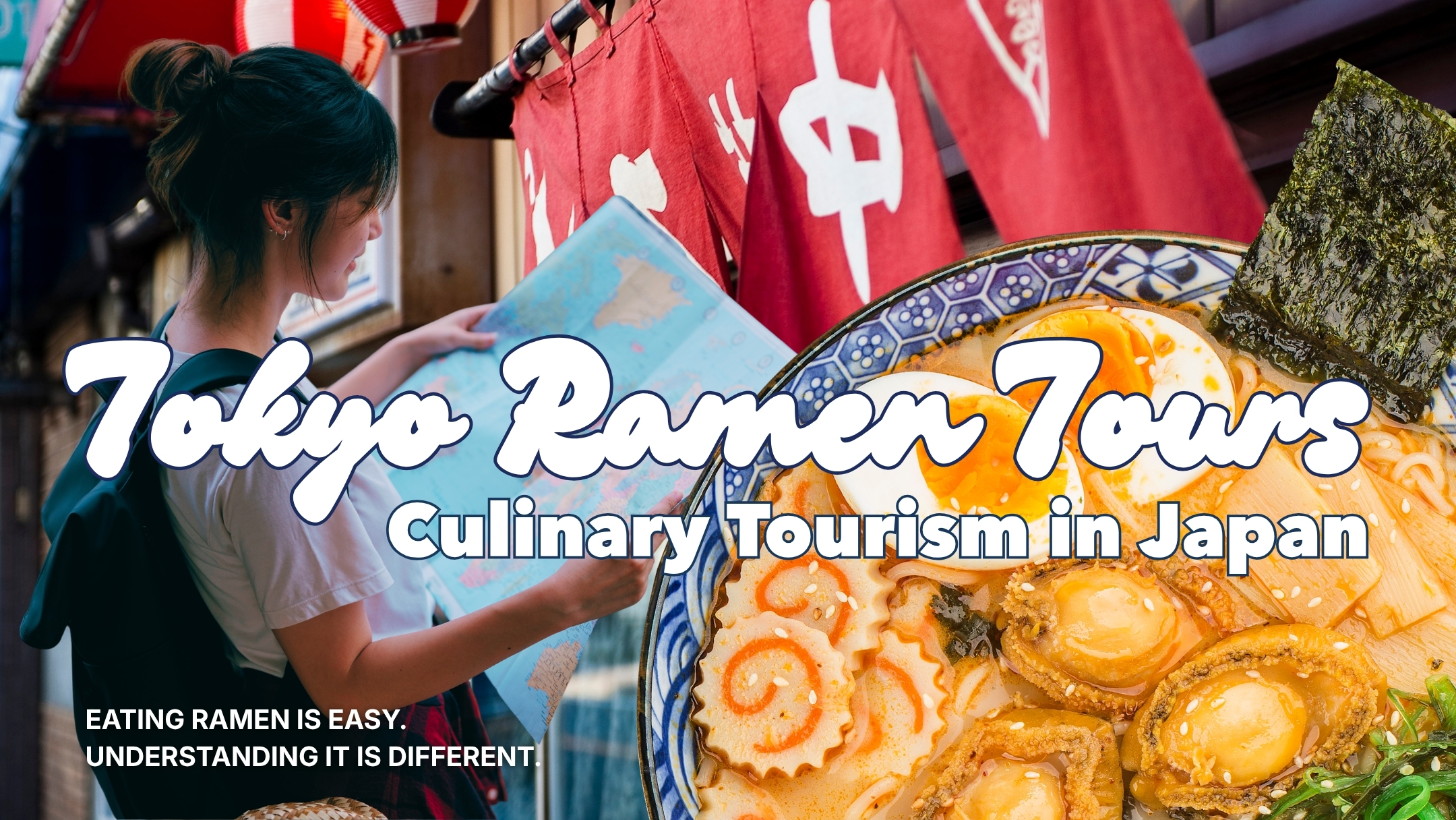
This is where Tokyo Ramen Tours come in. More than a simple food-hopping experience, these tours provide an opportunity to explore Tokyo through the lens of ramen. Participants walk through different neighborhoods, learn about the philosophies and craftsmanship behind each shop, discover the distinctions between various ramen styles, and gain a deeper understanding of Japanese food culture. In essence, it is a guided cultural experience centered around ramen.
Simply eating ramen does not reveal the full story. The dedication of Japanese artisans, the unique character of each neighborhood, and the traditions that shape every bowl are all part of the experience. Tokyo Ramen Tours offer a unique opportunity to discover these elements firsthand through a service that could only have emerged in Japan.
In this article, we will explore what Tokyo Ramen Tours are, how they work, the background behind their creation, and why they have attracted growing international attention. Through this examination, we will uncover the value of one of Japan's most distinctive food culture experiences.
Tokyo Ramen Tour Overview
Tokyo Ramen Tours are guided culinary experiences designed for international visitors and ramen enthusiasts who want to explore some of Tokyo's most popular ramen shops, as well as lesser-known local favorites. These tours are typically conducted in small groups and often include visits to two to four different ramen restaurants in a single session, allowing participants to sample and compare a variety of flavors through smaller portions.
The guides do more than simply lead participants from one location to another. They provide insights into the history of ramen, explain the differences between broth styles, introduce regional characteristics, and share stories about the philosophies and techniques of individual shop owners. As a result, participants gain not only the opportunity to enjoy ramen but also a deeper understanding of the culture and craftsmanship behind it.
Specialized ramen tours like these could only have emerged in Japan, particularly in Tokyo, one of the world's most competitive and diverse ramen destinations. While ramen can be found throughout Japan, few cities offer such a high concentration of distinct styles and culinary traditions in one place. This diversity makes Tokyo uniquely suited to a guided experience that explores the depth and variety of ramen culture.
What Are Tokyo Ramen Tours?
Source: Public Relations Office Homepage
The most distinctive aspect of Tokyo Ramen Tours is that they treat ramen not simply as food, but as a cultural asset. What participants experience is not just a bowl of noodles, but the history, regional influences, craftsmanship, and urban stories that exist behind it.
More Than a Meal: Why Tokyo Ramen Tours Are Considered a Cultural Experience
First, the structure of the tour itself is designed to be educational. Participants are not simply taken to popular restaurants. They are introduced to the differences between shoyu and shio ramen, the contrasting preparation methods used for tonkotsu and chicken paitan broths, the layers of umami created by seafood-based stocks, and even details such as noodle hydration levels and aging techniques. Taste is inherently sensory, but when paired with clear explanations and context, the experience becomes one of understanding rather than simple consumption. In this sense, the tour functions as a learning experience through taste.
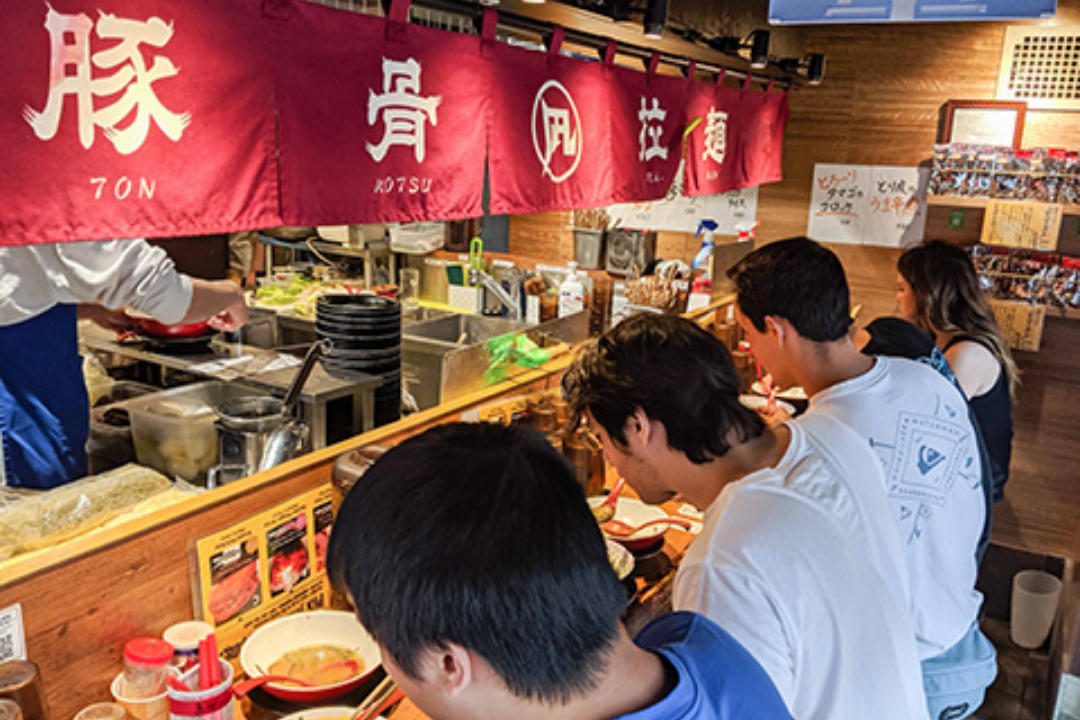
Second, Tokyo Ramen Tours serve as a bridge that helps translate aspects of Japanese dining culture for international visitors. Many ramen shops in Japan use ticket vending machines, requiring customers to purchase meal tickets before entering. There are also unspoken customs, such as waiting quietly in line, avoiding long stays after finishing a meal, and being mindful of when and how photos are taken. While these practices may feel natural to Japanese customers, they can be unfamiliar or intimidating to first-time visitors. Tour guides explain these customs in advance, helping reduce cultural barriers and allowing participants to enter authentic local ramen shops with confidence.
Third, the tours offer a unique way to experience the city itself. Ramen shops are not limited to major tourist districts. Many are located in residential neighborhoods, hidden beneath office buildings, or tucked away on side streets beyond the busiest stations. By guiding participants through these areas, the tours provide opportunities to experience the atmosphere and rhythm of everyday Tokyo. Rather than presenting a version of Tokyo designed for sightseeing, they introduce visitors to the city as it is lived by its residents. This is another reason why the experience is often described as cultural rather than purely culinary.
In addition, ramen is a cuisine that continues to evolve. Shop owners constantly refine their broths, adjust noodle recipes, and develop seasonal or limited-edition offerings. This spirit of experimentation and continuous improvement reflects broader values often associated with Japanese craftsmanship. Tokyo Ramen Tours give participants the opportunity to witness that dedication firsthand, offering insight into the creativity and discipline that shape one of Japan's most iconic foods.
A Ramen City That Has Reached a New Level of Maturity
The emergence of Tokyo Ramen Tours is closely tied to the maturity and increasing sophistication of Tokyo's ramen industry. The city has not only seen a growth in the number of ramen shops, but also a significant rise in specialization and genre diversification. As a result, ramen has evolved into a field with a level of depth comparable to a specialized discipline. For visitors, this has created a new challenge: an overwhelming number of choices.
There was a time when travelers could simply visit a ramen shop featured in a popular guidebook and feel satisfied with their experience. Today, however, information comes from countless sources, including review platforms, social media posts, blogs, and video content. Opinions are often subjective, making it difficult to determine which recommendations are truly worth following. Paradoxically, the more information available, the harder it becomes to make a decision. This is a challenge that extends far beyond ramen and reflects a broader issue in modern society.
Tokyo Ramen Tours offer a practical solution to this problem of information overload. By drawing on the expertise and experience of knowledgeable guides, the tours carefully curate a selection of shops and structure the experience in a meaningful way. Participants can gain valuable insights, compare different styles, and enjoy a high-quality experience within a limited amount of time. In many ways, these tours function as a form of cultural curation, helping visitors navigate the complexity of Tokyo's ramen scene.
The growth of inbound tourism has also contributed to the popularity of these tours. As the number of international visitors to Japan continues to increase, so does the demand for more immersive and meaningful experiences. Many travelers are no longer satisfied with simply visiting famous landmarks. Instead, they seek opportunities to engage with local culture and everyday life. Tokyo Ramen Tours align with this shift by offering a deeper, more authentic way to experience both Japanese food culture and the city itself.
Turning "Too Intimidating to Enter" Into "Easy to Explore"
Source: Public Relations Office Homepage
While international visitors make up the majority of participants, the audience for Tokyo Ramen Tours is remarkably diverse. It includes not only first-time visitors to Japan but also repeat travelers who have visited the country multiple times. For many returning visitors, traditional sightseeing eventually becomes less appealing, leading them to seek more local and immersive experiences.
The tours also attract Japanese culture enthusiasts living overseas, business travelers, food bloggers, culinary researchers, and other participants with a strong interest in food and culture. Even those who already possess extensive knowledge of ramen often discover new perspectives and insights through the guided experience. In some cases, the tours are chosen as part of special occasions such as birthday trips or honeymoons, transforming a meal into a memorable cultural experience.
The Practical Value of Tokyo Ramen Tours
For solo travelers, the tours provide a particularly valuable sense of confidence. Concerns about language barriers, local customs, or entering unfamiliar restaurants can discourage visitors from exploring independently. By removing these uncertainties, the tours make it easier to visit authentic local establishments and enjoy the experience more fully. They also create opportunities for interaction among participants, turning a shared interest in food into a platform for international exchange and conversation.
Although the concept could potentially be adapted in other countries, few cuisines possess the same level of specialization and urban concentration as ramen in Tokyo. Thousands of restaurants, countless regional and stylistic variations, and a deeply rooted food culture all exist within a single metropolitan area. In that sense, the structure of Tokyo itself is one of the key factors that makes this service possible.
The Philosophy of Craftsmanship Found in Every Bowl
One of the greatest strengths of Japan's ramen culture lies in its emphasis on craftsmanship and continuous improvement. Many ramen shops are independently owned, with each proprietor expressing their own philosophy through the broth, noodles, and overall composition of a bowl. While ramen is broadly categorized into styles such as tonkotsu, shoyu, miso, and shio, the specific ratios, stock preparation methods, cooking techniques, and aging processes vary from shop to shop. As a result, every bowl possesses a distinct identity.
Another defining characteristic is the influence of Japan's culture of kaizen, or continuous improvement. Shop owners routinely make small refinements, such as adjusting the salt concentration of a broth, modifying noodle thickness according to the season, or reworking the preparation method for chashu pork. Rather than treating a recipe as a finished product, many view it as something that can always be improved. This commitment to ongoing refinement has helped elevate ramen into a highly specialized culinary field. Through explanations provided during the tour, participants gain insight into these philosophies and practices, transforming a simple tasting experience into a deeper understanding of the mindset behind the craft.
The precision of Japanese restaurant operations is another noteworthy feature. Systems such as ticket vending machines, rapid service, and seating arrangements designed for efficient turnover reflect a level of operational refinement that has developed alongside the demands of urban life. These practices are particularly well suited to a city as large and fast-paced as Tokyo. Ramen tours are designed with this efficiency in mind, making it possible to visit multiple establishments within a relatively short period of time without feeling rushed.
Japan's high standards for hygiene and food safety also contribute significantly to the overall experience. Careful water quality management, ingredient traceability, and rigorous cleanliness practices provide reassurance for international visitors. This reliability, though often unnoticed, plays an important role in creating a positive and trustworthy dining experience.
Another uniquely Japanese aspect is the culture of solo dining. Many ramen shops are built around counter seating and are designed with individual customers in mind. This makes them welcoming not only for tour participants but also for travelers who may wish to return on their own in the future. The low psychological barrier to dining alone is a distinctive feature of Japan's restaurant culture and differs from dining norms in many other countries. Together, these elements help make ramen not just a meal, but a reflection of broader aspects of Japanese society and culture.
As Ramen Goes Global, Where Can You Find the Authentic Experience?
Food tours have become a well-established part of tourism in destinations around the world. Most of these tours, however, are designed to showcase a region's broader culinary culture by introducing a variety of foods and beverages. In Italy, for example, visitors might sample pasta, wine, and cheese as part of a single experience. Against this backdrop, a tour dedicated entirely to one category of food, while comparing multiple establishments within that category, is relatively uncommon.
In recent years, ramen has experienced a global surge in popularity. Japanese-style ramen restaurants have opened across major cities such as New York, London, Paris, and Singapore. While many of these establishments successfully recreate specific styles of Japanese ramen, few places can offer the same combination of density and diversity found in Tokyo.
In Tokyo, it is possible to walk just a few minutes from one shop to another and encounter a completely different interpretation of ramen. Visitors can move from a clear and delicate chicken or seafood-based broth to a rich pork-based style, or from a traditional bowl of noodles to a seafood-forward tsukemen dipping noodle experience. The range of flavors, techniques, and philosophies is remarkably broad. This diversity is what makes Tokyo Ramen Tours possible in the first place. Even if a similar concept were introduced elsewhere, replicating the same concentration of specialized shops and stylistic variety would be extremely difficult.
For this reason, Tokyo Ramen Tours are often viewed as more than a standard tourism product. They offer an experience that can only truly exist in the birthplace of modern ramen culture. For international ramen enthusiasts, the tours provide an opportunity to deepen and update their understanding of the dish. For professional chefs and culinary researchers, they serve as a valuable source of inspiration and study. In fact, an increasing number of overseas chefs, food writers, and content creators have participated in these tours and later shared their experiences through articles, videos, and other forms of media.
Why Tokyo Ramen Tours Are Gaining Global Attention
Source: Public Relations Office Homepage
Several global trends help explain why Tokyo Ramen Tours have attracted growing international interest.
The first is the shift toward the experience economy. Around the world, consumers increasingly value memorable experiences over material possessions. Rather than simply eating a bowl of ramen, participants gain insight into its history, craftsmanship, and the philosophies of the people who create it. This deeper level of engagement gives the experience a narrative quality that resonates strongly with modern travelers.
The second factor is support for local economies. By visiting independently operated restaurants rather than large chains, participants contribute directly to local businesses and communities. As discussions around the impact of tourism on local societies become increasingly important, this model is often viewed as a more sustainable and community-focused approach. Similar food tours and culinary experiences that highlight distinctive local cuisines have become increasingly popular in destinations around the world for the same reason.
A third factor is the balance between cultural preservation and innovation. Ramen is a constantly evolving cuisine, yet many traditional techniques and practices have been maintained for decades. By introducing visitors to both the historical and contemporary sides of ramen culture, these tours help document and share knowledge that might otherwise remain confined to individual shops. In this way, they serve as a form of cultural archive, preserving and communicating the philosophies and stories of ramen artisans.
A Symbol of the Experience Economy
Sustainable tourism is another important consideration. Unlike large-scale attractions or high-volume tourism models, Tokyo Ramen Tours typically operate in small groups and distribute visitors across different neighborhoods. This approach reduces pressure on any single location and aligns with growing interest in tourism models that minimize negative impacts on local communities. As concerns about overtourism continue to increase worldwide, decentralized and experience-focused tourism models have gained greater recognition.
Food also has a unique ability to transcend language barriers. Even when visitors and locals do not share a common language fluently, taste provides a universal point of connection. When that sensory experience is paired with cultural context and expert explanations, it creates a richer understanding of another society. In this sense, Tokyo Ramen Tours function as a form of cultural translation through food, helping international visitors engage with Japanese culture in a way that is both accessible and meaningful.
Conclusion
Tokyo Ramen Tours are far more than simple food-hopping experiences. They provide a gateway to understanding Japanese urban culture, craftsmanship, and everyday aesthetics through one of the country's most iconic dishes. Behind every bowl of ramen lies a combination of philosophies surrounding ingredient selection, time management, continuous improvement, and adaptation to the unique demands of city life.
In an age of information overload, having more choices does not necessarily lead to a better experience. As options become increasingly abundant, there is growing value in services that help people navigate complexity and make meaningful choices. Tokyo Ramen Tours create value through this process of curation, transforming an overwhelming range of possibilities into a structured and insightful experience.
Above all, these tours represent a form of cultural exchange through food. Participants do more than taste ramen; they gain a deeper understanding of the rhythms of daily life, social customs, and local culture that surround it. The experience offers perspectives and insights that cannot be fully captured through guidebooks or online research alone.
This Japanese-born experience model is likely to become even more important in the years ahead. As globalization continues to advance, communities and businesses face a growing challenge: how to preserve local identity while sharing it with a global audience. Tokyo Ramen Tours offer one compelling answer to that question, transforming a distinctly local food culture into an experience that can be understood, appreciated, and enjoyed by visitors from around the world.
FAQ About Tokyo Ramen Tours
1. What Is A Tokyo Ramen Tour?
A Tokyo Ramen Tour is a guided experience that takes participants to multiple ramen shops across Tokyo, allowing them to compare different styles of ramen while learning about the culture behind the dish. Visitors can explore differences in broth, noodles, and preparation techniques while gaining insights into Japan's unique ramen culture. The experience is designed not only as a food tour but also as an introduction to Japanese culinary traditions.
2. How Is It Different From A Typical Food-Hopping Experience?
The key difference is that participants learn not only what they are eating, but also why it tastes the way it does. Guides explain the history of ramen, the characteristics of different styles, the philosophies of individual shop owners, and the cultural context surrounding the dish. As a result, a simple meal becomes an educational and cultural experience.
3. Why Does A Ramen Tour Work So Well In Tokyo?
Tokyo is home to an exceptionally dense concentration of ramen shops offering a wide variety of styles. From shoyu, shio, miso, and tonkotsu ramen to seafood-based, chicken paitan, and innovative contemporary variations, the city provides a level of diversity rarely found elsewhere. This makes it possible to compare multiple styles within a short period of time.
4. What Role Does The Guide Play?
Guides do much more than lead participants from one restaurant to another. They help explain Japanese ramen culture in an accessible way, covering topics such as broth and noodle styles, the unique characteristics of each shop, and local customs such as using ticket vending machines or observing queue etiquette. Their guidance helps visitors feel comfortable exploring authentic ramen establishments, even if they are visiting Japan for the first time.
5. Who Is A Tokyo Ramen Tour Suitable For?
Tokyo Ramen Tours are popular with international visitors, but they also appeal to anyone interested in learning more about Japanese food culture. Repeat visitors to Tokyo often join to discover places beyond the typical tourist route. The tours can also attract chefs, food writers, and culinary enthusiasts who want a deeper understanding of ramen. Both beginners and dedicated ramen fans can enjoy the experience.
6. Why Is A Tokyo Ramen Tour Considered A Cultural Experience?
Because it offers insight into Japanese culture through ramen. Each bowl reflects the philosophy, craftsmanship, and continuous refinement of the shop that creates it. By learning about the stories and techniques behind the food, participants gain a deeper appreciation not only for ramen but also for Japan's broader culture of craftsmanship and attention to detail.
7. How Is A Tokyo Ramen Tour Different From Traditional Sightseeing?
Rather than focusing on famous landmarks, the tour introduces participants to the everyday side of Tokyo. Many ramen shops are located in residential neighborhoods, side streets, and areas frequented primarily by locals. Walking between these locations allows visitors to experience a more authentic view of the city beyond its major tourist attractions.
8. What Makes Tokyo Ramen Tours Appealing To International Visitors?
One of the biggest attractions is the opportunity to experience a globally recognized dish in the place where it has evolved into its most diverse form. While ramen restaurants can be found in cities around the world, few locations offer the same variety and concentration of styles as Tokyo, making it possible to compare different types of ramen within a short period of time. As a result, the experience is valued not only as a culinary journey, but also as a way to gain a deeper understanding of Japanese food culture itself.
9. What New Approach To Tourism Do Tokyo Ramen Tours Represent?
They reflect a shift from passive sightseeing to interactive, educational travel experiences. Through guided explanations and neighborhood exploration, participants learn about the history, culture, and people behind the food. The tours encourage deeper engagement with local communities and traditions, using cuisine as a gateway to cultural understanding.
10. What Is The Greatest Appeal Of A Tokyo Ramen Tour?
The greatest appeal is the opportunity to experience not only ramen itself, but also the city and culture that shaped it. With expert guidance, participants gain a deeper appreciation for the differences between each bowl, the craftsmanship behind it, and the neighborhoods where it is served. By combining food, cultural learning, and urban exploration, Tokyo Ramen Tours offer a uniquely immersive way to experience Japan.
Related Videos
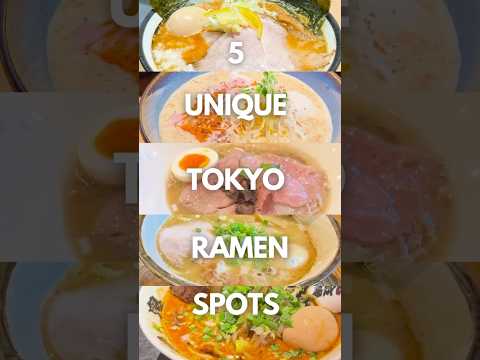
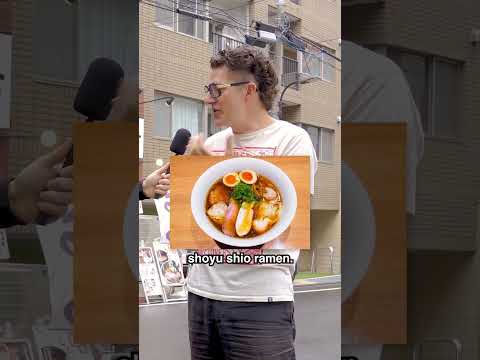
If you're interested in discovering Tokyo through its ramen culture, the videos below showcase unique ramen tours that combine sightseeing with unforgettable local dining experiences. These videos highlight how food-focused tours are becoming a new way for travelers to connect with Japan's neighborhoods and culinary traditions.