
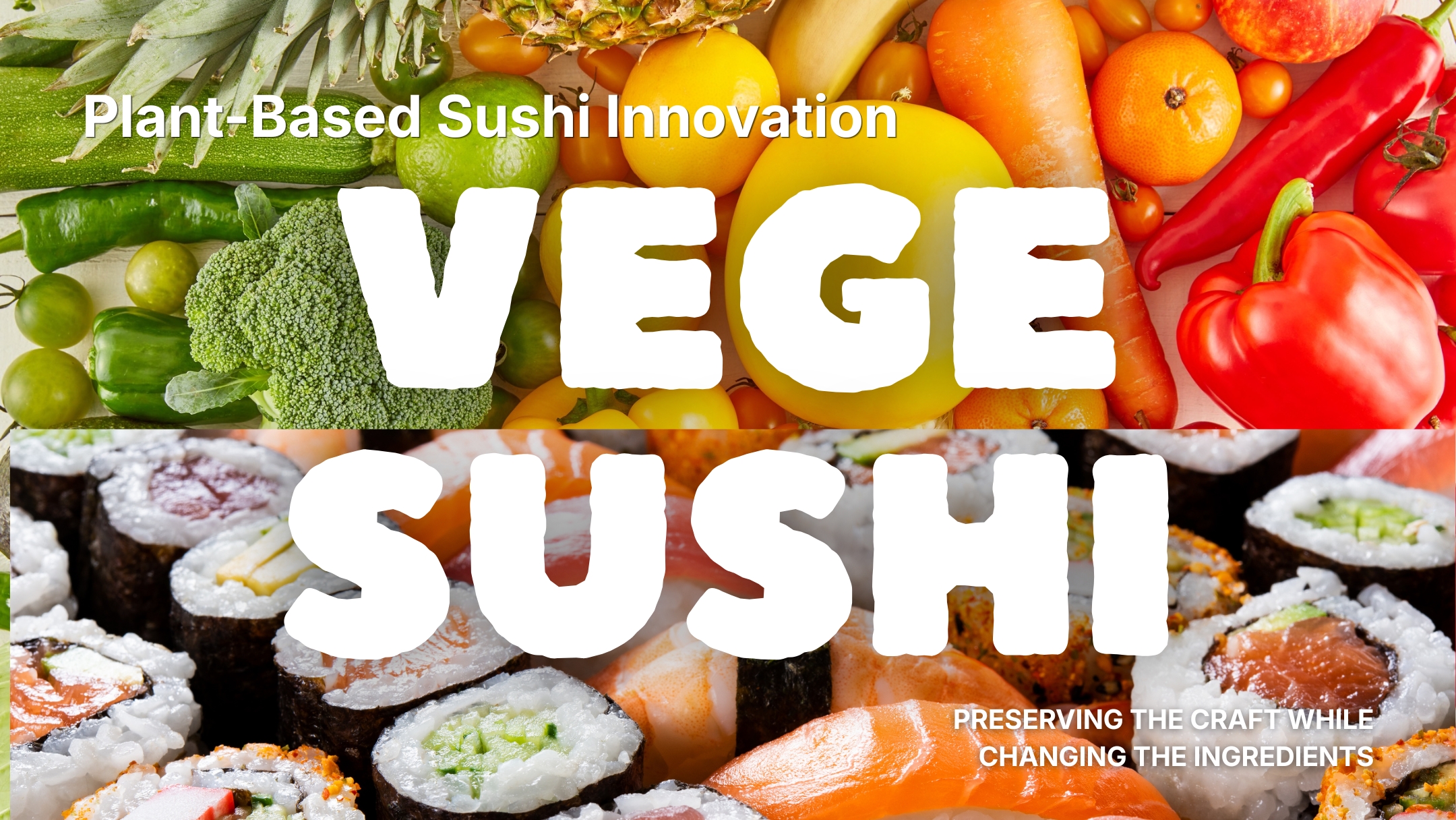
When most people outside Japan think of sushi, raw fish is usually the first thing that comes to mind. Japanese food concept VEGESUSHI challenges that assumption entirely.
Created in Japan, VEGESUSHI expresses the world of sushi using only vegetables, without fish, meat, or any other animal products. Through colorful ingredients, careful preparation techniques, and artistic presentation, it reimagines what sushi can be while preserving the beauty and craftsmanship that define traditional Japanese cuisine.
Its appeal goes beyond taste alone. The vibrant appearance and delicate construction of each piece transform the meal into an experience, making vegetable sushi as visually memorable as it is enjoyable to eat.
What makes VEGESUSHI particularly interesting is that it was not created as a simple substitute for conventional sushi. Instead, it builds upon the techniques, aesthetics, and philosophy of traditional Japanese sushi while adapting them to modern values surrounding health, sustainability, and dietary diversity.
The careful preparation of ingredients, the emphasis on seasonality, and the importance placed on visual presentation remain central to the experience. Rather than removing elements from sushi, VEGESUSHI expands the possibilities of what sushi can become without relying on animal products.
This distinction gives it a major advantage in international markets. Around the world, vegan, vegetarian, and flexitarian lifestyles continue to grow, and consumers increasingly seek foods that offer both wellness benefits and meaningful cultural experiences. VEGESUSHI naturally connects these interests, combining Japanese culinary culture with health-conscious and environmentally conscious dining.
Rather than presenting Japanese food culture as something limited by dietary restrictions, VEGESUSHI presents it as an opportunity for creativity and innovation. By combining tradition with contemporary values, it has the potential to become one of Japan's next globally recognized food movements.
VEGESUSHI Overview
VEGESUSHI is a Japanese food concept that recreates sushi entirely with vegetables, without using fish, meat, or any other animal-derived ingredients.
The concept keeps the traditional structure of sushi intact: vinegared rice, toppings, and presentation. However, instead of seafood, seasonal vegetables and innovative preparation methods are used to create satisfying flavors, textures, and visual appeal.
One of the most distinctive aspects of VEGESUSHI is its versatility.
It can appear as part of a fine dining tasting menu, a pop-up event, catering service, cultural exhibition, or interactive food experience. By applying traditional sushi techniques to vegetables through marinating, steaming, slicing, and seasoning, chefs are able to maximize both flavor and aesthetics.
Pricing varies depending on where and how it is served, but VEGESUSHI is often positioned less as an everyday substitute for sushi and more as an experience-driven culinary concept. Diners are not only paying for ingredients, but also for craftsmanship, storytelling, and presentation.
Its greatest strength is that it appeals far beyond the vegan and vegetarian community.
VEGESUSHI offers a new way for anyone interested in Japanese cuisine to experience sushi culture, regardless of dietary preferences or restrictions. It combines health consciousness and sustainability with the visual elegance and seasonal sensibility that define Japanese cuisine.
How Hoxai Kitchen's VEGESUSHI Works
VEGESUSHI uses only vegetables to recreate both the structure and aesthetic philosophy of sushi.
The familiar combination of rice, toppings, and presentation remains unchanged, but the ingredients are transformed through careful preparation and thoughtful combinations of seasonal produce. The result is a dining experience that feels unmistakably like sushi while offering entirely new flavors and textures.
The concept delivers something much more valuable than simply "fish-free sushi."
For vegan and vegetarian diners, it provides access to one of Japan's most iconic food experiences. For everyone else, it introduces an entirely new perspective on what sushi can be.
The colors, shapes, and textures of vegetables become part of the artistic expression. Many guests find themselves appreciating VEGESUSHI as much with their eyes as with their taste buds.
The concept has been showcased in restaurants, pop-up events, exhibitions, and cultural food experiences. Its flexibility allows chefs and organizers to adapt the presentation depending on the audience and setting, making it suitable for catering, international events, and Japanese cultural promotion overseas.
Pricing can range from traditional sushi restaurant levels to premium tasting experiences that emphasize storytelling and presentation. In every case, the focus is placed less on the ingredients themselves and more on the overall experience being created.
Because of this, VEGESUSHI has applications across multiple industries beyond hospitality, including tourism, cultural exchange programs, exhibitions, and sustainability-focused events.
For international audiences, it represents a powerful new way to introduce Japanese food culture through a more accessible and inclusive lens.
Sushi Reimagined Rather Than Replaced
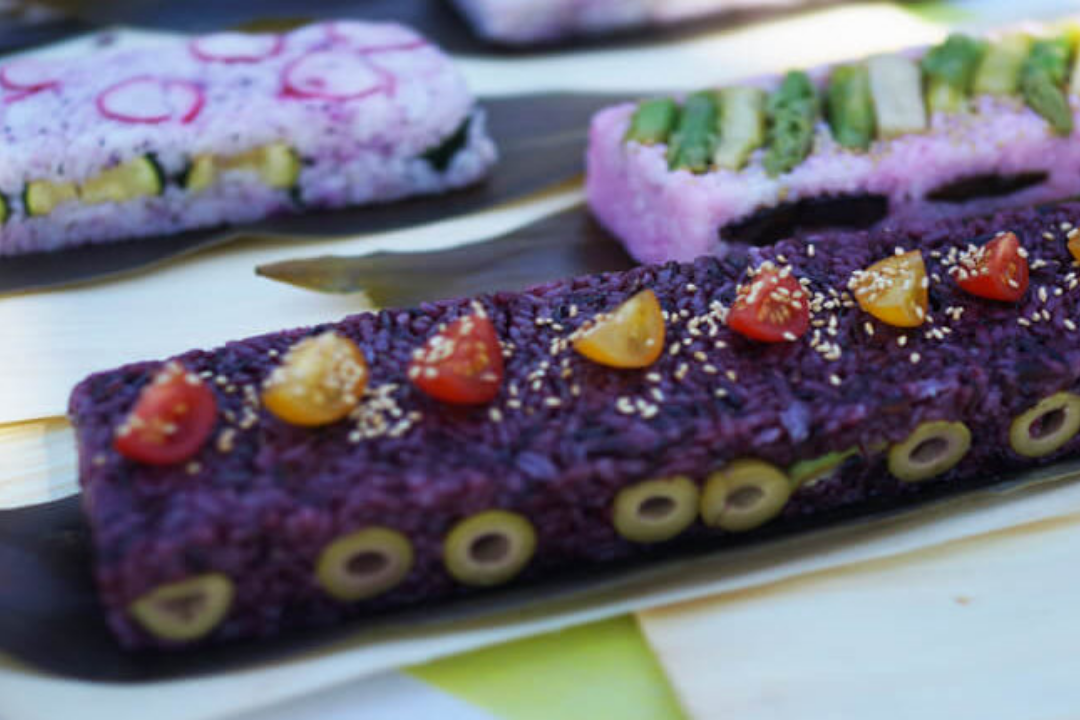
Source: VEGESUSHI Homepage
The most fascinating thing about VEGESUSHI is not simply that it contains no fish. It is how natural that feels once you experience it.
Many vegan dishes emphasize what ingredient is replacing meat or seafood. VEGESUSHI takes a very different approach. It is designed from the beginning to stand on its own as sushi.
As a result, diners rarely feel as though they are eating a restricted version of something familiar. Instead, they feel as though they are discovering an entirely new expression of sushi.
Part of sushi's enduring appeal lies in the way ingredients are treated and presented. In VEGESUSHI, the colors, shapes, and textures of seasonal vegetables are carefully highlighted through slicing techniques, layering, and arrangement. Each piece develops its own personality and visual identity.
How Craftsmanship Survives Without the Fish
The Japanese appreciation for seasonality and beauty remains fully intact. This is why VEGESUSHI still feels unmistakably like sushi, even without seafood.
Creating vegetables that can perform the role of sushi toppings also requires careful attention to flavor and texture. Preparation methods, seasoning, temperature, and ingredient pairings all play an essential role in creating a satisfying final product.
Importantly, this is achieved not through industrial food technology or highly processed ingredients, but through craftsmanship and a deep understanding of vegetables themselves.
Many first-time diners are initially captivated by the visual beauty of VEGESUSHI. Soon after, they discover something unexpected: it is genuinely satisfying as sushi.
The absence of fish quickly stops being the main conversation.
Instead, the focus shifts to the flavors, textures, and creativity of the experience itself.
VEGESUSHI is not a cuisine born from limitation. It is a new expression of Japanese food culture born from a different way of thinking.
Why Was VEGESUSHI Created?
VEGESUSHI emerged at a time when food choices around the world were becoming increasingly diverse.
Growing numbers of people now follow vegan, vegetarian, religious, or health-focused diets that limit or avoid animal products. At the same time, sushi has become one of Japan's most internationally recognized foods.
This created an interesting challenge.
Although sushi symbolizes Japanese cuisine globally, traditional sushi is built around seafood, meaning that not everyone can participate in the experience equally.
VEGESUSHI was developed as a response to this gap.
By using only vegetables while preserving the structure, aesthetics, and craftsmanship of sushi, it creates an experience that remains authentically Japanese while becoming accessible to a wider audience.
The focus is not on replicating fish.
Modernizing Japan’s Ancient Plant-Based Roots
Instead, VEGESUSHI places an emphasis on expressing the beauty of sushi through vegetables themselves. Color, texture, seasonality, and presentation are carefully combined to create pieces that feel complete and satisfying on their own terms.
This makes VEGESUSHI much more than a solution for people with dietary restrictions.
It becomes a new gateway into Japanese cuisine for anyone interested in Japanese food culture.
Through international events, exhibitions, and cultural programs, VEGESUSHI is helping demonstrate that Japanese cuisine can continue evolving while remaining deeply connected to its traditions.
As global food values continue to change, VEGESUSHI offers a compelling example of how one of Japan's most iconic culinary traditions can be reintroduced to the world from an entirely new perspective.
Expanding Japanese Food Experiences Beyond Dietary Restrictions
One of the most interesting aspects of VEGESUSHI is that it is not limited to restaurants or vegan cafes. Instead, it is increasingly being used as a way to introduce Japanese food culture to a much wider audience.
One of the most common use cases is at international events, exhibitions, and receptions where attendees may have a wide variety of dietary requirements. Organizers often face the challenge of providing a shared culinary experience for guests with different religious, cultural, or lifestyle restrictions. Because VEGESUSHI contains no meat or seafood, it allows organizers to offer an authentic Japanese dining experience without excluding anyone from the table.
The concept is also finding a place in tourism and cultural exchange programs. Many international visitors are eager to experience sushi while visiting Japan, yet some avoid seafood or meat for health, religious, or ethical reasons. Vegetable sushi offers these travelers the opportunity to participate in one of Japan's most iconic food experiences without compromise. In this sense, VEGESUSHI serves as an accessible gateway into Japanese cuisine.
Companies and organizations have also begun incorporating vegetable sushi into events focused on sustainability, diversity, and inclusion. Offering VEGESUSHI can communicate a commitment to environmental awareness and food diversity through an experience rather than a presentation or statement. Because the food itself carries a message, it becomes more than a menu item. It becomes part of the story an organization wants to tell.
As a result, VEGESUSHI is expanding beyond the food industry into tourism, cultural promotion, events, and international exchange, demonstrating how Japanese cuisine can evolve while remaining true to its roots.
The Ingredients and Preparation Behind Vegetable-Only Sushi
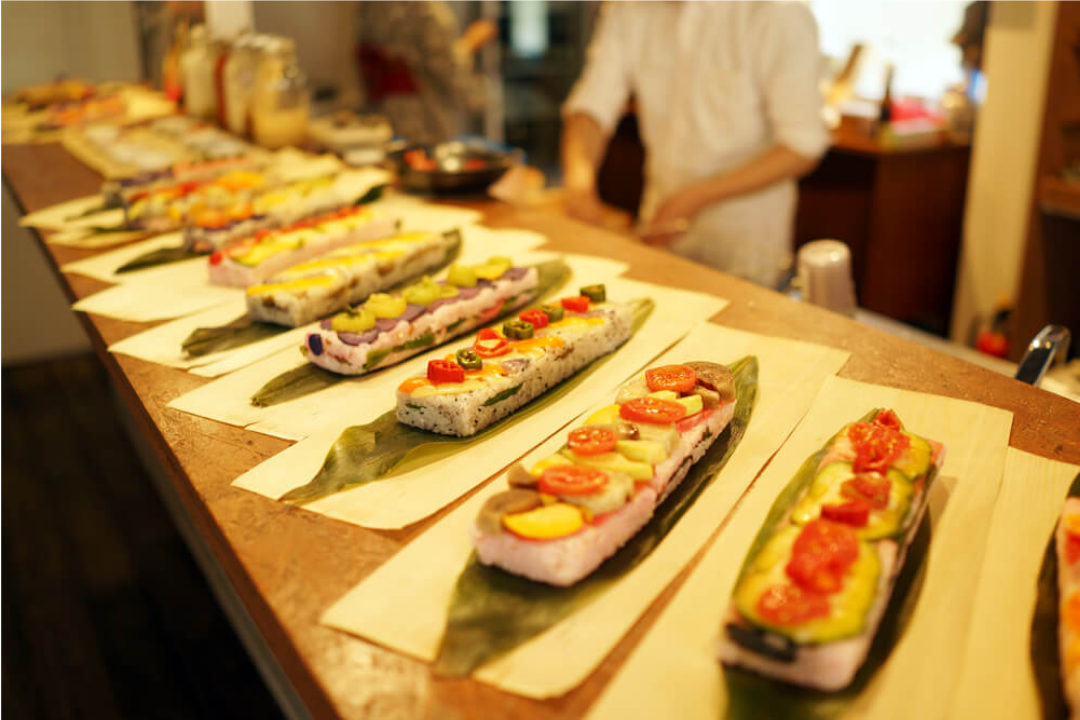
Source: VEGESUSHI Homepage
Unlike mass-produced food products, the quality of VEGESUSHI depends less on machinery and more on ingredients and craftsmanship.
Freshness and seasonality are particularly important. Different vegetables offer dramatically different flavors, textures, and visual characteristics, and selecting the right ingredients is essential to creating a satisfying sushi experience. By working with seasonal produce and highlighting the natural colors and shapes of vegetables, VEGESUSHI achieves both visual beauty and culinary balance.
Preparation techniques are equally important. Marinating, steaming, lightly grilling, and carefully seasoning ingredients allow chefs to unlock flavors and textures that raw vegetables alone cannot provide. Rather than trying to imitate fish as closely as possible, the philosophy is to celebrate the individuality of each vegetable and allow it to shine on its own terms.
As with any professional food service operation, hygiene standards, temperature management, and ingredient storage practices remain fundamental to maintaining quality and safety.
What makes VEGESUSHI particularly interesting is that it does not rely on advanced food technology or industrial processing. Instead, its success comes from a deep understanding of ingredients, careful preparation, and a commitment to creating sushi that feels complete and satisfying despite using only vegetables. Those details are what define the concept.
Opening Japanese Cuisine to More People
The idea behind VEGESUSHI stems from an interesting contradiction.
Sushi is one of Japan's most internationally recognized foods, yet not everyone can enjoy it in its traditional form. Religious dietary rules, health considerations, vegetarian lifestyles, and ethical choices have historically limited access to one of Japan's most famous culinary experiences.
VEGESUSHI approaches this issue from a different angle.
Rather than creating a substitute for people who cannot eat sushi, it asks a more fundamental question: what truly makes sushi, sushi?
Is it the fish itself, or is it the combination of vinegared rice, seasonal ingredients, craftsmanship, presentation, and respect for the natural qualities of the ingredients?
Why Master Chefs are Turning to Vegetables
The creators of VEGESUSHI argue that the essence of sushi extends beyond seafood. The structure of the dish, the celebration of seasonality, and the visual artistry that define sushi culture can all exist through vegetables as well.
This perspective also addresses a challenge that Japanese cuisine has sometimes faced internationally. While global interest in Japanese food continues to grow, menu design has not always kept pace with increasingly diverse dietary needs.
VEGESUSHI offers a practical solution by remaining accessible to vegans and vegetarians while preserving the cultural context and aesthetics that make Japanese cuisine unique.
The goal is not to replace traditional sushi or change Japanese culinary traditions. Instead, it is to expand the ways those traditions can be shared with the world.
Establishing Vegetable Sushi as a New Category of Japanese Cuisine
VEGESUSHI has the potential to become more than a short-term trend or novelty product.
Future growth will likely come through expanding the situations in which it is experienced. Alongside restaurant menus and special events, vegetable sushi could become part of cultural exhibitions, educational programs, culinary workshops, and immersive food experiences that tell a broader story about Japanese cuisine.
Seasonal and regional ingredients also create opportunities for constant reinvention. Just as traditional sushi changes throughout the year, vegetable sushi can evolve with local harvests and regional specialties, creating unique experiences across different locations and seasons.
From a branding perspective, it will be important to move beyond the label of "vegan sushi" and establish VEGESUSHI as simply another expression of sushi culture.
Its visual beauty, connection to Japanese culinary traditions, and emphasis on craftsmanship have the potential to attract not only health-conscious consumers but also food enthusiasts and travelers interested in authentic cultural experiences.
International markets may prove particularly receptive. Europe's established vegan culture, North America's growing flexitarian movement, and urban Asian markets with strong interest in wellness and sustainability all align naturally with the values behind VEGESUSHI.
Collaborations with local restaurants, participation in food festivals, and partnerships with cultural institutions could provide effective pathways for global expansion.
Ultimately, the goal is not to change sushi itself but to broaden the number of people who can experience it.
Recognition as a Japanese Concept for Food Diversity
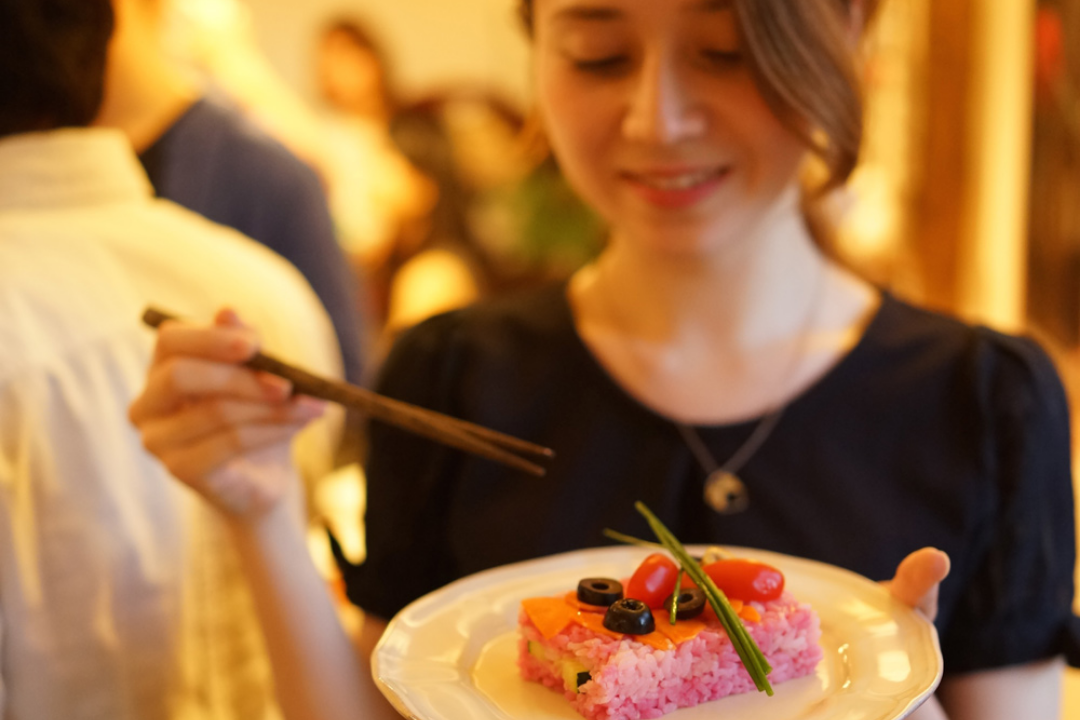
Within Japan, VEGESUSHI has attracted attention not only as vegan-friendly Japanese food but also as a new form of culinary expression.
Lifestyle publications and sustainability-focused media frequently highlight the concept as an example of how Japanese cuisine can evolve while preserving its identity. Discussions about the future of Japanese food exports and cultural exchange often include vegetable sushi as a potential model.
Although detailed sales figures and market data have not been publicly disclosed, VEGESUSHI operates primarily as a concept rather than as a product tied to a single restaurant or location.
It has appeared in limited-time restaurant menus, exhibitions, food events, pop-up experiences, and cultural showcases. This flexibility allows the concept to adapt to different industries and audiences without being confined to a specific business model.
Social media has also played an important role in its visibility.
Why Plant-Based Sushi is the Next Big Global Food Movement
The vibrant colors and artistic presentation of vegetable sushi make it highly shareable on visual platforms such as Instagram. The surprise factor of "sushi made entirely from vegetables" naturally encourages conversation and online engagement, even among people who may not typically seek out vegan cuisine.
Although it is not widely sold as a permanent retail product in department stores or specialty shops, it has steadily built recognition as a symbol of food diversity and a new approach to sharing Japanese culinary culture.
A New Entry Point to Sushi for Global Markets
VEGESUSHI is not only relevant within Japan. It also has significant potential in international markets.
Global interest in wellness, sustainability, and dietary diversity continues to grow alongside the worldwide popularity of Japanese food. As the number of vegans, vegetarians, and flexitarians increases, demand is rising for ways to experience Japanese cuisine without relying on animal products.
Markets with particularly strong potential include Europe, where vegan culture is already well established, as well as health-conscious urban consumers in North America and Asia.
In many of these markets, Japanese cuisine already enjoys strong recognition. However, dietary restrictions can still prevent some consumers from fully participating in the sushi experience. Vegetable sushi helps close that gap by making sushi culture more accessible.
VEGESUSHI also benefits from sushi's unique cultural appeal.
Sushi is more than a meal. It is a culinary experience shaped by presentation, craftsmanship, etiquette, and cultural context. Vegetable sushi preserves those elements while removing barriers related to religion, lifestyle, or dietary preference.
This makes it particularly suitable for international events and multicultural environments where inclusivity is increasingly important.
Beyond restaurants, VEGESUSHI can also serve as a platform for cultural exchange through exhibitions, tourism programs, educational initiatives, and Japanese cultural events.
As a result, it represents a practical and highly adaptable way to share Japanese food culture with a broader global audience.
Conclusion
VEGESUSHI reimagines one of Japan's most iconic culinary traditions for a world where dietary choices are becoming increasingly diverse.
There is a growing global audience interested in Japanese cuisine but unable, or unwilling, to experience traditional sushi because of dietary restrictions or personal values. Vegetable sushi provides those individuals with a meaningful and authentic way to participate in Japanese food culture.
For international businesses, the appeal goes far beyond offering a vegan menu item.
Because VEGESUSHI preserves the structure, aesthetics, and cultural storytelling that define sushi, it integrates naturally with Japanese restaurants, tourism experiences, cultural programs, and hospitality initiatives. In markets where Japanese food is already familiar, it offers an opportunity to stand out through inclusivity and innovation.
For potential partners in food, tourism, and events, VEGESUSHI provides a tangible way to demonstrate commitments to sustainability, diversity, and accessibility. At the same time, partnerships abroad give the creators of VEGESUSHI new opportunities to adapt and expand the concept within different cultural contexts.
VEGESUSHI represents more than vegetable-based sushi. It represents a more open and inclusive future for Japanese cuisine, one that invites more people to take part in one of Japan's most celebrated cultural experiences.
FAQ About VEGESUSHI
1. What Is VEGESUSHI?
VEGESUSHI is a Japanese food concept that recreates the world of sushi using only vegetables, without any fish, meat, or other animal products. By preserving the essential elements of sushi, such as vinegared rice, carefully crafted toppings, and elegant presentation, VEGESUSHI highlights the colors, textures, and flavors of seasonal vegetables. It is gaining attention as a new expression of Japanese cuisine for modern audiences.
2. How Is VEGESUSHI Different From Traditional Sushi?
The biggest difference is that vegetables are not used as substitutes for fish. Instead, vegetables become the main attraction. Traditional sushi often focuses on the flavor and texture of seafood, while VEGESUSHI celebrates the aromas, textures, and seasonality of each vegetable ingredient. It expands the possibilities of sushi while remaining faithful to the philosophy behind the cuisine.
3. Why Was Sushi Without Fish Created?
The goal was to make sushi culture accessible to more people around the world. Many people avoid fish or meat because of religion, lifestyle choices, or health considerations. VEGESUSHI views these differences not as limitations but as opportunities to create new forms of Japanese cuisine that more people can enjoy together.
4. Can Vegetable Sushi Be Satisfying Without Fish?
Yes. VEGESUSHI is designed to offer more than visual appeal. Each ingredient is prepared differently to maximize sweetness, aroma, texture, and mouthfeel. Through careful seasoning and preparation, every piece is crafted as a complete culinary experience. The result is a style of sushi that feels satisfying while showcasing the unique qualities of vegetables.
5. Is VEGESUSHI Only For Vegans?
While VEGESUSHI is naturally suitable for vegans and vegetarians, that is not its only purpose. The concept is about expressing the beauty, craftsmanship, and enjoyment of sushi through different ingredients. Regardless of dietary preferences, it offers a fresh and memorable way to experience Japanese food culture.
6. How Does VEGESUSHI Reflect Japanese Culture?
VEGESUSHI embraces many of the values that define traditional Japanese cuisine, including seasonality, visual beauty, and respect for ingredients. Each piece is carefully designed to engage both the eyes and the palate, using the natural colors and shapes of vegetables to create artistic presentations. Although the ingredients may differ, the spirit of Japanese cuisine remains intact.
7. Is VEGESUSHI Also Attracting Attention For Sustainability?
Yes. As interest in sustainable food systems and environmental responsibility continues to grow worldwide, plant-based cuisine is becoming an increasingly important option. VEGESUSHI stands out because it combines sustainability with flavor, craftsmanship, and cultural storytelling rather than focusing solely on environmental benefits.
8. What Makes VEGESUSHI Appealing To International Audiences?
VEGESUSHI makes one of Japan's most famous culinary traditions accessible to a wider audience. While sushi is globally recognized, not everyone can enjoy conventional sushi because of dietary restrictions or personal preferences. By preserving the aesthetics and philosophy of sushi while broadening who can participate, VEGESUSHI creates opportunities for people from different backgrounds to share the same dining experience.
9. What Does VEGESUSHI Suggest About The Future Of Food Culture?
VEGESUSHI represents the idea that traditions can evolve without losing their identity. As food preferences become increasingly diverse, traditional cuisines are being challenged to find new forms of expression. Vegetable sushi demonstrates how cultural heritage can adapt to modern values while remaining true to its origins.
10. What Is The Biggest Appeal Of VEGESUSHI?
Its greatest appeal is that it was born from creativity rather than limitation. Instead of treating the absence of fish as a weakness, VEGESUSHI embraces the unique colors, flavors, textures, and beauty that vegetables can offer. By connecting Japanese culinary traditions with contemporary food values, it creates an entirely new kind of sushi experience.
Related Videos
If you're interested in the future of sustainable Japanese cuisine, the video below explores VEGESUSHI, an innovative approach that recreates sushi using plant-based ingredients instead of fish. This video highlights how Japanese culinary creativity is making sushi more accessible to people with diverse dietary preferences around the world.