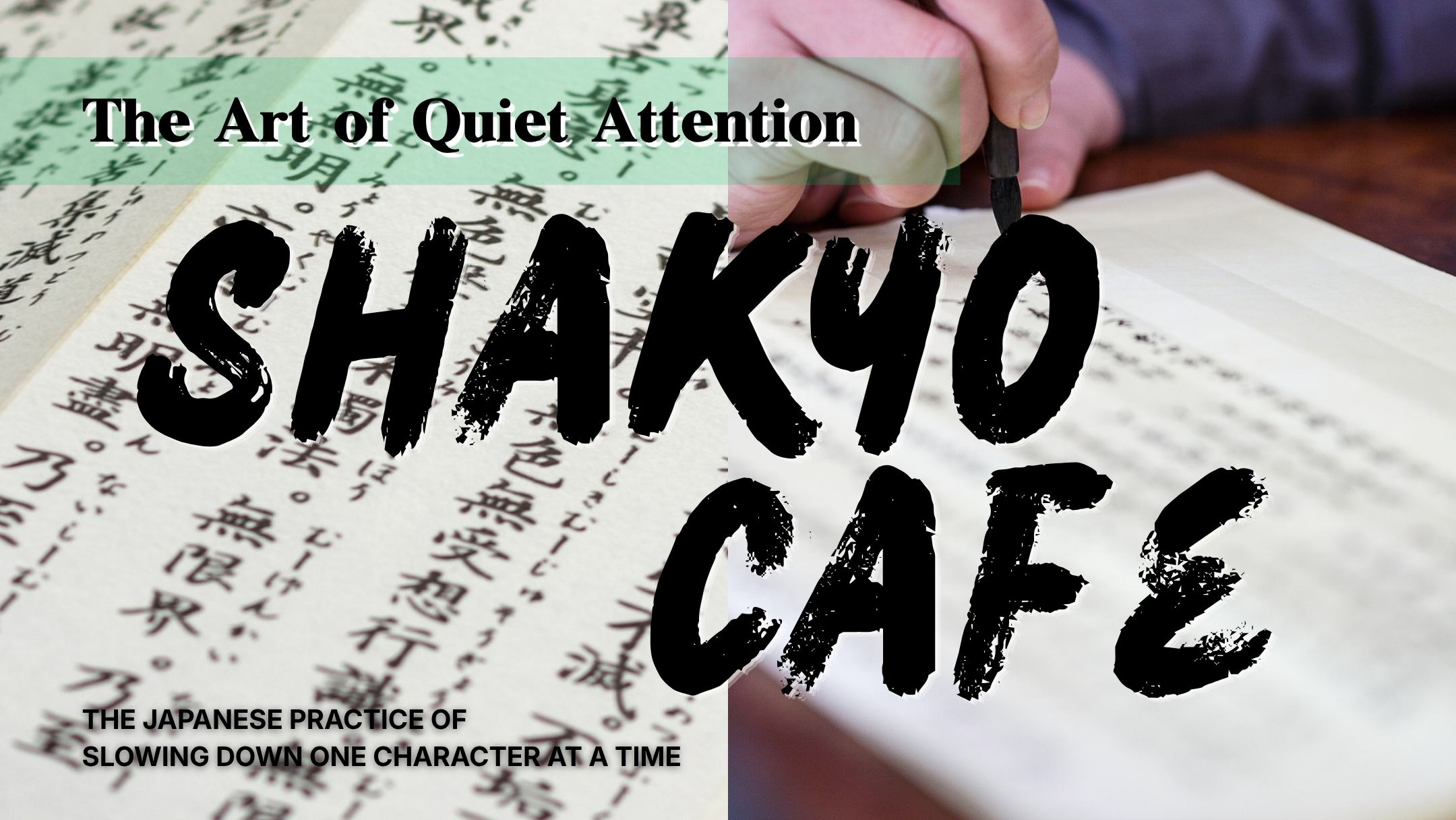
In today’s fast paced world, finding a moment of genuine quiet has become increasingly rare. Japan’s Shakyo Cafe offers a unique way to slow down by introducing visitors to shakyo, the centuries old Buddhist practice of hand copying sutras, in a welcoming café environment.
Instead of requiring a visit to a temple or any prior knowledge of Buddhism, Shakyo Cafe invites anyone to experience the calming practice of copying sacred texts with a brush pen while enjoying a peaceful café atmosphere. The result is a mindful experience that feels accessible rather than intimidating.
Developed in Japan, Shakyo Cafe reimagines a traditional spiritual practice for modern life. While it respects the cultural roots of shakyo, it removes many of the barriers that might discourage first time participants. Rather than emphasizing religious ritual, the experience is designed for anyone seeking a quieter mind, deeper focus, or simply a break from everyday distractions.
As interest in mindfulness, stress management, and digital wellness continues to grow worldwide, people are increasingly recognizing the value of slowing down. Much like yoga or meditation, shakyo offers a way to cultivate mental clarity that transcends cultural and religious boundaries.
Instead of preserving tradition as something to observe from a distance, Shakyo Cafe transforms it into a living, contemporary experience. For international visitors, it provides a refreshing opportunity to engage with an often overlooked aspect of Japanese culture through personal participation rather than sightseeing alone.
Shakyo Cafe Overview
Shakyo Cafe is a Japanese experience that allows anyone to practice shakyo, the Buddhist tradition of copying sutras, in the relaxed setting of a café.
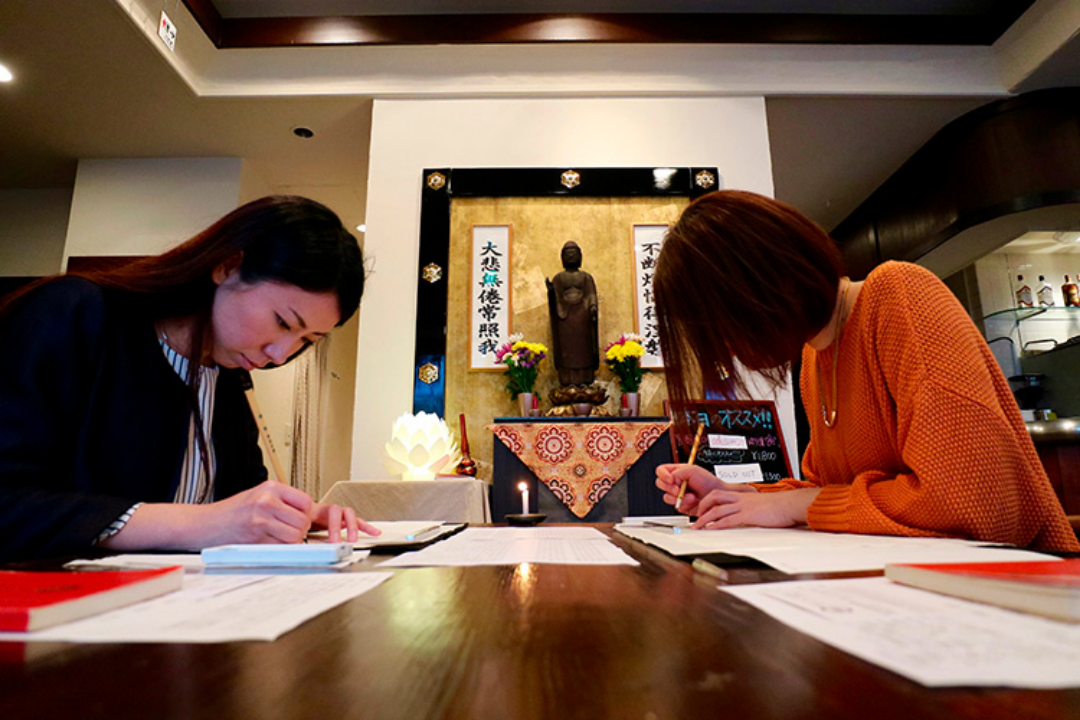
Upon arrival, guests receive specially prepared shakyo paper and a brush pen before choosing a comfortable seat to begin writing. No previous experience, religious knowledge, or calligraphy skills are required. Staff provide simple guidance, making the experience approachable even for complete beginners.
The goal is not perfect handwriting or flawless reproduction of the text. Instead, the focus is on the act of writing itself. As participants put away their smartphones and devote their attention to each character, breathing naturally slows, distractions fade, and the mind becomes calmer.
Although shakyo has deep spiritual origins, Shakyo Cafe presents it as an opportunity for mindfulness, relaxation, and concentration rather than formal religious practice.
The experience is intentionally simple. Guests receive their materials, choose a seat, and work at their own pace. Some visitors spend just 20 or 30 minutes writing, while others immerse themselves for much longer. It fits naturally into many situations, whether during a sightseeing break, after work, or as part of a quiet weekend.
Pricing is also designed to feel familiar. The participation fee typically includes both the shakyo materials and a beverage, making it comparable to visiting a specialty café rather than booking an expensive cultural activity.
Rather than treating traditional culture as something reserved for temples or special occasions, Shakyo Cafe integrates it into everyday life. It offers a distinctly Japanese experience for anyone looking to relax, focus, and reconnect with themselves.
How Shakyo Cafe Brings Traditional Culture Into Everyday Life
Source: Shakyo Cafe Homepage
What makes Shakyo Cafe unique is its ability to transform a practice traditionally associated with Buddhist temples into an experience that feels natural within everyday urban life.
For centuries, shakyo has been practiced as an act of devotion, prayer, and self reflection. While culturally significant, it has often felt inaccessible to people unfamiliar with Buddhist traditions. Shakyo Cafe lowers that psychological barrier by presenting the practice in a familiar café setting where anyone can comfortably participate.
How "Mindful Writing" is Replacing the Coffee Break
One of its greatest strengths is that it does not place religion at the center of the experience. While participants still copy authentic sutra texts, the emphasis is on mindful writing rather than religious belief. This makes the experience appealing not only to those interested in Japanese culture but also to people exploring meditation, mindfulness, or personal wellness.
Another defining feature is the opportunity to disconnect from digital distractions. Participants intentionally step away from smartphones, conversations, and constant notifications to focus entirely on writing one character at a time. In an age dominated by screens, this uninterrupted concentration has become a valuable experience in itself.
Unlike many creative workshops, there is no competition, performance, or pressure to produce a perfect result. The value lies entirely in the process rather than the finished page.
The Zen of the Pen
Although Shakyo Cafe is not built around proprietary technology or specialized equipment, considerable thought goes into every detail, from the quality of the paper and brush pens to the layout of the space and the flow of the experience. Each element is carefully designed to make shakyo comfortable, approachable, and enjoyable for modern participants.
Rather than preserving tradition behind glass, Shakyo Cafe demonstrates how cultural heritage can evolve into meaningful experiences for contemporary life.
Where Shakyo Cafe Is Being Used Today
While Shakyo Cafe is primarily a consumer experience, its benefits have made it relevant across a surprisingly wide range of settings. The appeal is not limited to any one industry. Instead, it addresses universal needs such as improving focus, encouraging reflection, and creating moments of calm.
In creative industries, technology companies, and other knowledge based professions, participants often use shakyo as a way to reset their minds after spending long hours in front of digital devices. Information overload has become a common workplace challenge, and the simple act of writing by hand provides an effective way to slow down and regain mental clarity.
A Solution for Busy Minds
Educational institutions and corporate training programs have also begun incorporating similar experiences. Creating opportunities for students or employees to quietly reflect can be difficult, but shakyo provides a structured activity that naturally encourages concentration. Unlike meditation sessions or classroom lectures, participants remain actively engaged throughout the experience, making it easier for beginners to embrace.
Within tourism, Shakyo Cafe offers international visitors a different perspective on Japanese culture. Rather than simply observing temples or historical landmarks, travelers can actively participate in a tradition that has shaped Japanese spiritual life for centuries. Because the experience is informal and requires little time, it fits easily into sightseeing itineraries for both independent travelers and organized tour groups.
Ultimately, the appeal of Shakyo Cafe lies in its ability to meet universal human needs through a uniquely Japanese cultural practice. By promoting focus, reflection, and mental well being without requiring specialized knowledge or equipment, it offers a meaningful experience that resonates across cultures.
Creating a Comfortable Environment for Experiencing Traditional Culture
One of the defining features of Shakyo Cafe is its commitment to making this delicate cultural practice approachable, comfortable, and welcoming for everyone, regardless of prior experience.
The materials are carefully selected with beginners in mind. The shakyo paper and brush pens are designed to be easy to use, allowing participants to write comfortably even during longer sessions. Attention is given to the texture of the paper and the feel of the pen so that guests can focus entirely on the writing process without worrying about making mistakes. These thoughtful details help transform shakyo from a formal religious practice into an activity that can naturally become part of everyday life.
The experience itself is equally well designed. Clear instructions and a simple step by step process ensure that first time visitors can participate with confidence. Staff members are available to provide guidance when needed while avoiding unnecessary interruptions, allowing guests to immerse themselves in a peaceful atmosphere. Quiet space guidelines also help preserve the calm environment that makes the experience so rewarding.
As a café, Shakyo Cafe also maintains high standards of cleanliness and hospitality. Rather than relying on elaborate decorations or entertainment, it prioritizes creating a space where visitors can relax, feel comfortable, and concentrate without distraction.
Bringing Temple Tradition Into Everyday Urban Life
Shakyo Cafe introduces one of Japan’s oldest Buddhist traditions into the rhythm of modern city life.
Historically, shakyo was practiced in temples as part of prayer, memorial services, and spiritual training. For centuries, it has offered people an opportunity to quietly reflect while carefully copying sacred texts by hand. Temples have long served as places of spiritual support within Japanese communities, making shakyo an important part of the country’s cultural heritage.
Shakyo Cafe respects these origins while relocating the experience from the temple to the café. Rather than diminishing the tradition, this approach makes its essential value accessible to more people. The true purpose of shakyo is not simply copying words. It is creating time to calm the mind through focused writing.
For many city residents and international travelers, visiting a temple for a cultural activity may feel unfamiliar or intimidating. A café, however, is an everyday environment that feels welcoming and easy to enter. Shakyo Cafe bridges these two worlds by making traditional culture approachable without sacrificing its essence.
This also gives the experience broader cultural significance. Instead of offering another entertainment focused tourist activity, it provides visitors with an opportunity to experience a quieter side of Japanese culture. The practice of shakyo communicates universal ideas such as concentration, reflection, and inner calm, making it meaningful even for people with different languages, cultures, or religious backgrounds.
Rather than functioning as a museum that preserves tradition, Shakyo Cafe keeps an important aspect of Japanese culture alive by adapting it to contemporary life.
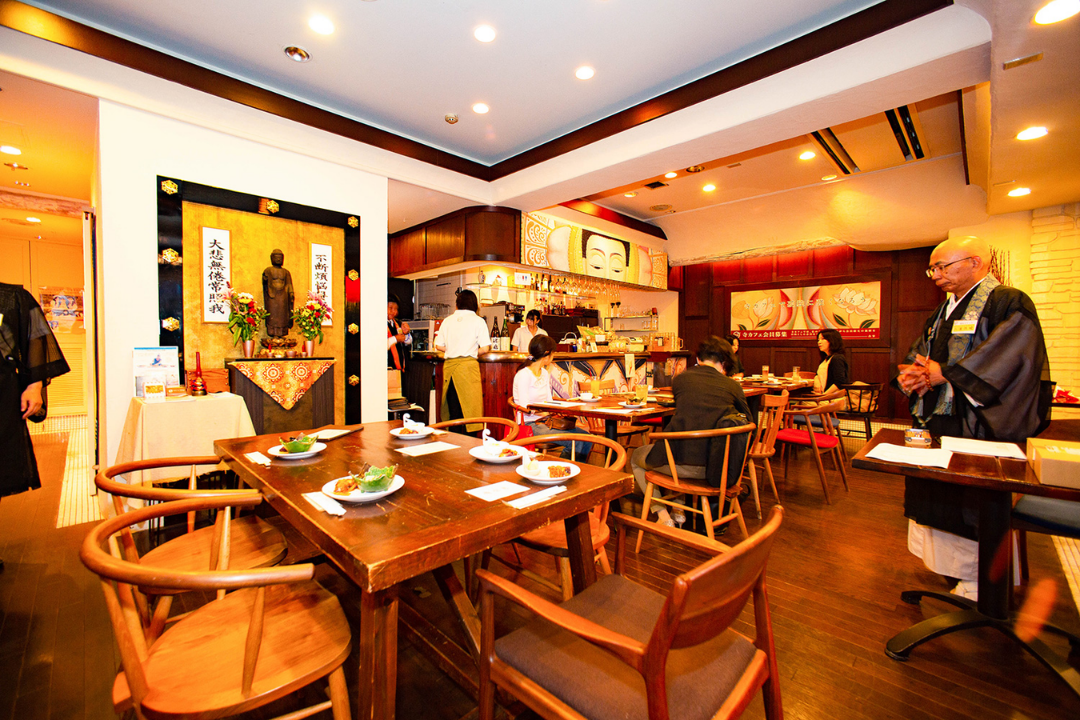
What Visitors Are Saying
Source: Shakyo Cafe Homepage
Many people who visit Shakyo Cafe describe the experience as surprisingly calming. One of the most common reactions is that they felt far more relaxed than they had expected and found it remarkably easy to focus.
Japanese visitors frequently mention that writing by hand allowed them to step away from the constant flow of information and everyday responsibilities. Without the pressure to achieve a perfect result, they were able to enjoy the simple act of writing, leaving the café feeling mentally refreshed and recharged.
Why You Should Experience "Sutra Copying" on Your Next Trip
International visitors have expressed similar appreciation. Many describe Shakyo Cafe as a peaceful way to experience Japanese culture without needing any prior knowledge of Buddhism. Unlike visiting a temple as a tourist, the café allows guests to actively participate in a meaningful cultural tradition. Even those who cannot read Japanese often find the act of writing itself deeply engaging, making the experience accessible beyond language barriers.
On social media, particularly Instagram, visitors frequently share photos of the tranquil café atmosphere and their completed shakyo sheets. Captions often mention feeling calmer, more focused, or mentally refreshed after the session. YouTube creators have also published videos documenting the experience and reviewing the atmosphere of the cafés.
Unlike many tourist attractions, Shakyo Cafe has not relied on celebrity endorsements or large influencer campaigns. Instead, its reputation has grown through authentic recommendations from everyday visitors. Much of its appeal comes from the quiet sense of satisfaction people experience after participating.
A Japanese Cultural Experience for the Mindfulness Generation
Source: Shakyo Cafe Homepage
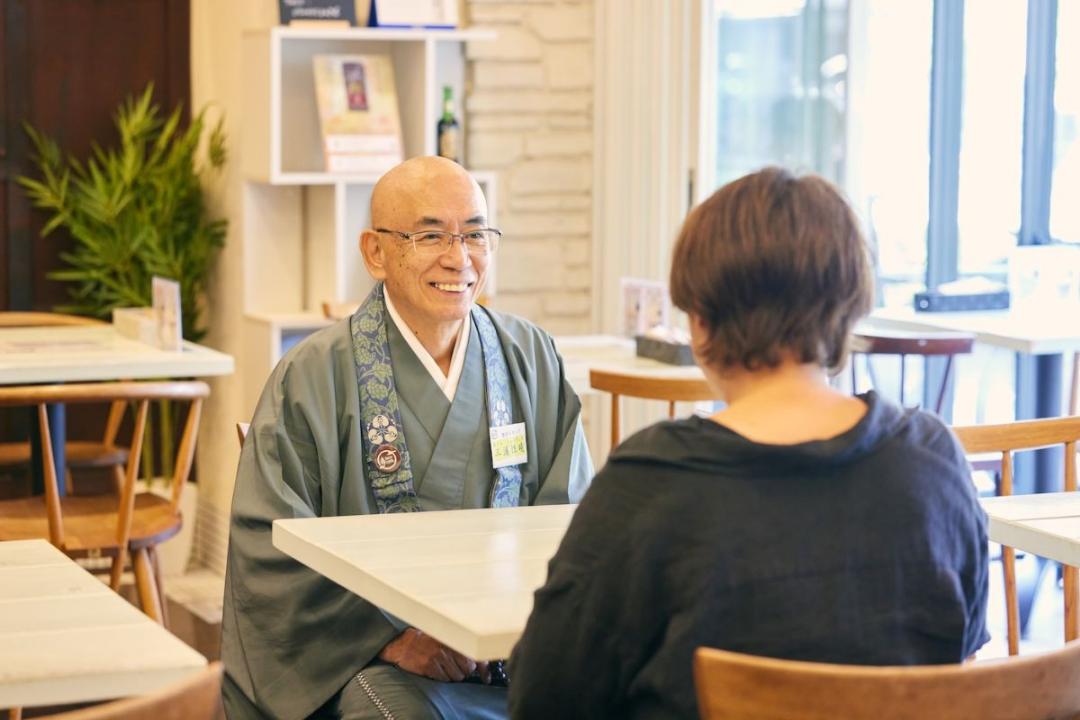
Although Shakyo Cafe was created in Japan, its concept has strong potential to resonate with audiences around the world.
The reason is simple. Shakyo is more than a religious practice. It also represents universal values such as concentration, mindfulness, and emotional well being. As global awareness of stress management and mental health continues to grow, shakyo can be appreciated as another form of mindful practice alongside meditation and yoga.
Countries with established wellness cultures are particularly well suited for this type of experience. Across Asia, where meditation and yoga are already widely embraced, shakyo can be introduced as another method for cultivating inner calm. In Europe and North America, growing interest in Zen philosophy and mindfulness creates opportunities to present shakyo as a uniquely Japanese wellness experience.
Another advantage is its accessibility. Because the experience focuses on writing and quiet reflection rather than religious doctrine, people from different cultural and spiritual backgrounds can participate comfortably. Even without understanding the Japanese language, visitors can fully appreciate the experience through the simple act of writing.
Rather than exporting Japanese tradition in its original form, Shakyo Cafe adapts it into a modern wellness experience that resonates with contemporary lifestyles. This thoughtful reinterpretation gives it strong potential to expand beyond Japan as interest in mindful cultural experiences continues to grow.
Recognition Across Media and Social Platforms
Shakyo Cafe has earned recognition in Japan as an innovative cultural experience that brings traditional practices into everyday life. It has been featured by tourism publications, lifestyle websites, and regional media, where it is often highlighted as an accessible way to experience Japanese culture beyond conventional sightseeing.
This media coverage has helped reshape perceptions of shakyo, presenting it as something approachable rather than intimidating while introducing readers to a quieter side of Japanese culture.
Social media has also played an important role in spreading awareness. Instagram users regularly share photos of the peaceful café interiors and completed shakyo pages, often using hashtags such as #ShakyoCafe and #JapanExperience. On platforms such as X and YouTube, visitors post reviews and videos explaining the experience, helping new audiences discover the concept through authentic word of mouth.
Beyond individual café visits, Shakyo Cafe is increasingly being incorporated into tourism programs alongside nearby temples and cultural attractions. While it began as an urban café experience, similar concepts are gradually appearing in regional destinations as part of broader efforts to showcase Japan’s spiritual and cultural heritage.
As a result, Shakyo Cafe has become an important example of how traditional culture can be successfully reimagined for modern audiences.
Conclusion
Shakyo Cafe demonstrates how a centuries old Japanese tradition can be thoughtfully adapted for contemporary life. More than simply introducing visitors to Japanese culture, it offers something increasingly valuable in today’s world: the opportunity to slow down, focus, and reconnect with oneself through mindful writing.
Its international appeal lies in the way it presents shakyo. Rather than emphasizing religion, the experience naturally aligns with global interests in mindfulness, wellness, and self care. Like yoga or meditation, it requires no special knowledge or previous experience, making it easy for people from diverse backgrounds to participate.
The act of writing by hand also transcends language barriers. Participants do not need to understand every character to appreciate the calming rhythm of the experience, making it especially suitable for international travelers and overseas audiences.
For businesses outside Japan, Shakyo Cafe offers inspiration for new wellness, hospitality, tourism, and lifestyle experiences. Existing cafés, hotels, cultural institutions, and travel programs could incorporate similar concepts to create meaningful experiences that stand apart from traditional sightseeing activities. At the same time, international partnerships would allow Shakyo Cafe to introduce Japanese cultural values to broader audiences while continuing to evolve its experience.
Rather than exporting Japanese tradition exactly as it has existed for centuries, Shakyo Cafe thoughtfully translates it into a form that speaks to modern lifestyles around the world. As demand for mindfulness, wellness, and authentic cultural experiences continues to grow, this uniquely Japanese concept has the potential to inspire people far beyond Japan’s borders.
FAQ About Shakyo Cafe
1. What Is Shakyo Cafe?
Shakyo Cafe is a unique Japanese experience that brings the traditional Buddhist practice of shakyo (sutra copying) into a relaxed cafe setting. Using a brush pen and prepared copy sheets, visitors carefully transcribe Buddhist sutras while enjoying a quiet, distraction free environment. No prior knowledge of Buddhism or calligraphy is required, making it an accessible way for anyone to experience an important aspect of Japanese culture and mindfulness.
2. How Is Shakyo Cafe Different From Copying Sutras At A Temple?
The biggest difference is accessibility. While sutra copying at a temple is often practiced in a formal religious setting, Shakyo Cafe offers the experience in a comfortable, everyday cafe environment. It preserves the calming and meditative aspects of shakyo while making the tradition approachable for first time visitors and travelers.
3. Why Was Shakyo Introduced Into A Cafe Setting?
The goal is to make this centuries old tradition accessible to more people. Although shakyo has deep historical roots in Japanese Buddhism, many people may feel intimidated by the idea of visiting a temple or participating in a religious practice. By bringing it into a familiar cafe environment, Shakyo Cafe transforms a traditional ritual into an experience that naturally fits modern lifestyles.
4. What Is The Purpose Of Practicing Shakyo At A Shakyo Cafe?
The focus is not on producing beautiful handwriting or copying every character perfectly. Instead, the experience encourages participants to slow down, concentrate on each stroke, and step away from the distractions of daily life. Writing by hand provides an opportunity to disconnect from digital devices, clear the mind, and enjoy a moment of quiet reflection.
5. Can I Participate Even If I Know Nothing About Buddhism?
Yes. Shakyo Cafe is designed for everyone, regardless of their religious background or knowledge of Buddhism. While the cultural significance of sutra copying is respected, the experience is presented as an opportunity to enjoy quiet concentration and connect with an important part of Japanese heritage. Visitors of all backgrounds are welcome.
6. Why Is Shakyo Becoming Popular In The Digital Age?
As people spend more time on smartphones and computers, opportunities to focus on a single, hands on activity have become increasingly rare. Shakyo Cafe offers a refreshing alternative by encouraging visitors to slow down, write by hand, and spend uninterrupted time with their thoughts. It provides a peaceful break from the constant flow of digital information.
7. Who Visits Shakyo Cafe?
Shakyo Cafe attracts a wide range of visitors. International travelers come to experience an authentic aspect of Japanese culture, while local residents often visit to relax, reset after work, or enjoy uninterrupted quiet time. It appeals to anyone looking for a mindful escape from a busy daily routine.
8. Why Is Shakyo Cafe Appealing To International Visitors?
Shakyo Cafe offers more than a cultural activity. It provides a chance to experience the calm and mindfulness that are often associated with Japanese traditions. Even without understanding the meaning of every character, visitors can appreciate the simple act of writing. As interest in mindfulness continues to grow around the world, Shakyo Cafe represents a uniquely Japanese approach to wellness and self reflection.
9. How Does Shakyo Cafe Represent A New Approach To Traditional Culture?
Shakyo Cafe demonstrates that preserving tradition does not mean keeping it unchanged. Instead, it adapts an ancient cultural practice to fit modern lifestyles while respecting its original spirit. By making shakyo part of everyday life, it helps ensure that this tradition remains meaningful and accessible for future generations.
10. What Is The Greatest Appeal Of Shakyo Cafe?
Its greatest appeal is the opportunity to slow down and simply spend time with yourself. In today’s fast paced world, uninterrupted moments of quiet concentration are increasingly valuable. Through the traditional practice of shakyo, visitors can experience a sense of calm, mindfulness, and mental space that is often difficult to find in everyday life.