
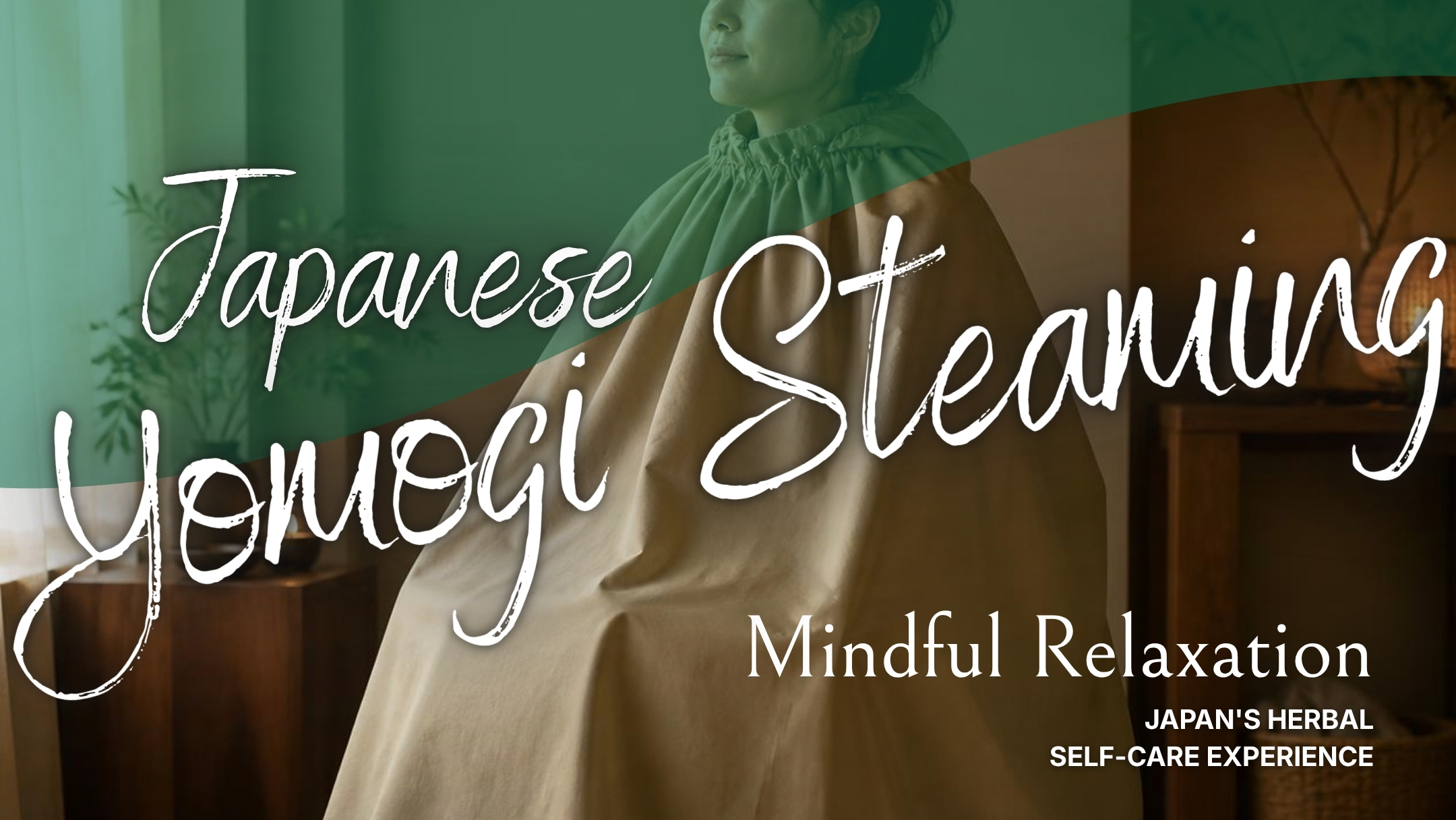
In recent years, the global wellness industry has expanded beyond beauty and fitness to embrace practices that support both physical and mental well-being. From yoga and meditation to saunas and spa therapies, people worldwide are increasingly prioritizing self-care and mindful relaxation. Alongside these global trends, Japan's unique wellness culture is also attracting international attention.
One experience that has become particularly popular in Japan is yomogi steaming, also known as yomogi mushi. This warming wellness treatment uses steam infused with yomogi (Japanese mugwort) and other herbs while participants sit on a specially designed chair. It has become a popular option at beauty salons and wellness facilities for those looking to relax and enjoy a calming self-care ritual.
Yomogi steaming offers more than warmth. The gentle herbal aroma, quiet atmosphere, and dedicated time for yourself create a holistic wellness experience that encourages relaxation and mindfulness. As interest in natural wellness, plant-based therapies, and intentional self-care continues to grow worldwide, yomogi steaming could appeal to international audiences seeking new wellness experiences inspired by Japanese culture.
In this article, we'll explore what yomogi steaming is, what makes it unique, how it has evolved within Japan's wellness industry, and why it may have strong potential in overseas markets.
Onkatsu Yomogi Steam Association® Overview
Although yomogi steaming is now widely available at beauty salons and relaxation facilities across Japan, organizations dedicated to education, therapist training, and promoting best practices have also supported its growth.
One leading organization is the Onkatsu Yomogi Steam Association®.
The association promotes knowledge about onkatsu, the Japanese practice of keeping the body comfortably warm as part of everyday wellness. Through certification programs, therapist education, and salon support, it works to establish yomogi steaming as a trusted wellness practice throughout Japan.
Rather than focusing solely on treatments, the association also trains salon owners and wellness professionals and educates consumers about warming-based self-care. It is one of the most prominent organizations helping develop yomogi steaming into a recognized part of Japan's modern wellness culture.
Its activities include promoting treatments that use Japanese-grown mugwort, developing herbal blends featuring multiple traditional botanicals, and creating products such as the Naturia portable yomogi steaming chair, which allows people to enjoy the experience at home.
Unlike a typical beauty salon, the association combines education, therapist certification, salon accreditation, and wellness advocacy, making it one of the leading organizations supporting the long-term growth of Japan's yomogi steaming industry.
What Is Yomogi Steaming? Japan's Herbal Warming Wellness Experience
Source: Onkatsu Yomogi Homepage
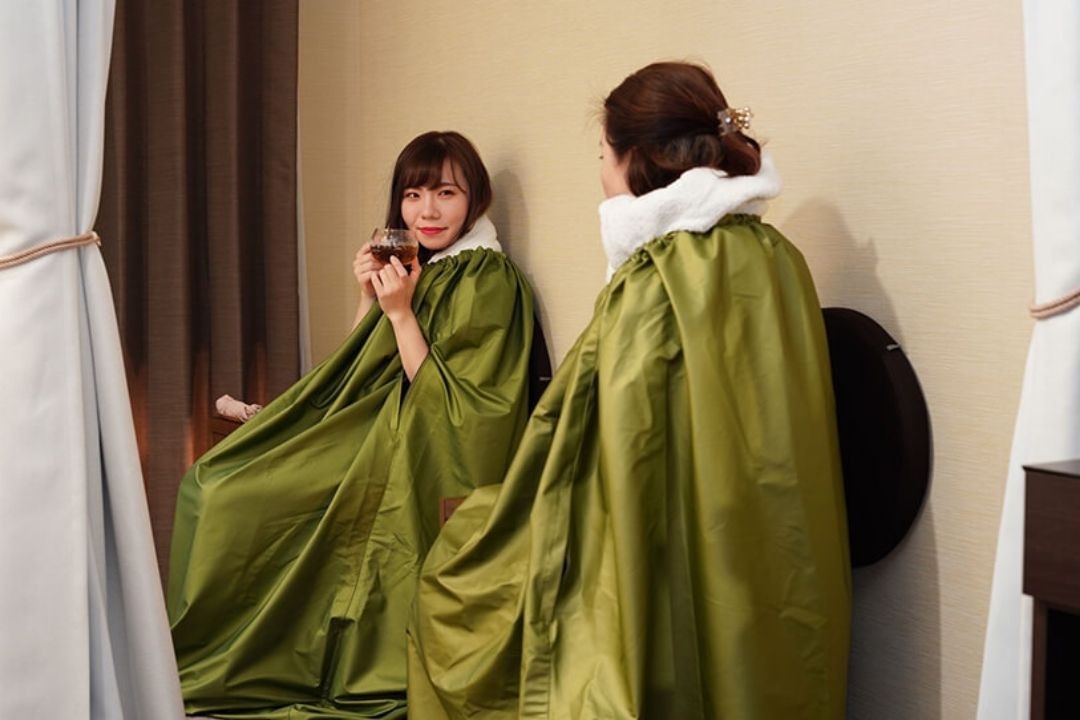
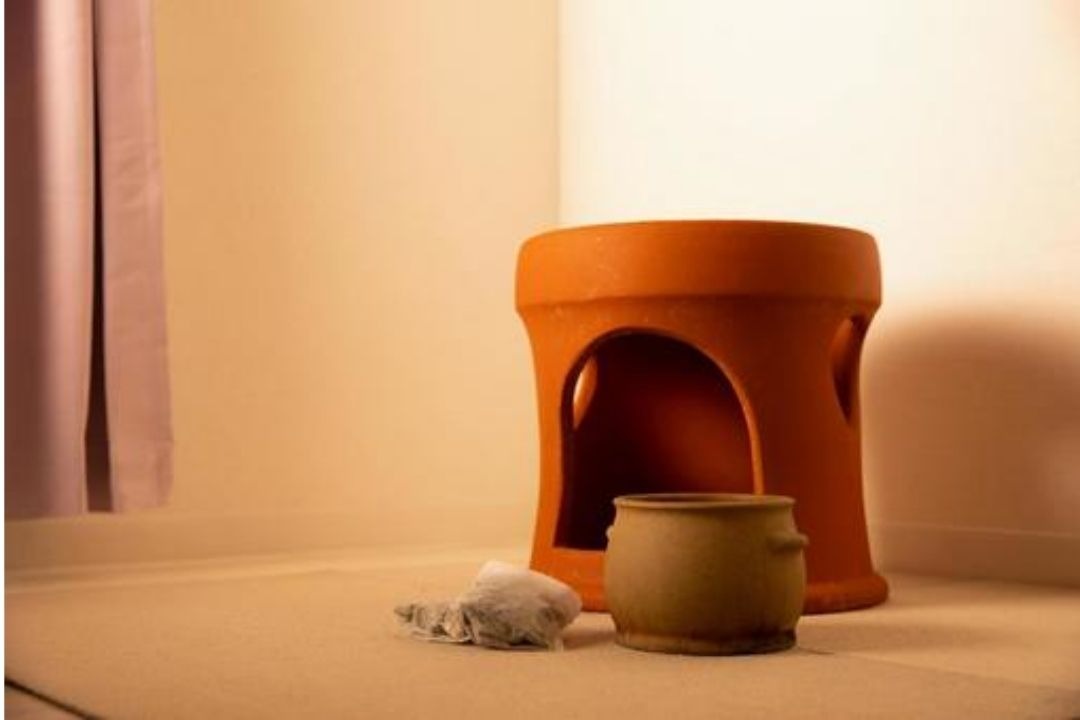
Yomogi steaming is a wellness treatment in which participants sit on a specially designed chair with an opening in the seat. At the same time, warm steam, created by boiling yomogi and other herbs, rises from beneath. A large cape or cloak is worn over the body to help contain the steam, allowing the gentle warmth to surround the body for approximately 30 to 40 minutes.
The experience is simple and relaxing. After arriving at the salon, guests typically complete a brief consultation, change into the provided cape, and sit comfortably while enjoying the treatment. Many people spend the session reading, listening to calming music, meditating, or simply resting in silence.
Unlike a traditional sauna, which focuses on high temperatures and intense sweating, yomogi steaming emphasizes gentle warmth, soothing herbal aromas, and deep relaxation. Rather than creating an intense heat experience, it provides a peaceful environment where visitors can unwind physically and mentally.
Prices vary by salon and treatment plan, but sessions generally cost between ¥3,000 and ¥6,000. The service is widely available at beauty salons, relaxation centers, spas, and hot spring facilities throughout Japan, where it has become an accessible wellness option for people looking to incorporate regular self-care into their daily lives.
What Makes Yomogi Steaming Unique?
One of the defining features of yomogi steaming is its combination of herbal ingredients, gentle warmth, and relaxation. While saunas, steam rooms, and thermal baths are familiar in many countries, sitting on a specialized chair while being surrounded by herbal steam offers a distinctly different experience that reflects Japan's approach to wellness.
A Japanese Wellness Experience Combining Herbs, Warmth, and Relaxation
Japanese yomogi steaming salons often place significant emphasis on the ingredients used during each session. Many select domestically grown yomogi, while others create original herbal blends using multiple plants to produce different aromas and experiences. Rather than offering a standardized treatment, each salon develops its own signature atmosphere through carefully selected herbs and fragrances.
Another characteristic of Japanese wellness services is their focus on the entire customer experience. Rather than focusing solely on the treatment itself, salons carefully design every part of the visit. Soft lighting, calming aromas, relaxing music, thoughtful consultations before and after the session, and tranquil interiors all help make yomogi steaming a multisensory wellness experience rather than simply a warming treatment.
This attention to detail reflects Japan's hospitality culture, where creating a comfortable and relaxing environment is considered just as important as the service itself.
How Yomogi Steaming Is Used Across Different Industries
Although yomogi steaming is most commonly associated with beauty salons, it has expanded into a variety of wellness-related industries as interest in self-care continues to grow throughout Japan.
Beauty Salons and Esthetic Clinics
Beauty salons increasingly offer yomogi steaming as part of their wellness and relaxation menus. Rather than focusing only on facial treatments or body care, salons can give customers a chance to unwind while enjoying gentle warmth and herbal aromas.
For clients who appreciate natural beauty routines, treatments featuring mugwort and other botanical ingredients fit well with the growing demand for plant-based wellness experiences. Many salons position yomogi steaming as a complementary service that enhances overall relaxation during a visit.
Relaxation Centers and Spas
Spas and relaxation facilities have also adopted yomogi steaming as part of their stress-relief offerings.
Modern lifestyles often involve long working hours, digital fatigue, and constant mental stimulation. As a result, many people are looking for simple ways to disconnect and recharge. The quiet environment, comfortable warmth, and calming herbal scents make yomogi steaming a natural addition to spa programs focused on relaxation and mindfulness.
Hot Spring Resorts and Hotels
Yomogi steaming also has potential within Japan's tourism and hospitality industries.
For international visitors, Japanese hot springs are already one of the country's most iconic wellness experiences. Yomogi steaming offers a modern alternative for travelers seeking another uniquely Japanese form of relaxation. Hot spring bathing is already one of the country's most iconic wellness experiences.
After a day of sightseeing, visitors can enjoy a peaceful session that combines herbal aromas, gentle warmth, and quiet reflection, adding another memorable experience to their trip.
Quality Standards That Shape the Yomogi Steaming Experience
Unlike a consumer product, the quality of a yomogi steaming experience depends largely on the ingredients used, the treatment environment, and the level of service each facility provides.
Most salons use yomogi as the primary herb, while many also blend additional herbs to create unique fragrances and customized experiences. Some facilities specifically source Japanese-grown mugwort or carefully select herbs based on their origin and quality. Others develop proprietary herbal blends to offer different aromas or wellness themes that distinguish their services from competitors.
Maintaining a clean, comfortable, and welcoming environment is equally important. Reputable salons place strong emphasis on hygiene by regularly cleaning treatment chairs, capes, and private rooms. Many also conduct consultations before each session, explaining how the treatment works and helping first-time visitors feel comfortable throughout the experience.
Together, thoughtful ingredient selection, careful facility management, and attentive customer service create the overall value of yomogi steaming. Rather than focusing on a single element, Japanese salons aim to provide a complete wellness experience where every detail contributes to relaxation and comfort.
The Connection Between Yomogi Steaming, Local Communities, and Japanese Tradition
Source: Onkatsu Yomogi Homepage
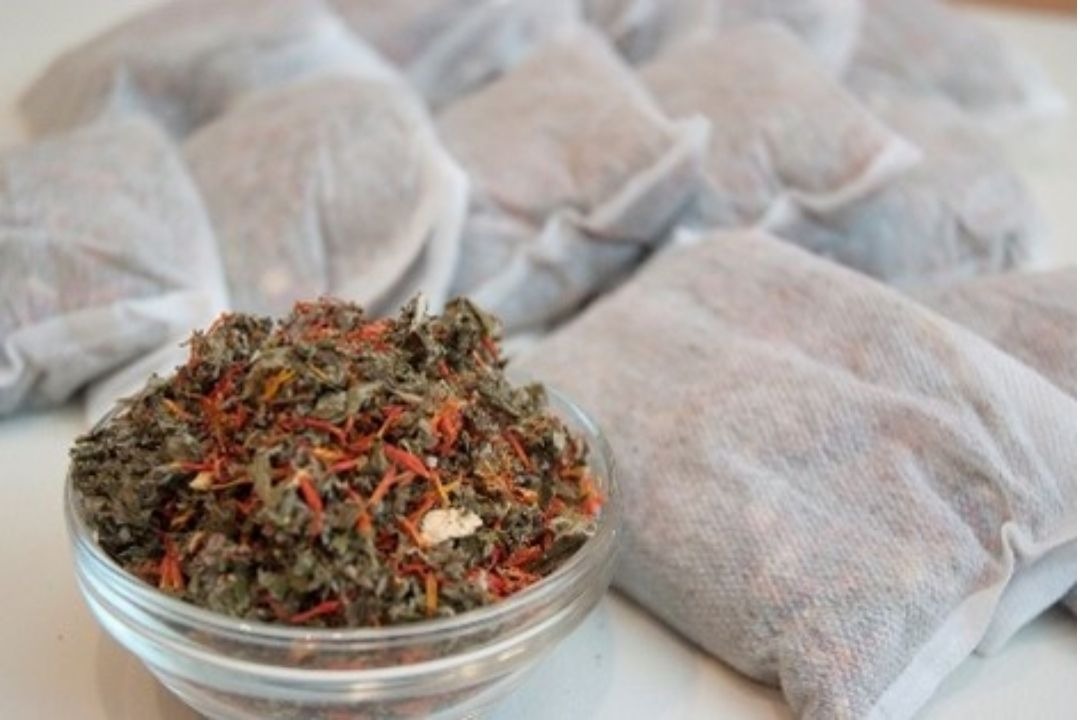
The key ingredient in yomogi steaming, yomogi (Japanese mugwort), has been a familiar plant in Japan for centuries. Traditionally, it has been used as both a culinary ingredient and an herbal plant. Many Japanese people recognize it as the fragrant herb used in kusa mochi (spring rice cakes), making it a seasonal ingredient long woven into everyday life.
More broadly, Japan has a long tradition of living in harmony with nature. Cultural practices such as visiting hot springs, enjoying forest bathing (shinrin-yoku), and eating seasonal ingredients all reflect a lifestyle that embraces the natural world. This philosophy continues to influence modern wellness trends throughout the country.
Yomogi steaming represents a natural extension of this mindset. By combining traditional herbal ingredients with contemporary self-care practices, it offers an experience that reflects both Japan's appreciation for nature and its modern approach to wellness. Spending time surrounded by warm herbal steam and soothing aromas also allows international visitors to experience a uniquely Japanese perspective on relaxation and mindful living.
User Experiences and Reviews
The appeal of yomogi steaming extends beyond simply warming the body. Many users describe the overall experience, including the calming aroma, peaceful atmosphere, and dedicated personal time, as its greatest strength.
Why Yomogi Steaming Continues to Grow in Popularity
Customer reviews often mention how relaxing it feels to be surrounded by warm herbal steam. Others appreciate the chance to disconnect from busy daily routines and focus entirely on themselves. Rather than viewing it as just another beauty treatment, many see it as a chance to slow down and recharge.
People who regularly invest in wellness and beauty services often describe yomogi steaming as a gentler alternative to saunas or massage treatments. Japanese salons further enhance the experience through personalized consultations, customized herbal blends based on individual preferences, and relaxing tea service after the session. These thoughtful touches turn the visit into a complete wellness experience rather than simply a heat treatment.
For international visitors, yomogi steaming can also serve as an introduction to Japanese hospitality, or omotenashi, where careful attention to every stage of the customer experience is considered just as important as the treatment itself.
Global Potential: A Japanese Wellness Experience Ready for International Markets
The global wellness industry continues to expand as consumers increasingly prioritize physical health, mental well-being, and self-care. Practices such as yoga, meditation, aromatherapy, spas, and sauna culture have gained worldwide popularity, creating opportunities for new wellness experiences inspired by different cultures.
Within this growing market, yomogi steaming offers something distinctive by combining Japan's warming culture with herbal wellness. It is particularly well suited to markets such as:
- Major cities with strong interest in health, wellness, and beauty
- Regions where spa and relaxation industries are well established
- Countries with growing appreciation for Japanese culture and natural wellness products
Consumers worldwide are showing greater interest in plant-based self-care and holistic wellness experiences. Yomogi steaming combines several attractive elements, including soothing herbal aromas, gentle warmth, peaceful surroundings, and mindfulness, making it much more than a standard beauty treatment.
Japan also has a long history of wellness practices centered around warming the body, from hot springs and public baths to seasonal health traditions. Yomogi steaming adapts these cultural values into a modern wellness service, allowing international visitors to experience an authentic aspect of Japanese lifestyle in an accessible way.
Yomogi Steaming's Growth in Japan
Source: Onkatsu Yomogi Homepage
Yomogi steaming has become an established wellness service throughout Japan, particularly within the beauty, relaxation, and spa industries.
As awareness of self-care and warming-based wellness continues to grow, the service has expanded beyond specialized salons into esthetic clinics, spas, relaxation centers, and other wellness facilities. Although initially associated primarily with women's beauty services, it is increasingly appreciated as a relaxing wellness activity for people of various ages.
Organizations such as the Onkatsu Yomogi Steam Association® have also contributed to the industry's development by promoting education, therapist certification, and standardized training. At the same time, many salons have differentiated themselves by using Japanese-grown mugwort, creating proprietary herbal blends, and offering experiences that reflect Japan's emphasis on craftsmanship and hospitality.
Today, yomogi steaming is recognized not simply as a warming treatment, but as a holistic wellness experience that combines natural ingredients, relaxation, and thoughtful service.
Conclusion
Yomogi steaming is a uniquely Japanese wellness experience that uses herbal steam to gently warm the body while creating an opportunity to relax and reconnect with yourself. Rooted in Japan's long tradition of warming therapies, including hot springs and public bath culture, it has evolved into a modern self-care service that combines natural ingredients with beauty and relaxation.
Its appeal goes beyond physical warmth. The calming herbal aromas, peaceful environment, and attentive customer service create a wellness experience that encourages mindfulness and intentional self-care. As global interest in wellness, natural therapies, and holistic lifestyles continues to grow, yomogi steaming has strong potential to introduce international audiences to another aspect of Japanese culture.
For overseas businesses, yomogi steaming presents opportunities to expand into the growing beauty, spa, and wellness markets while offering customers a distinctive experience inspired by Japan. By combining high-quality Japanese ingredients, thoughtful service, and the country's warming wellness traditions, businesses can create offerings that stand apart from conventional spa treatments.
As partnerships between Japanese wellness providers and overseas spas, salons, hotels, and wellness facilities continue to grow, yomogi steaming could become one of Japan's most recognizable self-care experiences on the global stage.
FAQ About Yomogi Steaming
1. What Is Yomogi Steaming?
Yomogi steaming is a wellness treatment in which participants sit on a specially designed chair while steam infused with Japanese mugwort (yomogi) and other herbs gently warms the body. Surrounded by soothing warmth and natural herbal aromas, guests can enjoy a deeply relaxing experience. In Japan, it is widely used as part of beauty routines, relaxation, and everyday self-care.
2. How Is Yomogi Steaming Different From A Sauna Or Steam Bath?
While saunas and steam rooms heat the entire room, yomogi steaming uses a specialized chair that directs herbal steam around the body. Rather than focusing on intense heat or heavy sweating, the experience emphasizes gentle warmth, relaxation, and the calming effects of aromatic herbs.
3. Is Yomogi Steaming Suitable For First-Time Visitors?
Yes. Most salons explain the treatment process and guide the session, making it easy for first-time visitors to participate. Guests simply change into a special treatment cape and sit on the steaming chair, so no prior experience or preparation is required. Some salons also offer introductory courses specifically for beginners.
4. How Long Does A Yomogi Steaming Session Last?
The steaming session itself typically lasts about 30 to 40 minutes. Including changing clothes, a consultation, and refreshments such as herbal tea before or after the treatment, most visits take around one hour. Allowing extra time can make the experience even more relaxing.
5. Can Men Experience Yomogi Steaming?
It depends on the salon. While some facilities are women-only, more are now welcoming male guests or offering sessions for couples. Check the salon's policies and reservation requirements before booking.
6. What Should You Wear During A Yomogi Steaming Session?
Most salons provide a special treatment cape that guests wear during the session. The cape is designed to trap the herbal steam around the body, creating a comfortable warming effect. Since salons usually provide clothing and other necessities, customers often need to bring little or nothing.
7. Why Is Japanese Yomogi Steaming Attracting International Attention?
As interest in wellness and self-care continues to grow worldwide, Japan has developed its own style of yomogi steaming by incorporating concepts such as gentle warming and omotenashi, Japan's philosophy of thoughtful hospitality. The combination of natural herbal aromas, a calming atmosphere, and an immersive wellness experience gives it strong appeal as a uniquely Japanese form of relaxation.
8. Can Tourists Experience Yomogi Steaming In Japan?
Yes. Yomogi steaming is offered at beauty salons, wellness centers, spas, and relaxation facilities throughout Japan. Many international visitors now include it in their itineraries as a uniquely Japanese wellness experience alongside activities such as visiting hot springs and enjoying traditional Japanese cuisine.
9. What Are The Benefits For Businesses That Offer Yomogi Steaming?
Adding yomogi steaming allows salons and wellness facilities to differentiate themselves by offering a distinctive wellness experience alongside beauty and relaxation services. Because it incorporates natural ingredients and Japan's unique warming culture, it can help attract new customer segments seeking holistic wellness experiences.
10. Why Is Yomogi Steaming Expected To Become Even More Popular?
People worldwide are increasingly prioritizing lifestyles that support not only physical health and beauty but also mental well-being and relaxation. By combining gentle warmth, natural herbal aromas, and a calming environment, yomogi steaming offers a multisensory wellness experience well positioned to meet this growing demand in Japan and internationally.