What Is The School Lunch Center System? A Japanese Approach Supporting Children’s Nutrition And Health

In many Japanese schools, students receive school lunches known as “kyushoku.” Children eat the same meals in their classrooms, helping them receive balanced nutrition as part of daily school life. This system has been an important part of Japan’s education structure for many years and has gained attention overseas as an example of a food education program.
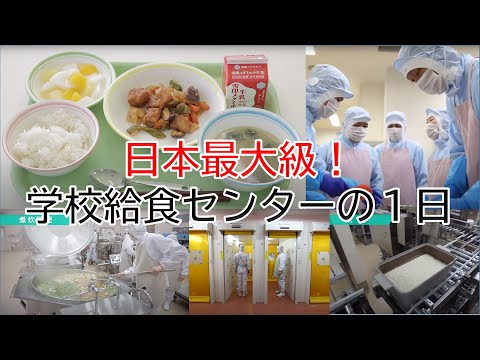
One key system supporting Japanese school lunches is the school lunch center system. Under this model, meals for multiple schools are prepared at a single large-scale cooking facility and then delivered to each school. Using advanced kitchen equipment, these centers can prepare thousands of meals at once, making it possible to provide school lunches efficiently on a large scale.
Japanese school lunches are not simply a way to feed children. They also play an educational role through “shokuiku” (food education), teaching children about balanced nutrition, local food ingredients, and healthy eating habits. Nutritionists, kitchen staff, and delivery workers all contribute to maintaining this system and supporting children’s daily meals.
In recent years, childhood nutrition gaps and unhealthy eating habits have become global concerns. In response, Japan’s school lunch system has attracted international attention as a model that provides children with balanced, nutritious meals through a structured approach. The school lunch center system is essential infrastructure that supports this system.
What Is The School Lunch Center System?
Source: Zenkyuren Homepage
The school lunch center system is a method in which meals for multiple schools are prepared at a centralized cooking facility and delivered to each school. Many local governments in Japan use this system as an efficient way to provide lunches for elementary and junior high school students.
School lunch centers use large-scale cooking equipment to prepare large quantities of meals at once. Facilities are equipped with industrial-sized cooking tools such as large cooking kettles, ovens, and steamers. Meals are prepared according to menus created by nutritionists, then placed into specialized containers and transported to schools while maintaining proper temperature and hygiene control.
At each school, staff distribute the delivered meals to individual classrooms, where students eat together. In many Japanese schools, students themselves help serve the food to their classmates. For this reason, school lunch is considered not only a meal service but also part of the educational experience.
A major feature of the school lunch center system is its strict approach to safety and nutrition management. Detailed hygiene standards and cooking procedures are followed, including careful monitoring of ingredients, preparation processes, and food temperatures. Nutritionists design menus to ensure that children receive the nutrients needed during their growth stages.
Through this centralized cooking system, local governments can provide school lunches efficiently. In particular, in areas where it is difficult for every school to maintain its own kitchen facilities, school lunch centers play an important role in supporting the continued operation of school meal programs.
A “Public Food System” Supporting Education, Nutrition, and Infrastructure
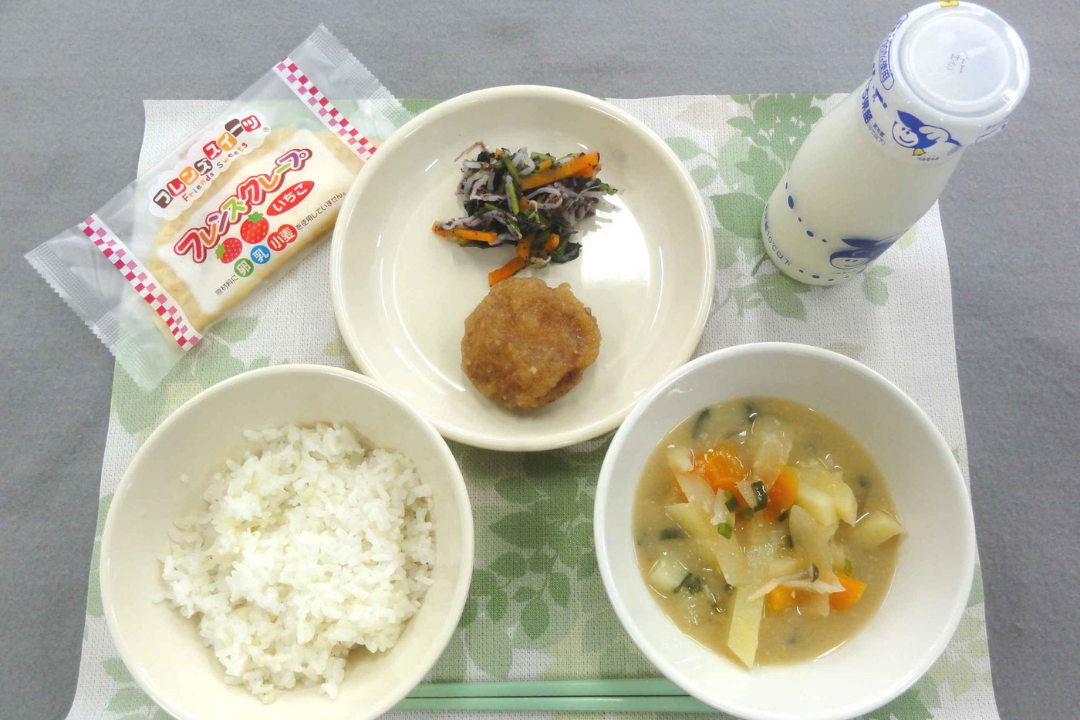
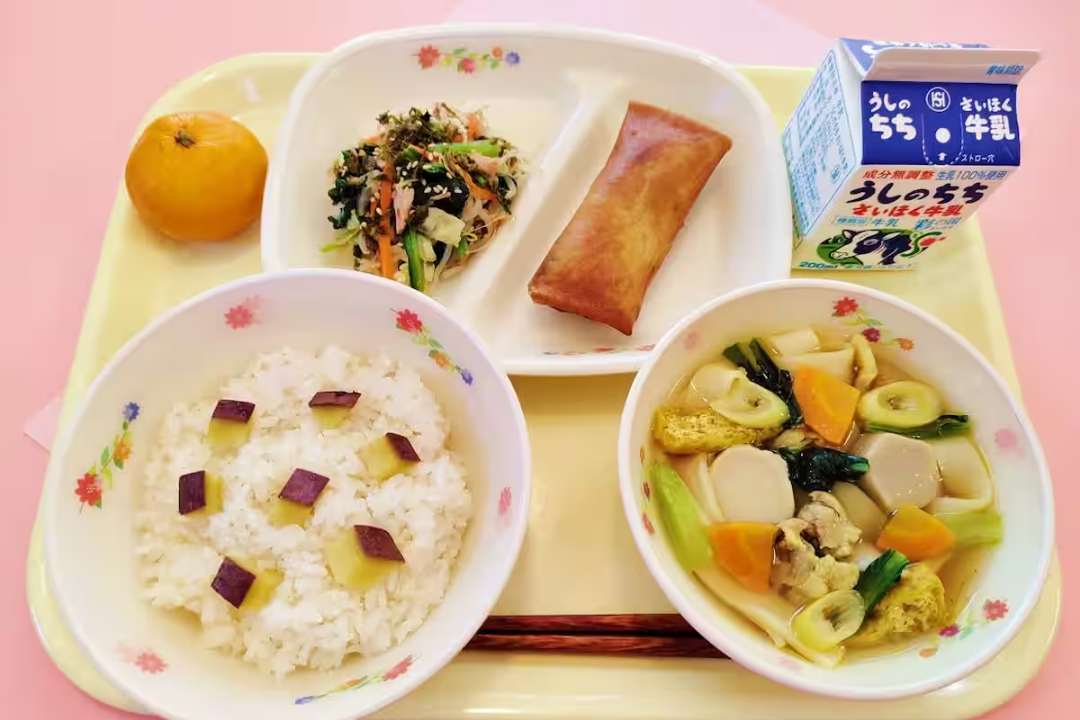
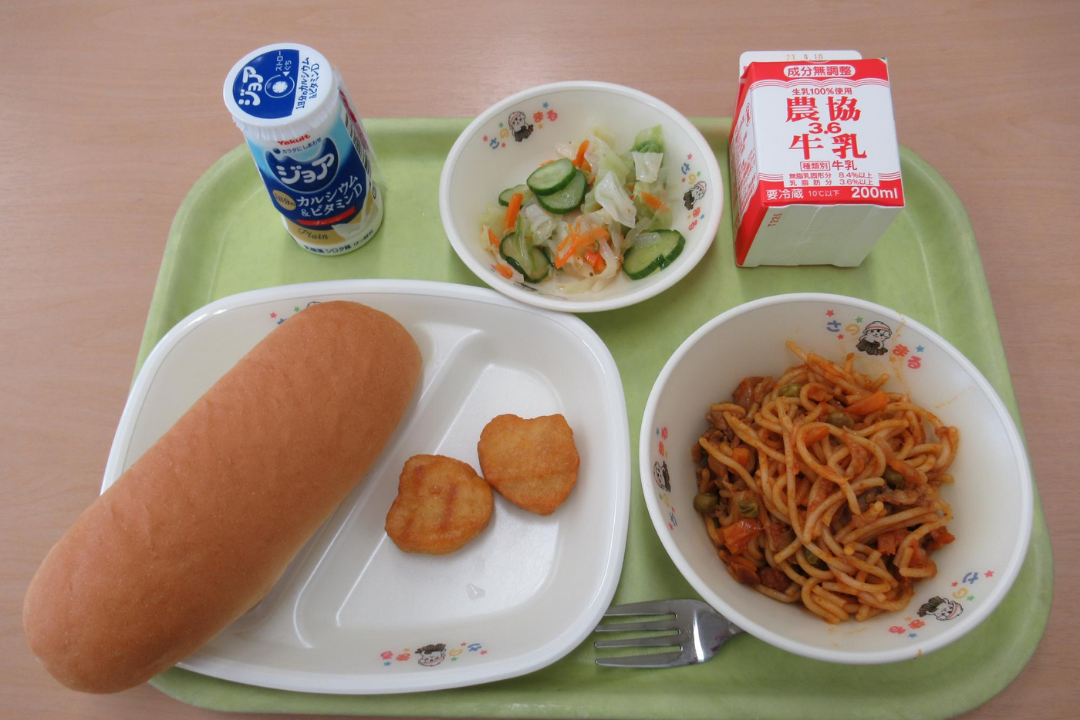
The unique aspect of Japan’s school lunch center system is that it is not simply a large-scale food preparation facility, but a system that simultaneously supports education, nutrition, and public infrastructure. While school lunch programs exist in many countries, Japan’s school lunch centers go beyond simply providing meals and function as an integrated part of the education system. A key feature of the school lunch center system is that nutrition professionals design the menus. At school lunch centers, registered dietitians and nutrition teachers create menus that consider the nutritional needs of growing children while incorporating seasonal ingredients and locally sourced foods. Meals are typically structured around a staple food, main dish, side dishes, and milk, helping provide nutrients that may be lacking in children’s regular diets.
Another major characteristic is the strict safety management applied throughout the cooking process. At school lunch centers, detailed standards are established for every stage, from receiving ingredients to cooking and delivery, including temperature control and hygiene procedures. Since these facilities often prepare thousands of meals at a time, the system is carefully designed to ensure every meal meets consistent quality and safety standards.
In addition, Japanese school lunches include an educational role known as “shokuiku,” or food education. Through lunchtime, children have opportunities to learn about nutrition, food culture, and healthy eating habits. Menus often include local ingredients and traditional regional dishes, allowing students to understand local culture through food.
Classroom Meal Distribution and Student Participation
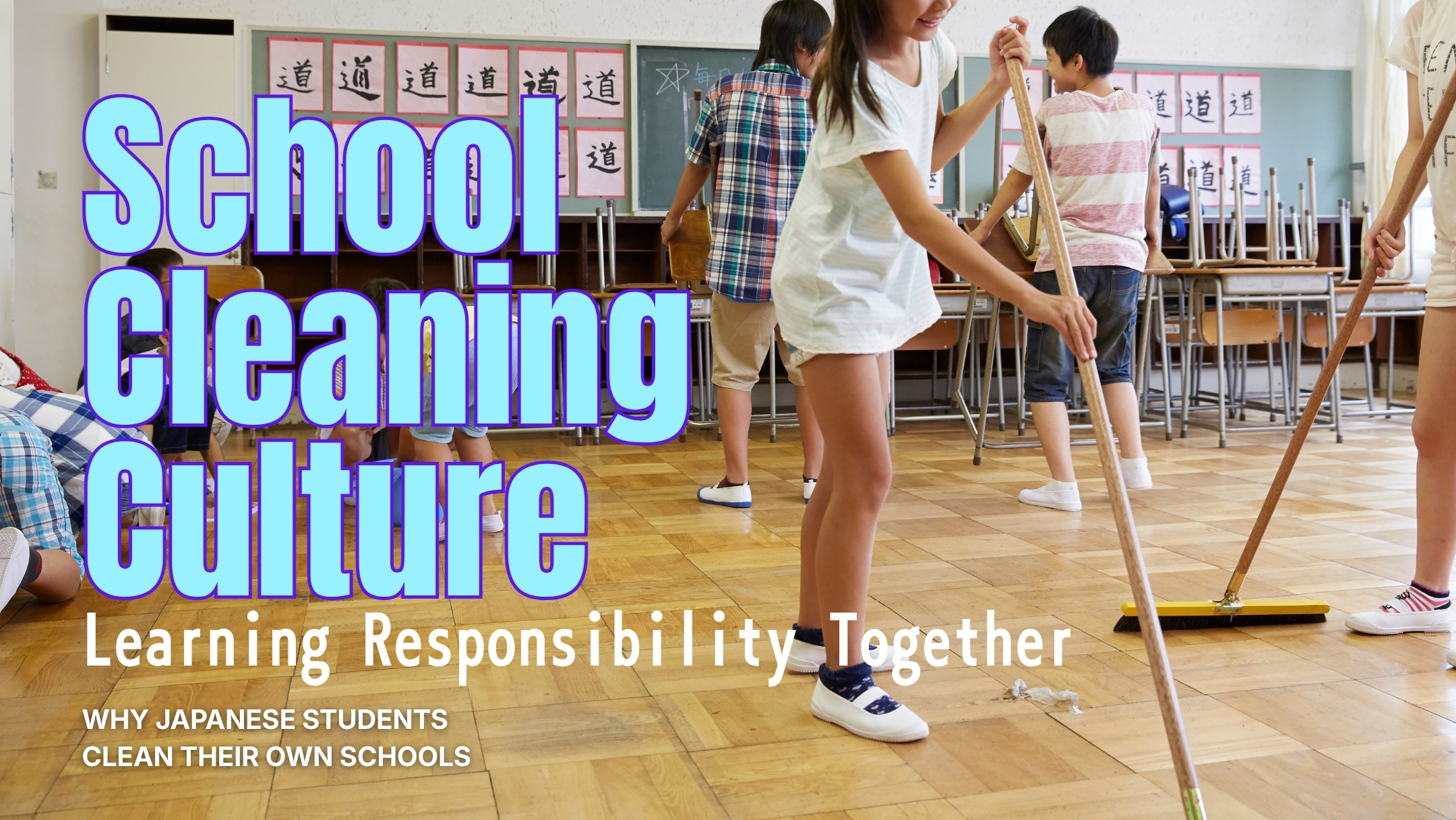
Another distinctive feature of Japanese schools is that students often help serve their own meals. Each class typically has designated lunch helpers who distribute food and clean up afterward. This practice helps children develop cooperation skills and appreciation for the people involved in preparing their meals. In this way, the school lunch center system is not only a food production facility but also part of an educational environment that teaches social responsibility and cultural awareness.
This approach, which integrates school education, nutritional management, and public services, is relatively unique globally. The school lunch center system functions as essential infrastructure within Japanese society, supporting both children’s health and their education.
A System Developed from Postwar Nutritional Challenges and Educational Needs
The background of Japan’s school lunch center system can be traced back to the serious nutritional challenges faced by Japanese society after World War II. In the years following the war, food shortages became widespread, and many children could not receive sufficient nutrition. In particular, food supplies were limited in urban areas, making children’s health and development a major social concern.
School lunch programs were introduced to address these challenges. From the late 1940s, meals centered around bread and milk began to be provided, and efforts were made across Japan to improve children’s nutritional conditions. Although the early meals were simple, the system gradually developed, and nutritionally balanced menus became more common.
Incorporating the Meal Service into the Daily School Routine
Establishing cooking facilities at every school was not easy. Building individual school kitchens was costly, and securing cooking staff and maintaining proper hygiene standards also presented challenges. To address these issues, the “school lunch center” approach was developed, in which meals for multiple schools were prepared together at a centralized facility.
This approach made it possible to use large-scale cooking equipment more efficiently. By centralizing facilities and staff, schools and municipalities strengthened hygiene management and nutritional control while providing consistent meals. It also reduced the need for each school to invest in its own kitchen facilities, making the system easier for local governments to adopt.
Over time, the school lunch system came to serve a role beyond simply providing nutrition. The concept of “shokuiku,” or food education, became more widely recognized, emphasizing the importance of learning about food culture and healthy eating habits through meals. As a result, school lunches became an important part of Japan’s educational system, and the school lunch center system spread throughout the country as essential infrastructure supporting this approach.
A Public Food Service Delivering Meals to Schools Across Japan Every Day
Source: Zenkyuren Homepage
The school lunch center system serves as the foundation for providing school meals in municipalities throughout Japan. At these centers, cooking begins early in the morning, with large-scale equipment used to prepare hundreds or even thousands of meals. Once completed, the meals are transported to schools in dedicated delivery vehicles and served to students during lunchtime.
In many municipalities, a single school lunch center provides meals to multiple elementary and junior high schools. For example, some centers supply meals to more than ten schools, creating a regional system that supports school lunches across an entire community. This centralized preparation model enables efficient and stable meal delivery.
At each school, meals delivered from the center are distributed to individual classrooms. In Japanese schools, students often take turns serving lunch as part of their classroom responsibilities. They carry dishes and food containers from the serving carts and prepare meals for their classmates. This process is not viewed as simple work, but as an educational activity that helps children develop cooperation and a sense of responsibility.
Incorporating Local and Seasonal Ingredients into Balanced Meals
School lunch centers also actively incorporate locally sourced ingredients into their menus. By using regional agricultural products and specialty foods, they provide children with opportunities to learn about local food culture. For example, meals featuring locally grown vegetables or regional seafood are often included, making school lunches an important part of local food education and community-based initiatives.
In addition, school lunches function as a form of nutrition education. Menus created by nutrition professionals are designed to provide the nutrients needed during childhood development in a balanced way, allowing students to learn about healthy eating habits through daily meals. Information about ingredients and nutrition is often shared through menu sheets and school lunch newsletters, making school lunches an integrated part of school education.
In this way, the school lunch center system is not simply a system for preparing and delivering meals. By connecting nutrition management, education, and local communities, it functions as an important social infrastructure that supports school life throughout Japan.
A School Lunch System That Balances Nutrition Management and Education
One of the key characteristics of Japan’s school lunch center system is its ability to provide meals while also supporting education. Although school lunch programs exist in many countries, Japan’s system is not simply a lunch service but is integrated into the education system. As a result, it is designed to achieve multiple goals at once, including nutritional management, food safety, and educational value.
One of its greatest strengths is the high level of nutritional planning. In Japanese schools, registered dietitians and nutrition teachers create menus that provide children with the nutrients needed for healthy growth. Meals are typically structured around a staple food, a main dish, side dishes, and milk, with careful consideration given to maintaining a balance of protein, vitamins, minerals, and other essential nutrients. This system helps ensure that all children receive a consistent standard of nutrition, regardless of family circumstances.
Strict Hygiene Guidelines and Growth-Stage Nutrition
In addition, strict hygiene management is a major feature of Japan’s school lunch centers. Cooking processes are carefully controlled, with thorough standards for food temperature management, equipment sanitation, and the separation of work areas to maintain food safety. The ability to prepare large quantities of meals while maintaining consistent safety standards is one of the defining strengths of Japan’s school lunch system.
Japanese school lunches also play an important role as a form of “shokuiku,” or food education. Through daily meals, children learn not only about nutrition but also about food culture and the importance of ingredients. Local foods and traditional regional dishes are often incorporated into menus, giving students opportunities to deepen their understanding of local culture through food.
Because of these features, Japan’s school lunch center system functions as more than a food service. It serves as social infrastructure that supports both children’s health and education. By integrating nutrition, hygiene, and learning, this system represents one of the most developed approaches to school meals globally.
A Japanese School Lunch Model Attracting Global Attention
In recent years, Japan’s school lunch center system has gained international attention as an educational and food service model. In particular, countries facing challenges related to child nutrition and disparities in eating habits have increasingly looked to Japan’s school lunch system as a potential reference.
One reason for this growing interest is the international exposure of Japanese school lunches through documentaries and global media coverage. International news organizations and education-focused media outlets have frequently highlighted Japan’s school lunch system as an effective approach to supporting children’s health. Its combination of nutritionally balanced meals, local ingredients, and food education has been recognized as a model that offers valuable lessons for other countries.
Fostering Food and Cultural Awareness
Japan’s school lunch system has also attracted attention from international organizations and educational researchers. From the perspectives of improving child nutrition, addressing childhood obesity, and promoting healthy eating habits, the system is often studied as a successful example. In particular, providing nutritionally balanced school meals to support both children's health and their learning environment has become an important policy topic worldwide.
In addition, Japan’s school lunch center model is recognized as an efficient large-scale meal production system. Its centralized approach, which enables stable meal delivery to multiple schools, is considered an effective model for urban areas and densely populated regions. As a result, it has become a useful case study for countries and communities seeking to expand or improve their own school meal programs.
Although the school lunch center system is part of Japan’s domestic educational infrastructure, its structure and underlying philosophy have attracted growing international interest. Japan’s school lunch program is increasingly recognized as a model that supports both children’s health and education.
Global Challenges in Child Nutrition, Education, and Social Inequality
Source: Zenkyuren Homepage
One reason Japan’s school lunch center system has attracted international attention is that child nutrition has become a major social issue worldwide. In many countries, the quality of a child’s diet can vary significantly depending on family circumstances and economic conditions. While some children struggle to access adequate nutrition, others face health problems linked to diets high in processed foods, including obesity and lifestyle-related diseases. As a result, children’s eating habits have become an important policy concern globally.
Japan’s school lunch system is often viewed as one possible approach to addressing these challenges. By providing nutritionally balanced meals to all children through schools, the system can help reduce nutrition disparities that may arise from differences in household circumstances. The school lunch center system serves as the infrastructure that enables these meals to be prepared and delivered efficiently and safely.
Another aspect that attracts attention is the connection between school lunches and shokuiku (food and nutrition education). Through daily school meals, children learn about nutrition, food culture, and healthy eating habits. This educational component is valued as an initiative that can contribute to better long-term health outcomes.
The school lunch center system has also gained interest from a sustainable food systems perspective. By incorporating locally produced ingredients into school meals, it can support local agriculture while encouraging the consumption of regional products. These efforts align with broader global interests in sustainability and regional economic development.
As a result, the school lunch center system is often recognized as more than a meal delivery program. It is viewed as a framework that helps address multiple issues simultaneously, including child health, education, social inequality, and support for local communities. As countries continue to reassess their education and food policies, Japan’s school lunch model is increasingly being examined as a valuable reference point.
Conclusion
The school lunch center system is a key part of the infrastructure that supports school meals in Japan, serving as a social system that promotes both children's health and education. By preparing and distributing meals for multiple schools from a single facility, the system enables school lunches to be provided efficiently and safely, helping ensure a stable meal environment for students across the country.
The system emerged in response to the nutritional challenges Japan faced after World War II and developed to provide children with the nutrients they needed for healthy growth. Today, its role extends far beyond nutritional support. School lunches also serve as an opportunity for shokuiku (food and nutrition education), helping children learn about food culture, balanced diets, and healthy lifestyle habits. As a result, the school lunch center system can be seen as a uniquely Japanese form of public infrastructure that connects education, nutrition, and community services.
In recent years, as child nutrition disparities and unhealthy eating habits have become global concerns, Japan’s school lunch system has attracted increasing international attention. Its approach of providing nutritionally balanced meals to all children, combined with its emphasis on food education, is often regarded as a useful model for policymakers and educators in other countries.
The school lunch center system not only supports the health of Japan’s children but also contributes to the broader goals of education and food culture. Its underlying philosophy of promoting both child well-being and learning continues to resonate beyond Japan. As countries explore new ways to improve child health and educational outcomes, this Japanese model is likely to remain an important point of reference for years to come.
FAQ About School Lunch Center System
1. What Is The School Lunch Center System?
The school lunch center system is a centralized meal service in which lunches for multiple schools are prepared at a single facility and then delivered to each school using dedicated vehicles. By using large-scale cooking equipment, the system can efficiently provide a high volume of meals while maintaining nutrition management and food safety standards consistently.
2. Who Works At School Lunch Centers?
School lunch centers are staffed by a range of professionals, including registered dietitians, nutrition teachers, cooks, and delivery personnel. These specialists work together to plan balanced menus, prepare meals, manage food safety, and coordinate deliveries, helping ensure students receive safe, nutritious lunches each day.
3. Are School Lunch Center Meals Prepared With Food Safety In Mind?
Yes. Strict food safety measures are followed throughout the entire process, from receiving ingredients to cooking and delivery. Temperature control, equipment sanitation, and designated work zones are managed according to established standards to provide students with safe, reliable meals.
4. How Does The School Lunch Center System Differ From On-Site School Kitchens?
Schools that prepare meals on campus use what is often called an on-site kitchen system, which allows lunches to be served shortly after cooking. In contrast, the school lunch center system prepares meals for multiple schools at a central facility. This approach enables equipment and staff to be used more efficiently while making nutrition management and food safety oversight easier to coordinate.
5. How Are School Lunch Menus Planned?
Registered dietitians and nutrition teachers develop menus by considering the nutritional needs of growing children. Meals are typically structured around a staple food, a main dish, side dishes, and milk. Seasonal ingredients and regional specialties are often included, helping students learn about local food culture while supporting healthy eating habits.
6. Are Local Ingredients Used In School Lunches?
Many municipalities actively incorporate locally produced vegetables, fruits, fish, and other ingredients into school lunches. This supports local agriculture while also giving children opportunities to learn about regional food traditions and locally produced foods.
7. Why Has The School Lunch Center System Attracted International Attention?
Japan’s school lunch program is valued not only for providing nutritionally balanced meals but also for integrating shokuiku (food and nutrition education) into daily school life. The system is also recognized as a way to help ensure that all children have access to a consistent standard of nutrition, making it of interest to countries addressing child health and nutrition disparities.
8. Does School Lunch Contribute To Education?
Yes. School lunches provide an opportunity for food and nutrition education, helping students learn about ingredients, nutrition, and food culture. In many schools, students also participate in serving and cleaning up meals, which encourages cooperation, responsibility, and appreciation for food and those who prepare it.
9. Can School Lunch Centers Be Used During Emergencies?
In some municipalities, school lunch centers are equipped so that their large-scale cooking facilities can be used to prepare emergency meals during disasters. However, specific arrangements vary by municipality and facility; therefore, emergency response capabilities differ from one area to another.
10. Will The School Lunch Center System Become More Important In The Future?
As interest in child health, nutrition, and food education continues to grow, the school lunch center system is expected to remain an important public service. Ongoing improvements in food safety management, cooking technology, and the use of local ingredients are helping the system evolve while continuing to support the health and education of future generations.
Related Videos
If you're interested in how Japan supports children's nutrition and health through its education system, the video below explores the school lunch center system, where meals are prepared at centralized facilities and delivered to schools.