Rebuilding Urban Agriculture for City Living: How Share Batake Is Redesigning Urban Farming Infrastructure
For many people living in cities, participating in agriculture has never been a realistic option. Access to farmland, a lack of farming knowledge, and limited free time have long created barriers that leave many people thinking, "I'd love to try growing my own food, but I don't know where to start."
At the same time, global interest in healthy living, food transparency, and sustainability continues to grow. More consumers are beginning to value not only eating fresh produce but also understanding where it comes from and taking part in the production process themselves.
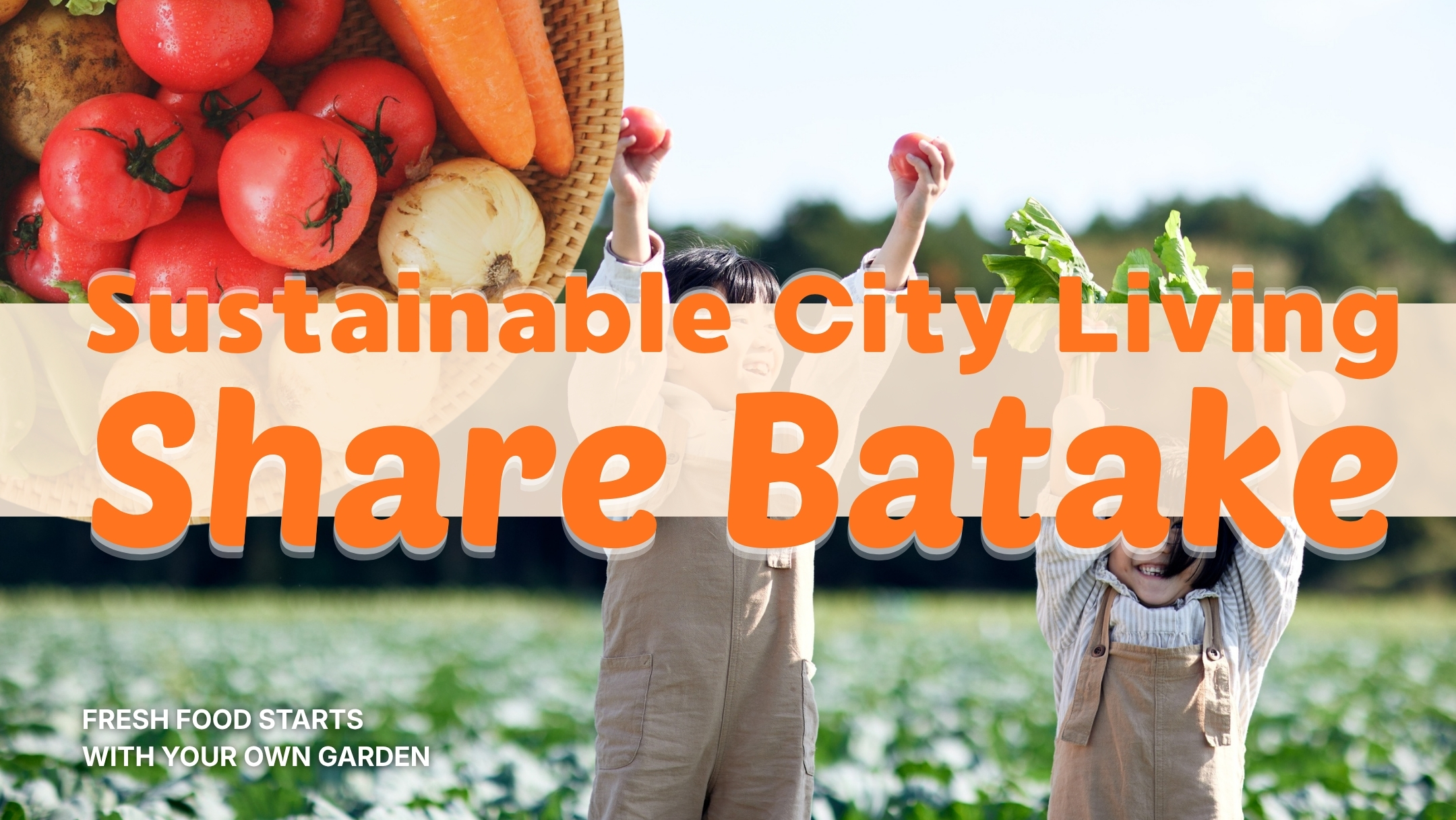
To bridge this gap, Japanese company Agrimedia Inc. has developed Share Batake, a subscription-based urban farming service that makes agriculture accessible to ordinary city residents. Rather than simply renting out farmland, the service combines garden plots, tools, seeds, fertilizers, and expert cultivation support into one complete package, allowing even complete beginners to enjoy growing vegetables with confidence.
Share Batake is also about much more than gardening. By making productive use of underutilized urban land while encouraging stronger local communities, the service reimagines the relationship between cities and agriculture. At a time when food production and consumption have become increasingly disconnected, creating opportunities for people to participate directly in growing food carries significant social value.
This article explores why Agrimedia created Share Batake, how the service operates, how it is changing urban agriculture in Japan, and why its business model could inspire similar initiatives worldwide. Rather than viewing urban farming as simply a recreational activity, Share Batake presents it as a form of sustainable urban infrastructure.
Share Batake Overview
Share Batake is a subscription-based community garden service operating primarily in Japan's urban areas. Members rent their own growing plot where they can cultivate vegetables, but unlike traditional allotment gardens, virtually everything needed to start farming is already included.
The service provides gardening tools, seeds, fertilizer, and ongoing cultivation guidance as part of the membership. Professional farming advisors regularly visit each location and offer hands-on support, making the experience approachable even for people with no prior agricultural experience.
Memberships are typically offered on a monthly subscription basis, allowing members to visit their gardens whenever they wish throughout their contract period. Pricing varies by location and plot size. Still, many urban locations cost the equivalent of several dozen to around one hundred U.S. dollars per month, making the service accessible to hobbyists, families, health-conscious consumers, and educational users alike.
Beyond individual customers, Share Batake has also expanded into the business sector. Companies increasingly use the service for employee wellness programs, educational initiatives, and corporate engagement activities, demonstrating that urban farming can deliver value well beyond personal recreation.
The Barriers Created by the Growing Divide Between Cities and Agriculture
Modern city life has fundamentally changed how people interact with food. For most consumers, fruits and vegetables have become products purchased at supermarkets, with little visibility into how they are actually grown. While today's food system delivers remarkable efficiency, it has also widened the distance between consumers and food production, creating a new challenge: fewer opportunities to participate in growing food.
Historically, agriculture was an everyday part of life rather than a specialized profession. As urbanization accelerated, however, farmland gradually moved farther away from residential areas. Living spaces and production spaces became physically separated, and farming evolved into an occupation practiced by specialists instead of ordinary citizens.
Why Urban Residents Are Becoming More Interested in Agriculture
Ironically, public interest in agriculture has grown during this same period. Rising concerns about healthy eating, food safety, sustainability, and environmental responsibility have encouraged more people to appreciate the value of growing food themselves. The demand exists, but for many urban residents, the path from curiosity to action remains difficult.
The biggest obstacle is simple access to farmland. People living in cities rarely have convenient places to grow crops, and traveling to rural areas requires significant time and effort. Even after securing land, beginners still face the challenge of purchasing equipment, learning cultivation techniques, and maintaining crops throughout the growing season. Farming is an ongoing commitment, making it difficult to balance with busy urban lifestyles.
Traditional community gardens have addressed part of this need by providing land, but they generally stop there. Participants are expected to supply their own tools, develop planting schedules, and manage cultivation independently. As a result, these gardens often appeal more to experienced gardeners than complete beginners, leaving many interested newcomers without sufficient support.
At the same time, farmland itself faces growing challenges. Many suburban agricultural areas contain underused or idle land because of aging farmers, labor shortages, and changing demographics. Although these properties have considerable potential, many remain unused because practical systems for revitalizing them have been lacking.
Bringing Agriculture Back Into Everyday Urban Life
Agrimedia designed Share Batake to address both sides of this equation. Instead of simply providing access to land, the company sought to remove multiple barriers simultaneously, including accessibility, farming knowledge, equipment, and time constraints. Only by solving all of these challenges together could urban residents realistically participate in agriculture.
Ultimately, Share Batake aims to redefine farming from being a niche hobby into an everyday activity that almost anyone can enjoy. At its core is the belief that the relationship between urban life and agriculture deserves to be fundamentally reimagined.
Why Share Batake Was Designed for Complete Beginners
Share Batake was built around a simple observation. Many people want to try farming, but far fewer can stick with it over the long term. While one-day farming experiences and seasonal events have existed for years, few services successfully transformed that initial interest into an ongoing lifestyle. Agrimedia identified this lack of continuity as the industry's biggest challenge.
Traditional agricultural experiences typically fall into two categories. Event-based programs and agritourism experiences are easy to join but remain occasional activities rather than regular habits. On the other hand, long-term community gardens require participants to prepare equipment, acquire farming knowledge, and manage cultivation independently, creating a high barrier for beginners. Very little existed between these two extremes.
Removing Barriers Preventing People From Growing Their Own Food
Instead of focusing only on helping people start farming, Agrimedia concentrated on helping them continue farming. Lowering the initial barrier was important, but designing an environment that encouraged long-term participation became the company's central objective. This reflects a service philosophy centered not simply on providing access, but on supporting lasting behavioral change.
To accomplish this, Share Batake removes much of the preparation traditionally associated with gardening. Members do not need to purchase tools or equipment because everything is already available at the garden. This lets users arrive whenever they have time and start working immediately.
The cultivation process itself is also carefully planned. Seasonal planting schedules and recommended tasks are prepared in advance, giving beginners clear guidance on what to do and when. Instead of feeling overwhelmed by technical decisions, members can focus on enjoying the experience while gradually building their knowledge.
From Interest in Farming to Hands-On Experience
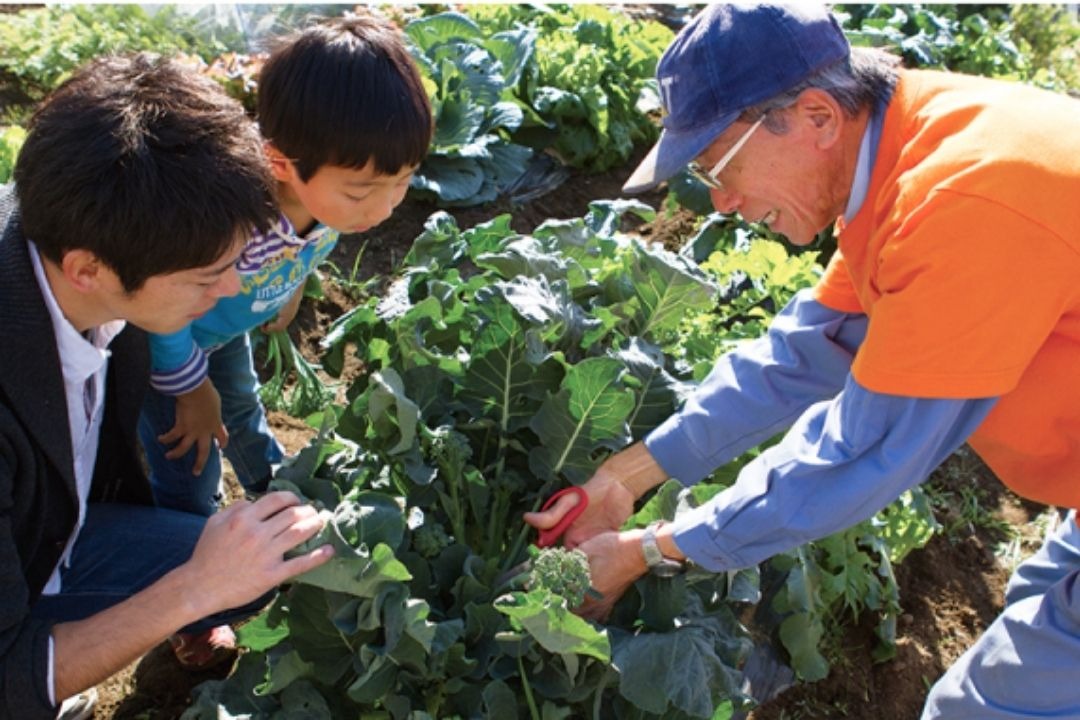
Perhaps the most valuable feature is the presence of on-site farming advisors. Rather than relying entirely on manuals or online tutorials, members receive face-to-face guidance whenever questions arise. Because agriculture is heavily influenced by weather and natural conditions, situations rarely unfold exactly as expected. Having experienced advisors available helps users solve problems quickly and significantly improves the likelihood that they will continue participating.
Importantly, these features are not simply conveniences. They represent a deliberate effort to eliminate the common reasons people abandon farming. By removing barriers related to time, knowledge, equipment, and uncertainty, Share Batake makes it possible to integrate agriculture into everyday urban life rather than treating it as an occasional hobby.
This approach also benefits the farmland itself. As more members continue using their plots over longer periods, farmland receives more consistent care, improving land utilization while helping preserve agricultural spaces that might otherwise remain underused.
In this way, Share Batake is far more than a gardening service. It is a system specifically designed to make agriculture sustainable not only for the land, but also for the people who choose to participate. Its broader goal is to transform the relationship between city residents and farming from a temporary experience into a lasting part of everyday life.
A Participation Platform Rather Than Just a Gardening Service
What makes Share Batake unique is that it is not simply a service that rents out farmland plots. Instead, it is designed as an infrastructure that enables urban residents to participate in agriculture. While traditional community gardens typically provide only the land, Share Batake packages the entire growing experience into an accessible service that removes as many barriers as possible for beginners.
Each rental plot comes with far more than just space to grow vegetables. Crop selections, seasonal planting schedules, cultivation plans, and the necessary materials are all prepared in advance. Users simply follow the guided process, eliminating much of the uncertainty surrounding questions such as what to plant, when to plant it, and what tasks need to be completed throughout the season. This structured approach allows even first-time gardeners to enjoy successful harvests without extensive prior knowledge.
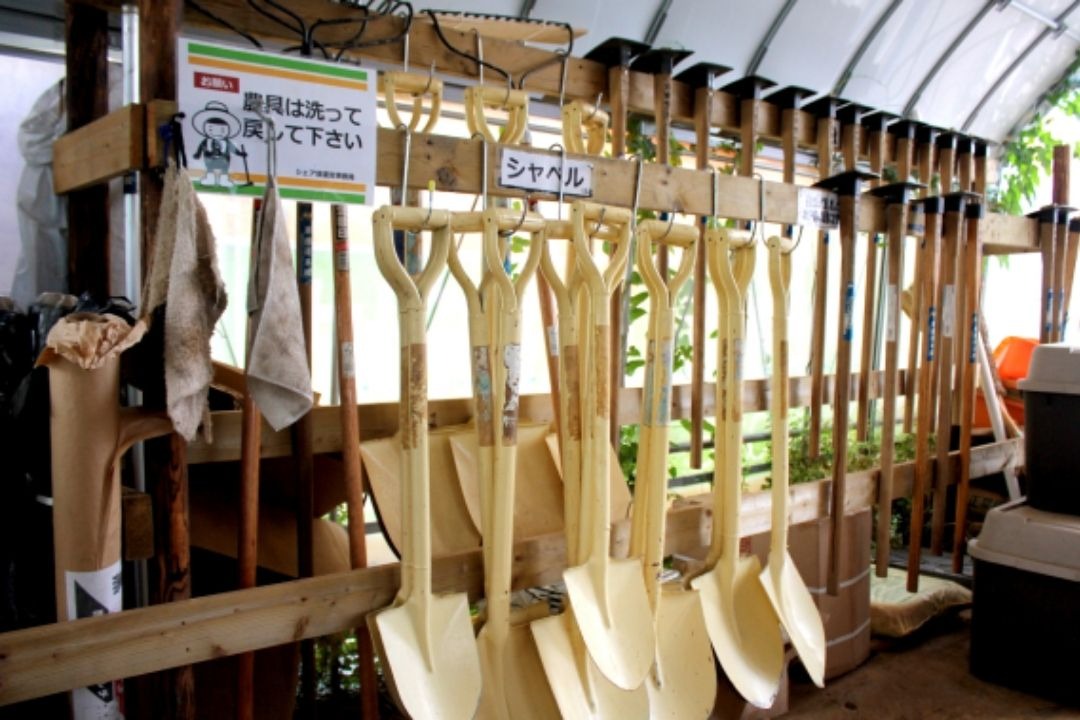
All necessary tools, seeds, fertilizer, and equipment are stored on-site, so members do not need to purchase or transport their own supplies. This is particularly important for people living busy urban lifestyles, where convenience often determines whether a hobby becomes sustainable. By minimizing setup and cleanup time, Share Batake makes it realistic for members to stop by after work or spend a few hours gardening on weekends.
On-site advisors are a core element of the service, not an optional extra. Members receive face-to-face guidance whenever they visit, ensuring that they can respond appropriately to changing weather conditions, pest issues, or unexpected challenges. While books and online videos provide useful information, personalized support is much more effective when working with living crops that rarely follow a predictable schedule.
Reconnecting Japanese Cities With Their Agricultural Roots
The service also naturally creates a sense of community. People tending neighboring plots often exchange advice, share harvest experiences, and build relationships through regular visits. This social aspect transforms gardening from an individual activity into a shared experience, giving members another reason to continue participating throughout the year.
Rather than solving just one problem, Share Batake combines land access, equipment, education, expert support, and community into a single ecosystem. Because it addresses the practical constraints that prevent many people from trying agriculture in the first place, it appeals to a much broader audience than conventional allotment gardens.
Ultimately, Share Batake redefines farming as something anyone can participate in, rather than an activity reserved for experienced growers. In doing so, it functions not only as a subscription service but also as a new form of urban infrastructure that reconnects people with food production.
How Corporate Adoption Expands the Business Value of Farming Experiences
Source: Share Batake Homepage
Although Share Batake is widely known as a consumer service, its applications have steadily expanded into the corporate sector. Companies are increasingly adopting the platform not simply as an employee benefit, but as a practical tool for organizational development, sustainability initiatives, and employee engagement.
One of the most straightforward use cases is corporate wellness. Providing employees with opportunities to garden offers a refreshing break from office environments while encouraging physical activity and time spent outdoors. For many professionals living in large cities, regular contact with nature is limited. Gardening provides a hands-on experience that can reduce stress, improve mental well-being, and contribute to a healthier work-life balance in ways that traditional gym memberships or recreational subsidies often cannot.
Share Batake is also being used for team building and leadership development. Farming is inherently unpredictable, with weather, seasons, and natural conditions influencing outcomes despite careful planning. Participants must adapt, solve problems collaboratively, and communicate effectively throughout the growing process. These experiences translate naturally into workplace skills such as teamwork, decision-making, and resilience, making the service suitable for corporate training programs.
Building a More Sustainable Connection
The platform also supports corporate sustainability and ESG initiatives. Companies can demonstrate their commitment to food systems, environmental awareness, and community engagement through tangible activities rather than simply publishing sustainability statements. By involving employees, customers, or business partners in agricultural experiences, organizations make these initiatives more visible and meaningful.
Food manufacturers, restaurants, and hospitality businesses can find even more direct applications. Growing a portion of their own ingredients or hosting customer farming experiences allows businesses to strengthen their brand stories while giving customers greater appreciation for where food comes from. Rather than focusing solely on the final product, companies can build deeper relationships by sharing the production process itself.
From a business perspective, these initiatives can be viewed as strategic investments rather than additional expenses. Potential benefits include improved employee satisfaction, stronger employer branding, higher retention rates, and enhanced corporate reputation. Because a single program can achieve multiple objectives, Share Batake delivers value across several areas of the business at once.
As a result, Share Batake has evolved beyond being a personal hobby platform. It is increasingly becoming practical business infrastructure that allows organizations to incorporate agriculture into employee development, branding, and sustainability strategies.
Operational Systems Designed for Long-Term Participation
One reason Share Batake has moved beyond one-time farming experiences is its carefully designed operational model. Agriculture requires ongoing care, and crops cannot thrive without consistent maintenance. For a subscription service to succeed, maintaining quality across every location is just as important as attracting new members.
Each farm operates under a structured management system supported by on-site advisors who are either permanently stationed there or visit regularly. They monitor crop conditions, assist members, and perform essential maintenance when necessary. This reduces the risk of crops failing simply because a member cannot visit for a short period, helping preserve both harvest quality and customer satisfaction.
The cultivation process itself is also highly standardized. Crop selection, planting schedules, seasonal tasks, and maintenance procedures are carefully planned to create a consistent experience across different locations. This standardization makes the service highly accessible to beginners while ensuring reliable outcomes regardless of which Share Batake location a member chooses.
Maintaining the condition of the farmland as a whole is equally important. Since multiple members share the same facility, soil quality, common spaces, and infrastructure must be managed collectively. Share Batake oversees these shared resources to ensure that the overall farming environment remains productive and enjoyable for everyone.
Safety is another important consideration. Gardening tools are properly maintained, members receive guidance on safe usage, and the work environment is designed with beginners in mind. These measures are particularly valuable in urban areas, where many participants have little or no previous farming experience.
The service also keeps members engaged by rotating crops throughout the year and updating cultivation schedules with each season. Rather than repeating the same activities indefinitely, participants experience a wide variety of vegetables and growing techniques over time. This variety encourages long-term participation while helping members build practical agricultural knowledge.
By balancing user independence with professional operational support, Share Batake creates a sustainable model for long-term farming participation. Instead of relying solely on individual commitment, the platform embeds quality control into its operating system, providing both stability and scalability as the network continues to grow.
A Model That Addresses Challenges Shared by Cities Around the World
Source: Share Batake Homepage
While Share Batake was developed in Japan's unique urban environment, the challenges it addresses are increasingly common worldwide. Rapid urbanization has widened the gap between food production and consumption, reduced people's connection with nature, and left many cities with underutilized land waiting for productive use.
Modern food supply chains allow consumers to purchase fresh produce with little knowledge of where or how it was grown. Although this system is highly efficient, it has also distanced many people from the production process itself. This growing disconnect has become a topic of discussion not only in Japan but also in major cities across North America, Europe, and other parts of Asia.
Unused urban land presents another opportunity. Vacant lots, temporarily undeveloped properties, and idle spaces exist in many cities. While these areas often have limited short-term commercial value, they can become productive community assets when paired with the right operating model.
At the same time, global interest in health, wellness, and sustainable living continues to grow. More people are seeking opportunities to grow food, spend time outdoors, and reconnect with natural environments, even while living in densely populated cities. These trends create favorable conditions for services like Share Batake.
For these reasons, the platform's underlying concept is not uniquely Japanese. Instead, it offers a framework that could be adapted to urban environments worldwide. Successful international expansion would require localization to account for differences in land-use regulations, property laws, agricultural practices, and community culture. A direct copy-and-paste approach would not be sufficient.
However, the core concept of a "participation infrastructure" remains highly transferable. By combining farmland access, equipment, expert guidance, and community building into one integrated service, Share Batake lowers the barriers that prevent city residents from becoming involved in agriculture. This framework could be replicated in many urban regions.
Although Agrimedia has not announced a significant overseas rollout at the time of writing, the growing popularity of urban farming and community agriculture suggests considerable international potential. High-density cities and regions seeking to strengthen local food resilience may find this model particularly attractive.
In that sense, Share Batake serves as a practical prototype for how modern cities can reconnect residents with food production while adapting agriculture to contemporary urban life.
Building Trust Through Expansion Across Japan
Although Share Batake introduces an innovative approach to urban agriculture, its credibility comes from years of practical operation across Japan. Rather than remaining a conceptual project, the service has steadily expanded into multiple locations, demonstrating that its business model can be implemented successfully at scale.
The company has focused its growth on densely populated metropolitan regions, including the Greater Tokyo and Kansai areas. Farms are intentionally located near residential neighborhoods so that members can visit as part of their regular routines instead of making special trips to the countryside. This emphasis on convenience supports consistent participation and helps maintain high usage rates.
The subscription model also reflects the realities of agriculture. Because growing vegetables is a long-term process, the service encourages members to stay involved over multiple seasons rather than treating gardening as a one-time activity. This structure improves customer retention while creating greater operational stability for each farm.
Share Batake has also expanded its customer base beyond individual hobbyists. Families use the farms for children's education, schools incorporate agricultural learning into their programs, and companies adopt the service for employee engagement and corporate initiatives. This diverse user base demonstrates the platform's flexibility and scalability.
As the service has grown, it has received increasing media coverage and recognition as one of Japan's leading examples of urban agriculture. This visibility is supported by years of continued operation rather than short-term publicity, reinforcing its reputation as a proven model.
Maintaining consistent quality across an expanding network is another noteworthy achievement. Standardized cultivation support, operational management, and advisor training allow members to enjoy a similar experience regardless of location. Scaling this level of consistency is often one of the greatest challenges for service-based businesses, making Share Batake's continued expansion particularly significant.
Together, these operational achievements demonstrate that urban agriculture can become an established part of everyday life rather than remaining a niche hobby. This growing domestic track record also provides a strong foundation for potential partnerships and future international expansion.
Reimagining the Relationship Between Cities and Agriculture
Source: Share Batake Homepage
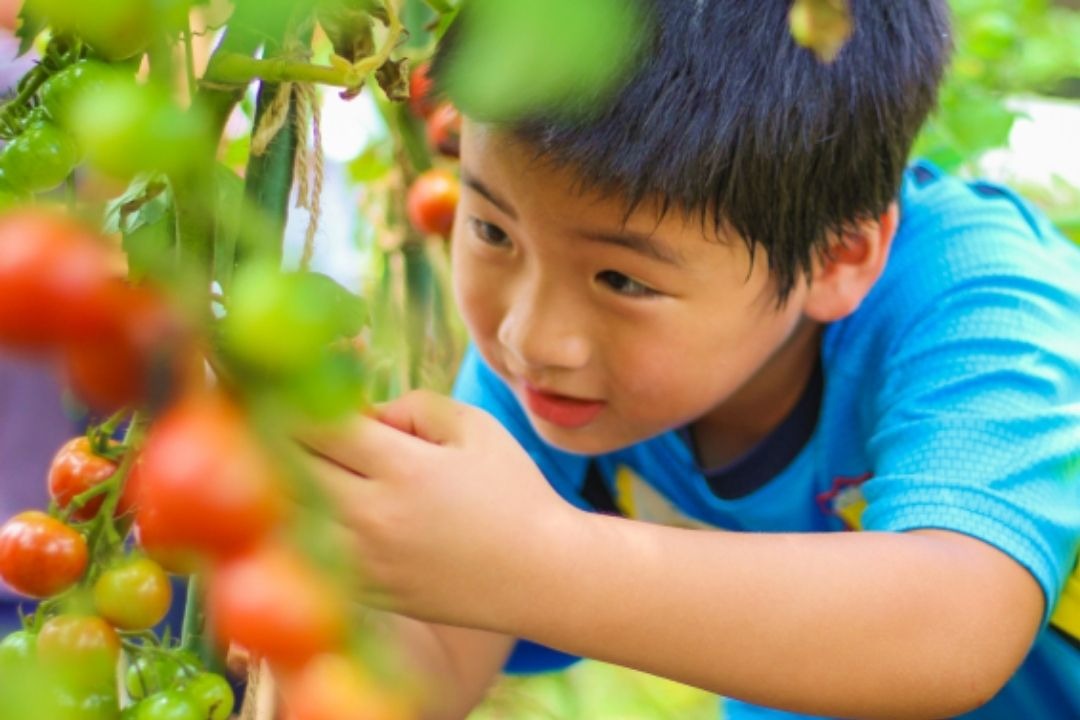
Ultimately, Share Batake is about much more than providing gardening experiences. It represents a broader effort to rethink the relationship between cities and food production. For decades, urban areas have primarily functioned as centers of consumption while agricultural production has been pushed farther away. As cities continue to grow, this separation is increasingly being questioned from the perspectives of sustainability, resilience, and quality of life.
Urban populations continue to expand around the world, bringing new challenges related to food security, environmental sustainability, and weakening community ties. In this context, integrating food production back into urban environments is becoming more than a lifestyle trend. It is emerging as an important consideration for future city planning.
For international businesses, one of the most compelling aspects of Share Batake is its ability to address multiple social challenges simultaneously. The model combines the productive use of vacant land with health promotion, environmental education, community building, and local food engagement, creating value across multiple sectors instead of serving a single purpose.
This flexibility opens opportunities for partnerships with real estate developers, local governments, educational institutions, food companies, and hospitality businesses. Residential developments could incorporate community farms to increase property value and improve neighborhood appeal. Municipal governments could use similar projects to revitalize underused land and strengthen local communities. Schools could integrate practical farming experiences into environmental education and food literacy programs.
Viewed from this perspective, Share Batake extends beyond the boundaries of a subscription service. It functions as a new type of urban infrastructure that brings agriculture back into everyday life and reconnects city residents with the process of producing food.
Rather than simply renting farmland, Agrimedia is working to restore food production as a visible part of urban living. As cities around the world search for more sustainable and resilient models of development, Share Batake offers a compelling example of how agriculture can once again become an integral part of modern urban society.
Conclusion
Share Batake demonstrates that urban farming can be much more than a recreational activity. By removing the traditional barriers of land access, equipment, expertise, and time, Agrimedia has created a model that allows people with no farming background to participate in food production as part of their everyday lives.
The platform also highlights how urban agriculture can address broader social challenges. Beyond helping individuals grow vegetables, Share Batake makes productive use of underutilized farmland, strengthens local communities, supports environmental education, and offers businesses new opportunities for employee engagement and sustainability initiatives.
As cities around the world continue searching for ways to improve resilience, well-being, and local food awareness, Share Batake offers an example of how agriculture can be integrated back into modern urban life. While the model would require adaptation to fit local regulations and cultural expectations, its core concept of making farming accessible through a fully supported participation platform has global relevance. Rather than simply renting farmland, Agrimedia is reimagining agriculture as an essential part of future urban infrastructure.
FAQ About Share Batake
1. What Is Share Batake?
Share Batake is a subscription-based community farm service operated by Agrimedia Co., Ltd. Members rent a dedicated garden plot while receiving access to farming tools, seeds, fertilizer, and professional cultivation support, making it easy for beginners to start growing vegetables without prior farming experience.
2. Why Has Share Batake Become So Popular?
Share Batake lets people in urban areas enjoy a genuine farming experience while providing extensive support that makes it accessible to beginners. Growing interest in healthy lifestyles, food education, and sustainability has also contributed to its popularity.
3. Can Beginners With No Farming Experience Use Share Batake?
Yes. The service is specifically designed for people with little or no farming experience. Members receive planting schedules, cultivation guidance, and access to all the necessary tools and materials, allowing them to grow vegetables with confidence.
4. What Kind Of Support Does Share Batake Provide?
Members receive guidance from on-site farming advisors along with access to gardening tools, fertilizer, seeds, and other cultivation materials. Advisors are also available to answer questions about planting techniques, crop care, and ongoing maintenance, making it easier to continue farming throughout the season.
5. Who Is Share Batake Best Suited For?
Share Batake is ideal for anyone interested in growing vegetables, including beginners, families looking for hands-on food education, people seeking a hobby that reconnects them with nature, and individuals pursuing a healthier lifestyle.
6. Can Businesses Use Share Batake?
Yes. Companies use Share Batake for employee wellness programs, team-building activities, corporate training, food education events, and sustainability initiatives. It is increasingly being adopted as part of broader ESG and employee engagement strategies.
7. Does Share Batake Help Revitalize Underused Farmland?
Yes. By converting underutilized farmland near urban areas into managed community gardens, Share Batake helps maintain agricultural land while contributing to local revitalization. Long-term member participation also supports the continued use and upkeep of these farming spaces.
8. How Does Share Batake Support Sustainability?
Share Batake encourages urban residents to participate directly in food production, helping people better understand agriculture, food systems, and environmental issues. It also promotes the productive use of idle farmland while fostering stronger local communities, making it a valuable contributor to sustainable urban development.
9. Could Share Batake's Business Model Work Internationally?
Potentially, yes. As interest in urban farming, food education, and well-being continues to grow worldwide, the core concept has strong international potential. Although the model would need to adapt to local land-use regulations and cultural practices, the idea of making agriculture accessible to city residents applies in many countries.
10. What Does The Future Hold For Share Batake?
As urban agriculture continues to gain attention, Share Batake is expected to expand beyond community gardening into areas such as vacant land revitalization, community development, corporate partnerships, and sustainability initiatives. Over time, it could become an increasingly important part of urban infrastructure rather than simply a farming experience.
Related Videos
If you're interested in how Japan is bringing agriculture into urban life, the video below explores Share Batake, a shared farming service that makes it easier for city residents to grow their own food. This approach shows how unused urban spaces can be transformed into accessible farming environments for local communities.