In recent years, interest in wellness has expanded far beyond beauty and fitness. Around the world, more people are looking for ways to improve both their physical and mental well-being through activities such as saunas, spas, yoga, and meditation. Taking time to slow down and care for yourself has become an important part of a healthy lifestyle.
Japan has long embraced this philosophy through traditions such as hot springs (onsen) and public bathhouses (sento), where warming the body is closely connected with relaxation and peace of mind. Among Japan's modern wellness experiences, one service that has gained widespread popularity is ganbanyoku, often translated as a hot stone bath.
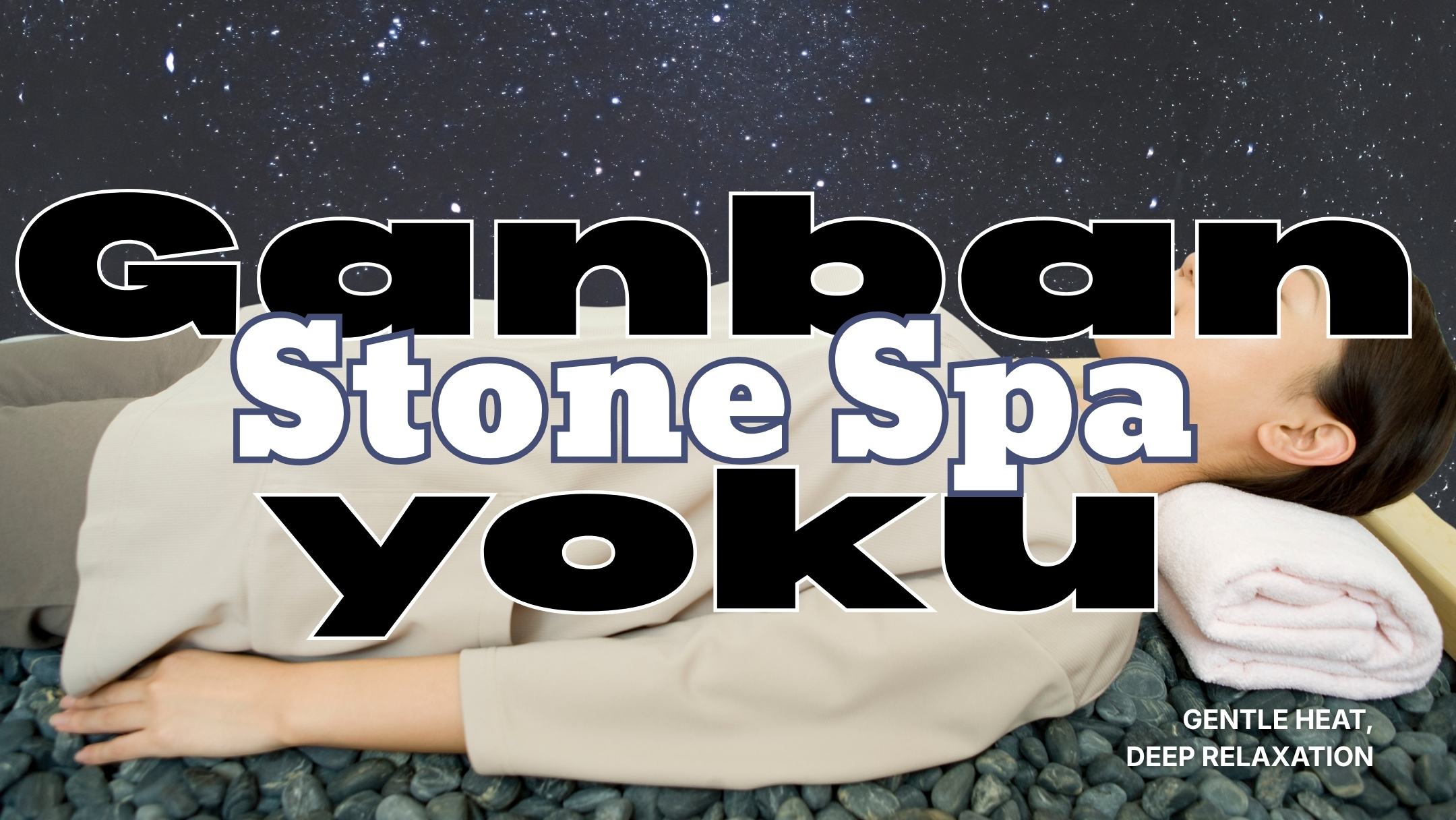
Ganbanyoku is a uniquely Japanese thermal wellness experience in which guests lie fully clothed on heated natural stone slabs while their bodies gradually warm in a calm, peaceful environment. Unlike a traditional sauna, which exposes users to very high temperatures, ganbanyoku focuses on gentle, sustained warmth that encourages relaxation rather than intense heat. It has become especially popular among people interested in beauty, wellness, and self-care.
The appeal of ganbanyoku extends beyond simply warming the body. It offers an opportunity to disconnect from everyday life while enjoying the comforting warmth of natural stone. The experience encourages guests to slow down, rest, and recharge in an environment carefully designed for relaxation.
As global demand for mindfulness practices and nature-inspired wellness experiences continues to grow, ganbanyoku has the potential to introduce international visitors to Japan's distinctive culture of quiet relaxation. This article explores what ganbanyoku is, why it became popular in Japan, what makes it unique, and why it has promising potential as an international wellness experience.
Shin Tamagawa Onsen Overview
Today, ganbanyoku is available at spas, hot spring resorts, and wellness facilities throughout Japan. One notable example is Shin Tamagawa Onsen in Akita Prefecture.
Rather than offering ganbanyoku purely as a relaxation service, Shin Tamagawa Onsen combines Japan's long tradition of therapeutic hot springs with the surrounding natural environment to create an authentic wellness experience. Visitors can experience not only heated stone therapy but also the culture of toji, Japan's historic practice of long-term therapeutic hot spring stays.
Shin Tamagawa Onsen is often regarded as one of Japan's most iconic ganbanyoku destinations because of its close connection to the origins of stone bathing culture. The nearby Tamagawa Onsen area, located within Towada-Hachimantai National Park, is famous for its naturally heated geothermal rock beds, where visitors have practiced outdoor stone bathing for many years.
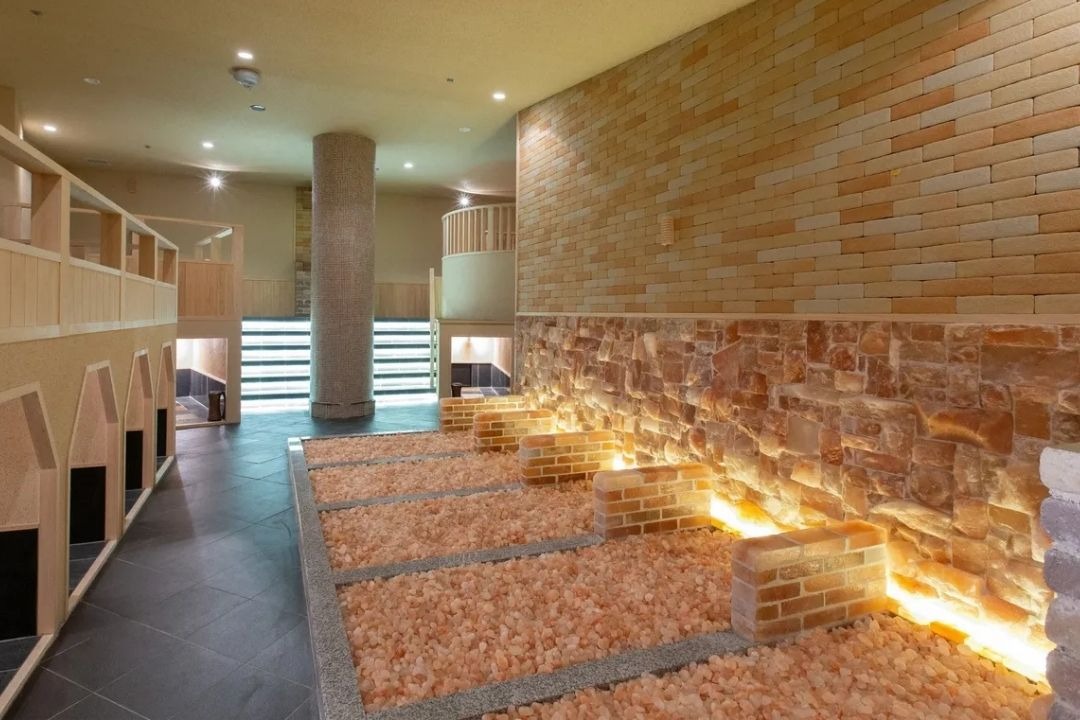
The resort also features indoor ganbanyoku facilities that make use of local geothermal resources. One distinctive feature is the use of granite that has absorbed minerals from the hot spring source over many years, creating a wellness experience that reflects both the local environment and Japan's long-standing relationship with geothermal bathing.
While many modern bathhouses and spas simply include ganbanyoku as one of many amenities, Shin Tamagawa Onsen integrates stone bathing with Japan's broader traditions of hot spring therapy, nature, and restorative relaxation, making it an excellent example of the country's wellness culture.
What Is Ganbanyoku? Japan's Gentle Hot Stone Wellness Experience
Source: Shintamagawa Onsen Homepage
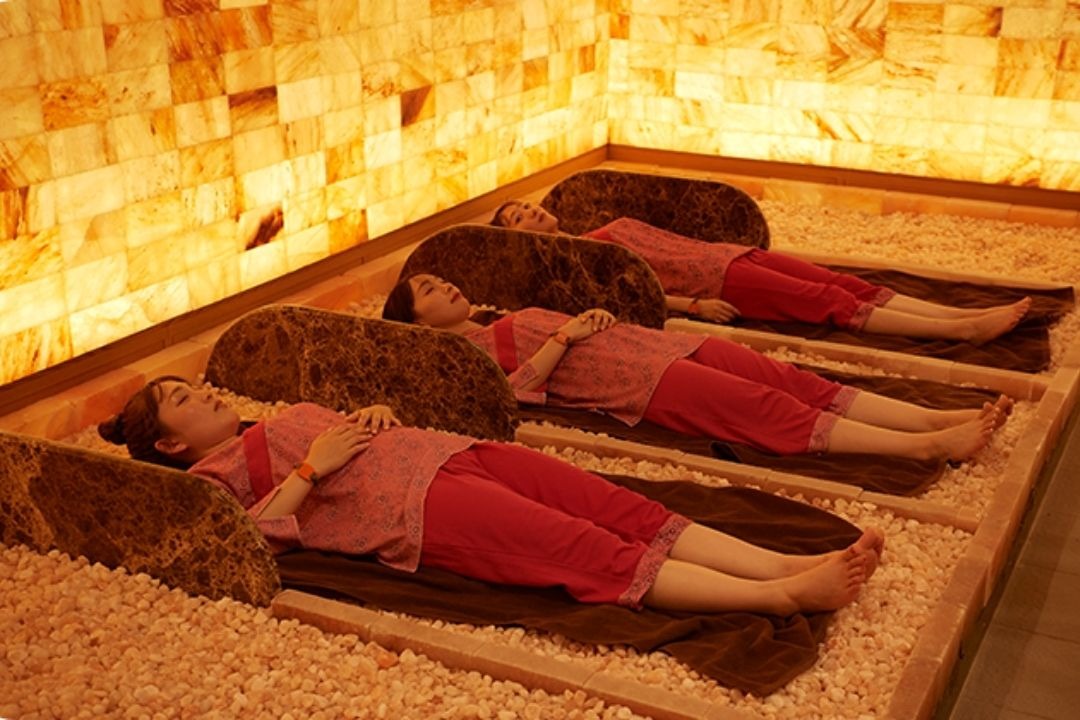
Ganbanyoku is a thermal wellness service where guests lie on heated natural stones or mineral slabs while wearing lightweight facility-provided clothing. Unlike soaking in hot water or spending a short time inside an extremely hot sauna, the goal is not to induce heavy sweating as quickly as possible. Instead, guests relax while gentle radiant heat from the stones gradually warms the body.
After checking in, visitors change into dedicated lounge wear before entering the stone room. While individual facilities vary, most sessions last around 15 to 30 minutes followed by a break before repeating the process. Many ganbanyoku facilities carefully design the atmosphere with dim lighting, soothing music, pleasant aromas, and quiet spaces where guests can unwind. Some people read, while others simply close their eyes and enjoy uninterrupted rest at their own pace.
Ganbanyoku became increasingly popular throughout Japan during the 2000s as interest in beauty, wellness, and relaxation grew. Today it can be found in a wide variety of locations, including large public bath complexes known as super sento, day spas, fitness clubs, and beauty salons. Prices vary by facility and package, but a single session typically costs between ¥500 and ¥3,000, making it an accessible wellness activity for locals and visitors.
Why Ganbanyoku Was Developed
Ganbanyoku emerged as Japan's traditional bathing culture evolved to meet the needs of modern lifestyles.
For centuries, Japanese people have used hot springs and public baths not only to clean themselves but also to relax both physically and mentally. As work became more demanding and urban lifestyles grew increasingly stressful, many people began seeking places where they could unwind even during relatively short breaks. Ganbanyoku developed as one response to this growing demand.
Unlike conventional bathing, guests remain fully clothed in dedicated lounge wear while quietly resting on heated stone. This makes the experience appealing not only to those interested in beauty and wellness but also to people seeking a peaceful form of relaxation and self-care.
Interest expanded rapidly during the 2000s alongside Japan's growing wellness and beauty industries. Although initially especially popular among women, ganbanyoku has since become a wellness activity enjoyed by people of all ages and genders.
What Makes Ganbanyoku Unique?
The defining feature of ganbanyoku is its combination of natural heated stone and quiet relaxation. While saunas and steam rooms are common worldwide, lying comfortably on warmed stone for an extended period remains relatively uncommon outside Japan, making ganbanyoku a distinctly Japanese wellness experience.
A Japanese Wellness Experience Combining Gentle Heat, and Relaxation
Japanese facilities also pay close attention to the materials they use. Different locations may feature various natural minerals or specialty stones, each selected to create a particular heating environment and atmosphere. Rather than focusing solely on temperature, operators often consider the overall sensory experience.
Over time, ganbanyoku has evolved into more than simply a way to warm the body. The experience is designed around the time guests spend inside the facility. Lighting, music, scents, and comfortable relaxation areas work together to create a space where visitors can unwind using all five senses.
This reflects a broader characteristic of Japanese beauty and relaxation services, where equal importance is placed on the overall customer experience rather than just the treatment itself. Ganbanyoku embodies this philosophy by offering a wellness experience instead of simply providing heated equipment. Unlike the energizing intensity of a sauna, it encourages guests to slow down for a while and enjoy quiet reflection.
How Ganbanyoku Is Used Across Different Industries
Ganbanyoku is valued not only as a heating facility but also as a wellness service that creates opportunities for relaxation and recovery. In recent years, it has increasingly been incorporated into facilities that aim to make the entire visitor experience more enjoyable rather than simply providing a single service.
Enhancing Stay-Oriented Bathing Facilities
Many large public bathhouses and hot spring complexes have introduced ganbanyoku to increase the overall appeal of their facilities. By giving guests a comfortable place to rest between baths, operators encourage visitors to stay longer, improving both customer satisfaction and the overall experience.
Some facilities have expanded this concept by offering multiple stone rooms with different temperatures or themes, along with spacious relaxation lounges where guests can comfortably spend an entire day.
As Part of Wellness and Relaxation Services
Demand for stress management and preventive wellness continues to grow, and ganbanyoku fits naturally into this trend. Since it requires no strenuous physical activity or specialized skills, almost anyone can enjoy it as a gentle form of self-care.
Many spas combine ganbanyoku with massage treatments, aromatherapy, and relaxation lounges to create comprehensive wellness packages that focus on both physical and mental relaxation.
Hospitality and Tourism
Hotels and traditional Japanese inns also have opportunities to incorporate ganbanyoku as a uniquely Japanese wellness experience. While many international visitors are interested in Japan's famous hot spring culture, some may feel uncomfortable with communal nude bathing.
Ganbanyoku offers a more approachable alternative because guests remain fully clothed throughout the experience. This lowers the cultural barrier for first-time visitors while still allowing them to enjoy a distinctly Japanese form of relaxation. It also serves as an ideal way to unwind after sightseeing or as an added premium service during a hotel stay, giving travelers a chance to experience Japan's culture of rest.
Service Quality and Facility Management Behind Ganbanyoku
Ganbanyoku is not simply a product but a service whose quality depends on its facilities, materials, and day-to-day operations. Creating a safe, comfortable environment is therefore essential to the experience.
The natural stones and minerals used in ganbanyoku vary from one facility to another. Some stones are selected for their heat-retention properties, while others contribute to the atmosphere or overall design concept. Temperature and humidity are also carefully managed so guests can remain comfortable for extended periods while maintaining appropriate safety standards.
Cleanliness is equally important. Facilities regularly maintain their stone rooms, provide freshly cleaned loungewear and towels, and ensure that relaxation spaces remain hygienic and inviting. Together, careful material selection, facility management, thoughtful interior design, and attentive customer service create the comfortable, high-quality wellness experience that Japanese ganbanyoku facilities are known for.
The Connection Between Ganbanyoku, Nature, and Japanese Tradition
Ganbanyoku developed from Japan's long-standing relationship with both thermal bathing culture and the natural world. For centuries, Japanese people have visited hot springs and public bathhouses not only to clean themselves but also to relax both body and mind. Likewise, traditions such as forest bathing (shinrin-yoku) and Japanese garden design reflect a deep appreciation for spending quiet time in natural surroundings.
The natural stones used in ganbanyoku continue this connection with nature. Lying on gently heated stone and letting your body warm slowly creates a calming experience that reflects Japan's approach to fullness through natural elements rather than stimulation.
The stone itself also holds cultural significance in Japan. From carefully arranged gardens to traditional architecture and famous hot spring destinations, natural materials have long played an important role in creating harmonious spaces. Ganbanyoku draws upon these same ideas by incorporating natural stone into an environment designed for comfort, balance, and relaxation.
For international visitors, ganbanyoku offers more than simply another thermal spa experience. It provides an opportunity to experience Japan's appreciation for nature, quiet reflection, and the art of slowing down.
User Experiences and Reviews: Ganbanyoku as Japan's Unique Culture of Rest
Source: Shintamagawa Onsen Homepage
The appeal of ganbanyoku goes far beyond simply warming the body. For many people, the real value lies in stepping away from daily routines and enjoying uninterrupted time to relax. Visitors often describe the experience as better than a traditional sauna, noting that sitting on warm stone helps them feel calm. At the same time, the peaceful atmosphere allows them to disconnect and recharge fully.
Ganbanyoku is especially popular among people with busy lifestyles who are looking for effective ways to manage stress without strenuous activity. The opportunity to put away smartphones, disconnect from work, and intentionally spend time doing nothing aligns closely with today's growing focus on mindfulness and self-care.
Japanese ganbanyoku facilities also place great emphasis on creating a comfortable environment. Soft lighting, subtle aromas, relaxing music, and thoughtfully designed lounge areas all contribute to the overall experience. Rather than being viewed as just another heat therapy, ganbanyoku is appreciated as a wellness experience that engages all five senses. For international visitors, it also offers an introduction to Japan's concepts of omotenashi (hospitality) and the country's unique appreciation for peaceful rest.
Global Potential: A Japanese Wellness Experience for International Markets
Interest in wellness continues to grow worldwide as more people seek ways to improve not only their physical health but also their mental well-being and overall quality of life. Instead of simply recovering from fatigue, consumers increasingly want experiences that help them slow down, reduce stress, and care for themselves regularly. Services such as yoga, meditation, spas, aromatherapy, and saunas have already become established across many countries. Within this expanding wellness market, ganbanyoku offers something distinctive by combining Japan's traditional bathing culture with modern wellness values.
Markets that may be particularly well suited for ganbanyoku include:
- Major cities with strong interest in health, beauty, and wellness
- Regions where spa and relaxation industries are already well developed
- Countries with growing interest in Japanese culture and nature-inspired wellness experiences
While sauna culture continues to gain popularity internationally, many consumers are also seeking gentler forms of relaxation. Unlike high-temperature saunas that focus on intense heat, ganbanyoku provides a quieter, lower-stress environment where guests can relax on naturally heated stone surfaces at their own pace.
The experience reflects a uniquely Japanese philosophy of enjoying quiet moments and appreciating time spent doing very little. Rather than functioning as simply another heated room, ganbanyoku introduces visitors to Japan's broader approach to relaxation, hospitality, and mindful living.
Future Outlook
Ganbanyoku has strong potential to expand beyond Japan as interest in wellness, mindfulness, and nature-inspired relaxation continues to grow worldwide. Its emphasis on slowing down and enjoying quiet moments offers something different from many existing wellness services. Japan's culture of peaceful rest could provide a refreshing alternative for consumers seeking gentler ways to relax.
Future international opportunities include partnerships with:
- Luxury spas
- Hotels and resorts
- Wellness centers
- Health and lifestyle facilities
In markets where Japanese culture and premium hospitality already enjoy strong recognition, ganbanyoku could become an attractive experiential offering. Looking ahead, it may also be combined with meditation, aromatherapy, massage, and other wellness programs to create comprehensive relaxation experiences.
Track Record in Japan
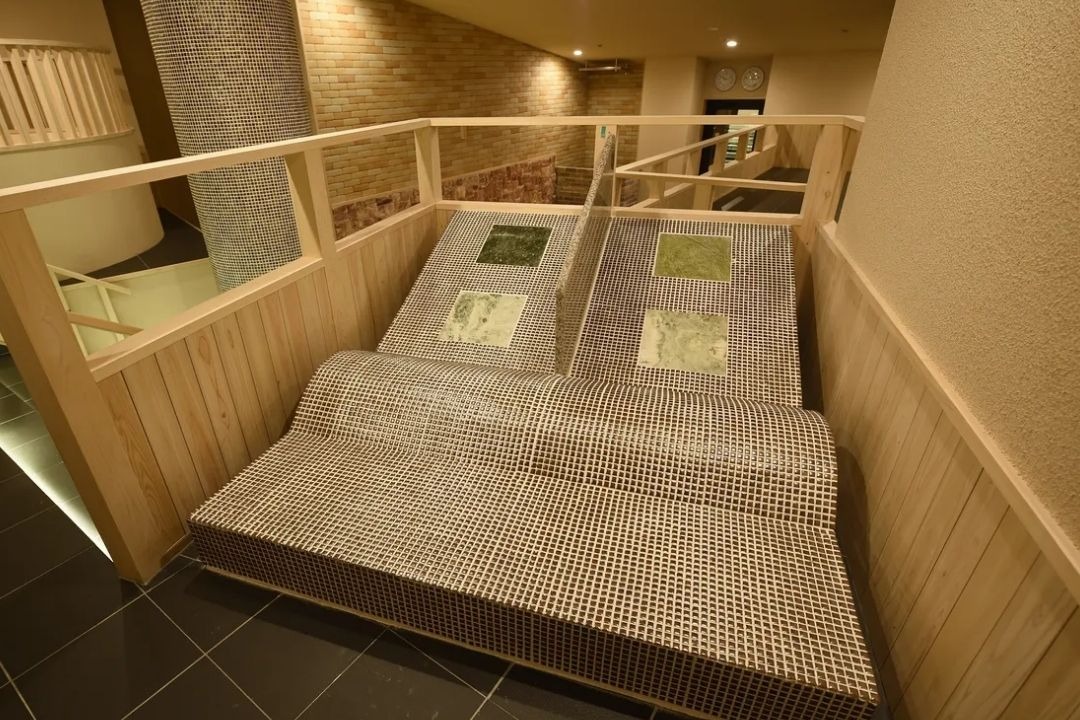
Source: Shintamagawa Onsen Homepage
Ganbanyoku has become a well-established part of Japan's wellness industry, particularly within hot spring resorts, public bath complexes, and spa facilities.
Beginning in the early 2000s, many large bathhouses and health resorts introduced ganbanyoku as an additional attraction. Today, it is commonly offered alongside traditional bathing facilities, while urban spas and relaxation centers continue to attract customers interested in beauty, wellness, and self-care.
Facilities have also diversified their offerings to meet different customer preferences. Some feature aromatherapy rooms, women-only areas, couples' spaces, or expansive relaxation lounges designed for extended stays. As Japan's wellness market has matured, ganbanyoku has evolved beyond a simple heated room into an experience centered on enjoying the entire visit.
Conclusion
Ganbanyoku is a uniquely Japanese wellness experience in which guests relax on naturally heated stone surfaces while enjoying gentle warmth in a calm, peaceful environment. Inspired by Japan's long tradition of hot springs and public baths, it has evolved into a modern form of wellness that combines relaxation, beauty, and self-care.
Its greatest appeal is not simply warming the body, but creating a quiet space where people can slow down, reconnect with themselves, and appreciate the comforting warmth of natural materials. As global interest in wellness continues to grow, ganbanyoku offers an experience that reflects Japan's distinctive approach to hospitality, relaxation, and mindful living.
For businesses outside Japan, ganbanyoku represents an opportunity to introduce an authentic Japanese wellness concept into spas, hotels, resorts, and other health-focused facilities. By blending traditional Japanese bathing culture with contemporary self-care trends, ganbanyoku could become one of Japan's most distinctive wellness exports in the years ahead.
FAQ About Ganbanyoku
1. What Is Ganbanyoku?
Ganbanyoku is a Japanese wellness service where guests lie on heated natural stone or mineral slabs while wearing dedicated lounge wear. Unlike a sauna, the experience focuses on gentle warmth and relaxation rather than intense heat. In Japan, ganbanyoku is widely enjoyed as a wellness activity that combines beauty, relaxation, and self-care.
2. How Is Ganbanyoku Different From Hot Springs and Saunas?
Hot springs involve soaking in naturally heated mineral water, while saunas use high temperatures to encourage sweating. Ganbanyoku, on the other hand, focuses on quietly relaxing while lying on heated stone surfaces. Many facilities encourage guests to read, rest, or simply enjoy a peaceful environment, making it a slower and more mindful wellness experience.
3. Is Ganbanyoku Suitable for First-Time Visitors?
Yes. Most facilities provide clear instructions on how to use the ganbanyoku rooms, making the experience easy even for first-time visitors. Guests simply change into the provided loungewear and relax on the heated stone. No special knowledge or previous experience is required, and some facilities also offer beginner-friendly guides.
4. How Long Do People Usually Spend at Ganbanyoku?
A typical session consists of relaxing on the heated stone for about 15 to 30 minutes, followed by a short break. Many guests repeat this cycle several times, with a complete visit often lasting between one and two hours, depending on the facility and personal preference.
5. Where Can You Experience Ganbanyoku in Japan?
Ganbanyoku is available at a wide variety of locations, including large public bath complexes, spas, relaxation centers, hotels, and health resorts. Each facility offers a unique atmosphere, often featuring different types of natural stone, interior design, and relaxation spaces.
6. What Should You Wear During a Ganbanyoku Session?
Most facilities provide dedicated lounge wear that guests wear throughout the experience. Many also include towels and indoor clothing in the admission fee, so visitors can come without bringing special equipment. Some facilities also offer showers or traditional bathing areas that can be used after the session.
7. Why Is Japanese Ganbanyoku Attracting International Attention?
As interest in wellness and self-care continues to grow worldwide, ganbanyoku offers something distinctive by emphasizing quiet relaxation rather than intense heat or physical activity. The combination of gentle warmth, natural stone, and a peaceful environment reflects a uniquely Japanese approach to wellness that appeals to many international visitors.
8. Can International Tourists Enjoy Ganbanyoku?
Yes. Since guests wear dedicated loungewear throughout the experience, ganbanyoku is often more approachable for visitors who may not be comfortable with Japan's traditional nude bathing culture. It is widely available at spas, hotels, and wellness facilities throughout Japan, making it an accessible activity for travelers.
9. What Benefits Does Ganbanyoku Offer to Businesses and Facilities?
Adding ganbanyoku allows hotels, spas, and bath facilities to provide a more complete wellness experience beyond traditional bathing. It can encourage guests to stay longer, improve overall customer satisfaction, and help facilities differentiate themselves in an increasingly competitive wellness market.
10. Why Is Ganbanyoku Expected to Become Even More Popular?
As more people worldwide prioritize relaxation, self-care, and mental well-being, demand for gentle wellness experiences continues to grow. By combining Japan's traditional bathing culture with a peaceful, nature-inspired environment, ganbanyoku offers a unique experience that could appeal to both domestic and international audiences.