What Is Japan’s School Cleaning Culture? A Unique Educational Tradition Where Students Clean Their Own Schools
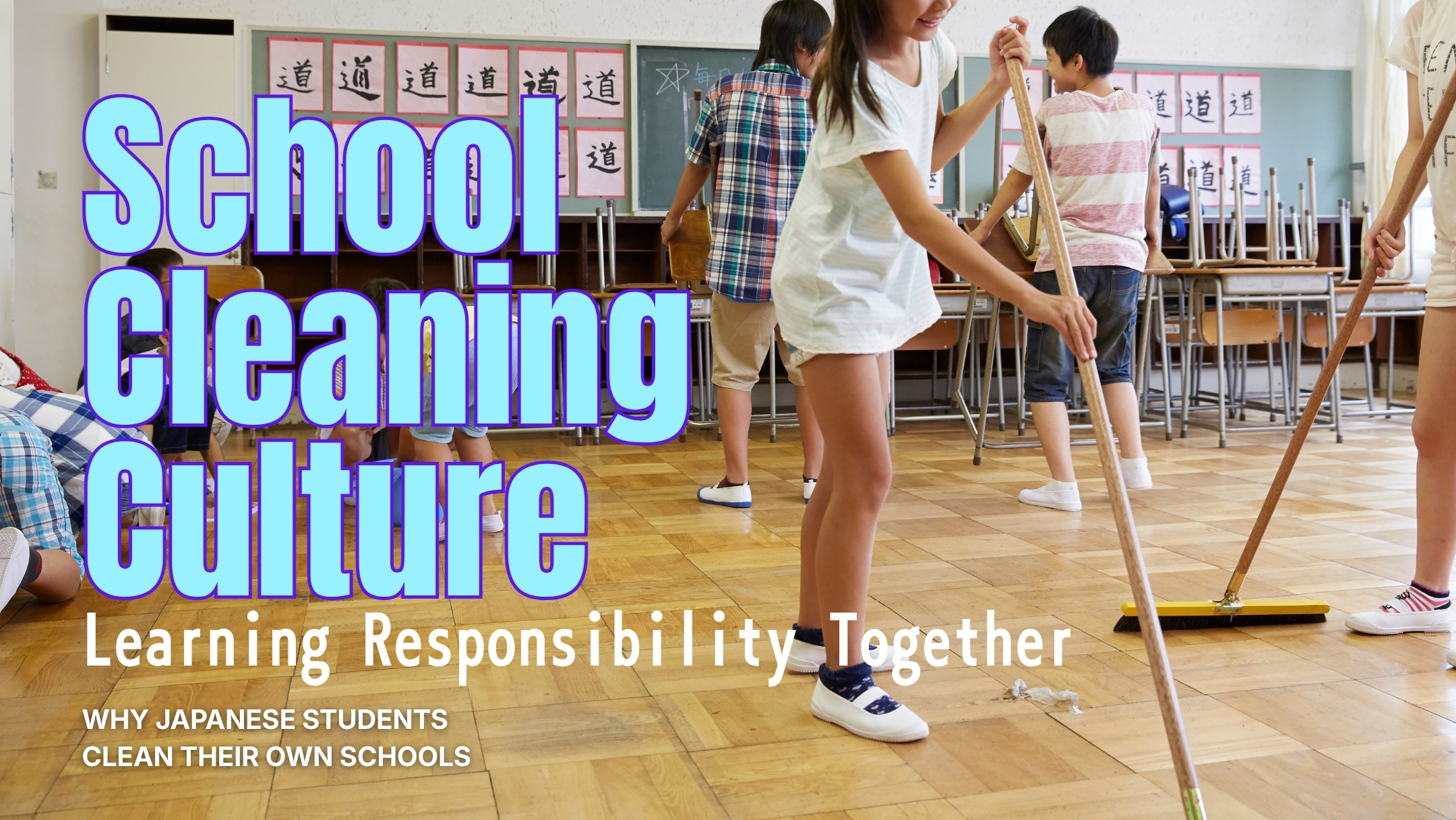
In Japanese schools, many students take part in daily cleaning activities. At the end of classes or after school, children use brooms, cloths, and mops to clean classrooms, hallways, staircases, and sometimes even restrooms. This dedicated cleaning period is built into the school day and has become one of the most recognizable aspects of Japanese school culture.
In many countries, professional custodial staff typically handle school cleaning. In Japan, however, students often clean the spaces they use every day. What makes this practice distinctive is that it is regarded not simply as a maintenance task but as part of the educational process.
Japan’s school cleaning culture is closely connected to the country’s educational philosophy. Through cleaning activities, students learn the importance of caring for the environment they share with others. Working together to keep the school clean is intended to foster responsibility, cooperation, and respect for public spaces.
In recent years, this aspect of Japanese school life has attracted growing international attention. Educational researchers and media organizations have increasingly highlighted students cleaning their schools, often describing it as an approach that helps develop awareness of shared responsibility and community-minded behavior.
As countries around the world explore ways to teach civic responsibility and encourage respect for public spaces, Japan’s school cleaning culture has emerged as a noteworthy educational model. By combining practical tasks with character development, it continues to draw interest both within Japan and abroad.
What Is Japan’s School Cleaning Culture?
School cleaning culture refers to the educational practice in which students regularly clean their own school facilities. In many Japanese elementary and junior high schools, a designated cleaning period is built into the daily schedule, allowing students to take responsibility for cleaning different areas of the school.
Classes or small groups typically clean, with specific areas assigned to each team. Students may clean classrooms, hallways, staircases, school grounds, and restrooms. Tasks often include sweeping floors, wiping desks and surfaces with cloths, and collecting trash. Some schools organize cleaning activities through mixed-age groups, known as tatewari groups, where older students help guide younger students and teach them how to complete various tasks.
These activities extend beyond simply keeping the school clean. School cleaning is widely regarded as an educational activity that helps students develop respect for shared spaces and learn how to work cooperatively with others. The idea that students should take care of the environment they use every day has long been an important part of Japanese school education.
Cleaning sessions are usually conducted within a relatively short period, often lasting between 10 and 20 minutes. Because students must complete their tasks efficiently within a limited time, they naturally learn how to divide responsibilities, coordinate with others, and improve their working methods. These experiences provide valuable opportunities to develop teamwork and cooperation skills.
As a result, Japan’s school cleaning culture is much more than a maintenance activity. It is an educational practice designed to foster social responsibility, cooperation, and respect for public spaces as part of everyday school life.
A System Of Social Education That Integrates Cleaning Into Daily School Life
One of the most distinctive aspects of Japan’s school cleaning culture is that cleaning is formally incorporated into the educational process. In many countries, schools rely on custodial staff or external cleaning contractors to maintain school facilities, and it is relatively uncommon for students to participate in routine cleaning. In Japan, by contrast, students cleaning their own school is a well-established part of everyday school life.
Understanding the Tradition of Cleaning in Japanese Schools
What makes this practice unique is that cleaning is not viewed simply as a task that needs to be completed. Instead, it is treated as an opportunity to learn the principle that people should take responsibility for the spaces they use. Through activities such as wiping desks and floors, sweeping hallways, and collecting trash, students are encouraged to develop respect for shared environments and public spaces. These activities are considered part of the broader educational process, not merely a way to maintain school facilities.
Another important feature is that cleaning is carried out cooperatively. Students are typically divided into small groups and assigned specific areas of the school to clean. Because the work must be completed within a limited time, students naturally learn to divide responsibilities, coordinate tasks, and work together efficiently. These experiences help foster teamwork, cooperation, and a sense of responsibility within a group setting.
The Educational Philosophy Behind Japan’s School Cleaning Culture
In some schools, cleaning activities also create opportunities for interaction between different age groups. Schools that use mixed-age cleaning groups, often known as tatewari groups, allow older students to guide younger ones and teach them proper cleaning methods. These interactions help develop leadership skills among older students while encouraging younger students to learn from their peers. As a result, cleaning time can help build a stronger sense of community within the school.
Another notable characteristic is the short and focused nature of the cleaning period. In many schools, cleaning sessions last only 10 to 20 minutes. Because students must complete their assigned tasks within a relatively short timeframe, they learn to organize their work efficiently and think carefully about how to share responsibilities. These practical skills can be valuable not only in school but also in everyday life and future workplace environments.
As a result, Japan’s school cleaning culture is more than a way to maintain clean facilities. It functions as a form of social education that encourages responsibility, cooperation, and respect for shared spaces. By caring for their own environment, students gain experiences that shape their attitudes toward community life and public responsibility.
An Educational Philosophy That Fosters A Sense Of Community Responsibility
Source: Nishinippon Article
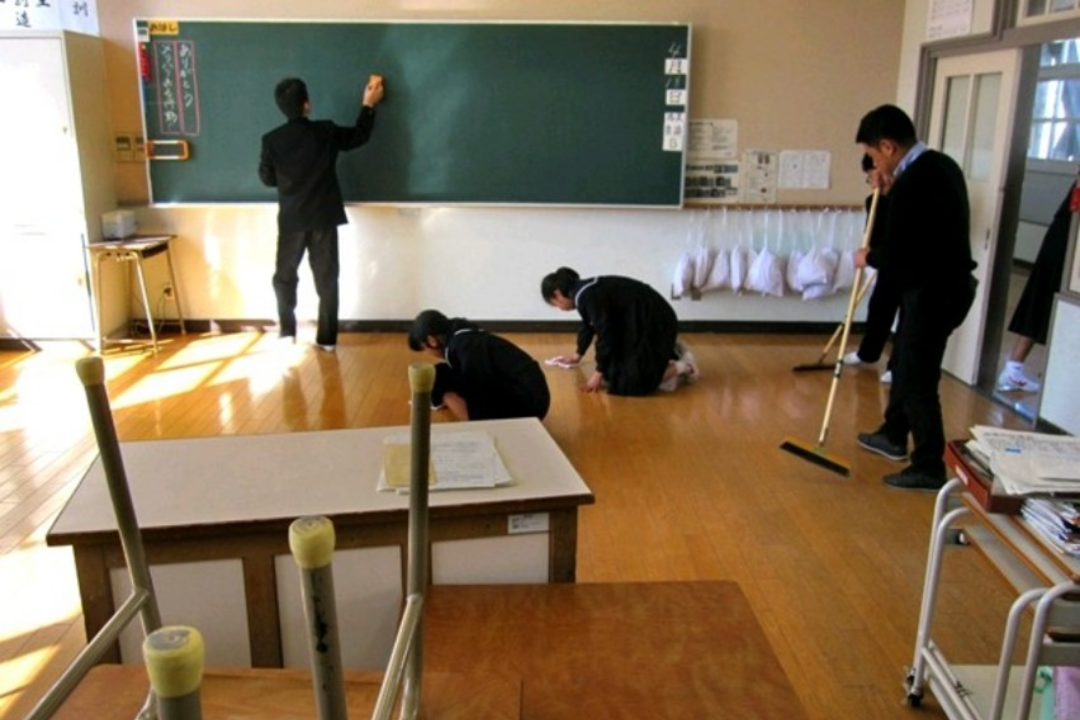
Japan’s school cleaning culture is rooted in the belief that education should help children learn their responsibilities as members of a community. Through cleaning activities, students are encouraged to develop a sense of ownership over the spaces they use and an understanding that maintaining a shared environment is a collective responsibility. This idea has long been considered an important part of Japanese education.
The origins of this philosophy can be traced back to the terakoya schools of the Edo period. In these community-based schools, children learned not only academic subjects but also practical aspects of daily life. Activities such as cleaning and organizing were regarded as part of character development, helping students learn manners, discipline, and good habits. This emphasis on everyday life skills later influenced the development of modern Japanese education.
How Cleaning Helps Develop Community-Minded Students
As Japan established its modern school system during the Meiji era, it placed greater importance on teaching discipline and cooperative behavior in a group setting. Cleaning gradually became more than a practical task for maintaining school facilities. It was viewed as an activity that could contribute to character development by helping students understand how their actions affect others and why shared spaces should be treated with care and respect.
Japan’s long-standing cultural emphasis on cleanliness has also shaped this tradition. Concepts related to purification in Shinto beliefs, along with everyday practices of tidiness and organization, have contributed to a broader social value placed on keeping environments clean and orderly. These cultural influences helped create conditions in which school cleaning became widely accepted as a natural part of education.
Another important factor is cooperation in school life. Cleaning is typically carried out as a group activity that requires students to share responsibilities and work together toward a common goal. Through these experiences, students learn how to cooperate with others, fulfill assigned roles, and contribute to the well-being of a larger community. These educational benefits have helped establish cleaning time as a regular part of the school day.
As a result, Japan’s school cleaning culture is far more than a way to keep school buildings clean. It developed through a combination of historical educational ideas and cultural values and continues to function as an educational practice that helps foster social responsibility, cooperation, and respect for shared spaces.
A Daily Activity Embedded In School Life
Japan’s school cleaning culture is not treated as a special event but as a routine part of everyday school life. In many elementary and junior high schools, a designated cleaning period of about 10 to 20 minutes is scheduled during the school day, often between classes or after lessons end. During this time, students clean various areas of the school. Because cleaning is part of the daily schedule, nearly all students are expected to participate.
Cleaning is typically organized by class or small groups. Each class is assigned specific areas to maintain, such as classrooms, hallways, staircases, school grounds, or restrooms. Assigned locations are often rotated periodically, allowing students to gain experience caring for different parts of the school environment throughout the year.
Why Japanese Students Clean Their Own Schools
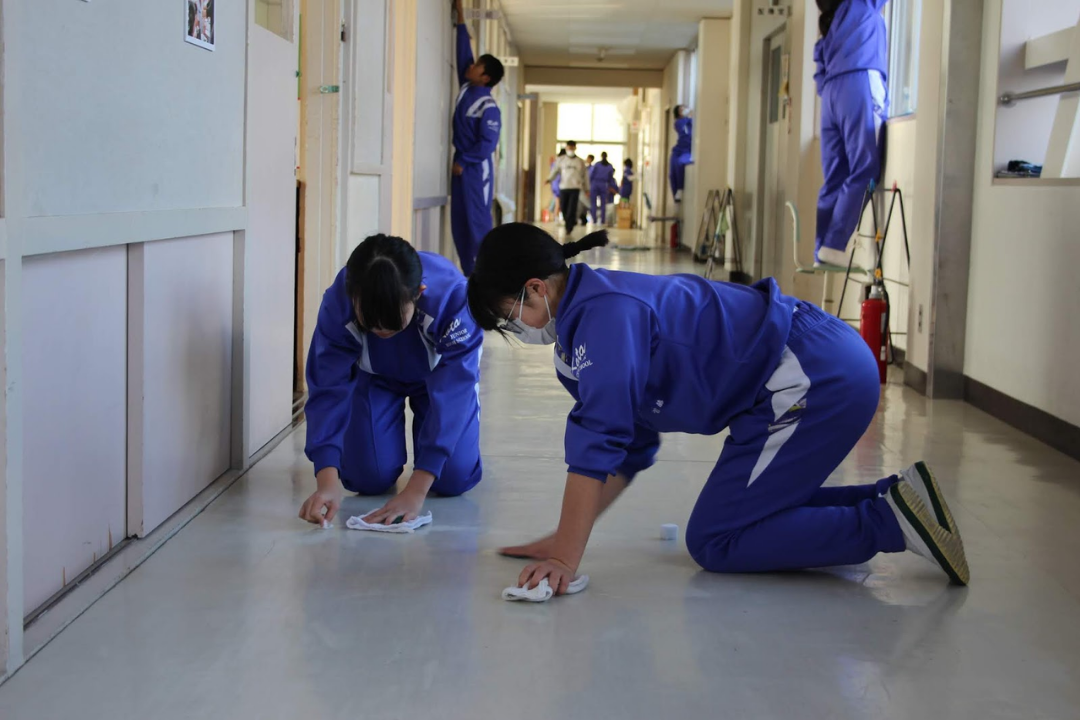
The cleaning methods themselves are generally straightforward. Students sweep floors with brooms, wipe desks and surfaces with cloths, and use mops to clean hallways and other common areas. In some schools, activities such as wiping floors with cloths by hand add a physical element to the task, making cleaning part of students’ daily movement and activity. Because the work must be completed within a limited period, students naturally learn how to organize tasks and work efficiently.
Many schools also use systems such as rotating cleaning duties or designated cleaning teams. Students are divided into small groups and assigned responsibility for a particular area for a set period. Within each group, members share tasks, with students taking on roles such as sweeping, wiping surfaces, or collecting trash. This structure provides regular opportunities to practice teamwork and cooperation.
Another notable feature is that both students and teachers often clean. In many schools, teachers participate alongside students rather than simply supervising from a distance. By sharing the same activity, teachers and students contribute together to maintaining the school environment, helping strengthen a sense of community within the school.
As a result, Japan’s school cleaning culture functions as a natural and familiar part of daily school life. Beyond keeping school facilities clean, it allows students to develop cooperation, responsibility, and respect for shared spaces through regular participation in a common task.
An Educational Environment That Naturally Fosters Public Awareness And Social Responsibility
Source: Nishinippon Article
One defining feature of Japan’s school cleaning culture is its ability to cultivate responsibility toward shared spaces through everyday activities. By cleaning the classrooms, hallways, and facilities they use each day, students gain firsthand experience in caring for a communal environment. Rather than learning these values solely through lessons or textbooks, students develop them through regular participation and practical experience.
Another distinctive aspect is that school cleaning is generally a universal activity. Instead of assigning cleaning responsibilities to a small group of students, nearly all children are expected to participate. This approach helps reinforce the idea that the school is a shared space maintained by everyone who uses it. Taking responsibility for one's environment becomes a routine part of daily life, encouraging attitudes that extend beyond school and into broader society.
How a Simple Chore Became a Lesson in Community
Cleaning also serves as an opportunity to learn how to function effectively within a group. Because tasks must be completed within a limited amount of time, students need to divide responsibilities, coordinate their efforts, and cooperate. If one person does not contribute, the group cannot complete its work efficiently. Through these experiences, students develop important social skills such as teamwork, communication, accountability, and mutual support.
The strength of Japan’s school cleaning culture lies in the fact that it goes beyond the practical goal of maintaining a clean environment. It also functions as a setting for character development and social education. By making cleaning a routine part of school life, students are given regular opportunities to practice respect for shared spaces and develop an awareness of their role within a larger community.
As a result, Japan’s school cleaning culture is much more than a cleaning routine. It operates as part of a broader educational framework designed to nurture social responsibility, cooperation, and public-minded behavior through everyday participation.
Japan’s School Cleaning Culture As An Educational Model Drawing International Attention
In recent years, Japan’s school cleaning culture has attracted growing interest from educators, researchers, and media organizations worldwide. International news reports, documentaries, and social media content frequently feature students cleaning their own schools, often highlighting it as a distinctive aspect of Japanese education.
One factor behind this attention was the behavior of Japanese spectators at international sporting events. During tournaments such as the FIFA World Cup, Japanese fans were widely reported to collect trash and clean stadium seating areas after matches. International media often linked these actions to Japan’s school cleaning culture, suggesting that the habit of caring for shared spaces may be influenced by experiences students gain through cleaning activities during their school years.
Why Japan’s School Cleaning Culture Fascinates International Visitors
Japan’s approach has also attracted interest in educational research. When overseas educators visit Japanese schools, they often pay attention not only to classroom instruction but also to daily routines such as cleaning time. Observing students work together to maintain their school environment has led some researchers and education professionals to view the practice as a useful example of social and character education in action.
In addition, some schools outside Japan have experimented with programs inspired by elements of Japanese school cleaning culture. These initiatives may involve students taking a more active role in maintaining school facilities or participating in activities designed to encourage responsibility for shared spaces. While such programs remain relatively limited, they show growing international interest in Japan’s educational practices.
As a result, Japan’s school cleaning culture has become more than a domestic educational tradition. Its underlying principles and daily practices are increasingly discussed in international conversations about education, citizenship, and community responsibility. By encouraging cooperation, accountability, and respect for shared environments, it continues to attract attention as a distinctive approach to social learning.
Educational Value In Fostering Public Responsibility
Source: Nishinippon Article
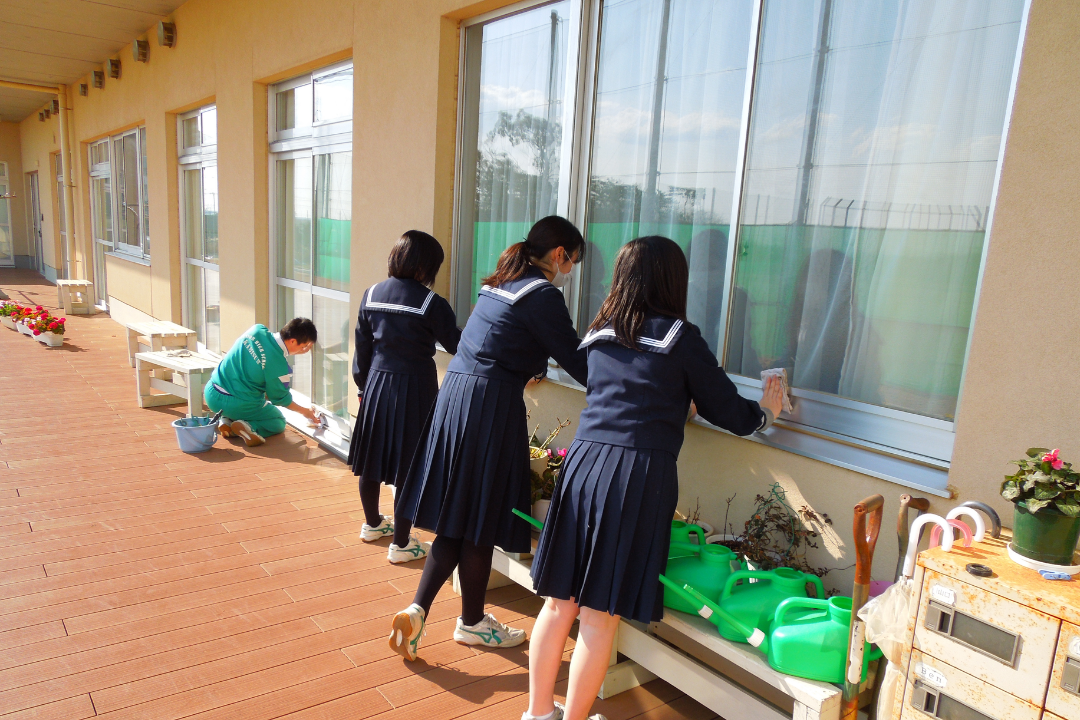
One reason Japan’s school cleaning culture has attracted international attention is its role in developing a sense of responsibility toward shared spaces. In many countries, the maintenance of public facilities is generally viewed as the responsibility of professional staff or government services, and it is uncommon for children to participate in daily cleaning activities as part of their education. In Japan, however, students gain firsthand experience caring for a shared environment by cleaning the school spaces they use every day, helping them develop public-minded attitudes through practice rather than instruction alone.
This approach is often viewed as a way of building the foundations for cooperative living within society. Although cleaning may seem like a simple task, it involves a variety of skills, including teamwork, role sharing, communication, and time management. Working together to complete tasks within a limited period provides students with opportunities to develop collaborative abilities that are valuable in many aspects of social life.
Growing global concerns about managing public spaces and teaching social responsibility have also increased interest in this educational practice. As societies become more urbanized and people share public environments more frequently, respect for common spaces and consideration for others have become increasingly important. Japan’s school cleaning culture is often highlighted as an example of how these attitudes can be encouraged from an early age.
The practice has also attracted attention from the perspective of education for sustainable development. Taking responsibility for maintaining one’s own environment can help foster environmental awareness, accountability, and a sense of stewardship. These values are closely connected to broader discussions surrounding sustainability and the goals of creating more responsible and resilient communities.
As a result, Japan’s school cleaning culture is often viewed as more than a routine cleaning activity. It is increasingly recognized as an educational model that promotes social responsibility, cooperation, and respect for shared spaces. As educators continue to explore ways of preparing children for life in increasingly interconnected societies, this aspect of Japanese school culture is likely to remain a topic of international interest.
Conclusion
Japan’s school cleaning culture is a deeply rooted educational practice in which students take responsibility for cleaning their own school environment. Activities such as sweeping classrooms, wiping floors, and cleaning hallways and staircases are not simply intended to keep the school tidy. They are also regarded as educational opportunities that help children develop respect for shared spaces and a sense of responsibility toward the communities they are part of.
This tradition has developed over a long historical period, influenced by educational practices dating back to the Edo-era terakoya schools as well as broader cultural values that emphasize cleanliness and order. As Japan’s modern school system evolved, cleaning became part of daily school life to encourage responsibility, cooperation, and participation in group activities. Today, cleaning time remains a regular part of the school day in many schools, providing students with practical opportunities to develop social skills through shared responsibilities.
In recent years, Japan’s school cleaning culture has also attracted growing international attention. Educational researchers, policymakers, and media organizations have highlighted it as an example of how schools can promote public responsibility and cooperative behavior. The widely reported actions of Japanese spectators cleaning stadiums after international sporting events are often cited as examples of attitudes that may be reinforced through experiences gained during school years.
School cleaning culture is therefore more than a cleaning routine. It forms part of a broader educational system that helps cultivate values essential to social life. By encouraging students to care for the spaces they use every day, it provides practical lessons in responsibility, cooperation, and respect for the wider community. As discussions about citizenship, character education, and social responsibility continue around the world, this distinctive aspect of Japanese school life is likely to remain a subject of international interest.
FAQ About Japan’s School Cleaning Culture
1. What Is Japan’s School Cleaning Culture?
School cleaning culture refers to the practice of students cleaning their own school environment, including classrooms, hallways, staircases, and restrooms. In many Japanese elementary and junior high schools, cleaning time is built into the daily schedule. The activity is intended not only to keep the school clean but also to foster cooperation, responsibility, and respect for shared spaces.
2. Why Do Students Clean Schools In Japan?
In Japan, cleaning is widely regarded as part of education. By taking responsibility for the spaces they use every day, students are encouraged to develop responsibility, teamwork, and public-mindedness. Cleaning activities also provide opportunities to learn important social skills through daily school life.
3. What Areas Of The School Do Students Clean?
Students commonly clean classrooms, hallways, staircases, school grounds, and restrooms. Cleaning duties are usually divided among classes or small groups, and students work together using tools such as brooms, cloths, and mops to complete tasks within a limited time.
4. How Long Is Cleaning Time At School?
Cleaning time varies by school, but it is typically around 10 to 20 minutes. It is often scheduled at the end of the school day or between activities, with students organizing tasks and working efficiently within the allotted time.
5. Do Teachers Participate In School Cleaning?
In many schools, teachers participate in cleaning activities alongside students. By sharing the responsibility of maintaining the school environment, teachers and students work together toward a common goal while also creating opportunities for communication and interaction.
6. Does School Cleaning Culture Exist Outside Japan?
Some schools in other countries involve students in cleaning activities, but professional cleaning staff generally maintain school facilities. As a result, students regularly cleaning the entire school environment is relatively uncommon outside Japan.
7. Why Has Japan’s School Cleaning Culture Attracted International Attention?
Japan’s school cleaning culture is often recognized for teaching respect for shared spaces and encouraging cooperation. In recent years, international media outlets and education professionals have featured it as an example of how schools can help develop social responsibility and civic awareness.
8. How Does School Cleaning Benefit Students?
Through cleaning activities, students can develop skills and values such as responsibility, teamwork, time management, and cooperation. Caring for their own environment can also strengthen awareness of shared spaces and encourage respect for the community around them.
9. Will School Cleaning Culture Continue In Japan?
School cleaning remains an established part of education in many Japanese schools because of its perceived educational benefits. While specific practices may evolve, it is generally expected to continue playing an important role in fostering social responsibility and public awareness among students.
10. Could School Cleaning Culture Spread To Other Countries?
Educational systems and cultural expectations differ from country to country, so Japan’s model may not be adopted in the same form elsewhere. However, interest in teaching responsibility, cooperation, and respect for shared spaces is growing worldwide, and Japan’s school cleaning culture is increasingly cited as a potential source of ideas and inspiration.
Related Videos
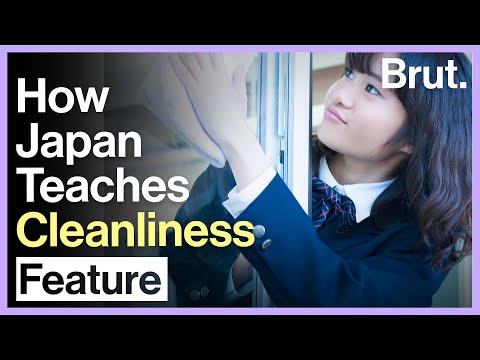
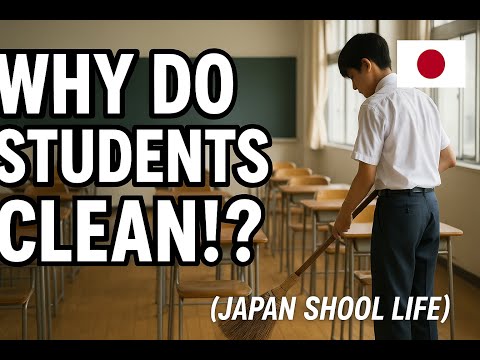
If you're interested in Japan's unique approach to education and responsibility, the video below explores the school cleaning culture, where students take part in cleaning their own classrooms and school facilities as part of everyday school life.