For decades, Yamato Noen Holdings Co., Ltd. has been one of Japan's established seed companies, specializing in the breeding, production, and sale of vegetable and flower seeds. Rather than simply creating new varieties, the company has focused on balancing the needs of growers, retailers, and consumers by combining desirable cultivation traits, yield, flavor, appearance, disease resistance, and marketability into each variety it develops.
Among its most distinctive creations is Yamato Rouge, a vibrant red sweet corn variety that immediately stands out from conventional yellow corn. While its striking appearance attracts attention, the variety represents far more than a different color. It combines nutritional value, premium market positioning, and opportunities for regional agricultural branding into a single product.
Across the global agricultural industry, success is no longer measured solely by yield and production efficiency. Consumers increasingly value foods that offer unique experiences, health benefits, sustainability, and visual appeal. Fresh produce is evolving beyond commodities, creating opportunities for entirely new product categories rather than incremental improvements to existing ones.
This article explores the philosophy behind Yamato Seed, why the company developed a red sweet corn variety, the breeding strategy behind Yamato Rouge, and its potential in both domestic and international markets. Rather than introducing an unusual vegetable, we examine how a seed company can reshape an agricultural market through thoughtful variety development.
Yamato Rouge Overview
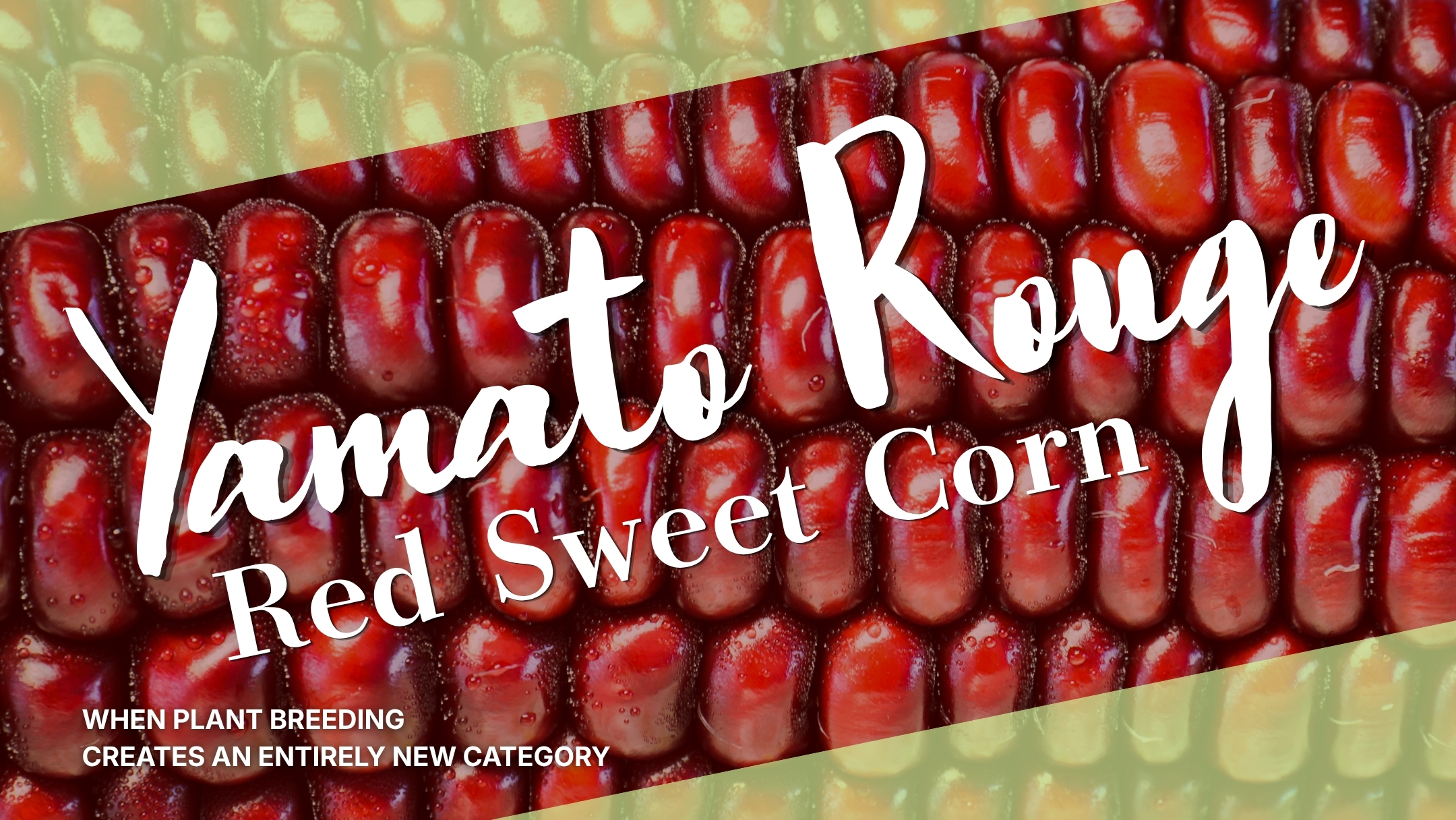
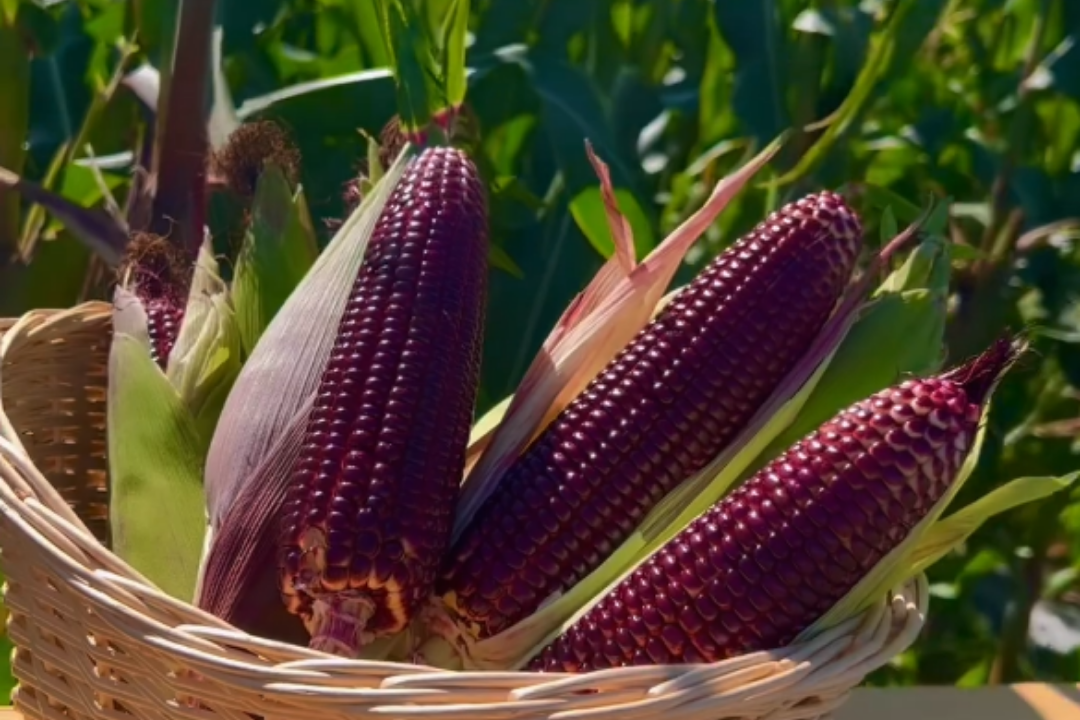
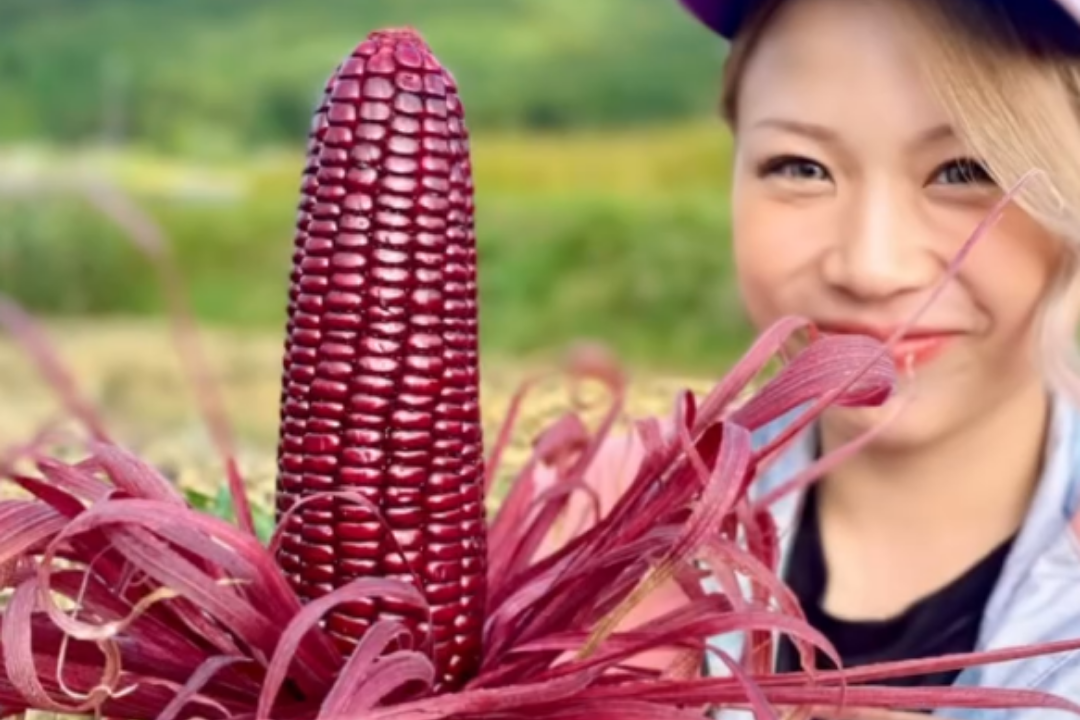
Yamato Rouge is a red sweet corn variety developed by Yamato Seed Co., Ltd. Unlike traditional yellow or white sweet corn, every kernel develops a rich crimson color. The color is completely natural and comes from anthocyanins, plant pigments that are also found in foods such as blueberries and purple sweet potatoes.
The variety was designed to combine high sweetness with tender kernels, making it suitable for both fresh consumption and cooked dishes. Its vivid appearance immediately captures attention at retail stores, giving it value beyond simple visual novelty. It also opens new opportunities for food manufacturers by introducing colors that conventional sweet corn cannot provide.
Yamato Rouge can be used in soups, rice dishes, salads, baked goods, frozen products, and many other processed foods where natural color creates additional appeal.
Compared with conventional sweet corn, Yamato Rouge is generally positioned as a premium product. It is well suited for farmers' markets, department stores, specialty grocery retailers, restaurants, and food manufacturers looking for products that stand apart from mass market offerings.
Challenging the Assumptions of the Sweet Corn Market
Yamato Noen was not simply trying to develop another sweet corn variety. The company questioned one of the most basic assumptions in the produce industry.
In Japan, sweet corn has long been recognized as a classic summer vegetable. Consumers expect bright yellow kernels, a naturally sweet flavor, and simple preparation methods such as boiling or grilling. Retailers have built merchandising strategies around these expectations, making sweet corn a stable product category with relatively little room for differentiation.
Farmers also view sweet corn as a dependable crop, but profitability often fluctuates depending on weather conditions and seasonal supply. While breeders have continued improving sweetness, yield, and cultivation performance, relatively few varieties have attempted to redefine the market itself.
The Red Corn Revolution
Globally, however, fresh produce is moving toward products that combine nutrition with visual appeal. Consumers are increasingly interested in antioxidant-rich foods, while social media has made appearance an important factor in purchasing decisions. Color has become part of a product's value proposition.
Against this backdrop, Yamato Noen focused on color as more than a cosmetic feature. The company saw an opportunity to combine nutritional benefits, stronger shelf visibility, and expanded processing applications into a single variety.
Red sweet corn occupies a niche compared with traditional yellow corn, but niche products often compete less on price and more on value. For farmers, this creates opportunities to achieve higher selling prices. For retailers, it offers a chance to establish an entirely new category instead of competing within an existing one.
Rather than improving sweet corn from within its traditional category, Yamato Noen sought to expand the category itself. By challenging the assumption that sweet corn must be yellow, the company introduced a new option that has the potential to influence retail merchandising and consumer expectations.
Yamato Rouge is the result of that strategy. The next section explores how the variety was developed and the breeding philosophy behind it.
The Breeding Philosophy Behind Red Sweet Corn
Yamato Rouge was not created simply because red corn looked unusual. The variety emerged from Yamato Noen’s long standing breeding philosophy of balancing the needs of both growers and consumers.
A visually unique variety has limited commercial value if yields are inconsistent. Likewise, a crop rich in beneficial compounds will struggle commercially if it lacks sweetness or an enjoyable texture. The challenge was to combine all of these qualities into one commercially viable variety.
The Technical Mastery Behind Japan’s Red Corn
The red color comes from anthocyanins, a group of polyphenol pigments also found in blueberries, black rice, and purple sweet potatoes. These compounds have attracted global attention because of their antioxidant properties. However, breeding sweet corn that consistently produces vibrant red kernels while maintaining high sweetness and tender texture is technically challenging.
In some naturally pigmented corn lines, stronger coloration can be associated with tougher kernels or lower sugar content. Yamato Noen therefore focused on selecting breeding lines that balanced color stability with eating quality.
The company prioritized several characteristics throughout the breeding process. The kernels needed to develop an even red color, retain that color after cooking, and deliver the sweetness expected by Japanese consumers. The objective was never to create an ornamental novelty but to produce a premium eating variety suitable for commercial agriculture.
Distribution also played an important role in the breeding strategy. Sweet corn rapidly loses sweetness after harvest, making freshness a constant challenge throughout the supply chain. To maximize Yamato Rouge's visual impact, the variety also needed consistent appearance, good kernel quality, and an appropriate harvest window so it would reach stores looking its best.
The finished variety combines visual appeal, sweetness, and naturally occurring anthocyanins in a single product. Most importantly, the color itself was never the ultimate goal. It was a tool for creating a new market position.
Yamato Rouge is therefore not the result of chance. It reflects years of breeding expertise combined with careful market analysis and commercial planning.
More Than Red Corn: The Complete Variety Design
Source: Yamato Rouge Homepage
Although Yamato Rouge is best known for its distinctive color, its real strength lies in the way multiple characteristics were designed together.
Its red kernels contain anthocyanins, a type of polyphenol recognized for its antioxidant properties. Conventional yellow sweet corn contains very little of these pigments, giving Yamato Rouge another point of differentiation. While any health claims depend on market regulations and product positioning, the variety naturally contains these plant compounds without artificial coloring.
Flavor was equally important during development. Some traditional pigmented corn varieties sacrifice sweetness or develop tougher kernel skins. Yamato Rouge was specifically bred for the Japanese fresh produce market, where consumers expect sweet, tender corn. By maintaining eating quality alongside its distinctive appearance, the variety moves beyond novelty and becomes a practical commercial product.
The Scientific Breakthrough Behind Red Sweet Corn
Another important feature is color retention after cooking. If the red color faded during preparation, much of its commercial appeal would disappear. Because the kernels retain much of their vibrant appearance, Yamato Rouge creates opportunities for colorful salads, soups, rice dishes, desserts, and processed foods. Food manufacturers may also view it as a naturally colored ingredient that reduces reliance on artificial food coloring.
Ease of cultivation was another priority. Farmers are generally more willing to adopt new varieties when they fit into existing production systems without requiring major equipment investments or significant changes in farming practices. Yamato Rouge was designed so growers familiar with conventional sweet corn can introduce it using similar cultivation methods.
What distinguishes Yamato Rouge is therefore not a single characteristic but the combination of several carefully balanced traits. Color, sweetness, nutritional value, cultivation performance, and commercial suitability were all developed together.
As a seed company, Yamato Noen does not sell finished food products. Instead, it shapes future markets through the varieties it develops. Every breeding decision influences growers, retailers, processors, and consumers. Yamato Rouge demonstrates how a carefully designed seed variety can create opportunities across the entire agricultural value chain.
Changes Happening From the Farm to the Marketplace
Source: Yamato Rouge Homepage
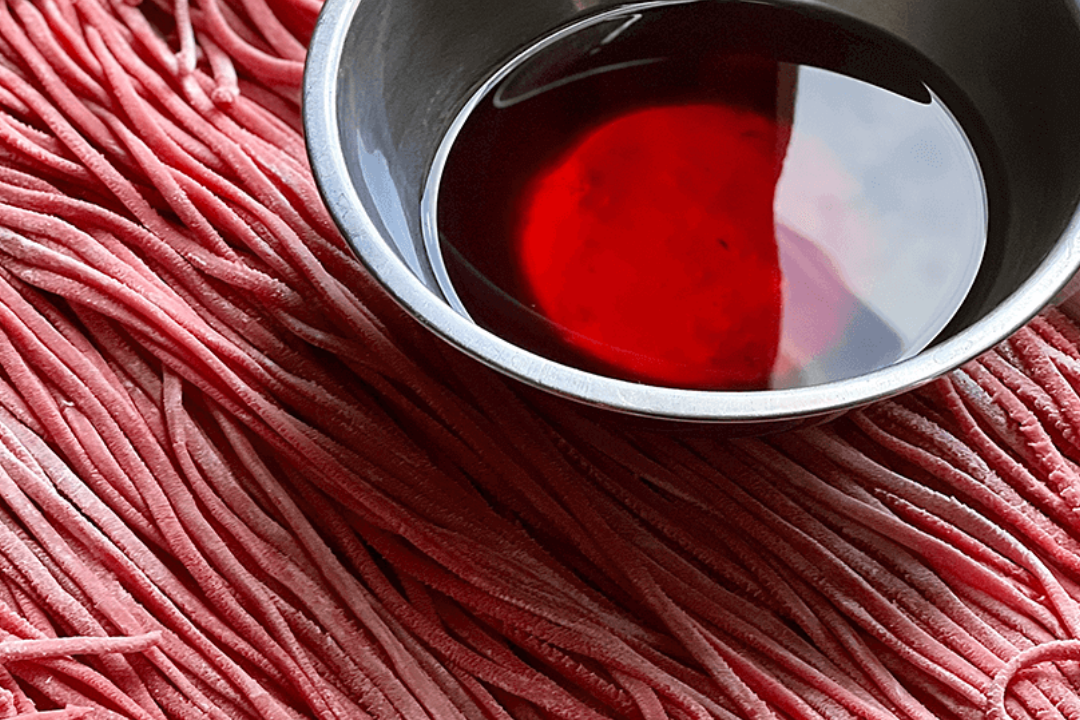
Wherever Yamato Rouge is introduced, the first thing that changes is the appearance of the produce aisle. Among rows of conventional yellow sweet corn, the vibrant red ears immediately stand out, naturally attracting shoppers' attention. In fresh produce retail, color itself is a powerful marketing tool. Even without promotional signage or product descriptions, customers can instantly recognize that this is something different.
For retailers, Yamato Rouge represents more than another corn variety. It creates an entirely new product category. Rather than competing solely on price, stores can position it as a premium seasonal item or a limited-time specialty product. Higher value products also offer the opportunity to improve profit margins while providing shoppers with a more distinctive selection.
Why Chefs are Embracing Japan’s Red Corn
Restaurants can also benefit from its visual appeal. The vivid red kernels add striking color to salads, side dishes, grain bowls, and gourmet presentations. For restaurants where presentation influences customer perception, the ingredient itself becomes part of the dining experience.
Food manufacturers have additional opportunities. Because the natural red pigment remains relatively stable after cooking, Yamato Rouge can be incorporated into soups, corn powder, frozen foods, snacks, and other processed products that would be impossible to create using conventional yellow corn. It also offers manufacturers a naturally colored ingredient that can reduce reliance on artificial food coloring.
Farmers also stand to benefit. Unlike commodity sweet corn that often competes primarily on price, a differentiated variety can command premium pricing through direct sales, contract farming, or specialty retailers. A product with a compelling story is also easier to market, helping local agricultural regions strengthen their own brands.
From a B2B perspective, Yamato Rouge is much more than a packet of seeds. It has the potential to create a value chain that connects seed producers, farmers, retailers, restaurants, and food manufacturers. Rather than simply supplying seeds, a breeding company can actively participate in creating entirely new markets.
Yamato Rouge is therefore a variety that influences every stage of the supply chain, from the farm to retail shelves and food manufacturing. What begins as a unique color has the potential to reshape how sweet corn is positioned in the marketplace.
Quality Control and Safety From a Seed Company's Perspective
Although consumers purchase Yamato Rouge as fresh produce, its story begins much earlier with the seed itself. For a seed company, quality assurance starts long before harvest.
Yamato Noen develops its own varieties through in-house breeding programs and supplies seeds with carefully maintained genetic characteristics. Preserving varietal purity requires strict pollination control and seed production management. This is especially important for a variety like Yamato Rouge, where consistent red coloration directly affects its commercial value.
Reliable germination rates and uniform crop performance are equally important. Farmers need confidence that every planting will produce predictable results. Seed testing, quality inspections, and lot management therefore form the foundation of a seed company's business. Even a highly differentiated variety must first deliver dependable agricultural performance.
The Health Benefits Hidden in Every Crimson Kernel
From a food safety perspective, the red pigment comes from anthocyanins, naturally occurring plant compounds rather than artificial additives. Since the variety's appearance is so different from conventional corn, providing accurate consumer information is important. Explaining that Yamato Rouge is developed through conventional plant breeding rather than genetic modification helps prevent misunderstandings.
Freshness management also remains critical. Like conventional sweet corn, sugar content begins to decline soon after harvest, making efficient distribution essential. Proper temperature control and timely shipping help preserve both sweetness and the variety's distinctive appearance.
A seed company's responsibility extends beyond selling seeds. Providing cultivation guides, technical support, and production information helps growers achieve consistent harvests. This ongoing support is an important part of expanding Yamato Rouge's adoption.
Only when quality and reliability are consistently maintained can a premium variety establish itself in the market. Backed by decades of breeding experience, Yamato Noen continues to develop varieties that balance innovation with dependable agricultural performance.
Yamato Rouge Within Japan's Agricultural Landscape
Japanese agriculture faces significant structural challenges, including an aging farming population and a shrinking agricultural workforce. While some operations continue to expand in scale, many smaller farms are finding success through regional branding, direct sales, and premium specialty products. In this environment, differentiated crops that command higher prices are becoming increasingly valuable.
Sweet corn is generally an accessible crop for growers, but standard commercial varieties remain vulnerable to price fluctuations driven by supply and weather conditions. Premium varieties with distinctive characteristics, however, are well suited to direct marketing, specialty retailers, and contract production.
The New Palette of Gastronomy
Yamato Rouge fits naturally within this trend. Its striking appearance attracts attention at farmers' markets, roadside stations, and agritourism destinations. In today's digital environment, where visually distinctive foods are frequently shared on social media, colorful produce can become a valuable promotional tool for regional agriculture.
Its naturally occurring anthocyanins also appeal to growing consumer interest in health and wellness. Although nutritional benefits are only one aspect of its value, they add another layer of differentiation for health-conscious consumers.
Seasonality also plays an important role in Japanese food culture. Sweet corn is closely associated with summer, and introducing an entirely new color transforms a familiar seasonal ingredient into a fresh culinary experience.
Rather than simply introducing another variety, Yamato Rouge offers one possible solution to Japan's ongoing challenge of improving agricultural profitability through product differentiation. It demonstrates how premium breeding can help connect regional producers with evolving consumer demand.
International Opportunities Through Color Differentiation
Source: Yamato Rouge Homepage
The concept behind Yamato Rouge extends well beyond Japan. Its distinctive red appearance communicates value visually, regardless of language or cultural background.
Global produce markets have already embraced colorful vegetables such as purple cauliflower, rainbow carrots, and other visually distinctive crops. These products are marketed not only for their appearance but also for their nutritional characteristics and premium positioning. Yamato Rouge fits naturally within this growing category.
Across Asia, Japanese crop varieties enjoy a strong reputation for quality, sweetness, and consistency. A naturally red sweet corn that maintains excellent eating quality could appeal to premium markets throughout the region. Future opportunities may include licensed local production or international seed distribution.
Western markets also continue to show growing interest in foods rich in naturally occurring plant compounds such as polyphenols. While expansion would require adaptation to local growing conditions and regulatory requirements, partnerships with overseas producers would likely provide the most practical route to market.
Food manufacturers represent another promising opportunity. The naturally occurring red pigment opens possibilities for frozen products, powders, snack foods, and other processed foods seeking naturally colored ingredients instead of artificial alternatives.
As with any seed business, intellectual property protection is also essential. Plant variety rights help protect breeding investments and create the legal framework necessary for international expansion. For Yamato Noen, establishing a strong domestic reputation provides the foundation for future global growth.
Yamato Rouge is therefore much more than an unusual red sweet corn. Its combination of visual appeal, nutritional characteristics, and eating quality gives it the potential to compete in premium produce markets around the world.
Building Credibility Through Proven Performance
While Yamato Rouge has attracted considerable attention for its appearance, long-term success in the seed industry depends on consistent performance rather than novelty alone. Yamato Noen has spent decades developing vegetable and flower varieties, building a reputation based on reliable breeding rather than one-time successes.
Awareness of Yamato Rouge continues to grow through agricultural exhibitions, retail displays, and media coverage, while increasing numbers of farmers have begun cultivating the variety. For seed companies, however, success is measured by more than sales volume. Stable germination rates, uniform crop growth, and reliable harvest performance are what encourage growers to plant the same variety year after year.
Its striking red appearance also makes it highly newsworthy. Media coverage helps introduce consumers to an entirely new category of sweet corn, making it easier for retailers to market the product while strengthening recognition of the Yamato Rouge brand.
Official plant variety registration also contributes to credibility. Protecting plant breeders' rights is an important part of modern seed development and provides the legal foundation for both domestic and international commercialization.
Although Yamato Noen is headquartered in Nara Prefecture, it supplies varieties to growers across Japan. It combines the expertise of a regional breeding company with nationwide market influence.
As a result, Yamato Rouge is supported not only by its unique appearance but also by the experience, breeding expertise, and long-standing reputation of the company behind it.
Conclusion
Yamato Rouge has captured attention because it is a bright red sweet corn, but its true significance goes far beyond its appearance. It represents decades of breeding expertise and Yamato Noen's belief that seed development can reshape agricultural markets.
As fresh produce markets become increasingly competitive, simply improving sweetness or yield is no longer enough to create meaningful differentiation. Yamato Rouge combines visual uniqueness, naturally occurring anthocyanins, excellent eating quality, and practical cultivation characteristics to establish an entirely new product category. In many ways, it represents not only plant breeding but also market innovation.
For international retailers, food manufacturers, and agricultural partners, three strengths stand out. First, its vibrant color immediately differentiates it from conventional sweet corn. Second, it contains naturally occurring anthocyanins that appeal to consumers interested in plant based nutrition. Third, it can be cultivated using farming practices similar to those already used for traditional sweet corn.
Future partnerships could include seed licensing, local production, and collaborative product development. Food manufacturers may explore new naturally colored ingredients, retailers can create more distinctive produce offerings, and growers gain access to a premium crop with greater pricing potential.
Yamato Noen's long-term vision is not to create a single successful product. The company aims to increase agricultural value through innovative breeding while building more sustainable market opportunities. Yamato Rouge is one example of that strategy, demonstrating how thoughtful plant breeding can redefine an entire product category.
Seeds may be small, but the ideas behind them can influence farming, food production, retail, and even culinary culture. Yamato Rouge illustrates how a breeding company can shape the future of agriculture through innovation.
FAQ About the Yamato Rouge
1. What Is Yamato Rouge?
Yamato Rouge is a red sweet corn variety developed by Yamato Noen. Its kernels are naturally deep red because they contain anthocyanins, naturally occurring plant pigments. In addition to its distinctive appearance, it is known for its sweetness and tender texture.
2. Is Yamato Rouge Dyed Red?
No. The red color does not come from artificial coloring. It is produced naturally by anthocyanins, which are developed through conventional plant breeding rather than added after harvest.
3. How Is Yamato Rouge Different From Regular Sweet Corn?
Unlike conventional yellow sweet corn, Yamato Rouge features naturally red kernels that contain anthocyanins. Its unique appearance makes it stand out in fresh produce displays, while its versatility also makes it suitable for processed foods and specialty products.
4. Can You Eat Yamato Rouge Raw?
Depending on its freshness and harvest timing, Yamato Rouge can be eaten raw. However, cooking enhances its sweetness, making it ideal for boiling, steaming, grilling, and many other cooking methods.
5. What Dishes Is Yamato Rouge Best Suited For?
Yamato Rouge works well in salads, soups, seasoned rice, corn rice, and many other dishes. Because much of its red color remains after cooking, it is often used to add visual appeal to recipes.
6. What Kind Of Company Is Yamato Noen?
Yamato Noen is a Japanese seed company specializing in the breeding, production, and sale of vegetable and flower seeds. The company develops varieties by balancing cultivation performance, flavor, appearance, disease resistance, and market demand.
7. Where Can You Buy Yamato Rouge?
Availability depends on the season and location. It may be sold at farmers' markets, specialty grocery stores, department stores, and selected retailers. The latest availability can usually be found on the official Yamato Rouge website.
8. Is Yamato Rouge More Expensive Than Regular Sweet Corn?
In many cases, yes. Yamato Rouge is generally positioned as a premium variety, so pricing is often higher than standard sweet corn, although prices vary depending on the retailer and season.
9. Why Has Yamato Rouge Attracted Health Conscious Consumers?
Because it naturally contains anthocyanins, Yamato Rouge has attracted attention from consumers interested in plant based nutrition. However, its overall appeal also comes from its flavor, quality, versatility, and distinctive appearance.
10. Why Did Yamato Noen Develop Red Sweet Corn?
Yamato Noen developed Yamato Rouge to introduce a new premium option to a market traditionally dominated by yellow sweet corn. The variety was designed not only to offer a unique appearance but also to deliver excellent flavor, practical cultivation characteristics, and new opportunities for farmers, retailers, and food manufacturers.
Related Videos
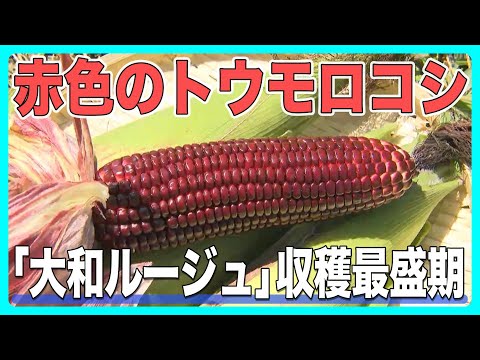
If you're interested in agricultural innovation in Japan, the video below explores how Yamato Seed developed Yamato Rouge, a unique red sweet corn variety that is reshaping the market. This video highlights the breeding process, distinctive appearance, and growing consumer interest in this colorful new crop.