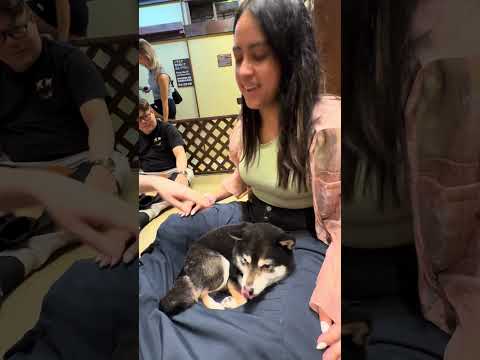

In recent years, Japan's major cities have seen a growing number of interactive animal cafés where visitors can spend time with animals rather than simply enjoy food and drinks. Cat cafés led the trend, followed by owl cafés, hedgehog cafés, and even micro pig cafés, all of which have become popular attractions for locals and international visitors alike. Among the newest and fastest-growing concepts is the Shiba Inu café.
The Shiba Inu is one of Japan's best-known native dog breeds. Recognizable by its upright ears, curled tail, and compact build, the breed has gained worldwide fame under the name "Shiba Inu." Thanks to internet culture, viral memes, and social media, Shiba Inus have become one of the most recognizable symbols of Japanese dogs. Shiba Inu cafés were created to give visitors the chance to interact with these beloved dogs in person.
Unlike a pet shop or dog park, a Shiba Inu café is designed as a space where guests can spend time with several dogs in a relaxed indoor environment. Most cafés operate on a timed admission system. Visitors pay an entrance fee for a designated session, usually between 30 minutes and an hour, during which they can play with the dogs, take photos, and simply enjoy their company.
The popularity of these cafés is closely tied to Japan's urban lifestyle. Many people living in large cities cannot own pets because of apartment restrictions, limited living space, or demanding work schedules. As a result, there is strong demand for places where people can experience the joy of interacting with animals, even for a short time.
Shiba Inu cafés have also become popular with overseas travelers looking for experiences that feel uniquely Japanese. Because the Shiba Inu is often seen as an iconic Japanese breed, many visitors include these cafés in their travel itinerary. In tourist districts such as Asakusa and Harajuku, animal cafés have become part of the broader sightseeing experience, with some locations welcoming more international visitors than domestic customers.
Although they are called cafés, these businesses function more like interactive attractions than traditional coffee shops. Most visitors come to spend time with the dogs rather than for food or beverages. Operators must carefully balance customer satisfaction with animal welfare by maintaining high standards of health care, safety, and daily management.
Shiba Inu cafés represent a new type of tourism experience that combines Japan's pet culture, experiential travel, and the power of social media. Together, these elements have created a distinctive form of urban entertainment that continues to grow in popularity.
Shiba Inu Cafe Overview
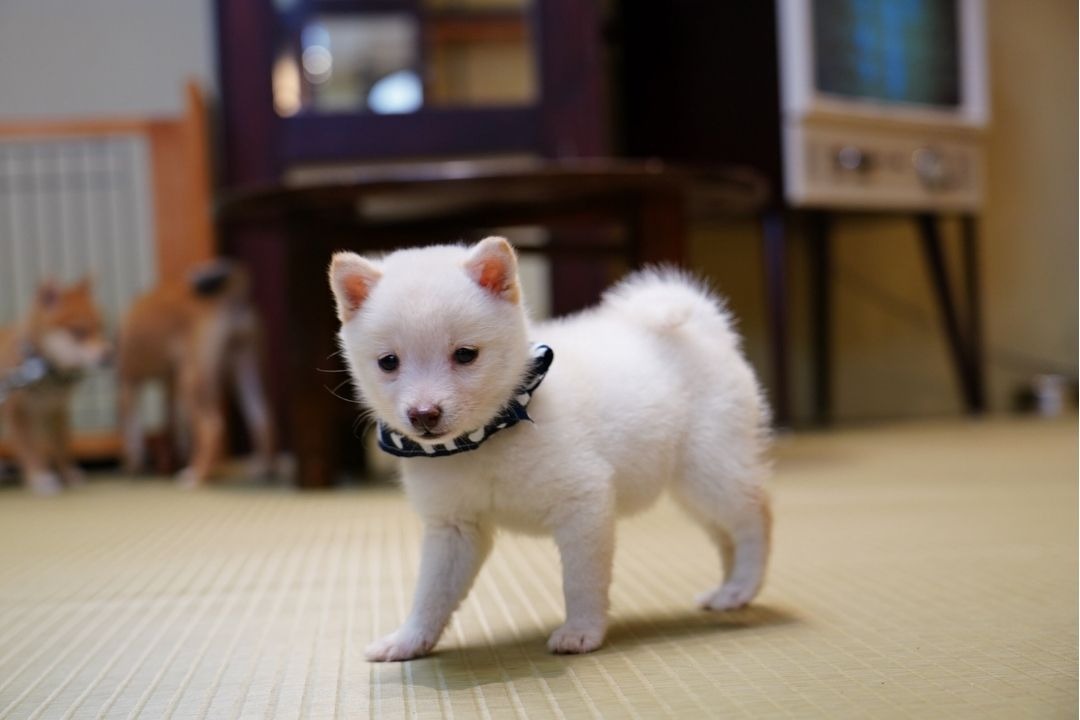
The Asakusa Mameshiba Cafe offers international visitors a chance to experience Japan's beloved Shiba Inu breed in an interactive setting. Located just a short distance from Senso-ji Temple, the cafe was established as the second location following the popular Harajuku Mameshiba Cafe and features a spacious indoor environment where visitors can spend time with the friendly Mameshiba dogs. Guests can take photos and enjoy interacting with the dogs, making the cafe an accessible and memorable addition to a sightseeing itinerary in Asakusa.
The experience reflects the growing popularity of animal cafes as a form of experiential tourism in Japan. Rather than functioning primarily as a conventional cafe, the attraction centers on direct interaction with animals and provides visitors with an opportunity to experience a distinctive aspect of Japanese pet and leisure culture. The Asakusa location also benefits from its proximity to one of Tokyo's most popular tourist areas, making it particularly convenient for international travelers exploring traditional Japanese sights. The operator, Owl Co., Ltd., runs the Mameshiba Cafe brand alongside other animal-interaction facilities, including owl and Bengal cat cafes.
An Animal Experience Business Created by Urban Life and Tourism
Source: Asakusa Mameshiba Café Homepage
The growth of Shiba Inu cafés in Japan has been driven by two major factors: changes in urban living and the rapid expansion of Japan's tourism industry.
In Japan's densely populated cities, many people face housing restrictions that make dog ownership difficult. Apartment buildings often limit or prohibit pets, and busy lifestyles leave little time to care for them. As a result, demand has grown for places where people can enjoy spending time with dogs without the long-term commitment of owning one.
Until the early 2000s, opportunities to interact with animals outside the home were relatively uncommon in Japan. That changed with the arrival of cat cafés, which quickly became a successful business model in major cities. Their popularity demonstrated that people were willing to pay for meaningful interactions with animals, encouraging entrepreneurs to develop cafés featuring other species.
How Shiba Inu Cafés Became a Japanese Cultural Experience
Shiba Inu cafés emerged as one of the most successful evolutions of this concept. While dogs generally require more supervision, exercise, and safety measures than cats, operators found that with proper facilities and management, they could safely offer visitors close interaction with Japan's most famous native dog breed.
The Shiba Inu itself also plays an important role in the concept's success. As one of Japan's most recognizable dogs, it enjoys widespread popularity both domestically and internationally. Photos and videos of Shiba Inus regularly circulate across social media platforms, making the breed instantly recognizable to audiences worldwide. This global recognition has turned Shiba Inu cafés into attractions that appeal not only to animal lovers but also to tourists seeking memorable Japanese experiences.
Japan's tourism boom has further accelerated their popularity. As international arrivals increased significantly throughout the 2010s, travelers began seeking experiences beyond traditional temples, museums, and historical landmarks. Many visitors now look for uniquely Japanese activities, and spending time with one of Japan's most iconic dog breeds has become an appealing addition to their trip.
Social media has amplified this trend even further. Photos and videos of playful Shiba Inus are highly shareable, and visitors frequently post their experiences online. The breed's expressive appearance and photogenic personality make it especially popular on platforms like Instagram, TikTok, and YouTube, allowing cafés to reach new audiences through user-generated content rather than traditional advertising.
As a result, Shiba Inu cafés have evolved into much more than themed cafés. They have become a specialized urban leisure business that combines animal interaction, tourism, and digital culture into a uniquely Japanese experience.
How Shiba Inu Cafés Are Designed and Operated
Source: Asakusa Mameshiba Café Homepage
Unlike traditional cafés, Shiba Inu cafés are built around interacting with animals rather than dining. Although many locations serve drinks, the main attraction is the chance to spend quality time with the dogs in a safe, comfortable environment.
Most cafés use a timed entry system. Guests check in at reception, pay an admission fee, and enjoy a session that typically lasts between 30 minutes and one hour. During that time, visitors can relax, pet the dogs, take photographs, and observe their personalities. The drinks offered are generally secondary, while the animal experience remains the main reason people visit.
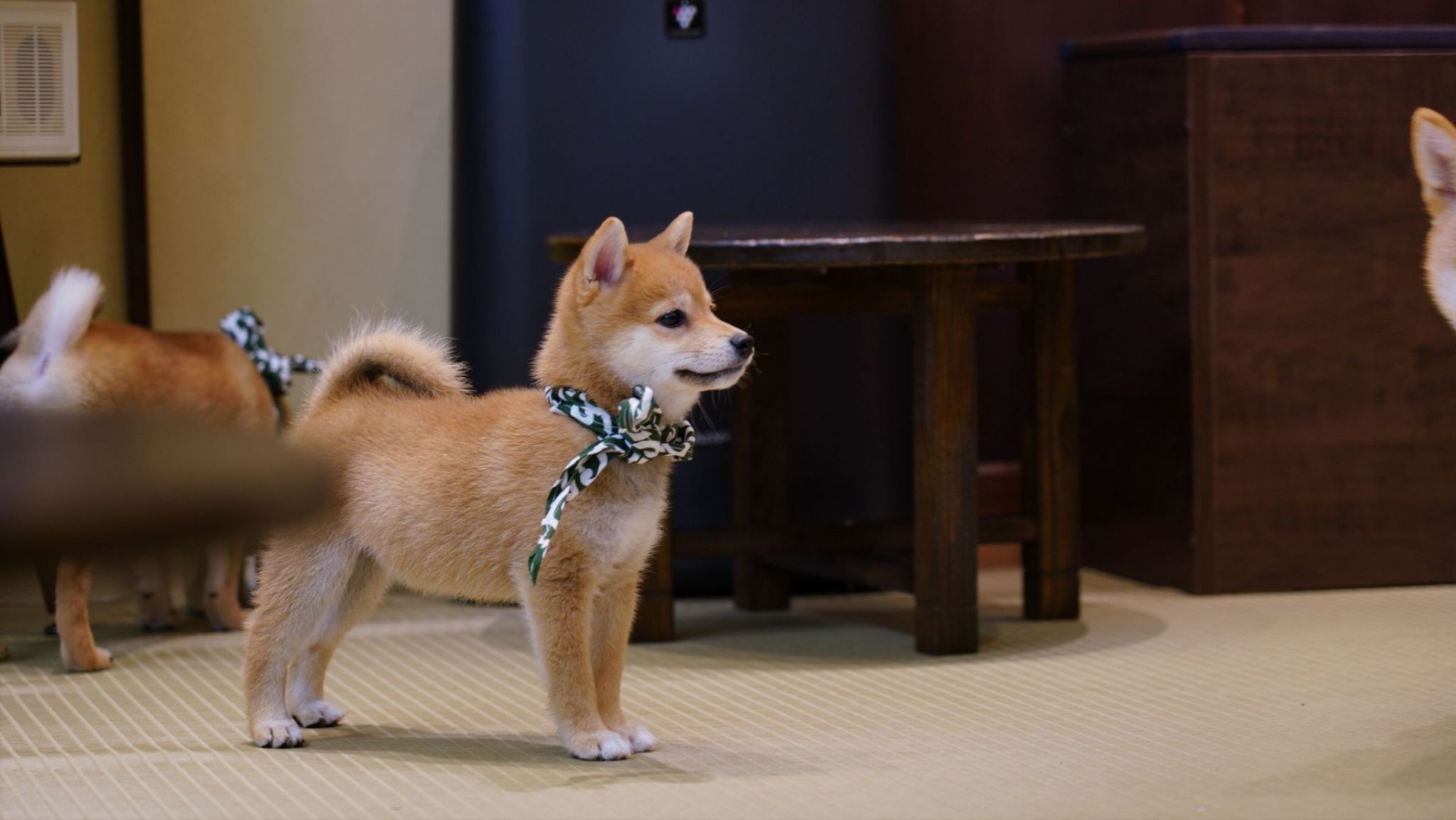
Several Shiba Inus usually live at the facility and move freely throughout the designated interaction space. To ensure the safety and well-being of both the dogs and guests, each café establishes its own house rules. Visitors are commonly asked not to pick up the dogs, shout, chase them, or feed them without staff approval.
The Evolution of Animal Experiences
Animal welfare is one of the most important aspects of daily operations. Shiba Inus are energetic dogs, and continuous interaction with visitors can become stressful if not properly managed. To prevent this, many cafés schedule regular rest periods for the dogs, limit the number of guests per session, and carefully control admission throughout the day.
Hygiene is another critical consideration. Because animals and people share the same indoor environment, operators must maintain strict cleaning and sanitation standards. Flooring materials, furniture, ventilation systems, and hand-sanitizing stations are designed to keep the facility clean and comfortable for both visitors and the dogs. Consistent hygiene practices also strengthen customer confidence in the business.
Many Shiba Inu cafés are located in popular tourist districts such as Asakusa, Harajuku, and Kyoto. These neighborhoods attract large numbers of international visitors, making the cafés a natural stop for travelers looking to experience a uniquely Japanese activity. For many tourists, meeting one of Japan's native dog breeds becomes a highlight of their visit.
Rather than functioning as ordinary food and beverage businesses, Shiba Inu cafés operate as carefully managed experiential attractions. By combining responsible animal care, safety measures, and thoughtful facility design, they create an environment where visitors can comfortably enjoy spending time with one of Japan's most beloved dog breeds.
Essential Challenges for Shiba Inu Cafés
Running a Shiba Inu café is about much more than creating a fun experience for visitors. Operators must also prioritize the dogs' health, welfare, and well-being. While dogs naturally adapt to living alongside humans, interacting with a steady stream of visitors every day is very different from living in a typical home. As a result, cafés need carefully designed management practices to ensure the animals are not subjected to unnecessary stress.
One of the most important responsibilities is monitoring each dog's health. Multiple dogs typically live at the café, and staff regularly check their physical condition and behavior. Routine veterinary examinations, vaccinations, and hygiene management help maintain a safe environment for the animals. Many cafés also employ staff with animal-care experience who can recognize signs of stress or illness and respond appropriately.
Providing adequate rest is equally important. Because visitors may interact with the dogs throughout the day, many cafés schedule regular break periods and provide private spaces where the animals can relax away from guests. Time-limited admission systems and visitor capacity limits also help reduce the physical and mental burden on the dogs.
Visitor behavior is another key part of safety management. Rough handling or loud noises can frighten the animals, so most cafés explain the rules before guests enter. Common guidelines include not chasing the dogs, not picking them up without permission, and never feeding them outside of approved treats if allowed by the facility.
Hygiene is also a major operational priority. Since people and animals share the same space, cafés must maintain high standards of cleanliness through regular sanitization, proper ventilation, and hand sanitizing stations. These measures help create a comfortable and safe environment for both visitors and the dogs.
Animal Welfare and Safety Management
Japan also regulates businesses that handle animals through the Animal Welfare Management Act and related licensing requirements. Animal cafés must register with local authorities and comply with established standards for animal care and facility management. As public awareness of animal welfare continues to grow, adherence to these regulations has become increasingly important.
While Shiba Inu cafés are popular tourist attractions, they also have a responsibility to maintain a healthy environment where people and animals can safely coexist. Proper health management, visitor education, hygiene practices, and welfare-focused operations are all essential to ensuring these businesses remain sustainable over the long term.
A Japanese Cultural Experience That Appeals to International Visitors
Source: Asakusa Mameshiba Café Homepage
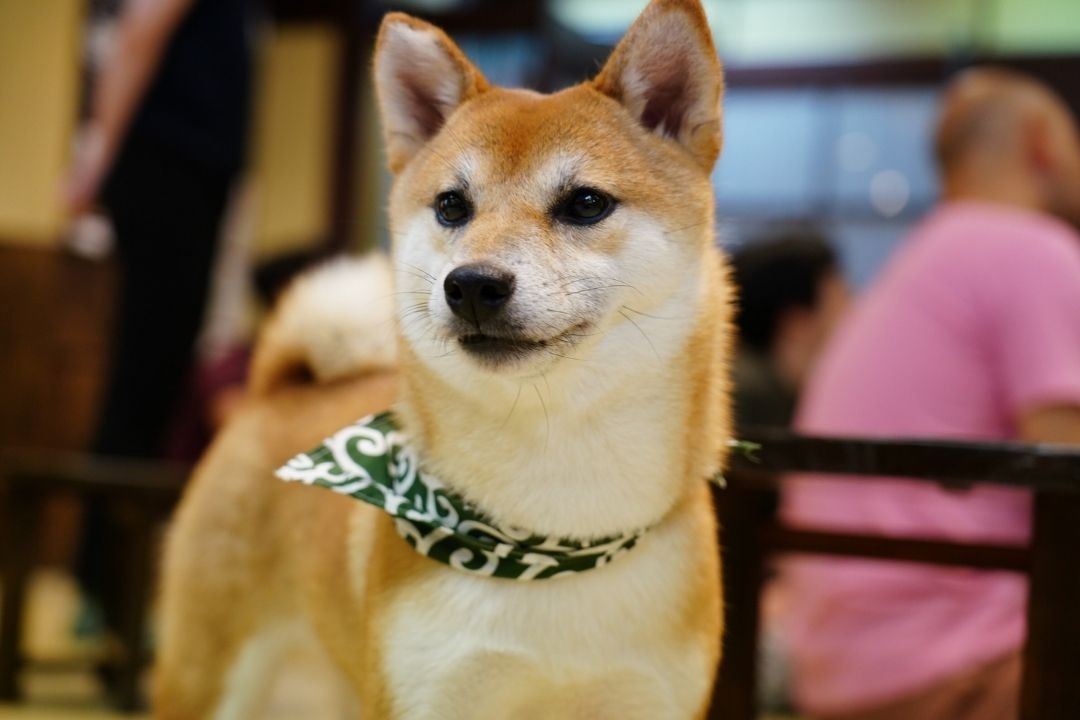
One reason Shiba Inu cafés have become so popular is that they offer an easily recognizable Japanese cultural experience for overseas visitors. Interest in Japanese dog breeds has grown significantly worldwide, with the Shiba Inu becoming the country's best-known canine ambassador. Viral memes, social media, and online videos have helped turn "Shiba Inu" into a globally recognized name.
For many travelers, visiting a Shiba Inu café becomes a memorable highlight of a trip to Japan. Unlike temples, shrines, or museums, these cafés provide a casual, hands-on experience that fits easily into a sightseeing itinerary. In tourist districts such as Asakusa, Harajuku, and Kyoto, many cafés welcome a large percentage of international visitors.
From a tourism perspective, Shiba Inu cafés represent a new form of urban attraction. Modern travelers increasingly look for experiences found only in a particular destination, rather than simply visiting famous landmarks. Spending time with one of Japan's most iconic native dog breeds offers a unique way to experience Japanese culture beyond traditional sightseeing.
Social media has also played a major role in the growth of these businesses. Photos and videos of visitors interacting with adorable Shiba Inus are highly shareable, helping cafés gain visibility far beyond Japan. With their distinctive curled tails, fox-like faces, and expressive personalities, Shiba Inus are naturally photogenic and frequently appear in travel content across Instagram, TikTok, YouTube, and other platforms.
Interest in Japanese animal culture also contributes to their popularity. In many countries, larger dog breeds are more common, making medium-sized Japanese breeds such as the Shiba Inu feel unique and exotic. For travelers fascinated by Japanese dogs, these cafés provide a rare opportunity to interact with the breed in person.
As a result, Shiba Inu cafés function not only as urban entertainment venues but also as cultural tourism experiences. As international tourism continues to recover and grow, these interactive attractions are becoming an increasingly recognizable part of Japan's modern tourism landscape.
Opportunities for International Expansion and Business Growth
Animal cafés like Shiba Inu cafés can expand beyond Japan as experiential businesses. Around the world, demand for wellness-focused and stress-relieving experiences has been growing, and spending time with animals is increasingly viewed as a relaxing recreational activity.
Cat cafés have already demonstrated that this type of business can succeed internationally. Today, cat cafés operate in Taiwan, South Korea, Thailand, the United States, and across Europe, and have become established forms of urban entertainment. Shiba Inu cafés could represent the next evolution by combining Japan's cultural identity with interactive animal experiences.
The global popularity of the Shiba Inu breed further strengthens this possibility. Thanks to internet culture and social media, the breed has become one of the most recognizable Japanese symbols worldwide. This international familiarity gives Shiba Inu cafés strong potential as tourist attractions or specialty leisure venues in overseas markets.
However, expanding internationally presents several challenges. Animal welfare regulations differ significantly from country to country, and some regions have particularly strict standards governing businesses that keep animals. International expansion would require careful compliance with local laws, licensing requirements, and operational guidelines. In addition, transporting animals internationally involves import regulations, quarantine procedures, and breed-specific requirements that require careful planning.
From Viral Shiba Inus to Japanese Tourist Attractions
Cultural preferences also vary. While some countries readily embrace interactive animal experiences, others may have different expectations regarding animal welfare or leisure activities. Businesses entering overseas markets would need to adapt their operations to local customs and consumer preferences rather than simply replicating the Japanese model.
Another path toward international growth is through tourism. Many overseas visitors first encounter Shiba Inu cafés while traveling in Japan. Positive travel experiences can increase awareness of the concept abroad and strengthen the brand image of Japanese-style animal cafés, potentially laying the groundwork for future international expansion.
Although challenges remain, Shiba Inu cafés show how Japanese culture and experiential entertainment can combine into a distinctive business model with international appeal. With careful attention to regulations, animal welfare, and cultural adaptation, the concept could reach audiences well beyond Japan.
A Leading Example: Mameshiba Café in Asakusa
Japan is home to several Shiba Inu cafés, but one of the best-known examples is Mameshiba Café in Tokyo's Asakusa district. Asakusa is one of the city's most popular sightseeing destinations, attracting visitors from around the world with its historic temples, shopping streets, and traditional atmosphere. Alongside these classic attractions, the area has also become home to a variety of interactive tourist experiences.
At Mameshiba Café, visitors can spend time with multiple Mameshiba dogs, a smaller variety closely related to the Shiba Inu. Known for their compact size and charming appearance, Mameshiba dogs have become especially popular among travelers seeking an authentic Japanese animal experience.
Many guests are international tourists. After exploring landmarks such as Senso-ji Temple or Nakamise Shopping Street, visitors often stop by the café as part of their sightseeing itinerary. Because both Shiba Inu and Mameshiba dogs are widely recognized overseas, the café has become a memorable stop for travelers interested in Japanese culture.
The café places strong emphasis on both visitor safety and animal welfare. Before entering, guests receive instructions on how to interact appropriately with the dogs, helping minimize stress for the animals. Staff also carefully manage the dogs' rest periods and overall health to maintain a comfortable living environment.
Admission is managed through timed entry and visitor limits, preventing overcrowding and ensuring a more relaxed atmosphere for both guests and the dogs. These operational practices are an important part of maintaining a high-quality experience.
Asakusa's Mameshiba Café demonstrates how interactive animal experiences can complement traditional tourism. For many visitors, meeting one of Japan's iconic native dog breeds becomes a memorable part of their trip, making the café an example of how experiential attractions contribute to Japan's urban tourism industry.
Why This Experiential Business Succeeded in Japan
The success of Shiba Inu cafés reflects several characteristics of Japanese urban life and culture. In many Japanese cities, apartments are relatively small, and housing regulations often restrict pet ownership. Dogs also require regular exercise and outdoor space, making them more difficult to keep than some other pets. As a result, many people who love dogs simply cannot own one.
This created demand for places where people could spend time with animals without the long-term commitment of pet ownership. The success of cat cafés during the 2000s demonstrated that this type of business could thrive, establishing animal cafés as a distinct category of urban entertainment. Shiba Inu cafés naturally evolved from this broader trend.
The breed itself also carries strong cultural value. Among Japan's native dogs, the Shiba Inu is by far the most internationally recognized. Traditionally used as a hunting dog, it is admired for loyalty, confidence, and independence. Spending time with a Shiba Inu therefore offers visitors a small but meaningful connection to Japanese heritage.
The rapid growth of inbound tourism during the 2010s also played a major role. As more international visitors arrived in Japan, demand expanded beyond traditional sightseeing. Travelers increasingly sought experiences unique to Japan, and interacting with one of the country's native dog breeds fit that demand perfectly.
Social media accelerated this growth even further. Visitors frequently share photos and videos of their experiences online, helping cafés reach new audiences organically. The Shiba Inu's distinctive appearance makes it especially appealing in visual content, creating a natural marketing cycle driven by user-generated content.
Together, these factors have allowed Shiba Inu cafés to develop into a uniquely Japanese business that blends urban leisure, tourism, animal culture, and social media into a successful experiential service.
What Shiba Inu Cafés Reveal About the Future of Urban Experiences
The rise of Shiba Inu cafés reflects a broader shift in Japan's urban leisure industry. Rather than visiting a business simply to purchase food or products, more consumers are seeking memorable experiences. Animal cafés are a clear example of this trend, offering visitors not just a place to spend time but an activity that creates lasting memories.
Demand for convenient, short-duration leisure activities has also increased in major cities. Alongside movie theaters and theme parks, smaller interactive attractions that can be enjoyed within an hour have become increasingly popular. Shiba Inu cafés fit neatly into this category.
These businesses also complement tourism exceptionally well. Travelers often value experiences that are unique to a particular destination, and interacting with one of Japan's iconic native dog breeds provides exactly that. In some tourist districts, international visitors now make up a significant share of customers.
For residents, spending time with animals can also provide relaxation and stress relief. Since many city dwellers have limited opportunities to interact with pets in their daily lives, these cafés offer a welcome escape from everyday routines.
At the same time, long-term success depends on maintaining high animal welfare standards. As public awareness continues to grow, responsible management and ethical treatment of the animals will remain essential for building trust in the industry.
Shiba Inu cafés demonstrate how Japanese animal culture, tourism, and urban leisure can come together to create an entirely new category of experiential business. As demand for experience-driven services continues to grow, they may become a defining example of Japan's modern tourism industry.
Where Japanese Animal Culture and Tourism Meet
Source: Official website of Asakusa Mameshiba Café
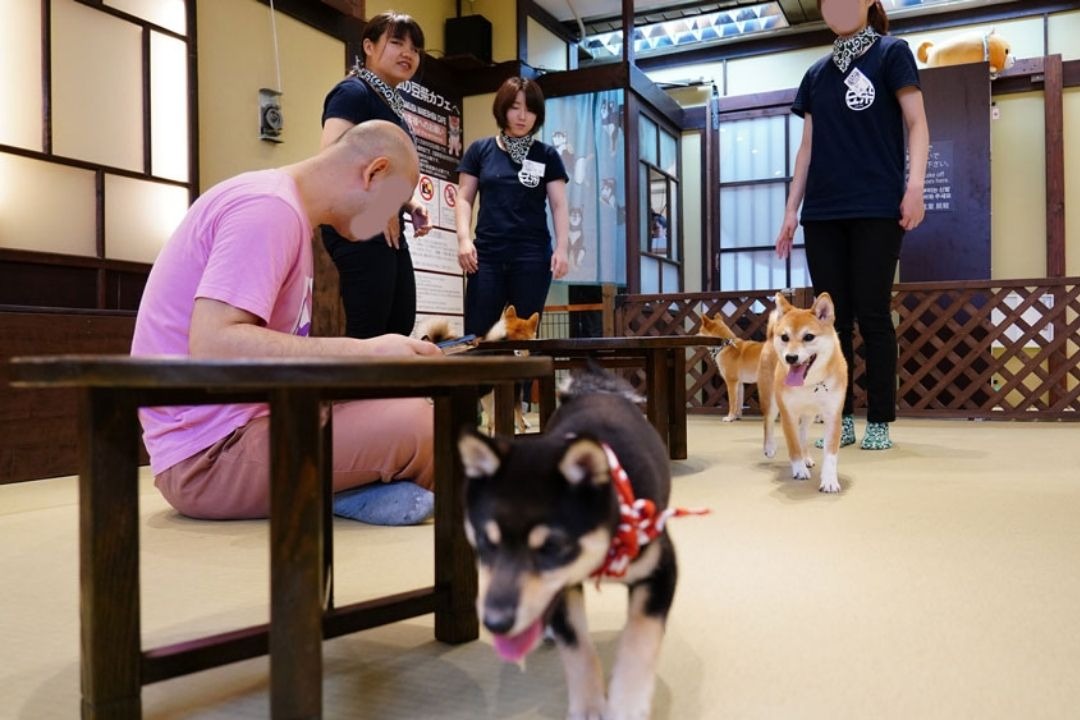
Shiba Inu cafés occupy a unique position between traditional cafés and pet businesses. Visitors come not primarily for food or drinks, but for the chance to spend meaningful time with dogs. This experience-based approach has developed in response to Japan's urban lifestyle and evolving tourism industry.
As more people live in apartments where keeping dogs is difficult, demand for places to interact with animals has continued to grow. Shiba Inu cafés meet this need by offering accessible, short-term experiences that fit easily into modern city life.
For international travelers, they also provide a fresh way to experience Japanese culture. While temples, shrines, and museums showcase Japan's history, Shiba Inu cafés introduce visitors to a more contemporary aspect of everyday Japanese life through one of the country's most beloved native dog breeds.
Social media continues to fuel their popularity. Visitors naturally share photos and videos of their experiences, increasing awareness and encouraging new customers to visit. This cycle of online exposure has become one of the industry's strongest marketing tools.
Looking ahead, experience-centered businesses are likely to become an even more important part of urban tourism. Rather than simply selling products or meals, businesses that create memorable, location-specific experiences will continue to attract residents and visitors alike.
Shiba Inu cafés are an excellent example of this trend. By combining Japanese animal culture with interactive tourism, they have created a business model unlike almost anything found elsewhere in the world. As long as responsible animal care remains at the center of their operations, they are likely to remain a distinctive feature of Japan's urban culture for years to come.
Conclusion
Shiba Inu cafes have become much more than a niche attraction in Japan. They represent the intersection of urban lifestyles, tourism, animal culture, and experiential entertainment, offering visitors a chance to spend time with one of the country's most iconic dog breeds in a relaxed setting. Rather than focusing on food and beverages, these venues create memorable experiences that appeal to residents and international travelers alike.
Several factors have driven their popularity, including Japan's pet ownership challenges in major cities, the global recognition of the Shiba Inu, the growth of inbound tourism, and the influence of social media. At the same time, the long-term success of Shiba Inu cafes depends on responsible operations, with strong attention to animal welfare, health management, hygiene, and visitor safety. Maintaining this balance is essential to keeping the experience enjoyable for both guests and the dogs.
As travelers increasingly seek authentic, experience-driven activities, Shiba Inu cafes have become a unique part of Japan's modern tourism landscape. They showcase how a traditional Japanese dog breed can become the centerpiece of a contemporary leisure business, creating memorable cultural experiences that resonate with visitors from around the world. With continued emphasis on responsible management and evolving tourism trends, Shiba Inu cafes are likely to remain one of Japan's most distinctive urban attractions for years to come.
FAQ About Shiba Inu Cafés
1. What Is a Shiba Inu Cafe?
A Shiba Inu cafe is an interactive attraction where visitors can spend time with Shiba Inu or Mameshiba dogs, both native Japanese breeds. Unlike a traditional cafe focused on food and drinks, these venues are designed around interacting with the dogs. Guests typically pay for a timed session during which they can relax, take photos, and enjoy spending time with the animals. They have become a popular leisure activity for residents and international tourists alike.
2. Why Are Shiba Inu Cafes So Popular?
Shiba Inu dogs are one of Japan's most recognizable breeds and are well known worldwide thanks to social media, viral videos, and internet culture. At the same time, many visitors to Japan are looking for uniquely Japanese experiences. Shiba Inu cafes combine both, offering a memorable opportunity to interact with an iconic Japanese dog. They are also popular with city residents who love dogs but cannot keep pets at home.
3. What Can You Do at a Shiba Inu Cafe?
Visitors can spend time with several Shiba Inu or Mameshiba dogs in a relaxed indoor setting. Most cafes allow guests to pet the dogs, take photos, and simply enjoy their company during a scheduled session. Because the experience is limited to a set time, it is an easy activity to fit into a sightseeing itinerary. Many people remember it as one of the highlights of a trip to Japan.
4. What Rules Do Shiba Inu Cafes Have?
Most Shiba Inu cafes have rules designed to protect the dogs' well-being. Guests are typically asked not to pick up the dogs, shout, chase them, or feed them. Staff explain these guidelines before visitors enter, helping create a comfortable and safe environment for both the animals and guests.
5. How Do Shiba Inu Cafes Care for the Dogs?
Responsible Shiba Inu cafes prioritize animal welfare by monitoring each dog's health, scheduling regular veterinary checkups, and ensuring the dogs have adequate rest periods. Many venues also limit visitor numbers, use timed admission, and maintain strict hygiene standards to reduce stress on the animals while providing a safe and enjoyable experience for everyone.
6. Why Are Shiba Inu Cafes Popular With Tourists?
Shiba Inu dogs are widely recognized overseas as one of Japan's signature breeds and are often viewed as a symbol of Japanese culture. As a result, many international visitors include a Shiba Inu cafe alongside visits to temples, shrines, and other famous attractions. It offers a different way to experience Japan through everyday culture rather than historical landmarks alone.
7. Where Can You Find Shiba Inu Cafes in Japan?
Many Shiba Inu cafes are located in major sightseeing destinations such as Asakusa, Harajuku, and Kyoto. Their convenient locations make them easy to visit while exploring nearby attractions, making them a popular stop for travelers looking for a unique activity during their trip.
8. Why Did Shiba Inu Cafes Become Popular in Japan?
Several factors contributed to the rise of Shiba Inu cafes. In Japan's major cities, many people cannot own dogs because of apartment restrictions or limited living space. At the same time, the success of cat cafes introduced the concept of animal cafes as a form of urban entertainment. Growing tourism and the influence of social media further helped Shiba Inu cafes gain popularity as a distinctive Japanese experience.
9. Are Shiba Inu Cafes Gaining Attention Internationally?
Yes. As Shiba Inu dogs continue to enjoy worldwide popularity, these interactive cafes have attracted growing international interest. For many overseas visitors, they provide a memorable Japanese travel experience. Their success has also sparked discussions about expanding similar concepts overseas while adapting to local regulations and animal welfare standards.
10. What Is the Future of Shiba Inu Cafes?
As demand for experiential tourism and urban leisure activities continues to grow, Shiba Inu cafes are expected to remain an attractive part of Japan's tourism industry. Their future success will depend on maintaining high standards of animal welfare and safety while continuing to appeal to travelers seeking authentic and memorable experiences. There is also potential for greater international recognition and carefully planned expansion into overseas markets.
Related Videos
If you're interested in Japan's unique animal café culture, the video below explores Shiba Inu cafés, where visitors can spend time interacting with one of Japan's most iconic dog breeds. These cafés offer travelers a distinctive and memorable way to experience Japanese pet culture up close.