

When most people think of a café, they imagine a place filled with conversation, laughter, and social interaction. In Japan, however, a very different concept has begun attracting attention in recent years: the silent café. Rather than encouraging customers to chat, these cafés ask visitors to remain quiet and enjoy the space in near silence.
At a silent café, guests are generally expected not to talk while inside. Many establishments display clear rules such as "No Conversation" or "Silence Recommended," creating an atmosphere unlike that of a typical coffee shop. Instead of meeting friends, customers come to read, work, study, reflect, or simply enjoy a peaceful moment alone.
The rise of silent cafés reflects a growing challenge in modern life: constant noise. In large cities, people are surrounded by conversations, traffic, music, smartphone notifications, and countless other sounds throughout the day. Even cafés, which are often chosen as places to relax or work, usually feature background music and lively conversations, making true quiet increasingly difficult to find.
The growing number of remote workers and freelancers has also contributed to the popularity of this concept. As more people use cafés as temporary offices, demand has increased for spaces where they can concentrate without distractions from surrounding conversations or background noise. Silent cafés were created to meet that need.
At the same time, interest in mindfulness, mental well-being, and the value of quiet spaces has grown worldwide. More people are intentionally setting aside time to disconnect from constant stimulation and focus on themselves. Silent cafés fit naturally into this global shift, offering an environment designed specifically for uninterrupted concentration and relaxation.
What Is a Silent Café?

Source: Asahi Newspaper Articles
A silent café is a type of café designed to minimize conversation and unnecessary noise, allowing customers to spend time in a calm, peaceful environment. While the goal is not necessarily complete silence, maintaining an exceptionally quiet atmosphere is central to the experience.
Most silent cafés introduce their rules before customers enter. Common guidelines include prohibiting conversations, phone calls, and audio leakage from headphones. These simple rules help preserve a consistently quiet environment for everyone inside.
Aside from the silence, the overall experience is much like visiting any other café. Guests order coffee, tea, or light meals before taking a seat. The key difference is that customers spend their time independently rather than socially. Common activities include reading, studying, working, journaling, or quietly relaxing.
Many silent cafés also incorporate thoughtful interior design to support concentration. Seating is often arranged with generous spacing or positioned to reduce direct eye contact between guests. Soft lighting, neutral colors, and minimalist interiors create a calming atmosphere that naturally encourages quiet behavior.
Some locations go even further by reducing other sources of noise. Certain cafés limit mechanical keyboard use or designate separate work areas for laptop users. These small design decisions help maintain an environment where sound is carefully managed rather than simply tolerated.
For this reason, silent cafés are much more than quiet coffee shops. They are intentionally designed spaces where controlling sound is part of the service itself. Because every guest agrees to follow the same rules, everyone benefits from an environment that supports deep focus and peaceful relaxation.
Creating Value by Removing Sound Instead of Adding More
Perhaps the most fascinating aspect of Japan's silent cafés is their business philosophy. Rather than adding more features, entertainment, or services, they create value by deliberately removing something: noise.
Traditional cafés often enhance the customer experience with background music, lively conversations, and an energetic atmosphere. Silent cafés take the opposite approach. By eliminating unnecessary sound, they offer something that has become surprisingly difficult to find in modern cities.
In many ways, silence itself has become the product. Customers are not simply paying for coffee or seating. They are paying for access to an environment where they can experience uninterrupted quiet. In busy urban areas, even homes and public libraries cannot always guarantee this level of calm, making such spaces increasingly valuable.
Why Visitors Seek Mindful, Quiet Destinations
Another defining feature is the careful management of personal space. In ordinary cafés, surrounding conversations and movement naturally draw attention away from whatever you are doing. Silent cafés minimize both visual and auditory distractions, creating a unique environment where other people are present without becoming a source of interruption. This subtle balance helps visitors remain immersed in their own activities.
The quality of the experience also depends on shared responsibility. A silent space can quickly lose its purpose if even one customer ignores the rules. For that reason, silent cafés establish clear expectations from the moment guests arrive. The peaceful atmosphere is maintained not only by the staff but also through the cooperation of every visitor, making it a community experience built on mutual respect.
It also offers important psychological benefits. When external stimulation is reduced, many people find it easier to organize their thoughts, improve concentration, and feel mentally refreshed. The environment supports both productivity and relaxation, allowing visitors to work efficiently or simply enjoy a rare moment of stillness.
Ultimately, silent cafés demonstrate that sometimes less creates more. By removing sound instead of adding more entertainment, they offer an experience many people increasingly seek in today's fast-paced, always-connected world. This ability to transform the absence of noise into genuine value is what makes the concept so innovative.
A Response to a Society That Is Constantly Surrounded by Noise
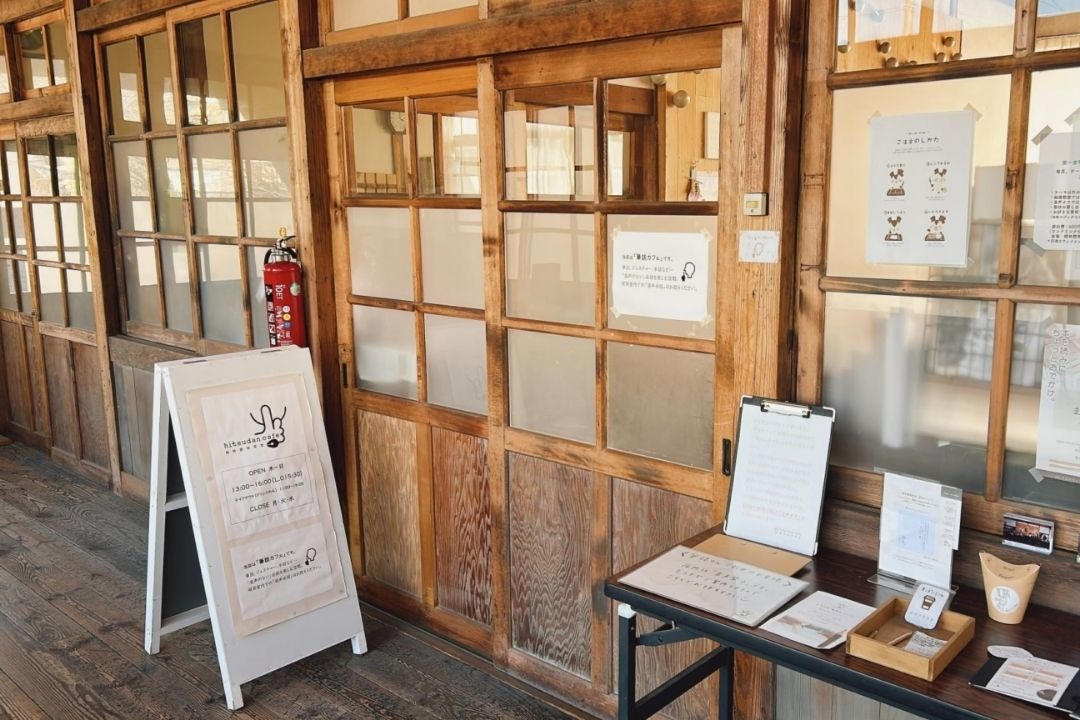
Source: Asahi Newspaper Articles
The rise of silent cafés reflects a broader issue in modern life: we are surrounded by noise almost every moment of the day. In cities, conversations, traffic, background music, smartphone notifications, and countless other sounds create a constant stream of stimulation. While these sounds have become a normal part of everyday life, they can also contribute to stress and mental fatigue without us even realizing it.
The widespread use of smartphones has only intensified this trend. Social media alerts, videos, podcasts, and music mean that many people rarely experience genuine silence. Whether consciously or unconsciously, we are almost always consuming information or reacting to sound. As a result, the desire for places where nothing demands your attention has steadily grown.
Escaping Sensory Fatigue in Crowded Cities
Changes in working styles have also fueled demand for quieter environments. As remote work and freelancing have become more common, more people use cafés as temporary offices. However, household noise can make working from home difficult, while conversations and music in traditional cafés often interrupt concentration. Libraries offer quiet spaces, but they may restrict food and drinks, limit opening hours, or have limited seating.
Silent cafés bridge this gap by combining the convenience of a café with the peaceful atmosphere of a library. Visitors can enjoy coffee or light meals while working or reading in a space specifically designed to remain quiet. That combination has created an entirely new type of customer experience.
The growing popularity of mindfulness and digital detox practices has also contributed to the concept's success. Many people now recognize the importance of intentionally reducing external stimulation and setting aside time for reflection. Silent cafés provide an accessible way to do exactly that without requiring a retreat or meditation center.
Rather than simply introducing another café concept, silent cafés respond to information overload. They redefine silence as something valuable, demonstrating how changing lifestyles are reshaping what people expect from public spaces.
A Quiet Base for Focus, Reflection, and Mental Reset
Although visitors naturally enjoy coffee and refreshments, silent cafés are primarily used as places for concentration. Many customers come specifically to work, study, read, or spend uninterrupted time thinking in an environment designed to eliminate distractions.
One of the most common uses is focused computer work or exam preparation. In an ordinary café, conversations and background music can easily interrupt concentration. In a silent café, those distractions are intentionally minimized, allowing visitors to enter a deeper state of focus and complete tasks more efficiently.
Reading is another popular activity. Without constant background noise, many people find it easier to absorb information and stay engaged with a book. Even those who struggle to focus at home often discover they can read for long periods in the calm atmosphere of a silent café.
Unplugging from a Hyper-Connected World
Some visitors come for an entirely different reason: to do nothing at all. By putting away their phones and laptops and simply sitting in silence, they create space to organize their thoughts and mentally recharge. This goes beyond taking a break. It is an intentional effort to reduce stimulation and regain clarity.
The experience itself remains simple. Customers order drinks or light food just as they would at any café, then quietly enjoy their time while following the house rules. Since everyone shares the same expectations, the peaceful atmosphere is maintained naturally throughout the space.
Many guests stay for several hours because the environment supports extended periods of productive work. As a result, many silent cafés also provide Wi-Fi and power outlets, making them practical workspaces as well as relaxing retreats.
Ultimately, silent cafés have become more than quiet places to enjoy coffee. They serve as modern sanctuaries where people can focus, think deeply, reset their minds, and reclaim high-quality time in increasingly busy lives.
A Culture That Values Quiet and the Design of Peaceful Spaces
One reason silent cafés have gained traction in Japan is the country's longstanding cultural emphasis on respecting shared spaces. In public settings, people are generally expected to avoid disturbing others, whether by speaking loudly on trains or making phone calls in enclosed public areas. Because this awareness is already deeply rooted, rules about remaining quiet inside a café are relatively easy for customers to accept.
Another contributing factor is the tendency to be aware of one's surroundings and adapt to a space's atmosphere. Even without strict enforcement, many people naturally lower their voices or avoid making unnecessary noise when everyone else is quiet. This unspoken cooperation helps silent cafés function smoothly, with the atmosphere maintained not only through written rules but also through shared social expectations.
Japan's dense urban environment also increases the appeal of these spaces. Major cities are filled with constant activity and noise, making genuine quiet increasingly difficult to find. While libraries and study rooms offer silence, they often limit food, drinks, or extended stays. Silent cafés provide an attractive alternative by combining comfort, flexibility, and tranquility.
Japan's well-established café culture has also made the concept easier to introduce. Many cafés already serve as places where people work remotely, study, or read for hours at a time rather than simply having a quick drink. Silent cafés build naturally on this existing behavior by creating an environment specifically optimized for concentration.
The physical design of these cafés further enhances the experience. Seating arrangements, lighting, materials, and interior layouts are carefully planned to reduce both visual and auditory distractions. Rather than simply making the space quieter, designers aim to create an atmosphere that feels calm and mentally restorative.
Taken together, silent cafés are not simply another hospitality trend. They combine Japanese social values, thoughtful spatial design, and cooperative customer behavior to create an environment where silence itself becomes a shared experience.
Redesigning Quiet Spaces Beyond Libraries and Coworking Offices
Although silent cafés are a distinctly Japanese concept, the broader idea of creating spaces dedicated to quiet concentration exists worldwide. Libraries, coworking spaces, and wellness facilities have all recognized the value of reducing noise to improve focus and well-being.
Libraries remain the classic example. Visitors are expected to remain quiet so everyone can read and study without interruption. However, libraries often restrict food and beverages or limit how long people can stay, making them less flexible for everyday use. This has created growing demand for spaces that combine the peaceful atmosphere of a library with the comfort and convenience of a café.
Many coworking spaces overseas have introduced designated silent zones where conversations and phone calls are prohibited. These areas are specifically designed for focused work, reflecting the same philosophy behind silent cafés: reducing noise creates measurable value for users.
The concept also aligns with the growing popularity of mindfulness and wellness. Meditation centers, retreats, and wellness facilities intentionally remove unnecessary sensory stimulation to help people become more present and mentally refreshed. Silent cafés bring that same principle into an everyday setting that people can easily access during work or daily life.
At the same time, cafés in many countries are still viewed primarily as social spaces where conversation is expected. A café where talking is prohibited remains relatively uncommon outside Japan. However, as demand for distraction-free environments continues to grow, Japanese-style silent cafés may become an increasingly attractive model in other markets.
The value of silence itself is universal. Different countries may express it differently, but the desire for peaceful environments is shared across cultures. In that sense, Japan's silent café represents one of the most refined examples of how that demand can be transformed into a successful business concept.
Why Silence Has Become a Valuable Resource Around the World

Source: Asahi Newspaper Articles
One reason silent cafés have attracted international attention is that genuine silence has become increasingly rare. Modern cities are filled with traffic, conversations, music, notifications, and countless forms of digital stimulation. Even when people are not actively paying attention, they are continuously exposed to sounds and information.
In this environment, spaces that intentionally remove noise have become increasingly valuable. Silent cafés are not simply quiet by chance. Their atmosphere is maintained through clearly defined rules that every visitor agrees to follow. Rather than relying on luck, they create what could be called "designed silence," where everyone helps preserve the experience.
The growing importance of deep focus has also increased their appeal. As information overload becomes a defining feature of modern life, uninterrupted thinking has become more difficult. By reducing external distractions, silent cafés can support greater concentration, creativity, and productivity.
Mental health and well-being are additional factors driving interest. Constant exposure to stimulation can gradually increase stress levels, while spending time in a calm environment allows the mind to recover. For many people, moments of quiet have become essential to maintaining balance in everyday life.
Society is also beginning to appreciate the value of doing nothing. In cultures that emphasize productivity and efficiency, intentionally slowing down has become something of a luxury. Silent cafés provide a place where people can simply exist without pressure to socialize, multitask, or consume more information.
For these reasons, silent cafés are more than an unusual hospitality concept. They represent a practical response to structural challenges created by modern lifestyles. As awareness of focus, well-being, and mental health continues to grow worldwide, the idea of treating silence as a valuable service is likely to spread far beyond Japan.
Conclusion
Silent cafés are a uniquely Japanese take on the modern café, built around a simple but powerful idea: creating value through silence. While traditional cafés often emphasize conversation, community, and lively atmospheres, silent cafés intentionally remove unnecessary noise to provide an environment where people can focus, relax, and recharge.
The concept emerged in response to modern challenges such as constant digital stimulation, urban noise, and the growing demand for distraction-free workspaces. In a world where people are surrounded by information almost every waking moment, offering a place where nothing competes for attention has become a valuable service.
Japan's culture of respecting shared public spaces, combined with thoughtful interior design and established café habits, has helped make silent cafés a practical reality. Their success depends not only on house rules but also on customers' willingness to cooperate in maintaining a peaceful atmosphere.
At the same time, the desire for quiet spaces is becoming increasingly global. Growing awareness of mindfulness, mental health, productivity, and well-being suggests that concepts like silent cafés could resonate well beyond Japan.
More than simply another place to enjoy coffee, silent cafés represent a new kind of urban infrastructure. By treating silence as a meaningful experience rather than its absence, they offer a glimpse into how public spaces may continue to evolve in an increasingly noisy world.
FAQ About Silent Cafés
1. What Is A Silent Café?
A silent café is a type of café designed to minimize conversation and unnecessary noise, creating a peaceful environment where guests can focus or relax. Unlike traditional cafés, which often encourage conversation and social interaction, silent cafés treat quietness itself as the main service. Visitors typically use the space to read, work, study, journal, or simply enjoy uninterrupted personal time.
2. Is Talking Completely Prohibited In A Silent Café?
The rules vary by café, but many silent cafés ask customers to avoid conversations, phone calls, and other activities that may disturb those around them. Rather than enforcing absolute silence, the goal is to create a shared environment where everyone can enjoy a calm and distraction-free atmosphere.
3. How Is A Silent Café Different From A Regular Café Or A Library?
Silent cafés combine the comfort and convenience of a café with the quiet atmosphere of a library. While libraries often restrict food, drinks, or how visitors use the space, silent cafés let guests enjoy coffee and refreshments while working or relaxing in a peaceful setting. The key difference is that they offer the café experience without the usual background conversations.
4. Are Silent Cafés Good For Work Or Studying?
Yes. Silent cafés are particularly well suited for activities that require concentration, such as remote work, studying, writing, or creative projects. With minimal conversations and little or no background music, they provide an environment where many people find it easier to focus, even during short visits.
5. How Do Silent Cafés Maintain A Quiet Environment?
Silent cafés rely on shared etiquette and thoughtful interior design. In addition to limiting conversations and phone calls, many cafés carefully arrange seating, lighting, and décor to encourage a calm atmosphere where customers naturally speak less and remain focused on their own activities.
6. Did Silent Cafés Originate From Japanese Culture?
The idea of offering quietness as a service aligns closely with Japanese social customs, which emphasize consideration for others in shared public spaces. Practices such as speaking softly and avoiding unnecessary noise make it easier for customers to collectively maintain the peaceful atmosphere that silent cafés are designed to provide.
7. Who Are Silent Cafés Best Suited For?
Silent cafés appeal to people who want to work without distractions, enjoy reading, organize their thoughts, or simply take a break from constant noise and digital stimulation. They are especially popular among urban residents seeking a dedicated place to enjoy calm moments during a busy day.
8. Could Silent Cafés Expand Internationally?
Yes. Silent cafés have strong potential in cities worldwide, particularly as interest in remote work, productivity, and well-being continues to grow. As more people look for spaces that support deep focus and mental wellness, Japan's concept of treating quietness as a valuable service could inspire a new category of cafés internationally.
9. What Are The Benefits For Businesses That Open A Silent Café?
A silent café offers a clear way to differentiate itself from conventional coffee shops. It attracts customers looking for focused workspaces, wellness-oriented environments, or peaceful places to spend time. Beyond selling food and beverages, it also creates value by offering a carefully designed experience centered on how customers spend their time.
10. Why Are Silent Cafés Gaining Attention?
Silent cafés are attracting attention because they transform the absence of noise into a unique customer experience. In today's world, where conversations, notifications, and information constantly surround people, many seek spaces where they can disconnect from distractions and focus on themselves. Silent cafes respond to this growing demand by making quietness the product itself.