Across the global tourism industry, demand is growing rapidly for experiences that allow visitors to participate rather than simply observe. Attractions that transform history and culture into interactive entertainment are becoming an increasingly important part of tourism economies in major destinations worldwide.
In Japan, one of the most recognizable cultural symbols is the ninja. While ninjas were historical figures, they have also become global cultural icons through films, video games, anime, and other forms of popular media. Despite their worldwide popularity, opportunities to experience ninja culture firsthand within Japan's urban centers have traditionally been limited.
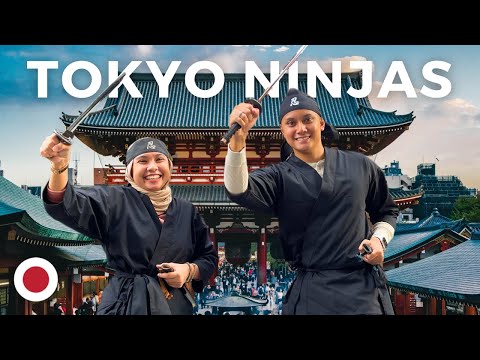
One example of a business addressing this gap is NINJA CAFE & BAR, a ninja-themed experience facility located in Asakusa, Tokyo. Visitors can dress in ninja costumes and take part in activities such as shuriken throwing and basic sword-handling experiences. Rather than functioning solely as a restaurant or café, the venue is designed as an interactive attraction that presents Japanese culture through participatory entertainment.
Many of its visitors are international tourists seeking a memorable way to engage with Japanese culture during their stay. By incorporating ninja-themed activities into the urban tourism experience, the facility offers a new way of presenting one of Japan's most recognizable cultural icons.
This article examines the ideas behind the creation of NINJA CAFE & BAR and explores how ninja culture has been transformed into an interactive tourism business. It also considers how this model could connect with tourism destinations and entertainment industries worldwide.
NINJA CAFE & BAR Overview
NINJA CAFE & BAR is an interactive entertainment venue themed around the ninja, one of the most recognizable symbols of Japanese history and culture. Visitors can dress in ninja costumes and take part in activities such as shuriken throwing, sword-handling demonstrations, and ninja pose training. While it also operates as a café and bar, its primary appeal is providing hands-on cultural experiences that let guests engage directly with Japanese traditions.
Located in Asakusa, one of Tokyo’s most popular international tourist destinations, the venue attracts many overseas visitors. The experience is designed to give travelers an accessible way to engage with Japanese culture within a short period of time. Programs typically include ninja costume rentals, photo opportunities, and introductory ninja training activities.
Pricing varies depending on the experience package selected, but the programs are generally designed to fit easily into a traveler’s itinerary. Rather than simply observing Japanese culture, visitors are invited to participate by stepping into the role of a ninja themselves. This interactive approach increases the attraction's appeal as a tourism experience.
The staff also perform in character as ninjas, helping transform the entire venue into an immersive entertainment environment. Guests can enjoy food and drinks while taking part in activities inspired by Japanese history and culture.
The Challenge of Limited Cultural Experiences in Tourist Cities

Source: NINJA CAFE Homepage
In recent years, demand for experiential tourism has grown rapidly in tourist destinations worldwide. Rather than simply visiting landmarks, travelers increasingly seek opportunities to engage directly with local history and culture. Interactive cultural experiences are becoming an important part of the tourism industry, particularly among international visitors who view cultural participation as a key purpose of travel.
Japan offers a wide variety of historical and cultural attractions, but opportunities to experience these traditions in a simple and accessible format are not always widely available. While temples, shrines, and historic sites attract large numbers of visitors, hands-on cultural experiences remain relatively limited in many urban areas. For international travelers on short visits, finding an approachable introduction to Japanese culture can sometimes be challenging.
One of the most internationally recognized symbols of Japanese culture is the ninja. Although rooted in Japanese history, ninja have become global cultural icons through films, anime, video games, and popular media. As a result, many overseas visitors are already familiar with the concept of ninja before arriving in Japan.
Despite this global recognition, opportunities to experience ninja culture firsthand within Japan have traditionally been limited. Outside of certain theme parks and specialized attractions, relatively few urban tourism experiences have centered on ninja activities. In many ways, ninja culture has remained an underutilized tourism asset despite its worldwide popularity.
Accessible Cultural Experiences in Asakusa, Tokyo
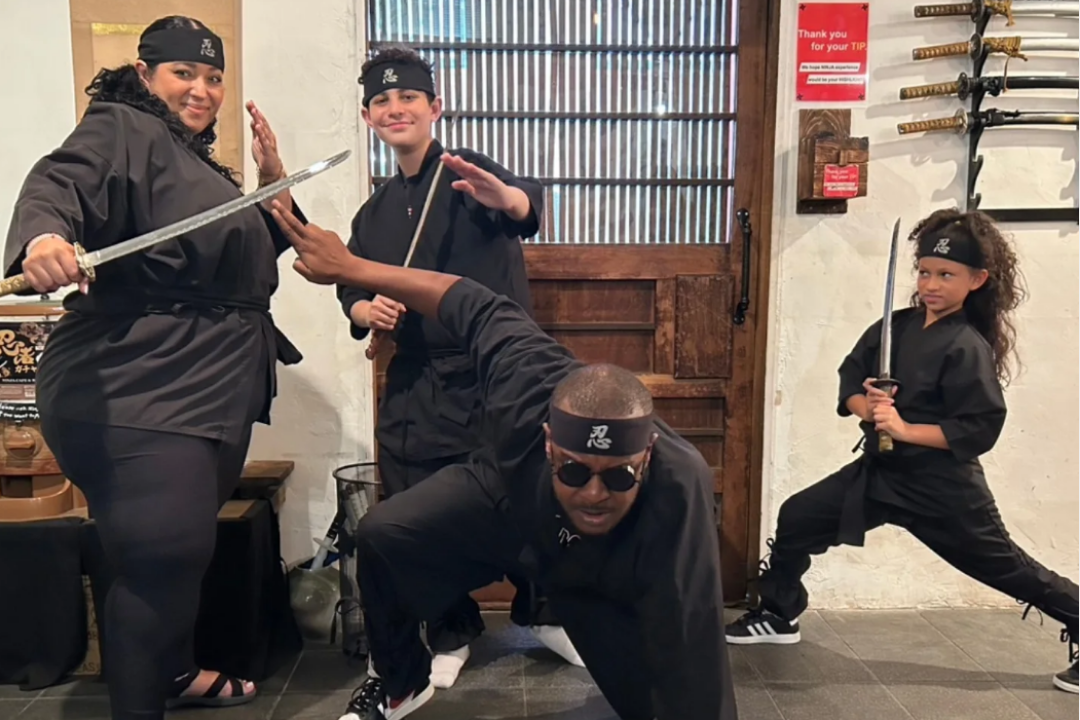
NINJA CAFE & BAR was created within this context in Asakusa, one of Tokyo’s leading tourist districts. The venue was designed to transform ninja culture into an urban interactive attraction, allowing visitors to engage directly with one of Japan’s most recognizable cultural symbols. Guests can wear ninja costumes, practice shuriken throwing, and participate in basic ninja-themed activities that encourage active involvement rather than passive observation.
What distinguishes the concept is that ninja culture is presented not merely as decoration or entertainment, but as an experience that visitors can actively participate in. By practicing ninja movements and techniques themselves, guests interact with Japanese culture more physically and memorably. Unlike attractions centered primarily on food or photography, the experience itself becomes the main attraction.
NINJA CAFE & BAR represents an example of how a globally recognized element of Japanese culture can be reimagined as an accessible tourism experience within an urban setting. By turning ninja culture into an activity that can be enjoyed in a short visit, the venue gives international travelers an engaging gateway to Japanese cultural experiences.
Transforming Ninja Culture into an Urban Tourism Experience
The business model behind NINJA CAFE & BAR is built on the idea of transforming one of Japan’s most internationally recognized cultural symbols: the ninja, into an urban tourism experience. Historically associated with espionage and reconnaissance during Japan’s feudal era, ninja have evolved beyond their historical origins to become globally recognized cultural icons through popular media and entertainment.
Ninja frequently appear in international films, comics, video games, and television programs. For many people worldwide, the word “ninja” is one of the first concepts associated with Japanese culture. Despite this high level of recognition, opportunities to experience ninja culture firsthand within Japan have traditionally been limited. While museums and theme parks offer some related attractions, easily accessible ninja experiences within major urban tourism areas have been relatively uncommon.
Asakusa is one of Tokyo’s most popular destinations for international visitors. Known for landmarks such as Kaminarimon Gate and Senso-ji Temple, the district offers a strong connection to Japan’s traditional culture and attracts large numbers of tourists each year. However, many activities in the area center on sightseeing, temple visits, and walking tours, leaving relatively few opportunities for visitors to participate in cultural experiences actively.
Hands-On Shuriken Throwing and Sword Handling
NINJA CAFE & BAR was created to address this gap by providing a venue where visitors can experience ninja culture firsthand. Guests can wear ninja costumes and learn activities such as shuriken throwing and basic ninja movements under staff guidance. By presenting ninja culture as an interactive activity rather than a passive attraction, the venue creates an accessible entry point into Japanese cultural experiences.
A key aspect of this concept is that ninja culture is not presented as a historical exhibit but as a participatory activity. Rather than simply observing cultural displays, visitors become active participants. Dressing in costume, throwing shuriken, and taking photos as a ninja create memorable experiences that many travelers are unlikely to encounter elsewhere.
This type of attraction also aligns naturally with social media. Ninja costumes, action poses, and shuriken activities create visually engaging content that visitors often share through photos and videos. As a result, the experience itself helps generate awareness and visibility for the venue.
NINJA CAFE & BAR demonstrates how Japanese cultural heritage can be transformed from something visitors simply observe into something they actively experience. By adapting ninja culture to the needs of modern urban tourism, the venue offers a contemporary interpretation of a well-known historical and cultural asset.
Designing an Interactive Ninja Experience
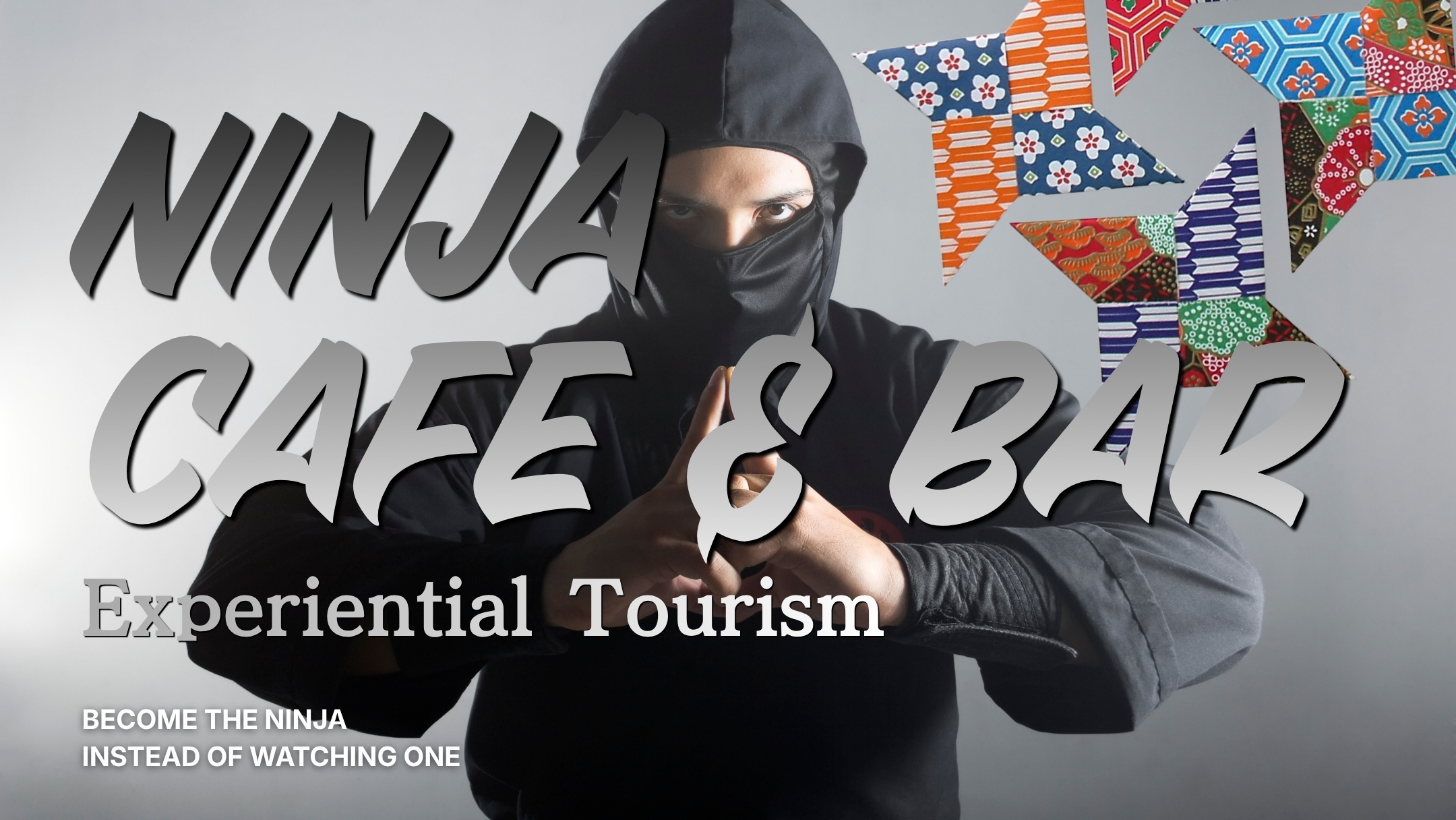
One of the defining features of NINJA CAFE & BAR is that it treats the ninja theme as more than decoration. Instead, it is structured as an interactive experience in which visitors actively participate. While the venue operates as a café and bar, it is designed primarily as an entertainment space centered around ninja-themed activities. Guests begin by putting on ninja costumes, a step that immediately shifts them from being observers to participants. Simply wearing the costume serves as the entry point to the experience, allowing visitors to step into the role of a ninja.
At the center of the program is shuriken throwing, one of the most widely recognized skills associated with ninja culture. Visitors can throw shuriken at designated targets, creating a hands-on way to engage with a familiar aspect of Japanese popular culture. Although many international travelers have seen shuriken in films, games, and television, relatively few have had the opportunity to handle and throw them themselves. As a result, the activity often leaves a strong impression on participants.
To ensure the experience remains safe and accessible, staff provide instruction on proper techniques, throwing distances, and equipment handling. Activities are designed for beginners, making it easy for visitors with no prior experience to participate. Rather than presenting ninja traditions as formal martial arts training, the program is structured as an approachable tourism experience.
Additional activities include learning basic sword movements and striking traditional ninja poses. These activities are often combined with photography, creating memorable souvenirs from a visitor’s trip to Japan. Wearing a ninja costume and recreating iconic ninja poses can become a distinctive highlight of the travel experience.
Immersive Staff Performances and Themed Dining
The venue’s physical design also contributes to the overall experience. Ninja-themed decorations, props, and visual elements are integrated throughout the space, creating an immersive environment from the moment guests enter. Staff members perform in character as ninjas, helping transform the venue into a cohesive entertainment setting rather than a conventional café.
By combining food and beverages with interactive activities, NINJA CAFE & BAR creates a hybrid experience that encourages visitors to spend more time at the venue. This format offers a richer experience than a standard restaurant visit and increases its appeal as a tourism attraction.
The ninja activities are designed with accessibility and enjoyment in mind rather than strict historical recreation. Programs are kept straightforward and easy to follow, allowing visitors to engage with recognizable elements of Japanese culture in a relatively short time. This approach makes the experience accessible to international travelers regardless of language or cultural background.
Expanding Visitor Engagement Through Experiential Tourism
Source: NINJA CAFE Homepage
Experiential venues such as NINJA CAFE & BAR serve as attractions that encourage visitors to spend more time in a destination. In tourism-focused cities, extending visitor dwell time is an important economic objective. When travelers simply move between landmarks, spending is often limited to transportation and brief sightseeing activities. Interactive attractions, by contrast, encourage guests to stay in one location longer, creating opportunities for additional spending on food, beverages, merchandise, and related services.
Combining Traditional Flavors with Ninja Entertainment
In destinations such as Asakusa, tourism activities often center on visiting temples, historic landmarks, and traditional streetscapes. While these attractions offer significant cultural value, immersive entertainment experiences remain relatively limited. NINJA CAFE & BAR fills part of this gap. Visitors come specifically for the ninja experience and often combine the activity with dining, drinks, photography, and other forms of engagement during their visit.
This model also benefits tourism operators. Travel agencies and tour companies often seek activities that can be incorporated easily into itineraries. Ninja experiences are relatively simple to understand and require minimal explanation, making them accessible to international visitors from a wide range of backgrounds. This accessibility makes them suitable for both group tours and inbound tourism programs.
Experiential attractions also align well with social media. Ninja costumes, shuriken throwing, and themed activities create visually engaging content that visitors frequently share through photos and videos. User-generated content can help increase awareness of the venue and function as an organic form of promotion. In today’s tourism industry, this type of visibility has become an important marketing advantage.
From a business perspective, facilities like NINJA CAFE & BAR can also contribute to a destination's broader tourism ecosystem. A single attraction rarely defines the appeal of a tourist area. Instead, it is shaped by the combination of restaurants, retail businesses, cultural sites, and entertainment venues. Interactive experiences such as ninja activities add variety to the overall visitor experience and contribute to a more diverse tourism offering.
Immersive Atmosphere and Dining
Cultural experience venues can also be adapted for educational and corporate purposes. They may be used as part of cultural orientation programs for international students, business delegations, or overseas visitors seeking a deeper understanding of Japan. Because the ninja theme is visually recognizable and easy to engage with, it can serve as an accessible introduction to Japanese culture.
In this sense, NINJA CAFE & BAR functions as more than a restaurant or themed attraction. By combining cultural experiences, entertainment, and food and beverage services, it creates a form of experiential tourism that adds new value to the visitor experience within an urban tourism destination.
Balancing Safety and Experience in an Interactive Attraction
For experiential venues such as NINJA CAFE & BAR, balancing entertainment value with safety management is essential. Activities such as shuriken throwing and basic sword movements, which form the core of the ninja experience, require careful operational planning to ensure visitors can participate safely. As a result, safety considerations are an important part of the facility’s overall design.
Shuriken-throwing activities are conducted in dedicated practice areas designed to maintain appropriate distances between participants and targets. The equipment used for the experience is selected with tourism activities in mind, making it suitable for beginners. Before participation, staff provide basic instructions on throwing techniques and safety guidelines, helping guests take part in the activity in a controlled environment.
The programs are also designed to be completed within a relatively short period. Since many visitors are exploring the city on limited schedules, shorter activities are generally more accessible than longer, time-intensive programs. The ninja experience is structured to fit conveniently into a broader sightseeing itinerary while still providing a memorable activity.
Creating an Immersive Themed Environment
Themed environmental design is another important aspect of the operation. Interior decorations, staff costumes, and visual elements help create an immersive atmosphere that encourages visitors to engage with the ninja theme. These design choices contribute not only to the attraction’s appeal but also to overall visitor satisfaction.
At the same time, the venue maintains its role as a food and beverage establishment. Ninja-themed drinks and menu items complement the activities, creating a combined experience that blends entertainment with dining. This allows visitors to use the facility both as an attraction and as a place to relax during their travels.
The operation is also designed with international tourists in mind. Given Asakusa’s popularity among overseas visitors, many guests come from outside Japan. Activities are therefore structured to minimize language barriers. Experiences such as shuriken throwing and ninja poses are easy to understand through demonstration and participation, reducing the need for extensive verbal explanation.
Through this combination of safety management, immersive design, and visitor-focused programming, NINJA CAFE & BAR functions as an interactive tourism attraction rather than simply a themed venue. Its operational structure is designed to transform the ninja theme into a hands-on cultural experience that visitors can actively participate in and enjoy.
Connecting Ninja Culture to Japanese Society
Ninja originated within Japan’s historical context, yet today they have become one of the country’s most recognizable cultural symbols worldwide. Traditionally associated with espionage and reconnaissance activities during Japan’s feudal era, ninja have been referenced in historical records and folklore. However, modern perceptions of ninja have also been heavily influenced by films, manga, anime, and video games, which have helped shape their global image.
Within Japan, ninja are often discussed as part of the nation’s history and cultural heritage, but opportunities to engage with ninja culture in everyday life are relatively limited. While they may be introduced through school education, museums, or tourism exhibits, hands-on experiences are less common. As a result, ninja remain a well-known cultural symbol that has not always been fully utilized as an experiential cultural asset within Japan itself.
Outside Japan, however, ninja enjoy a remarkably high level of recognition. For many international audiences, the word “ninja” is one of the most familiar terms associated with Japanese culture. Popular media frequently portrays ninja as skilled, agile, and stealthy warriors, helping establish a global image widely understood across countries and cultures. Many travelers interested in Japan arrive with preexisting familiarity with ninja and may actively seek related experiences during their visit.
This broad international recognition gives ninja culture significant potential as a tourism resource. Because it combines historical roots with modern entertainment appeal, it is a theme that a wide range of visitors can easily understand. For international travelers in particular, ninja provide an accessible introduction to Japanese culture.
Elevating the Themed Experience into Interactive Tourism
NINJA CAFE & BAR incorporates this cultural background into the urban tourism experience. Rather than presenting ninja solely through historical displays or educational exhibits, the venue transforms the concept into an interactive activity. By wearing ninja costumes and participating in activities such as shuriken throwing, visitors engage with Japanese culture through direct participation rather than observation alone.
Experiences of this kind can also serve as effective tools for cultural communication. Historical and cultural concepts are not always easy to convey through explanations alone, especially across language barriers. Interactive participation often leaves a stronger impression and can help visitors develop a more memorable connection with the subject. In this sense, ninja experiences provide an accessible way to introduce aspects of Japanese culture to international audiences.
Ninja culture therefore sits at the intersection of Japan’s historical heritage and its modern popular culture. NINJA CAFE & BAR demonstrates how this cultural asset can be adapted into an experiential tourism product, making it accessible and engaging within the context of contemporary urban travel.
An Experiential Tourism Concept with Global Potential

Source: NINJA CAFE Homepage
Ninja experiences can connect not only with Japan’s domestic tourism market but also with the global travel industry. In recent years, cultural and experiential entertainment has become an increasingly important part of tourism. Rather than simply visiting landmarks, travelers are looking for activities that let them participate actively, creating more engaging and memorable experiences.
For international visitors, ninjas are one of the most recognizable symbols of Japanese culture. Even people with limited knowledge of Japanese history are often familiar with ninjas through movies, games, and popular culture. As a result, ninja experiences are easy to understand without extensive cultural explanation. Activities such as wearing ninja costumes and throwing shuriken can be enjoyed regardless of language or cultural background.
This accessibility has important implications for the tourism industry. Many international travelers have limited time at their destination and prefer activities that let them experience local culture in a short time. Ninja experiences can typically be completed in less than an hour, making them easy to fit into travel itineraries. This convenience also makes them attractive to tour operators and travel agencies.
Transforming Iconic Cultural Themes into Safe, Hands-On Experiences
Ninja experiences are also highly compatible with social media. Photos and videos of travelers dressed as ninjas naturally attract attention and are often shared online. This type of user-generated content can help increase awareness of a destination or attraction. In today’s tourism industry, social media exposure has become an important driver of visitor interest.
Beyond Japan, the business model behind ninja experiences may also be adaptable to tourism destinations worldwide. While themed entertainment venues are common globally, facilities centered on Japanese cultural experiences remain relatively limited. In regions with strong interest in Japanese culture, ninja-themed attractions could serve as a distinctive tourism offering.
From a B2B perspective, there may also be opportunities for collaboration between Japanese tourism operators and international entertainment companies. Potential models include franchise-based expansion of Japanese cultural experience venues or partnerships with tourism events and attractions. Because ninjas already have strong global recognition, the concept is well positioned for adaptation in international markets.
While the ninja experience business originated within Japan’s tourism sector, its potential extends beyond the domestic market. By transforming Japanese culture into an interactive, participatory experience, it creates opportunities to connect with tourism audiences worldwide.
Conclusion
NINJA CAFE & BAR is an experiential attraction that reimagines one of Japan’s most recognizable cultural symbols, the ninja, as an urban tourism experience. By combining simple activities such as wearing ninja costumes, throwing shuriken, and taking photos, the facility offers visitors an accessible way to engage with Japanese culture in a short period of time. Rather than viewing culture as a display, visitors participate directly, creating a more immersive and memorable experience.
A key feature of this model is its ability to transform cultural heritage into entertainment. While ninjas originate from Japan’s history, they have become globally recognized through films, games, and popular culture. This widespread familiarity makes the concept an easy entry point for international visitors interested in Japanese culture.
Experiential attractions play an increasingly important role in the tourism industry because they encourage visitors to spend more time at a destination. Facilities that combine dining, entertainment, and cultural activities create additional value within urban tourism environments. In Asakusa, one of Tokyo’s most visited international tourism districts, NINJA CAFE & BAR has established itself as a form of cultural entertainment that complements traditional sightseeing.
Ninja experiences are also easy to understand across different languages and cultural backgrounds. Activities such as dressing as a ninja and throwing shuriken are intuitive and require little explanation, making them accessible to a wide range of international visitors. This simplicity is an important advantage in global tourism.
For overseas businesses, one notable aspect of this model is its adaptability. Experiential entertainment based on Japanese culture is not limited to a single venue or location. Similar concepts could potentially be applied in tourism districts, event venues, themed attractions, or other entertainment settings. Partnerships between tourism operators and entertainment companies may create new opportunities to develop cultural experiences inspired by Japanese traditions.
What NINJA CAFE & BAR ultimately demonstrates is the potential to transform Japanese culture from something visitors simply observe into something they actively experience. By turning the historical and cultural image of the ninja into a participatory tourism activity, it presents a new approach to cultural tourism. As demand for experiential travel continues to grow, this type of cultural entertainment may play an increasingly important role in international tourism markets.
FAQ About NINJA CAFE & BAR
1. What Kind of Experience Can You Enjoy at Ninja Cafe & Bar?
At Ninja Cafe & Bar, you can dress up in ninja outfits and experience throwing shuriken (ninja stars), handling swords, and practicing ninja poses. Because visitors can participate while receiving instructions from staff, anyone can enjoy the experience without prior knowledge of ninjas. By combining this with photography and dining, the facility offers a way to experience Japanese culture with all five senses.
2. Why Are Ninjas Gaining Popularity as Tourism Content?
Ninjas are known globally through movies, anime, and games, making them an iconic part of Japanese culture for many international travelers. The opportunity to wear outfits and throw shuriken creates memories you can't get just by watching, making it a popular activity unique to traveling in Japan.
3. Can People Other Than Foreign Tourists Enjoy Ninja Cafe & Bar?
The facility is also widely used by domestic visitors as a place where they can easily participate in the experience. In addition to leisure activities for families and friends, it is used by people who want to rediscover Japanese culture, as well as a spot for guiding international guests.
4. Is the Ninja Experience Safe to Participate In?
Activities such as shuriken throwing take place in a dedicated area under the guidance of our staff. The program is structured so that even beginners can easily participate, ensuring a safe environment designed for enjoying Japanese culture.
5. What Makes Ninja Cafe & Bar Different From Other Tourist Facilities?
A key feature is that instead of just displaying history and culture, visitors can fully immerse themselves and role-play as ninjas. By combining food, beverage, and entertainment, it is designed as participatory tourism content that allows guests to experience Japanese culture even in a short amount of time.
6. Is the Ninja Experience Ever Used by Companies and Groups?
It is also used for international delegations, educational trips, and corporate events of foreign companies. Since the activities are designed to be less dependent on language, people of all nationalities can easily participate, making it highly suitable as a program to introduce Japanese culture.
7. Why Is the Ninja Experience Attracting Attention on Social Media?
Experiences such as wearing ninja outfits and throwing shuriken are highly photogenic and shareable as travel memories on social media. Because the experience itself serves as visual content, it naturally encourages word-of-mouth recommendations and social sharing, which contributes to its popularity.
8. What Are the Benefits of Turning Japanese Culture Into Hands-On Content?
Culture and history that can be difficult to fully appreciate just by observing become much easier to understand through hands-on experience. Participatory programs leave a lasting impression and are expected to spark deeper interest and understanding of Japanese culture.
9. Is There Potential to Expand Ninja-Themed Experience Facilities Internationally?
Since ninjas have high global recognition and attract many people interested in Japanese culture, this content is considered highly compatible with international markets. By combining this with tourist facilities, theme parks, or Japanese cultural events, there is potential to develop new experience-based business opportunities.
10. What Value Does Ninja Cafe & Bar Bring to the Future of the Tourism Industry?
Ninja Cafe & Bar exemplifies how Japanese culture can evolve from something to "observe" into something to "experience." While providing new experiential value to international visitors, it is expected to develop further as hands-on content that enhances the appeal of regional tourism and expands inbound demand.
Related Videos
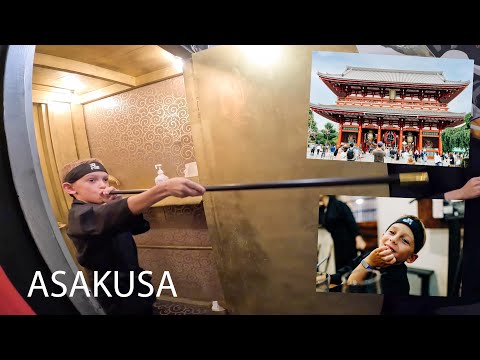
If you're interested in how traditional Japanese culture is being transformed into interactive entertainment, the video below explores Asakusa's NINJA CAFE, where visitors can experience ninja-themed activities firsthand. This video highlights how cultural traditions can be reimagined as immersive experiences for modern travelers.