Experiencing the Future of Travel Spaces: How WILLER EXPRESS DOME Is Redefining Long-Distance Journeys
Long-distance transit has traditionally been governed by a simple, uncompromising equation: move passengers from point A to point B as quickly and affordably as possible. In this efficiency-first model, the actual time spent in transit is often treated as a necessary burden. Across the globe, overnight travelers face a shared set of exhausting frustrations—limited privacy, the constant awareness of nearby strangers, and the inability to achieve genuine rest.
Japan, however, has long approached the constraints of shared transit through a different lens. In a culture that excels at maximizing comfort within confined dimensions, designers have spent decades mastering the art of personal space—a philosophy evident in everything from capsule hotels to micro-living. Bringing this precise spatial discipline to the highway, WILLER EXPRESS, one of Japan’s leading coach operators, has spent years proving that long-distance travel does not have to be an endurance test.
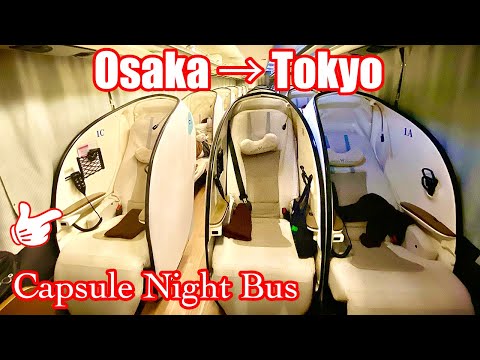
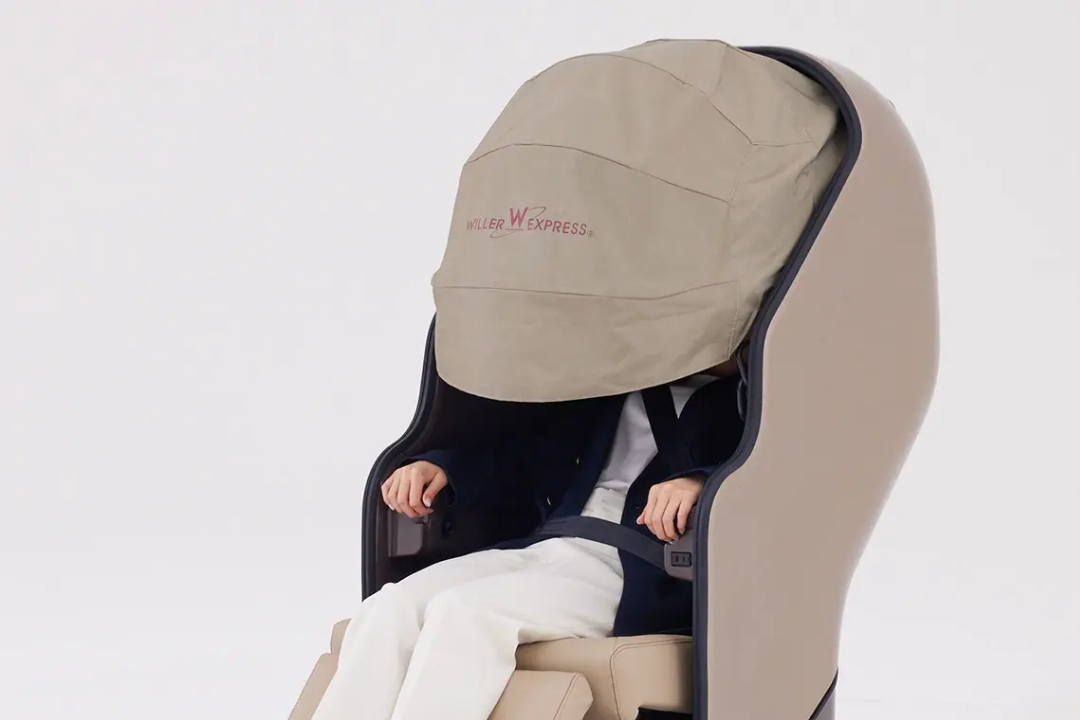
Their most definitive answer to the anxieties of transit is the WILLER EXPRESS DOME seat. Engineered specifically for overnight routes, the DOME seat features a distinctive, retractable canopy that transforms a standard canopy seat into a semi-private sanctuary. By systematically eliminating visual distractions and isolating the passenger from the surrounding cabin, it fundamentally redefines highway travel from an exhausting necessity into a valuable opportunity for recovery and rest.
WILLER EXPRESS DOME Overview
The WILLER EXPRESS DOME is a visionary highway bus innovation that transforms the long-distance overnight journey from a stressful endurance test into a high-comfort, semi-private rest experience. Developed by WILLER EXPRESS, one of Japan’s premier coach operators, the DOME seat utilizes a uniquely Japanese approach to spatial design, featuring a signature retractable canopy that shields the passenger's face and upper body from cabin light and neighboring commuters.
By filtering out visual noise and creating an intuitive sense of physical boundary, the design addresses universal traveler frustrations surrounding sleep deprivation and a lack of privacy in shared environments. In a global travel landscape increasingly focused on wellness, transit comfort, and journey quality, the DOME moves beyond the industry's traditional focus on mere speed and affordability—offering international transportation markets a masterclass in how thoughtful lifestyle design can turn travel time into a competitive advantage.
What Is the WILLER EXPRESS DOME?
Source: WILLER TRAVEL Homepage
The WILLER EXPRESS DOME is a proprietary seat developed specifically for long-distance and overnight bus travel.
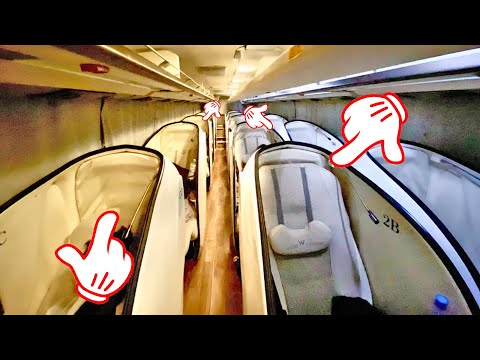
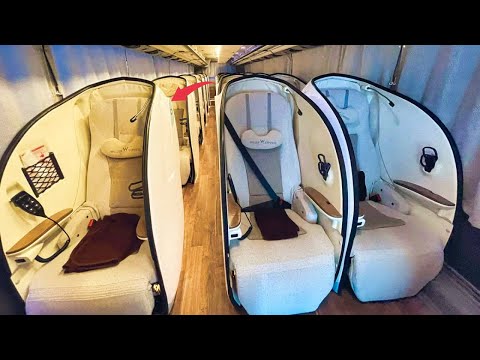
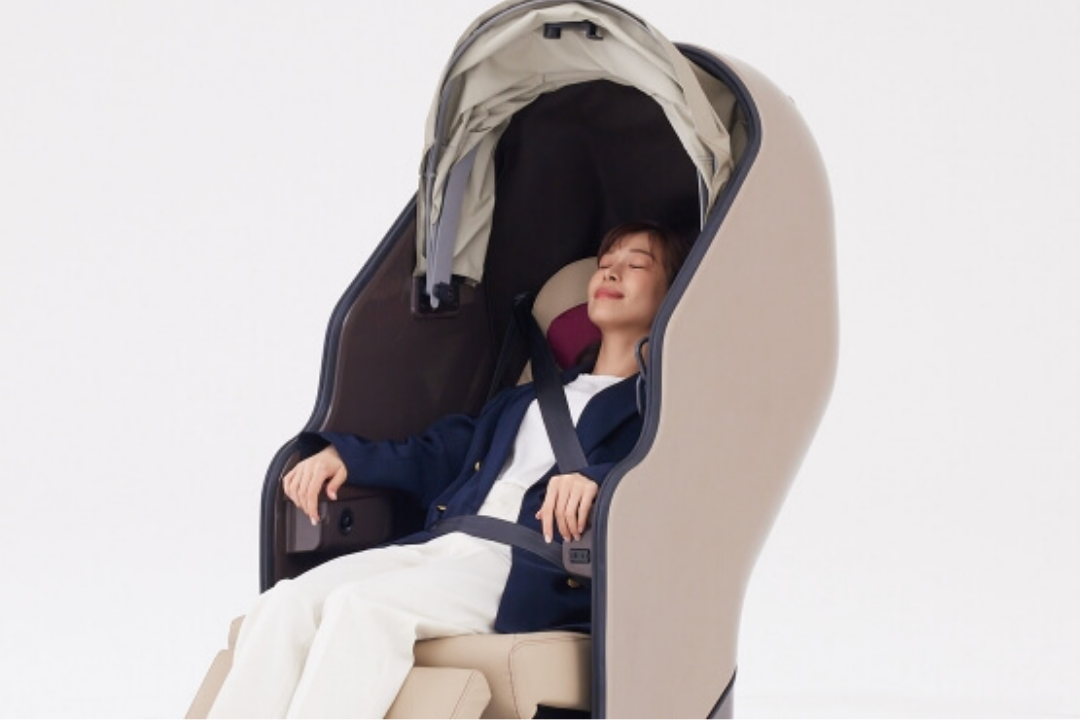
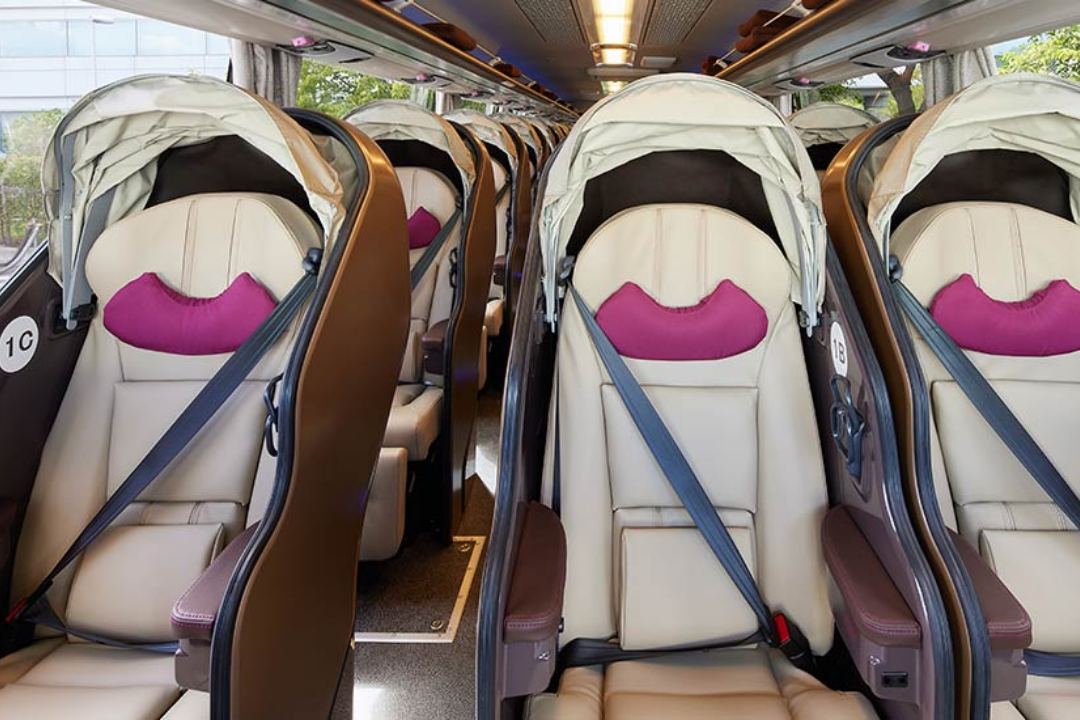
Its defining feature is the dome-shaped partition that surrounds the upper portion of each seat. Unlike traditional bus seating, where passengers are constantly aware of people sitting nearby, the DOME creates a subtle sense of enclosure that reduces visual distractions and enhances privacy.
From a functional standpoint, using a DOME seat is no different from using any other bus seat. Passengers board, take their assigned seat, recline during the journey, and arrive at their destination.
The difference lies in the experience.
The partition surrounding the head and upper body creates a feeling similar to a personal pod. While it is not a fully enclosed cabin, it provides enough separation to reduce the psychological stress that often accompanies overnight travel. Passengers can sleep, watch videos, use their phones, or simply relax without constantly being aware of surrounding movement.
For overnight journeys that can last six, eight, or even ten hours, this reduction in sensory stimulation can make a significant difference.
Pricing is typically positioned above standard highway bus seats, but remains considerably more affordable than private sleeper compartments or premium rail alternatives. As a result, DOME occupies a unique middle ground: offering enhanced comfort without dramatically increasing travel costs.
For travelers seeking better rest while maintaining a practical budget, it presents an appealing balance.
The Architecture of Isolation: Engineering Privacy in a Shared Cabin
At its core, WILLER EXPRESS DOME is designed to solve a surprisingly difficult challenge:
How can public transportation provide personal space without sacrificing practicality?
The seat was developed using years of operational data and passenger feedback gathered from overnight bus services throughout Japan.
If its purpose could be summarized in a single sentence, it would be this:
“To maximize personal comfort and rest within a shared public environment.”
Unlike a fully private compartment, DOME does not completely isolate passengers. Instead, it creates a carefully calibrated sense of enclosure that balances privacy, safety, operational efficiency, and affordability.
Passengers can recline, sleep, read, work on their devices, or simply relax without feeling constantly exposed to neighboring travelers.
The dome-shaped structure surrounding the upper body helps reduce visual input, making it easier to focus, unwind, or fall asleep. It also minimizes disturbances caused by nearby movement, aisle traffic, and lighting changes; common complaints among overnight bus passengers worldwide.
From a pricing perspective, DOME occupies a practical position in the market. While it generally costs more than a standard overnight bus seat, it remains significantly more accessible than private sleeper cabins or luxury train accommodations.
This makes it particularly attractive to travelers who value quality rest but still want to travel economically.
Who Is It For?
DOME appeals to several different groups:
Frequent long-distance travelers
- Business travelers
- Students
- People visiting family
- Regular intercity commuters
Tourists
- Travelers looking to maximize sightseeing time
- Budget-conscious travelers who still value comfort
- Solo travelers seeking greater privacy
Transportation and mobility companies
- Operators looking for new ways to increase customer satisfaction
- Businesses interested in adding premium experiences without completely redesigning vehicles
For transportation professionals, DOME also serves as an interesting case study in how thoughtful seat design can create meaningful value without requiring major infrastructure changes.
The Power of a "Semi-Private" Design
One of the most interesting aspects of DOME is what it intentionally does not do.
It does not attempt to become a fully enclosed private room.
For many transportation providers, creating true private cabins introduces significant challenges:
- Higher vehicle costs
- Reduced passenger capacity
- More complex maintenance
- Increased operational requirements
- Additional safety considerations
WILLER chose a different path.
Instead of physically isolating passengers, DOME focuses on reducing awareness of surrounding activity.
The dome-shaped partition surrounds the head area, naturally blocking sightlines to neighboring passengers and minimizing visual distractions from the aisle. As a result, passengers receive less sensory input, making relaxation easier.
This design is based on a simple but powerful observation:
When people receive fewer visual stimuli, they often feel calmer and find it easier to rest.
The partition itself required considerable design refinement. Its height and angles were carefully adjusted to create a feeling of privacy without generating a sense of confinement. Passengers can still recline comfortably, stand up easily, and remain aware of their surroundings when necessary.
The result is a delicate balance between openness and privacy.
There is also a cultural dimension behind the design.
Japanese public spaces often emphasize respectful coexistence. Whether on crowded trains or in shared facilities, social norms encourage minimizing disruption to others while maintaining personal boundaries. DOME can be viewed as a physical expression of that philosophy; a product designed not to separate people completely, but to help them comfortably share space together.
While many premium transportation products compete through larger dimensions or luxury amenities, DOME focuses on something less obvious but equally important: psychological comfort.
Its innovation lies not in adding more space, but in making existing space feel more personal.
The Catalyst: Unpacking Passenger Pain Points on Overnight Journeys
The DOME seat did not begin as an aesthetic design experiment or a fleeting marketing concept. Instead, it emerged directly from a persistent, practical challenge that long-distance night bus operators had spent years trying to solve.
While overnight transit offers undeniable advantages—such as budget-friendly fares, route convenience, and saving on hotel bills—passengers historically paid a steep price in physical exhaustion. Recurring customer feedback consistently highlighted sleep disruption, morning fatigue, and prolonged physical discomfort upon arrival.
The Real Barrier: Moving Beyond Physical Cushioning to Psychological Comfort
As WILLER EXPRESS accumulated years of extensive passenger data, their team noticed a critical pattern: the primary obstacle to deep sleep wasn't the cushion itself. The true culprit was the constant, unavoidable proximity of other people.
Over the course of an eight-hour journey, minor sensory triggers quickly compound into severe sleep disruption:
- Strangers in Close Proximity: The claustrophobia of sitting inches away from someone unfamiliar.
- Accidental Eye Contact: The awkwardness of shifting positions and catching a neighbor's gaze.
- Perpetual Sensory Awareness: Constant awareness of aisle movement and ambient smartphone light from surrounding seats.
WILLER EXPRESS concluded that simply widening the seats or piling on luxury padding would never fully resolve the issue. The real frontier of transit design was solving for psychological comfort.
The Strategic Solution: Engineering a Semi-Private Micro-Environment
The engineering challenge was complex: How do you maximize personal isolation within the rigid spatial and financial limits of public transportation? While building fully walled, private luxury compartments offers maximum isolation, it drastically slashes seating capacity, drives up ticket prices, and complicates fleet operations.
[Full Automation / Closed Cabins] → High Cost / Low Passenger Capacity
[Standard Open-Air Seating] → Low Cost / High Sensory Stress
[The DOME Semi-Private Model] → Balanced Cost / Optimized Psychological Separation
The DOME partition solves this equation through brilliant semi-private architecture. By blocking direct horizontal sightlines and drastically reducing peripheral awareness of surrounding movement, the canopy creates an immediate psychological barrier. Passengers can effortlessly step into their own private world without requiring full, costly physical walls.
The Vision: Elevating Long-Distance Buses from Budget Transit to Wellness Assets
Ultimately, the development of DOME represents a major shift in how the industry views overnight travel. WILLER EXPRESS aims to transform long-distance buses from a choice made purely out of financial necessity into a premium option that actively protects passenger well-being and next-day productivity.
When travelers step off a bus feeling completely restored rather than physically drained, the entire value proposition of long-distance transit changes. Far from a spontaneous gimmick, DOME is a highly calculated, data-backed solution designed to make comfortable, stress-free travel accessible to everyone.
Case Studies and Industry-Specific Applications
WILLER EXPRESS DOME was not designed as a seat for a specific route or passenger demographic. Instead, it was developed as a flexible solution that adapts to a variety of travel scenarios. Its adoption has been particularly prominent on overnight bus routes because the quality of rest during long-distance travel directly affects travelers’ comfort, productivity, and satisfaction after arrival. In situations where recovering physical energy and mental focus during transit is essential, DOME’s value becomes especially apparent.
One of the most common applications is on overnight intercity routes. Travel between Tokyo and regional cities, or between major metropolitan areas, often lasts six to ten hours. Many passengers on these routes have work commitments or sightseeing plans immediately after arrival. By reducing stress caused by neighboring passengers’ movements and line of sight, DOME helps improve sleep quality and allows travelers to arrive in better condition.
The Corporate Sector: High-Efficiency Business Travel
The seat has also been well received among business travelers. One reason professionals choose overnight buses is the ability to save both travel expenses and valuable daytime hours. However, insufficient rest during the journey can negatively impact next-day performance. DOME offers a practical balance between privacy and comfort without the cost of a fully private compartment, making it attractive to business travelers who prioritize efficiency.
The Tourism Sector: Enhancing the Modern Vacation Experience
The tourism sector has also embraced the concept. For travelers seeking to maximize their time at their destination, comfort during transit plays a major role in overall trip satisfaction. By reducing the physical strain of long-distance travel and enabling passengers to begin activities immediately upon arrival, DOME enhances the quality of the entire travel experience. Solo travelers and couples, in particular, appreciate the ability to relax without feeling constantly aware of those around them.
From an industry perspective, DOME provides valuable insights for transportation operators. Through thoughtful seat design alone, operators can create additional service value and establish differentiated pricing tiers. Because the passenger experience can be significantly upgraded without fundamentally redesigning the vehicle itself, the concept also offers an attractive return on investment.
Rather than serving a narrow niche, DOME functions as a versatile solution to the universal challenge of long-distance travel. Its adaptability is a key reason why it has found relevance across multiple industries and use cases.
Designing for Public Transportation: The Practical Decisions Behind Manufacturing and Quality Control
The manufacturing and quality-control philosophy behind WILLER EXPRESS DOME differs significantly from that of luxury seating products. The priority is not exclusivity but everyday operation in public transportation environments, where large numbers of passengers must be able to use the seats safely and reliably. As a result, the design process extends beyond comfort to include durability, cleanliness, and operational efficiency.
Material selection focuses heavily on long-term durability and ease of maintenance. The dome-shaped partition must provide visual privacy while still allowing staff to monitor passengers and respond quickly in emergencies. For this reason, the structure is not completely enclosed. Instead, it combines sufficient rigidity with flexibility to balance privacy and safety.
Like standard bus seating, the manufacturing process follows strict transportation safety standards. Engineers evaluate how the partition and seat perform during high-speed travel and sudden braking to ensure they do not restrict passenger movement or create safety hazards. Any feature intended to improve comfort must also satisfy rigorous safety requirements, reflecting the transportation operator’s responsibility to prioritize passenger protection.
Quality management continues after deployment. Because DOME incorporates more complex structures than conventional seats, inspection procedures specifically address potential wear points, loosened components, and maintenance requirements. Public transportation systems depend on routine cleaning and servicing, so the design avoids reliance on specialized equipment or highly technical maintenance procedures.
Another important consideration is passenger diversity. Body size, posture, and travel behavior vary significantly among users. Rather than optimizing the seat for a specific body type or usage pattern, the design intentionally retains flexibility and usable space to accommodate a broad range of passengers. This reflects a conscious decision to prioritize accessibility and comfort for many users rather than maximizing comfort for only a few.
DOME is not a premium seat reserved for a select group of travelers. It is a practical attempt to raise the standard of comfort within everyday public transportation. While it may lack the flashiness of luxury products, its emphasis on sustainable operation and consistent reliability forms the foundation of its success.
A Philosophy That Refuses to Treat Travel as Something to Endure
Behind WILLER EXPRESS DOME lies a broader philosophy that extends beyond seat design. At its core is a challenge to the long-standing assumption that travel, especially overnight travel, is simply something passengers must tolerate.
Express buses have long offered strong advantages in affordability and convenience, yet overnight services have often been associated with fatigue, discomfort, and stress. Rather than accepting this perception as unavoidable, WILLER EXPRESS has consistently argued that improving the quality of travel time itself is a source of competitive value.
Transportation companies that focus only on getting passengers from one place to another often end up competing primarily on price and travel time. By improving the experience during the journey, however, operators can compete on entirely different terms. This perspective has shaped WILLER EXPRESS’s approach to service design.
Overnight buses provide a particularly clear example of customer frustrations. Difficulty sleeping, sensitivity to nearby passengers, and lingering fatigue upon arrival have been recurring concerns for years. Instead of treating these complaints as isolated issues, WILLER EXPRESS viewed them as structural problems requiring a fundamental reconsideration of seat and cabin design.
This mindset guided the development of DOME. Rather than emphasizing luxury or novelty, the goal was to determine how much passenger burden could realistically be reduced within the practical constraints of public transportation. Fully private compartments might increase satisfaction temporarily, but operational and financial realities limit their scalability. DOME therefore focuses on maximizing comfort within realistic limitations.
This philosophy extends beyond hardware. It influences booking experiences, operational systems, pricing strategies, and the company’s broader approach to mobility. Since travel is an unavoidable part of modern life, WILLER EXPRESS believes transportation providers have a responsibility to thoughtfully design the time passengers spend in transit.
DOME is one of the clearest expressions of that belief. It transforms travel from a period of endurance into an opportunity for rest and recovery, embodying a deliberate shift in how mobility is perceived and experienced.
A Product Shaped by Japanese Travel Culture and Privacy Awareness
Source: WILLER TRAVEL Homepage
Although WILLER EXPRESS DOME is not tied to a specific regional tradition or craft, it is deeply connected to Japanese attitudes toward public space and travel. At its foundation lies a cultural emphasis on maintaining personal distance within shared environments.
Japan’s public transportation systems rank among the busiest in the world. In crowded trains and long-distance buses, complete privacy is rarely possible. Over time, Japanese society has developed subtle ways to preserve psychological distance through etiquette and spatial design. Avoiding direct eye contact, minimizing noise, and using partitions to define personal space are all common practices. DOME’s semi-private structure can be viewed as a physical expression of these cultural preferences.
Japan also has a long tradition of maximizing comfort within limited spaces. Capsule hotels and private-style internet cafés demonstrate how enclosure, functionality, and a sense of security can compensate for limited square footage. DOME follows a similar design philosophy. Rather than creating a fully enclosed room, it surrounds only the areas necessary to provide comfort while preserving practicality.
The product is also closely connected to Japan’s unique overnight bus culture. Despite the country’s extensive rail network, overnight buses remain popular because they offer cost-effective travel while allowing passengers to sleep during transit. As a result, seat comfort and consideration for fellow passengers have become important factors in service design. DOME emerged as a direct response to these expectations.
In many countries, long-distance buses are viewed primarily as basic transportation. In Japan, however, the onboard experience itself often receives significant attention. DOME reflects decades of accumulated expertise and cultural values surrounding travel, making it difficult to separate the product from the broader context in which it was created.
Looking Ahead: Expanding the Concept Beyond a Single Seat
WILLER EXPRESS views DOME not as a final destination but as one step in an ongoing effort to improve mobility experiences. The company’s long-term objective is not simply to market a successful seat but to elevate travel quality starting from the smallest unit of the passenger experience.
One future direction involves applying the design philosophy to additional travel scenarios. While DOME was developed primarily for overnight routes, its principles could be adapted to daytime services, medium-distance routes, and tourism-oriented transportation. The ability to control visual distractions and create a calmer environment offers value regardless of travel duration.
From a branding perspective, DOME has become a symbol of WILLER EXPRESS’s broader philosophy. Rather than competing solely on price or route availability, the company seeks recognition for its commitment to designing thoughtful travel experiences. Seat design and cabin environments serve as visible expressions of that commitment.
International expansion is another potential avenue. The comfort-focused design principles developed for Japan’s overnight bus market may resonate in countries with long intercity travel distances or growing interest in alternatives to air travel. Exporting the exact seat configuration may not always be practical, but adapting the underlying design philosophy to local conditions remains a realistic possibility.
The concept also aligns with wider challenges facing the mobility industry. As buses gain attention as environmentally friendly transportation options, improving passenger comfort becomes essential to broader adoption. DOME represents one possible answer to the challenge of balancing sustainability with a high-quality user experience.
WILLER EXPRESS does not view transportation merely as a means of getting from one place to another. By rethinking details such as seat design, the company aims to redefine the meaning of travel itself. This ongoing commitment is what allows DOME to remain more than a one-time innovation.
User Perspectives: The Value of Traveling Without Constant Awareness of Others
Among passenger reviews of WILLER EXPRESS DOME, one comment appears repeatedly: people are often surprised by how little they notice those around them. Experienced overnight bus travelers understand how neighboring passengers, aisle activity, and cabin lighting can create subtle but persistent distractions. DOME does not eliminate these factors entirely but reduces their psychological impact, significantly lowering travel-related stress.
The sense of security while sleeping is particularly appreciated. By blocking direct lines of sight and minimizing awareness of neighboring passengers, the seat makes it easier for travelers to relax and fall asleep. Many users report that the transition into sleep feels smoother than on conventional overnight buses.
Solo travelers frequently describe the experience as having a personal space within public transportation. Because the environment is not fully enclosed, it avoids the claustrophobic feeling sometimes associated with private compartments while still reducing awareness of others. This balance is especially reassuring for first-time overnight bus users.
International visitors often perceive the experience as distinctly Japanese. The careful attention given to individual comfort and privacy within a shared public environment reflects broader aspects of Japanese service culture. Even within the limited space of a bus seat, passengers can sense the cultural values embedded in the design.
On social media and review platforms, photos of the seats and cabin frequently attract attention. The dome-shaped partition provides an immediately recognizable visual symbol that challenges the traditional perception of overnight buses as something passengers simply endure. While the design is not flashy, the quiet satisfaction many travelers report afterward helps generate positive word-of-mouth recommendations.
Ultimately, DOME does not promise a luxurious or extraordinary experience. Instead, it delivers something highly practical: a journey with fewer unnecessary stresses. That tangible improvement is what drives repeat usage and favorable reviews.
A Product That Changed How Overnight Buses Are Evaluated in Japan
WILLER EXPRESS DOME has become more than just another seat design within Japan’s transportation industry. It has helped shift how people evaluate overnight bus travel by focusing attention on comfort and quality of rest rather than solely on price and travel time.
Japanese media frequently present DOME as a solution for sleeping more comfortably on overnight buses and as an innovative approach to privacy-conscious seating. For years, overnight buses were widely viewed as affordable but exhausting. DOME’s success stems from addressing that perception through a concrete design solution.
Its continued deployment across operating routes also demonstrates practical viability. Rather than serving as a temporary promotional feature, DOME has remained in active service because it balances passenger satisfaction with operational efficiency. Sustained use in demanding overnight routes provides strong evidence of its effectiveness.
The product has also played a major role in shaping the WILLER EXPRESS brand. While the company has introduced numerous seating innovations over the years, DOME has become one of its most recognizable symbols. It clearly communicates the company’s belief that travel should be viewed as valuable time rather than merely a transportation expense.
Accumulated user feedback and travel data further highlight DOME’s significance. Some passengers who previously avoided buses due to comfort concerns have returned to the mode because of improvements like DOME. In this sense, the product has expanded the potential market for overnight bus travel.
Its significance extends beyond simple adoption rates. In a mature transportation market, DOME demonstrates that meaningful new value can still be created by enhancing the passenger experience while leveraging existing infrastructure.
Why DOME Fits Emerging Needs in International Markets
Source: WILLER TRAVEL Homepage
For WILLER EXPRESS, international expansion is not about exporting Japan’s overnight bus culture wholesale. The more important question is how DOME’s principles can address universal challenges associated with long-distance travel.
Globally, intercity transportation is undergoing significant change. Air travel offers convenience but also faces challenges related to airport access, waiting times, and environmental impact. In many regions with limited rail infrastructure, long-distance buses remain an essential mode of transportation. In these markets, preserving passenger energy during the journey is often more important than reducing travel time itself.
Across parts of Asia and Europe, long-distance bus travel remains common, yet privacy and seating comfort often receive limited attention. Stress caused by proximity to strangers is a universal issue. DOME’s semi-private approach provides a relatively accessible way to address these concerns.
The concept also benefits from cultural flexibility. Fully private compartments can be expensive, operationally complex, and potentially excessive in some markets. DOME maintains the openness expected in public transportation while creating meaningful psychological separation between passengers. This balance makes adaptation across different cultures and operating environments more feasible.
Importantly, DOME represents more than a seat design. It embodies a broader philosophy about managing passenger experience and personal comfort. These ideas could be applied not only to buses but also to trains, ferries, and other forms of mobility.
Environmental considerations further strengthen the concept’s relevance. As travelers increasingly shift from short-haul flights to more sustainable transportation modes, comfort becomes critical to adoption. DOME has the potential to increase the attractiveness of buses as environmentally responsible alternatives.
In this sense, DOME is both a product refined in Japan and a collection of ideas that can be adapted to transportation challenges around the world.
Exporting Ideas Before Exporting Products
At present, there are few publicly documented cases of DOME seats themselves being exported or sold internationally. This is largely because bus seating is deeply intertwined with local safety regulations, vehicle specifications, and operational requirements.
A seat design that works successfully in Japan may require significant adaptation before deployment elsewhere. Recognizing this reality, WILLER EXPRESS appears to position DOME less as a mass-export product and more as a model for rethinking travel experiences.
That does not mean the concept lacks international relevance. The design principles embedded in DOME, such as improving rest through visual shielding and reducing psychological stress, have attracted interest from transportation and mobility professionals beyond Japan.
In regions where long-distance bus travel is common but comfort standards remain relatively basic, DOME can serve as a valuable reference model. The objective is not necessarily to replicate the design exactly but to adapt its underlying ideas to local needs.
From this perspective, the company’s greatest export may not be the seat itself but the thinking behind it. Understanding why the design was created, which problems it addresses, and how those solutions were developed may be just as valuable as the physical product.
This approach reflects the realities of transportation infrastructure, where long-term effectiveness often matters more than rapid commercialization. By refining the concept domestically while sharing its design philosophy internationally, WILLER EXPRESS may be building a stronger foundation for future collaboration.
DOME is not yet a globally distributed product. However, its underlying ideas remain highly transferable, leaving considerable room for future international adoption and adaptation.
Conclusion
WILLER EXPRESS DOME is a Japanese innovation that seeks to redefine the travel experience through one seemingly simple element: the seat. Rather than accepting fatigue and discomfort as unavoidable aspects of long-distance transportation, it treats them as design challenges that can be addressed through thoughtful engineering.
For transportation providers around the world, this approach is increasingly relevant. As competition shifts beyond price and speed, passenger experience is becoming a crucial differentiator. At the same time, growing interest in environmentally sustainable mobility is creating new pressure to make buses and other low-impact transportation modes more attractive.
DOME offers a practical solution that sits between a conventional seat and a fully private compartment. More importantly, it demonstrates a design philosophy focused on maximizing personal comfort within the constraints of public transportation.
Its value extends beyond the product itself. For international transportation operators, mobility companies, and infrastructure planners, DOME serves as both a reference model and a source of strategic insight into how travel experiences can be redesigned. For Japan, it represents an opportunity to share not only a product but also a distinctive approach to human-centered mobility.
DOME was not created through flashy technology or massive infrastructure investment. It emerged from careful attention to everyday frustrations that many travelers simply accepted as unavoidable. By addressing those frustrations through design, it illustrates why Japanese products and services often resonate far beyond their domestic market.
WILLER EXPRESS DOME reminds us that travel does not have to be something people merely endure. It can be a time for rest, recovery, and comfort, and that simple shift in perspective may shape the future of mobility.
FAQ About the WILLER EXPRESS DOME
1. What is the Willer Express Dome Seat?
The WILLER EXPRESS DOME is a semi-private seat designed by WILLER EXPRESS for long-distance and overnight buses. It features a dome-shaped partition that surrounds the head area, helping reduce awareness of nearby passengers and movement. The result is a more private, relaxing environment where travelers can rest more comfortably during the journey.
2. How is it Different From a Typical Overnight Bus Seat?
The biggest difference is that the DOME prioritizes psychological comfort rather than simply providing more physical space. While it is not a fully enclosed private cabin, the design minimizes visual distractions and outside stimuli, creating a feeling that is much closer to having your own personal space despite being on public transportation.
3. Why Did Willer Choose a Semi-Private Design Instead of a Fully Private Cabin?
The semi-private design strikes a practical balance for public transportation. While fully enclosed cabins offer greater privacy, they also increase costs and create challenges related to seating capacity, safety, and day-to-day operation. The DOME was designed around the idea of maximizing personal space while remaining practical and sustainable for commercial bus services.
4. Why is Blocking Out Other People’s Gazes so Important?
People naturally find it easier to relax when they receive fewer visual stimuli. On overnight buses, the movements of nearby passengers or the feeling of being watched from the aisle can create unconscious stress. By surrounding the head area with a protective partition, the DOME reduces these distractions and makes it easier for passengers to rest or fall asleep.
5. Why is the Dome Often Described as a Uniquely Japanese Product?
Its design reflects Japan's approach to creating personal comfort within shared spaces. Whether on crowded commuter trains or in capsule hotels, Japan has long developed ways to make limited spaces feel more comfortable without sacrificing efficiency. The DOME follows this same design philosophy, adapting it to long-distance bus travel.
6. Is the Dome Suitable for Business Travelers?
Yes. The DOME has become popular among business travelers who want to arrive well-rested and ready for the day ahead. While overnight buses are already cost-effective and time-efficient, getting quality sleep has traditionally been a challenge. By improving the onboard resting environment, the DOME helps passengers feel more refreshed upon arrival.
7. What Safety Considerations are Built Into the Dome?
The DOME was developed to meet the safety standards required for highway buses. The partition design and seat structure have been carefully engineered to improve comfort without interfering with emergency procedures, passenger monitoring, or other operational requirements. Maintaining safety while enhancing privacy was a key part of the design process.
8. Why is the Dome Considered a Good Fit For Overseas Markets?
The challenge of struggling to rest during long-distance travel because of surrounding passengers is universal. Since the DOME uses a semi-private design rather than a fully enclosed cabin, it is easier to implement and can potentially be adapted to existing bus fleets. This makes it an attractive reference model for transportation operators outside Japan as well.
9. What do Passengers Think of the Dome?
Many passengers say they were surprised by how little they noticed the people around them and felt as though they had their own personal space despite traveling on public transportation. Unlike a fully enclosed cabin, the DOME avoids feelings of confinement while still providing enough enclosure to create a greater sense of comfort and security.
10. What is the greatest Strength of the Willer Express Dome?
The DOME transforms travel from something passengers simply endure into time that can be used to genuinely rest and recover. Rather than focusing on luxury or exclusivity, it explores how much comfort can be achieved within the practical constraints of public transportation. Through thoughtful Japanese-inspired spatial design, it creates an environment where passengers can truly relax while traveling.
Related Videos
If you're interested in the future of long-distance travel in Japan, the video below introduces WILLER EXPRESS DOME, a next-generation bus space designed for comfort and privacy. This video shows how thoughtful design and personal seating spaces can transform overnight journeys into a more relaxing travel experience.