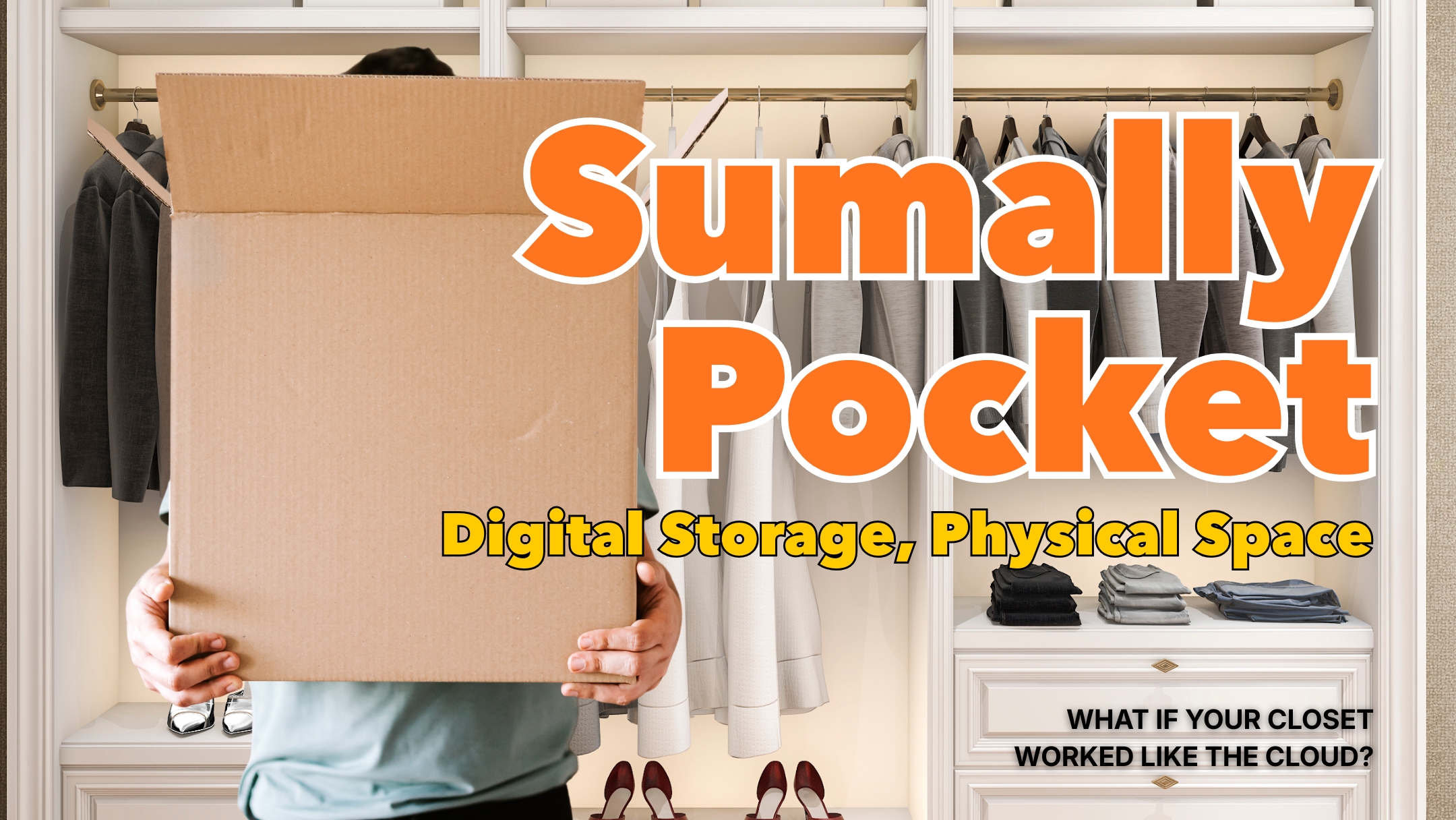
Sumally Inc. is a Japanese technology company that has built services connecting physical belongings with digital management. The company originally launched as a platform where people could catalog and showcase the items they owned online, making personal possessions visible through a digital interface. That idea eventually evolved into Sumally Pocket, a service that transforms storage itself into an on demand digital experience.
Housing trends are changing across major cities worldwide. In metropolitan areas such as Tokyo, New York, London, and Seoul, living spaces continue to shrink while digital commerce continues to expand. Thanks to online shopping, consumers can easily purchase seasonal clothing, hobby supplies, collectibles, and countless other products. As a result, many people now own more than they can comfortably store.
Traditional self storage facilities have long been the standard solution. However, these services primarily provide physical space. Customers still have to travel to the facility, remember what they stored, and manage their own inventory. In most cases, there is little or no digital visibility into what is actually inside each storage unit.
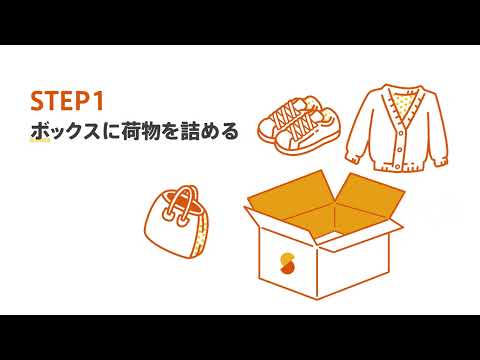
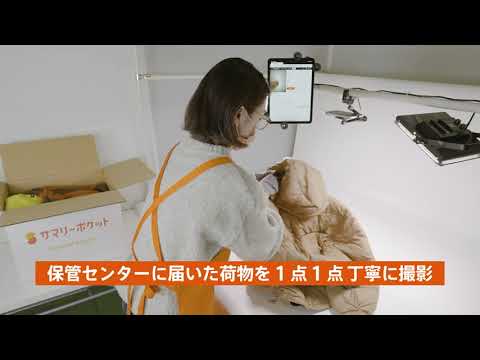
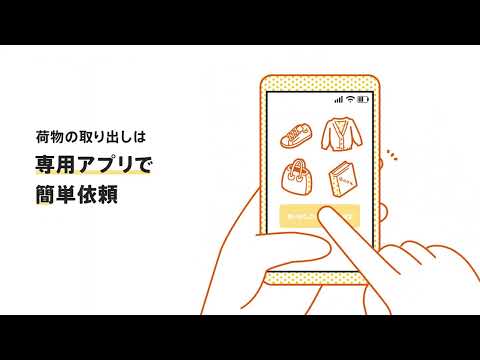
Sumally Pocket rethinks this entire model. Users simply pack their belongings into dedicated storage boxes and ship them to the company's warehouse. Once the items arrive, they are professionally photographed and organized within the Sumally Pocket app. Instead of retrieving an entire storage box, customers can request individual items whenever they need them. By combining physical warehousing with a digital interface, Sumally transforms storage from a place into a service.
As cities become more compact, consumer spending continues to grow, and digital management becomes an everyday expectation, storage is evolving beyond a household necessity into part of modern urban infrastructure. This article explores the thinking behind Sumally, why Sumally Pocket was created, how the service is designed, how its business model works, and why this approach has relevance far beyond Japan.
Sumally Pocket Overview
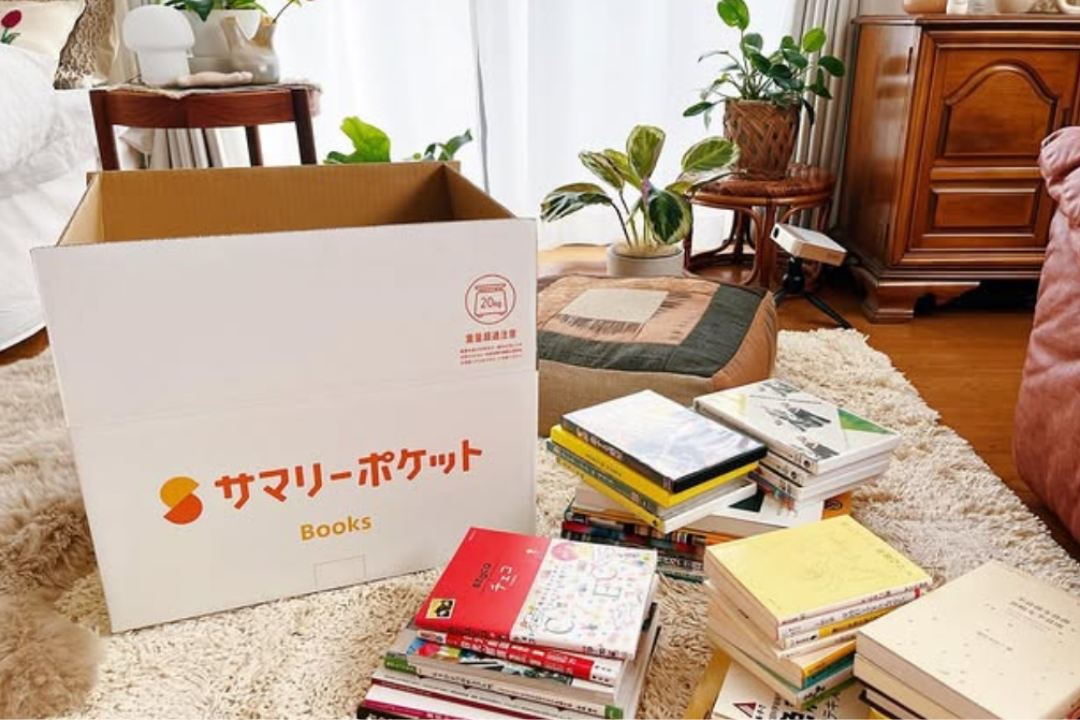
Sumally Pocket is a cloud based storage service that combines physical warehousing with digital inventory management. Customers order dedicated storage boxes through the website or mobile app, pack items such as clothing, books, collectibles, or hobby equipment, and send them to Sumally's warehouse.
After arrival, each item is photographed individually and added to the user's digital inventory. This allows customers to browse and manage belongings that are no longer in their home directly from their smartphone.
The service operates on a monthly subscription based on the number of storage boxes. Customers can retrieve individual items whenever necessary rather than requesting an entire box. Additional services such as clothing cleaning and garment hanging storage are also available. Rather than simply renting warehouse space, Sumally Pocket functions as a fully managed storage solution with built in inventory tracking.
Although the service primarily targets individuals living in urban areas, it also has practical business applications. Startups can store archived documents, apparel companies can manage inventory, and photography studios can organize costumes and props while reducing the amount of physical storage space required in their offices.
The Hidden Storage Challenge Facing Modern Cities

Source: Sumally Pocket Homepage
The problem Sumally set out to solve goes far beyond simply running out of closet space. It addresses a deeper imbalance created by changing urban lifestyles and evolving consumer behavior.
In cities like Tokyo, residential floor space has gradually become smaller over time. The growth of single person households and dual income families has increased demand for centrally located housing, where living space comes at a premium. As homes become more compact, expanding storage space is often impossible. Closets and built in storage areas have fixed limits.
Meanwhile, consumer habits have moved in the opposite direction. Online shopping has made it easier than ever to buy seasonal clothing, hobby equipment, collectibles, decorations, and specialty products. Subscription services and secondhand marketplaces have also increased the movement of goods between consumers. Rather than owning fewer things, people are cycling more products throughout their lives.
The Strategic Evolution of Sumally
Traditional storage units simply provide extra physical space. Customers remain responsible for remembering what they stored, documenting where everything is, and traveling to retrieve it. This analog experience no longer matches today's highly digital lifestyles.
Sumally recognized this disconnect. Nearly everything else can be searched digitally, but physical belongings often cannot. When people lose track of what they own, storage becomes less of a space problem and more of an information problem.
Sumally Pocket addresses this challenge by combining warehouse storage with digital inventory management. Every stored item is photographed and displayed inside the app, giving customers complete visibility into their belongings. Instead of wondering whether they still own something or where they put it, users can simply check their digital inventory.
Rather than expanding living space, Sumally reimagines the ownership experience itself by designing storage around the realities of modern urban life.
A Service That Naturally Evolved From Digital Ownership
Sumally Pocket did not emerge as a completely new business idea. It was the natural evolution of Sumally's original mission.
When the company launched, it operated an online platform where users could catalog, organize, and share the products they owned. It functioned as a digital inventory of personal belongings, allowing users to keep track of what they had, showcase collections, and organize future purchases.
Solving the Real Estate Crisis with Digital Storage
Through this platform, Sumally discovered an important insight. Many people do not actually know everything they own.
People wanted digital organization, but their physical belongings remained difficult to manage. This gap inspired the idea of moving storage outside the home while keeping every item digitally accessible.
The rapid adoption of cloud computing further reinforced this direction. Today, photos, documents, music, and files can all be stored online and accessed from anywhere. Digital information has become location independent, yet physical belongings remain tied to limited space inside the home.
Why Sumally Pocket Isn't a Storage Company
Sumally Pocket applies the same philosophy to physical possessions. Customers ship storage boxes to the warehouse, where items are photographed, cataloged, and managed digitally. Through the app, users can browse their belongings and request individual items whenever needed. The experience feels remarkably similar to using cloud storage for digital files.
An important distinction is that this system was designed by a technology company rather than a traditional storage operator. Instead of focusing solely on warehouse capacity, Sumally built the service around the user experience. Logistics, photography, inventory management, and delivery work together as one integrated platform, creating a fundamentally different model from conventional self storage businesses.
For Sumally, Sumally Pocket represents more than a new business line. It is the practical realization of the company's long standing vision of digitally connected ownership.
Integrating Physical Storage With Digital Inventory Management
The defining feature of Sumally Pocket is not simply that it stores belongings. Its real innovation lies in seamlessly connecting physical storage with digital inventory management.
Customers order dedicated storage boxes through the website or mobile app. After packing their belongings and shipping the boxes, each item is individually photographed once it reaches the warehouse. Those images are linked to the customer's account, creating a searchable digital inventory. At that point, physical possessions effectively become digital assets that can be managed online.
Traditional self storage requires customers to remember what is inside every box or maintain their own handwritten inventory. With Sumally Pocket, every stored item becomes searchable from the moment it is processed. The service functions less like a warehouse and more like a cloud based inventory management system.
How UX Design Transformed the Storage Industry
Another key feature is individual item retrieval. Customers do not need to receive an entire storage box to access one belonging. Instead, they can request only the specific item they need. This makes it easier to rotate possessions without sacrificing valuable living space.
Additional options such as professional garment cleaning and hanging storage further enhance the service. Clothing requires more than simple box storage, making warehouse conditions such as temperature and humidity management important parts of maintaining quality.
Compared with traditional storage providers, Sumally Pocket places the digital experience at the center. Users interact almost entirely through the app while logistics, warehousing, and fulfillment operate behind the scenes.
From a business perspective, the platform also offers value for small companies. Offices, retailers, and creative businesses can reduce the amount of space dedicated to storage while accessing inventory whenever needed, improving both operational efficiency and real estate utilization.
Ultimately, Sumally Pocket is not redesigning warehouse operations. It is redesigning the experience of ownership by bringing together physical storage and digital technology.
How Sumally Pocket Is Changing Everyday Life
Source: Sumally Pocket Homepage
The impact of Sumally Pocket extends well beyond simply creating a tidier home. It encourages people and businesses to rethink how they use physical space.
For individuals, storing seasonal clothing, sentimental belongings, or infrequently used hobby equipment outside the home creates more usable living space. Instead of organizing daily life around limited storage capacity, users can keep only frequently used items nearby while still maintaining easy access to everything else. This is particularly valuable in compact urban apartments.
Making Physical Objects as Searchable as Data
The service has also become useful during relocation. Rather than temporarily storing boxes with family members or friends, people can place nonessential belongings into professional storage until they are ready to move into their new home, making the moving process significantly easier.
Businesses benefit as well. Companies can reduce expensive office space by storing documents, equipment, and supplies offsite. For startups and small businesses operating in high rent city centers, this can directly lower overhead costs.
Fashion companies and photography studios can also use the service to manage clothing collections, costumes, and props. Since every stored item appears in a searchable digital inventory, staff can instantly confirm what is currently in storage without manually checking warehouse shelves.
From a business standpoint, outsourcing storage also improves asset efficiency. Companies no longer need to maintain dedicated storage facilities themselves and can instead treat storage as a flexible operating expense rather than a long term capital investment.
By externalizing storage, Sumally Pocket is changing how both individuals and businesses think about space. It is not simply a warehouse service. It is a model that treats storage as an on demand service tailored to modern urban life.
Building the Foundation Through Storage Quality and Operational Design
Source: Sumally Pocket Homepage
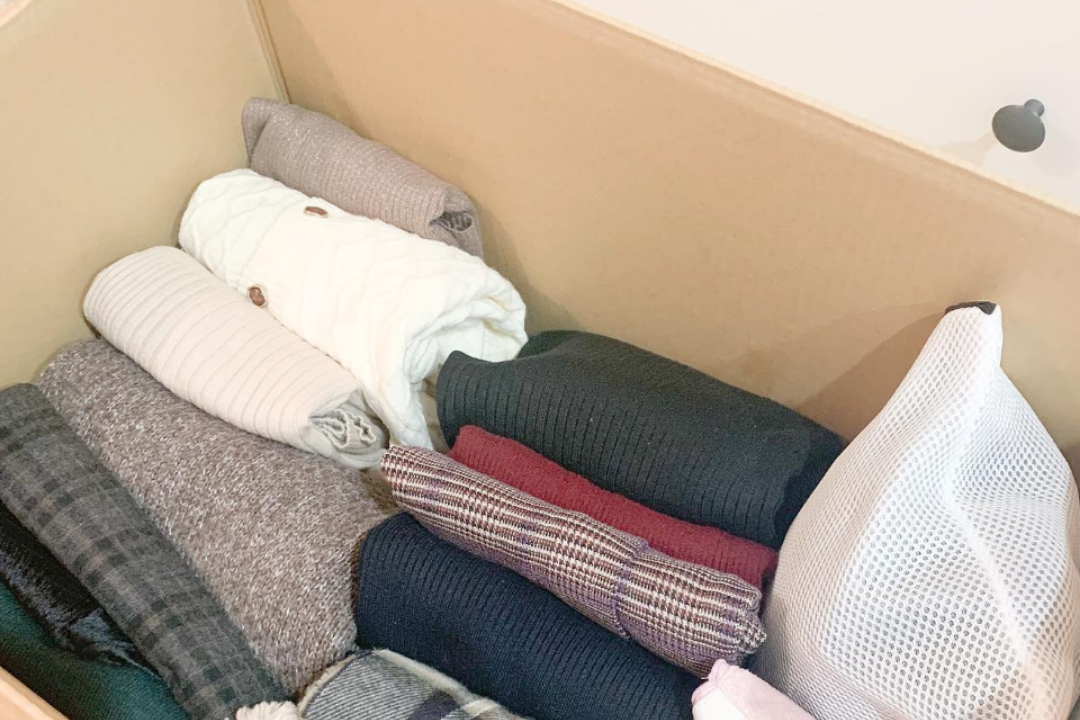
Turning storage into a service requires far more than providing warehouse space. While Sumally Pocket presents a seamless digital experience to users, that experience is supported by carefully designed warehouse operations and quality control behind the scenes.
One of the most important elements is the warehouse environment itself. Because the service stores everything from clothing and books to collectibles and household goods, maintaining appropriate temperature and humidity levels is essential. In Japan's humid climate, preventing mold, moisture damage, and deterioration is critical for earning customer trust. Consistent environmental controls and regular inspections form the foundation of reliable long term storage.
Inventory accuracy is equally important. Since customers can request individual items instead of entire boxes, every item must be tracked throughout the warehouse. This requires sophisticated inventory management systems capable of identifying each item, recording its storage location, and minimizing fulfillment errors.
The logistics network is another essential component. Although customers simply tap a button in the app to retrieve an item, every request triggers a coordinated process that includes picking, packing, quality checks, and shipping. Without dependable logistics operations, the digital experience would quickly break down.
Data security also plays an important role. A person's stored belongings reveal a significant amount about their lifestyle and personal interests. Managing that information responsibly is just as important as protecting the physical items themselves. As a technology company, Sumally must treat customer inventory data with the same level of care expected for other forms of personal information.
Even the pricing model reflects thoughtful operational design. Monthly fees are charged per storage box, giving customers predictable costs that can easily fit into their household budgets. Instead of investing in additional living space, users pay for storage as an ongoing service.
Ultimately, Sumally Pocket succeeds because both the digital platform and the physical warehouse are designed together. Customers interact with a simple mobile app, but the trust they place in the service depends on highly accurate warehouse management and logistics operations.
A Company Founded on Making Ownership Visible
Sumally was never simply a warehouse operator or an ecommerce company. From the beginning, its core mission has been helping people better understand what they own.
The company's original platform allowed users to catalog, organize, and share their personal belongings online. Rather than serving only as a collection database, it encouraged people to become more aware of the items that reflected their lifestyles and interests.
That philosophy continues with Sumally Pocket.
The Digital Extension of the Home
Storage is no longer treated as simply hiding things away. Instead, it becomes a series of conscious decisions about what to keep nearby, what to store externally, and what can eventually be let go. By displaying every stored item in a visual inventory, the service gives users a clearer understanding of their possessions.
This approach closely resembles cloud computing. Just as digital files no longer need to live on a single hard drive, physical belongings no longer need to occupy valuable living space. Users can access what they need when they need it without keeping everything at home.
The goal is not simply convenience. It is to rethink the experience of ownership itself.
If an item can be retrieved whenever necessary, there is less reason for it to permanently occupy limited living space. This philosophy aligns naturally with broader trends such as minimalism, intentional living, and the sharing economy.
Rather than eliminating ownership, Sumally uses technology to make ownership more flexible. Sumally Pocket represents one of the clearest examples of this vision by transforming everyday storage into a digital service.
Why Japan's Urban Environment Made This Model Possible
The success of Sumally Pocket is closely connected to Japan's unique urban landscape.
In major metropolitan areas such as Tokyo, apartments have become increasingly compact as single person households and dual income couples continue to grow. Smaller homes typically include limited closet and storage space, making efficient organization increasingly important.
At the same time, Japan's four distinct seasons create storage needs that many other countries do not experience to the same extent. Winter clothing, seasonal bedding, holiday decorations, and traditional event items are only used for part of the year but still require storage throughout the remaining months.
How Sumally Pocket Adapts to Compact Lifestyles
Japan also experiences relatively frequent relocation due to education, employment, and company transfers. Temporary storage services can simplify moving by allowing households to store belongings they do not immediately need.
An aging population adds another layer of demand. Families increasingly face the challenge of organizing parents' homes, handling inherited belongings, or sorting sentimental items that cannot easily be discarded. Services like Sumally Pocket allow these processes to happen gradually instead of forcing immediate decisions.
Meanwhile, Japan remains one of the world's most mature ecommerce markets. Consumers purchase clothing, electronics, and household goods online with ease, but every purchase eventually raises a practical question of where those items will be stored.
In this environment, buying digitally and managing physical possessions digitally becomes a logical extension of everyday life.
Sumally Pocket addresses these realities by helping people make better use of limited living space while keeping their belongings accessible whenever they need them. Rather than simply offering convenience, it provides a smarter way to live in increasingly compact cities.
A Solution That Extends Beyond Japan
Source: Sumally Pocket Homepage
Although Sumally Pocket was developed in Japan, the challenges it addresses are becoming increasingly common worldwide.
Cities such as New York, London, Paris, Seoul, and Singapore continue to experience rising housing costs and shrinking living spaces. At the same time, online shopping has become the dominant way consumers purchase many everyday products. Homes are getting smaller while the number of owned possessions continues to grow.
Traditional self storage facilities already exist across these markets, but most simply rent physical space. Customers are still responsible for organizing their own inventory, remembering where everything is stored, and traveling to the facility whenever they need access.
Cloud Storage for Your Closet
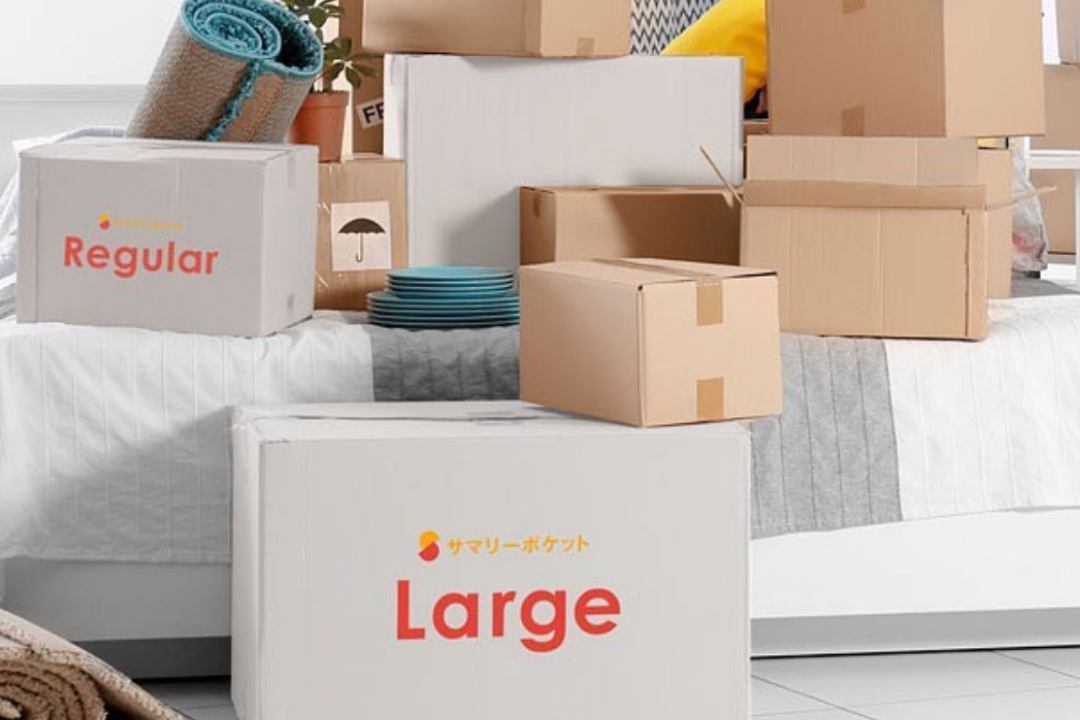
Sumally Pocket introduces a different model by combining warehouse operations with digital inventory management. Instead of renting space alone, it provides a complete storage platform that allows users to browse, search, and retrieve individual items through a mobile application.
The concept also has significant potential for business customers.
Startups and small businesses increasingly seek to minimize office space in expensive cities. Outsourcing inventory storage while maintaining digital visibility improves operational efficiency and reduces overhead costs. Ecommerce businesses, seasonal retailers, creative agencies, and photography studios could all benefit from this approach.
Future international expansion could take several forms. Local logistics companies could operate warehouse facilities while Sumally provides the technology platform and customer interface. This partnership model would allow the service to scale without requiring complete ownership of warehouse infrastructure in every market.
The key insight is that Sumally Pocket is more than a storage service. It functions as urban infrastructure designed to help people use limited space more efficiently, a challenge shared by many of the world's fastest growing cities.
Building Trust Through Proven Operations
While Sumally Pocket is built around an innovative concept, long term success ultimately depends on customer trust.
Since its launch, the service has steadily expanded its user base, particularly in Japan's major cities. Seasonal clothing storage remains one of its strongest use cases, with demand increasing during spring and autumn wardrobe changes. This suggests that the service is becoming part of customers' regular lifestyles rather than serving as a one time solution.
The platform has also received growing media attention as an example of how technology and logistics can be combined to modernize traditional storage services.
Business adoption has gradually increased as well. Companies looking to reduce office space or improve inventory management have begun using the service to store documents, equipment, merchandise, and other business assets. The ability to digitally track stored inventory offers advantages beyond conventional warehouse outsourcing.
Reliability remains central to customer confidence. Many users store sentimental belongings, valuable collections, or irreplaceable personal items. Long term success therefore depends on maintaining high storage standards, accurate fulfillment, and dependable logistics.
Sumally has demonstrated that a technology company can successfully integrate software, warehouse management, and logistics into a single customer experience. That execution has allowed its vision to evolve from an idea into a practical service.
Conclusion
Sumally Pocket is far more than a storage solution. It represents the evolution of Sumally's long standing mission to make ownership more visible and more manageable through technology.
As cities become denser, ecommerce continues to expand, and digital lifestyles become the norm, storage is evolving from a personal household concern into an important part of urban infrastructure. Traditional self storage focuses on renting space. Sumally Pocket focuses on managing ownership itself by combining physical storage with digital inventory management.
For companies outside Japan, the model offers several valuable insights. It addresses the growing demand for storage in compact urban housing, demonstrates how warehouse operations and software can be integrated into a seamless customer experience, and provides a platform that can easily expand into business inventory management.
International partnerships could allow logistics providers to deliver higher value services while technology partners supply the digital infrastructure. From an urban planning perspective, services like Sumally Pocket offer an alternative to expanding living space by helping people use existing space more efficiently.
Sumally's long term ambition extends beyond operating warehouses. The company is reimagining what ownership looks like in a digital society. By combining physical infrastructure with intelligent software, it allows people to access their belongings whenever needed without requiring those items to occupy valuable living space every day.
Storage may seem like an ordinary part of daily life, but it has a significant impact on how cities function. Through Sumally Pocket, Sumally offers a compelling example of how technology can transform one of the most overlooked aspects of modern urban living.
FAQ About Sumally
1. What Is Sumally Pocket?
Sumally Pocket is a storage service that allows users to pack their belongings into dedicated boxes and ship them to a secure warehouse. Once stored, eligible items are photographed and can be managed through the Sumally Pocket app or website. Users can request individual items whenever they need them without having to retrieve an entire storage box.
2. How Is Sumally Pocket Different From Traditional Self Storage?
Unlike conventional self storage facilities that simply rent out physical space, Sumally Pocket combines warehouse storage with digital inventory management. Eligible items are photographed, organized within the app, and can be retrieved individually, creating a much more convenient storage experience.
3. What Can You Store With Sumally Pocket?
Users can store a wide variety of belongings, including clothing, books, handbags, seasonal decorations, and hobby or collection items. The types of items that can be stored depend on the storage plan and box type, so it is best to check the official website for the latest guidelines.
4. How Are Stored Items Managed?
Items are securely stored in Sumally Pocket's warehouses. Under eligible plans, each item is photographed and added to a digital inventory that can be viewed through the app or website, allowing users to see exactly what they have in storage even when the items are not physically with them.
5. Can You Retrieve Individual Items Instead Of an Entire Box?
Yes. Eligible plans allow users to request individual items without retrieving the entire storage box. Customers also have the option to have the complete box returned if preferred.
6. What Kind of Company Is Sumally?
Sumally is a Japanese technology company focused on rethinking the relationship between people and their belongings through digital innovation. Its services combine physical storage with digital inventory management to create a more flexible ownership experience.
7. Can Businesses Use Sumally Pocket?
Yes. Although Sumally Pocket is primarily designed for individual consumers, businesses also use the service to store documents, office supplies, clothing, costumes, inventory, and other business assets that do not need to remain on site.
8. What Optional Services Does Sumally Pocket Offer?
Depending on the storage plan, users can access additional services such as garment cleaning and hanger storage for clothing. Available options vary by plan, so customers should review the details before selecting a service.
9. Who Is Sumally Pocket Best Suited For?
Sumally Pocket is ideal for people living in homes with limited storage space, those who want to keep seasonal clothing or household items outside the home, and anyone looking for a convenient storage solution during moves, renovations, or seasonal decluttering.
10. Why Did Sumally Develop Sumally Pocket?
Sumally created the service to address a growing challenge in modern cities where living spaces are becoming smaller while the number of personal belongings continues to increase. By combining secure storage with digital inventory management, the company aims to transform storage from a physical location into a convenient, technology driven service.
Related Videos
If you're interested in how technology is transforming personal storage, the video below explores how Sumally Pocket is turning storage into an on-demand service. This video shows how digital inventory management and doorstep logistics are making it easier for people to store, organize, and retrieve their belongings.