Removing Friction From Family Mobility: How Japan's ShareBuggy Is Turning Strollers Into Urban Infrastructure
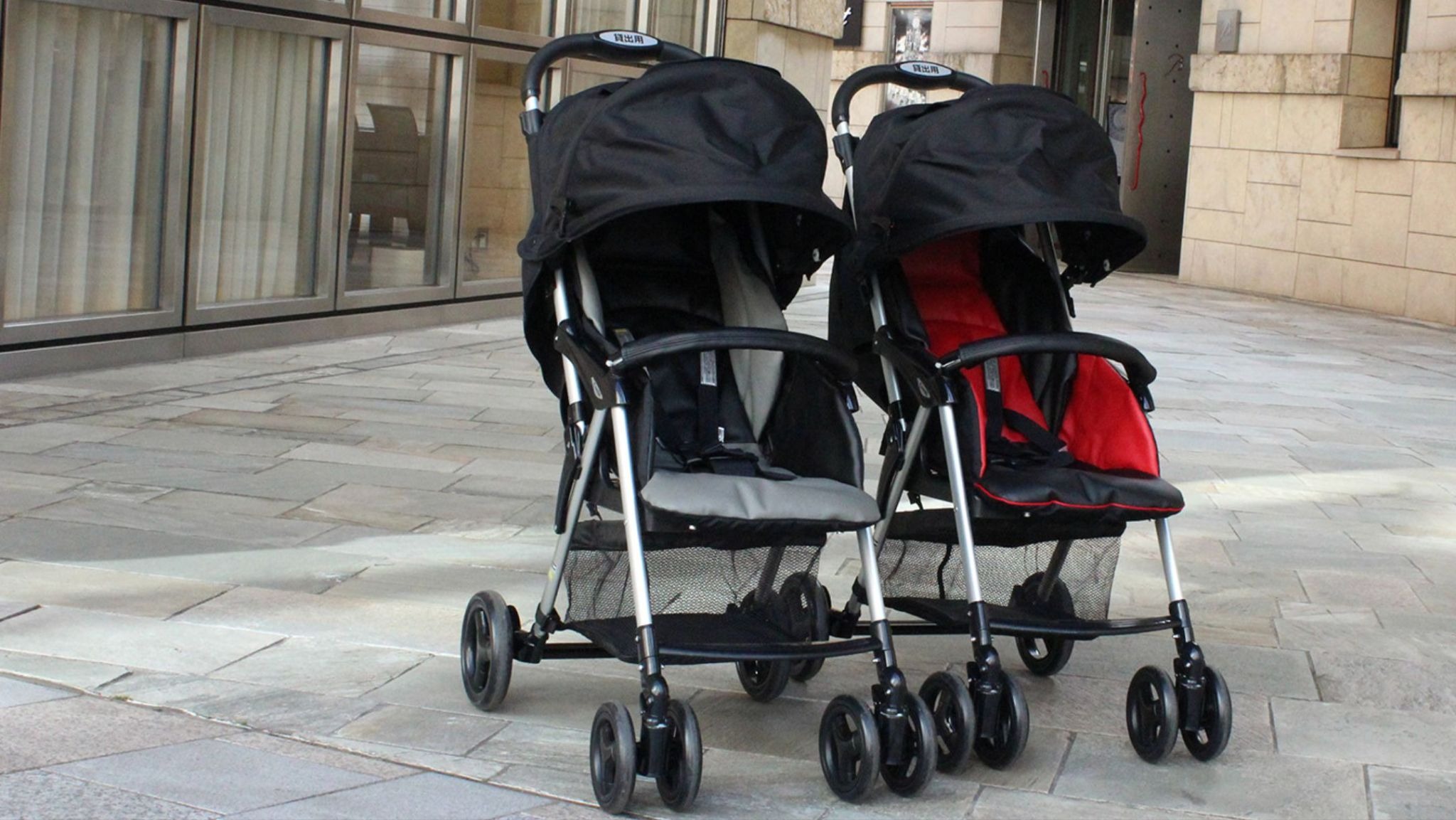
For parents with babies or toddlers, a stroller is essential. At the same time, it can become one of the biggest obstacles when moving through a city.
A simple outing with a young child often involves train transfers, waiting for elevators, navigating stairs or uneven surfaces at tourist attractions, and loading or unloading the stroller from a car. In major cities, crowded stations and limited space add another layer of difficulty. In many cases, carrying the stroller itself becomes a source of stress.
The challenge extends beyond everyday errands. When traveling, visiting family, or taking a vacation, many parents find themselves asking the same question before leaving home: Should we bring the stroller at all? That decision alone can shape the entire trip.
Japan-based stroller sharing service ShareBuggy was created to solve this problem.
The service allows users to rent a stroller from dedicated stations located at train stations, shopping centers, tourist destinations, and other public spaces, then return it at another participating location after use. Instead of treating strollers as products that every family must own and carry everywhere, ShareBuggy reimagines them as a public resource available whenever and wherever they are needed.
Around the world, cities are redesigning tourism and transportation systems, yet mobility infrastructure built specifically with families in mind remains surprisingly limited. Accessibility improvements for seniors and people with disabilities have advanced significantly, but families traveling with infants and toddlers are often still expected to manage on their own.
In Japan, where declining birth rates have become a major social concern, improving the experience of raising children is increasingly seen as an issue tied to the long-term sustainability of society itself.
ShareBuggy approaches childcare not as a private responsibility that each family must solve independently, but as an urban design challenge. By redefining the stroller from a personal possession into shared infrastructure, the company aims to expand where families can comfortably go and how often they choose to go out in the first place.
This article explores the philosophy behind ShareBuggy, why it chose sharing over ownership, how its business model works, the changes it has created in real-world locations, and the potential opportunities it offers for partnerships and international expansion.
ShareBuggy Overview
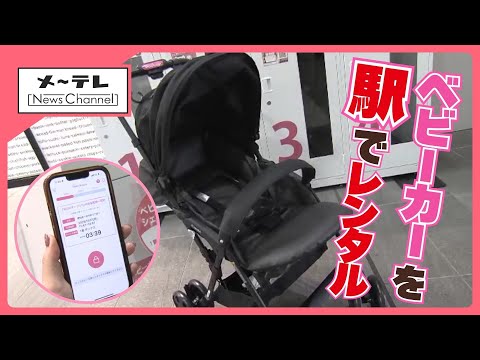
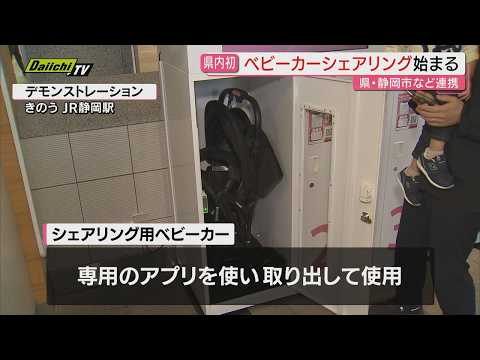
ShareBuggy is a stroller rental service that operates through dedicated ports located at train stations, commercial facilities, and tourist destinations throughout Japanese cities.
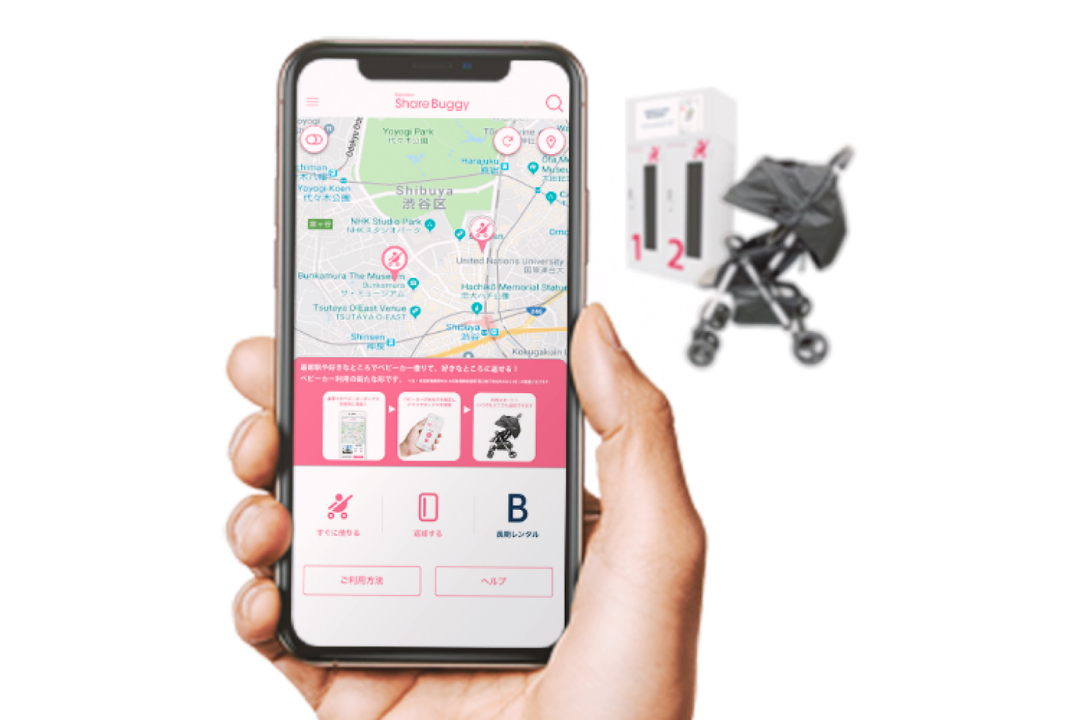
Users register in advance using their smartphone, then unlock and rent a stroller through an app or QR code system. After use, the stroller can be returned to an approved return location.
Because users only rent a stroller when they actually need one, the service reduces the burden of bringing bulky equipment for short outings, sightseeing trips, or temporary travel situations.
Traditionally, strollers have been products that families purchase, own, and transport themselves. ShareBuggy treats them differently. In its model, strollers become part of the urban environment itself, functioning as shared mobility resources distributed throughout the city.
Some locations also support one-way usage, allowing users to return the stroller at a different port from where they picked it up. Pricing is typically based on usage time, making the service suitable for both short errands and full-day sightseeing.
The target users include not only local families with young children but also tourists, visitors returning home to see relatives, and travelers who only need a stroller temporarily.
For shopping centers, tourist facilities, railway operators, and local governments, ShareBuggy functions as infrastructure that can improve visitor satisfaction and encourage longer stays.
The Hidden Mobility Gap Facing Families With Young Children
Source: ShareBuggy Homepage
The issue Babydoor set out to solve was not a shortage of strollers.
The deeper problem was what could be called a mobility gap for families with young children.
Modern cities often appear increasingly accessible thanks to barrier-free infrastructure and universal design initiatives. In practice, however, traveling with an infant involves layers of friction that are often invisible to people without children.
Crowded trains, long elevator lines, narrow ticket gates, stairs, uneven sidewalks, and long walking distances create a very different urban experience for parents pushing a stroller.
Travel magnifies these challenges even further.
Parents flying domestically or internationally must consider whether to check the stroller, carry it onto trains, fit it into rental cars, or store it in hotels. The logistical burden before and after transportation often becomes significant enough to influence travel decisions themselves.
As a result, families with young children frequently shorten their itineraries, reduce sightseeing plans, or avoid longer outings altogether.
Supporting Japan’s Next Generation Through Shared Mobility
For decades, the industry's assumption was simple: families buy strollers, own them, and bring them everywhere.
Rental services existed, but most required customers to pick up and return the stroller at a specific store or counter. They were not integrated into the city itself.
In other words, choosing not to bring a stroller was rarely a practical option.
Babydoor challenged this assumption by redefining strollers as a form of public mobility infrastructure.
By placing stroller ports at train stations and tourist destinations, families could access transportation support precisely where their journeys began and ended.
This was not simply a rental business.
It was an attempt to redesign urban mobility around the realities of modern parenting.
The company's goal was not to expand the stroller market.
It was to remove the social friction that limits how often families feel comfortable leaving home.
Restoring Freedom of Movement for Parents
The launch of ShareBuggy reflects broader social changes taking place in Japan.
While birth rates continue to decline, dual-income households have become increasingly common and urban areas have seen continued growth in nuclear family living arrangements. Raising children is increasingly viewed as a challenge that society as a whole must support rather than a responsibility carried exclusively by individual households.
How ShareBuggy Solves the "Stairs vs. Stroller" Dilemma
Yet many cities around the world are still designed primarily around the assumption of an able-bodied adult traveling alone.
Parents using strollers often find themselves in the position of needing to ask for consideration from others, whether that means navigating crowded trains, occupying elevator space, or worrying about inconveniencing people around them.
For many parents, this experience is familiar.
ShareBuggy attempts to reverse this assumption.
Instead of treating strollers as personal belongings that parents are expected to bring with them, the service reframes them as shared infrastructure provided by the city itself.
Why Family Accessibility is the New Urban Standard
The founders were particularly interested in the inconvenience experienced during temporary travel situations such as vacations or visits to relatives.
The decision of whether to bring a stroller can influence not only mobility but also spending behavior, destination choices, and the overall scope of a trip.
If parents could simply rent a stroller at their destination whenever they needed one, travel would become significantly more flexible.
This idea eventually evolved into the network of stroller ports now located in stations, commercial facilities, and tourist areas.
ShareBuggy was not created as an extension of the traditional stroller market.
It emerged from an effort to redesign urban mobility through the perspective of family life.
Urban Mobility Designed Around Not Owning a Stroller
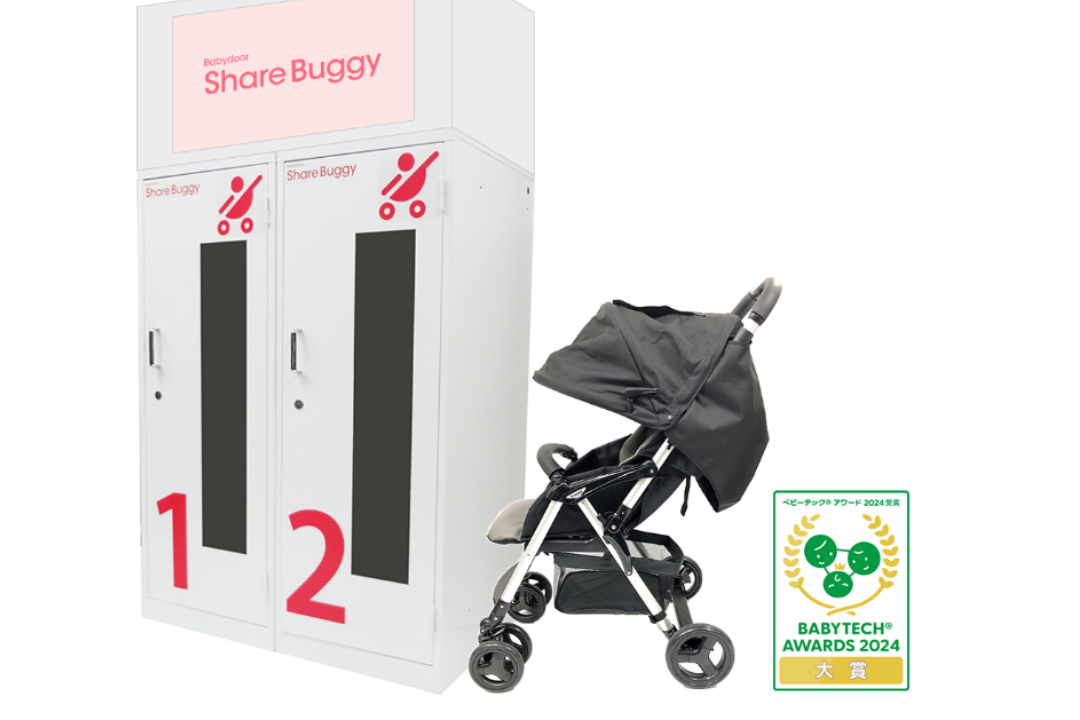
Source: ShareBuggy Homepage
ShareBuggy's operating model is simple, but the philosophy behind it is much larger.
Users register through their smartphone before arrival, unlock a stroller using an app or QR code, and return it after use at an approved location. The time-based pricing model allows the service to accommodate everything from a quick shopping trip to an entire day of sightseeing.
The real innovation lies not in the stroller itself, but in where it is placed.
Ports are strategically positioned along natural travel routes, including station exits, tourist hubs, and shopping center entrances, ensuring access at the exact moment families need assistance.
This transforms the service from a traditional rental product into a mobility layer embedded directly into the city.
Conventional stroller rentals often require customers to make an additional trip to collect and return the equipment.
ShareBuggy removes that extra step entirely.
Rent, Roll, Return: The ShareBuggy Story
By aligning pickup and return locations with the user's actual journey, the company minimizes the friction associated with using the service in the first place.
There is also value for businesses and institutions.
Shopping centers can encourage longer visits and increased customer movement throughout their facilities. Tourist destinations can support extended stays and make attractions more accessible to families with small children.
For railway operators and local governments, stroller infrastructure can become part of a broader strategy to improve accessibility and visitor satisfaction.
Ultimately, ShareBuggy is not really about renting strollers.
It is about building cities where families can move freely without planning every trip around what they have to carry with them.
Creating a city where parents do not have to assume they must bring everything themselves is the idea that runs through the entire service.
The Moment Family Mobility Expanded Beyond Its Traditional Limits
The impact of ShareBuggy extends beyond simple convenience. When stroller ports are available at train stations, shopping centers, and tourist attractions, parents no longer need to decide in advance whether bringing a stroller is worth the hassle. Even if they leave home without one, the knowledge that a stroller can be rented on arrival creates an entirely different sense of freedom and reassurance.
This effect becomes especially visible in tourist destinations. Carrying a child for extended periods naturally limits how far families can explore, but access to a stroller expands both mobility and time spent at a destination. For shopping malls and commercial facilities, this can translate into longer visits and increased spending opportunities. In this sense, ShareBuggy functions not only as a parenting support service but also as a tool for improving the value of a destination itself.
Why ShareBuggy is a Game-Changer for Traveling Parents
The model also offers clear benefits for international tourism. Families traveling overseas often already manage multiple suitcases, backpacks, and travel gear. Adding a stroller to that list increases both cost and complexity. The ability to rent one locally improves comfort and mobility while reducing luggage requirements. For tourism-focused cities, this creates infrastructure that makes destinations more attractive to families traveling with young children.
For municipalities and railway operators, stroller-sharing ports also serve as a visible demonstration of family-friendly policies. Installing these stations signals a commitment to supporting parents and children in public spaces. When integrated with public transportation systems, services like ShareBuggy can contribute to a city's overall brand and reputation.
ShareBuggy is not simply renting out strollers. It is expanding the physical and psychological boundaries of where families feel comfortable going and, in doing so, influencing how cities themselves are used.
Building Safety and Trust Into the System
Source: ShareBuggy Homepage
Because strollers are used directly by infants and toddlers, safety and hygiene are not optional considerations. They are foundational requirements.
ShareBuggy uses strollers from established manufacturers that are already widely trusted by families in Japan. The company has developed operational processes for regular inspections and maintenance, with particular attention paid to high-wear components such as brakes, wheels, and seatbelt systems.
Cleanliness is equally important in any shared-use model. Parents need confidence that the equipment their children use is hygienic and well maintained. To support this, cleaning and sanitization procedures are incorporated into the return cycle, while local maintenance teams conduct inspections and servicing to ensure consistent quality across the network.
The smartphone-based management platform also plays a major operational role. Digital tracking helps prevent loss, manage overdue returns, and monitor usage patterns. By analyzing rental data, operators can optimize stroller placement and adjust inventory according to demand patterns across different locations.
This transforms ShareBuggy from a traditional rental business into a data-driven urban mobility platform.
Why the Future of Urban Travel is "Hands-Free"
For international expansion, compliance with local stroller safety standards and certification requirements would naturally become essential. However, centralized fleet management provides one advantage over privately owned equipment: safety compliance can be standardized and updated across the entire network more efficiently.
The design philosophy behind ShareBuggy goes beyond convenience. By combining safety, hygiene, and operational management, the company has created a framework that allows strollers to function as genuine public infrastructure.
Building Cities That Do Not Treat Parenting as an Exception
Babydoor Inc. is not trying to become simply a larger baby equipment rental company.
Its broader goal is to create cities where families with young children can move naturally through public spaces without requiring special treatment or accommodations. Instead of asking parents to adapt to infrastructure that was never designed for them, ShareBuggy asks how infrastructure itself can adapt to families.
Traditional family support policies often focus on financial assistance such as subsidies or childcare benefits. Babydoor takes a different approach by improving the physical environment surrounding family mobility. By making it easier to go out, travel, shop, and participate in public life, the company views mobility as an important form of social inclusion.
Unburdening the City Trip
The long-term vision extends beyond stroller sharing alone. Strollers represent a starting point for broader mobility and family support services that could make cities easier to navigate for caregivers and children alike.
There is also a wider economic argument. In aging societies with declining birth rates, making cities more accessible for families encourages travel, shopping, tourism, and local spending. Babydoor treats family support and urban economic activity as complementary goals rather than competing priorities.
Through a simple product like a stroller, ShareBuggy attempts to change the assumptions cities make about who public spaces are designed for.
The objective is straightforward: make parenting normal, not exceptional.
Designing Cities for an Era of Declining Birth Rates
Japan faces one of the world's most significant demographic challenges. Falling birth rates and aging populations are reshaping labor markets, regional economies, and long-term social sustainability.
While governments have introduced numerous family support policies, the physical design of cities often remains surprisingly unfriendly to families with young children.
Japanese cities offer extensive public transportation networks and highly developed commercial districts, but parents still face crowded trains, limited elevator access, narrow passageways, and physical barriers that make travel with infants more difficult than many people realize.
Boosting Visitor Satisfaction
Parents using strollers frequently feel pressure to avoid inconvenience to others or to minimize the space they occupy. Over time, these small frictions can lead families to reduce outings altogether.
ShareBuggy introduces an alternative assumption: families should not always have to bring everything with them.
This is more than a convenience service. It lowers the psychological cost of leaving the house in the first place. If cities begin designing around the needs of families as a standard user group, participation in social and economic life naturally becomes easier.
Japan also provides a favorable environment for this type of model. Shared services, mobile payments, and contactless infrastructure are already deeply integrated into everyday life. From transportation cards to cashless payments, consumers are accustomed to accessing services on demand rather than through ownership.
ShareBuggy builds on these existing cultural and technological foundations.
Rather than treating declining birth rates as an abstract demographic issue, the company addresses a specific and practical problem: making cities easier places to raise children.
Where Family Tourism Meets Urban Competitiveness
The potential applications for ShareBuggy extend far beyond Japan.
Cities around the world increasingly compete for tourism, investment, and long-term residents. As family travel becomes a larger segment of the tourism market, the ability to accommodate parents with young children becomes an important competitive advantage.
In Europe, North America, and many parts of Asia, families are still generally expected to travel with their own strollers. Rental options may exist at airports, hotels, or attractions, but city-wide networks integrated into transportation systems remain relatively uncommon.
Exploring Japan with On-Demand Stroller Sharing
This is where ShareBuggy's approach stands out.
Permanent stroller ports located at train stations, tourist attractions, and commercial facilities transform stroller access from a destination-specific service into part of the mobility infrastructure itself.
From a B2B perspective, the partnership opportunities are extensive:
- Railway operators
- Airport management companies
- Shopping centers
- Theme parks
- Municipal governments
- Tourism boards
Longer family visits generally lead to greater spending and increased movement throughout a city or facility. This positions stroller sharing not as a welfare initiative but as an economic development strategy.
The model may prove especially attractive in emerging markets with relatively high birth rates or tourism-dependent cities looking to improve their appeal to families.
Importantly, what ShareBuggy exports is not simply hardware. It exports operational expertise, deployment strategies, and infrastructure design principles. Cities that successfully welcome families are often cities that become more sustainable and resilient overall.
A Model Built Through Real-World Urban Partnerships
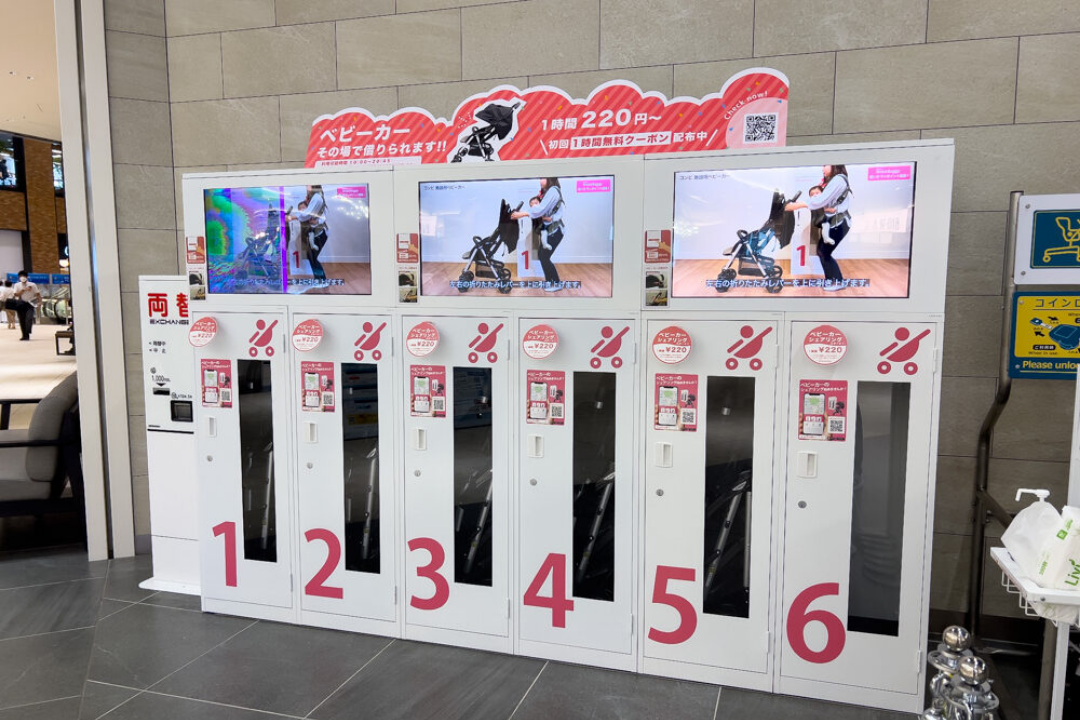
Source: ShareBuggy Homepage
ShareBuggy is no longer a pilot project or experimental concept.
The service operates in real urban environments through partnerships with railway stations, shopping centers, and tourist destinations, gradually expanding its network of rental ports over time.
Working closely with local partners allows the company to analyze movement patterns, optimize placement decisions, and tailor operations to the characteristics of individual cities and neighborhoods.
The service has also received increasing attention within Japan's growing baby-tech sector, appearing in media coverage and industry events as an example of how technology and urban planning can intersect with family support.
From Something Parents Carry to Something Cities Provide
Babydoor's experience in baby product rental provides another competitive advantage. The company already possesses expertise in equipment maintenance, hygiene management, and customer support for products used by infants and young children.
This operational knowledge helps support the reliability required for infrastructure that exists in public spaces.
Partnerships with municipalities and transportation operators further strengthen public trust in the model. Any service installed within public infrastructure must demonstrate long-term reliability and safety.
ShareBuggy has positioned itself as a privately operated service that performs an increasingly public function.
Its credibility comes not from concepts or future promises but from continuous improvement through real-world deployment.
Conclusion
ShareBuggy ultimately represents far more than a stroller rental business.
What Babydoor proposes is a new way of thinking about parenting in urban environments. Instead of treating childcare as a challenge that families must solve entirely on their own, the company argues that cities themselves should absorb part of that burden.
By shifting strollers from privately owned products to shared public resources, ShareBuggy reduces mobility friction and expands opportunities for families to participate in city life.
For international businesses and municipalities, the appeal is clear.
First, it introduces a new form of mobility infrastructure designed specifically around families.
Second, it creates partnership opportunities with rail operators, commercial facilities, airports, and tourism organizations.
Third, it offers a service model built around operations and deployment rather than hardware sales alone.
Potential collaborations could include:
- Joint deployments in tourist destinations
- Partnerships with airports and transportation hubs
- Municipal family support programs
- Integration with smart city initiatives
For Babydoor, these partnerships create opportunities for expansion. For local partners, they create opportunities to improve the experience and value offered to families.
ShareBuggy is not trying to dominate the stroller market.
It is trying to redefine the assumptions cities make about parenting.
Parents should not have to bring everything.
Parents should not have to feel guilty for occupying public space.
Parents should not have to reduce their world because they have children.
Through something as small as a stroller, ShareBuggy asks a much larger question:
What would cities look like if they were designed with families as a standard user rather than an exception?
That question is relevant far beyond Japan.
FAQ About ShareBuggy
1. What Is A Baby Buggy Rental Service?
A baby buggy rental service allows parents to borrow strollers only when they need them from dedicated ports located at train stations, shopping centers, tourist attractions, and other public spaces. Instead of requiring families to bring a stroller from home every time they go out, the system turns strollers into shared infrastructure that can be accessed on demand. The goal is to create cities where families with young children can move more freely and comfortably.
2. How Is It Different From Traditional Stroller Rental Services?
The biggest difference is timing and convenience. Traditional stroller rentals are often arranged before a trip and involve picking up and returning the stroller at a specific location. ShareBuggy allows parents to access a stroller during their journey, exactly when and where they need it. By placing rental ports throughout the city, the service functions less like a rental business and more like part of the urban mobility system.
3. Why Is A Shared Stroller System Necessary?
The purpose is to reduce the burden of traveling with young children. Parents often have to manage bags, baby supplies, public transportation, and storage concerns all at the same time. By removing the assumption that every family must always bring a stroller with them, shared stroller services reduce preparation time and make outings significantly less stressful.
4. What Does It Mean To Turn Strollers Into "Urban Infrastructure"?
It means treating strollers as a shared public resource rather than something every household must individually own and carry everywhere. Similar to bike-sharing services, families can access a stroller only when they need one and return it when they are finished. This expands mobility options for parents and shifts childcare support from a private responsibility to something supported by the city itself.
5. In What Situations Are Shared Strollers Typically Used?
Shared strollers are used in a wide range of situations, including sightseeing, shopping trips, visiting family, and short outings around the city. They are especially useful while traveling, when families may already be carrying luggage and other equipment. Being able to rent a stroller at the destination makes family travel easier to plan and more enjoyable.
6. What Are The Benefits For Facilities And Destination Operators?
Stroller rental ports help create environments that are more welcoming to families with young children. Easier mobility often encourages visitors to stay longer and explore more areas within a facility or destination. For shopping centers, tourist attractions, and transportation hubs, this can improve visitor satisfaction while increasing foot traffic and dwell time.
7. Are Shared Stroller Services Designed With Safety In Mind?
Yes. Safety and hygiene are critical for any service involving infants and toddlers. ShareBuggy maintains and manages its stroller fleet to ensure that families can use the equipment with confidence. The company places importance not only on convenience but also on maintaining the quality standards expected of services operating in public spaces.
8. Why Is Shared Stroller Infrastructure Interesting From An International Perspective?
Cities around the world are increasingly focused on becoming more welcoming to families and improving the visitor experience for travelers with children. Providing strollers as shared infrastructure offers a practical way to support family mobility without requiring visitors to bring their own equipment. The concept can be adapted for tourist destinations, airports, and urban transportation systems worldwide.
9. What Kind Of Future Does Shared Stroller Infrastructure Suggest For Parenting?
It points toward a society where families are not expected to solve every childcare challenge on their own. Many difficulties associated with traveling with young children cannot be addressed solely through personal preparation. By building support directly into the city itself, communities can create environments where families can move around naturally and confidently with children.
10. What Is The Biggest Advantage Of Shared Stroller Services?
The greatest benefit is freedom of movement. Shared stroller systems reduce the physical burden of carrying equipment, but more importantly, they can change the decision-making process that causes some families to avoid going out altogether. By treating childcare equipment as a shared resource rather than an individual responsibility, services like ShareBuggy reconnect families with the cities around them.
Related Videos
If you're interested in how Japan is making cities more family-friendly, the video below introduces ShareBuggy, a stroller-sharing service designed to help parents travel more comfortably with young children. This video highlights how shared mobility solutions are reducing barriers for families while making urban transportation more accessible.