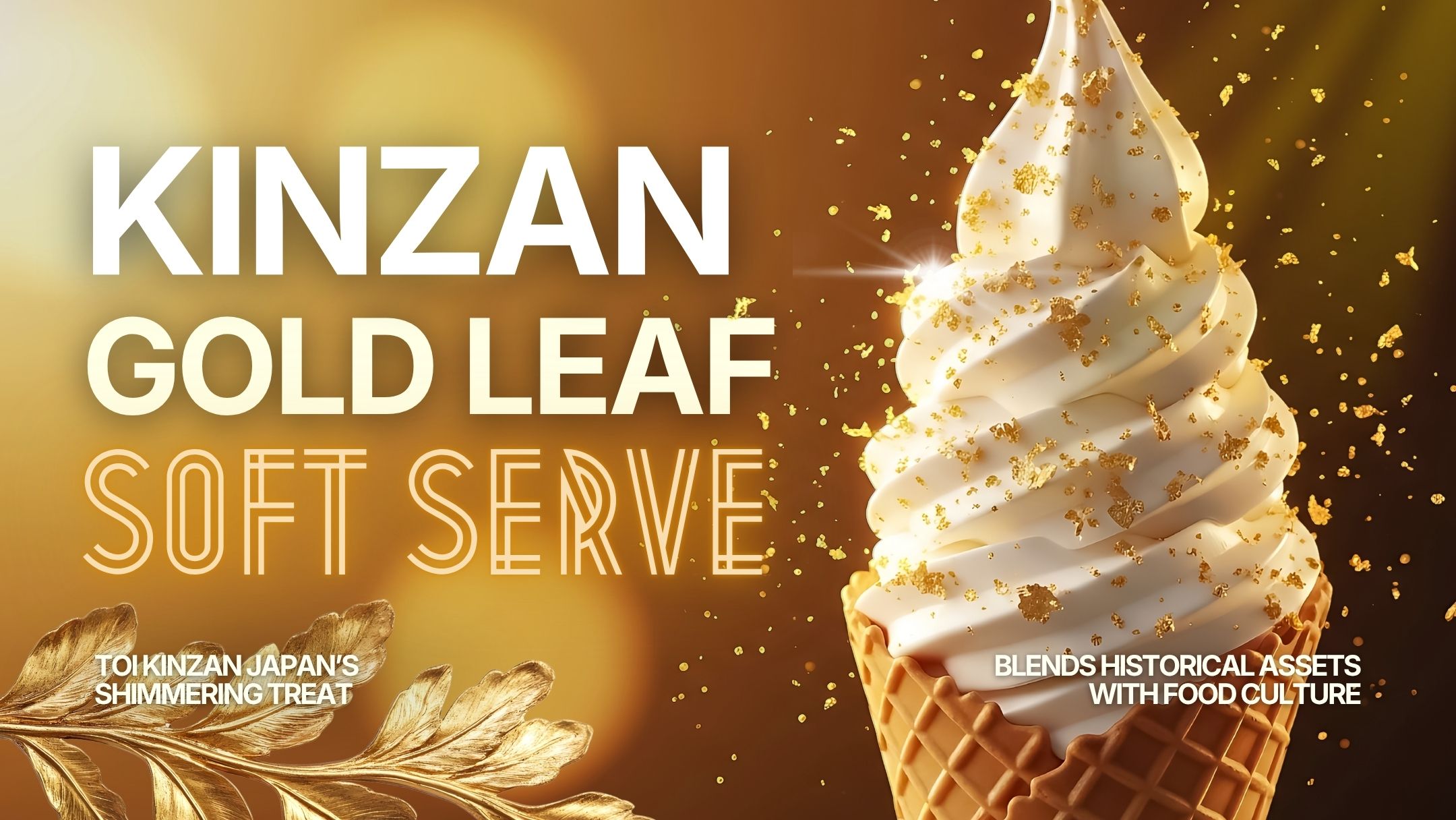
In recent years, travelers have moved beyond simply sightseeing, seeking experiences they can actively engage in. Activities that allow visitors to feel tradition, culture, and local uniqueness have become especially appealing to tourists from around the world. Beyond flavors and scenery, there is a growing global trend to promote stories and experiences as key tourism assets. Within this context, unique local attractions in Japan are increasingly being transformed into immersive, experience-driven content that draws attention.
One such example is Toi Kinzan (Kin no Suna) in Izu City, Shizuoka Prefecture. Originally a historic gold mine operating from the Edo period through the Showa era, it is now preserved and used as a tourist facility. Visitors are captivated by a range of gold mine-themed experiences, including tunnel tours, gold panning, and gold leaf soft serve. The facility features a reconstructed section of the 100 km mine tunnel network, a museum displaying the history of gold, and the on-site café/shop “Kin no Suna,” all forming an integrated experience.
Several social and tourism trends explain why Toi Kinzan is attracting worldwide attention. First, younger travelers increasingly value “Instagrammable” spots and hands-on experiences. Photogenic locations and participatory activities are easily shared on social media, influencing travel choices. Interest in off-the-beaten-path destinations has grown, revitalizing tourism in regions with hidden charms. Moreover, the rise of sustainable tourism and local circular tourism initiatives has highlighted efforts to preserve historical resources while converting them into interactive experiences.
Against this backdrop, Toi Kinzan’s Kin no Suna offers a uniquely appealing destination for travelers, centered on the theme of gold and combining experiential, visual, and storytelling elements.
Toi Kinzan Kin no Suna Overview
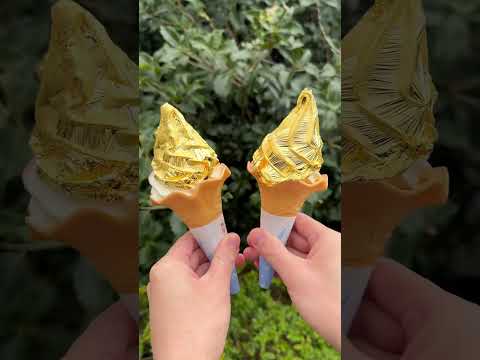
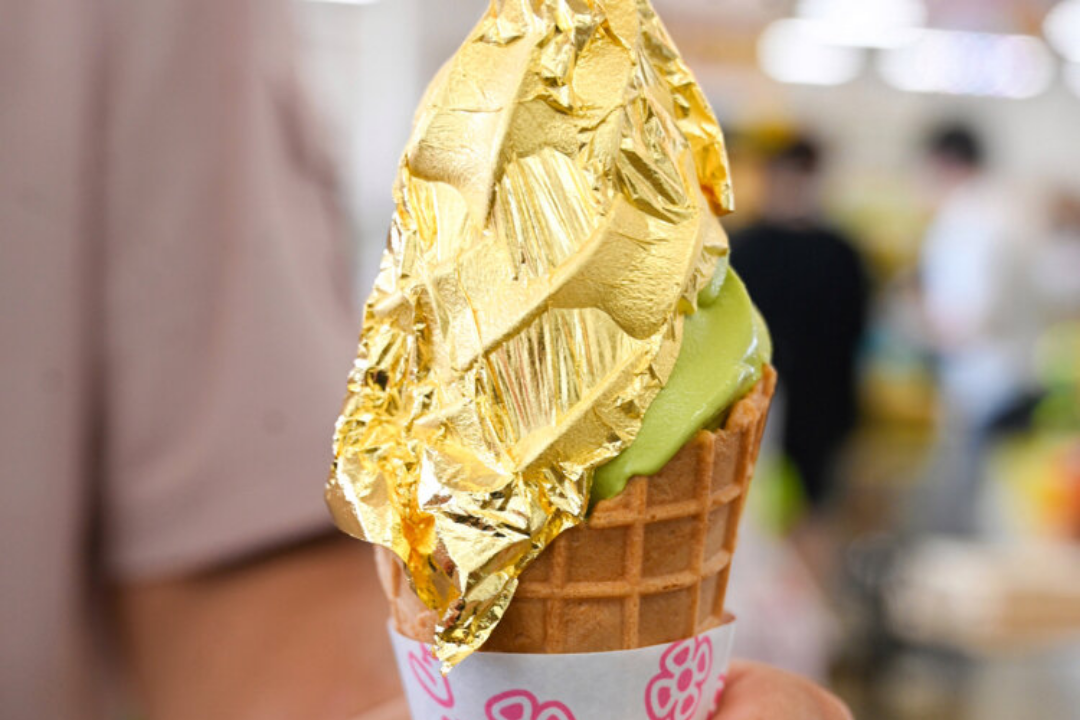
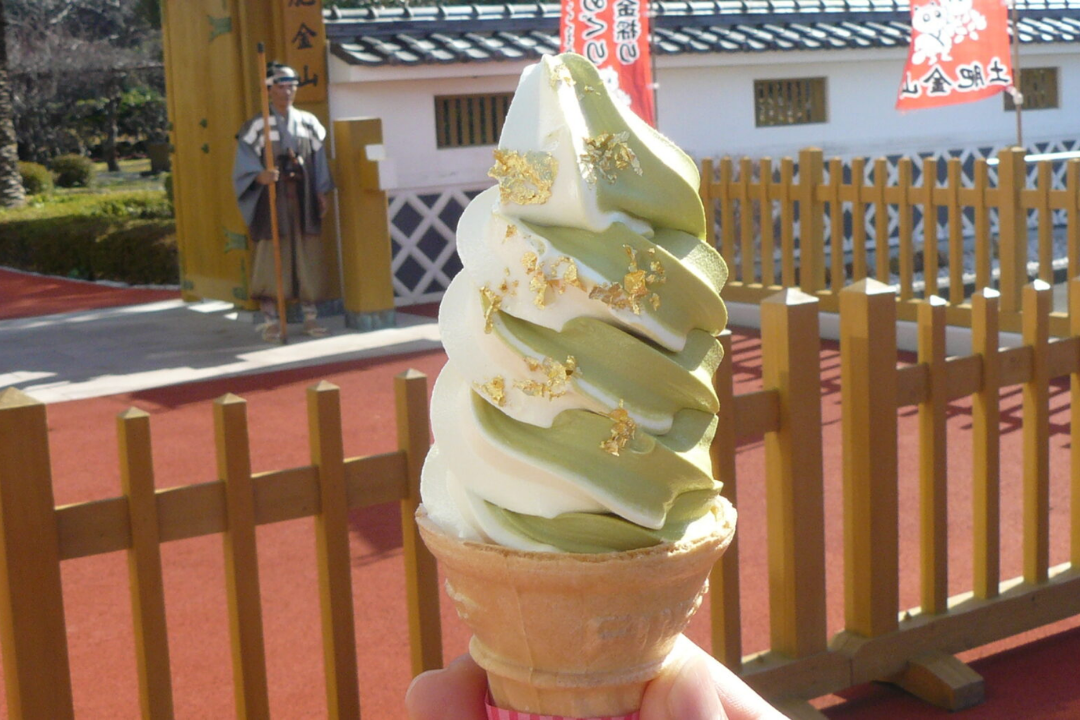
At the Kin no Suna café, visitors can enjoy the extraordinary Pure Gold Soft Serve. This rich, smooth soft serve is adorned with a luxurious gold leaf and comes in three flavors: vanilla, matcha, and a mix of the two. Its visual impact and sense of exclusivity make it a major attraction.
Another popular option is the Pure Gold Deluxe Soft Serve, featuring an entire gold leaf layered on top. Its dazzling sparkle makes it irresistible to photograph. Prices are accessible: the standard soft serve is around 500 yen, the pure gold soft serve is 600 yen, and the deluxe soft serve is 1,000 yen. While the gold leaf has no taste, the thrill of eating edible gold is a unique experience only available here. Pairing it with tunnel tours and gold panning completes a singular story: learning about gold, searching for it, and finally tasting it. The photogenic appeal and commemorative nature of this soft serve make it a memorable treat for international visitors.
A Soft Serve You Can Experience
Source: Teresizu Wasabee Homepage
What sets Toi Kinzan’s Pure Gold Soft Serve apart is its use of a truly special ingredient: gold. The Pure Gold Deluxe Soft Serve, topped with a full gold leaf, is visually stunning. The way the gold shimmers in the breeze turns it into edible art—perfect for travelers seeking Instagram-worthy photos.
But this soft serve is more than just a dessert. Its connection to the historic gold mine adds depth. Enjoying it after a tunnel tour or gold panning experience completes the narrative: searching for gold, learning about it, and finally tasting it. The café also offers related items, like gold-infused coffee and tea, creating a consistent gold-themed experience.
Gold Leaf Soft Serve Born in a Gold Mine
Toi Kinzan’s history dates back to the 1370s, when it was a gold mine directly managed by the Ashikaga shogunate. During the Edo period, Tokugawa Ieyasu emphasized gold mining, and gold from Toi Kinzan helped support the shogunate’s finances. After the mine closed in 1972, the tunnels and historical resources were repurposed as a “Tourist Mine and Gold Theme Park,” offering tours, exhibits, and gold panning experiences.
To sustain both revenue and appeal, it became clear that visitors needed more than tours—they needed to experience gold firsthand. Gold-themed gourmet items were introduced in the café and restaurant areas, and the Pure Gold Soft Serve became a signature attraction. According to official guides, “The Pure Gold Soft Serve was created to meet visitor demand for more than just tasting—now it’s our iconic menu item!” The use of a full gold leaf emphasizes visual impact and photo opportunities, making it both an attraction and an experience. Edible gold is flavorless, odorless, and approved as a food additive by Japan’s Ministry of Health, ensuring safety.
Thus, the Pure Gold Soft Serve emerged as a product combining the thrill of eating gold, memorability, and social buzz within Toi Kinzan’s historical and experiential tourism context.
Commitment to Quality for Visitors
Source: Teresizu Wasabee Homepage
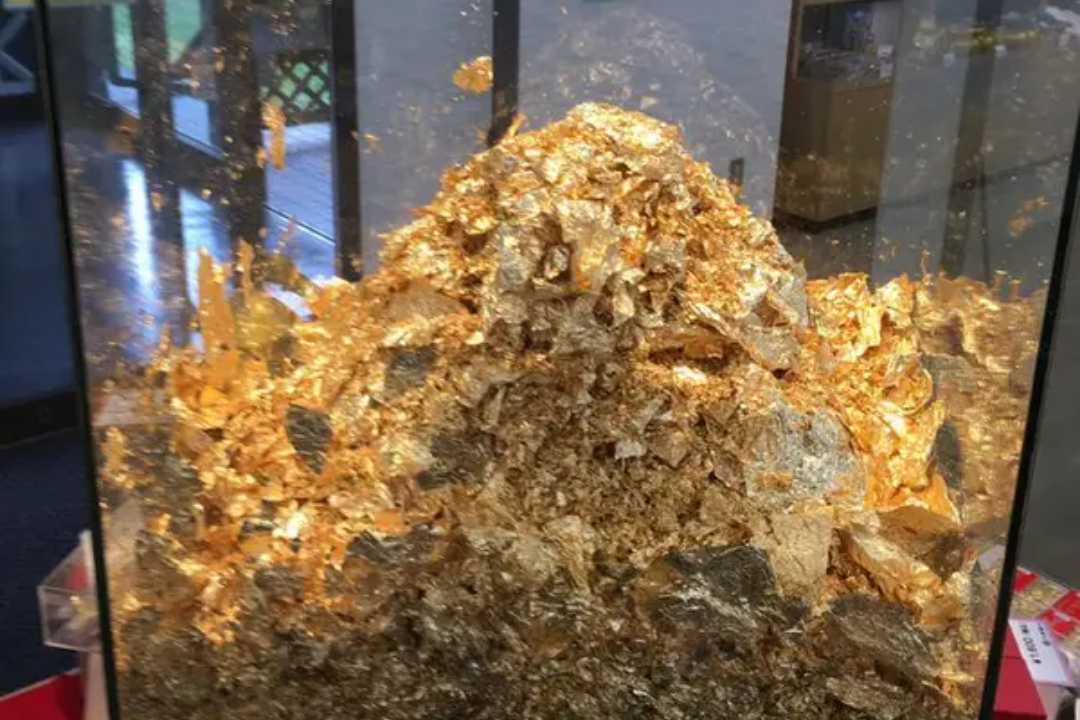
At the Kin no Suna café, the Pure Gold Soft Serve emphasizes both quality ingredients and safety. The soft serve uses milk for natural richness and smooth texture, with minimal additives. The gold leaf is certified edible gold, safe for consumption, and visually striking. Every serving is handcrafted on-site, with careful attention to attaching the delicate gold leaf without damage from wind or humidity. Hygiene standards are strictly maintained, including equipment sterilization and staff hand sanitation. This combination of historical storytelling, food safety, and visual delight ensures a unique and reliable experience.
Founders’ Vision and Challenges
Toi Kinzan was once one of Japan’s top gold-producing regions, supporting the local community. After closure, the challenge was how to utilize these regional resources. In the 1970s, efforts began to transform it into a tourist facility, driven by a strong desire to preserve the historic gold mine as a source of local pride for future generations.
The founders aimed to create an interactive facility where visitors could learn while enjoying themselves, resulting in tunnel tours, gold panning, and eventually the innovative idea of eating gold with the Pure Gold Soft Serve. This addressed the common tourism problem of one-time visits by offering memorable, shareable experiences that attract repeat visitors. The founders’ vision reflects a commitment to preserving history while generating new regional value.
Supporting Tourism
Toi Kinzan’s Pure Gold Soft Serve has gained widespread recognition in the tourism industry. Drawing on its history as a gold mine, it complements tunnel tours and gold panning as a centerpiece product, enhancing the overall appeal. A common challenge for tourist sites is the lack of repeat visitors—many feel that one visit is enough. The surprise and memorability of eating gold leaves a lasting impression and generates social media buzz, attracting new visitors.
While Izu is known for hot springs and seafood, the gold leaf soft serve differentiates the region by connecting history with culinary culture. Travel agencies have incorporated this experience into day trips and group tours for both domestic and international tourists. Local governments and tourism associations actively promote it as “Izu’s new face,” making it a symbol of regional revitalization. The combination of historical assets and food experiences creates both enjoyment and shareable buzz, encouraging repeat visits.
Passing Tradition to the Next Generation
Source: Teresizu Wasabee Homepage
Toi Kinzan in Izu City played a central role in Japan’s gold production and regional development, with mining starting in the Muromachi period and flourishing under the Tokugawa shogunate. After closure, the mine faced potential decline, but residents and authorities revived it as a tourism resource, making it a hub for regional culture.
Tunnel walks recreate Edo-period mining scenes, giving visitors a glimpse of historical labor and life. Unique experiences such as gold panning and the Pure Gold Soft Serve connect history with modern enjoyment, appealing across generations and nationalities. By preserving local traditions while integrating tourism, Toi Kinzan has become a symbol linking Izu’s past and present.
Growing Attention for Pure Gold Soft Serve in Japanese Tourism Media
The Pure Gold Soft Serve has gained significant attention in Japan as a tourism resource. Local media and travel magazines frequently feature it, and its photogenic appeal spreads widely on social media. Tabelog has over 3,000 reviews praising its luxury and taste.
Reviews and photos on Yahoo! Maps and Instagram demonstrate how its visual impact enhances visitor satisfaction. It has even been incorporated into travel packages like JR Tokai’s “Zurashi Tabi.” While not nationwide, it is widely recognized as a symbol of Izu tourism.
Strong Visual Impact Driving Visitor Satisfaction
Travelers praise the Pure Gold Soft Serve for its visual impact. Reviews on Tabelog note, “The gold leaf has no taste, but the soft serve is rich and photogenic,” and “The Deluxe Soft Serve is 1,000 yen, which is a bit expensive, but it’s memorable and worth it.” Yahoo! Maps features comments like “Filling and satisfying” and “Matcha flavor is also delicious.” International visitors have shared reactions such as “Gold! Gold! Gold! Even the soft serve has a gold leaf!” showing the strong impression they experienced. Social media posts frequently highlight the dessert as a photo-worthy, unforgettable experience, making it more than just a treat.
Strong Global Appeal Driven by Luxury and Uniqueness
Its uniqueness makes the Pure Gold Soft Serve a promising candidate for overseas expansion. Gold-decorated desserts align with health and luxury trends in Asia, especially in China and Taiwan, where gold symbolizes wealth and good fortune. Its Instagram-worthy appearance and distinctly Japanese experience are likely to appeal to young travelers in Thailand, South Korea, and beyond.
In Europe and the U.S., edible gold is already used in high-end dining, making a gold-themed soft serve tied to tourism a novel concept. Combined with the historic gold mine narrative, it offers a “story you can taste,” ideal for international promotion. Pilot sales through travel fairs or limited events could align with growing inbound tourism demand.
Increasing Role in Japan’s Inbound Tourism Recovery
The Pure Gold Soft Serve is a promising tourism asset with potential for further expansion. Already the facility’s signature product, it has inspired derivative items like gold-infused coffee and tea, and could expand through new local sweets and souvenirs. The unique experience of eating gold is highly shareable on social media, boosting domestic and international recognition.
As inbound tourism recovers, targeted promotion for overseas visitors and partnerships with travel agencies will become increasingly important. This soft serve, rooted in local history and culture, is expected to continue evolving as a new form of tourism-centered culinary experience.
Conclusion
Toi Kinzan’s Pure Gold Soft Serve is a uniquely Japanese tourism product that blends historical assets with food culture and fully deserves international attention. Traveler preferences are shifting from material consumption to experiential engagement, and the extraordinary experience of eating gold delivers visual impact, cultural storytelling, and strong social media appeal.
International businesses could differentiate themselves by introducing this experiential dessert, particularly in Asia’s luxury and health-conscious markets and in experiential events in Western markets. For Toi Kinzan, overseas expansion and joint promotions could enhance recognition and distribution, creating mutually beneficial opportunities to elevate brand value and pioneer new tourism-food businesses.
FAQ About Gold Leaf Soft Serve
1. What Is Gold Leaf Soft Serve Ice Cream?
Gold Leaf Soft Serve Ice Cream is a dessert served at the café “Kin no Suna” inside the Toi Gold Mine tourist facility in Izu City, Shizuoka. It features rich soft serve topped with edible gold leaf, offering a unique experience of “eating gold.”
2. Is the Gold Leaf Really Edible?
Yes, the gold leaf used is approved as a food additive. It is tasteless and odorless, making it safe to consume.
3. Why Was Gold Used in Soft Serve Ice Cream?
The idea comes from turning the historical resources of Toi Gold Mine into an interactive tourism experience. Adding the concept of “eating gold” after activities like mine tours and gold panning, it creates a memorable visit.
4. What Flavors Are Available?
The soft serve is available in vanilla, matcha, and mixed flavors. While the gold leaf itself has no taste, it enhances the experience through its luxurious appearance combined with the rich flavor of the ice cream.
5. Why Is It Popular on Social Media?
Its striking appearance, with a full sheet of gold leaf, makes it highly photogenic. The novelty of eating gold also encourages visitors to share their experience on Instagram and travel review platforms.
6. What Is Toi Gold Mine?
Toi Gold Mine is a historic gold mine that flourished from the Muromachi to Edo periods. Today, it is a tourist site where visitors can explore tunnels and try gold panning while learning about Japan’s mining history.
7. Is It Popular Among International Tourists?
Yes, it is also highly popular among international tourists as a uniquely Japanese experience. In particular, in many parts of Asia, gold is considered a symbol of good fortune, which adds to its appeal as a luxurious and special dessert.
8. How Is It Viewed in the Tourism Industry?
The gold leaf soft serve at Toi Gold Mine is regarded as a successful example of combining history, experience, and food. Rather than just a dessert, it represents how local historical resources can be transformed into a tourism attraction, and is often used in travel offerings and regional promotions.
9. How Is It Prepared When Served?
Staff carefully applies each sheet by hand, as the gold leaf is extremely thin and delicate. Because it is also sensitive to wind and humidity, precise technique and careful handling are required to achieve a clean, beautiful finish.
10. What Is the Main Appeal of Gold Leaf Soft Serve?
Its main appeal is the ability to experience the history of a gold mine through food. Beyond its sense of luxury, it allows visitors to engage with the story of Toi Gold Mine and experience a uniquely Japanese form of tourism.
Related Video
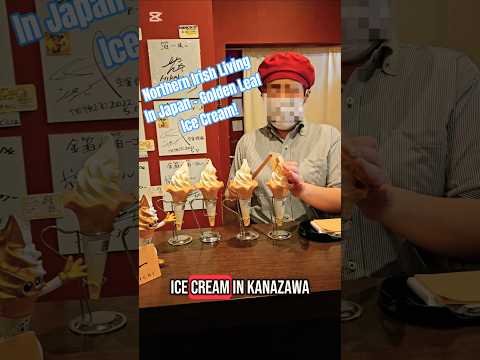
If you're interested in Japan’s luxurious dessert culture, the video below introduces Toi Kinzan’s famous gold leaf soft serve, a treat covered in edible gold. This video shows how a simple ice cream becomes a unique experience by combining local craftsmanship, tourism, and visual appeal.