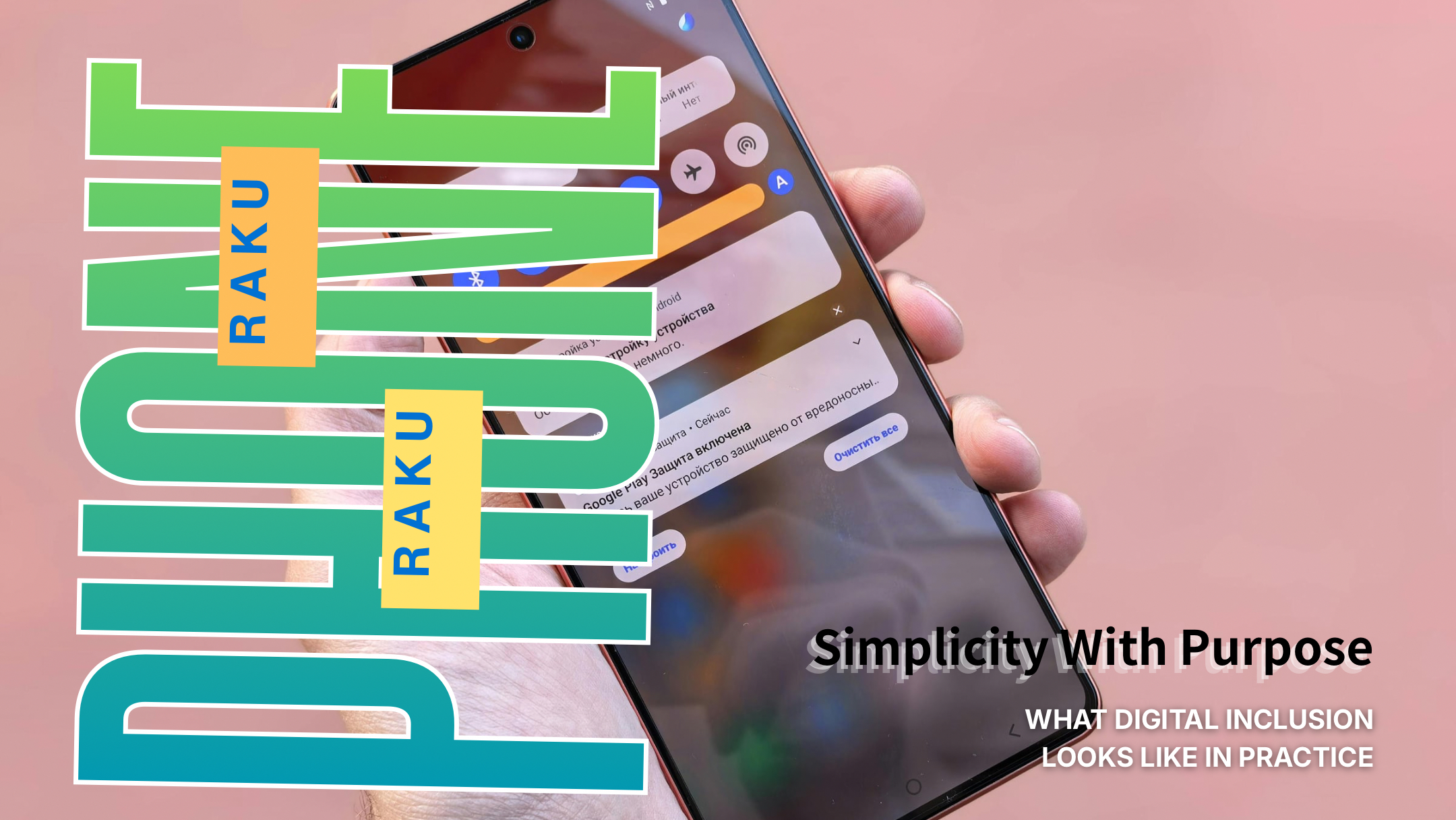
The Raku-Raku Phone is a Japanese mobile phone series designed specifically for people who find modern technology intimidating, confusing, or difficult to use. Rather than focusing on cutting-edge features, it prioritizes something much simpler: making sure anyone can reliably make a call, answer a call, and stay connected to the people who matter most.
Within Japan's mobile phone history, the Raku-Raku Phone occupies a unique position. Long before smartphones became the global standard, its designers identified a specific group of users: older adults and people with limited experience using digital devices. Instead of adding more functions, they deliberately removed complexity. The product was never intended to compete with flagship devices. It was created by rethinking the user experience from the ground up.
Japan's rapidly aging population played a major role in its development. As more aspects of daily life became digital, many older adults found themselves struggling to keep up. For some, difficulty using technology led to reduced independence, increased anxiety, and even social isolation. The Raku-Raku Phone emerged as a practical solution to ensure that communication remained accessible to everyone, regardless of age or technical ability.
Today, population aging and digital inclusion have become global concerns. Many countries attempt to address these challenges by simplifying smartphones. The Raku-Raku Phone takes a fundamentally different approach. Rather than starting with a smartphone and making it easier, it rethinks the act of communication itself. This design philosophy, more than the device itself, is what makes the product uniquely Japanese and increasingly relevant to international audiences.
Why has this phone remained popular for so many years? What kind of value does it provide, and why is it worth introducing to audiences outside Japan today? To answer those questions, it is important to first understand what the Raku-Raku Phone actually is and how it is used.
Raku-Raku Phone Overview
NTT DOCOMO is the uncontested titan of Japan’s telecommunications industry, serving as the primary structural backbone for the nation’s advanced digital infrastructure. Originally carved out of the state-backed Nippon Telegraph and Telephone Corporation, the company has consistently pioneered global mobile milestones—from launching the world's very first mobile internet platform (i-mode) to spearheading modern, high-density 5G network integration.
Rather than operating purely as a cellular network utility, DOCOMO utilizes its massive subscriber database to deploy an expansive "Smart Life" ecosystem, seamlessly blending lifestyle technology, digital finance, IoT architecture, and automated retail solutions under a unified framework. As the global digital marketplace moves toward hyper-connectivity and AI-driven automation, NTT DOCOMO stands as a world-leading model of how an infrastructure giant can leverage core network reliability to drive comprehensive societal transformation, enrich daily routines, and establish new standards of cultural connectivity.
What Is the Raku-Raku Phone?
The Raku-Raku Phone is a mobile phone series developed in Japan for seniors and first-time mobile users. Its design starts with a simple goal: allowing people to use a phone confidently without confusion or frustration. Unlike smartphones, it is not designed to maximize functionality or showcase the latest technology. Instead, it focuses on making essential communication easy and reliable.
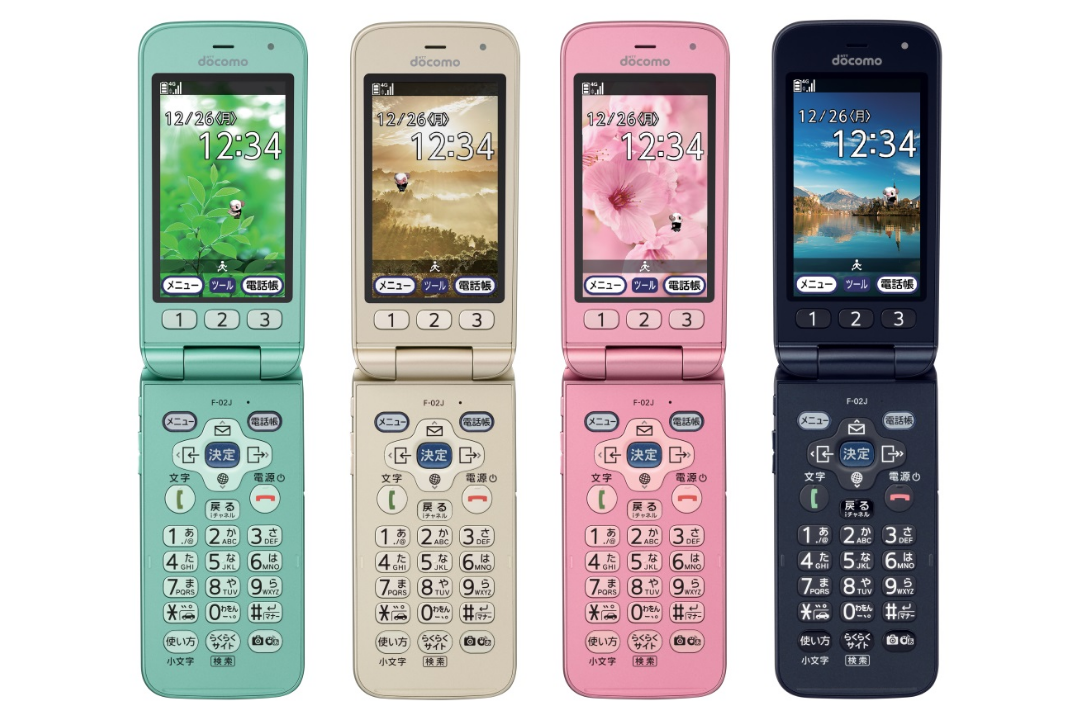
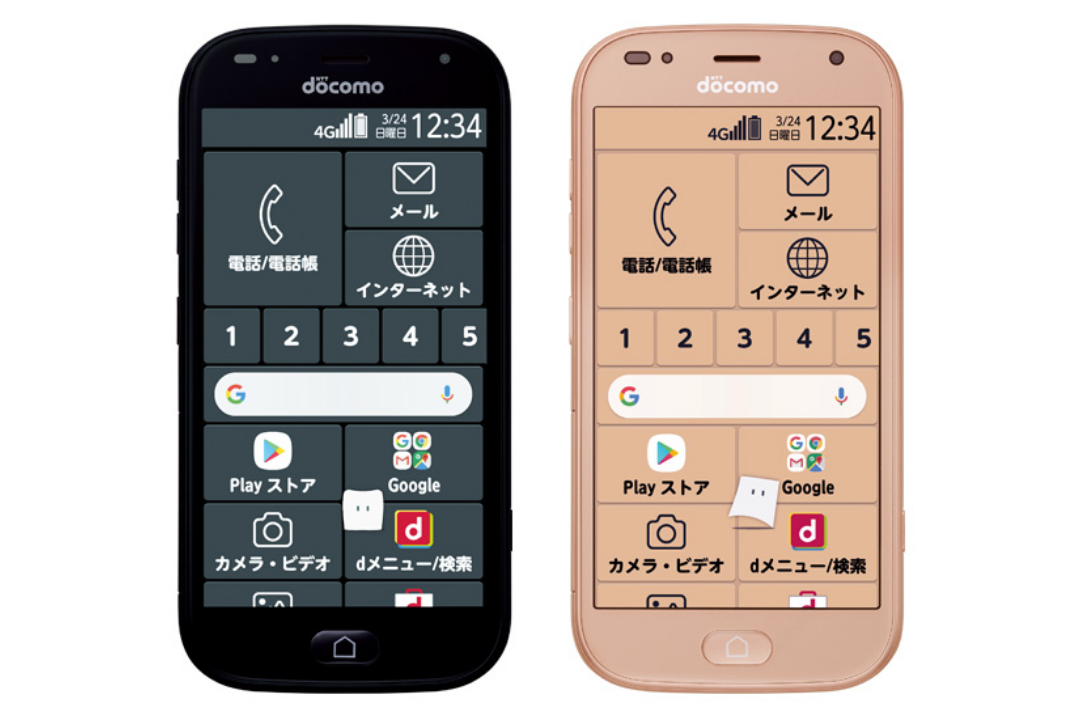
The user experience is intentionally straightforward. Large text, high-contrast displays, and simplified menus make information easy to read. Models equipped with physical buttons provide clear tactile feedback, reducing uncertainty about whether an action has been performed correctly. Navigation structures are intentionally shallow, helping users understand where they are within the interface and what they should do next.
Engineering the Straightforward User Experience
In daily life, the phone serves practical purposes. It helps users stay in touch with family members, contact caregivers, coordinate medical appointments, and communicate during emergencies. Rather than functioning as a device that users constantly interact with throughout the day, it serves as a dependable communication tool that works when needed.
Affordability and long-term usability have also played an important role. Device pricing, service plans, and customer support have traditionally been designed with both users and their families in mind. The goal is not simply to sell a handset but to create a sustainable communication service that remains manageable over time.
Perhaps most importantly, the Raku-Raku Phone should not be viewed as a simplified version of a "real" phone. The reduction of features is not a compromise. It is a deliberate design decision. The device is not intended to be ideal for everyone. Instead, it is optimized for a specific group of users whose needs are often overlooked by mainstream technology products.
The next question is what truly distinguishes the Raku-Raku Phone from other mobile devices and why its design remains relevant today.
Not "Easy," But Impossible to Get Lost
Describing the Raku-Raku Phone as merely "simple" or "senior-friendly" does not fully capture its uniqueness. Its defining characteristic is the way it minimizes situations where users must make complicated decisions.
Most digital products expect users to learn how they work. The Raku-Raku Phone does the opposite. It aims to make the correct action obvious from the moment someone picks it up.
The interface presents limited information at any given time, and available choices are intentionally restricted. Buttons and menu structures are organized around the most common actions, reducing the need for users to stop and think about what they should do next. This is less about visual design and more about reducing cognitive load.
Minimizing the Burden of Choice
Another important feature is clear feedback. When a button is pressed, users receive confirmation through sound, vibration, or visible changes on the screen. Modern gesture-based interfaces often rely on abstract interactions that can be difficult for some users to understand. The Raku-Raku Phone maintains a direct relationship between physical actions and visible outcomes, creating a stronger sense of confidence and control.
The phone is also designed around the assumption that mistakes will happen. Accidental presses rarely result in significant configuration changes or irreversible actions. This reflects a deep understanding of one of the biggest fears many inexperienced technology users face: the fear of breaking something or becoming stuck.
From a technical perspective, the device is far from simplistic. Features such as voice guidance, nuisance call prevention, and audio systems optimized for hearing changes associated with aging are built into the experience. These technologies are not included to impress users. They exist to ensure that the device remains usable in real-world situations.
The true innovation of the Raku-Raku Phone is not that it is friendly. It is that it actively prevents confusion. That philosophy offers valuable lessons for digital product designers far beyond the telecommunications industry.
What Happens When You Design for a Specific User?
Source: NTT Docomo Homepage
The Raku-Raku Phone is not a specialized enterprise device, yet its use cases reveal a great deal about Japanese society and the practical problems it was created to solve.
The most common use case involves family communication. For older adults living alone, reliable communication can be essential for daily safety and peace of mind. Family members often prioritize reliability and ease of use over advanced functionality. Because the Raku-Raku Phone minimizes the risk of accidental errors, it has become a trusted option for keeping loved ones connected.
The device also plays an indirect role in healthcare and elder care. Communication with clinics, caregivers, home care workers, and emergency contacts often requires a phone that can be operated without hesitation. While hospitals and care facilities may not formally require the device, many caregivers and family members view it as a practical solution for people who struggle with more complex technology.
Japan's frequent natural disasters provide another context where the design proves valuable. During emergencies, communication systems may become unreliable and stress levels rise significantly. A device that allows users to power it on and quickly contact pre-registered individuals can reduce both confusion and anxiety during critical situations.
The phone also reflects a broader reality found in many households around the world: not everyone needs the same technology. In families where some members are highly comfortable with smartphones and others are not, forcing everyone onto a single platform may not be the best solution. The Raku-Raku Phone acknowledges this diversity of needs rather than trying to eliminate it.
Its success stories are rarely dramatic. Instead, they are found in countless ordinary moments where communication simply works as intended. That quiet reliability is one of the product's greatest achievements.
Built Around Reliability, Not Innovation Cycles
The value of the Raku-Raku Phone extends far beyond its user interface. Underlying the product is a manufacturing and quality-control philosophy centered on long-term reliability.
Unlike flagship smartphones that compete through new features and annual upgrades, the Raku-Raku Phone assumes it will be used daily by people who depend on it. The device is designed with real-world usage in mind, including drops, impacts, and accidental exposure to moisture. Durability and stability often take priority over achieving the thinnest or lightest possible design.
Quality standards also focus on factors that are difficult to capture in marketing materials. Button responsiveness, long-term wear, screen readability, and audio clarity are carefully evaluated because these characteristics directly influence usability over time. The phone is expected to remain dependable after years of repeated use.
Audio and visual performance receive particular attention. Call quality is optimized to improve speech comprehension, while display design accommodates a range of visual abilities. These considerations may not appear prominently on specification sheets, but they play a major role in the overall user experience.
Another notable aspect is the cautious approach to change. Most mobile phone manufacturers seek attention by introducing major interface revisions with each generation. The Raku-Raku Phone has traditionally favored continuity. Abrupt changes to familiar workflows can create significant stress for users, so updates are often introduced gradually and carefully.
The result is a product whose value comes not from novelty but from consistency. It succeeds by functioning reliably day after day, year after year.
Not "I Learned Technology," But "I Stopped Worrying"
One of the most interesting aspects of the Raku-Raku Phone becomes clear when examining user feedback.
Many reviews do not focus on features or performance. Instead, users frequently describe feelings of reassurance and reduced anxiety. This reflects a different way of measuring success. Rather than asking whether users can perform more tasks, the question becomes whether they feel comfortable using the device in the first place.
Older users often mention that they no longer feel nervous about making calls or accidentally changing settings. Because potential mistakes are limited and recovery is straightforward, the device becomes less intimidating than a typical smartphone.
Family members frequently express appreciation as well. Many report greater confidence knowing that older relatives can reliably contact them when necessary. Some note that they spend less time providing technical support or explaining basic operations. In this way, the device reduces stress not only for its primary users but also for the people around them.
This experience has relevance far beyond Japan. Many countries offer products designed for seniors, but larger text and simplified menus alone do not necessarily create lasting adoption. The Raku-Raku Phone stands out because it is designed not merely to help people start using technology but to help them continue using it comfortably over time.
Comparisons with smartphones are particularly revealing. Some users report abandoning smartphones after struggling with complexity, only to return to the Raku-Raku Phone and begin carrying it daily again. These stories suggest that success is not always about offering more capabilities. Sometimes it is about creating a product that naturally fits into everyday life.
The phone may not transform lives dramatically, but it delivers something equally important: confidence and stability.
An Alternative to Simplified Smartphones
Viewed from an international perspective, the Raku-Raku Phone offers insights that extend well beyond Japan's domestic market.
Across the world, aging populations, digital government services, cashless transactions, and online platforms are making digital participation increasingly important. As these trends accelerate, the inability to use technology can become a significant disadvantage.
Most countries address this issue by simplifying smartphone interfaces. Larger icons, voice assistants, and streamlined menus are common approaches. However, these solutions still assume that the smartphone itself remains the foundation.
The Raku-Raku Phone challenges that assumption.
Instead of simplifying a smartphone, it redesigns communication around essential functions. It asks which capabilities are truly necessary and then builds a device specifically around those needs. This difference is philosophical rather than technical.
The concept may be particularly relevant in aging societies across Europe and Asia. Communication with family members, healthcare providers, and emergency services is a universal need. Although localization, language support, and network compatibility would require adaptation, the underlying design principles are broadly applicable.
The product also carries a message that resonates internationally. It does not treat older adults as a special category requiring separate treatment. Instead, it acknowledges that different people have different abilities and levels of comfort with technology. There is nothing shameful about preferring a device that feels more manageable and predictable.
These ideas may also have implications for government services, healthcare systems, and public infrastructure. Rather than assuming everyone must adopt the latest technology, organizations can offer tools tailored to specific roles and needs. Such an approach may reduce barriers to access while lowering support costs.
In that sense, the Raku-Raku Phone may be most valuable not as a product export but as an export of design philosophy.
Why NTT DOCOMO Became the Standard-Bearer
The Raku-Raku Phone is not the kind of product that can succeed through hardware design alone. Its value depends on a broader support system that includes easy-to-understand service plans, in-person guidance, family-friendly account management, and long-term customer support. Few companies were positioned to provide all of these elements at a national scale.
NTT DOCOMO's extensive retail network and customer support infrastructure allowed the company to turn the concept behind the Raku-Raku Phone into something practical and sustainable. Rather than treating accessibility as a niche feature, the company built an entire service environment around users who might otherwise struggle to stay connected.
NTT DOCOMO's Relationship With the Product
For NTT DOCOMO, the Raku-Raku Phone has never been just another handset in its product lineup. The company approached the device as part of a broader mission to prevent older adults and less technologically confident users from being excluded from modern communication.
This approach influenced not only the device itself but also the surrounding services. Dedicated user guides, face-to-face support in retail stores, simplified setup procedures, and family-friendly management options were all developed to complement the handset. The result is a product whose value comes as much from the service ecosystem as from the hardware.
Strengths and Long-Term Track Record
As one of Japan's largest telecommunications providers, NTT DOCOMO has spent decades observing how customers actually use mobile devices. This long-term relationship with millions of subscribers has given the company valuable insight into common challenges, user frustrations, and changing communication needs.
Those insights have helped shape successive generations of the Raku-Raku Phone. Rather than launching a single accessibility-focused product and moving on, NTT DOCOMO has continuously refined and updated the series over many years. This commitment to long-term improvement has helped establish trust among users and their families.
How It Differs From Similar Products Abroad
Senior-friendly mobile phones exist in many countries, but they are often developed by hardware manufacturers as standalone products. In many cases, these devices have relatively short lifecycles and limited integration with broader service systems.
The Raku-Raku Phone developed along a different path. NTT DOCOMO positioned it as part of a larger communications infrastructure that includes network services, customer support, retail assistance, and long-term product continuity. Because of this integrated approach, the device has become more than a consumer product. In Japan, it functions as part of the country's communication ecosystem.
Rethinking the Assumptions Behind Digital Inclusion
The story of the Raku-Raku Phone begins with a challenge that Japan encountered earlier than many other countries. As digital technology advanced rapidly, it became increasingly clear that not everyone could adapt to those changes at the same pace.
During the 2000s, Japanese mobile phones evolved quickly. Email, internet access, cameras, and mobile applications transformed phones into increasingly powerful devices. While these innovations expanded what mobile technology could do, they also created new barriers. Many users found themselves overwhelmed by unfamiliar interfaces, complicated menus, and the fear of making mistakes. For older adults in particular, mobile phones were becoming sources of anxiety rather than tools of convenience.
At the time, the industry's dominant assumption was that users simply needed more training. If people struggled with technology, the solution was believed to be better manuals, clearer instructions, or additional support. Yet these efforts often failed to address the underlying issue.
The problem was not that users were unwilling to learn. The problem was that the products themselves were designed around assumptions that did not match the realities of every user.
The Raku-Raku Phone emerged from questioning those assumptions. Instead of asking how people could adapt to technology, its designers asked how technology could adapt to people. Rather than treating difficulty as a user problem, they treated it as a design problem.
This led to a radical decision. The act of making a phone call was broken down into its essential components and rebuilt around clarity, confidence, and predictability. Features were not removed because the technology was limited. They were removed because they were unnecessary to the device's core purpose.
From a business perspective, this was not the most obvious path. Simplified phones rarely generate the excitement associated with flagship devices. However, Japan's rapidly aging population made the stakes increasingly clear. When people cannot reliably use communication tools, the consequences extend beyond inconvenience and begin affecting safety, independence, and quality of life.
The Raku-Raku Phone was therefore not a temporary solution to a short-term problem. It became a long-term response to structural social changes. Over multiple generations, the series has continued evolving alongside Japanese society while maintaining its original mission.
Its broader lesson remains highly relevant today. Digital inclusion does not necessarily mean pushing everyone toward the same technology. Sometimes it means designing different tools for different needs. In that sense, the Raku-Raku Phone can be viewed as one of the earliest and most practical examples of inclusive digital design.
Changing the Premise Instead of Simplifying the Product
Source: NTT Docomo Homepage
The philosophy behind the Raku-Raku Phone did not emerge from a single visionary founder or a breakthrough technological invention. Instead, it grew out of years of practical observations made by telecommunications providers and customer support teams across Japan.
A recurring pattern became impossible to ignore. Even when users received detailed explanations and extensive support, many still felt uncomfortable using their phones. Understanding what a button did was not the same as feeling confident enough to press it. Users often worried about what might happen next, whether they could undo a mistake, or whether a wrong action would permanently change the device.
These concerns revealed an important truth. Reducing the number of features alone was not enough. The real challenge was reducing uncertainty.
As a result, the development of the Raku-Raku Phone focused less on teaching users and more on eliminating situations that required difficult decisions. The goal was not to make people better at using technology. The goal was to create technology that demanded less from its users.
This philosophy closely aligns with principles of universal design, but it goes even further. Accessibility is not treated as an added feature. It is built into the foundation of the product.
Another important principle was continuity. Designers recognized that learning a device is only part of the challenge. Continuing to use it over many years is equally important. For older users, suddenly changing familiar interfaces can be highly disruptive. This is why the Raku-Raku Phone series has historically avoided dramatic redesigns. When changes are introduced, they tend to be gradual and carefully considered.
This reflects a broader understanding of what communication technology represents. A phone is not merely a gadget. For many people, it is an essential connection to family, healthcare providers, emergency services, and society itself. Losing confidence in that connection can lead to isolation and anxiety.
The Raku-Raku Phone was never intended to be the most technologically advanced device on the market. Instead, it was designed around a different question: how do you ensure that no one is left behind? The answer it provides remains relevant far beyond Japan and far beyond mobile phones.
Not a Finished Product, but an Evolving Role
When considering the future of the Raku-Raku Phone, the most important question is not what new features might be added next. The more meaningful question is how its role will continue to evolve as society changes.
The Raku-Raku Phone was never designed as a final destination. It was designed as a practical response to a specific social need, and that need continues to change.
Japan is becoming increasingly digital. Government services, healthcare systems, financial transactions, and everyday communication are all moving online. While these developments create new conveniences, they also create new risks. People who can make phone calls but struggle with more advanced digital tools may find themselves increasingly excluded from essential services.
In this environment, the future value of the Raku-Raku Phone may lie in greater specialization rather than greater complexity. The device does not need to become a fully featured smartphone. Its strength comes from providing reliable access to functions that directly affect safety and daily life, such as emergency communication, family contact, and essential information.
Future development may focus less on expanding capabilities and more on strengthening connections with surrounding services. Rather than trying to do everything itself, the device can function as part of a broader support network that includes family members, healthcare providers, and digital services.
The lessons learned from the Raku-Raku Phone may also have growing relevance outside Japan. Many countries are facing similar challenges related to aging populations and unequal levels of digital literacy. The design principles developed through decades of experience could influence everything from public services to healthcare systems and accessibility-focused technology.
Advances in artificial intelligence, voice recognition, and automation will undoubtedly create new opportunities. However, the Raku-Raku Phone reminds us that adding capabilities is not always the same as improving usability. Sometimes the most valuable innovation is not enabling more actions but preventing mistakes.
Its future is therefore unlikely to be defined by dramatic technological breakthroughs. Instead, its success will continue to depend on its ability to quietly adapt to changing social needs while remaining faithful to its core purpose: helping people stay connected with confidence.
A Product That Quietly Became Part of Everyday Life
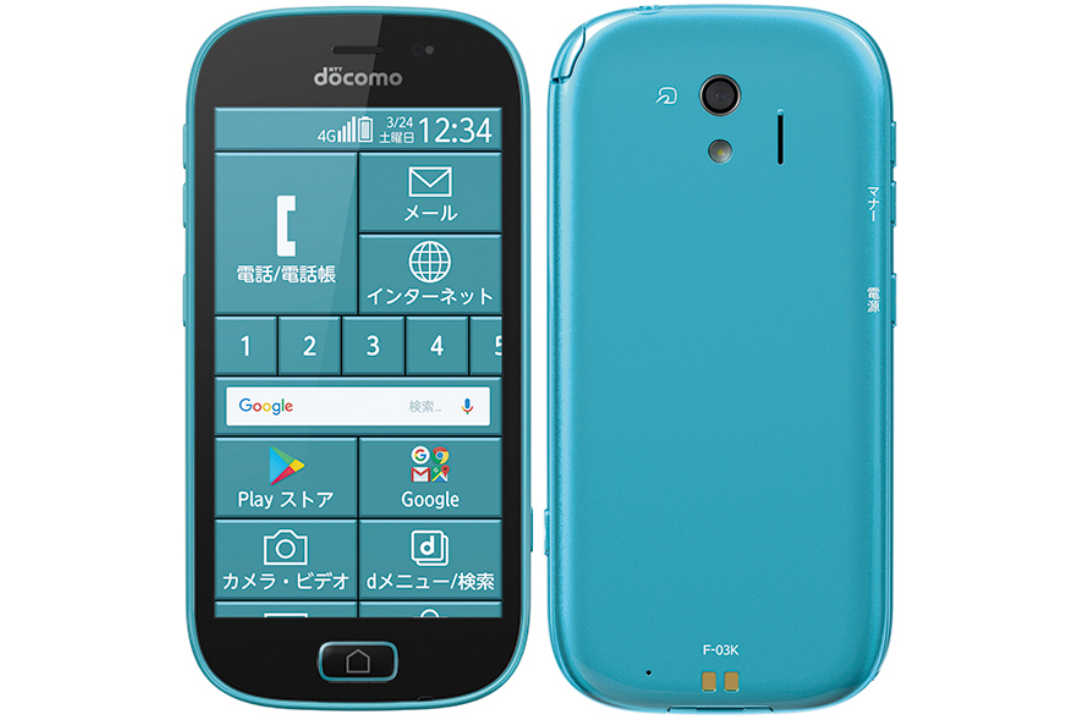
Source: NTT Docomo Homepage
Building Trust Through Long-Term Adoption in Japan
The success of the Raku-Raku Phone is not measured by viral popularity or short-term sales spikes. Its significance comes from something much rarer: sustained relevance over decades.
The continued existence of the series demonstrates that it fulfills an ongoing social need rather than a temporary market trend. In Japan, it helped establish the very idea that mobile devices could be intentionally designed for people who might struggle with mainstream technology.
Over time, the name "Raku-Raku Phone" became widely recognized. In some contexts, it is used almost as a generic term for easy-to-use mobile phones. This level of recognition reflects more than commercial success. It reflects a shift in public perception. The product helped normalize the idea that different users may require different technological solutions.
Media coverage has also been notable. Rather than being discussed primarily in the context of technological innovation, the Raku-Raku Phone is often featured in conversations about aging populations, digital inclusion, family communication, and social accessibility. It is viewed not only as a device but as a response to broader societal challenges.
Another key factor behind its success has been the support structure surrounding it. Nationwide retail availability and face-to-face customer assistance ensured that users were not simply handed a device and expected to figure it out on their own. This human support network played an important role in making the product accessible.
Equally important has been the consistency of the user experience. Even as new generations of the device have been released, familiar operating principles have largely remained intact. Users who upgrade do not have to relearn everything from scratch. This continuity has created trust that cannot be measured by sales figures alone.
As a result, the Raku-Raku Phone occupies a unique position in Japan. It is not a highly visible symbol of technological progress, but it has become something arguably more valuable: a dependable tool that quietly fulfills an essential role in everyday life.
Conclusion
The Raku-Raku Phone is far more than a mobile phone designed for older adults. Its true significance lies in the design philosophy it represents.
Most digital products attempt to solve usability challenges by teaching people how to use technology. The Raku-Raku Phone takes the opposite approach. It reduces decisions, minimizes opportunities for error, and creates an environment where users can remain confident over time. In an era of aging populations and growing digital divides, this approach offers lessons that extend well beyond Japan.
For businesses and policymakers around the world, the product presents an alternative way of thinking about accessibility. Making technology simpler is only one possible solution. Another is to clearly define a device's purpose and ensure it performs that purpose reliably. This principle can be applied not only to communication devices but also to healthcare systems, public services, financial platforms, and digital infrastructure.
The Raku-Raku Phone also demonstrates the value of adaptability. It has never been a finished product frozen in time. Instead, it has continued evolving alongside society while maintaining a clear sense of purpose. That flexibility is one reason it has remained relevant for so long.
Ultimately, the most important lesson is not about Japan, mobile phones, or even older adults. It is about design itself. The central question is not how many people can adapt to a product, but whether the product is designed to serve the people who need it most. The Raku-Raku Phone remains one of the clearest examples of how that question can be answered in practice.
FAQ About the Raku-Raku Phone
1. What Is the Raku-Raku Phone?
The Raku-Raku Phone is a Japanese mobile phone series designed primarily for older adults and people who are less familiar with digital technology. Instead of prioritizing the latest features, it focuses on ease of use, with large, easy-to-read text, intuitive menus, and buttons that are simple to press, allowing users to operate the device with confidence.
2. How Is the Raku-Raku Phone Different From a Typical Smartphone?
The biggest difference is that it prioritizes reducing user anxiety rather than adding more features. While conventional smartphones offer a wide range of functions, the Raku-Raku Phone organizes essential everyday tasks, such as calling and messaging, in a clear, straightforward way, making it easier for anyone to use consistently.
3. Why Was a Mobile Phone for Older Adults Developed in Japan?
Japan became one of the world's earliest aging societies, and the gap between people who could and could not comfortably use digital technology emerged as a significant social issue. The Raku-Raku Phone was created based on the idea that technology should adapt to its users, rather than expecting users to adapt to technology.
4. Is the Raku-Raku Phone Simply a Mobile Phone With Fewer Features?
No. Rather than simply removing functions, it carefully organizes essential features so they can be used without confusion. Large text, clear audio, intuitive navigation, and other thoughtful design elements take into account both the physical changes and psychological concerns that many users may experience.
5. In What Situations Is the Raku-Raku Phone Most Useful?
It is especially helpful for everyday communication, including staying in touch with family, making calls while away from home, and contacting others during emergencies. Its greatest strength is providing reliable communication when it matters most, giving both users and their family members greater peace of mind.
6. Why Has the Raku-Raku Phone Remained Popular for So Long?
Because it is designed around the user's daily life rather than constantly introducing new features. Instead of requiring people to continually learn new interfaces, it emphasizes familiar operations and minimizes the chances of making mistakes. This user-centered philosophy has helped maintain its popularity over many years.
7. Does the Raku-Raku Phone Reflect Japanese Design Philosophy?
Yes. It reflects Japan's attention to small everyday inconveniences and its commitment to creating products that are genuinely easy to use. Rather than pursuing high performance alone, the Raku-Raku Phone embodies a philosophy of thoughtful design that aims to ensure no one is left behind by technological progress.
8. Why Is the Raku-Raku Phone Appealing From an International Perspective?
It offers one practical solution to global challenges such as aging populations and the digital divide. Instead of expecting everyone to use the same type of device, it demonstrates the value of providing technology that matches users' needs; an approach that could also be applied in healthcare, government services, and other public sectors.
9. What Product Design Lessons Can Be Learned From the Raku-Raku Phone?
The Raku-Raku Phone demonstrates that more features do not automatically make a better product. What matters most is whether people can comfortably continue using it. By starting with the question of who the users are and what challenges they face, the Raku-Raku Phone creates technology that naturally fits into everyday life.
10. What Is the Greatest Appeal of the Raku-Raku Phone?
Its greatest strength is that it adapts technology to people rather than forcing people to adapt to technology. In an era when smartphones continue to become more advanced and feature-rich, the Raku-Raku Phone deliberately focuses on delivering essential functions in the clearest possible way. Helping people stay confidently connected is what makes the Raku-Raku Phone truly stand out.