Eating is one of the most important factors influencing long-term health, yet it is also one of the hardest habits to change. Most people understand that reducing sodium intake can help prevent health problems, but lower-salt meals are often perceived as less satisfying. In practice, sodium reduction is not simply a matter of education or willpower. It is a matter of experience.
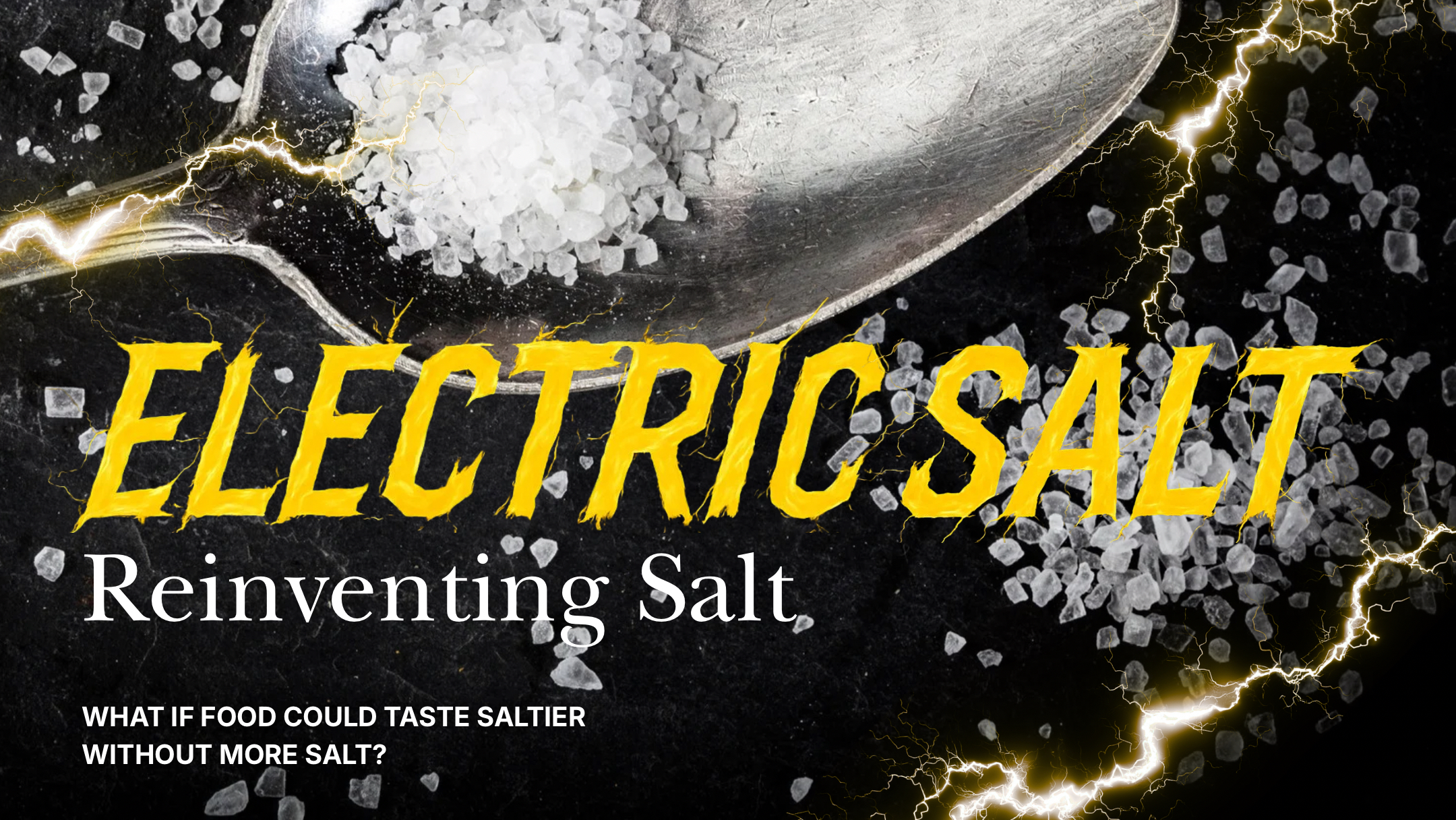
That challenge is exactly what ElectricSalt Spoon and Cup set out to address. Rather than creating a new seasoning or low-sodium food product, ElectricSalt uses technology to influence how people perceive saltiness itself. Developed in Japan, this food-tech innovation applies a gentle electrical current to enhance the sensation of salty taste, helping users enjoy flavorful meals while consuming less sodium.
The idea represents a significant departure from conventional approaches to sodium reduction. Instead of asking people to give something up, ElectricSalt seeks to preserve enjoyment while supporting healthier choices.
Its development reflects a challenge that extends far beyond Japan. Excessive sodium intake is linked to hypertension and other chronic health conditions worldwide, yet reducing salt without reducing enjoyment remains difficult across cultures. ElectricSalt offers a potential solution by focusing not on food itself, but on human perception.
In this article, we explore the technology behind ElectricSalt, the company that developed it, the thinking that shaped its design, and why it may represent a new direction for food technology and preventive healthcare.
ElectricSalt Spoon and Cup Overview
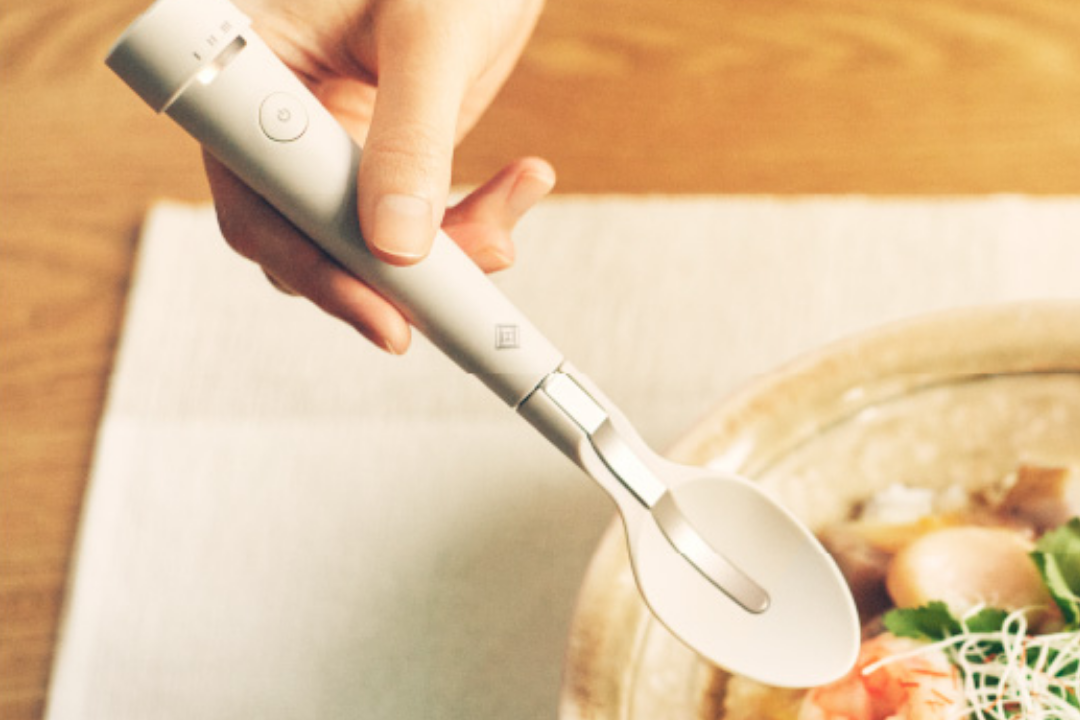
ElectricSalt Spoon and Cup are eating utensils designed to enhance the perception of saltiness during meals, helping users feel satisfied with lower-sodium foods.
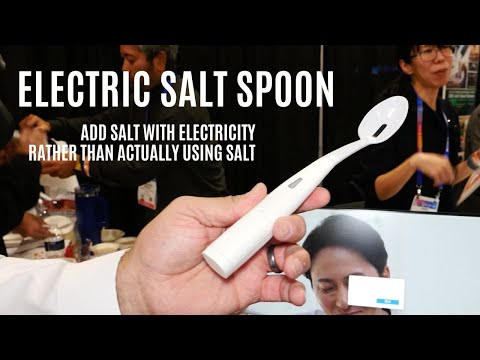
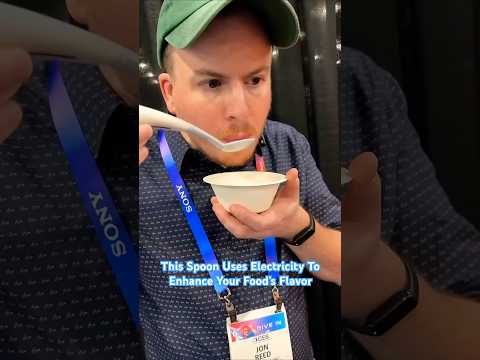
At first glance, the products resemble ordinary tableware. Hidden inside, however, is technology that generates a very weak electrical current. When food is consumed through the spoon or cup, this current subtly interacts with the tongue, strengthening the perception of salty flavors.
Unlike traditional reduced-sodium products, ElectricSalt does not alter the food itself. Instead, it changes how the user experiences flavor.
The concept is intentionally simple. Users eat soup, stew, or other dishes as they normally would. There is no need to change recipes, purchase specialty ingredients, or learn new cooking techniques. The goal is to support healthier eating habits while preserving existing routines.
Although the products are more expensive than conventional utensils, they are designed for repeated use. Unlike supplements or specialty food products that require ongoing purchases, ElectricSalt functions as a reusable tool that can be incorporated into everyday meals.
The technology was developed and commercialized by the Kirin Group, a company better known internationally for beverages but also deeply involved in health science and nutrition research.
Enhancing Perception Instead of Removing Flavor
The most distinctive aspect of the Elecisalt Spoon and Cup is that they do not approach sodium reduction as a problem of subtraction. Traditional low-sodium strategies typically focus on reducing salt, replacing it with alternative seasonings, or training people to accept blander flavors over time. Elecisalt takes a fundamentally different path. Instead of changing the food itself, it focuses on how flavor is perceived.
At the core of the technology is a gentle electrical stimulation that makes salty flavors easier for the tongue to detect. While the relationship between electricity and taste perception has been studied for decades, turning that research into something safe, natural, and practical for everyday meals was far from simple. If the stimulation is too strong, it becomes distracting or unpleasant. If it is too weak, users notice no difference. Achieving the right balance in a consumer device is what makes the technology both challenging and valuable.
One of the most remarkable aspects of the experience is that users are not constantly aware that electricity is involved. Rather than producing a noticeable sensation, the device subtly enhances the definition of salty flavors. The result is not a feeling of being stimulated, but a perception that the food tastes more satisfying and flavorful. This was a deliberate design choice. The goal was to preserve the natural experience of eating rather than make users feel as though they were using a piece of health technology.
A New Approach to Sodium Reduction
From a cultural perspective, Elecisalt also reflects a distinctly Japanese approach to food. Japanese cuisine often relies on delicate balances of saltiness, umami, and broth-based flavors rather than bold seasoning. In that context, even small shifts in flavor perception can significantly affect overall satisfaction. The technology was developed with this sensitivity in mind, making it quite different from approaches that focus solely on adding stronger flavors.
Another advantage is its versatility. The technology is not tied to specific foods or recipes. Soups, stews, broths, and other dishes where saltiness plays an important role can all potentially benefit. Rather than asking food manufacturers or home cooks to reformulate recipes, Elecisalt changes the eating experience at the point of consumption. This non-invasive approach is one of its most distinctive strengths.
By focusing on taste perception rather than ingredients, Elecisalt introduces a new pathway for addressing one of the world's most persistent dietary challenges. It represents a shift from modifying food to redesigning how flavor is experienced.
Addressing the Real Problem: Healthy Habits That Don't Last
Source: ElectricSalt Homepage
The starting point for Elecisalt was a simple but stubborn reality: most people understand the importance of reducing sodium, yet struggle to maintain it over time.
Public health authorities around the world have long emphasized the role of sodium reduction in preventing hypertension and lifestyle-related diseases. The challenge is not a lack of information. People generally know they should consume less salt. The problem is that lower-sodium diets often reduce enjoyment at the table, making them difficult to sustain as a long-term habit.
The development team focused on the limitations of approaches that rely primarily on willpower and behavioral change. Becoming accustomed to less salty food, exercising self-control, and maintaining high levels of health awareness may sound reasonable in theory, but they can be difficult to sustain in everyday life. This led to a different question: rather than changing how people cook or eat, could technology change how they experience flavor?
For Kirin, this question was a natural extension of decades of research into taste and consumer satisfaction. As a company with extensive experience in food and beverage development, Kirin understands how even subtle differences in flavor can influence enjoyment. This expertise made a perception-based solution seem not only possible, but practical. The challenge was to transform laboratory research on electrically assisted taste enhancement into something people could use naturally at home.
How Elecisalt Swaps Behavioral Sacrifice for Flavor Perception
A key objective was to avoid creating a medical device or a piece of specialized equipment. Instead, the technology needed to fit seamlessly into everyday routines. This is why the final product took the form of familiar utensils such as a spoon and cup. The intention was not to ask people to start a new health habit, but to allow them to continue their existing eating habits while quietly supporting lower sodium intake.
The project was also driven by a long-term view of public health. As populations age and chronic diseases become increasingly common, sodium reduction is unlikely to become less important. It is a challenge that will remain relevant for decades. The team recognized that lasting solutions would require more than temporary self-discipline. They would need systems and tools that work naturally within daily life.
Ultimately, Elecisalt is built on the idea that health challenges should not always depend on higher levels of awareness, motivation, or self-control. Instead, the environment itself can be redesigned to make healthier choices easier and more sustainable. By changing the experience rather than demanding behavioral sacrifice, Elecisalt offers a different vision for how health technology can support everyday life.
The next step is to examine where this technology is already being used and how it is being integrated into real-world dining environments.
From Home Kitchens to Healthcare Settings
The Electric Salt Spoon and Cup were never designed solely for hospitals, nutrition specialists, or health-conscious consumers. Their most natural place is the everyday dining table. For households looking to reduce sodium without dramatically changing recipes, the device offers a practical solution that doesn't add extra work for the person doing the cooking. Rather than preparing separate low-sodium meals for different family members, everyone can share the same dish while individuals adjust their own eating experience through the device. This significantly lowers the barriers that often make sodium reduction difficult to maintain.
The concept also has clear applications in healthcare and elder care settings. Many people understand the importance of reducing sodium, yet lower-salt meals can sometimes feel less satisfying, leading to reduced appetite and lower food intake. By enhancing the perception of saltiness without increasing actual sodium levels, Electric Salt helps preserve the enjoyment of eating. Maintaining meal satisfaction can play an important role in encouraging consistent food consumption, particularly among individuals who require dietary restrictions.
Making Sodium Reduction Feel Effortless
The device is equally relevant for people who eat out frequently. Once a meal has already been prepared and seasoned, there is little opportunity to modify its sodium content. A device that works at the point of consumption, however, creates a new way to influence the eating experience. Soups, broths, and other dishes where saltiness plays a central role are often where users notice the effect most clearly, making it easier to incorporate into existing habits without changing where or what they eat.
Importantly, Electric Salt is not limited to people who are already highly focused on their health. It can also appeal to those who are just beginning to think about reducing sodium intake. Before strict dietary restrictions become necessary, the device offers a way to gradually lower sodium consumption without making people feel as though they are giving something up. Rather than asking individuals to change their mindset, it changes the environment around them, an approach that has proven easier for many people to adopt.
What makes Electric Salt particularly notable is the range of situations in which it can be used. Whether at home, in healthcare settings, in elder care facilities, or during restaurant dining, the underlying goal remains the same: making sodium reduction easier to sustain over time.
Technology Designed for Everyday Life, Not for Show

Source: ElectricSalt Homepage
Although Electric Salt relies on advanced sensory technology, it was never intended to feel like a medical device or laboratory experiment. From the beginning, the product was designed to function as an ordinary dining tool. Because it is meant to be used every day, ease of use and accessibility were considered just as important as the underlying technology itself.
A key aspect of the design is the careful separation between the electronic components and the areas that come into contact with food and the user's mouth. The electrical stimulation delivered to the tongue is extremely mild, remaining below the threshold where most users would consciously perceive it as an electrical sensation. The goal is not to create a noticeable effect, but rather to subtly enhance the perception of saltiness. This balance reflects a deliberate focus on both safety and long-term usability.
Material selection follows equally rigorous standards. Since the spoon and cup come into direct contact with food, durability, surface treatment, and resistance to repeated cleaning are managed to the same standards expected of premium tableware. Users are not expected to perform special maintenance or follow complicated care instructions, making it easier for the product to become part of daily life.
Consistency is another critical consideration. Variations in performance could lead to differences in user experience, so quality control processes are designed to ensure reliable output across individual units. The electrical stimulation system is tested during manufacturing to minimize unexpected behavior and maintain consistent performance. Given that the product operates within the health and wellness space, reliability is essential.
The design team also considered a wide range of usage environments. The device is intended not only for use at home but also for restaurants, travel, and everyday portability. Durability and water resistance have therefore been incorporated into the design. Rather than being confined to a single setting, Electric Salt was created as a tool that can move with users throughout their daily lives.
Ultimately, Electric Salt does not communicate its value by showcasing technology. Its success depends on more fundamental qualities: being safe, durable, reliable, and easy to use. By delivering those basics at a high level, it helps make sodium reduction a habit that people can realistically maintain.
Technology That Doesn't Force "Healthy Eating"
At the heart of Electric Salt's development is a challenge to a long-standing assumption: that health outcomes depend primarily on individual willpower and self-discipline.
Reducing sodium intake is widely recognized as beneficial. Yet despite decades of public health education, many people struggle to maintain lower-sodium diets over the long term. Too often, failure has been framed as a lack of effort on the part of individuals. The developers behind Electric Salt questioned that assumption itself.
One observation repeatedly emerged during research and development: people cannot be expected to continually sacrifice enjoyment at every meal. Eating is not simply a nutritional activity. It is a sensory experience. If satisfaction disappears, adherence often disappears as well. Rather than focusing on changing behavior first, the team explored whether the experience itself could be redesigned.
This thinking led them into the highly personal and complex world of taste perception. Instead of asking people to choose healthier foods through greater self-control, Electric Salt attempts to make lower-sodium eating feel more satisfying from the start.
What is particularly interesting is that the product is designed to avoid constantly reminding users that they are making a healthy choice. There are no daily targets to monitor during meals and no ongoing sense of restriction. The ideal outcome is simple: people continue eating as they normally would, while gradually consuming less sodium over time. Creating that frictionless experience has been a consistent goal throughout development.
The project also reflects a broader long-term concern. As populations age worldwide, dietary restrictions are likely to become increasingly common. If healthier eating relies entirely on willpower, maintaining those habits at scale becomes difficult. Solutions that can fit naturally into everyday life, whether at home, in healthcare settings, or in elder care, may play an increasingly important role in supporting healthy aging.
Notably, Electric Salt is not presented as a miracle solution. It does not transform every dish, nor does it produce identical results for every individual. Instead, it offers an additional option within a much larger conversation about nutrition and health. That measured and realistic positioning reflects a deliberate philosophy.
Rather than telling people how they should eat, Electric Salt seeks to create an environment where healthier choices become easier to sustain. That idea, more than the technology itself, may be the product's most significant innovation.
Recognized as a Practical Solution, Not Just a Novelty
In Japan, Electric Salt has largely been viewed not as a quirky gadget but as a practical response to a longstanding public health challenge.
Media coverage often focuses less on the novelty of using electricity to influence taste and more on the broader implications for sodium reduction. By changing the eating experience without altering recipes or food products themselves, Electric Salt represents a distinctly different approach from conventional low-sodium strategies.
The credibility of the company behind the product has also shaped public perception. Coming from a business with decades of experience in food, beverage, and health-related research, the technology is often seen as the result of serious long-term development rather than a short-lived experiment. The fact that it was designed specifically for everyday household use has further reinforced that perception.
User feedback has followed a similar pattern. Rather than describing dramatic transformations, many users emphasize how natural the experience feels and how easy it is to continue using over time. The absence of disruption has become one of the product's most appreciated qualities. For individuals trying to reduce sodium intake, even a modest improvement in meal satisfaction can make a meaningful difference to daily life.
The technology is also beginning to attract attention in areas such as workplace wellness programs and initiatives aimed at supporting older adults. Discussions increasingly focus not only on the product itself but also on the broader idea of reducing reliance on individual willpower when addressing health challenges.
In that sense, Electric Salt's significance may lie less in sales figures and more in demonstrating that a different approach is possible.
A Rare Way to Improve Health Without Disrupting Food Culture

Source: ElectricSalt Homepage
Excessive sodium consumption remains a global health concern, and many countries have introduced guidelines encouraging people to eat less salt. Yet changing deeply rooted food traditions is often difficult. Taste preferences are shaped by culture, family, and habit, making dietary change a complex challenge.
What makes Electric Salt particularly interesting for international audiences is that it does not attempt to change the food itself.
Instead, it works on the consumer's perception of flavor. This approach is not limited to Japanese cuisine. Any food where saltiness contributes significantly to overall flavor, including soups, sauces, broths, stews, and many comfort foods, could potentially benefit from the same principle. Because it is not tied to specific recipes or ingredients, it is less likely to conflict with local food cultures.
Its device-based format also makes it appealing from a practical standpoint. Unlike supplements or specialty foods that require ongoing purchases, Electric Salt is a reusable tool. While international expansion involves regulatory and distribution challenges, its position between food and healthcare creates opportunities for flexible adoption.
For businesses, healthcare organizations, and researchers, Electric Salt may be valuable not only as a finished product but also as a model for future innovation. The idea of influencing behavior by redesigning sensory experiences, rather than relying solely on education or restriction, could inspire new approaches to a wide range of health challenges.
Conclusion
The essence of Electric Salt lies in its refusal to treat sodium reduction as a problem of discipline or sacrifice.
Reducing sodium intake is important, but public health efforts have long struggled with a simple reality: knowing what is healthy does not automatically make healthy habits sustainable. Electric Salt addresses that gap not by demanding greater effort from individuals, but by redesigning the experience itself.
Rather than adding flavor or imposing restrictions, it works by changing how flavor is perceived. In doing so, it represents a fundamentally different philosophy from many traditional health products, which often focus on encouraging people to make the "right" choices. Electric Salt aims to create conditions where healthier behavior happens more naturally.
The product also offers a broader lesson about health innovation. Instead of relying solely on education, monitoring, or self-discipline, it demonstrates how changing tools and environments can help people maintain healthier habits with less friction. That way of thinking extends far beyond sodium reduction and may influence the future of both food technology and health technology.
As a Japanese innovation, Electric Salt reflects a particularly nuanced approach to food and flavor. Japanese cuisine has long emphasized subtle balances and delicate sensory experiences. By building on that understanding rather than replacing it, the product offers a distinctive perspective on how health and enjoyment can coexist.
Electric Salt is not a product built around dramatic transformations or instant results. Its strength lies in something quieter: the ability to integrate into one of the most deeply ingrained daily habits people have, eating. That practical integration may ultimately be why it continues to attract attention both in Japan and abroad, and why it points toward a promising direction for future health-focused products.
FAQ About Mystery for You
1. What Is Mystery for You?
Mystery for You is a subscription-based mystery-solving service created by SCRAP. The story begins the moment you open the box delivered to your home. Using the enclosed items, documents, and clues, you solve puzzles and uncover the narrative at your own pace, creating an immersive experience from start to finish.
2. How Is It Different From a Typical Puzzle Kit?
The biggest difference is that the focus is not simply on solving puzzles, but on experiencing a story. In Mystery for You, each puzzle is closely woven into the narrative rather than presented as a series of unrelated challenges. As a result, the journey toward each solution becomes an essential part of the overall experience.
3. Why Is It Designed to Be Enjoyed at Home?
The at-home format allows people to fully immerse themselves without being restricted by a venue or schedule. Unlike live escape room events, which require participants to be in a specific place at a specific time, Mystery for You can be started, paused, and resumed whenever it is most convenient, making it easy to fit into modern lifestyles.
4. Why Has the Subscription Model Become So Popular?
Subscribers receive a completely new story and set of puzzles with each delivery, ensuring that every experience feels fresh. Rather than simply purchasing individual products, members also enjoy the anticipation of wondering what kind of mystery will arrive next.
5. Can You Enjoy It Alone?
Yes. Mystery for You is specifically designed with solo players in mind. Unlike many live escape games that emphasize teamwork, its hints, pacing, and storytelling are carefully balanced to provide a satisfying experience for someone solving the mystery on their own.
6. Why Does It Emphasize Physical, Hands-On Elements?
Handling real paper, envelopes, cards, and other tangible objects creates a level of immersion that digital experiences alone cannot easily replicate. While smartphones and computers may occasionally support the experience, the core value lies in physically interacting with the materials and thinking through the mystery with your own hands.
7. Why Is It Considered Well Suited for International Markets?
The experience is built around logical thinking and the excitement of discovery rather than requiring extensive knowledge of Japanese culture. Because the core gameplay translates well through localization, Mystery for You has strong potential to appeal to audiences around the world.
8. Is It Also Popular as a Gift?
Yes. Mystery for You is often chosen as a gift because it offers an experience rather than a physical object alone. It appeals not only to puzzle enthusiasts but also to anyone who enjoys trying something new, making it a memorable and meaningful present.
9. What Is SCRAP's Greatest Strength?
SCRAP brings extensive expertise gained from creating live escape games into every Mystery for You experience. The storytelling, puzzle design, visual presentation, and progression are carefully integrated, ensuring that the emotional journey of solving the mystery is just as important as reaching the correct answers.
10. What Is the Greatest Strength of Mystery for You?
Its greatest strength is that it turns the act of thinking into entertainment. Rather than encouraging players to reach answers as quickly as possible, the experience celebrates the entire process of wondering, discovering, experimenting, and having moments of insight. Mystery for You invites people not simply to consume entertainment, but to engage deeply with their own curiosity and problem-solving abilities.
Related Videos
If you're interested in Japan’s health-tech innovations, the video below introduces ElectricSalt, a device designed to enhance salty flavors while reducing actual salt intake. This video shows how technology is helping people enjoy delicious meals with less sodium, creating a new approach to healthier eating.