Standing Beneath the Water: Why Japan’s Waterfall Meditation Experience Continues to Captivate People
In an age of constant notifications, endless decisions, and overwhelming information, many people are searching for ways to quiet the mind. Meditation apps, mindfulness retreats, and digital detox programs have become global industries. Yet one of Japan’s oldest methods for achieving mental clarity remains remarkably simple: stand beneath a waterfall and let nature take over.
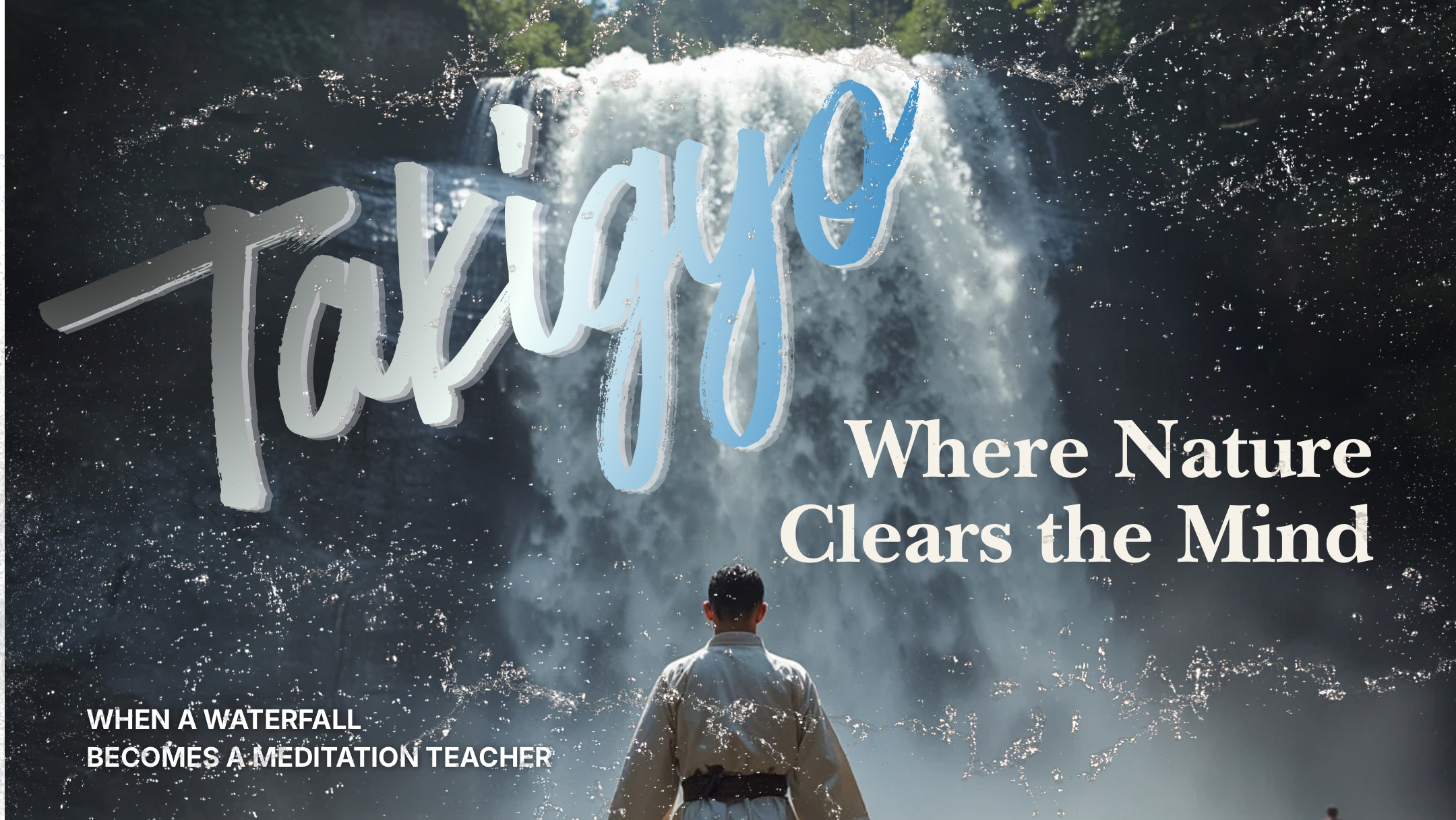
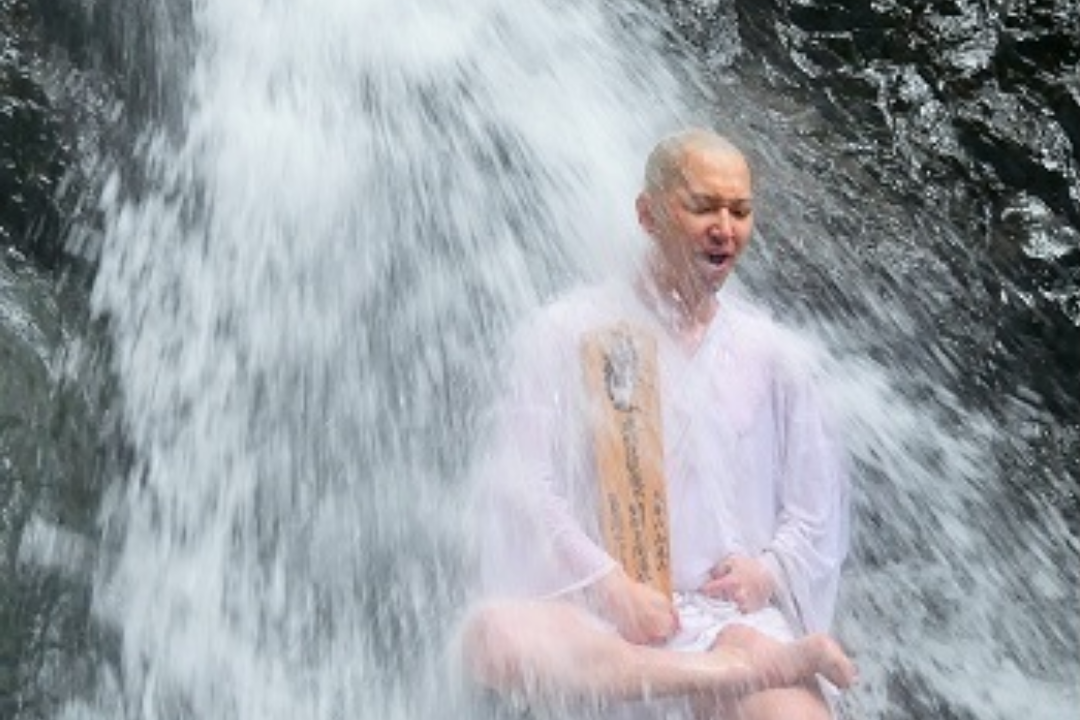
Known as Takigyo (waterfall ascetic training), this traditional Japanese practice involves standing under a natural waterfall while cold water crashes over the body. While often described as a spiritual discipline, Takigyo is perhaps better understood today as a powerful way to interrupt mental noise and reconnect with the present moment.
Far more than an extreme wellness activity or adventure tourism experience, Takigyo represents a distinctly Japanese approach to restoring balance—one that relies not on thinking more, but on temporarily stopping thought altogether.
As interest grows worldwide in mindfulness, wellness travel, and nature-based healing, waterfall meditation is attracting attention far beyond Japan. Its appeal lies not in religious doctrine or self-improvement promises, but in something far more universal: the human need to pause.
This article explores the concept of Takigyo, its cultural roots, how it works, and why this centuries-old practice continues to resonate in modern life.
Takao-san Yakuo-in Suigyo Overview
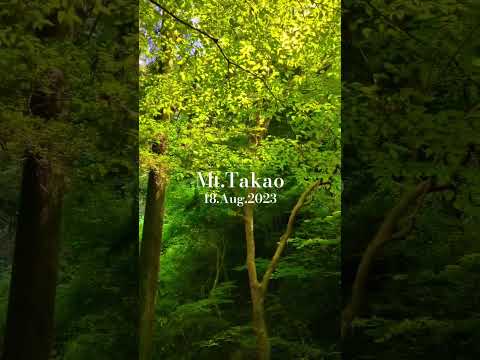
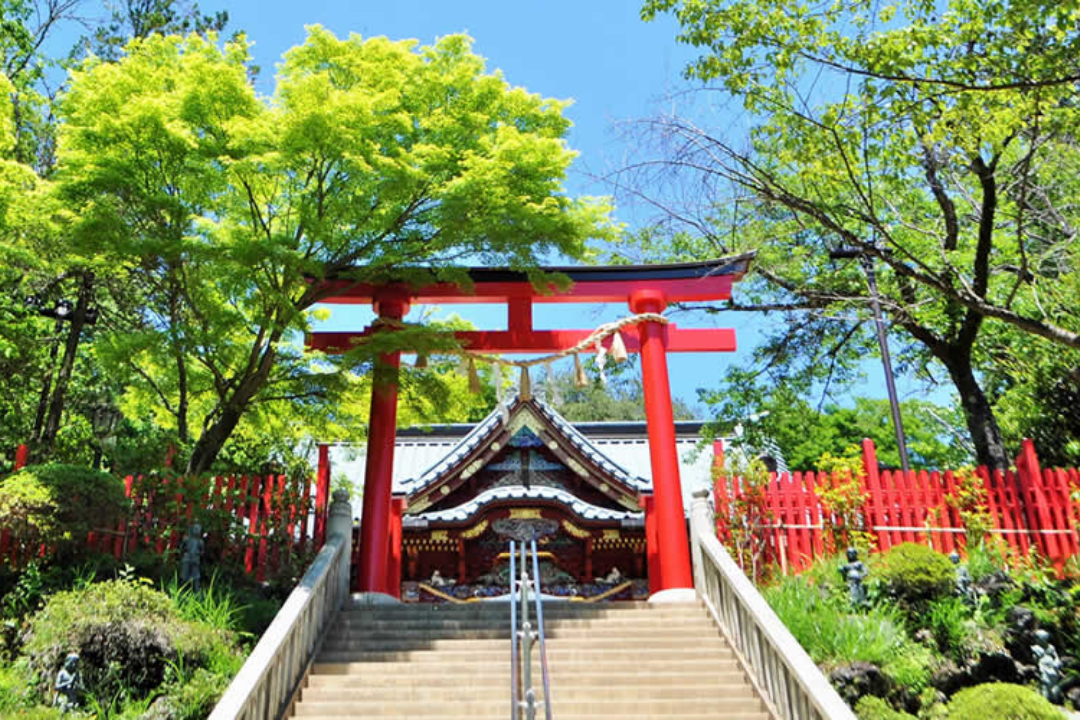
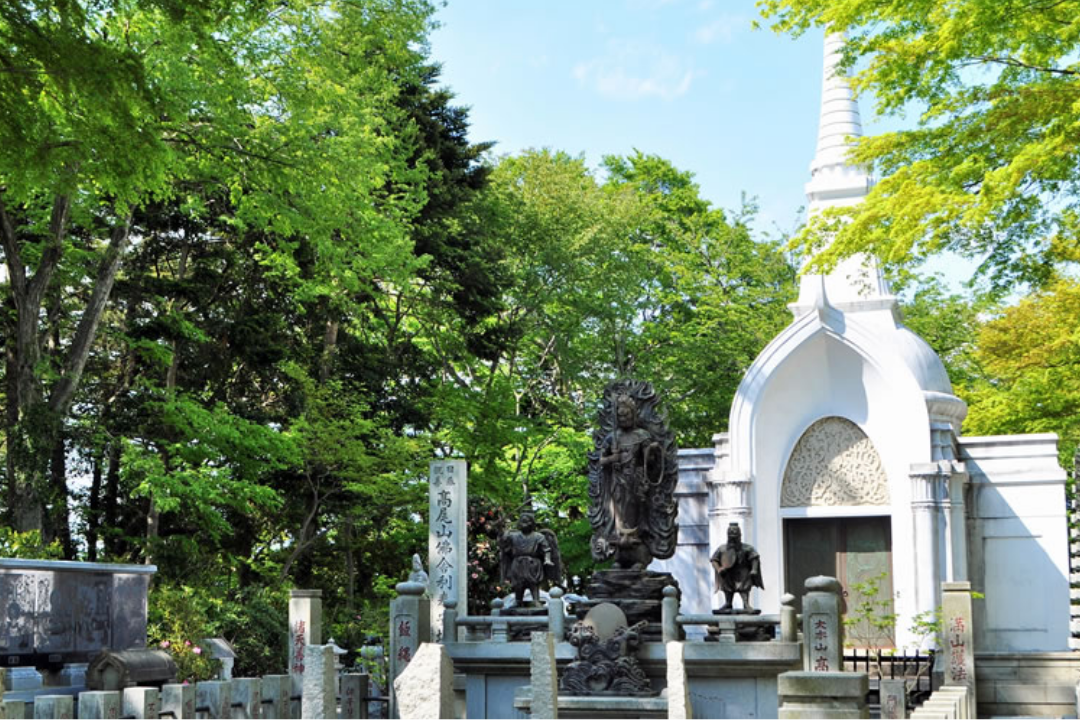
The Suigyo (waterfall purification) practice at Takao-san Yakuo-in is a profound experiential ritual that bridges Japan’s ancient mountain-worship heritage with modern spiritual wellness. Conducted at the sacred Jataki and Biwataki waterfalls, this traditional training allows participants—ranging from devout practitioners to international tourists—to step into the world of Shugendo (mountain asceticism) and purify both mind and body under freezing mountain waters.
By offering structured, beginner-friendly instruction alongside authentic ritual elements, the temple transforms an intense, once-secret monastic trial into an accessible journey of mental clarity and resilience. Ultimately, it serves as a powerful cultural touchpoint, providing visitors with a rare, visceral connection to the natural and spiritual foundations of Japanese history.
What Is Takigyo? A Japanese Practice That Begins With the Body
Source: Takao-san Yakuoin Homepage
At its core, Takigyo is not simply about enduring cold water.
The essence of the experience lies in placing yourself directly before an overwhelming force of nature and allowing physical sensation to override mental chatter.
Unlike many forms of meditation that begin with the mind—focusing on breath, attention, or awareness—Takigyo starts with the body.
A waterfall is unpredictable. The force of the water shifts constantly. The sound reverberates through the surrounding landscape. The temperature shocks the skin. Every second presents a new sensory input that the brain cannot fully anticipate or control.
Because the experience is so immediate and intense, it becomes difficult to maintain ordinary patterns of thinking. Worries about work, relationships, deadlines, and future plans are rapidly pushed aside by the simple necessity of being present.
This is what makes waterfall meditation unique.
Traditional meditation often requires conscious effort: focus on your breathing, let thoughts go, return your attention to the present. Takigyo bypasses much of that process. The waterfall demands attention automatically.
Many participants describe the experience as moving through several distinct stages:
Before Entering the Water
Anxiety and anticipation emerge. The mind imagines the cold, the pressure, and the discomfort to come.
The Initial Impact
As the water strikes the body, awareness narrows dramatically. Breathing, posture, and balance become the only priorities.
Adaptation
After a period of adjustment, many participants experience a surprising shift. The water remains cold and powerful, but it begins to fade into the background. Resistance decreases, and a sense of stillness can emerge.
After Leaving the Water
The experience ends with a clear transition. Participants dry off, regain warmth, and often sit quietly for reflection. The contrast between the waterfall and ordinary life creates a strong sense of closure.
Unlike many wellness practices, this state cannot be fully understood through explanation alone. It must be experienced physically. That universality is one reason Takigyo resonates with people from many different cultural and religious backgrounds.
Not a Test of Endurance: The Common Misunderstanding About Waterfall Training
To outsiders, Takigyo often looks like an exercise in toughness.
Images of people standing beneath freezing water naturally evoke ideas of discipline, suffering, or extreme self-control. However, those assumptions miss the deeper purpose of the practice.
Takigyo is not about enduring pain.
The Physiological Trap of Tensing Up
When a participant first steps beneath the heavy downpour, the body’s primal reaction to freezing water is immediate, aggressive resistance. Muscles tightly knot up, breathing turns rapid and shallow, and the nervous system enters a frantic fight-or-flight panic to protect its core temperature.
This structural resistance quickly hits a wall. The crushing weight of the waterfall continues relentlessly, entirely indifferent to a person’s ego or stubborn willpower. Practitioners quickly learn that the experience becomes increasingly agonizing the harder they try to fight, block out, or dominate the elements.
Biological Adaptation via Physical Release
The breakthrough moment occurs when a participant consciously decides to stop fighting the current. By deliberately softening their muscles, establishing a slow, steady breathing cadence, and actively embracing the environment rather than treating it as an enemy, the body’s regulatory systems begin to adapt. The physical temperature and force of the water do not change, but the practitioner's biological relationship to it transforms entirely.
The True Source of Post-Meditation Clarity
The profound, crystalline sense of inner peace that many people report immediately after exiting the waterfall does not come from a place of triumph over nature.
The Takigyo Paradox: True clarity is not achieved by conquering the elements, but by entirely surrendering the exhausting cognitive need to fight them in the first place.
Deconstructing the Hustle: Takigyo’s Counter-Intuitive Blueprint for Modern Life
Ultimately, this ancient shift in mindset makes waterfall meditation intensely relevant to the challenges of modern professional life. The vast majority of contemporary corporate self-improvement strategies are anchored strictly to aggressive, high-energy effort:
- Work longer hours
- Maintain hyper-focus
- Continually optimize schedules
- Force oneself to become stronger
Takigyo offers a radically refreshing, counter-intuitive alternative. It serves as a stark reminder that in high-stress, unpredictable environments, cognitive clarity often emerges not from pushing yourself harder, but from knowing exactly when to temporarily let go.
How Waterfall Training Emerged From Japan’s Relationship With Nature
To understand Takigyo, it helps to understand how nature has traditionally been viewed in Japan.
For much of Japanese history, mountains, rivers, forests, and waterfalls were not simply natural features. They were places of power, mystery, and reverence.
Nature as Both Provider and Threat
Before the advent of modern civil engineering, public infrastructure, and climate control, daily life in rural Japan was intimately tied to the volatile whims of the environment. The natural world was simultaneously a generous provider of life and an existential threat:
The Agricultural Balance: Seasonal rains fueled rice cultivation, yet unexpected storms could wipe out an entire community's food supply.
The Geographical Barrier: Majestic mountain ranges yielded fresh timber and pure water, but they also isolated villages and harbored dangerous wildlife.
The Uncontrollable Flow: Local rivers were essential trade highways, but seasonal melting regularly triggered catastrophic flooding.
Within this cultural context, practices developed that encouraged individuals to face nature directly rather than avoid it. Waterfall training emerged as one of those practices.
It became particularly associated with mountain ascetic traditions and spiritual disciplines that emphasized humility, awareness, and self-reflection.
The waterfall was an ideal setting.
Its power is constant yet ever-changing. The flow never stops, but no two moments are identical. Standing beneath it serves as a reminder that humans are not in control of everything.
Historically, the purpose was not to gain supernatural power or acquire special knowledge. Rather, it was to strip away distractions, ego, and assumptions.
By confronting something larger than oneself, a person could return to daily life with greater clarity and perspective.
In this sense, Takigyo reflects a broader Japanese worldview: harmony with nature is often achieved not through mastery, but through acceptance.
Why People Seek Out Waterfall Meditation Today
Source: Takao-san Yakuoin Homepage
Modern participants often approach Takigyo very differently from practitioners centuries ago.
Many are not motivated by religion at all.
Instead, they are searching for a break from the mental demands of contemporary life.
Today, people rarely experience a true interruption of thought. Even vacations often involve screens, schedules, and constant communication. It is possible to change locations without ever changing mental states.
Waterfall training creates an immediate disruption.
Nothing about standing beneath a waterfall resembles everyday life. The environment, clothing, physical sensations, and mental focus all shift at once.
This abrupt transition acts like a reset button.
For some people, Takigyo becomes a way to mark major life transitions:
- Career changes
- New business ventures
- Personal loss
- Major decisions
- Significant milestones
Rather than seeking answers directly, participants often seek a temporary pause from questioning itself.
Organizations and teams have also begun incorporating waterfall experiences into retreats and leadership programs.
Unlike workshops or discussions, a waterfall places everyone on equal footing. Job titles, status, and expertise become irrelevant when facing the same natural force.
Perhaps most importantly, Takigyo contains no built-in competition.
There are no scores, rankings, or productivity metrics. Success is not measured by how long someone remains beneath the water.
In a culture increasingly defined by performance and comparison, that absence of evaluation can feel surprisingly liberating.
A Culture That Leaves Room for Personal Interpretation
One of the most distinctive aspects of Japanese waterfall training is how little it attempts to explain itself.
Many spiritual traditions around the world provide detailed frameworks, stages, teachings, and expected outcomes. Participants are often told exactly what they should experience and why.
Takigyo generally takes a different approach.
Basic instructions and safety guidelines are provided, but the meaning of the experience is largely left to the individual.
This reflects a broader characteristic of Japanese culture.
Nature is not typically viewed as something that exists to teach lessons directly. A waterfall does not offer a message. It simply exists.
The participant determines what significance, if any, to take away from the experience.
Likewise, emotional expression is not usually the central goal.
Takigyo does not encourage dramatic breakthroughs or outward displays of emotion. Instead, it emphasizes quiet observation of internal changes.
The environment itself is similarly minimalist.
Artificial structures are kept to a minimum. Weather, temperature, and water flow remain largely outside human control.
Rather than eliminating uncertainty, the practice embraces it.
For many international visitors, this openness is part of the appeal. Without rigid expectations, participants are free to engage with the experience on their own terms.
Why the World Is Rediscovering Takigyo
The growing international interest in waterfall meditation cannot be explained by curiosity about Japanese culture alone.
Its rise reflects broader global concerns.
Across many societies, people face:
- Information overload
- Chronic stress
- Digital dependency
- Burnout
- Constant productivity pressure
At the same time, movements centered around mindfulness, wellness, and nature-based healing continue to expand.
Takigyo intersects with all of these trends, but in an unusual way.
Unlike many wellness practices, it requires almost no intellectual framework. There are no philosophies to study, no apps to download, and no techniques to master.
The body does the work.
This simplicity makes the experience highly accessible across cultures.
It also aligns with growing interest in sustainable and low-impact forms of wellbeing. Waterfall meditation relies on natural environments rather than elaborate infrastructure or resource-intensive facilities.
Perhaps most importantly, Takigyo offers something increasingly rare:
A chance to stop trying to improve yourself.
Much of modern wellness culture focuses on optimization; becoming more productive, more resilient, more successful.
Takigyo offers a different proposition.
Instead of becoming someone new, it invites participants to return to who they already are beneath the noise.
That message resonates strongly in a world where many people feel exhausted by the pressure to constantly upgrade themselves.
Conclusion
Source: Takao-san Yakuoin Homepage
Takigyo is one of Japan’s most enduring cultural practices, yet its relevance may be greater today than ever before.
At first glance, standing beneath a freezing waterfall appears to be an act of discipline or endurance. In reality, its deeper purpose is almost the opposite. It creates a temporary environment in which thinking becomes secondary and direct experience takes over.
The value of waterfall meditation lies not in acquiring knowledge, achieving goals, or maximizing performance. It lies in creating space—space away from constant decision-making, constant stimulation, and constant self-evaluation.
By surrendering control to the forces of nature, even briefly, participants often discover a sense of stillness that is increasingly difficult to find in modern life.
For international audiences, Takigyo offers more than a glimpse into Japanese tradition. It presents an alternative way of thinking about wellbeing, one rooted not in consumption or achievement, but in presenc.
As conversations around mental health, sustainability, and meaningful travel continue to evolve, waterfall meditation stands out as a uniquely powerful example of how ancient practices can address contemporary challenges.
Stand beneath the water. Let the noise fall away.
In that simple act, a centuries-old Japanese tradition continues to offer something many people around the world are searching for: a moment of genuine stillness.
FAQ About the Takao-san Yakuoin Waterfall Training Program
1. What Is Takigyo?
Takigyo is a traditional Japanese practice in which participants stand beneath a natural waterfall and allow the cascading water to flow over their entire body. More than simply an outdoor activity, it is a form of spiritual and physical discipline designed to quiet the mind through direct bodily experience. The practice has been passed down for centuries as part of Japan's mountain worship and ascetic traditions.
2. Why Does Standing Under a Waterfall Help Calm the Mind?
The cold water, powerful pressure, and constant roar of the waterfall leave little room for continuous thought. Rather than consciously trying to concentrate as in traditional meditation, the body naturally shifts into a state where physical sensation takes priority. As a result, mental chatter gradually fades, allowing the mind to become still.
3. Is Takigyo Meant to Strengthen Mental Toughness?
While many people assume that is its purpose, the essence of Takigyo is somewhat different. Instead of building mental strength by enduring hardship, the practice encourages participants to let go of resistance. By regulating their breathing and surrendering to the flow of the water rather than fighting against it, both physical and mental tension begin to dissolve.
4. Why Has Takigyo Become Popular in Modern Times?
Many people today struggle to escape a constant stream of information and ongoing mental stress. Takigyo provides a rare opportunity to disconnect completely from smartphones and the digital world, allowing participants to return their attention to the present moment. This makes it particularly meaningful in today's fast-paced society.
5. Can You Participate Without Following a Religion?
Yes. While Takigyo originated within Japan's mountain ascetic and spiritual traditions, modern waterfall meditation experiences are open to people regardless of their religious beliefs. Many participants now join simply to relax, reset their minds, or reconnect with themselves rather than for religious reasons.
6. Why Were Waterfalls Chosen as Places of Spiritual Practice?
Waterfalls represent one of nature's forces that humans cannot fully control. Standing before the rushing water, powerful sound, and unpredictable flow naturally reminds participants that they are part of nature rather than masters of it. This experience of surrender has long been considered an important step toward restoring inner balance.
7. Is Takigyo Similar to Mindfulness?
The two share certain similarities, but their approaches are quite different. Mindfulness generally involves consciously directing your attention to the present, whereas Takigyo uses intense natural stimulation to bring about a state where thinking itself naturally subsides. Because of this, Takigyo requires very little explanation or theory; the experience speaks for itself.
8. Why Has Takigyo Gained Attention Overseas?
Takigyo offers a simple and universal way to change one's state of mind through direct interaction with nature. It does not require specialized knowledge, particular beliefs, or extensive training. As long as someone is willing to experience it physically, the practice can be understood intuitively across different cultures.
9. Is Takigyo About Gaining Something?
In many ways, it is the opposite. Rather than seeking achievement or acquiring something new, Takigyo is often described as a process of letting go. Participants temporarily release unnecessary thoughts, tension, and self-consciousness, allowing themselves to return to a more natural and grounded state of being.
10. What Is the Greatest Strength of Takigyo?
Its greatest strength is the opportunity to completely empty yourself in the presence of nature. While standing beneath the waterfall, titles, responsibilities, and social roles fade into the background, leaving only the experience of simply existing in that moment. That rare simplicity is what gives Takigyo such lasting value for many people today.
Related Videos
If you're interested in Japan’s spiritual traditions, the video below introduces waterfall meditation, a practice in which participants stand beneath a rushing waterfall to train both mind and body. This video shows how this centuries-old ritual continues to attract people seeking inner peace, self-discipline, and a deeper connection with nature.