Experience Life Without Ownership: How Japan's Lifestyle Subscription Service Rethinks the Way We Live
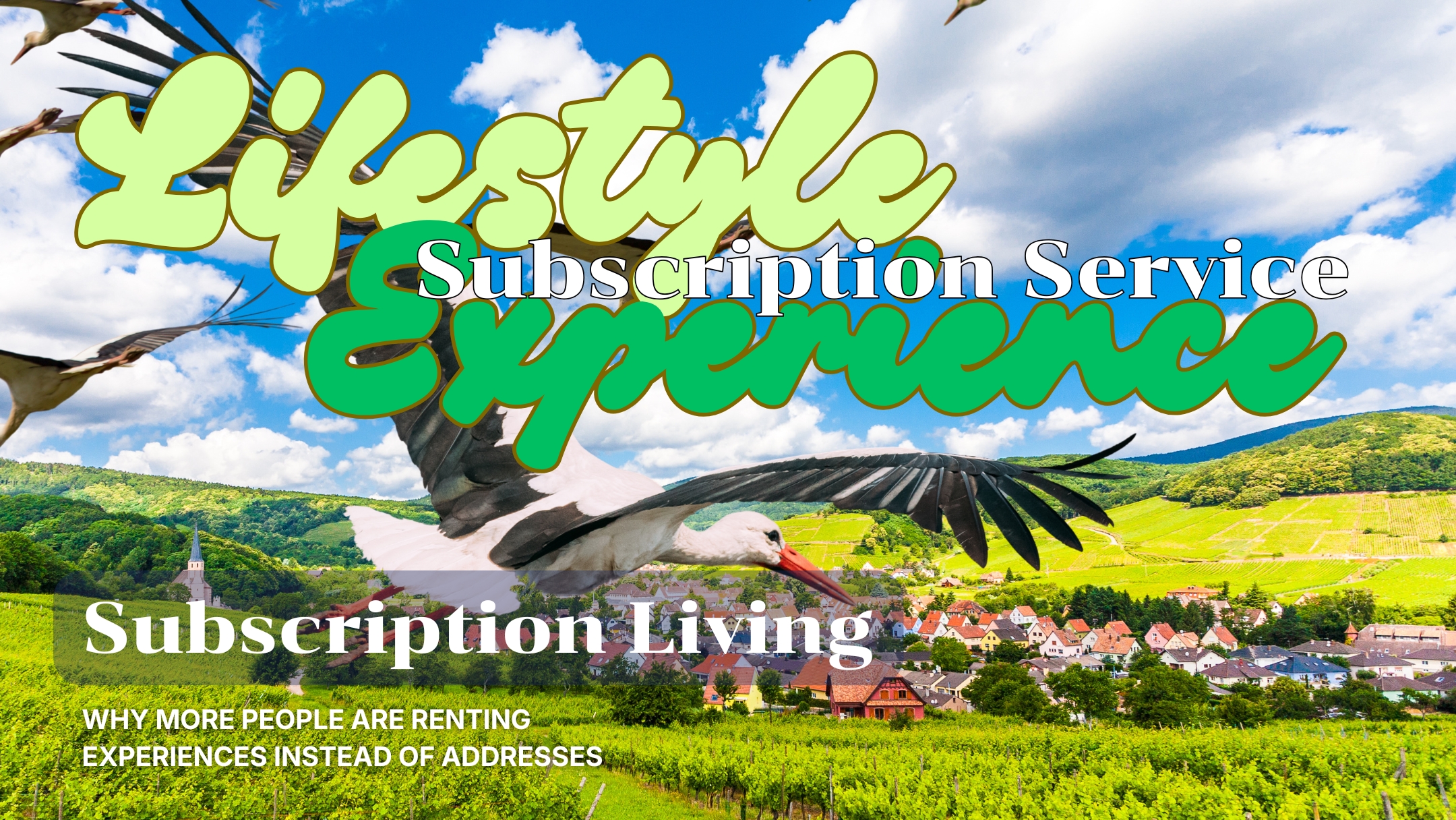
What if you could experience life in different parts of Japan without buying a house, signing a long-term lease, or committing to a permanent move?
That is the idea behind Japan's emerging "lifestyle experience subscription" model.
Rather than offering accommodation or tourism packages, these services are designed around something much more ambitious: giving people the opportunity to experience everyday life in different regions of Japan as if they actually lived there.
Members stay in fully equipped homes across the country and spend time living as locals rather than visitors. They shop at neighborhood supermarkets, work remotely from local cafes, discover community rhythms, and experience the subtle differences that make each region of Japan unique.
The concept reflects two major changes taking place in modern society.
The first is Japan's remarkable regional diversity. Life in a mountain town in Nagano feels fundamentally different from life on an island in Okinawa or in a fishing community in Hokkaido. Japan may be a single country, but its local cultures, lifestyles, and communities vary dramatically from region to region.
The second is the changing relationship people have with work and home. As remote work becomes increasingly common worldwide, more people are beginning to ask a different question. Instead of asking, "Where should I live?" they are asking, "What kind of life do I want to experience?"
Lifestyle subscription services were created to answer that question by making it easy to try living in different places before making long-term decisions.
For international audiences, the appeal is easy to understand.
Around the world, interest in minimalism, slower living, local experiences, and location-independent lifestyles continues to grow. Japanese rural life offers many of these qualities naturally, including walkable communities, strong local identities, seasonal traditions, and a sense of calm that can be difficult to find in major global cities.
At the same time, traditional tourism rarely provides access to everyday Japanese life. Visitors may spend a week sightseeing in Tokyo or Kyoto without ever experiencing what it feels like to buy groceries from a local market, greet neighbors on a morning walk, or settle into a community's daily rhythm.
Lifestyle subscription services fill the space between tourism and immigration by offering a way to experience "ordinary Japan" from the inside.
Rather than turning Japanese culture into a product to be consumed, these services invite people to participate in it through everyday life.
As ideas surrounding ownership, mobility, and home continue to evolve, this Japanese approach to living may attract attention far beyond Japan's borders.
wataridori Overview
The Lifestyle Experience Subscription Service is a Japanese membership program that allows users to stay in homes across the country for extended periods and experience life as a resident rather than a tourist.
Unlike hotels, vacation rentals, or short-term travel packages, participants stay in fully furnished homes equipped with the essentials needed for everyday life. The goal is not simply to visit a destination, but to become part of its daily rhythm.
wataridori's Lifestyle Experience Subscription Service
Operated by National Migratory Bird Lifestyle Club Co., Ltd., wataridori offers subscribers the opportunity to experience everyday life across multiple regions of Japan.
Members register for the service and select from available locations throughout Japan, making it possible to try different regions through short- or medium-term stays.
The model is particularly attractive for:
- Remote workers and digital nomads
- People considering relocation within Japan
- Families exploring alternative lifestyles
- Individuals seeking a temporary break from urban life
- International visitors interested in experiencing everyday Japanese culture
Pricing varies depending on the location and duration of the stay and is not publicly disclosed in detail. However, the service generally operates on a fixed-fee subscription model that includes accommodation, utilities, and access to the living environment itself.
Because housing arrangements, contracts, utilities, and furnishings are already prepared, users can begin their stay with minimal administrative work.
The appeal lies in the freedom it offers.
Participants do not need to purchase property, sign long leases, or commit to permanent relocation. Instead, they can move between regions and experience multiple lifestyles before deciding where, or even whether, they want to settle down.
In many ways, it represents a new category altogether.
It is not tourism.
It is not migration.
It is something in between.
The Strategic Business of Regional Revitalization
The service is built around a simple idea: living somewhere, even temporarily, reveals far more than visiting it ever can.
Guests stay in furnished homes designed for everyday living rather than tourism. From these bases, they can explore local neighborhoods, establish routines, work remotely, and interact with communities in a more natural way.
Depending on the location, experiences may include:
- Shopping at local markets and neighborhood stores
- Participating in community events
- Working remotely from regional towns
- Exploring local crafts and industries
- Spending time in agricultural communities
- Discovering cafes and restaurants frequented by residents rather than tourists
The process itself is straightforward.
Users register as members, choose their preferred destination and stay period online, and move into their selected home. During their stay, they are free to structure their time however they wish, whether that means working remotely, participating in local activities, or simply enjoying a slower pace of life.
Stay lengths typically range from several weeks to several months, with accommodation costs, utilities, and housing infrastructure included within the subscription fee.
The service reflects the reality of modern work patterns and is designed for people who want greater flexibility in how and where they live.
For some, it serves as a trial run before relocation.
For others, it offers an alternative to conventional travel.
For many, it simply provides the chance to discover what life might feel like somewhere else.
A Japanese Model That Turns "Lifestyle" Into the Product
Source: wataridori Homepage
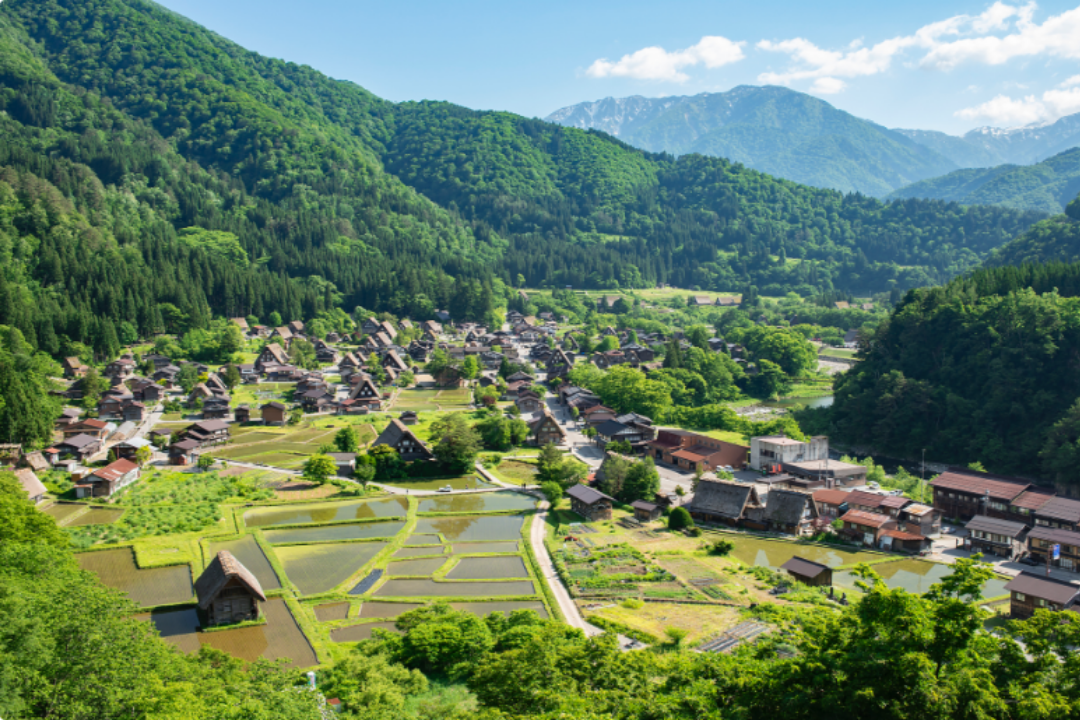
The most distinctive aspect of wataridori is that it does not sell housing, accommodation, or travel experiences. It sells lifestyle itself.
Many subscription-based stay services focus primarily on providing access to places. wataridori instead focuses on how people live once they arrive. That distinction changes the experience entirely.
The service occupies a unique position between tourism and migration.
Travel allows visitors to see a place.
Relocation requires major commitments, paperwork, and life-changing decisions. wataridori offers a middle ground where users can experiment with different lifestyles without the pressure of permanence.
This approach lowers psychological barriers while allowing members to move between multiple regions and compare experiences directly. Culturally, the service takes a different approach from traditional tourism experiences.
Discovering the Regional Soul of Japan Through Daily Life
Rather than packaging local culture into curated attractions or scheduled programs, it allows users to encounter culture through ordinary life:
- Grocery shopping
- Commuting routes
- Relationships with neighbors
- Local work environments
- Seasonal community rhythms
Because these experiences emerge naturally rather than being staged for visitors, participants often gain a more authentic understanding of regional Japan. There is no groundbreaking hardware or proprietary technology behind the service.
Its innovation lies in the operational model itself. By combining housing access, local support, and flexible subscriptions into a single platform, wataridori makes multi-location living significantly easier than arranging each stay independently.
The service was designed around modern values that place less emphasis on ownership and permanent settlement. Instead of selling places, it sells ways of living.
That may be its most uniquely Japanese innovation.
Why Did wataridori Appear? Japan's Empty Homes and the Rise of Flexible Living
The creation of wataridori reflects two major social trends currently reshaping Japan.
The first is Japan's growing number of underutilized homes.
Across the country, vacant houses, unused vacation properties, and second homes remain empty despite being perfectly suitable places to live. Japan's aging population and rural depopulation have made this issue particularly visible in regional areas.
wataridori addresses this challenge by repurposing these properties as temporary living spaces equipped with furniture, appliances, and the infrastructure needed for daily life.
This creates new value from existing housing stock while introducing visitors to communities that might otherwise remain overlooked. The second trend is the growing demand for lifestyles that exist somewhere between travel and relocation.
How Temporary Residents are Saving Rural Communities
As remote work expands globally, more people are discovering that they are no longer tied to a single city or office. Many are interested in trying life in different locations but are not ready to commit to permanent migration.
wataridori responds to this demand by allowing members to stay for periods ranging from one week to one month or longer, moving between regions much like migratory birds moving between seasonal homes. Importantly, the company does not simply provide accommodation.
It also aims to provide the information and local connections necessary to make daily life possible, including guidance from local ambassadors and community support networks. The operating company was established in 2018, with the service officially launching in July 2020.
In many ways, wataridori represents an attempt to connect two separate challenges: Japan's growing stock of unused homes and society's increasing interest in location-independent living experiments.
Connecting the Needs of Cities, Rural Communities, and Businesses Through Living Experiences
The Lifestyle Experience Subscription Service is being used for far more than travel or accommodation. It has evolved into a platform for experiencing regional life itself, finding applications across business, tourism, education, and local revitalization initiatives.
For companies embracing remote work and workcation programs, the service offers employees the opportunity to live and work in regional Japan for extended periods. Spending time outside major cities can provide a mental reset and encourage fresh perspectives that are often difficult to achieve in a traditional office environment.
Many companies view these stays as a way to reduce employee stress, improve motivation, and foster creativity through exposure to different environments and lifestyles.
The tourism industry has also begun to see value in this approach.
For international visitors seeking more than sightseeing, "living experiences" provide an entirely different way to engage with Japan. Instead of moving from one famous attraction to another, travelers can spend time in traditional homes, shop at local morning markets, and participate in seasonal community events that residents themselves enjoy.
The experience shifts the focus from seeing Japan to living in it.
The Nomad’s Subscription
Educational institutions and corporate training programs have also adopted similar approaches to promote regional understanding and cultural awareness.
University fieldwork programs and leadership training initiatives increasingly recognize the value of placing participants in environments with different social norms, values, and lifestyles. Living in a regional community encourages adaptability, independent thinking, and a broader understanding of diversity that cannot easily be replicated in classrooms or conference rooms.
Local governments are also exploring partnerships with lifestyle subscription programs.
For municipalities facing population decline and growing numbers of vacant homes, these services create opportunities to introduce potential future residents to the area without requiring immediate relocation commitments.
Participants who enjoy their experience often become informal ambassadors for the region, sharing their experiences online and helping to strengthen local branding and tourism awareness.
In this sense, lifestyle subscription services act as a bridge between urban residents, rural communities, businesses, educational institutions, and local governments.
More importantly, they encourage people to reconsider the value of living itself.
Designing for Safety, Comfort, and Consistent Experiences
When a service revolves around living spaces, quality control becomes one of its most important responsibilities.
For lifestyle subscription services, maintaining safe, comfortable homes and delivering a reliable experience across different regions is essential to the product itself.
Properties are selected based on safety standards and everyday convenience. Furnishings, appliances, kitchen facilities, internet access, and other basic infrastructure are provided so guests can begin living normally from the moment they arrive.
Unlike vacation rentals that prioritize short-term stays, these homes are designed to support daily routines over extended periods. Properties undergo inspections and cleaning between guests, and standardized checklists help maintain consistent quality across locations.
However, the experience extends beyond the physical property.
Usage guidelines, local information, support systems, and community resources are also built into the service design. Support channels are available to help users resolve problems or answer questions during their stay, making participation easier even for those arriving from distant locations or from overseas.
While each destination naturally offers a different lifestyle and atmosphere, core processes such as reservations, contracts, and onboarding have been standardized to create a familiar experience regardless of location.
The goal is not to make every stay identical.
The goal is to ensure that every stay feels reliable.
Because the service is fundamentally about living rather than accommodation, much of its value lies in these less visible aspects of operational quality.
Making Location-Independent Living a Realistic Choice
Source: wataridori Homepage
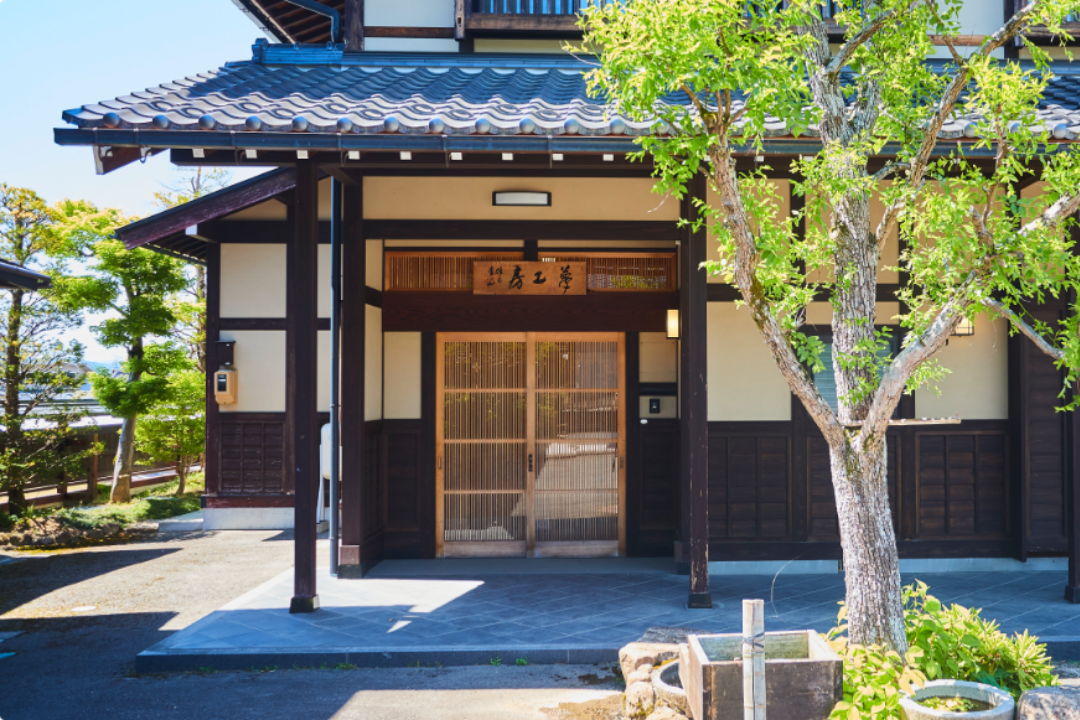
At the heart of the Lifestyle Experience Subscription Service is a simple question:
Does modern life really require us to live in a single place forever?
The founders believed that while work styles have become increasingly flexible, housing choices have remained surprisingly rigid. For many people, the options have traditionally been limited to two extremes:
Take a short vacation, or make the life-changing decision to relocate permanently.
The space in between remained largely empty.
At the same time, Japan faces an abundance of underused housing stock, including vacant homes, unused vacation properties, and second residences that remain disconnected from modern living needs. Meanwhile, many urban residents are interested in rural life but hesitate to commit to moving without first understanding what daily life there would actually feel like.
The founders saw an opportunity to connect these two realities. Their answer was inspired by migratory birds. If people could move freely between locations and live in different places throughout the year, the number of possible lifestyles would expand dramatically.
A Journey Through Japan’s Subscription Homes
The Lifestyle Experience Subscription Service transforms that concept into something practical by handling housing arrangements, contracts, furnishings, and infrastructure on behalf of users.
The result is a system that allows people to experiment with different ways of living without the complexity that usually accompanies relocation. Importantly, the founders were never trying to convince people to move to a particular region.
Their goal was much simpler.
Experience first.
Decide later.
The service was designed as a space for experimentation, helping people discover where and how they want to live before making long-term decisions. That philosophy continues to define the service today.
Experiencing Regional Culture Through Everyday Life Rather Than Tourism
The Lifestyle Experience Subscription Service is not designed around traditional cultural workshops or organized sightseeing experiences. Instead, its relationship with culture is rooted in something far more ordinary: daily life.
Because participants spend weeks or months living in a community rather than passing through it as tourists, they naturally encounter the customs, habits, and social rhythms that shape local culture.
Simple activities become cultural experiences:
- Shopping at neighborhood stores
- Visiting local restaurants regularly
- Greeting neighbors during morning walks
- Learning unspoken community etiquette
- Adjusting to local routines and seasonal rhythms
These moments provide insights that guided tours rarely capture.
Participants are not observing culture from the outside.
They are temporarily living within it.
Longer stays also increase the likelihood of encountering seasonal festivals, community events, local traditions, and everyday practices that visitors would normally miss. The value lies not in staging cultural experiences for guests but in allowing culture to reveal itself naturally through ordinary life.
This approach also benefits local communities.
Unlike traditional tourism, which often concentrates spending around major attractions, longer-term residents contribute to local businesses and community interactions in more sustainable ways. The service does not aim to preserve culture behind glass or present it as a performance. Instead, it creates opportunities for culture to continue living through everyday interactions.
Expanding the Idea of "Trying a Lifestyle"
Source: wataridori Homepage
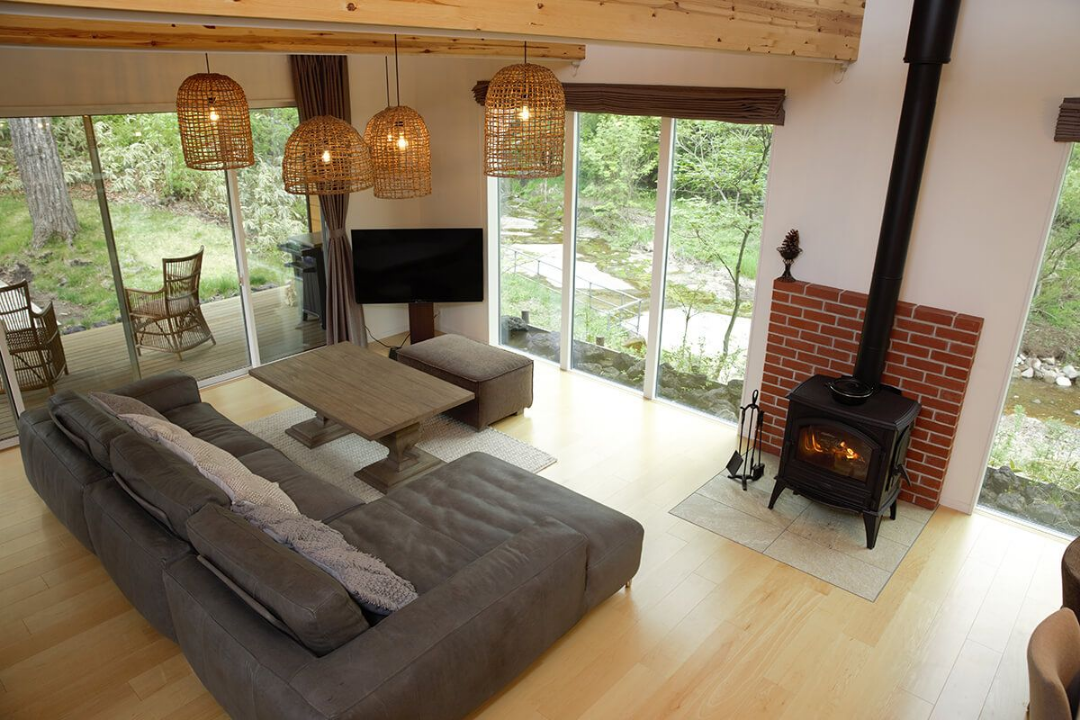
Looking ahead, the Lifestyle Experience Subscription Service has significant room for growth.
One obvious direction is expanding the number of available locations. Increasing the variety of regions, environments, and lifestyles available would make it easier for users to find communities that match their personal preferences and goals.
Greater flexibility in stay durations and membership plans could also make the service accessible to people at different stages of life, from short exploratory visits to multi-month living experiments.
Brand positioning will be equally important.
The service occupies a unique space that is neither tourism nor relocation.
Communicating this "third option" clearly will be essential for future growth. Rather than competing directly with travel companies or real estate services, the platform offers something fundamentally different: the opportunity to experience a way of life before committing to it.
User stories and real-world experiences will likely play an important role in building awareness and trust. As more participants share how regional living changed their perspectives, the concept itself becomes easier for new audiences to understand. International expansion may also become an important opportunity.
Scaling Regional Diversity for a Global Audience
Foreign remote workers, digital nomads, and long-term visitors interested in Japanese culture could represent a natural audience for the service.
Partnerships with international workcation networks, tourism organizations, and mobility platforms could position lifestyle subscriptions as a gateway to experiencing everyday life in Japan.
Ultimately, this is not simply a hospitality product. It is an attempt to redesign how people think about living itself.
The Wataridori Model: I Finally Felt Like I Was Living There
One of the most common themes among users is that they felt like residents rather than visitors. Many participants describe experiences that would sound ordinary on paper but felt surprisingly meaningful in practice:
Buying groceries at local supermarkets.
Taking evening walks through residential neighborhoods.
Discovering favorite cafes and restaurants.
Developing routines that gradually made an unfamiliar place feel like home.
Unlike traditional travel itineraries, these experiences allowed local life to become part of daily routines rather than something viewed from the outside. Even relatively short stays often changed participants' sense of time and helped them step away from the pace and pressures of city life.
Remote workers frequently highlight the impact on productivity and well-being. Many report improved work-life balance, greater concentration, and increased creativity after changing environments. Working from a rural town rather than an office or apartment often created the mental space needed for new ideas and clearer thinking.
Living Like a Local in Japan’s Hidden Corners
International users and long-term visitors to Japan have also responded positively. Several have noted that the service provides a safe and gradual way to experience Japanese life without immediately committing to relocation or navigating complex housing procedures.
For many, it offered access to a side of Japan that short-term tourism rarely reveals.
On social media platforms such as Instagram and X, users often share images of quiet streets, local scenery, home workspaces, and everyday moments rather than famous landmarks.
The appeal lies not in spectacle but in possibility.
Many viewers respond with a simple thought:
"Maybe I could live like this too."
Growing Attention Within Japan's Workcation Movement
Within Japan, the Lifestyle Experience Subscription Service has attracted attention alongside the growth of workcations and multi-location living. When the service launched, it was introduced through press releases and media coverage highlighting the connection between changing work styles and regional revitalization.
Lifestyle publications and local development media have also featured the service as an alternative that sits somewhere between tourism and migration.
While specific user numbers and revenue figures have not been publicly disclosed, the continued expansion of locations suggests steady demand.
Interest has grown particularly among remote workers and professionals exploring regional lifestyles following the global shift toward flexible work arrangements.
Social media activity reflects this trend.
Posts featuring hashtags related to multi-location living, workcations, and rural life experiences regularly showcase everyday scenes from regional Japan. Unlike campaigns designed to generate viral attention, much of the service's visibility comes directly from user experiences.
Photos of home offices overlooking rice fields or quiet morning walks through small towns often communicate the concept more effectively than traditional advertising ever could. As discussions surrounding regional revitalization and flexible work continue to grow, the service has established itself as a recognizable part of Japan's evolving lifestyle landscape.
Why Could "Living Like a Local" in Japan Appeal Internationally?
Although developed for the Japanese market, the concept has significant international potential. The idea of experiencing life somewhere without becoming either a tourist or a permanent resident is increasingly relevant worldwide.
As remote work continues to expand, more people are seeking flexibility not only in where they work but also in where they live. For digital nomads and location-independent professionals across Asia, Europe, and North America, Japan offers several important advantages:
- Exceptional public safety
- Reliable infrastructure
- Efficient public transportation
- High-quality healthcare
- Strong regional diversity
- Distinct local cultures within a single country
The ability to experience multiple lifestyles within one country is itself a compelling value proposition. A month in coastal Kyushu can feel completely different from a season in rural Tohoku or a stay in the mountains of Nagano.
The service also avoids many of the cultural barriers sometimes associated with international relocation. Participants are not expected to fully integrate immediately or adopt unfamiliar customs overnight. Instead, they gradually adjust to local rhythms through daily life and observation.
For many international users, Japan's emphasis on cleanliness, safety, order, and quiet living creates an environment that feels approachable even during longer stays. Most importantly, the service treats Japanese life not as a tourism product to consume but as a lifestyle to understand through participation.
That distinction may become increasingly valuable as travelers around the world look for deeper and more meaningful forms of mobility.
Conclusion
The Lifestyle Experience Subscription Service represents a uniquely Japanese answer to a global question:
What if living somewhere did not have to mean staying there forever?
As remote work, digital nomadism, and flexible lifestyles continue to grow, interest in temporary and location-independent living is likely to increase alongside them. Japan offers an unusually attractive environment for these experiments thanks to its safety, infrastructure, and extraordinary regional diversity.
For overseas businesses, the opportunity extends beyond accommodation or tourism. This model introduces an entirely new category positioned between travel, real estate, and workcation services. Rather than competing directly with existing industries, it creates a new market built around experiencing ways of living.
International partnerships could help introduce more people to everyday life in Japan while also expanding the service's reach beyond domestic audiences. Ultimately, the Lifestyle Experience Subscription Service is more than a housing platform.
It is an invitation to rethink the relationship between people and places. And in a world where mobility is becoming increasingly flexible, that idea may resonate far beyond Japan.
FAQ About wataridori
1. What Is a Lifestyle Experience Subscription Service?
A lifestyle experience subscription service allows users to stay in homes across Japan for a set period while living as local residents rather than tourists. Instead of simply providing accommodation, the service offers access to fully furnished homes where members can work, shop, cook, and interact with local communities as part of everyday life.
Its biggest distinction is that it offers an experience that sits somewhere between tourism and permanent relocation, creating an entirely new way to explore different lifestyles.
2. How Is It Different From Traditional Travel or Accommodation Services?
The main difference is that the goal is not to visit a destination but to experience life there.
Traditional travel often focuses on sightseeing and short-term visits to popular attractions. Lifestyle experience subscriptions prioritize daily routines, neighborhood interactions, and local culture as experienced by residents.
Participants see a region through the perspective of someone who lives there rather than someone who is passing through.
3. Why Is the Idea of "Trying a Lifestyle" Becoming Popular?
Attitudes toward work and housing are changing around the world.
The rise of remote work means many people no longer need to remain in a single city or location throughout their careers. At the same time, relocating permanently can feel risky or overwhelming.
Lifestyle experience subscriptions offer a middle ground by allowing people to test different regions and lifestyles before making major life decisions.
4. What Does "Living Without Ownership" Mean?
It refers to the idea that people do not necessarily need to own every aspect of their living environment.
Instead of purchasing property or furnishing an entire home, users can access fully equipped living spaces whenever and wherever they need them.
The concept reflects a growing interest in flexible, location-independent lifestyles that place greater value on experiences than ownership.
5. Who Is This Service Best Suited For?
The service appeals to a wide variety of users, including:
- People considering relocation to rural Japan
- Remote workers seeking a change of environment
- Digital nomads exploring Japan for longer periods
- Families interested in alternative lifestyles
- Individuals searching for a slower pace of life
Because participants can experience local communities beyond the perspective of a short holiday, the service often helps people better understand what kind of environment suits them best.
6. What Benefits Does This Model Offer Local Communities?
One of the biggest benefits is the creation of longer-term relationships between visitors and local communities
Unlike traditional tourism, participants stay long enough to become regular customers at local businesses and develop connections with residents.
The model can also help revitalize underused housing stock, including vacant homes and unused vacation properties, creating new economic opportunities for regional communities.
7. How Could Lifestyle Subscription Services Change The Way People Work?
The service encourages people to rethink the relationship between where they live and where they work. Advances in technology and communication infrastructure mean that many jobs can now be performed outside traditional offices.
Lifestyle experience subscriptions make it possible to continue working while living in entirely new environments, opening the door to more flexible and personalized work arrangements.
8. Why Could International Visitors Find This Service Appealing?
For many international visitors, the greatest attraction is the opportunity to experience everyday life in Japan rather than simply visiting famous destinations.
Living in a community, shopping locally, and participating in daily routines provides a much deeper understanding of Japanese culture and society than short-term tourism can offer.
As interest in long-term travel, digital nomadism, and remote work continues to grow, this model offers a new way to experience Japan.
9. What Kind of Future Lifestyle Does This Service Represent?
The service reflects a future in which people are no longer expected to remain in a single location throughout their lives.
Instead, individuals may choose living environments that match different stages of life, personal priorities, or career goals. Lifestyle experience subscriptions provide a practical way to experiment with these choices before making long-term commitments.
10. What Is the Biggest Appeal of Lifestyle Experience Subscription Services?
Perhaps the greatest advantage is the ability to experience a new way of living before making major decisions. Relocation, career changes, and lifestyle shifts often involve uncertainty. By allowing people to test a place before committing to it, lifestyle subscription services reduce risk while expanding personal choice.
Ultimately, the service gives people greater freedom to decide not only where they want to live, but also how they want to live.