Around the world, there are countless ways to relax and relieve stress. From massage and yoga to meditation, approaches aimed at easing physical and mental tension have become increasingly diverse. Among these wellness practices, one uniquely Japanese relaxation experience that has attracted growing attention is Otonamaki.
Otonamaki is a relaxation method in which the body is gently wrapped in a large piece of fabric and positioned in a curled posture similar to that of a fetus. While the sight of an adult being wrapped in cloth may seem unusual at first, the experience is designed to create a sense of comfort, security, and physical ease. By allowing the body to relax while being softly supported, Otonamaki has gradually gained recognition in Japan as a unique wellness and relaxation practice.
A Japanese midwife developed the practice which was created to support postpartum body care. After childbirth, many women experience physical discomfort such as poor posture, shoulder stiffness, and lower back pain. Looking for a gentle way to address these issues, the creator adapted the idea of Ohinamaki, a wrapping technique traditionally used for babies. The result was Otonamaki, a method designed to provide adults with a similar sense of support, comfort, and relaxation.
In recent years, interest in wellness and stress management has grown around the world. As modern lifestyles become increasingly busy, many people are looking for ways to slow down, reconnect with themselves, and restore balance between body and mind. Experiential wellness services that focus on relaxation, mindfulness, and overall well-being have become particularly popular. Otonamaki fits naturally into this trend, offering a distinctive Japanese approach to relaxation that feels both simple and unconventional.
In this article, we will take a closer look at Otonamaki, the unique wellness experience developed in Japan. We will explore how it works, the story behind its creation, how it is used today, and why it has begun attracting interest from people around the world.
Otonamaki Overview
Otonamaki (literally "Adult Wrapping") is a therapeutic relaxation practice developed in Japan that involves wrapping a person in a large, breathable mesh cloth in a fetal-like position. While the visual of a swaddled adult often sparks curiosity or surprise, the practice is rooted in traditional Japanese midwifery and physical therapy.
The technique is designed to replicate the security and comfort of the womb. By maintaining a curled posture for 15 to 20 minutes, the body’s muscles—particularly those in the neck, shoulders, and lower back—are gently stretched and released from the tension of upright, modern life. Beyond the physical benefits of improved flexibility and posture, Otonamaki is highly valued for its psychological impact, inducing a state of deep "reset" and mindfulness that helps combat urban stress and sensory overload.
The practice was pioneered by Nobuko Watanabe, a renowned Japanese midwife and the inventor of the famous "Toco-chan Belt" (a staple maternity support product in Japan). The method is promoted and taught through her organization, Kyoko Co., Ltd.
A Japanese Relaxation Practice That Uses Gentle Wrapping to Ease Physical Tension
Source: Let’s Enjoy Tokyo Homepage
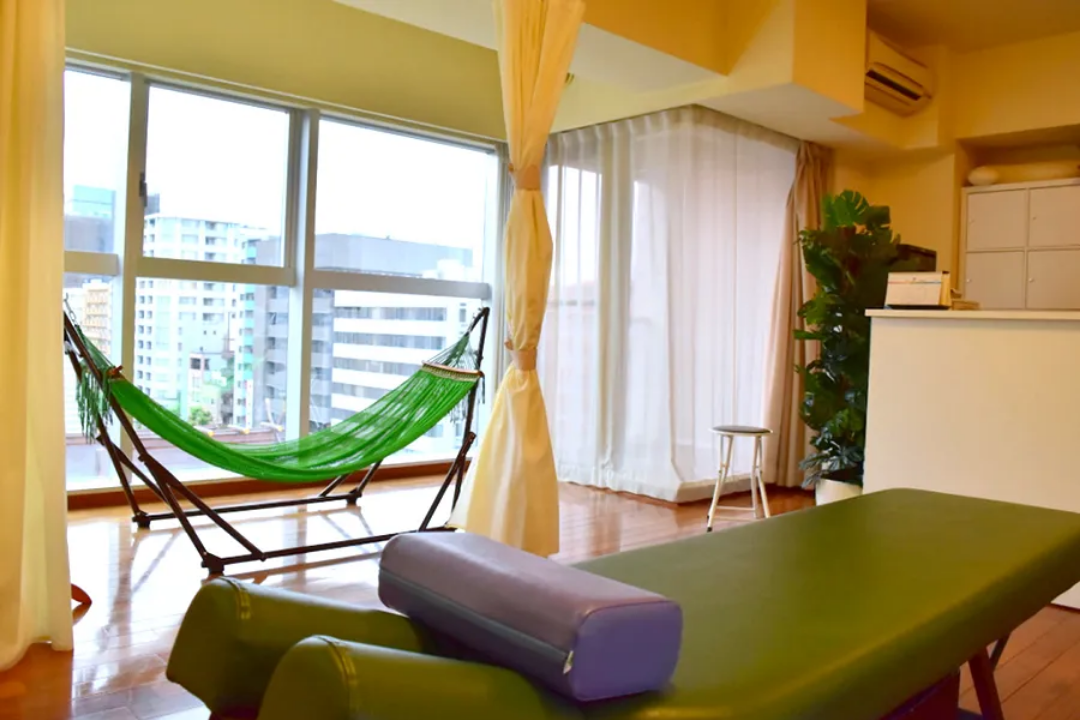
Otonamaki is a relaxation method developed in Japan that involves wrapping the entire body in a large piece of fabric and adopting a curled posture similar to that of a fetus. As the name suggests, it literally means “wrapping an adult” and was inspired by Ohinamaki, a traditional baby-wrapping technique used in childcare.
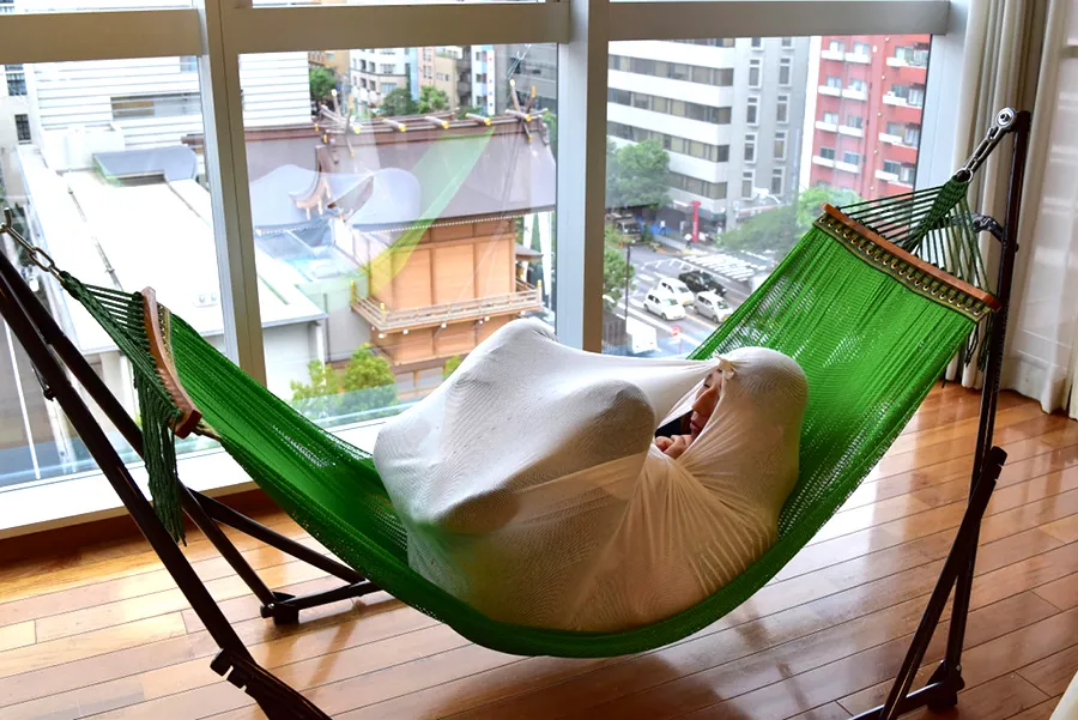
During the experience, participants are gently enveloped in a specially designed stretchable fabric. While sitting or lying on a mat, the body is wrapped in a way that naturally encourages a rounded, supported posture. Because the fabric helps support the body, there is no need to rely on muscle tension to maintain the position. As a result, many people find it easier to release physical strain and gradually relax into a more comfortable state.
During a session, participants may be gently rocked while wrapped in the fabric, or guided through slow, controlled stretching movements. By curling the body into a compact position within the cloth, tension in areas such as the back and shoulders may begin to ease, allowing participants to relax muscles that they may not normally notice. Because the fabric also reduces external stimulation, many people describe the experience as creating a sense of psychological comfort and security.
A typical session lasts around 20 to 30 minutes. In addition to being offered as a relaxation service, Otonamaki is sometimes incorporated into postpartum care and physical wellness programs. It is often used as a supportive practice for improving posture and enhancing flexibility, and can commonly be experienced at midwifery clinics, wellness centers, and relaxation salons throughout Japan.
The Art of Adult Swaddling
At first glance, the sight of an adult wrapped in fabric may seem unusual. However, this simple act of being gently enclosed has attracted attention as a way of encouraging a natural sense of comfort and relaxation. The underlying idea is that by supporting the body and reducing unnecessary tension, it becomes easier to settle into a more natural posture. In many ways, it reflects Japan's approach to gentle, supportive care that works with the body rather than against it.
Although Otonamaki relies on a remarkably simple concept and requires no specialized machinery or complex equipment, it has evolved into a uniquely Japanese wellness experience that aims to support both physical and mental relaxation.
The Unique Sense of Comfort Created by Otonamaki
One of the most distinctive aspects of Otonamaki is its seemingly unusual concept: wrapping adults in fabric. While swaddling is commonly associated with infant care, Otonamaki adapts this idea for adult relaxation, creating an experience that is unlike most conventional wellness services.
Many relaxation treatments focus on external interventions such as massage, stretching, or physical manipulation of the body. Otonamaki takes a different approach. By gently wrapping the body in fabric, it encourages natural alignment and helps participants access a more relaxed state without force or intense stimulation. Rather than actively working on the muscles, the method aims to make it easier for the body to release tension on its own through gentle support and positioning.
The experience itself is also highly distinctive. Participants are wrapped securely in fabric and guided into a compact, curled posture that resembles the fetal position. This posture is often considered one of the body's most natural resting positions and is believed to help reduce strain on areas such as the back, shoulders, and lower back. By allowing the spine to round rather than remain extended as it often does during daily activities, the experience may help participants become more aware of their posture and physical balance.
Why Does Simply Being Wrapped Feel Relaxing?
Otonamaki also places importance on emotional and psychological comfort. Being wrapped in fabric can reduce external sensory distractions and make it easier to focus inward. In this sense, the experience shares certain similarities with practices such as meditation and mindfulness, which encourage a heightened awareness of one's physical and mental state. Many participants describe feeling a sense of security while wrapped, and some report that their breathing naturally becomes slower and more relaxed during the session.
Another notable feature is the simplicity of the method. Otonamaki does not require specialized machines, advanced technology, or elaborate facilities. The experience relies primarily on specially designed fabric and a trained practitioner who provides guidance and support. This straightforward structure makes it relatively easy to offer in a variety of settings, including wellness centers, relaxation salons, and midwifery clinics.
In this way, Otonamaki has evolved into a uniquely Japanese form of relaxation that goes beyond its eye-catching appearance. By focusing on both physical alignment and the sense of security that comes from being gently wrapped, it offers a different approach to wellness than many conventional relaxation methods. The concept itself is also distinctly Japanese, adapting an idea originally developed for infant care into a wellness experience for adults.
A Relaxation Method Inspired by Infant Care
The origins of Otonamaki can be traced back to challenges commonly observed in Japan’s postpartum care settings. Many women experience physical discomfort after childbirth, including pelvic misalignment, poor posture, shoulder stiffness, and lower back pain. The demands of caring for a newborn, such as frequent feeding and carrying, often require maintaining the same posture for extended periods, which can place additional strain on the body and affect overall balance.
While addressing these issues, Japanese midwives found inspiration in a traditional infant care practice known as Ohinamaki, in which babies are gently wrapped in fabric. This method is believed to provide a sense of security while supporting a stable, natural posture. By recreating the feeling of being comfortably contained, wrapped infants often appear calmer and more relaxed.
This led to a simple question: could the same concept be adapted for adults? Although the body changes as it grows, the basic structure remains the same. Practitioners believed that the feelings of security, support, and physical stability associated with being wrapped might also benefit adults.
This idea eventually led to the creation of Otonamaki. Practitioners wondered whether the same concept could be applied to adults, reasoning that while the human body changes with age, its fundamental structure remains largely the same. As a result, they believed that the sense of security, support, and physical stability created by being gently wrapped might also offer benefits to adults.
When practitioners began experimenting with wrapping the body in fabric, many found that it became easier to release tension and relax muscles that are often held tight throughout the day, particularly in the shoulders and back. The curled position used in Otonamaki is considered one of the body's more naturally comfortable postures, and the fabric provides gentle support that allows participants to maintain it without strain. As people shared their experiences through word of mouth, interest gradually spread, and Otonamaki became increasingly recognized as a unique form of relaxation.
In modern society, increasing numbers of people are experiencing posture-related issues due to long hours spent at desks, frequent smartphone use, and other sedentary habits. Rounded shoulders, neck and shoulder stiffness, and chronic muscle tension have become common concerns for many. As a result, Otonamaki has attracted attention as a simple and gentle approach that may help address some of these modern physical challenges while encouraging greater body awareness and relaxation.
In this way, Otonamaki evolved from an idea inspired by infant care into a unique relaxation method designed to address real-world concerns such as postpartum recovery and posture-related discomfort. By combining practical insights from Japanese midwives with a gentle, body-centered approach, it has gradually developed into a distinctive wellness service that continues to attract interest both within Japan and abroad.
Expanding from Maternity Care to Broader Wellness Experiences
Source: Let’s Enjoy Tokyo Homepage
Otonamaki is primarily offered in Japan at midwifery clinics, relaxation salons, and other body care facilities. Because it originated in postpartum care, it is often used to support physical recovery after childbirth, a time when changes in posture and pelvic alignment can place additional strain on the body. By gently wrapping the body in fabric, Otonamaki is intended to help release tension and encourage relaxation.
In recent years, it has also gained attention as a wellness experience for a wider audience. As posture-related issues linked to long hours of desk work and smartphone use have become increasingly common, some people turn to Otonamaki as a way to unwind and ease physical tension. Many participants say that being wrapped in fabric and guided into a curled position helps them relax areas such as the shoulders and back that can become tense during everyday life.
It is also sometimes presented as a wellness or self-care experience. In Japan, some facilities include Otonamaki as part of relaxation programs alongside practices such as yoga, stretching, and meditation. Being wrapped in fabric helps reduce external distractions and encourages people to focus on their breathing and bodily sensations, leading some participants to describe it as an experience similar to mindfulness.
Otonamaki is also occasionally featured at events and workshops as a unique hands-on activity. Its unusual appearance has attracted attention on television and social media, sparking curiosity among people interested in trying a distinctive form of Japanese relaxation. Many participants report feeling more relaxed than they expected, and this contrast between appearance and experience is often part of its appeal.
In this way, Otonamaki has expanded beyond its origins in postpartum care and is now used in a variety of settings, including relaxation, posture support, and wellness programs. Despite its simple approach, it continues to gain recognition in Japan as an experience that encourages both physical and mental relaxation.
Trusted Body Care Rooted in Midwifery Expertise
One of the defining features of Otonamaki is that it was developed based on the expertise of Japanese midwives. Created in postpartum care settings, the method draws on a professional understanding of body mechanics, posture, and physical recovery. This foundation helps give participants confidence in the experience. Rather than being designed purely for relaxation, Otonamaki has evolved as a form of body care that aims to support natural posture and physical comfort without placing unnecessary strain on the body.
Japan has a long-standing appreciation for approaches that gently support the body rather than relying on strong physical stimulation. The idea of improving balance through natural posture, movement, and breathing can also be seen in practices such as Japanese bodywork and stretching programs. Otonamaki follows a similar philosophy, using a gentle and supportive approach to encourage relaxation and physical ease.
Attention to safety is another important aspect of the experience. Proper wrapping techniques and guidance are considered essential, which is why sessions are typically conducted under the supervision of trained practitioners. This structured support helps create an environment where even first-time participants can feel comfortable and at ease throughout the experience.
This emphasis on expertise, careful guidance, and participant safety reflects a broader characteristic of Japanese body care services.
From Japan to the World: The Potential of a Unique Hands-On Relaxation Experience
At present, Otonamaki remains relatively uncommon outside Japan, with only a limited number of examples available overseas. However, its unique concept has started attracting attention through social media platforms such as Instagram, YouTube, and TikTok. The visual appeal of being wrapped in fabric, combined with the relaxation it offers, has drawn interest from people around the world who are interested in wellness and self-care.
Meditation, mindfulness, and self-care experiences have become increasingly popular in the United States and Europe. In these markets, Otonamaki is well positioned as a unique wellness experience that helps people naturally relax and unwind by being gently wrapped in fabric. Its distinctive approach to supporting both physical and mental relaxation gives it potential to reach a wider audience in the future.
Otonamaki has also been featured at overseas wellness centers and relaxation events as a unique Japanese experience that people are curious to try. While it is still too early to know how widely it will be adopted internationally, there appears to be considerable potential for it to be accepted in different cultural settings.
Where Wellness Meets Cultural Heritage
Source: Let’s Enjoy Tokyo Homepage
One reason Otonamaki has attracted attention overseas is that it aligns with growing global interest in wellness and self-care. As more people look for ways to manage stress and support their physical and mental well-being, experiences that encourage relaxation and mindfulness continue to gain popularity. Otonamaki offers a simple yet distinctive approach by gently wrapping the body in fabric, helping participants relax and reconnect with their physical sensations.
There is also growing interest in wellness practices that draw on local knowledge and cultural traditions. Developed from the expertise of Japanese midwives, Otonamaki is an example of how traditional caregiving ideas can be adapted for modern wellness needs. This combination of cultural heritage and practical innovation is one reason it has attracted attention outside Japan. It also aligns with broader discussions around health, well-being, and sustainable communities.
Additionally, because it is a low-cost and low-risk method that only requires a cloth, otonamaki is easy to introduce at wellness facilities and events. Its simplicity and accessibility, without the need for large-scale equipment, increase its potential to spread across borders. For these reasons, otonamaki has the potential to become a uniquely Japanese wellness experience that gains further attention internationally.
Conclusion
Otonamaki is a unique Japanese relaxation method inspired by baby care techniques. Although the concept is simple, wrapping the body in cloth helps support posture, release tension, and create a sense of physical and mental relaxation. Since it was developed from professional knowledge in postpartum care, it has gained trust as a gentle and safe experience for first-time users.
Beyond relaxation, Otonamaki also represents the adaptation of Japanese care traditions into modern wellness. It has gained attention overseas through social media and wellness events as a unique experience that combines self-care with Japanese cultural knowledge.
In today’s world, services that transform expert knowledge into meaningful experiences are becoming increasingly valuable. As a Japanese wellness experience, Otonamaki offers a new perspective to travelers and the global wellness market. Its appeal lies not only in the act of being wrapped in cloth, but also in experiencing the culture, expertise, and thoughtful practices behind this uniquely Japanese approach.
FAQ About Otonamaki
1. What Is Otonamaki?
Otonamaki is a Japanese relaxation practice in which the entire body is gently wrapped in a large cloth while resting in a curled, fetal-like position. It was inspired by ohinamaki, a traditional method of wrapping babies in fabric. By creating a posture that makes it easier to release physical tension, Otonamaki is enjoyed as an experience that promotes both physical and mental relaxation.
2. How Is It Different From A Typical Massage Or Stretching?
The key difference is that Otonamaki does not rely on strong external stimulation. Instead, relaxation is encouraged through the experience of being gently wrapped. The cloth supports the body, reducing the need to maintain posture independently and making it easier to let go of tension naturally. The approach focuses on helping the body return to a relaxed state.
3. Why Was The Idea Of Wrapping Adults In Cloth Developed?
The concept grew from knowledge developed in postpartum care. While exploring gentle ways to support women after childbirth, practitioners looked to ohinamaki, the technique used to wrap babies. The sense of security and physical stability created by being wrapped was later adapted into a relaxation method for adults.
4. What Happens During An Otonamaki Session?
The body is gently wrapped in a specialized cloth and placed in a comfortable curled position. In some sessions, the practitioner may lightly rock the body or perform gentle stretches within a comfortable range. The purpose is not to tightly restrain the body, but rather to create an environment where participants can safely relax and release tension.
5. Who Typically Uses Otonamaki?
A wide range of people uses Otonamaki In addition to those seeking postpartum body care, it is popular among individuals who experience tension in the shoulders or back, as well as those looking for a way to unwind from everyday stress. As interest in wellness and self-care continues to grow, Otonamaki has gained attention as a holistic relaxation experience.
6. Why Does Being Wrapped Create A Sense Of Comfort And Security?
Being gently enclosed by fabric can reduce external distractions and make it easier to focus on breathing and bodily sensations. Rather than forcing movement or effort, Otonamaki creates space for natural relaxation, supporting a calm and restorative experience for both body and mind.
7. Why Is Otonamaki Considered A Uniquely Japanese Wellness Practice?
Otonamaki combines the expertise of Japanese midwives with traditional childcare practices and applies them to modern body care. In Japan, there has long been an emphasis on approaches that support the body's natural state without excessive strain. Otonamaki reflects this philosophy and has evolved into a distinctly Japanese form of relaxation and wellness.
8. What Makes Otonamaki Appealing To International Visitors?
It offers an opportunity to experience a unique aspect of Japanese body-care culture. As global interest in mindfulness and self-care continues to increase, Otonamaki stands out as a wellness experience that promotes relaxation through the simple yet distinctive act of being wrapped. It is a memorable service that originated in Japan.
9. What New Perspective On Wellness Does Otonamaki Represent?
Otonamaki highlights the value of relaxation rather than focusing solely on exercise or strong physical stimulation. In a world that often prioritizes productivity and activity, it emphasizes the importance of taking time to let go, rest, and feel supported. It represents one example of a wellness approach that addresses both body and mind.
10. What Is The Greatest Appeal Of Otonamaki?
Its greatest appeal is the ability to reconnect with both body and mind through a simple, gentle experience. Without relying on special equipment, Otonamaki uses the act of being wrapped in cloth to help participants become more aware of physical tension and breathing patterns that may go unnoticed in daily life. Rooted in the knowledge of Japanese midwives, it offers a uniquely gentle and restorative wellness experience.
Related Videos
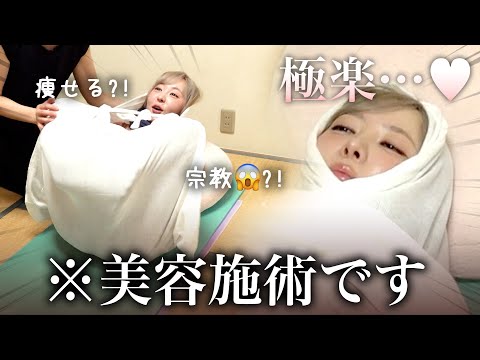
If you're interested in Japanese wellness practices that promote deep relaxation, the video below explores Otona Maki, a unique wrapping therapy designed to gently comfort both the body and mind. This video highlights how Japan continues to blend traditional care with modern wellness experiences.