
Sumo is one of the aspects of Japanese culture that attracts strong interest from international visitors. The sight of massive wrestlers colliding in the ring is recognized worldwide as a symbol of Japan’s traditional heritage. Yet beyond the excitement of official tournaments, there is another way to experience the sport up close: the morning training sessions held at sumo stables.
Morning practice at a sumo stable is where wrestlers undergo their daily training and discipline. These sessions are typically closed to the general public, making them a rare opportunity to witness the realities of sumo culture. Conducted within a strict hierarchical environment, the training is marked by both intense physicality and quiet concentration, offering a perspective that television broadcasts cannot fully capture. In recent years, guided morning practice tours have allowed visitors to observe these sessions, creating a unique cultural experience that offers deeper insight into the world of sumo.
This tour represents a new approach to opening Japan’s traditional culture to visitors through immersive experiences, and it has become especially popular among international travelers. Many people visiting Japan are looking for more than sightseeing alone. They want opportunities to experience the country’s culture, customs, and daily life firsthand. Watching a morning training session at a sumo stable offers exactly that kind of experience, giving visitors direct access to a world that is normally closed to the public.
The growing global demand for experiential cultural tourism has also contributed to the tour’s rising popularity. Experiencing a traditional culture in its authentic setting offers a level of engagement that goes beyond conventional sightseeing. By visiting an active sumo stable and observing morning practice firsthand, participants gain a rare opportunity to see where Japanese tradition and everyday life intersect, creating a deeper, more memorable understanding of Japan’s cultural heritage.
Sumo Stable Morning Practice Tour Overview
JTB Sunrise Tours offers an immersive sumo experience that takes visitors beyond the conventional tournament setting and into an active sumo stable. The tour gives participants the opportunity to observe morning training at Takanami Stable, where they can experience the intensity of wrestlers practicing at close range while learning about sumo culture from an English-speaking licensed guide. After the training session, participants can take photographs with active wrestlers, view personal belongings and training equipment, and ask questions, providing a closer look at the daily lives of professional sumo wrestlers.
The experience is designed specifically for international visitors seeking a deeper connection with Japanese culture. The approximately 10-minute introductory briefing, 45-minute training observation, and 15-minute interaction with wrestlers create a compact but immersive cultural experience. JTB Sunrise Tours also positions the tour within its responsible tourism approach, describing it as a “Cross-Cultural Understanding” experience designed to encourage cultural exchange between visitors and Japan.
What Is a Sumo Stable Morning Practice Tour?
Source: Viptour Homepage
A sumo stable morning practice tour is a cultural tourism experience that lets visitors observe early-morning training sessions at a sumo stable. A sumo stable is both the home and training ground of professional wrestlers, and access is typically restricted to members of the sumo community. In recent years, however, some stables have begun welcoming visitors under specific rules as part of cultural exchange and tourism initiatives.
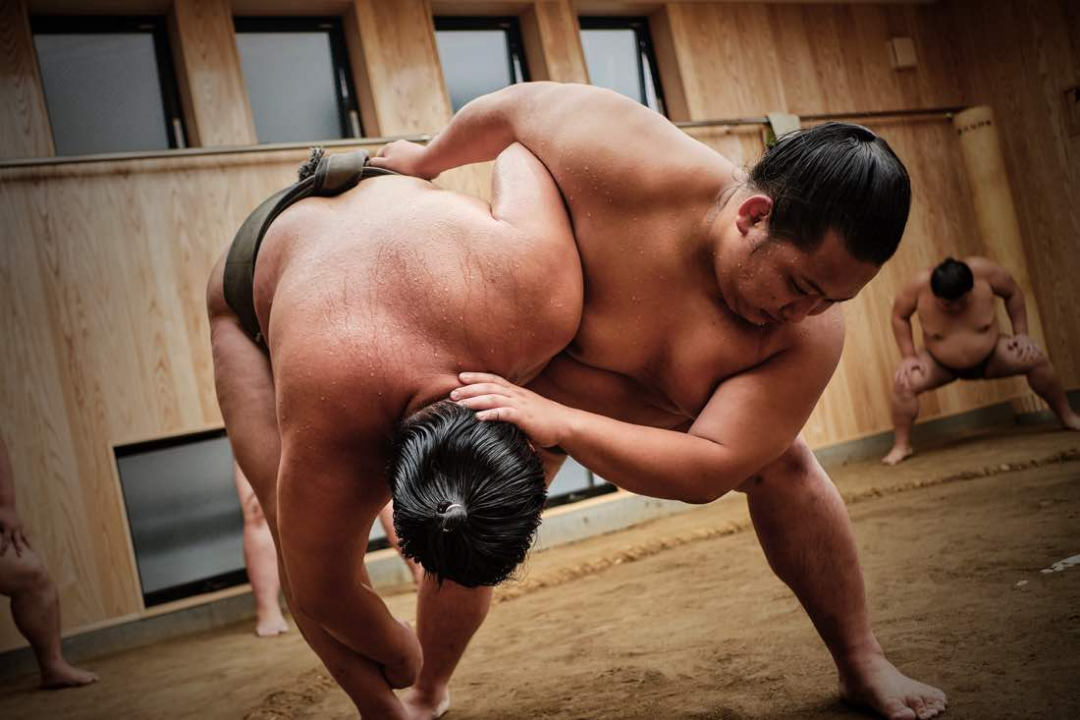
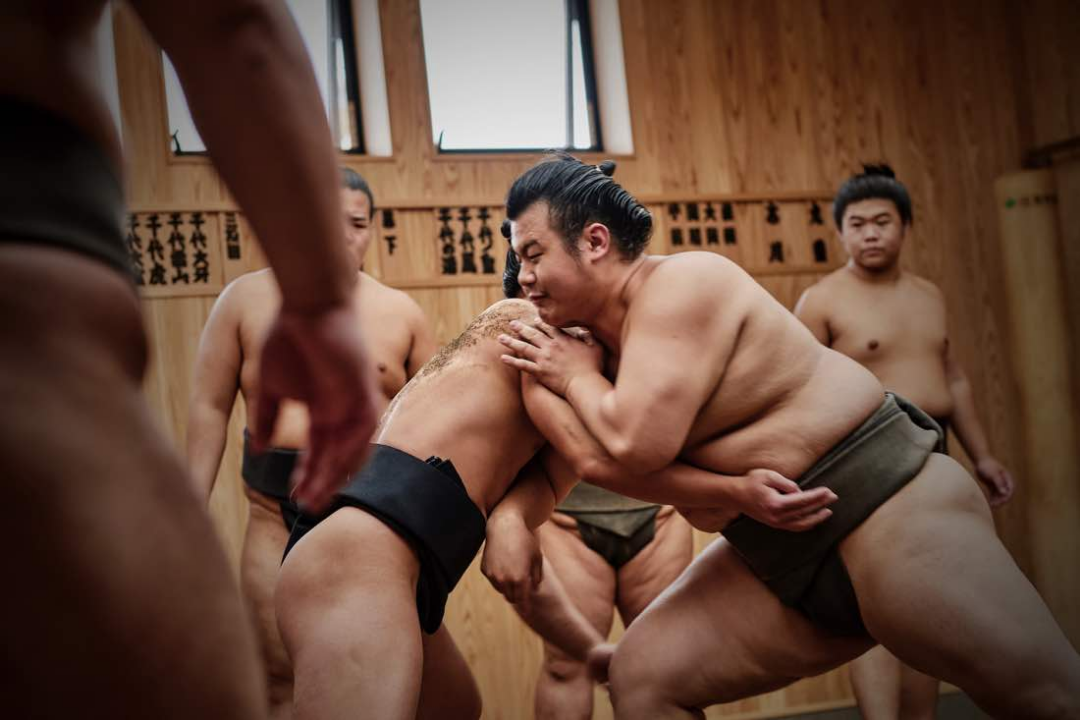
Morning practice is a daily routine that begins at dawn and forms the foundation of a wrestler’s training. Sessions include everything from basic exercises such as shiko (leg stomps) and suriashi (sliding footwork) to intense contact drills known as butsukari-geiko, where wrestlers repeatedly collide to build strength and endurance. Visitors can observe these activities up close, gaining a firsthand appreciation of the athletes’ physical abilities, discipline, and the demanding nature of their training.
Inside Japan's Sumo Stable Morning Training Experience
Most tours are conducted with a guide who explains the history of sumo, the purpose of various training exercises, and the ranking system that governs the sport. This makes the experience accessible even for visitors with little prior knowledge of sumo. Guests are generally expected to remain quiet throughout the session, and restrictions on photography or other activities may apply. These rules help maintain the wrestlers’ concentration while showing respect for the stable's unique environment.
More than a sightseeing activity, a sumo stable morning practice tour offers a rare opportunity to experience Japanese culture in an authentic setting. Watching wrestlers train up close provides insight into the dedication and traditions that underpin the sport, revealing sumo not simply as a form of competition but as a cultural institution deeply rooted in Japanese society.
A Rare Opportunity to Experience the Private World of Sumo Training
One of the most distinctive aspects of a Sumo Stable Morning Practice Tour is the opportunity to observe daily life inside a sumo stable, a world that is normally closed to the public. Sumo stables serve as both the living quarters and training grounds for wrestlers, where they undergo rigorous daily practice. Unlike typical tourist attractions, these facilities are not generally open for casual visits. As a result, the chance to watch a morning training session up close is rare, even in Japan.
A Rare Look Inside the World of Japanese Sumo
What makes the experience particularly unique is that visitors are not watching sumo as a staged performance, but observing genuine training sessions. Inside the ring, wrestlers collide with full force, repeatedly testing and refining their techniques through intense practice. What unfolds is not entertainment created for an audience, but the reality of daily discipline and preparation. The sounds of heavy impacts, controlled breathing, and bodies hitting the clay ring create an atmosphere that television broadcasts cannot fully capture.
Another defining aspect of the tour is that it is designed not simply as a viewing experience, but as an opportunity to gain a deeper understanding of Japanese culture. Many tours include a guide who explains sumo's history, the ranking system, and the significance of different training practices. Learning why wrestlers begin training before sunrise, or why the ring is regarded as a sacred space, helps visitors see sumo not only as a sport but also as a tradition deeply rooted in Japanese culture and values.
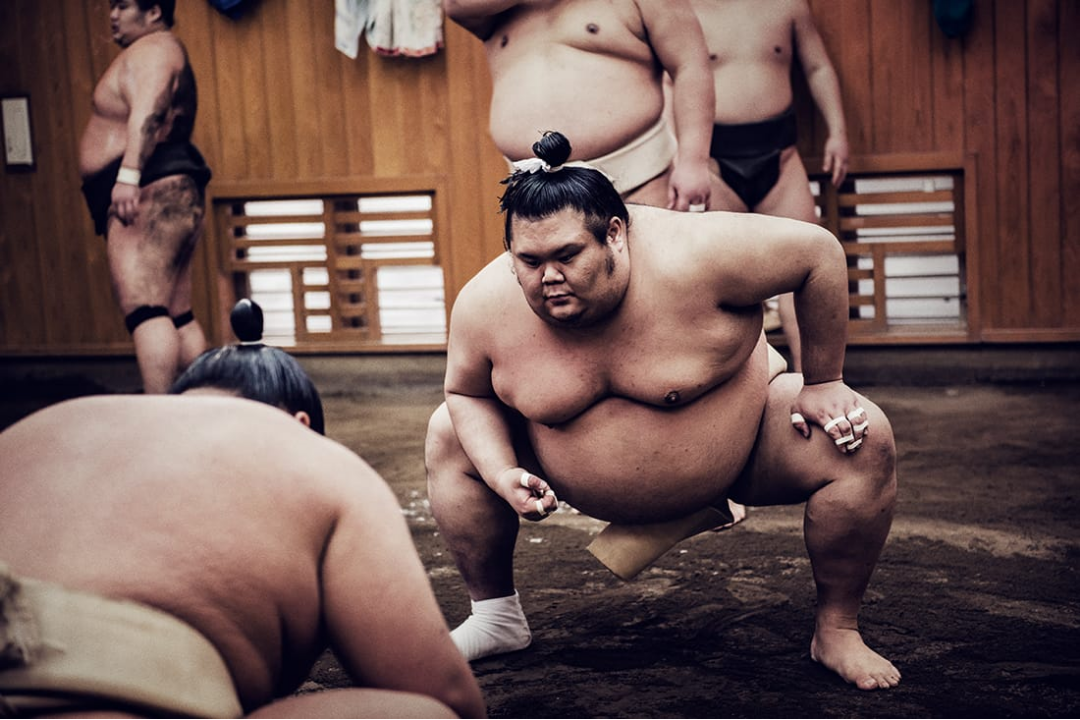
The setting of the sumo stable itself is also distinctive. From the earthen ring built inside a tatami-floored training hall to the ranking charts displayed on the walls and the wrestlers’ everyday belongings, the space has an atmosphere that feels very different from a modern sports facility. By quietly observing practice within this environment, visitors gain a rare glimpse into the close-knit community and disciplined lifestyle that define life inside a sumo stable.
The sumo stable morning practice tour offers an experience that goes far beyond watching a sporting event. It provides direct access to the traditions, values, and daily routines that underpin Japan’s national sport. As a result, it stands out as a cultural experience that offers a deeper and more authentic connection to Japanese heritage than many conventional tourist activities.
Preserving and Sharing Sumo Culture with the World
The rise of sumo stable morning practice tours reflects a broader challenge: how to preserve and share Japan’s traditional culture with a global audience. While sumo is widely recognized as Japan’s national sport, opportunities to understand the culture behind it have traditionally been limited. Anyone can watch a professional tournament, but few people have had the chance to see how wrestlers live, train, and dedicate themselves to the sport every day.
A sumo stable is more than a training facility. It is a place where wrestlers live together, follow a strict hierarchy, and devote themselves to continuous physical and mental discipline. This unique way of life is fundamental to what sustains sumo culture. Historically, however, these internal traditions have rarely been open to the public, making them difficult for outsiders to experience firsthand.
At the same time, growing inbound tourism has brought increasing international interest in sumo. Many visitors are already familiar with the sport through television, films, or documentaries and hope to experience it during their trip to Japan. Yet official tournaments are held only six times a year, and tickets can be difficult to obtain. As a result, interest grew in creating more accessible opportunities for visitors to engage with sumo culture beyond tournament attendance.
How Travelers Can Experience Sumo Beyond the Stadium
The growing interest led to greater attention being placed on morning practice sessions held at sumo stables. Daily training represents the foundation of the sport and offers a direct window into the discipline, dedication, and traditions that define sumo. By allowing visitors to observe these sessions under carefully managed rules, sumo stables can provide a deeper and more authentic cultural experience. This approach ultimately gave rise to the sumo stable morning practice tour as a form of experiential tourism.
Importantly, these tours serve a purpose beyond satisfying tourist curiosity. They also help introduce sumo culture to audiences around the world. Visitors who witness training firsthand often come away with a greater appreciation of sumo as more than a competitive sport. Instead, they gain insight into a tradition shaped by centuries of history, discipline, and cultural values. Through experiences like these, visitors gain a deeper understanding of Japanese traditional culture and the cultural values it reflects.
Experiencing the Reality of Sumo Through Morning Training Tours
Sumo stable morning training tours are primarily offered as cultural tourism experiences. In major cities such as Tokyo, they are often included in programs designed to help international visitors experience Japanese culture firsthand. Participants typically visit a sumo stable early in the morning to observe training sessions, with many tours providing English-speaking guides who explain the history of sumo and the significance of the exercises being performed.
Observations take place in a quiet and respectful environment. Sumo stables are not tourist attractions but places where wrestlers live and train daily. As a result, visitors are expected to follow strict etiquette. Common rules include refraining from conversation during training, avoiding flash photography, and keeping a respectful distance from the ring. By following these guidelines, visitors can observe training without disrupting the wrestlers while gaining a rare glimpse into the world of professional sumo.
A Close-Up Look at the Tradition Behind Japanese Sumo
This tour also serves as an educational cultural experience. By observing fundamental sumo movements such as shiko (stomping exercises) and suriashi (sliding footwork), as well as intense practice sessions between wrestlers, visitors can gain a deeper understanding of the skills and physical abilities required in sumo. Through explanations from guides, participants can also learn about the ranking system, the daily lives of wrestlers, and the role of sumo stables, giving them a better understanding of Japanese culture.
Furthermore, these experiences are spreading globally through social media and video platforms. Photos and videos shared by visitors online help generate greater interest in sumo culture, creating a cycle of awareness and engagement. In fact, overseas travel media and YouTube creators frequently feature sumo stable training sessions, drawing attention to them as one of the cultural experiences that represent Japan.
In this way, sumo stable morning training tours function not only as a tourism activity but also as an educational program that allows visitors to experience Japanese culture firsthand. By observing wrestlers' intense training up close, travelers can gain a deeper understanding of sumo as a traditional cultural practice.
The Sumo Stable as a Space Where Tradition and Daily Life Intersect
Source: Viptour Homepage
The success of sumo stable morning training tours is closely tied to the unique characteristics of Japanese sumo culture. Sumo is not simply a sport; it is a traditional practice with a long history, deeply connected to Shinto rituals and cultural values. As a result, the training and daily lives of sumo wrestlers carry not only athletic significance but also a strong cultural meaning.
A sumo stable is a place where wrestlers live together while undergoing rigorous training. Many wrestlers enter a stable at a young age and continue their development under the guidance of a stablemaster while sharing daily life with other wrestlers. Through communal routines such as meals, cleaning, and other responsibilities, they learn discipline, hierarchy, and etiquette as part of their growth as professional wrestlers. This lifestyle represents a unique cultural structure that differs from many sports teams around the world.
Another distinctive feature of sumo stable training is its proximity. In many stables, the training ring sits in the center of a traditional tatami room, without the spectator seating found in conventional sports venues. Visitors observe the practice quietly from within the same space, allowing them to experience the wrestlers’ movements, breathing, and the impact of bodies hitting the ring up close. This level of intimacy is rarely found in typical sports experiences.
Sumo's wide recognition across Japanese society also contributes to the development of these tours. Through television broadcasts, news coverage, and school education, many Japanese people have grown familiar with sumo from an early age. As a result, sumo stables are already recognized as important cultural spaces within society. This cultural foundation has made it possible to introduce morning training sessions as a unique tourism experience.
In this way, Japanese sumo culture is characterized by the integration of sport, daily life, and tradition. Sumo stable morning training tours give visitors direct access to the heart of this culture, making them a distinctive tourism experience found only in Japan.
Sumo Experiences Spreading Globally Through Japan Travel
Sumo stable morning training tours are offered as a tourism experience in Japan, but their influence is gradually expanding beyond the country. As the number of international visitors to Japan increases, travelers who experience sumo culture firsthand often share their experiences after returning home, helping spread global interest in sumo.
Why Sumo Training Is Becoming a Must-Experience in Japan
In recent years, overseas travel media, YouTube channels, and social media platforms have increasingly featured visits to sumo stables for morning training. Travelers who visit Japan share their impressions and videos of watching wrestlers train up close, allowing people around the world to see the authentic side of sumo culture. Through these personal experiences, sumo is becoming recognized not only as a Japanese sport but also as a cultural experience that represents Japan.
The growing global interest in cultural tourism has also contributed to the popularity of these tours. Rather than simply visiting historical sites, many travelers today seek opportunities to experience local lifestyles and traditions directly. Watching wrestlers practice inside a sumo stable provides a unique opportunity to witness a part of Japanese culture that is rarely accessible to outsiders. The intensity of the training and the atmosphere of the stable create a memorable experience that is hard to find elsewhere.
At the same time, sumo itself has gained wider international recognition. The success of wrestlers from outside Japan has helped introduce the sport to audiences worldwide, making sumo a more globally recognized competition. In this context, sumo stable morning training tours offer overseas visitors a rare opportunity to experience the culture behind the sport firsthand.
In this way, sumo stable morning training tours have developed from a Japan-based tourism activity into a cultural experience with global reach. Through the experiences shared by international visitors, the appeal of sumo culture continues to spread beyond Japan’s borders.
The Global Travel Trend Toward “Authentic Cultural Experiences”
Source: Viptour Homepage
One reason sumo stable morning training tours are attracting international visitors is the growing global demand for experiential tourism. In recent years, travelers have increasingly valued opportunities to experience a destination's culture and daily life rather than simply visiting famous landmarks. Watching morning training at a sumo stable fits this trend well, as it lets visitors experience Japanese tradition in an authentic, everyday setting.
Sumo is also a unique form of competition globally. The sight of large wrestlers competing in the ring has strong visual appeal and has been widely featured in international media. However, watching official matches alone does not fully reveal the cultural background behind sumo or the discipline required to become a wrestler. By observing morning training, visitors can better understand the dedication, effort, and traditions that support the sport.
In addition, the sumo stable itself represents many aspects of traditional Japanese culture. The training ring set within a tatami room, the wrestlers’ communal lifestyle, and the strict values of respect and hierarchy all reflect elements of Japanese society. For international travelers, the opportunity to experience these cultural aspects firsthand is highly valuable and can become one of the memorable reasons to visit Japan.
In recent years, experiential tourism has also gained recognition from the perspectives of sustainable tourism and cultural preservation. Around the world, there is growing interest in tourism models that protect cultural value while allowing visitors to engage with local traditions. Sumo stable morning training tours are gaining attention as an example of how traditional culture can be shared with visitors while respecting its original practices.
In this way, sumo stable morning training tours represent the intersection of a global tourism trend and the unique appeal of Japanese culture. As one of the few experiences that allows visitors to encounter an authentic part of Japan’s traditional culture, this type of tourism is likely to continue gaining international interest.
Conclusion
The Sumo Stable Morning Practice Tour is a unique program that allows visitors to experience Japan’s traditional sumo culture up close as a form of cultural tourism. Unlike attending an official tournament, this experience offers a glimpse into the daily training of sumo wrestlers, allowing visitors to understand the dedication, discipline, and cultural values behind the sport.
A sumo stable is a special environment where wrestlers live and train together, preserving many traditional Japanese customs and values. By observing morning practice, visitors can better understand that sumo is not only a sport but also a cultural tradition shaped over centuries. This provides a valuable opportunity to experience the depth of Japanese culture.
As interest in experiential tourism continues to grow worldwide, the Sumo Stable Morning Practice Tour has gained attention as an authentic Japanese cultural experience. When international visitors share their experiences through social media and videos, awareness of sumo culture continues to spread beyond Japan. In this way, observing morning practice has become a new form of cultural tourism that helps introduce Japanese traditions to a global audience.
Preserving traditional culture while sharing its value with the world will become increasingly important. The Sumo Stable Morning Practice Tour represents the value of Japanese cultural experiences by offering visitors a chance to connect with the essence of sumo. As inbound tourism continues to expand, this experience is expected to provide more people with the opportunity to discover the depth and significance of sumo culture.
FAQ About Sumo Stable Morning Practice Tour
1. What Is A Sumo Stable Morning Practice Tour?
A Sumo Stable Morning Practice Tour is a cultural tourism program that allows visitors to observe sumo wrestlers’ daily morning training sessions up close. Participants visit a sumo stable, which is usually not open to the public, and can watch practices such as shiko (stomping exercises), suriashi (footwork drills), and butsukari-geiko (collision training). Because it offers a glimpse into wrestlers' daily lives and discipline beyond official tournaments, it has become a popular way to experience and understand Japanese traditional culture more deeply.
2. Can I Enjoy The Tour Even If I Do Not Know Much About Sumo?
Yes. Visitors do not need prior knowledge of sumo to enjoy the experience. Many tours include a guide who explains sumo's history, basic rules, wrestlers’ lifestyles, and the meaning behind their training. Watching wrestlers perform intense training sessions helps visitors understand sumo's appeal, making the experience enjoyable even for first-time viewers.
3. Can Anyone Visit A Sumo Stable Morning Practice?
Sumo stables are places where wrestlers live and train, so they are not freely open to visitors like tourist attractions. In most cases, visitors can only observe morning practice by joining an organized tour or visiting a stable that accepts guests. Practice sessions may also be unavailable depending on the stable’s schedule, tournaments, or other circumstances.
4. Are There Any Rules Or Etiquette To Follow During The Visit?
Visitors are expected to remain quiet and respectful because wrestlers are conducting serious training sessions. Loud conversations and flash photography are often prohibited, and visitors should be careful when using smartphones. It is also important to follow each stable’s specific rules, such as maintaining distance from the ring and wrestlers.
5. What Kind Of Training Can I See During Morning Practice?
Morning practice includes a variety of training activities, from basic exercises such as shiko and suriashi to intense drills where wrestlers push against each other. Bouts of butsukari-geiko are especially impressive, letting visitors experience the wrestlers’ physical strength, technique, and mental discipline up close. The atmosphere and intensity provide a sense of realism that television broadcasts cannot fully capture.
6. Can I Take Photos Or Videos During The Tour?
Photography and video policies vary by sumo stable and tour provider. Even when photography is allowed, flash may be prohibited, and video recording may be restricted. To avoid disturbing the wrestlers’ concentration, visitors should check the provided guidelines in advance and follow the rules during the visit.
7. Why Is This Experience Popular Among International Visitors?
Sumo is widely recognized worldwide as one of Japan’s most iconic traditional cultures. Many international visitors want to learn more about it beyond official matches. A Sumo Stable Morning Practice Tour offers a rare opportunity to see wrestlers’ daily routines and dedication, making it an authentic cultural experience that matches the growing global interest in experiential tourism.
8. Can Children Participate In The Tour?
Some tours allow children to participate, but conditions may vary by organizer. Because visitors must watch the practice quietly for an extended period, certain age restrictions or participation guidelines may apply. Families should check the tour provider’s requirements before booking.
9. What Is The Difference Between A Morning Practice Tour And Watching An Official Tournament?
An official tournament lets visitors watch competitive matches between wrestlers, while a morning practice tour focuses on the daily training behind those matches. Visitors can observe practice routines and interactions between wrestlers that are not visible during tournaments, providing a deeper understanding of sumo culture and the discipline behind the sport.
10. Will Sumo Stable Morning Practice Tours Become More Popular In The Future?
As interest in cultural and experiential tourism continues to grow worldwide, Sumo Stable Morning Practice Tours are likely to attract further attention. Opportunities to experience a historic tradition in its authentic setting are rare, giving this program strong value as a uniquely Japanese tourism experience. With continued growth in international tourism, these tours are expected to play an important role in introducing sumo culture to visitors worldwide.