For decades, the physical boundaries of professional life were clearly demarcated by a simple binary: the central office and the domestic home. In the wake of the remote work revolution, that traditional distinction has rapidly evaporated. Yet, while the digital tools of today allow professionals to work from anywhere in theory, the reality of on-the-go productivity has exposed a frustrating gap.
Cafés are plagued by ambient noise and poor privacy; public spaces are fundamentally unsuited for confidential digital meetings; and while co-working spaces offer dedicated environments, they lack the immediate, micro-convenience required when a traveler simply needs 30 quiet minutes between appointments.
Japan’s solution to this modern dilemma is Station Work—a highly integrated network of private, on-demand smart booths and shared workspaces situated directly inside and around transit terminals. Rather than treating train stations merely as high-volume transit corridors that commuters pass through as quickly as possible, this initiative transforms them into high-utility urban destinations where focused, productive work can seamlessly occur.
This infrastructure represents a distinctly Japanese approach to spatial utility. While global transit networks often view train stations through the solitary lens of passenger movement, Japan has long pioneered the concept of the station as a multi-purpose urban ecosystem blending retail, dining, hospitality, and daily life. Developed by the JR East Group—led by East Japan Railway Company, one of the nation’s largest infrastructure operators—Station Work is a natural evolution of this philosophy.
By asking how the idle, fragmented moments spent between destinations can be converted into tangible professional value, JR East has bridged the gap between flexible corporate needs and heavy urban infrastructure—offering a blueprint for the future of decentralized work that is increasingly relevant to major metropolises worldwide.
Station Work Overview
Station Work is a pioneering, on-demand workspace solution that redefines the modern workplace by transforming major transit hubs into highly productive urban micro-offices. Developed by the JR East Group, this innovative network integrates private, soundproof teleworking booths and shared office spaces directly into the daily commute, placing professional environments exactly where travelers need them most.
By utilizing the existing infrastructure of Japan's multi-functional train stations, Station Work successfully bridges the gap between traditional corporate offices and informal, noisy public spaces like cafés. As flexible and remote work styles become permanent fixtures of the global economy, this system moves beyond simple mobility—offering international urban planners and transit operators a highly efficient model of how to maximize the value of transit environments, eliminate time wasted in transit, and seamlessly blend work into the natural flow of daily life.
What is Station Work?
Station Work is a workspace reservation service that allows individuals and companies to access private work booths and shared workspaces located inside train stations and station-connected facilities throughout Japan.
Rather than requiring monthly memberships or long-term commitments, users can reserve spaces in short increments, often starting from just 15 minutes. This makes the service particularly useful for professionals who need a productive environment during business travel, between client meetings, or before and after commuting.
The process is straightforward. Users can check availability and make reservations through a smartphone or computer. Once booked, they gain access to a dedicated workspace designed for focused work, online meetings, or administrative tasks.
Many of the booths feature sound-insulated designs that help reduce outside noise and visual distractions. Power outlets and reliable internet connectivity are provided, enabling users to work efficiently even during brief sessions.
Unlike traditional coworking offices or serviced offices that often require subscriptions or day passes, Station Work generally operates on a pay-as-you-use model. For people who only need occasional access to professional workspaces, the pricing structure offers a practical and cost-effective alternative.
A Workspace Designed for Life Between Destinations
At its core, Station Work is more than a collection of rental booths. It is an attempt to solve a specific problem that many professionals experience every day: the gap between mobility and productivity.
Modern work often happens outside traditional offices. Employees answer emails while traveling, join virtual meetings between appointments, and review documents while commuting across cities. Yet most public spaces were never designed to support these activities.
Station Work provides a practical third option between home and the office. By placing private workspaces directly inside transportation hubs, it allows users to transform otherwise unproductive waiting time into focused work sessions.
Typical use cases include:
- Joining online meetings during a business trip
- Preparing presentations before client visits
- Responding to emails between appointments
- Conducting confidential calls away from public areas
- Completing administrative work during commute-related downtime
Although these tasks can technically be done anywhere, they often require quiet surroundings, privacy, and stable internet connectivity. The private booths offered through Station Work address those needs while remaining accessible within the natural flow of a commuter's journey.
The service's pricing model also reflects this purpose. Rather than encouraging long stays, it is designed around short-term use. Users pay only for the time they need, making it particularly attractive to professionals whose schedules involve frequent travel.
The primary users include:
- Sales professionals
- Consultants
- Engineers
- Project managers
- Executives and managers
- Business travelers
For employers, Station Work also offers a more secure alternative to having employees work from cafés or other public spaces where confidentiality and network security can be concerns.
One reason the concept works so well is that JR East itself operates it. Running workspaces inside busy train stations requires a deep understanding of passenger flow, facility management, and operational reliability. Station Work is not simply a real estate project; it is a service built by an organization that has spent decades managing some of the world's busiest transportation hubs.
Turning Transit Spaces Into Workspaces: A New Use for Urban Infrastructure
Source: Station Work Homepage
What makes Station Work particularly interesting from an international perspective is not the technology behind it, but the way it reimagines existing urban infrastructure.
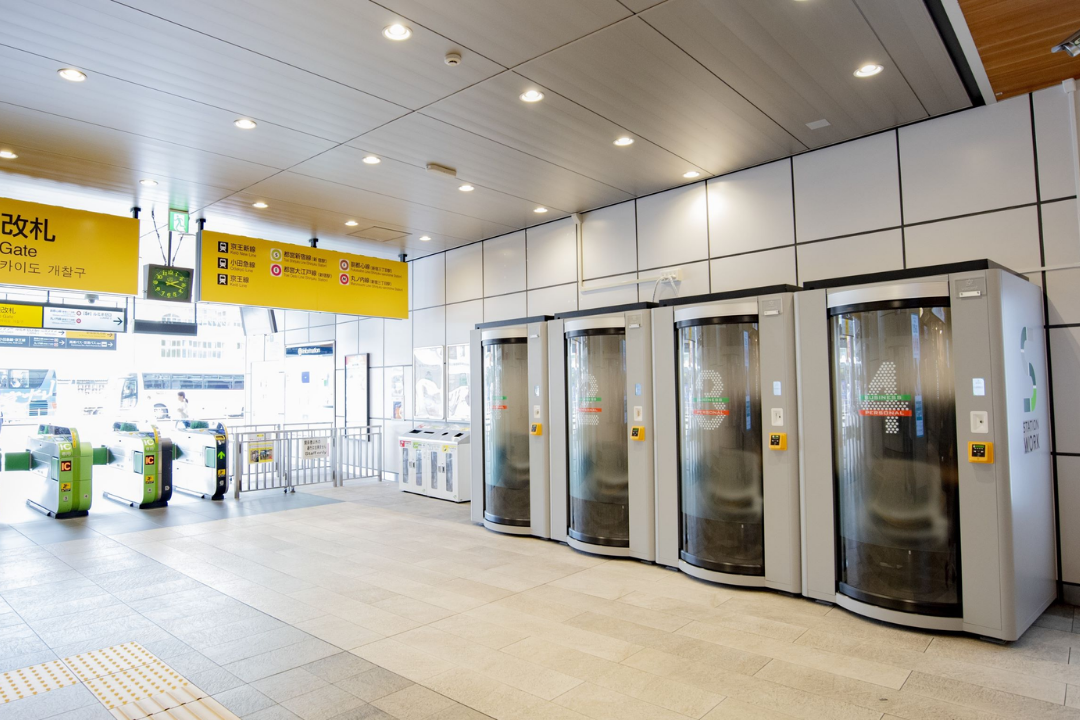
Train stations are typically viewed as places people move through, not places where they stay. In Japan, however, stations have long functioned as urban centers. They often contain shopping malls, restaurants, services, and community facilities, making them far more integrated into daily life than many transportation hubs elsewhere in the world.
Station Work extends this evolution by adding professional workspace functionality to environments that people already use every day.
Interestingly, the service does not rely on cutting-edge technology to stand out. Instead, its innovation lies in thoughtful design. The booths are engineered to provide exactly what users need: privacy, focus, connectivity, and convenience, without unnecessary complexity.
Rather than creating large, luxurious coworking environments, Station Work focuses on efficiency. The spaces are intentionally compact yet functional, fitting within the constraints of busy station environments while still supporting productive work.
Another key advantage is convenience. Users do not need to go out of their way to visit a coworking office. The workspace already exists along their daily route.
A 20-minute wait before a train departure, a gap between meetings, or time before heading home can suddenly become productive work time. Because the service fits naturally into existing travel patterns, it requires very little behavioral change from users.
The concept also reflects broader aspects of Japanese work culture. Time management and efficiency have long been highly valued in Japan, and Station Work is designed around the idea that even short periods of focused work can be highly valuable.
Unlike many coworking brands that emphasize networking, collaboration, and community-building, Station Work prioritizes privacy and concentration. The goal is not social interaction but task completion. This focus aligns closely with Japanese expectations around public behavior, personal space, and professional boundaries.
Ultimately, Station Work is not trying to revolutionize work through bold slogans or radical lifestyle changes. Instead, it quietly addresses a practical inefficiency in modern cities. By transforming train stations into productive environments, it demonstrates how existing infrastructure can be adapted to support the evolving realities of work in the 21st century.
Why a Railway Company Built a Workspace Network
As remote work, hybrid schedules, and mobile working became more common, professional activities became increasingly fragmented. Employees began working from home, client offices, airports, cafés, and public spaces. Yet many of these locations were never designed to support professional work.
In large cities, cafés often became the default solution. However, they bring their own challenges, such as background noise, limited privacy, unreliable internet connections, and concerns about handling confidential information in public settings.
JR East viewed this not as a temporary trend, but as a long-term structural shift in how people work. If workplaces were becoming more distributed, the infrastructure supporting them would need to evolve as well.
The company was uniquely positioned to recognize this opportunity. Every day, JR East manages enormous flows of people moving through its stations. It understands where passengers spend time, where congestion occurs, and where small pockets of unused capacity exist.
The Idea Behind Station Work
The origins of Station Work can be traced to a simple observation: work no longer happens in just one place. Then emerged from a simple but powerful question, “Could the unused time between journeys become productive work time?”
For a railway operator, the answer was surprisingly logical.
The initiative also responds to broader social concerns. Long commutes and inefficient waiting periods create stress while reducing productivity. Rather than attempting to eliminate travel entirely, Station Work seeks to make unavoidable travel more useful and less disruptive.
Importantly, the project is not disconnected from JR East's core business. It represents an extension of the company's traditional mission: helping people move efficiently while improving the quality of the time spent before, during, and after travel.
In that sense, Station Work is less a workspace business and more an infrastructure solution. It reflects a belief that mobility and productivity do not need to exist separately. By bringing them together, JR East has created a service that feels uniquely suited to both modern work patterns and Japan's highly developed rail network.
Turning Downtime Into Productivity: How Different Industries Use Station Work
Source: Station Work Homepage
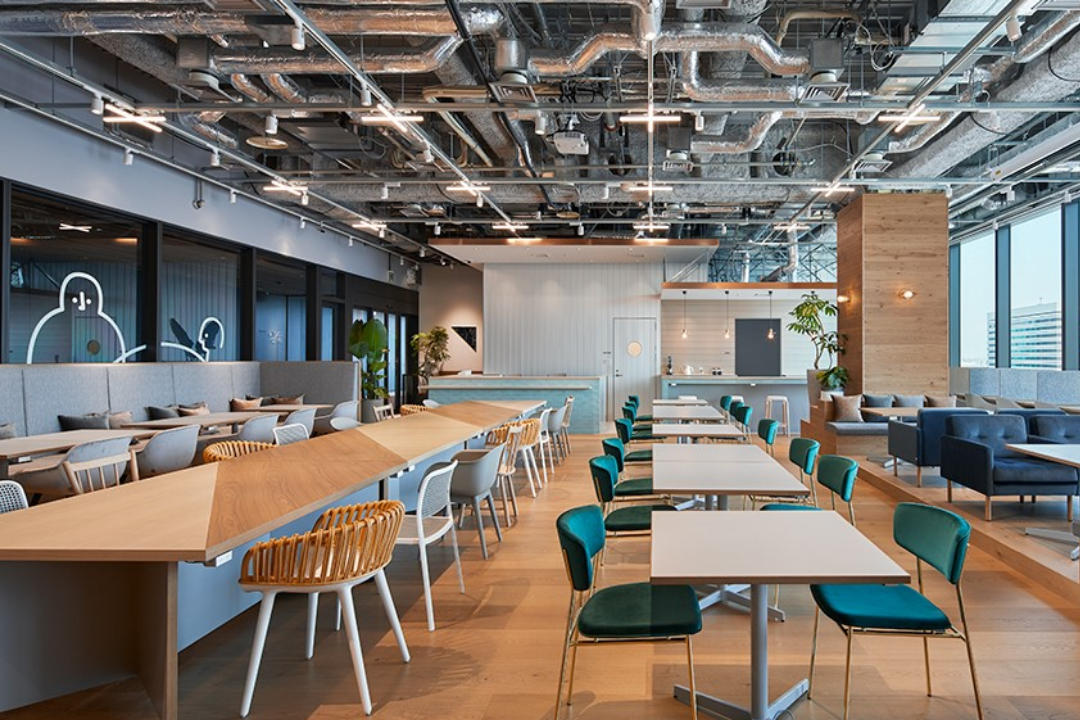
One of Station Work’s strengths is that it is not designed for a single profession or industry. In fact, the more a job involves travel and movement throughout the day, the more valuable the service becomes. Looking at how companies and professionals use Station Work, it becomes clear that the platform is not simply replacing traditional workplaces; it is filling the gaps between them.
Maximizing Downtime Between Client Visits
Sales professionals and consultants are among the most obvious users. Between client visits, there are often 30 to 60 minutes that would otherwise be spent waiting, commuting, or searching for a suitable place to work. Station Work allows that time to be used for reviewing documents, writing reports, answering emails, or attending internal meetings. As a result, less work needs to be taken home or postponed until returning to the office.
Secure Connectivity for Distributed Teams
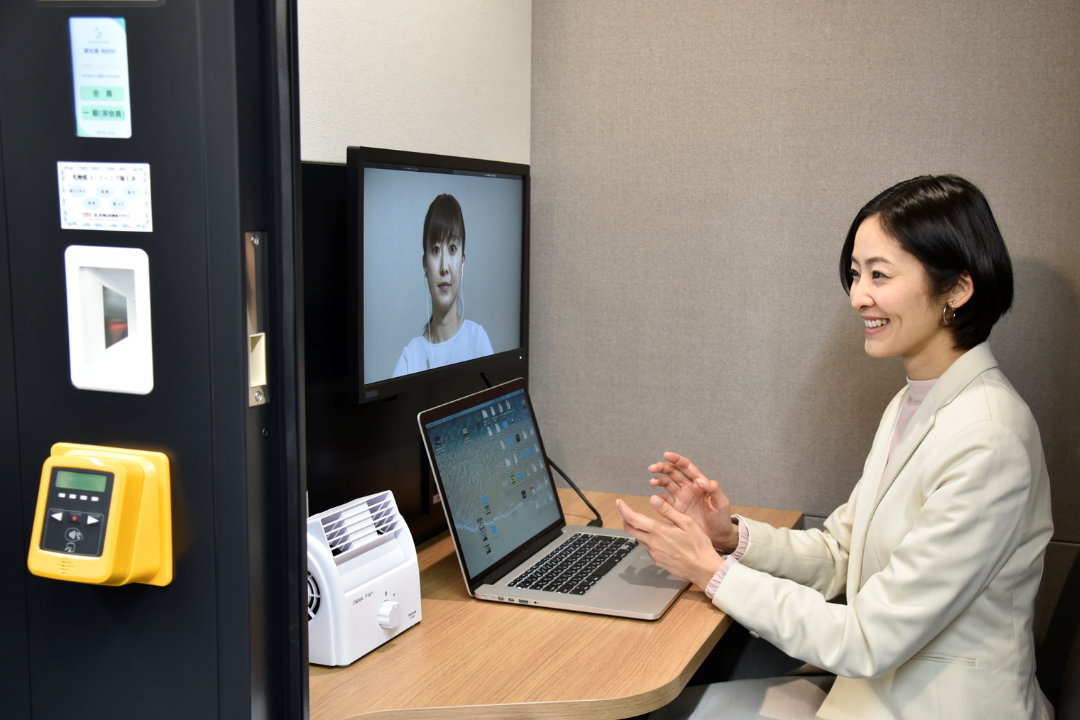
The service is equally useful for IT professionals, engineers, and project managers. While remote work has become common, many tasks, particularly online meetings, still require reliable internet connectivity and a quiet environment. Station Work’s private booths provide a practical solution for professionals who need to join meetings while traveling between locations. This is especially relevant for companies operating across multiple time zones or managing globally distributed teams.
Safeguarding Corporate Privacy
Executives and managers have also become an important user group. When making decisions, reviewing confidential information, or conducting sensitive conversations, privacy matters. Compared to cafés or open coworking spaces, Station Work offers a more secure and focused environment where important discussions can take place without unnecessary distractions.
At the corporate level, many organizations view Station Work as part of their workplace infrastructure. Because employees can access workspaces across a city through a shared network of stations, companies gain flexibility without investing in additional office locations. In effect, an entire metropolitan area becomes a distributed workplace connected by transportation infrastructure.
Across industries, one common theme emerges: Station Work does not feel like a destination in itself. Instead, it integrates naturally into existing workflows and travel patterns. Users do not need to adopt entirely new habits. They simply work where they already happen to be. That seamless integration is a major reason why adoption continues to expand across different sectors.
Building a Workspace Inside a Train Station
The quality of Station Work is not defined solely by the booths themselves. It is the result of countless operational and design decisions that make it possible to create productive work environments inside one of the busiest types of public spaces imaginable.
Unlike a traditional office, a train station is constantly in motion. Announcements, foot traffic, and crowds create challenges that require a very different approach to workspace design.
The Design, Operations, and Security Behind Station Work
One of the most important considerations is balancing sound insulation with comfort. The goal is not complete silence. Instead, the booths are designed to reduce surrounding noise to a level where online meetings and focused work can take place without disruption. At the same time, ventilation and airflow are carefully managed to prevent the enclosed spaces from feeling uncomfortable or claustrophobic.
Durability and ease of maintenance are equally important. Because the booths are used by a large number of people throughout the day, materials are selected for longevity and ease of cleaning. Rather than emphasizing luxury finishes, the design prioritizes practicality and reliability; an approach that reflects the service's roots in public infrastructure.
Operational design also plays a critical role. Since many users book short sessions, smooth entry and exit processes are essential. Clear signage, intuitive reservation systems, and convenient placement within station layouts help ensure that users can find access to their booths quickly without disrupting schedules.
High-Velocity User Access and Intuitive Navigation
Security is another major consideration. Many users are handling business-handled information, conducting meetings, and confidential discussions. The combination of visual privacy, sound reduction, and stable connectivity creates a safer working environment than many public alternatives.
Importantly, Station Work does not follow a one-size-fits-all model. Every station has different characteristics, passenger volumes, and surrounding facilities. Booth locations, layouts, and capacity are often adapted to suit local conditions. This willingness to tailor solutions to individual stations helps maintain service quality across the network.
What makes Station Work successful is not breakthrough technology. It is the accumulation of small but thoughtful decisions that makes professional work possible in a public environment. That attention to detail is what allows users to trust the service as part of their everyday routine.
A Railway Company's Unique Perspective on Time and Space
The origins of Station Work are rooted less in a visionary founder's idea and more in a long-standing observation made by JR East itself. As one of the world's largest railway operators, the company has spent decades watching how people move through cities. In doing so, it noticed something surprisingly obvious: vast amounts of time and space within stations were being underutilized.
Every day, millions of people pass through stations. They wait for trains, transfer between lines, and spend time between appointments. Yet despite the constant presence of people and available time, stations were rarely designed to support productive activities beyond transportation itself.
As work patterns evolved, this mismatch became increasingly visible.
Many workers found themselves unable to concentrate at home. Others struggled to find suitable places to work while traveling. Business tasks increasingly occurred between destinations, yet the spaces available to perform those tasks had not evolved accordingly.
JR East viewed this as more than an inconvenience. It saw it as a structural issue in the way cities function.
Rather than leaving the problem to individual workers to solve, the company asked whether the infrastructure itself could provide a solution.
This thinking led to a broader reimagining of the station's role. Instead of serving solely as a transportation hub, the station could become a place that generates value over time. Shopping, dining, and services had already been integrated into station environments. Why not work as well?
From JR East's perspective, Station Work is not a business disconnected from its railway operations. It is an extension of the company's core mission: helping people move through cities more efficiently and making better use of time spent in transit, to instead be improved.
If waiting is unavoidable, perhaps it can become productive.
This philosophy runs throughout the entire service. Rather than promoting dramatic workplace revolutions, Station Work quietly addresses inefficiencies that many people have simply accepted as normal. It is a practical solution born from a transportation company's unique understanding of how time and space are actually used in modern cities.
Why Station Work Works in Japan
Although Station Work is not tied to a specific regional industry or traditional craft, it is deeply connected to something uniquely Japanese: the way stations function within everyday life.
In many countries, train stations are places people pass through. In Japan, they are often destinations in their own right.
Commuting, shopping, dining, meeting friends, running errands; many aspects of daily life revolve around stations. Over decades, they have evolved into complex urban centers where transportation, commerce, and community intersect.
Because of this, the idea of working inside a station does not feel particularly unusual in Japan.
The Role of Station Culture and Public Space
Another important factor is Japan's approach to public space. Social norms emphasize consideration for others, minimizing disruptions, and sharing public environments respectfully. Speaking quietly, avoiding unnecessary attention, and using space efficiently are widely accepted expectations.
Station Work's private booths fit naturally within this cultural context. They provide individual workspaces without disrupting the broader public environment, balancing personal productivity with shared public space.
The service also adapts to the diverse roles stations play across the country. Major metropolitan terminals, suburban commuter stations, and regional transportation hubs all serve different communities and functions. Rather than applying a uniform model everywhere, Station Work adjusts its presence to fit the character and needs of each location.
There is also a broader cultural theme at work. In Japan, spaces are often used for multiple purposes depending on the time of day or the needs of the community. A location can serve different functions without losing its original identity.
Station Work follows this same principle. It does not replace the station's existing role. Instead, it adds another layer of functionality to a space that people already use.
For international observers, the sight of professionals quietly working inside a train station may seem unusual. Yet it reflects the maturity of Japan's public spaces and the country's ability to integrate multiple functions into a single environment.
In many ways, Station Work is not just a workspace service; it is a product of Japan's urban culture and its distinctive relationship with public infrastructure.
The Future of Station Work: Rethinking Cities Through Infrastructure
Source: Station Work Homepage
When considering the future of Station Work, it is important to recognize that the service is about more than renting workspace booths.
For JR East, it represents a long-term effort to redefine how cities, transportation, and work interact with one another. Its future is therefore not measured solely by the number of locations added or users served.
From a product perspective, greater specialization is likely. While current booths are optimized for individual work and online meetings, future developments could include spaces designed for specific use cases, such as enhanced soundproofing for confidential conversations, compact meeting rooms for small teams, or environments optimized for deep-focus work.
Brand positioning may also continue to evolve. Today, Station Work is largely known as a convenient place to work inside a train station. In the future, it may increasingly be viewed as infrastructure that helps people use time more effectively rather than simply as a workspace provider.
Growth opportunities extend beyond station interiors as well. Station-connected developments, transit-oriented communities, and broader urban development projects all offer natural opportunities for expansion. As JR East continues investing in city development and smart-city initiatives, Station Work could become part of a larger ecosystem of urban services.
From a global perspective, the concept offers valuable lessons.
Many cities face similar challenges: work, travel, and daily life often exist in separate systems that do not connect smoothly. Station Work demonstrates how transportation infrastructure can help bridge those gaps.
While the service emerged from Japan's unique railway culture, its core idea is universal: transform places where people naturally gather into spaces where meaningful work can happen.
That concept could be adapted far beyond Japan, whether through partnerships, knowledge sharing, or entirely new implementations tailored to local contexts.
Ultimately, the future of Station Work is less about expansion and more about refinement. Continuing to rethink how time and space are used within cities offers a glimpse of a future where mobility and productivity are no longer separate experiences but part of the same seamless journey.
FAQ About Station Work
1. What is Station Work?
Station Work is a workspace service operated by Station Work that provides private booths and small workspaces inside train stations and station-connected facilities. One of its defining features is that spaces can be reserved in short increments, starting from as little as 15 minutes, making it easy for people to work productively between appointments or while in transit.
2. Why Were Work Spaces Created Inside Train Stations?
As work styles became more flexible, many people found themselves without a quiet place to concentrate while traveling. As a railway operator that has spent decades observing passenger flow and dwell time, JR East recognized the untapped potential of time spent at stations and reimagined it as an opportunity for productive work.
3. How is Station Work Different From a Café or Coworking Space?
The biggest difference is that it is seamlessly integrated into the flow of daily travel. Rather than requiring users to make a separate trip, Station Work is designed to be used during a commute or while transferring between trains. Its private booths also provide a quieter environment, reducing distractions and information security risks and making it easier to focus.
4. Who Typically Uses Station Work?
Station Work is widely used by business professionals who travel frequently, including sales representatives, consultants, IT engineers, and managers. Common uses include joining online meetings between client visits or completing focused work before or after commuting. It effectively transforms short gaps in a busy schedule into productive working time.
5. Why is the Service Designed for Short-Term Use?
Station Work was never intended to replace a traditional office. Instead, it was designed as a workspace that people can use only when they need it while traveling. Since many users simply want to make the most of a 30- to 60-minute gap in their schedule, the pay-per-use pricing model, available in 15-minute increments, offers a practical and cost-effective solution.
6. Why is Station Work Considered a Uniquely Japanese Service?
In Japan, train stations have evolved far beyond transportation hubs, becoming centers for shopping, daily life, and business. Combined with a culture that values quietness and consideration for others in shared public spaces, this creates an environment where working at a station feels both practical and socially accepted.
7. What Security Features Does Station Work Offer?
The private booths provide visual privacy, some sound insulation, and a stable internet connection, making them suitable for confidential business tasks. Compared with open spaces like cafés, they offer a more secure environment for online meetings, reviewing sensitive documents, and handling work-related communications.
8. Why is a Railway Company Operating this Service?
Railway companies have a unique understanding of how people move and spend time throughout the day. JR East sees stations not simply as places people pass through, but as spaces that can create additional value from otherwise unused time. Station Work is a natural extension of that infrastructure-focused approach.
9. Could Station Work Work Well in Overseas Markets?
Yes. The challenge of separating travel time from productive work is common worldwide. In major cities, finding better ways to use commuting and waiting time is becoming increasingly important. By transforming areas with heavy pedestrian traffic into convenient workspaces, the Station Work concept has strong potential for adaptation in cities outside Japan.
10. What is the Greatest Strength of Station Work?
Station Work's greatest strength is that it transforms otherwise unproductive travel time into meaningful working time. Rather than promoting an entirely new way of working, the service carefully builds upon existing station infrastructure and everyday commuting habits. By filling the small gaps between destinations, working while on the move feels both natural and effortless.
Related Videos
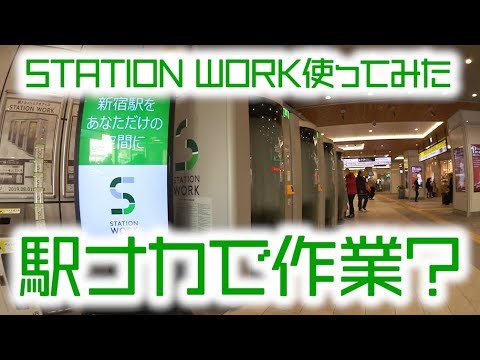
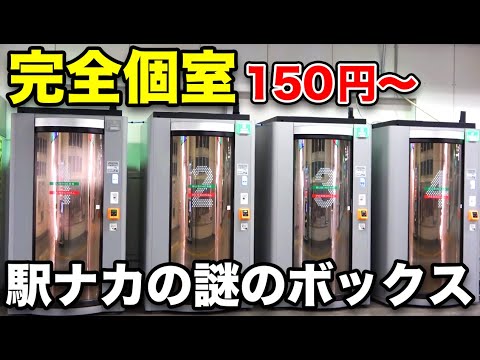
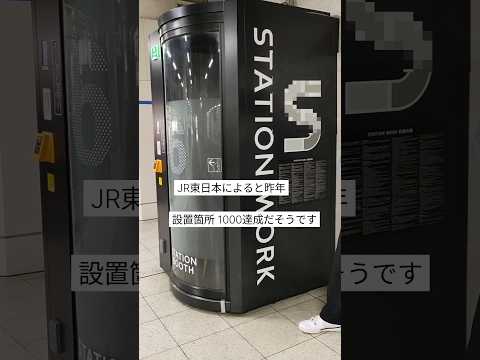
If you're interested in Japan’s evolving work culture, the video below introduces Station Work, a network of private workspaces located inside train stations. This video shows how these compact offices allow people to work comfortably while traveling, redefining the concept of mobility and productivity.