Transportation and dining have traditionally been treated as two entirely separate activities.
A bus is meant to get passengers from one place to another, while a restaurant is a destination where people stop to enjoy a meal. In most countries, these experiences rarely overlap. Eating while traveling typically means grabbing a quick snack, visiting a service area, or taking a short break before continuing the journey.
Japan, however, has introduced a concept that challenges this assumption.
The idea is simple yet surprisingly transformative: what if the journey itself became the restaurant?
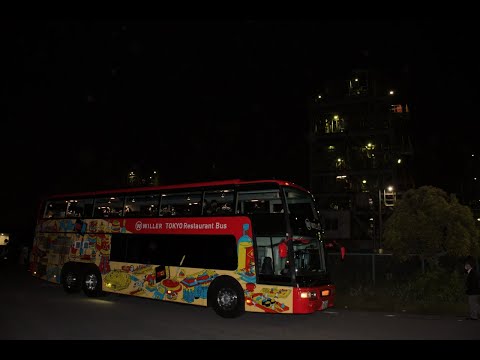
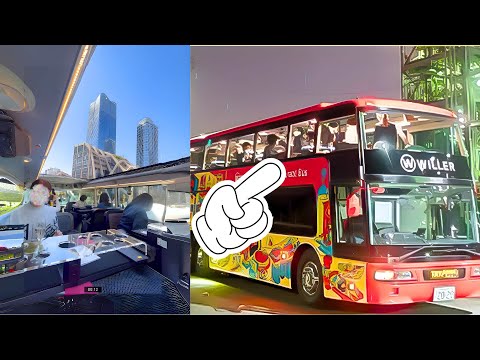
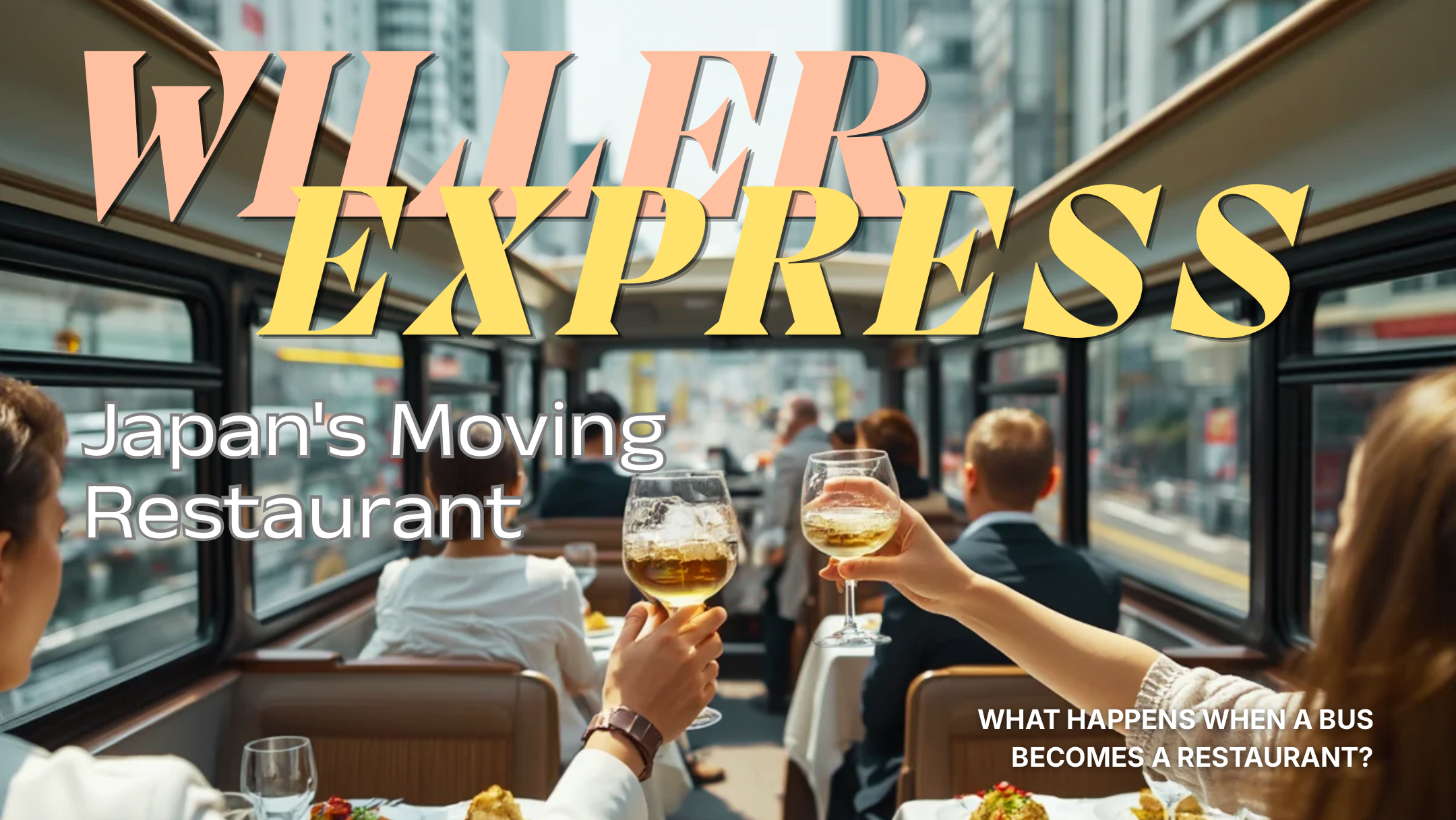
This is the concept behind the Restaurant Bus, a unique sightseeing experience developed by WILLER EXPRESS. Instead of viewing travel time as something to endure or minimize, the Restaurant Bus turns it into the centerpiece of the experience. Passengers enjoy a full-course meal while taking in changing landscapes through panoramic windows, making the trip itself just as memorable as the destination.
The company behind this innovation is WILLER EXPRESS, one of Japan's best-known transportation and travel operators. While many transportation companies focus primarily on speed, convenience, or affordability, WILLER has spent years exploring ways to add value to the time people spend in transit. The Restaurant Bus is a natural extension of that philosophy.
Japan has long embraced the idea that travel can be part of the enjoyment rather than simply a means to an end. From railway bento boxes (ekiben) to scenic sightseeing trains, there is a cultural appreciation for combining movement, food, and local discovery into a single experience. The Restaurant Bus takes this concept a step further by transforming an entire vehicle into a mobile dining venue.
This is also why the service resonates with broader global tourism trends.
Around the world, travelers are increasingly prioritizing memorable experiences over simple sightseeing. Tourism is shifting from collecting destinations to collecting stories. In this environment, the Restaurant Bus offers something distinctive: it reimagines travel time as part of the attraction itself.
Rather than separating transportation, dining, and sightseeing into different activities, the Restaurant Bus combines them into a seamless journey. The result is not simply a novelty attraction but an example of thoughtful Japanese service design—one that integrates mobility, regional culture, and hospitality into a single experience.
In the sections ahead, we'll explore how WILLER EXPRESS developed this concept, how it operates, and why a "restaurant on wheels" has evolved from an unusual idea into a sustainable tourism model.
WILLER EXPRESS Restaurant Bus Overview
The WILLER EXPRESS Restaurant Bus is a uniquely Japanese tourism service that transforms a sightseeing bus into a fully functioning dining venue. Rather than simply allowing passengers to eat onboard, the entire experience is carefully designed around the relationship between food, travel, scenery, and local culture.
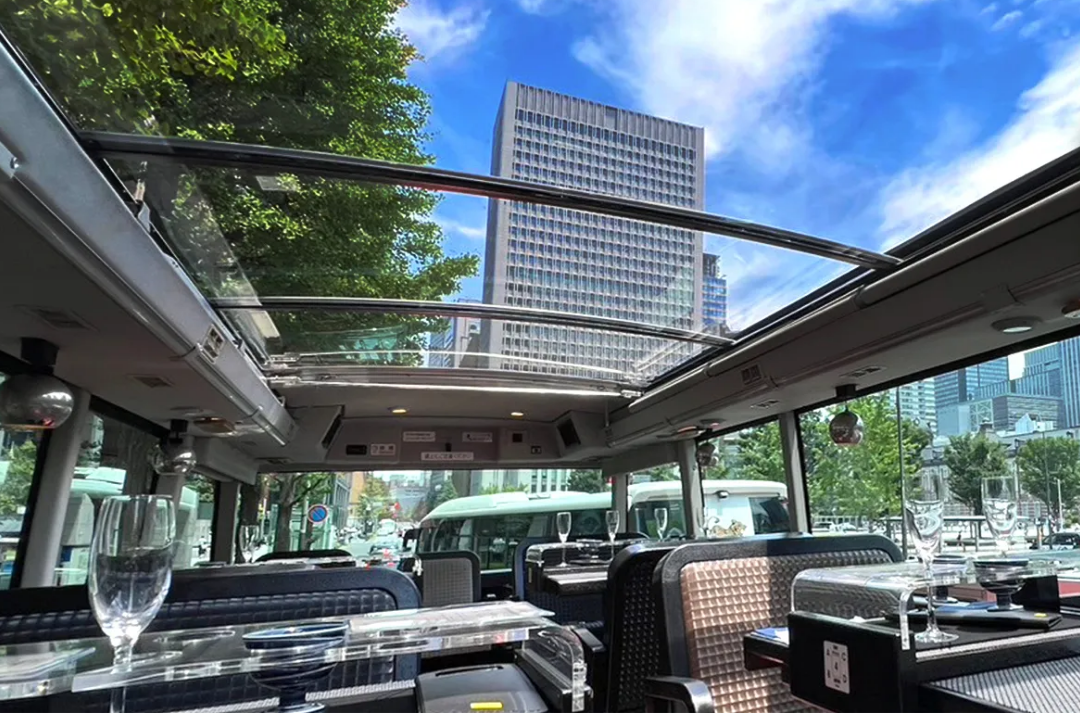
Passengers dine at table-equipped seats arranged specifically for meal service, creating an atmosphere that feels closer to a restaurant than a traditional tour bus. Meals typically feature regional ingredients and local specialties, often served as curated courses that reflect the character of the area being explored.
What makes the concept particularly distinctive is that the dining experience begins the moment passengers board. The route, timing of each course, scenery outside the windows, and scheduled stops are all coordinated to create a cohesive journey rather than a simple bus ride.
Pricing is generally offered as an all-inclusive tour package that combines transportation and dining into a single experience. While positioned above the cost of a standard sightseeing bus tour, it remains more accessible than many high-end dining experiences, making it attractive to a wide range of travelers.
This service reflects a distinctly Japanese approach to tourism design by transforming travel time into a valuable experience rather than treating it as simply a means of getting from one destination to another.
The Company Behind the Concept: WILLER EXPRESS
Source: WILLER TRAVEL Homepage
The Restaurant Bus was not created by a restaurant company entering the transportation industry. Instead, it emerged from the expertise of a transportation company looking to rethink how people experience travel.
WILLER EXPRESS has spent decades operating long-distance bus services and tourism-related businesses throughout Japan. Through this experience, the company gained a deep understanding of how travelers spend time in transit and how that time could be improved.
The Restaurant Bus builds on that foundation.
Rather than treating onboard dining as an add-on feature, WILLER designed every aspect of the experience, from seating layouts and service flow to route planning and stop locations, as part of a unified concept. The bus itself becomes both the transportation and the venue.
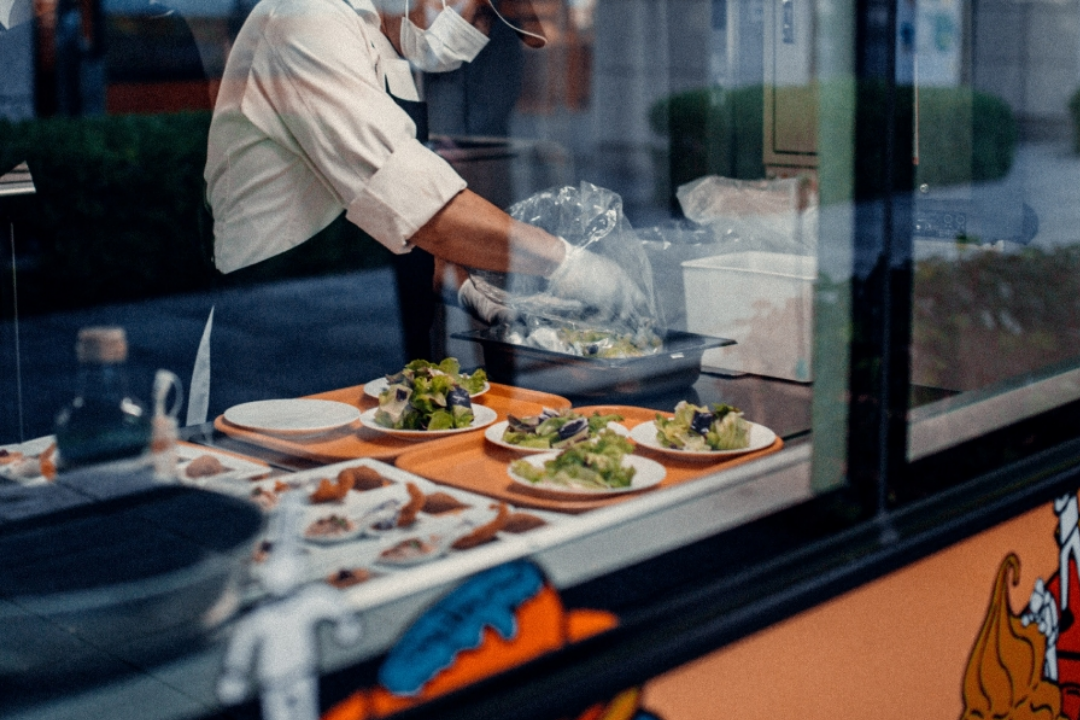
Special attention is paid to meal quality despite the challenges of serving food on a moving vehicle. Menus are designed with timing, temperature management, and passenger comfort in mind, ensuring that the dining experience remains enjoyable throughout the journey.
Underlying the entire concept is a philosophy that WILLER has promoted across its transportation services for years: the idea that travel time has value.
Whether through improved seat design, enhanced onboard environments, or smoother booking experiences, the company has consistently worked to make transportation more than just a functional necessity. The Restaurant Bus extends that philosophy into tourism and dining.
Another key element is regional collaboration.
The service is designed to showcase local communities rather than simply pass through them. Routes are selected to highlight scenic landscapes and cultural landmarks, while menus often feature ingredients sourced from the regions being visited. This creates benefits for both travelers and local destinations.
For passengers, travel time becomes part of the attraction.
For local communities, the Restaurant Bus creates new ways to showcase regional food, culture, and scenery without relying solely on traditional tourist sites.
This balance between transportation, hospitality, and regional promotion is what distinguishes the Restaurant Bus from many other tourism experiences. It is not simply a restaurant on wheels; it is a carefully designed platform that connects travelers with places in a more immersive way.
What Makes Dining on a Bus So Special?
The most innovative aspect of the Restaurant Bus is that it challenges a deeply ingrained assumption: that meals must take place in fixed locations.
In most parts of the world, restaurants are destinations. People travel to them, dine, and then continue their journey. The Restaurant Bus reverses this relationship by making movement itself part of the dining experience.
Its most distinctive feature is the way scenery becomes an ingredient in the meal.
Routes are not selected based solely on efficiency. Instead, they are designed around seasonal landscapes, regional character, and visual highlights that complement the dining experience. As passengers move through changing environments, the view outside the window becomes an extension of what is being served on the table.
This transforms dining from a purely culinary activity into a multi-sensory experience involving taste, sight, atmosphere, and the passage of time.
The concept also reflects a different way of thinking about travel.
In conventional tourism, travel time is often viewed as something to minimize. Long transfers are considered inconveniences, and transportation is treated as a necessary cost. The Restaurant Bus takes the opposite approach. Instead of asking how to shorten the journey, it asks how to make the journey meaningful.
This perspective aligns closely with Japanese travel culture, where the experience of the journey itself is often considered an important part of the trip.
There is also considerable technical sophistication behind the concept.
Serving meals on a moving vehicle requires careful attention to safety, stability, and service design. Everything from table placement and seating arrangements to dishware selection and service timing must be adapted for a mobile environment. Success depends on balancing the standards of a transportation operator with those of a hospitality business.
Culturally, the idea builds upon traditions already familiar in Japan. The popularity of railway bento meals, scenic sightseeing trains, and journey-focused tourism reflects a longstanding appreciation for enjoying food while traveling. The Restaurant Bus takes these established ideas and applies them to a more flexible and accessible form of transportation.
This is why the concept leaves such a strong impression on international visitors.
While dining trains exist in various countries, a fully integrated sightseeing restaurant bus remains relatively uncommon. As a result, the experience feels distinctly Japanese—not because of the vehicle itself, but because of the philosophy behind it.
Ultimately, the Restaurant Bus is about more than eating on a bus.
It represents a broader attempt to rethink how travel, food, and place can work together. By integrating elements that are usually treated separately, WILLER EXPRESS has created an experience that encourages travelers to see transit not as lost time, but as an opportunity for discovery.
Why This Service Was Created
The idea behind the Restaurant Bus was born from WILLER EXPRESS's desire to rethink the relationship between tourism and transportation. Traditionally, travel time has been viewed as little more than a necessary step toward reaching a destination. In the transportation industry, shorter travel times and greater efficiency have long been considered the primary goals.
At the same time, many tourist destinations face common challenges. Popular attractions become overcrowded, restaurants struggle with limited capacity during peak hours, and transportation is often disconnected from the overall visitor experience. These issues are not unique to Japan—they affect tourism destinations worldwide
As a transportation company, WILLER EXPRESS saw an opportunity to address these challenges from a different perspective. Rather than focusing solely on destinations, the company asked whether the journey itself could become part of the attraction. By integrating dining, scenery, and travel into a single experience, visitor flows could be distributed more evenly while creating additional value during transit.
The company’s experience in operating long-distance buses also played an important role. Through years of refining seating design, onboard comfort, reservation systems, and customer experience, WILLER EXPRESS developed a strong belief that travel time can be transformed into something meaningful rather than simply endured. The Restaurant Bus extends this philosophy into the tourism sector.
Food was chosen intentionally as the centerpiece of the experience. Cuisine is one of the most powerful ways to express local identity and plays a major role in visitor satisfaction. By combining regional food with a continuously changing landscape, the Restaurant Bus creates a journey that unfolds as a narrative rather than a series of isolated moments.
For WILLER EXPRESS, the Restaurant Bus is more than a promotional concept or temporary attraction. It represents a strategic effort to leverage existing transportation assets in a new way. Instead of reducing travel time, the company seeks to redefine its purpose, and that idea lies at the heart of the Restaurant Bus.
Use Cases and Industry Applications
One of the Restaurant Bus's greatest strengths is its flexibility. Rather than being permanently based in a single destination, it can be adapted to different regions, themes, and objectives. As a result, its applications extend beyond tourism into regional development initiatives and corporate events.
Tourism and Destination Promotion
In the tourism sector, Restaurant Buses are often developed in partnership with local governments and tourism organizations. Regional ingredients and traditional cuisine are incorporated into curated menus, while surrounding landscapes become part of the experience. Because dining takes place during transit, visitors can enjoy local culture without contributing to congestion at popular restaurants or attractions.
Regional Revitalization
For communities facing population decline or shorter visitor stays, the Restaurant Bus offers a unique way to create value from existing resources. Even destinations with limited tourism infrastructure can develop premium experiences through thoughtful route planning, storytelling, and culinary presentation.
Corporate Events and Incentive Programs
Companies have also adopted Restaurant Buses for employee incentives, executive hospitality programs, and corporate retreats. The mobile environment encourages natural conversation and interaction among participants, creating a more engaging atmosphere than a traditional banquet venue. Incorporating regional cuisine adds a distinctive local element that strengthens the overall experience.
International Tourism
For international visitors, the Restaurant Bus offers an efficient way to experience multiple aspects of Japanese culture within a limited timeframe. By combining transportation, food, and sightseeing, it reduces logistical barriers while providing an immersive introduction to local traditions and landscapes.
The versatility of the Restaurant Bus allows it to address different challenges across multiple industries. By repurposing transportation infrastructure as an experience platform, it demonstrates a highly adaptable and practical business model.
Operational Excellence and Quality Control
Source: WILLER TRAVEL Homepage
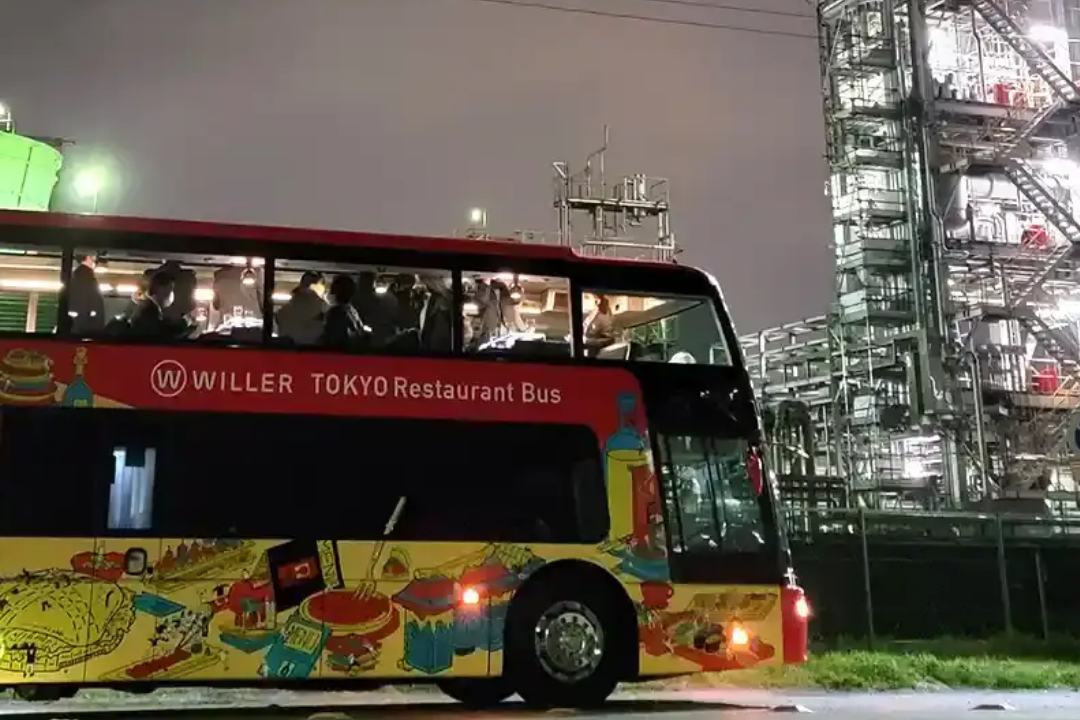
Operating a Restaurant Bus requires standards that go beyond those of a typical restaurant or sightseeing bus. WILLER EXPRESS manages vehicle design, operations, and service delivery as an integrated system to ensure both safety and customer satisfaction.
Safety remains the foundation of the experience. Because meals are served while the vehicle is in motion, seating arrangements, table fixtures, and onboard equipment are designed to remain stable even during turns or sudden braking. Specialized layouts and equipment help passengers dine comfortably and securely.
Operational coordination is equally important. Drivers and service staff work closely together to synchronize meal service, scenic viewing opportunities, and scheduled stops. Routes are selected not only for transportation efficiency but also for their contribution to the overall guest experience.
Food quality is maintained through carefully planned preparation methods and temperature management procedures. Hygiene standards are comparable to, and often exceed, those found in conventional dining operations. Staff training and standardized operating procedures help ensure consistency across different regions and events.
Because each Restaurant Bus program often involves local governments, tourism organizations, and regional food providers, maintaining service consistency requires extensive coordination. WILLER EXPRESS applies its decades of transportation management expertise to ensure smooth collaboration among all stakeholders.
The quality of the Restaurant Bus experience depends on the successful integration of safety, operational precision, hospitality, and culinary excellence. This holistic approach allows WILLER EXPRESS to deliver a highly specialized service with reliability and consistency.
The Vision Behind the Concept
At its core, the Restaurant Bus reflects WILLER EXPRESS's long-standing belief that transportation should offer more than simple movement from one place to another.
Throughout its history in long-distance bus operations, the company has continuously explored ways to improve the passenger experience. Whether through seating innovations, onboard amenities, or digital booking improvements, the goal has always been to make travel time more valuable.
The Restaurant Bus takes this philosophy a step further by redefining travel itself as a meaningful experience. Food serves as the ideal medium because it is universally accessible and emotionally engaging. By integrating dining directly into the journey, transportation becomes part of the destination rather than merely a means of reaching it.
The concept also addresses a broader challenge in tourism development. Many tourism initiatives focus exclusively on enhancing attractions at the destination, while the routes connecting those destinations often remain underutilized. The Restaurant Bus transforms those overlooked spaces into opportunities for cultural engagement and storytelling.
It also demonstrates how existing transportation infrastructure can be repurposed to create new forms of value. By leveraging established operational expertise and physical assets, WILLER EXPRESS has expanded the potential role of transportation within the tourism industry.
Connection to Local Communities and Cultural Heritage
The Restaurant Bus is designed as a platform for showcasing local culture. Every element, from the menu to the route selection, is tailored to reflect the identity of the region being featured.
Regional ingredients and traditional dishes are often incorporated into the dining experience, allowing guests to engage directly with local culinary traditions. Because meals are enjoyed while traveling through the surrounding landscape, visitors gain a deeper appreciation for the relationship between food and place.
Route planning is equally important. Rather than prioritizing the fastest route, journeys are often designed to highlight agricultural areas, coastlines, mountains, historic districts, and other culturally significant landscapes. These environments become part of the storytelling experience.
The concept also resonates with Japan's long-standing travel traditions. Historically, Japanese journeys have emphasized the experience of the road itself, as seen in famous pilgrimage routes, historic highways, and scenic railway travel. The Restaurant Bus can be viewed as a contemporary interpretation of this cultural perspective.
For local communities, the model creates opportunities for collaboration among restaurants, farmers, tourism organizations, and municipal governments. Even areas without major tourism infrastructure can develop distinctive visitor experiences through creative partnerships.
Rather than simply consuming local culture, participants actively engage with it through food, scenery, and movement. In this way, the Restaurant Bus serves as a vehicle for cultural exchange as much as transportation.
Future Outlook
WILLER EXPRESS sees the Restaurant Bus as more than a tourism attraction. The underlying concept of integrating mobility and experience has the potential to expand into many new areas.
Future developments may include seasonal programs, themed journeys, limited-edition collaborations, and customized corporate experiences. Such specialized offerings can create even more targeted and memorable experiences for participants.
The model also holds international potential. Beyond operating Restaurant Buses overseas, WILLER EXPRESS could share its expertise with transportation providers and tourism organizations in other countries. The idea of transforming travel time into an experiential asset has relevance far beyond Japan.
The concept aligns closely with broader trends in mobility innovation, including Mobility as a Service (MaaS) and autonomous transportation technologies. As transportation becomes increasingly efficient, the question of how travelers spend their time during transit will become even more important.
Stronger partnerships with regional communities may also lead to recurring programs that support sustainable tourism and generate long-term visitor engagement. Because the model relies primarily on existing infrastructure, it offers a scalable and relatively low-investment approach to tourism development.
Ultimately, the Restaurant Bus serves as a platform for exploring the future possibilities of transportation rather than a finished product with a fixed format.
Customer Experience and Visitor Feedback
Much of the Restaurant Bus's appeal comes from the seamless combination of dining, sightseeing, and social interaction.
Passengers frequently highlight the immersive quality of enjoying a meal while landscapes continuously change outside the window. The combination creates a dining experience that feels fundamentally different from a conventional restaurant setting.
Domestic travelers often appreciate that the experience begins immediately upon boarding. Rather than treating transportation as downtime, the entire journey becomes part of the attraction. Couples and small groups particularly value the relaxed atmosphere and opportunities for conversation.
International visitors often find the concept itself highly memorable. While dining during rail travel has historical precedents in Japan, eating a full-course meal aboard a moving bus remains an unusual experience in many parts of the world.
On social media, guests frequently share not only photos of the food but also images of the scenery and onboard environment. This combination of visual elements helps generate authentic word-of-mouth promotion based on the overall experience rather than the cuisine alone.
Track Record in Japan
The Restaurant Bus has gained recognition throughout Japan as an innovative example of experiential tourism. It has been featured in tourism and regional development initiatives as a creative way to combine transportation and hospitality.
Its ability to adapt to different regions and themes has made it attractive to local governments and tourism organizations. Because it can operate without requiring major new infrastructure investments, it is well suited for pilot projects, seasonal events, and destination marketing campaigns.
The operational reliability provided by WILLER EXPRESS's extensive experience in long-distance transportation further supports the service's continued success and scalability.
International Potential
The Restaurant Bus aligns closely with global tourism trends that prioritize experiences over sightseeing alone.
Many destinations worldwide are seeking ways to create deeper engagement without extensive new construction or infrastructure development. By utilizing existing road networks, the Restaurant Bus model offers a relatively accessible way to deliver premium tourism experiences.
As a concept originating in Japan, it also carries strong cultural appeal. The integration of travel and dining reflects distinctive aspects of Japanese travel culture while remaining adaptable to local conditions elsewhere.
Rather than being a rigid product, the Restaurant Bus serves as a flexible framework that can be customized to different markets, destinations, and cultural contexts. This adaptability may become one of its greatest strengths as tourism continues to evolve.
Conclusion
Source: WILLER TRAVEL Homepage
The WILLER EXPRESS Restaurant Bus is a uniquely Japanese innovation that combines transportation and dining into a single integrated experience. By transforming travel time into an opportunity for discovery, it challenges conventional assumptions about the role of mobility in tourism.
Its success is rooted not only in novelty but also in the operational expertise, safety standards, and regional partnerships that support its delivery. These foundations allow the concept to function as a sustainable tourism model rather than a short-term attraction.
For international tourism professionals, transportation operators, and destination marketers, the Restaurant Bus offers more than an interesting case study. It demonstrates how existing mobility infrastructure can be reimagined as a source of experiential value.
By viewing travel time as an opportunity rather than a cost, the Restaurant Bus provides a compelling vision for the future of tourism and transportation.
FAQ About WILLER EXPRESS's Restaurant Bus
1. What Is WILLER EXPRESS's Restaurant Bus?
WILLER EXPRESS's Restaurant Bus is an experiential sightseeing service that transforms a bus into a mobile dining venue, allowing passengers to enjoy a meal while traveling. By combining cuisine, scenery, and travel time into a single experience, it turns the journey itself into part of the attraction rather than simply a means of reaching a destination.
2. Why Was The Idea Of Dining On A Bus Created?
The concept was inspired by the belief that travel time should not be treated as unproductive waiting time. Traditional sightseeing often prioritizes getting from one place to another as efficiently as possible. WILLER EXPRESS took a different approach by transforming the journey itself into an enjoyable experience, enhancing the overall value of the trip.
3. How Is It Different From A Traditional Sightseeing Bus Tour?
The biggest difference is that the journey itself becomes the dining experience. On a typical sightseeing tour, transportation and meals are separate activities. On the Restaurant Bus, however, the changing scenery, meal service, and travel experience are carefully integrated into a single, cohesive experience.
4. What Kind Of Food Is Served?
The menu typically features course-style meals that highlight regional ingredients and local culinary traditions. Rather than simply serving food, the experience is designed to showcase the character of each destination. As the scenery changes outside the window, the cuisine helps tell the story of the region, creating a deeper connection to the local culture.
5. Why Has It Attracted International Attention?
The idea of enjoying a full dining experience while traveling is still relatively uncommon in many parts of the world. Japan has a long tradition of combining food and travel, from ekiben sold at train stations to sightseeing trains featuring regional cuisine. The Restaurant Bus reimagines this cultural concept in a modern tourism format, offering an experience that feels both unique and distinctly Japanese.
6. What Safety Measures Are In Place?
Safety is built on the operational standards expected of a professional transportation company. The interior layout, table arrangements, and dining equipment are carefully designed to accommodate a moving vehicle. Measures are also taken to minimize the impact of turns and sudden braking, while onboard service staff and drivers work together to ensure both safety and comfort throughout the journey.
7. Why Is It Well-Suited To Regional Tourism Initiatives?
Because it transforms the journey itself into part of the regional experience. The Restaurant Bus allows destinations to showcase not only major attractions but also the landscapes, food culture, and stories found along the route. This makes it possible for regions with limited tourism infrastructure to create distinctive travel experiences through thoughtful route planning and local partnerships.
8. Is It Used For Corporate Events As Well?
Yes. The Restaurant Bus is also used for corporate training programs, invitation-only events, and incentive tours. Unlike a fixed venue, the shared experience of traveling together naturally encourages conversation and interaction among participants. Incorporating regional ingredients and local specialties can also add a unique storytelling element, making the event more memorable and engaging.
9. Why Has WILLER EXPRESS Been Able To Sustain This Service?
Because it is backed by the operational expertise and coordination capabilities that WILLER EXPRESS has developed through its long-distance bus business. A Restaurant Bus requires much more than food service; it involves safe operations, precise scheduling, and close collaboration with local partners. By drawing on its extensive experience as a transportation operator, WILLER EXPRESS has been able to successfully deliver the service as a unique and well-executed tourism experience.
10. What Is The Greatest Appeal Of WILLER EXPRESS's Restaurant Bus?
Its greatest appeal is the way it transforms travel time from something to be passed through into something worth remembering. By bringing together food, scenery, conversation, and local culture, the journey becomes an essential part of the travel experience rather than simply a route to the destination. The Restaurant Bus offers a modern interpretation of Japan's long-standing tradition of enjoying the journey as much as the destination itself.
Related Videos
If you're interested in Japan’s unique travel experiences, the video below introduces WILLER EXPRESS and its restaurant bus, where passengers can enjoy local cuisine while sightseeing. This video shows how dining and travel are combined to create a memorable journey that lets people experience Japan through both its scenery and its flavors.