As digital advertising becomes increasingly crowded, many businesses are rediscovering the value of real-world experiences. In Japan, one company has built its business around creating repeatable, scalable promotional events that encourage people to visit physical locations.
Active Co., Ltd. is a Japanese promotional marketing company specializing in the planning and operation of customer attraction events for shopping malls, commercial facilities, housing exhibition centers, and retail spaces. Rather than creating one-off campaigns, the company develops standardized event packages that businesses can easily implement across multiple locations.
Its flagship product is King's Treasure Box (Ousama no Takarabako), an interactive prize draw designed to motivate people to visit a venue. Participants reach into a large treasure chest and draw a capsule or ball to determine whether they have won a prize. More than just a lucky draw, the system is designed as an experiential marketing tool that becomes part of a broader customer journey.
Around the world, retailers and real estate businesses face similar challenges. As e-commerce continues to grow, attracting visitors to physical locations has become increasingly difficult. Digital advertising can generate awareness, but it does not always persuade customers to make the trip to a store or event.
This is where Japan's approach offers an interesting case study. Instead of treating an event as a temporary attraction, Active has transformed it into a standardized promotional system that businesses can repeatedly deploy. This article explores why King's Treasure Box was created, how it works, the business philosophy behind it, and why its model may have potential beyond Japan.
King's Treasure Box Overview
King's Treasure Box is an interactive promotional event package used at shopping centers, commercial facilities, housing exhibition parks, and other venues throughout Japan.
Visitors participate by drawing a capsule or colored ball from a treasure chest-shaped lottery machine. Their prize is determined immediately based on the item they draw, creating a quick and engaging experience that appeals to both children and adults.
What makes the system particularly effective is its flexibility. Businesses can require participants to complete specific actions before entering the draw, such as:
- Completing a customer survey
- Registering for a LINE account
- Following a social media account
- Touring a model home
- Signing up for a membership program
Rather than functioning as a standalone giveaway, the prize draw becomes one step within a larger customer acquisition strategy.
Pricing varies depending on factors including event size, campaign duration, prize selection, staffing requirements, and venue conditions. The service is designed for businesses and facility operators and can be used for both one-time promotions and recurring marketing campaigns.
Why Businesses Needed a New Reason for People to Visit
The challenge Active set out to solve was straightforward but increasingly important: fewer people were visiting physical venues.
Shopping centers, commercial facilities, and housing exhibition parks once relied on consistent weekend foot traffic. As e-commerce expanded and consumers shifted much of their research online, however, people became less likely to visit in person unless they had a compelling reason.
Housing exhibition centers illustrate this trend particularly well.
Today, prospective home buyers typically begin their search online. Floor plans, pricing, customer reviews, and builder information are readily available before anyone visits a model home. As a result, in-person visits have shifted toward the final stage of the buying process rather than the beginning.
Venue operators therefore needed to rethink how they motivated people to visit.
Driving Foot Traffic in an Online World
Traditional marketing methods such as newspaper inserts and television commercials were designed to reach broad audiences, but media fragmentation has reduced their effectiveness while increasing advertising costs. Investing in campaigns that cannot reliably generate visitors has become increasingly risky.
Active approached the problem differently.
Instead of simply promoting a venue, the company turned the reason for visiting into the product itself. The event became the attraction.
That idea eventually evolved into King's Treasure Box.
Rather than functioning as a simple prize draw, it provides an interactive experience that encourages visitors to spend more time at a venue and engage with the surrounding environment.
The appeal is universal. Children and adults immediately understand how the game works, participation requires almost no explanation, and the experience is completed in under a minute. This makes it particularly well suited for busy commercial spaces where maintaining visitor flow is essential.
Rather than improving advertising, Active focused on redesigning the motivation for visiting in the first place.
Why Active Reinvented One of the Oldest Promotional Ideas
At its core, King's Treasure Box is remarkably simple. Participants reach into a treasure chest, draw a capsule or colored ball, and instantly discover whether they have won a prize. Its simplicity is precisely what makes it effective. Instead of relying on complicated digital technology or elaborate entertainment, Active chose an interaction that almost anyone can understand immediately.
Prize draws are familiar across cultures and generations. They require virtually no explanation, lowering the psychological barrier to participation. For event organizers, this simplicity also improves operational efficiency. Large numbers of visitors can participate within a short period. If the process were more complicated, queues would grow longer, visitor satisfaction would decline, and overall event throughput would suffer.
King's Treasure Box avoids these problems by delivering immediate results through an intuitive experience. The treasure chest itself also plays an important role.
Its distinctive appearance naturally attracts attention from a distance, making it an effective visual centerpiece within a shopping center or event venue. It is also highly photogenic, encouraging visitors to share their experiences on social media.
Another advantage is its flexibility. Businesses can tailor participation requirements to suit different marketing goals. Entry conditions may include completing a survey, following a social media account, registering for LINE, or touring a model home.
Although the prize draw remains the same, the customer journey leading up to it can be customized for different industries and promotional objectives.
For Active, the goal was not to create a spectacular one-time event. The objective was to create a repeatable event format that businesses could deploy across multiple locations with consistent results.
King's Treasure Box was not developed by chance. It was carefully designed by working backward from one central question: how can businesses maximize participation while keeping the experience simple enough to operate anywhere?
An Event System Designed for Consistency and Repeatability
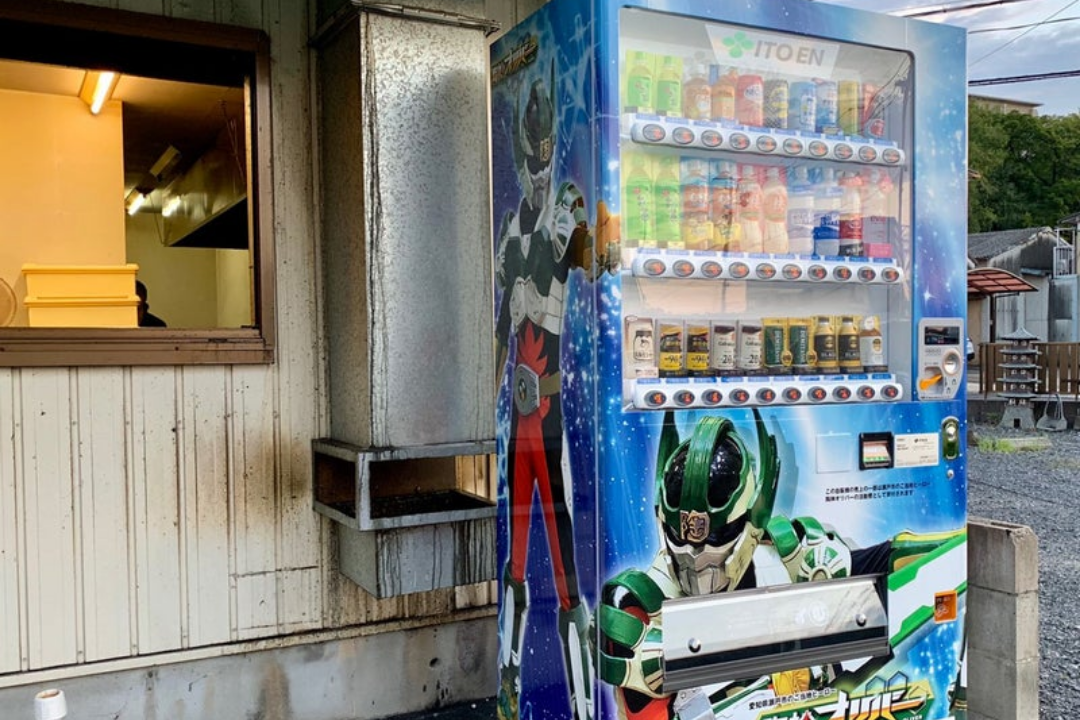
Source: Active Co., Ltd. Homepage
The real strength of King's Treasure Box is not the prize draw itself. It is the fact that the entire event has been standardized into a complete operational package.
Active provides much more than the treasure chest.
The package includes:
- Event setup procedures
- Operational manuals
- Prize planning
- Staff workflow design
- Visitor flow planning
- Participation rule configuration
This allows businesses to run events using a proven operational framework rather than building everything from scratch.
Safety is a major consideration.
Shopping malls and housing exhibition parks attract many families with young children, so the equipment is designed with both visibility and safety in mind. Rounded edges, durable materials, and anti-tip construction help reduce accident risks while maintaining an attractive appearance.
Efficiency is equally important.
Each prize draw is completed within seconds, allowing visitors to move quickly through the experience without creating excessive queues. This helps maintain smooth pedestrian flow throughout the venue while still encouraging participation.
Active's competitive advantage lies not simply in the idea of holding a prize draw, but in the operational knowledge accumulated through repeated implementation.
Insights such as peak visitor hours, popular prize selections, age demographics, and crowd management strategies have been refined into a repeatable system that clients can consistently apply.
The platform also supports customer data collection.
By requiring participants to complete surveys or register through social media before entering the draw, businesses can turn a short promotional activity into the beginning of an ongoing customer relationship. This ability to connect offline engagement with future marketing efforts makes the system particularly attractive for B2B clients.
King's Treasure Box is therefore much more than an event prop. It is a customer acquisition system that combines visitor engagement, data collection, and venue circulation into a single promotional solution.
Measurable Results Beyond Visitor Numbers
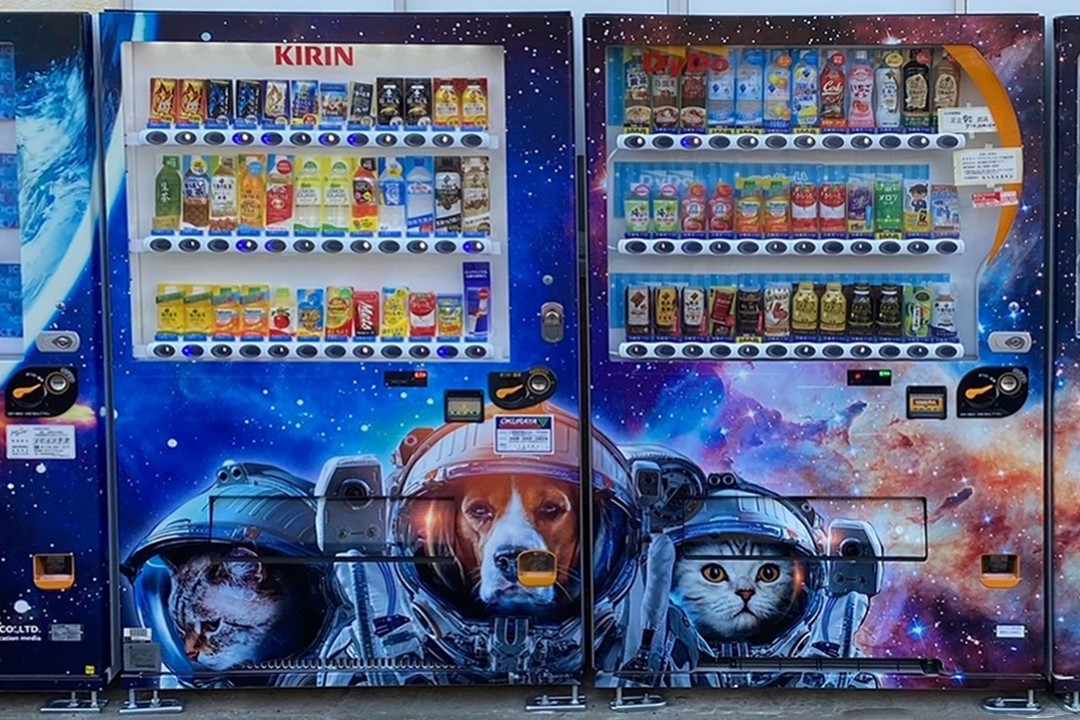
Source: Active Co., Ltd. Homepage
Organizations that have introduced King's Treasure Box often report more than an increase in visitor traffic. They also see longer dwell times and changes in how visitors move throughout a venue. At housing exhibition parks, for example, families who initially visit to participate in the prize draw frequently continue to tour model homes afterward. The drawing serves as the entry point that naturally leads visitors into the sales journey.
In shopping malls and commercial facilities, the attraction encourages people to spend more time in nearby areas. Families waiting for their turn may browse surrounding stores, while others continue shopping or dining after the event. Rather than creating a temporary crowd around a single attraction, the event can contribute to higher engagement across the entire facility.
Another advantage is that participation requirements can be tied to lead generation. Businesses can require visitors to complete a survey, register as a member, or sign up for a loyalty program before entering the draw. Unlike traditional events where little customer information is collected, this approach allows organizers to gather valuable data for future marketing campaigns.
The concept is particularly effective for family-oriented promotions. Encouraging weekend visits often depends on creating activities that appeal to both children and parents. Because the prize draw is simple, intuitive, and suitable for all ages, it offers a low-pressure experience that encourages families to stay longer.
From a B2B perspective, the ability to generate measurable returns is equally important. Rather than functioning as a one-time entertainment expense, King's Treasure Box is designed as a customer engagement platform. Its standardized format makes it suitable for recurring campaigns, multi-location rollouts, and integration into annual promotional strategies.
The value of the system lies not in creating a brief surge of excitement, but in redesigning customer journeys. By connecting visitor engagement with broader sales objectives, businesses can increase both customer interaction and opportunities for conversion.
Designing Events With Safety as the Highest Priority
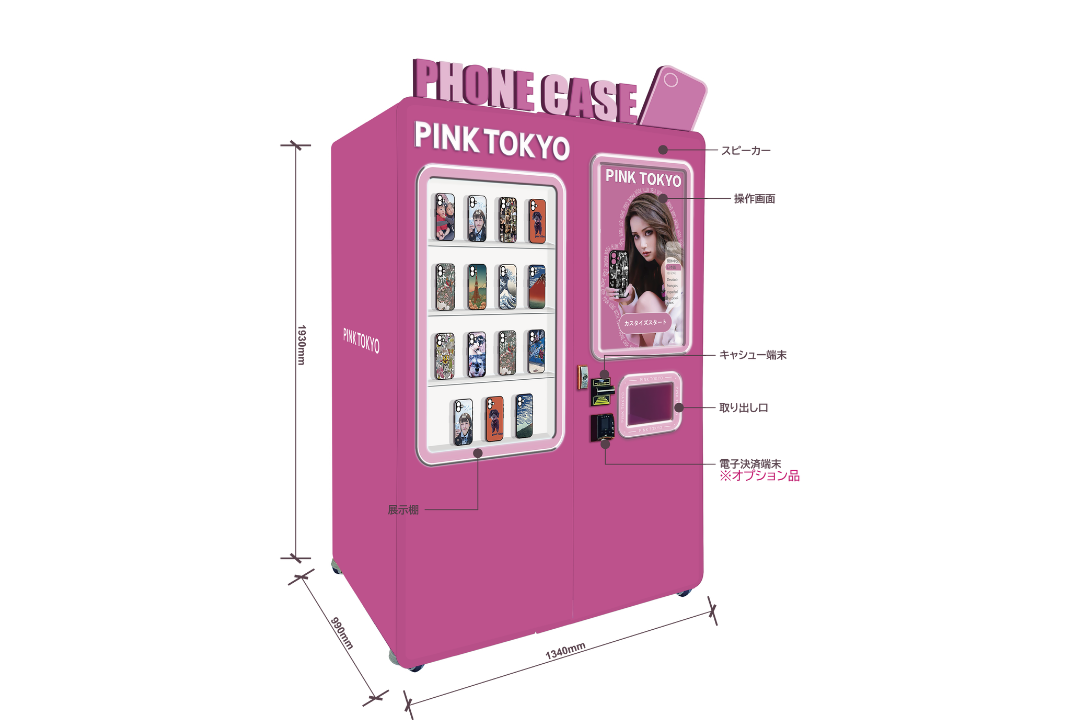
Source: Active Co., Ltd. Homepage
An interactive promotion is only successful if it is also safe. This is especially important in environments such as housing exhibition parks and shopping centers, where many visitors are families with young children. For Active Co., Ltd., safety is a fundamental design principle behind King's Treasure Box.
The physical attraction is designed with practical safety considerations in mind. Rounded edges, durable materials, and anti-tip construction help minimize risks, while moving parts are designed to reduce the possibility of injury. Instead of prioritizing visual impact alone, the company focuses on equipment that can operate safely throughout extended events.
Operational planning is equally important. Although each drawing takes only a short time, popular events can quickly become crowded. Queue management, staff positioning, and visitor flow planning are essential for maintaining both efficiency and safety. The objective is to keep the experience moving smoothly without creating unnecessary congestion.
Prize management is another critical operational element. Organizers need transparent systems for prize allocation, inventory management, and fraud prevention to ensure fairness. Maintaining trust is essential because any issues can affect both visitor satisfaction and the reputation of the host venue.
Successful implementation also requires coordination with the venue before the event begins. Power requirements, setup schedules, dismantling procedures, and compliance with local fire regulations or facility rules must all be confirmed in advance. From a B2B perspective, each event functions as a coordinated operational project rather than simply an entertainment activity.
Although King's Treasure Box is designed to stand out visually, its long-term success is supported by standardized operating procedures behind the scenes. Combining safety with repeatable execution allows the system to be deployed consistently across multiple venues.
A Business Philosophy That Designs Visitor Motivation
At the core of Active Co., Ltd. is the belief that customer visits should not be left to chance. Instead, they can be intentionally designed. In the past, shopping centers and housing exhibition parks often relied on their location or advertising budgets to attract visitors. Today, as consumers increasingly research products online, businesses need stronger reasons for people to visit in person.
The company does not view events simply as entertainment. Instead, it sees them as part of a complete customer journey that begins with attracting visitors, encourages participation, and ultimately supports sales or customer engagement. King's Treasure Box was developed to embody this philosophy.
Since its founding, Active has specialized in physical advertising solutions such as signage and promotional displays. Through this experience, the company recognized that attracting attention alone does not guarantee customer action. Visibility must be combined with a compelling reason to participate.
Prize draws may appear simple, but they appeal to basic human psychology. People naturally enjoy activities that provide immediate results by combining this familiar experience with carefully planned visitor pathways, Active transforms random foot traffic into a structured customer acquisition strategy.
The company also emphasizes scalability. Rather than creating one-off productions, it packages the event into a repeatable system that can be deployed across multiple venues. This positions Active not simply as an advertising agency, but as a provider of standardized visitor engagement solutions.
Ultimately, the company's goal is not to create larger spectacles. It is to provide businesses with practical systems that make visitor acquisition a predictable and repeatable part of facility operations.
How Japan's Weekend Family Shopping Culture Shaped the Model
King's Treasure Box was developed within a uniquely Japanese consumer environment. Shopping malls, housing exhibition parks, and commercial complexes in Japan receive significantly more family visitors on weekends than on weekdays. Success often depends on creating activities that appeal to children as well as adults, making family-oriented experiences a key part of visitor acquisition.
Housing exhibition parks in Japan have long served as more than sales venues. They regularly host character shows, workshops, craft activities, and prize drawings to encourage families to visit. King's Treasure Box evolved within this environment, becoming a proven tool for attracting visitors through entertainment while supporting broader business objectives.
A Japanese Model for Standardizing Customer Journeys
Japan also has a long-standing culture of lotteries and prize drawings. Seasonal raffles, shopping street promotions, and community events have made these experiences familiar to people of all ages. Because participants immediately understand how a prize draw works, businesses can engage visitors without lengthy explanations, making the format highly effective in busy public spaces.
The model also works well in Japan's aging society. While digital campaigns often require smartphone apps or multiple registration steps, a physical prize drawing is simple, accessible, and easy for visitors of every generation to enjoy.
Another factor is Japan's high operational standards. Commercial facilities typically require strict safety management and reliable event execution before approving promotional activities. The continued use of King's Treasure Box demonstrates that it has been tested in an environment with demanding operational expectations.
Although the model was refined in Japan, its underlying principles can be applied in any market where family-oriented weekend shopping remains an important part of consumer behavior.
International Opportunities for Experience Driven Visitor Marketing
King's Treasure Box was developed within Japanese retail culture, but the concept behind it has global relevance. Using an interactive experience to motivate physical visits addresses challenges currently facing retailers and real estate businesses around the world.
Across North America and Europe, shopping malls have experienced declining foot traffic as online shopping has become increasingly convenient. Physical locations now need compelling experiences to encourage customers to visit. Interactive prize draws offer a straightforward way to create that motivation.
Rapidly growing cities throughout Southeast Asia and the Middle East also present strong opportunities. Many modern shopping malls are designed around weekend family entertainment, making Japanese-style interactive promotions a natural fit. Because the prize draw relies very little on language, it can easily be understood across different cultures.
The Treasure Chest Strategy
From a B2B perspective, international expansion would depend on partnerships with local companies. Manufacturing event equipment locally, sourcing prizes, and adapting staffing operations would all be necessary. Active's primary strength lies not only in the attraction itself but also in its standardized operating model and expertise in visitor flow design.
The concept can also integrate naturally with digital marketing. Entry requirements such as app downloads, membership registration, or loyalty programs allow businesses to connect the physical experience with customer data collection and ongoing online engagement. The prize draw becomes the starting point for a broader customer relationship.
King's Treasure Box should therefore be viewed as more than a uniquely Japanese event. It represents a structured approach to creating reasons for customers to visit physical locations, something that is becoming increasingly valuable in many international markets.
Long Term Adoption Demonstrates Proven Results
King's Treasure Box is not designed as a one-time promotional attraction. Instead, it has become a recurring marketing solution used by housing exhibition parks, shopping centers, and commercial facilities as part of annual promotional calendars, including seasonal campaigns and holiday events.
One of the strongest indicators of its effectiveness is repeat business. A single day's excitement rarely judges event success. Businesses evaluate visitor numbers, survey responses, lead generation, and sales opportunities before deciding whether to continue investing. Repeat orders suggest that many clients have seen measurable value from the program.
Gamified Growth for Retail
Its adoption within Japan's housing exhibition industry also strengthens its credibility. Because these venues promote high-value purchases, they prioritize attracting qualified visitors rather than simply generating crowds. King's Treasure Box has been recognized for its ability to guide visitors naturally toward model home tours and sales consultations.
Commercial facilities likewise require dependable event operations because promotional activities directly affect the venue's brand image. Standardized management procedures, consistent execution, and reliable on-site support have helped establish long-term trust with clients.
The ability to deploy the same event across multiple locations further demonstrates its scalability. Rather than relying on individual performers or unique productions, the concept is built around a repeatable operating model, making it well suited for large B2B promotional campaigns.
Its continued implementation throughout Japan shows that the concept has evolved beyond an interesting idea into a practical and proven visitor engagement system.
Conclusion
King's Treasure Box, developed by Active Co., Ltd., is not simply an eye-catching promotional attraction. It is a system designed to transform visitor acquisition from something unpredictable into something businesses can intentionally plan. By using a simple prize draw as the starting point, the experience guides participants toward sales consultations, purchases, or other business objectives through a carefully designed customer journey.
Retailers and real estate businesses around the world are now reconsidering the value of physical visits. As consumers increasingly research products online, businesses must provide stronger reasons for customers to visit in person. King's Treasure Box offers one practical solution by visiting itself part of the experience.
International businesses may find three aspects particularly valuable. First, it provides a highly repeatable promotional format that can be deployed across multiple locations. Second, the experience is intuitive and easily understood regardless of language or age. Third, it integrates naturally with digital marketing by connecting participation to customer registration and data collection.
Future international expansion would likely rely on partnerships with local event companies, shopping center developers, and promotional agencies. Active's greatest asset is not simply the equipment itself, but its expertise in visitor flow design and standardized event operations. By adapting this operational know-how to local markets, similar visitor engagement models could be developed internationally.
The company's vision extends beyond creating temporary excitement. Its goal is to design customer journeys that become part of everyday facility operations, allowing businesses to generate consistent visitor engagement through repeatable experiences.
King's Treasure Box is a visitor engagement system refined in Japan, but its core principle is universal. By standardizing interactive experiences that encourage people to visit physical locations, it offers a practical model for businesses seeking to strengthen customer engagement in an increasingly digital world.
FAQ About King's Treasure Box
1. What Is King's Treasure Box?
King's Treasure Box is an interactive promotional event designed for shopping malls, housing exhibition parks, and other commercial venues. Visitors participate in a prize draw, creating a fun experience that encourages attendance while increasing foot traffic, visitor engagement, and opportunities for sales conversations.
2. Why Do Prize Draw Events Increase Visitor Traffic?
Prize draws are easy for people of all ages to understand and participate in. Because the results are revealed immediately, the experience has a low barrier to entry and encourages spontaneous participation. Visitors who come for the event are also more likely to explore the rest of the venue.
3. Can Participation Requirements Be Customized?
Yes. Businesses can set participation requirements such as completing a survey, registering for LINE, touring a model home, or performing other actions before entering the prize draw. This allows the event to support not only visitor acquisition but also lead generation and customer data collection.
4. Where Is King's Treasure Box Typically Used?
King's Treasure Box is commonly used at housing exhibition parks, shopping malls, commercial facilities, trade shows, corporate events, and other venues that attract large numbers of visitors.
5. Does Active Provide Event Management Services?
Yes. In addition to supplying the event equipment, Active offers comprehensive support that can include event setup, on-site operation, prize planning, and overall event management. Services can be tailored to meet each client's promotional objectives.
6. What Kind of Company Is Active Co., Ltd.?
Active Co., Ltd. is a Japanese promotional marketing company specializing in sign production, advertising planning, and promotional event management. The company provides a variety of services designed to increase visitor traffic and support business marketing activities.
7. What Industries Use King's Treasure Box?
King's Treasure Box is used across a wide range of industries, including housing exhibition parks, shopping malls, real estate, automotive dealerships, retail businesses, and trade show organizers. It is particularly valuable for organizations that want to increase visitor numbers and create meaningful customer engagement.
8. Can King's Treasure Box Be Combined With Digital Marketing?
Yes. The event can be integrated with digital initiatives by requiring participants to register for LINE, join a membership program, or complete a digital survey. This allows businesses to connect offline visitor experiences with online marketing and customer relationship management.
9. Can King's Treasure Box Be Used Outside Japan?
The simple and universally understood concept of a prize draw can be adapted for international markets. However, businesses should consider local cultural preferences, event regulations, and legal requirements before implementing the model overseas.
10. What Is the Main Philosophy Behind King's Treasure Box?
Rather than simply creating an entertaining event, King's Treasure Box is designed to generate meaningful reasons for people to visit. Its primary goal is to guide visitors through a carefully planned customer journey that encourages venue exploration, customer engagement, and sales opportunities.
Related Videos
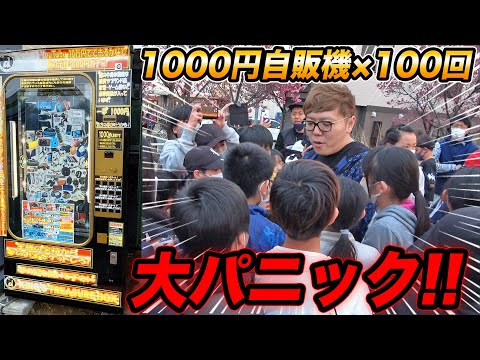
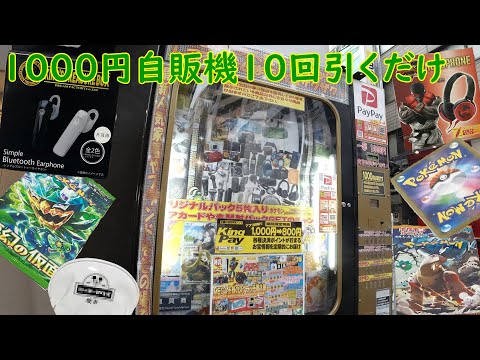
If you're interested in experiential marketing and promotional innovation, the video below explores King's Treasure Box, a unique Japanese campaign that helped popularize interactive consumer promotions. This video shows how creative prize systems and memorable customer experiences became powerful marketing tools for brands.