
Fermented Rice to Rethink Skin Function: How Rice Power Opened a New Category of Functional Skincare
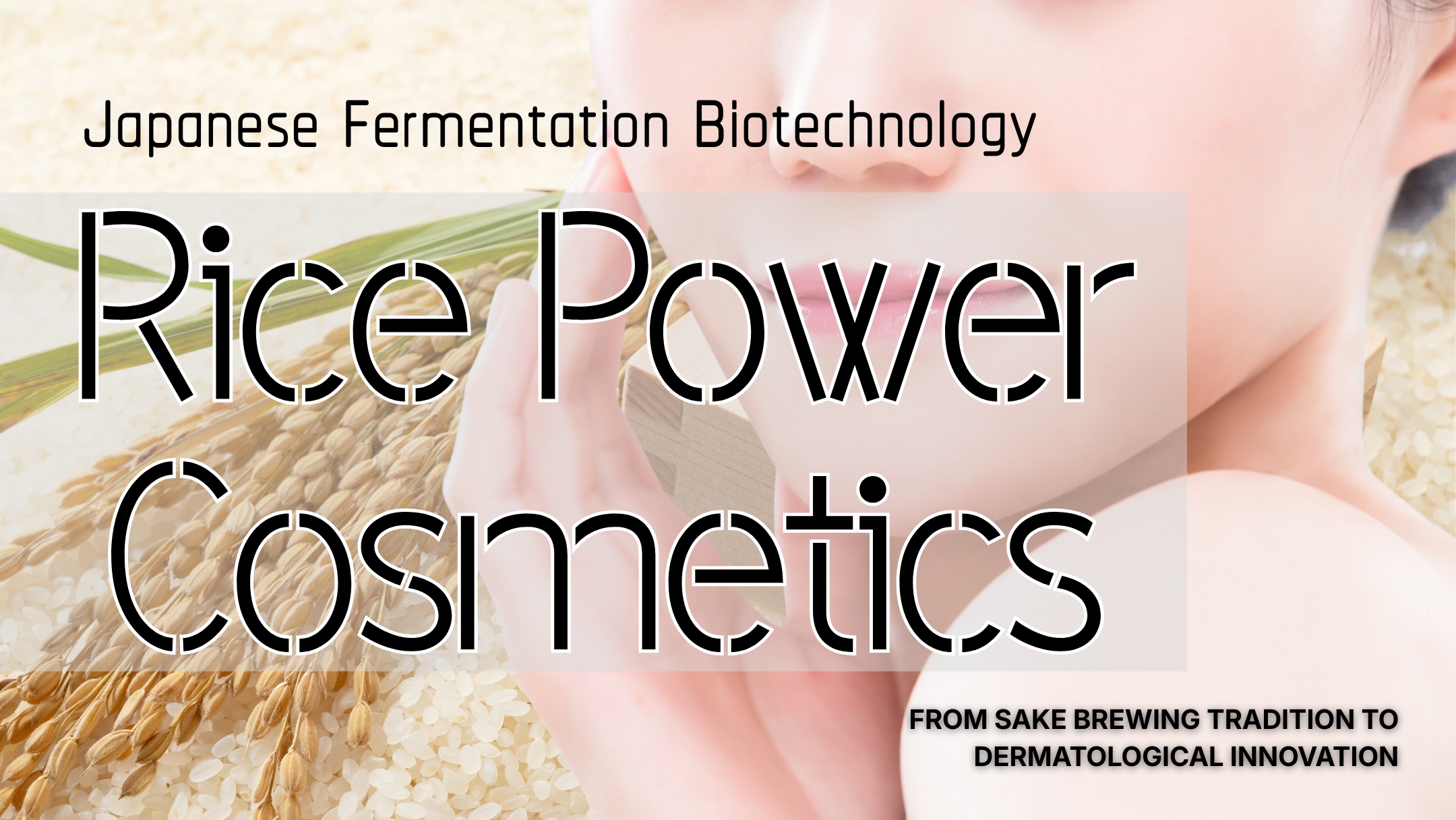
For decades, skincare has largely focused on the same promise: add moisture to the skin and prevent it from escaping. Japanese biotechnology company Rice Power took a different approach. Instead of asking how to add hydration, it asked a more fundamental question:
What if the skin could be encouraged to hold moisture on its own?
Rice Power Cosmetics is a functional skincare brand born from Japan's long history of fermentation technology. At the center of the brand is Rice Power Extract, a proprietary ingredient created by fermenting rice with carefully selected microorganisms. Rather than acting as a conventional moisturizing ingredient, it is designed to support the skin's natural functions themselves.
The technology was developed by Yushin Brewery Co., Ltd., a company based in Kagawa Prefecture that originally began as a sake brewery. By applying traditional Japanese fermentation expertise to skin science, the company succeeded in developing an ingredient approved for use in quasi-drugs in Japan.
Its best-known ingredient, Rice Power No.11, is particularly notable because it is one of the few ingredients in Japan officially recognized for its ability to improve the skin's moisture retention capability.
As the global skincare market continues to expand, consumers have become increasingly skeptical of products that provide only temporary hydration or superficial anti-aging benefits. Across North America, Europe, and Asia, demand is shifting toward scientifically supported ingredients, long-term skin health, and sustainable sourcing. Functional performance and clean beauty are increasingly expected to coexist.
Rice Power is therefore more than another Japanese beauty brand entering overseas markets. It represents an attempt to combine Japan's fermentation culture with modern dermatological science to create a new category of functional skincare ingredients.
This article explores how Yushin Brewery developed Rice Power, the philosophy behind its research, and why the technology is attracting growing interest outside Japan.
Rice Power® Extract Overview
Rice Power Extract is a functional ingredient created by fermenting rice using proprietary microorganisms and carefully controlled fermentation conditions.
Unlike conventional plant-derived moisturizing ingredients that primarily add moisture to the skin's surface, Rice Power focuses on supporting the skin's own moisture-retention mechanisms.
Its flagship ingredient, Rice Power No.11, has received approval in Japan as an active quasi-drug ingredient with the recognized efficacy claim of improving the skin's moisture retention ability.
This distinction is important.
Many skincare products promise to "hydrate" or "moisturize" the skin. Rice Power's approach is fundamentally different. The goal is not simply to provide moisture from the outside, but to help the skin maintain moisture more effectively on its own.
Traditional moisturizers generally fall into two categories:
- Ingredients that add water to the skin.
- Ingredients that create a barrier to prevent moisture loss.
Rice Power takes a third path by supporting ceramide production within the skin itself, targeting the structures responsible for moisture retention rather than merely compensating for dryness externally.
The ingredient is not limited to products sold under the Rice Power brand. It is also supplied as a functional raw material to numerous Japanese cosmetic manufacturers.
In other words, Rice Power operates both as:
- A consumer skincare brand.
- A functional ingredient supplier for the beauty industry.
Within the B2B market, Rice Power Extract is often incorporated as a core ingredient during formulation development.
Pricing varies depending on the product line, but Rice Power is positioned firmly within the premium functional skincare segment rather than the mass-market cosmetics category.
Challenging the Limits of Surface-Level Moisturization
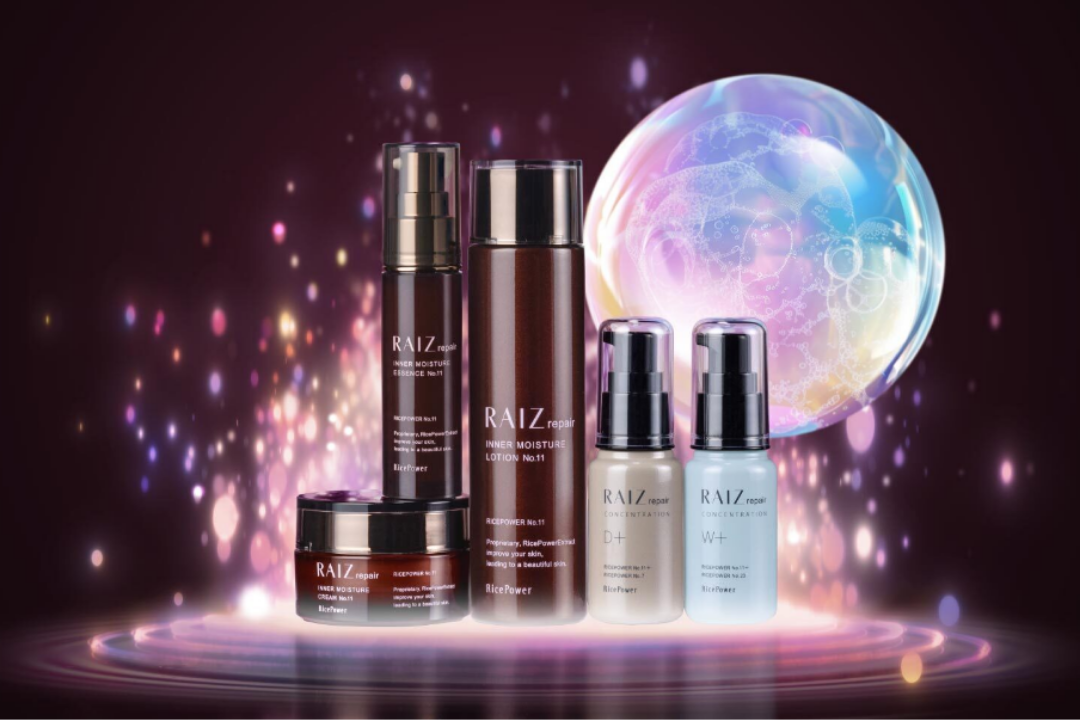
Source: Rice Power Homepage
The creation of Rice Power was driven by a structural problem that had existed within skincare for decades. Most skincare products are designed around the concept of supplementation.
Traditional moisturizing products add water, oils, or humectants to the skin and attempt to prevent evaporation. These approaches can certainly provide immediate comfort and hydration, but they do not necessarily change the skin's underlying ability to manage moisture on its own.
For individuals with chronically dry skin, this often means entering a cycle of continuous reapplication rather than long-term improvement.
Yushin Brewery questioned whether this model could be fundamentally rethought. As a company with generations of experience in fermentation, it understood that microorganisms can transform the properties of materials at a structural level. The company began exploring a new possibility:
Could fermentation technology be used to influence the skin's own functions rather than simply supplying what the skin lacked externally? That question became the foundation of the Rice Power project.
Why Rice Became the Focus
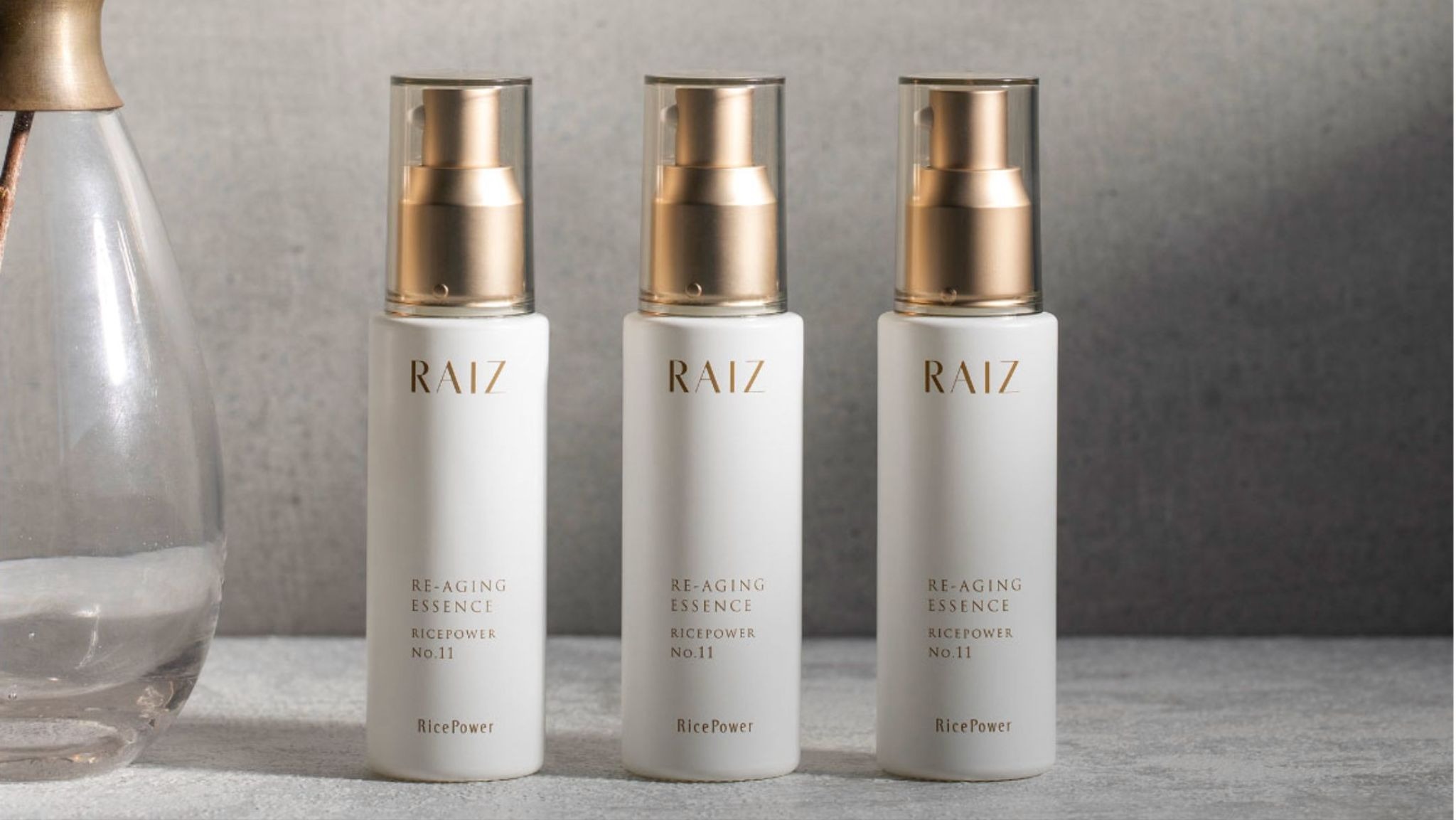
Source: Rice Power Homepage
The company turned its attention to rice, one of Japan's most important agricultural and cultural resources.
Rice is not only Japan's staple food but also the foundation of many of the country's traditional fermented products, including:
- Sake
- Miso
- Soy sauce
- Rice malt products
Rather than treating fermentation solely as a food technology, Yushin Brewery chose to connect this centuries-old expertise with modern skin science.
After years of research, the company identified fermentation-derived compounds that appeared capable of stimulating ceramide production within the skin.
Ceramides are a major component of the lipids found between skin cells in the stratum corneum and play a critical role in maintaining moisture retention and barrier function.
The research hypothesis became clear:
If skin could be encouraged to produce more of the structures responsible for retaining moisture, perhaps the skin could improve its ability to stay hydrated naturally.
How Rice Power No. 11 Redefines Functional Beauty
What began as ingredient research eventually evolved into a lengthy scientific and regulatory process aimed at obtaining approval as an active quasi-drug ingredient.
The result was Rice Power No.11 and its officially recognized efficacy claim of improving skin moisture retention ability. Within the skincare industry, this remains highly unusual.
Many ingredients can claim to moisturize or protect the skin. Far fewer can claim to improve the skin's own moisture-retention function. That distinction represents a shift in philosophy from external supplementation toward functional improvement.
Yushin Brewery was not simply competing within the moisturizing market. It was challenging the assumptions on which much of the skincare industry had been built. By reinterpreting traditional Japanese fermentation technology through the lens of modern science, the company positioned Rice Power as something more than a natural skincare ingredient.
It became a functional material designed to address the underlying mechanisms of skin hydration.
When a Sake Brewery Became a Skincare Technology Company
Yushin Brewery Co., Ltd. was established as a sake producer in 1854. For a company that had spent generations working with rice and microorganisms, fermentation was never merely a manufacturing process. It was a technological asset.
The turning point came when researchers began paying attention to the compounds created during fermentation itself. During sake production, microorganisms such as koji mold break down rice and generate a wide variety of metabolites and secondary compounds.
The Japanese Biotech Quest to Fix Skin Function
The company began asking whether these compounds might have applications beyond food and beverages. Importantly, this was not a sustainability project focused on repurposing brewing byproducts. Instead, it was a technology-driven effort centered on an entirely different idea:
Could fermentation conditions be deliberately designed to create materials with specific functional properties?
Using rice as the base ingredient, Yushin Brewery experimented with:
- Microorganism selection
- Cultivation environments
- Fermentation duration
- Extraction methods
The process required years of testing and validation rather than rapid product development cycles. Because the company already had an established brewing business, it was able to invest continuously in long-term research in ways that many startup cosmetic brands cannot.
Rice Power Cosmetics emerged as the result of this research. The ingredient came first. The skincare products followed. Another important aspect of the business is Yushin Brewery's role as an ingredient supplier.
Rice Power Extract is used not only in the company's own products but also in products developed by other manufacturers. Rather than competing solely as a finished-goods brand, the company participates in the wider cosmetics industry through material science and ingredient technology. Without this philosophy of redefining fermentation as a functional material platform, Rice Power Cosmetics likely would never have existed.
Designing Skin That Can Moisturize Itself
At the center of Rice Power Cosmetics is the proprietary Rice Power Extract developed by Yushin Brewery. The ingredient is produced by combining rice with proprietary microorganisms under carefully controlled fermentation conditions. It is not simply a rice extract but a functional material containing metabolites generated during the fermentation process.
Most moisturization systems rely on ingredients such as hyaluronic acid and glycerin to attract water while oils help seal that moisture into the skin. While effective for providing immediate hydration, this approach does not necessarily improve the skin's underlying functionality.
Why "Functional Skincare" is the Next Global Trend
Rice Power Extract was developed around a different concept: Supporting the skin's own ability to retain water.
Research focused specifically on the moisture retention mechanisms within the stratum corneum and on improving the skin's ability to hold water naturally. Rice Power No.11, which has been approved as an active quasi-drug ingredient in Japan, is recognized for improving the skin's moisture retention function. This regulatory distinction provides an important differentiator in an increasingly crowded skincare market.
The technology rests on three major strengths:
1. Proprietary fermentation expertise
Yushin Brewery controls microorganism selection, cultivation conditions, and production methods internally, allowing for consistency and reproducibility developed through decades of research.
2. Multiple functional extract variations
The company has developed several types of Rice Power Extract for different purposes, allowing broader application across product categories.
3. Ingredient supply capabilities
As an ingredient manufacturer, Yushin Brewery can support partnerships and applications across the cosmetics industry rather than limiting itself to its own products.
Rice Power Cosmetics may be the consumer-facing brand, but the real product is arguably the ingredient platform itself.
By combining Japanese fermentation technology with modern skin science, Yushin Brewery has established Rice Power as a functional material rather than simply another skincare product line.
How Adoption Changed Product Development and Influenced the B2B Market
Rice Power Extract is used not only in products sold under the Rice Power brand but also as an ingredient supplied to other cosmetics and quasi-drug manufacturers in Japan.
This distinction matters.
The story of Rice Power is not simply one of consumer sales success. It is also the story of an ingredient that has achieved adoption at the formulation level across the beauty industry.
The Radical Philosophy of Rice Power
In products targeting dry skin and sensitive skin concerns, Rice Power Extract is sometimes selected as a key differentiating ingredient. An ingredient with a clearly defined function such as improving the skin's moisture retention capability can become a central pillar during product planning and formulation development.
This goes beyond marketing claims. It influences the technical direction of the product itself. From a B2B perspective, the value proposition can be summarized in three areas:
1. Functional Evidence
Rice Power No.11 has received approval in Japan as an active ingredient for quasi-drugs. This regulatory recognition provides a level of scientific credibility that can help reduce development risks for manufacturers.
2. A Distinctive Fermentation Story
Japanese fermentation technology carries strong cultural and quality associations in both Asian and Western markets. Fermentation-derived ingredients from Japan offer a narrative that combines tradition, craftsmanship, and scientific innovation.
3. Multiple Application Opportunities
Rice Power technology is not limited to facial skincare. Different versions of Rice Power Extract have been developed for a variety of functions, creating opportunities in body care, scalp care, and other personal care categories.
From the consumer perspective, this also changes how skincare is understood.
The focus shifts away from simply applying moisture onto the skin and toward supporting the skin's own biological functions.
As a result, Rice Power often resonates with consumers who prioritize long-term skin health and gradual improvement rather than immediate sensory results alone.
The change occurring in the market is therefore larger than simple sales growth.
It reflects a broader shift in skincare philosophy from external supplementation to functional improvement.
Rice Power Extract plays a structural role not only in the finished product market but also in the ingredient market itself.
Turning Fermentation Into Industrial-Grade Quality

Source: Rice Power Homepage
Natural ingredients often face one major challenge: consistency.
Because fermentation is influenced by variables such as temperature, humidity, microorganism activity, and raw material quality, maintaining reproducibility across production batches can be difficult.
For Yushin Brewery Co., Ltd., ensuring consistency and quality stability became one of the most important priorities in commercializing Rice Power Extract. The company applied decades of expertise gained from sake brewing to create tightly controlled fermentation and extraction processes.
This is not a system based on artisanal intuition alone. It is a production model built on measurable data, process control, and repeatability. For cosmetic ingredients, especially those intended for international markets, stable supply and clear quality standards are essential.
Manufacturers need confidence in areas such as:
- Ingredient specifications
- Safety testing
- Regulatory compliance
- Permitted efficacy claims
- International labeling requirements
Certain types of Rice Power Extract have already achieved approval as active quasi-drug ingredients in Japan, providing an important foundation for both safety and efficacy credibility. From a B2B perspective, value extends beyond supplying raw materials.
Technical support during formulation development, ingredient education, and application proposals all become part of the partnership.
As a fermentation technology company, Yushin Brewery can contribute not only ingredients but also expertise regarding how those ingredients can be incorporated into products and positioned within the market.
The company therefore operates within two worlds simultaneously:
- Traditional fermentation craftsmanship.
- Modern industrial quality control.
That combination forms the foundation of the Rice Power platform.
A Corporate Philosophy Built Around Expanding Fermentation Beyond Food
Yushin Brewery began as a sake producer in 1854. For more than 160 years, the company has worked with rice. What emerged from that history was not simply the ability to produce alcohol, but something broader:
The ability to design fermentation itself.
Fermentation may be a natural process, but it is also a process that can be guided, controlled, and optimized by human expertise. Yushin Brewery chose to apply that expertise beyond food production and into functional materials.
This reflects an important aspect of the company's philosophy. The goal is not merely to preserve tradition, it is to extract the underlying technological value within traditional practices and apply it to entirely new industries.
Rice Power Extract is the result of that thinking.
The company's ambitions also extend beyond growing a consumer skincare brand. Its long-term strategy appears closer to building an industry platform centered around fermentation technology through ingredient supply, partnerships, and cross-industry collaboration. This approach aligns naturally with a B2B growth model.
Another important aspect is the use of rice itself. Japan faces challenges including population decline, an aging farming workforce, and pressure on rural agricultural economies. Creating higher-value applications for agricultural resources has become an important national issue.
Reimagining rice not only as food but also as a source of functional materials connects directly to discussions around regional sustainability and agricultural revitalization. Rice Power Cosmetics represents only one expression of this broader philosophy.
The larger question being explored is:
How far can fermentation technology be extended beyond its traditional boundaries?
Skincare simply became one of the first answers.
Japan as a Testing Ground for Functional Skincare
Japan presents an unusual skincare environment.
Summers are hot and humid.
Winters are cold and dry.
Urban environments rely heavily on air conditioning and heating systems throughout the year, creating artificially dry indoor conditions regardless of season. Together, these conditions place continuous stress on the skin barrier. Japan also entered an aging society earlier than most developed nations.
As people age, the skin's moisture retention ability naturally declines, increasing the prevalence of dryness and sensitivity concerns. These issues are therefore not simply personal skincare concerns but demographic and social trends. The home of Yushin Brewery, Kagawa Prefecture, reflects another important aspect of the story.
It is a region where agriculture, manufacturing, and traditional fermentation industries coexist. Creating higher-value applications for local resources through fermentation technology aligns closely with broader discussions about regional economic sustainability. In many ways, Japan itself has functioned as a testing environment for Rice Power technology.
The combination of:
- Seasonal climate variation
- Urban dryness
- Population aging
These created ideal conditions for evaluating long-term functional skincare solutions and the same trends are increasingly appearing worldwide. Urban dryness and aging populations are not uniquely Japanese challenges, they are becoming global ones.
Which Global Markets Could Japanese Fermentation Technology Connect With?
The global skincare market continues to grow, but meaningful differentiation is becoming increasingly difficult. Many brands compete using similar hydration claims and overlapping ingredient lists. Ingredients supported by both scientific evidence and a clear technological background remain relatively rare.
Rice Power occupies a unique position because it combines two elements:
- Japanese fermentation technology.
- Rice as a fundamental agricultural resource.
This places it in a different category from conventional botanical extracts.
Opportunities in Asia
Fermentation concepts are often more easily understood in Asian markets where fermented foods already play an important cultural role.
Consumers may already associate fermentation with health, wellness, and gut health, making the transition toward fermentation-based skincare relatively intuitive. In rapidly urbanizing regions experiencing increasing demand for hydration and anti-aging products, ingredients focused on moisture retention may offer a strong point of differentiation.
Opportunities in North America and Europe
Western skincare discussions increasingly focus on concepts such as:
- Skin barrier support
- Ceramide function
- Long-term skin resilience
Rice Power's mechanism aligns naturally with these trends. In simpler terms, the technology can be described as supporting the skin's ability to retain moisture naturally. This fits well with consumers who prioritize scientific explanations and evidence-based skincare.
The ingredient supply model also offers advantages internationally. Rather than competing exclusively as a finished consumer brand, Yushin Brewery can enter overseas markets through partnerships with local or global brands seeking differentiated functional ingredients.
This strategy reduces the time and investment required to establish consumer brand recognition while allowing the underlying technology to scale globally. Fermentation is not a temporary trend in Japan. It is a technology refined over centuries.
By combining cultural heritage with functional evidence, Rice Power Extract has the potential to connect with multiple regional markets simultaneously.
Building Trust Through Domestic Validation
One reason Rice Power has gained credibility in Japan is that its reputation extends beyond consumer products. Rice Power No.11 received official approval in Japan for improving skin moisture retention ability.
This distinction is significant because it represents public recognition of functionality rather than simple marketing language. Japan's quasi-drug system requires evidence supporting efficacy claims.
Obtaining approval requires safety studies, effectiveness evaluations, and extensive regulatory review. The process requires both time and financial investment. For ingredient buyers and formulation teams, this provides an additional layer of confidence.
Rice Power Extract has also been adopted by multiple cosmetic brands beyond Yushin Brewery's own product lines. This indicates that the market has evaluated the ingredient independently from the performance of any single consumer brand.
Within B2B markets, long-term adoption often depends on two factors:
- Stable supply.
- Consistent quality.
Long-term supply relationships therefore become important indicators of reliability. The history of Yushin Brewery itself also matters. As a company with more than 160 years of experience managing fermentation and quality control, it offers a level of continuity that younger ingredient companies may struggle to match.
The company's value proposition is built on three pillars:
- Regulatory approval.
- Commercial adoption.
- Long-term operational stability.
Together, these elements support the credibility of both Rice Power Cosmetics and Rice Power Extract.
The Future Industrial Map Being Drawn by Fermentation Technology
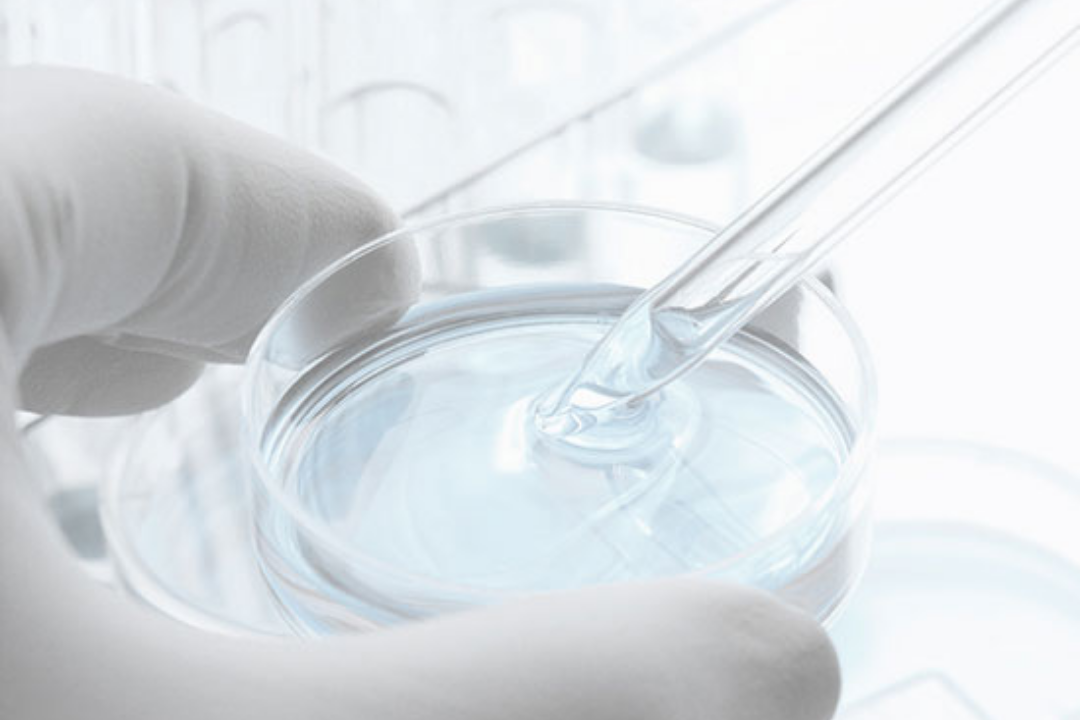
Source: Rice Power Homepage
Rice Power Cosmetics is not simply another Japanese skincare brand entering the global market. It represents a case study in how a traditional industry can transform itself by applying existing expertise to entirely new sectors.
Starting from sake brewing, Yushin Brewery converted fermentation knowledge into functional materials and selected skincare as one of its first large-scale applications. As global populations age and dry environmental conditions become increasingly common, technologies focused on improving the skin's own moisture retention capabilities are likely to attract growing attention.
For global companies, the existence of a functional ingredient supported by regulatory approval creates opportunities for:
- Ingredient supply agreements
- Joint product development
- Research collaborations
- Co-branded product launches
Such partnerships create value on both sides.
Japanese companies gain larger markets and broader applications for their technology, while international partners gain access to differentiated functional ingredients. Perhaps most importantly, Rice Power is not built around the success of a single hero product.
The larger vision concerns the expansion of fermentation as a cross-industry technology platform.
Skincare is simply one application.
Rice, fermentation science, and dermatology intersect to create new possibilities for value creation. This is why international companies are paying attention. Behind the products sits a company with deep fermentation expertise, long-term research capabilities, and regulatory validation.
Rice Power Cosmetics simply makes that technology visible to consumers. What Yushin Brewery is attempting to redefine is not one category of moisturizers. It is the role that Japanese fermentation technology can play within the future global market for functional materials.
Conclusion
Rice Power Cosmetics represents something larger than a successful Japanese skincare brand. It is an example of how traditional industries can transform centuries of expertise into technologies that address modern global challenges.
By combining rice fermentation with skin science, Yushin Brewery shifted the conversation away from simply adding moisture to the skin and toward supporting the skin's own ability to maintain hydration. This philosophy has positioned Rice Power Extract not only as a cosmetic ingredient but as a functional material with applications across the broader beauty and wellness industries.
As consumers around the world place greater importance on skin barrier health, scientifically supported ingredients, and sustainable sourcing, technologies like Rice Power are becoming increasingly relevant. The appeal lies not only in the ingredient itself, but also in the story behind it: a Japanese sake brewery that transformed fermentation know-how accumulated over more than 160 years into a new category of skincare innovation.
Rice Power Cosmetics is ultimately not a story about rice or even cosmetics alone. It is a story about how traditional Japanese technologies can evolve, cross industry boundaries, and create entirely new markets in the process.
FAQ About Rice Power Cosmetics
1. What Kind Of Skincare Is Rice Power Cosmetics?
Rice Power Cosmetics is a Japanese skincare brand built around a proprietary ingredient called Rice Power Extract, which is created through the fermentation of rice. By applying fermentation technologies originally developed for sake brewing, the products aim to do more than simply moisturize the skin. Instead, they focus on supporting the skin's natural functions. The brand is often positioned as a form of functional skincare that combines traditional Japanese fermentation with modern skin science.
2. How Is Rice Power Different From Conventional Moisturizers?
The biggest difference is its focus on the skin's ability to retain moisture rather than simply adding hydration to the surface.
Traditional moisturizers typically work by supplying water and oils externally to reduce moisture loss. Rice Power Extract, by contrast, has been researched for its ability to support the skin's moisture retention function itself. This represents a different philosophy toward hydration and skincare design.
3. Why Was Rice Chosen As The Source Of The Skincare Ingredient?
The technology was developed as an extension of decades of research into rice and fermentation.
The developer, Yushin Brewery, originally operated as a sake producer and had extensive expertise in using microorganisms to transform the properties of rice through fermentation. By applying this fermentation knowledge to skin science, the company created what would eventually become Rice Power Extract.
4. What Is Rice Power No.11?
Rice Power No.11 is one of several varieties of Rice Power Extract and is particularly notable because it was approved in Japan as an active ingredient for quasi-drugs with recognized benefits related to improving the skin's moisture retention ability.
Rather than simply supplying moisture to the skin, Rice Power No.11 focuses on supporting the mechanisms that help skin maintain hydration naturally, making it the flagship ingredient of the Rice Power technology platform.
5. Why Does Rice Power Place So Much Importance On Fermentation Technology?
Fermentation has the ability to transform the properties of raw materials and create entirely new functionality.
Yushin Brewery viewed fermentation not only as a food production technology but also as a platform for developing functional ingredients. Rice Power Cosmetics is an example of how Japan's long history of fermentation culture has been adapted for modern skincare applications.
6. Is Rice Power Extract Used By Other Brands?
Yes.
Rice Power Extract is supplied not only for Yushin Brewery's own products but also to other cosmetics manufacturers as an ingredient for skincare formulations. In addition to being a consumer-facing brand, Rice Power also functions as an ingredient technology platform that supports product development throughout the cosmetics industry.
7. Why Is Rice Power Cosmetics Attracting Attention Overseas?
One reason is its ability to combine traditional fermentation culture with scientifically supported functionality.
Consumers around the world are becoming increasingly interested in ingredient origins, scientific evidence, and transparency in product development. Rice Power stands out because it combines Japan's rice culture and fermentation heritage with extensive research and ingredient development.
8. Is Rice Power Considered A Sustainable Skincare Technology?
Yes.
Rice Power is attracting attention for creating new value from rice, a resource that has been central to Japanese culture and agriculture for centuries. By applying traditional technologies to new industries, the company demonstrates how existing resources can be repurposed into high-value functional materials.
It is also viewed as an example of how regional industries and agricultural resources can contribute to future innovation.
9. What Changes In Cosmetic Development Does Rice Power Represent?
Rice Power reflects a broader shift in skincare from simply adding ingredients to supporting the skin's natural biological functions.
Modern consumers are increasingly interested not only in texture and fragrance but also in how ingredients work and the science behind them. Rice Power Cosmetics represents a growing trend toward ingredient-first product development driven by functional research.
10. What Is The Biggest Strength Of Rice Power Cosmetics?
Its greatest strength lies in transforming traditional Japanese fermentation technology into modern beauty science.
Rice Power takes a familiar ingredient, rice, and unlocks new functionality through fermentation and scientific research. Rather than simply preserving traditional techniques, the company has expanded them into entirely new industries and applications, making it one of the most compelling examples of innovation emerging from Japan's fermentation culture.