The Bold Vision of Papapapapine to Expand the Japanese Ramen Culture
Ramen has spread worldwide as one of Japan’s most iconic food cultures. These styles, made with tonkotsu, soy sauce, miso, and salt, are widely recognized as symbols of the Japanese dining experience. At the same time, the high level of refinement in these styles makes it harder to ask what more can be added.
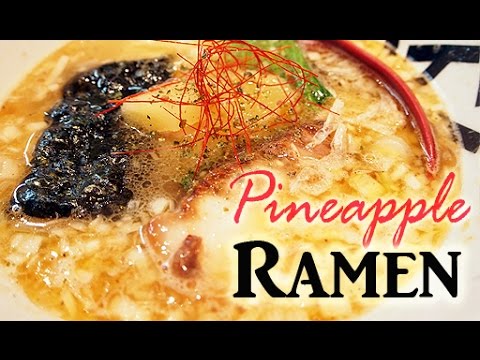
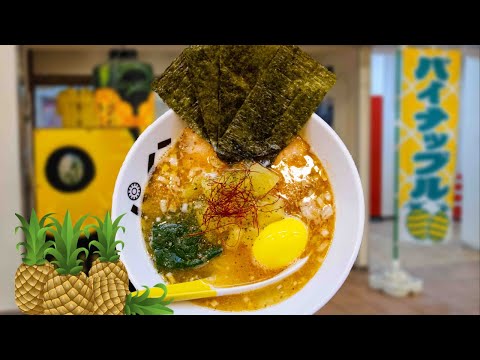
Even in Japan, a country that takes ramen very seriously, there is one bowl in particular that uses an ingredient so shocking it stops people in their tracks. This is the pineapple-based ramen served by Papapapapine. While the idea of fruit in a savory soup usually creates some instant skepticism, this dish is not just a cheap stunt for social media likes. It is a calculated creation built on a clear and precise culinary philosophy.
The shop behind this innovation is Papapapapine, operated by Pine Number Co., Ltd., based in Machida, Tokyo. By introducing fruit into traditional Japanese ramen culture, the company does not break the existing framework but expands it from within. This approach reflects the flexibility and curiosity inherent in Japanese food culture.
Why is it meaningful to introduce this specific ramen to a global audience now? In an era where fusion and reinterpretation are highly regarded, Papapapapine’s approach carries both distinctly Japanese and universally appealing qualities. It does not rely on novelty; instead, it achieves new flavors through a deep understanding of ingredients and accumulated culinary techniques. That process itself offers insight and inspiration for food-related businesses worldwide.
Pineapple Ramen (Papapapapine) Overview
What sets Papapapapine’s pineapple ramen apart is that pineapple is not used merely as a topping or accent; it is at the heart of the soup. By combining the fruit’s natural acidity and sweetness with meat or seafood-based broths, the ramen achieves a multidimensional flavor profile unlike any other.
At first glance, this concept might seem closer to a dessert than a savory meal. In reality, however, this ramen is a proper, balanced meal. The pineapple does not dominate the bowl; instead, it pulls the flavors together, adding refreshing lightness and an aromatic lift to the aftertaste. This careful balance is what allows the dish to succeed as a serious culinary choice rather than just a passing novelty.
The Philosophy Behind the Pineapple Ramen by Pine Number Co., Ltd.
The pineapple ramen at Papapapapine was not built on the idea of being different just for its own sake. While using fruit in ramen creates a powerful visual and verbal impact, the reason it has earned long-term support is not its rarity. The fact is that the flavor works as a complete, satisfying meal.
Ramen is a dish with an incredibly wide range of possibilities. By adjusting the balance of broth, fats, seasoning, and aromatic oils, a chef can create entirely different flavor profiles. Papapapapine deeply understands this structure and incorporates pineapple not as a foreign element but as a functional ingredient.
Pineapple’s role is not to provide sweetness alone. Its natural acidity and aroma help define the soup’s overall profile and lighten the aftertaste. Instead of letting fat or salt dominate, the bowl becomes more balanced as you eat. This thoughtful design ensures the ramen is satisfying as a meal rather than just a fleeting novelty.
The target audience for this ramen is also very clear. It serves those looking for a punchy flavor, as well as those who want a bowl they can finish comfortably without feeling heavy. It offers a new choice for people who might be tired of traditional, heavy ramen styles. It leaves a lasting impression not for being outrageous, but for being ‘surprisingly just right.’ This balance contributes to its sustained popularity.
Even pricing is designed to be accessible, keeping it within reach as a regular dining option rather than a one-off experience. By making it repeatable, the dish succeeds not only as a conversation starter but also as a viable business model.
Ultimately, the pineapple ramen at Papapapapine does not destroy the boundaries but expands them. By respecting tradition while understanding its structure, the shop offers a new solution. This philosophy of thoughtful expansion is at the heart of the shop’s design approach.
Why the Pineapple Didn’t End Up as Just a Gimmick

Source: New A Kind Center Homepage
The reason Papapapapine’s pineapple ramen remains in people’s memories cannot be explained simply by its novelty. If it were merely a gimmick, it would have been forgotten shortly after going viral on social media. Instead, this ramen has been evaluated and appreciated over time, gaining a steady following. Behind this lies a deliberate design in how its uniqueness is deployed.
The most striking feature is that while pineapple is the star, the ramen itself keeps control of the flavor. Rather than relying solely on the fruit’s impact, the balance of broth, noodles, oils, and aroma is established first. The pineapple then acts as the final, perfecting touch. Because of this, the ramen shifts from surprise at the first bite to genuine satisfaction as they keep eating.
The handling of acidity and sweetness is also notable. While pineapple is commonly associated with sweetness, using it in the right amount and at the right temperature can sharpen the aftertaste. In ramen, where richness and saltiness can accumulate, this element is crucial. It creates the impression of a light, easy-to-finish meal.
Another key point is the gap between appearance and flavor. Visually, it makes a strong impression, yet the taste is surprisingly gentle and harmonious. When surprise and reliability coexist, a dish stops being a novelty and becomes something you want to experience again.
From a technical standpoint, this ramen is a bold challenge. Fruits can lose aroma or develop off-flavors depending on heat and broth compatibility. Careful attention to temperature control and timing of ingredient addition is required. This meticulous, invisible effort supports the high level of quality,
As a result, people do not eat pineapple ramen because of its novelty. They remain memorable because they work as a proper meal. This distinction is what sets it apart from other trend-driven menu items.
Starting from a Simple Question: Can Ramen be More Flexible?
Pineapple ramen did not begin as a random spark of inspiration or an attempt to attract attention. It emerged from a deeper questioning of ramen as a dish. While ramen has evolved uniquely in Japan, it has gradually become confined to its own rules, defined by established categories such as tonkotsu, soy sauce, miso, and chicken broth. Even as the number of styles continues to grow, invisible constraints have taken shape around ingredient combinations and flavor directions.
Papapappapine decided to challenge those very boundaries. Why must fruit stay in the world of desserts while ramen stays in the world of savory meals? Is that line actually necessary? They realized that if you strip ramen down to its core, broth, acidity, and aroma, fruit could actually function as a vital ingredient.
The focus was specifically on the aftertaste. Ramen is famous for being incredibly satisfying, but it often leaves a heavy feeling. The team wondered whether the fruit's natural acidity and brightness could preserve that high level of satisfaction while making the finish light and refreshing. This approach naturally aligned perfectly with the modern craving for food that feels good both during and after the meal.
There was also a clear intention to treat the ramen as more than merely a ‘one-time event-driven consumption’. They did not want a bowl that people only ate once for a social media post; they wanted a dish that became a genuine choice in a person’s daily life. To achieve this, the shock and surprise had to be paired with conviction and satisfaction. The flavor had to work, the price had to be fair, and the customers had to want to come back again. Only when these three elements align does a dish truly have value.
The development process took time, and failures were inevitable. Sometimes it was too sweet, sometimes the aroma was too strong, or the integration with the broth just wasn’t there. Through repeated trials and errors, the pineapple found its place not as a ‘star’ but as a functional component. The result is a bowl that uses fruit yet leaves no gimmicky impression.
This entire process defines the spirit of Papapapapine. They do not chase trends; they ask difficult questions and redesign the structure from the ground up. Through this accumulation of inquiry and experimentation, pineapple ramen emerged as a carefully considered, fully realized dish.
Why It Reached a Broad Audience, Not Just the Curious Few
Source: New A Kind Center Homepage
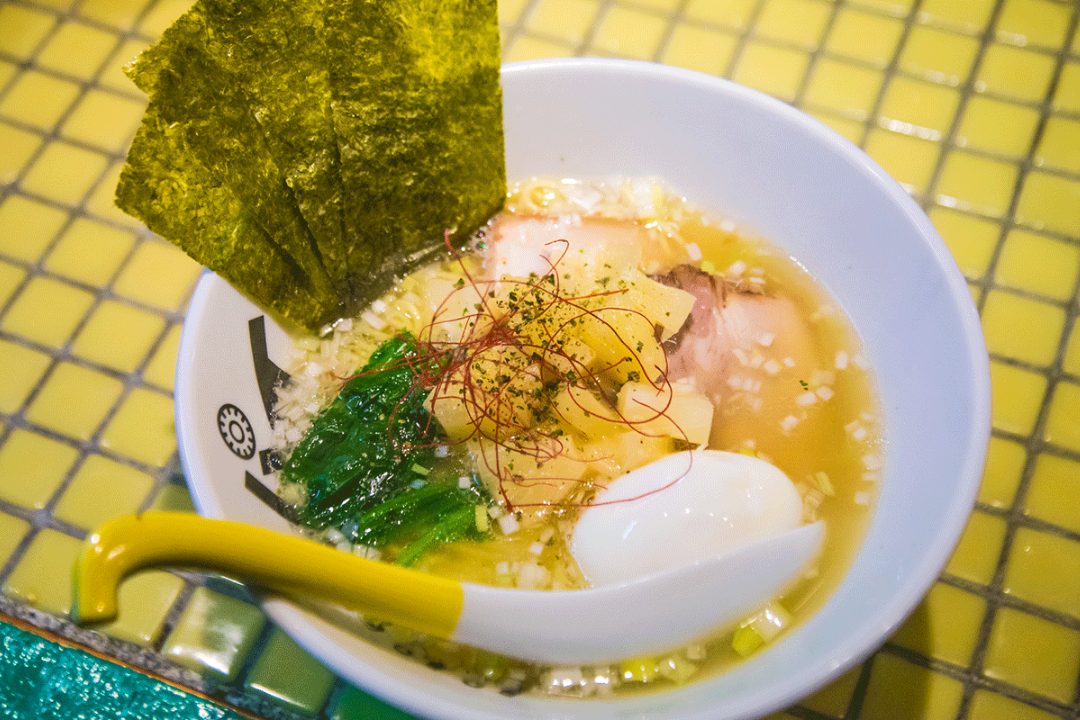
Papapapapine’s pineapple ramen is not something consumed only by a niche group of enthusiasts. While its visual impact draws many first-time visitors out of curiosity, its continued growth has been driven by repeat customers and word of mouth. This pattern of expansion reflects the true nature of the dish.
Notably, it reaches people who are not necessarily ‘ramen fanatics’. This includes those who find traditional ramen too heavy or greasy, those who prioritize balance over volume, and those seeking a unique dining experience. For these people, pineapple ramen offers an easy entry point. Instead of pushing intense flavors, the experience of finding it ‘surprisingly easy to eat’, creates a sense of reliability.
The dish is also particularly memorable for tourists and visitors from outside the city. As a ramen that can only be experienced in Tokyo, it has features that are easy to photograph and describe, yet the flavor stands up to the hype. This ensures that the conversation does not end with ‘ that was interesting’, but continues to ‘that was actually delicious’. This is vital for any restaurant.
Furthermore, it is frequently chosen in group settings. When just one person orders the pineapple ramen, it immediately sparks a conversation at the table. The food itself becomes a catalyst for communication, which is a unique value of this business. Being shared as an experience makes a lasting impression on everyone involved.
From an industry perspective, this model is highly insightful. Balancing novelty with genuine flavor is not easy, yet Papapapapine achieves both within a realistic framework. As a result, the dish has become a signature menu item rather than a temporary, limited-time offering.
Ultimately, pineapple ramen exists not only as something for special occasions but also as something that fits naturally between the everyday and a fun discovery. This flexible positioning is what has enabled its acceptance over time.
The ‘Invisible Design’ Behind a Perfect Bowl
What makes pineapple ramen work is not just the bold idea, but everything happening behind the scenes to ensure consistency. Ramen shops often rely on the intuition and skill of individual chefs. At Papapapapine, the focus is on consistently high standards, regardless of who prepares the dish.
A large part of this comes down to how the ingredients are handled. Pineapple is an unpredictable ingredient. Its sweetness, acidity, and aroma can vary depending on its condition. It is not simply about using pineapple, but about understanding which one to use, when to use it, and how to use it. These small decisions accumulate and shape the final result.
The balance with the broth is just as delicate. If the temperature, the amount of oil, or the timing is slightly off, the pineapple can quickly become too dominant. To prevent this, the process is kept simple but precise. Rather than relying on complicated techniques, the system is designed to reduce uncertainty and maintain consistency.
This approach extends to staff training as well. The goal is not a bowl that only one specialist can make, but one that provides the same experience regardless of who is behind the counter. Everyone works toward the same target flavor, using shared criteria rather than personal instinct. This helps keep the experience consistent regardless of timing or staff.
There is also careful attention to safety and hygiene, especially when working with fresh fruit. By combining this with the high-temperature cooking process used in ramen, risks are managed without compromising quality. These are details that customers may not notice, but they play an important role in making the dish reliable.
As a result, pineapple ramen is not just a one-time success. It is something that can be served consistently over time. In the food business, that distinction is everything. This balance between creativity and consistency is what makes the bowl truly stand out.
Ramen That Does Not Follow a Fixed Formula
At the core of Papapapapine’s pineapple ramen is not the search for the right answer, but a willingness to keep asking questions. Familiar formulas have long shaped the ramen world. Rich broths, strong umami, and clearly defined styles have earned their place, but they have also quietly narrowed what people expect ramen to be.
What the team faced was that sense of limitation. Ramen should be more open, more flexible, and more personal, yet over time, it has started to feel confined by unspoken rules. Instead of pushing back loudly, Papapapapine offers a different direction through the bowl itself. Pineapple ramen becomes that alternative.
This approach is not about rejecting tradition or challenging it head-on. It simply creates space for another possibility. The choice of pineapple is part of that, but it is not the point in itself. What matters is letting go of one assumption and seeing what happens next.
There is also a willingness to accept that the dish may not be immediately understood. In many businesses, that would be seen as a risk. Here, the focus is on whether the experience ultimately makes sense. A customer may start with skepticism, but leaves with a sense of satisfaction. This trust in the experience itself is what allows the concept to work. This is why they avoid using loud messaging or over-explanation.
This way of thinking goes beyond ramen. It reflects a broader approach to making things, where the goal is not quick recognition, but something that stays with people. Instead of chasing attention, it builds depth. Over time, that patience naturally draws support.
Pineapple ramen feels bold but also grounded. This is because the management maintains a deep respect for ramen culture itself. Being free does not mean being careless. The balance between those two ideas is what allows the dish to work.
Why It Did Not Fade as a Passing Trend
Pineapple ramen attracted attention from the beginning. However, its true achievement is not the short-term attention it grabbed, but the fact that it has continued to be served and chosen over time. In the restaurant industry, the more unusual a menu item is, the shorter its lifespan tends to be. A strong first impression may bring people in once, but if it does not lead to a second or third visit, it cannot last.
Papapapapine’s pineapple ramen has moved beyond that pattern for a clear reason: there is a real sense of conviction built into the experience. It does not end with surprise. The flavor comes together, the bowl feels balanced, and it can be finished comfortably. Because of this, people do not stop at trying it once. They come back, or recommend it to someone else.
The way its reputation has spread is also unique. Rather than relying on media or influencers, the shop has let the customer experience speak for itself. By remaining consistent and understated, it has built genuine trust over time.
In a crowded ramen scene, being both unusual and lasting is not easy. That balance is what makes it stand out. It shows not just creativity, but the ability to make something people want again.
Not Just a Unique Japanese Dish, but a Scalable Global Concept
The potential of pineapple ramen in overseas markets does not simply come from its novelty. While the idea of fruit in ramen is eye-catching and can draw initial interest, its real strength lies in how its flavor and experience are structured in a way that translates across cultures.
First, the combination of acidity and umami is globally understood. Many food cultures use acidity to balance richness and salt, whether in Southeast Asian soups, Latin American stews, or European sauces. Pineapple ramen follows this same principle, layering fruit acidity into a broth built on Japanese dashi. As a result, it feels new, but not unfamiliar.
Furthermore, there is generally less resistance to fruit in savory dishes outside Japan. In many regions, fruit is already part of everyday cooking, and the association between sweetness and dessert is less rigid. In that sense, using pineapple as a core ingredient may be more readily accepted abroad.
From an operational standpoint, the concept is flexible. It does not rely on rare ingredients or highly specialized equipment, which makes it easier to adapt. The type of fruit can be adjusted to local varieties, and the balance of flavors can be fine-tuned to suit regional preferences. Even with these changes, the core experience remains consistent.
The story behind the dish is also easy to communicate. It is not just about using an unexpected ingredient, but about questioning assumptions and rethinking what a familiar dish can be. That narrative resonates across cultures, making it relevant not only to customers but also to media and industry audiences.
Pineapple ramen is not a ‘special case’ that only works in Japan. Instead, it is a perfect example of how a Japanese design philosophy can be refined into a form applicable to other cultures. That is what gives it real potential beyond its origin.
Why Global Brands Should Be Paying Attention to Pineapple Ramen
Source: New A Kind Center Homepage
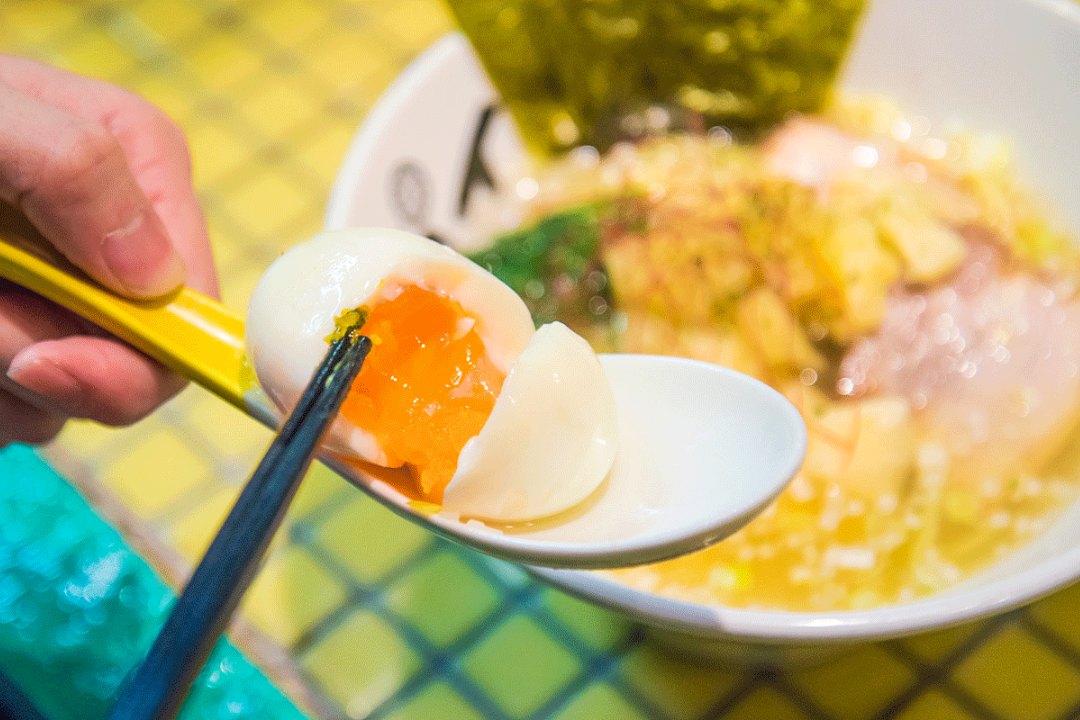
Papapapapine’s pineapple ramen is not only a unique dish from Japan, but also a practical example of how food assumptions can be rethought. Using fruit in ramen may seem unconventional at first, but it reflects a highly logical, carefully structured approach designed for consistency.
What matters is that this is not a dish created simply to surprise; it has to be designed to work. The balance of flavor, the finish after eating, the pricing, and the operational flow are all calibrated so that it fits naturally into everyday dining. Because of this, it does not rely on novelty. Instead, it has built steady support over time.
For global companies, this case study offers more than just a menu idea. It shows that even culturally established dishes can be broken down and reassembled into something new. By working within the structure of ramen, while quietly expanding its boundaries, it demonstrates how new value can be created without rejecting the original form.
It also highlights that being local and being globally relevant are not in conflict. While rooted in Japanese dashi culture, the dish incorporates universally understood elements such as acidity and aroma. This creates a flavor structure that can be appreciated beyond Japan, offering a useful reference point for international expansion.
There are also lessons in its operational mindset. Rather than chasing short-term attention, it accepts that understanding may take time and focuses instead on refining the quality of the experience. This approach is applicable beyond food. It emphasizes integration into everyday life rather than standing apart from it, which in turn creates a more lasting impression.
Pineapple ramen does not succeed because it is unusual. It works because the underlying thinking is transferable. For overseas companies, it is less a concept to replicate, and more a case to study. The value lies in understanding why it works and how that philosophy can be applied elsewhere.
At a time when food is becoming increasingly global, this kind of quiet, thoughtful innovation carries weight. Papapapapine offers a perspective that goes beyond a single dish, pointing toward new ways of thinking about food and experience design.
FAQ About Papapapapine
1. What Kind of Ramen Is Papapapapine's Pineapple Ramen?
"Papapapapine's" pineapple ramen is a style of ramen developed by Pine Number Co., Ltd., that places pineapple at the core of its soup. Its key characteristic is that the fruit is used not merely as a "topping" but as a crucial component to enhance acidity and aroma, and it is known as a bowl that introduced new possibilities to Japanese ramen culture.
2. Is It Truly a "Sweet Ramen"?
No, it is not a dish intended to achieve a dessert-like sweetness. The pineapple primarily serves to adjust acidity and aroma, lightening the aftertaste by refining the contours of fat and saltiness. Contrary to its visual impression, the flavor is finished to establish itself naturally as a meal.
3. Why Did the Creator Decide to Use Pineapple in Ramen?
The underlying concept was that "ramen can be much freer." This bowl was born from questioning the stereotype that fruit is for dessert and ramen is for a meal, exploring whether a new combination could be established by rethinking the structures of broth, acidity, and aroma.
4. Why Didn't It End up as Just a "Gimmick Product"?
Because the flavor initiative is kept on the "ramen side." Instead of relying solely on the impact of the fruit, the balance of soup, noodles, fat, and aroma is established first, and the pineapple functions on top of that as the final accent. Beyond the surprise, the sense of satisfaction that it is "surprisingly well-balanced" leads to repeat visits.
5. What Kind of People Support This Product?
It is supported not by demographics seeking only strong stimulation or heavy richness, but by people looking for "a bowl that can be finished comfortably to the last drop." For those who felt the heaviness of conventional ramen or want to enjoy a slightly different dining experience, it is widely accepted as a "surprisingly just-right" alternative.
6. Does Pineapple Have a Role Other Than Flavor?
Yes, it heavily influences the post-meal sensation. While ramen is a highly satisfying dish, it is also one where heaviness tends to linger; however, adding acidity and aroma from fruit shifts the post-meal aftertaste toward lightness. This achieves a "ramen experience that is not too heavy."
7. What Kind of Difficulties Are There From a Technical Standpoint?
Fruit is a difficult material to handle because its aroma easily dissipates with heat, and off-flavors can readily develop. For this reason, a time-consuming preparation method that involves strict temperature control, precise timing of ingredient additions, and compatibility adjustments with the soup becomes crucial. It is a bowl established through a delicate sense of balance and operational know-how far beyond what its appearance suggests.
8. Why Is It Said to Have Great Compatibility With International Markets?
Because the concept of "refining fat and umami with acidity" is relatively easy to understand globally. Many regions, including Southeast Asia, Latin America, and Europe, have a culture of incorporating fruits and acidity into cooking, which means it may be received as a "somehow understandable novelty."
9. Why Has It Continued to Be Supported for So Many Years?
Because ingenuity has been applied to "make people want to eat it again," rather than relying solely on its trendiness, and the price range is kept within a bracket that works for daily dining out rather than a special event, it delivers both surprise and satisfaction. This balance leads to continuous support.
10. What Is Pineapple Ramen's Biggest Appeal?
It is "being sincere as ramen while breaking fixed concepts." Instead of prioritizing eccentricity, it is meticulously crafted—in the broth, aroma, and aftertaste—delivering an experience that is "new yet genuinely delicious." This attitude itself is the greatest appeal of Papapapapine.
Related Videos
If you're interested in Japan’s unconventional food culture, the video below introduces Pineapple Ramen, a surprising dish that challenges traditional ideas of ramen. This video shows how unexpected ingredients can come together to create a unique flavor experience while breaking stereotypes about Japanese cuisine.