
Urban nightlife is evolving worldwide. While traditional social venues such as bars and clubs remain popular, a new question has emerged: how can physical spaces be designed to help strangers naturally connect? Social media and dating apps have made it easier than ever to meet people online, yet many argue that opportunities for spontaneous, face-to-face conversations have become increasingly rare.
One of Japan's most distinctive answers to this challenge is the aiseki lounge, a hospitality concept that combines dining with curated social interaction. Among the best-known brands in this category is ORIENTAL LOUNGE. Rather than expecting guests to introduce themselves to strangers, the venue creates opportunities for conversation through its seating system. Staff guides male and female groups to shared tables, allowing interactions to develop naturally in a comfortable setting.
What sets ORIENTAL LOUNGE apart is its combination of this social matching system with an upscale lounge environment. Instead of the casual atmosphere typically associated with Japanese izakayas, guests are welcomed into spaces inspired by luxury hotel lounges, featuring elegant interiors, soft lighting, and spacious sofa seating.
Visitors can enjoy premium food and drinks while naturally meeting new people in a relaxed environment. Rather than focusing solely on social introductions, ORIENTAL LOUNGE positions itself as a comfortable nightlife destination where dining, conversation, and hospitality coexist.
This article explores the philosophy behind the company operating ORIENTAL LOUNGE, examines the social trends that led to the rise of the aiseki lounge business model, and considers how this uniquely Japanese concept could influence nightlife and hospitality markets around the world.
ORIENTAL LOUNGE Overview
ORIENTAL LOUNGE is one of Japan's leading brands in the aiseki lounge category, a nightlife concept that combines premium dining with structured opportunities for social interaction. Unlike conventional restaurants or bars, guests are introduced to other visitors through the venue's seating system, creating natural opportunities for conversation without requiring formal events or organized mixers.
In a typical bar or nightclub, guests must initiate conversations themselves. At ORIENTAL LOUNGE, the venue facilitates introductions as part of its normal operations. Visitors simply arrive as they would at any restaurant, and staff manage seating arrangements to create opportunities for interaction. This significantly lowers the barrier to starting conversations with people they have never met before.
The venue's defining characteristic is its combination of this social system with a sophisticated lounge atmosphere. Spacious sofa seating, refined lighting, and interiors reminiscent of luxury hotel lounges create a much calmer environment than traditional izakaya-style social dining venues. Guests can relax over food and drinks while enjoying conversations in an upscale setting.
The pricing structure also supports the concept. Women generally receive complimentary admission and dining privileges, while men pay time-based fees. This pricing model encourages balanced attendance and helps maintain an environment where shared seating arrangements can function smoothly. Since men's fees are based on the length of their stay, longer conversations naturally lead to longer visits.
Guests may also have the opportunity to change tables after a certain period, allowing them to meet multiple groups during a single visit. Even relatively short stays can lead to several different conversations throughout the evening.
By combining restaurant operations with a carefully designed social experience, ORIENTAL LOUNGE has established itself as a distinctive player in Japan's urban nightlife industry. Dining, hospitality, and social interaction are integrated into a single customer experience.
A New Type of Social Space in Urban Nightlife
For decades, urban nightlife has largely revolved around bars, clubs, pubs, and restaurants. These venues primarily serve as places where friends, coworkers, or existing social groups gather to eat, drink, and spend time together. While meeting new people is certainly possible, it usually comes down to chance, with guests expected to make the first move.
Many observers argue that opportunities for these spontaneous encounters have become less common in modern cities. Digital communication has dramatically expanded online networking, but face-to-face interactions with strangers have become less frequent. Dating apps and social platforms may connect people efficiently online, yet many users still face a psychological hurdle when transitioning from digital conversations to real-world meetings.
Japan's response to this changing social landscape was the emergence of the aiseki dining concept. Rather than leaving introductions entirely to chance, aiseki venues intentionally seat unrelated guests together, creating an environment where conversations can begin naturally. By using the familiar setting of a restaurant, these venues make meeting new people feel like an extension of an ordinary night out rather than participation in a formal networking event.
How Aiseki Dining Is Redefining Urban Nightlife
ORIENTAL LOUNGE expanded this idea by pairing the aiseki system with an upscale lounge experience. While many early aiseki establishments resembled casual izakayas, ORIENTAL LOUNGE introduced refined interiors, spacious sofa seating, and an atmosphere closer to a premium hotel lounge. Guests can enjoy quality dining and drinks while staff facilitates introductions in a comfortable, elegant environment.
This positions ORIENTAL LOUNGE in a category of its own. It is neither a traditional bar that relies on spontaneous interactions nor an event-based matchmaking service. Instead, it integrates social interaction directly into the operational design of a hospitality business.
In doing so, ORIENTAL LOUNGE reimagines restaurants as places that not only serve food and beverages but also help foster meaningful face-to-face connections in modern urban life.
Why the Aiseki Concept Evolved Into a Luxury Lounge
The aiseki lounge traces its roots to Japan's aiseki izakaya, a dining concept that gained popularity during the 2010s. These restaurants introduced a simple but innovative idea: seat unrelated male and female groups together so conversations could develop naturally over meals and drinks. The concept quickly attracted attention as a new form of social dining.
However, many of these early venues embraced a casual izakaya atmosphere. While this appealed to younger customers, there was also growing demand for a more refined setting where guests could socialize in greater comfort. As urban nightlife evolved, many consumers began seeking experiences that combined meaningful conversation with the sophisticated ambiance typically associated with hotel lounges.
When Nightlife Becomes About More Than Drinking
ORIENTAL LOUNGE was created in response to this shift. Rather than changing the fundamental aiseki concept, the company elevated the physical environment. Comfortable sofa seating, elegant lighting, and stylish interiors transformed the experience into something that felt closer to an upscale cocktail lounge than a traditional social restaurant.
This created an entirely new position within the nightlife market. It is neither a loud nightclub focused on music nor a casual izakaya built around inexpensive dining. Instead, it provides a relaxed environment where conversation naturally becomes the center of the evening.
The operational system is equally important. Guests are not expected to approach strangers on their own. Instead, staff coordinate seating arrangements that encourage introductions, reducing the social anxiety that often comes with meeting new people for the first time.
In today's digital world, where social media and dating apps dominate personal connections, opportunities for spontaneous face-to-face interaction have become increasingly valuable. ORIENTAL LOUNGE addresses this gap by embedding real-world communication into an everyday hospitality experience.
By combining premium lounge design with the structured aiseki system, ORIENTAL LOUNGE has created a new category within Japan's nightlife industry that blends dining, hospitality, and social interaction into a single destination.
Lounge Operations Designed to Encourage Genuine Social Interaction
Source: ORIENTAL LOUNGE Homepage
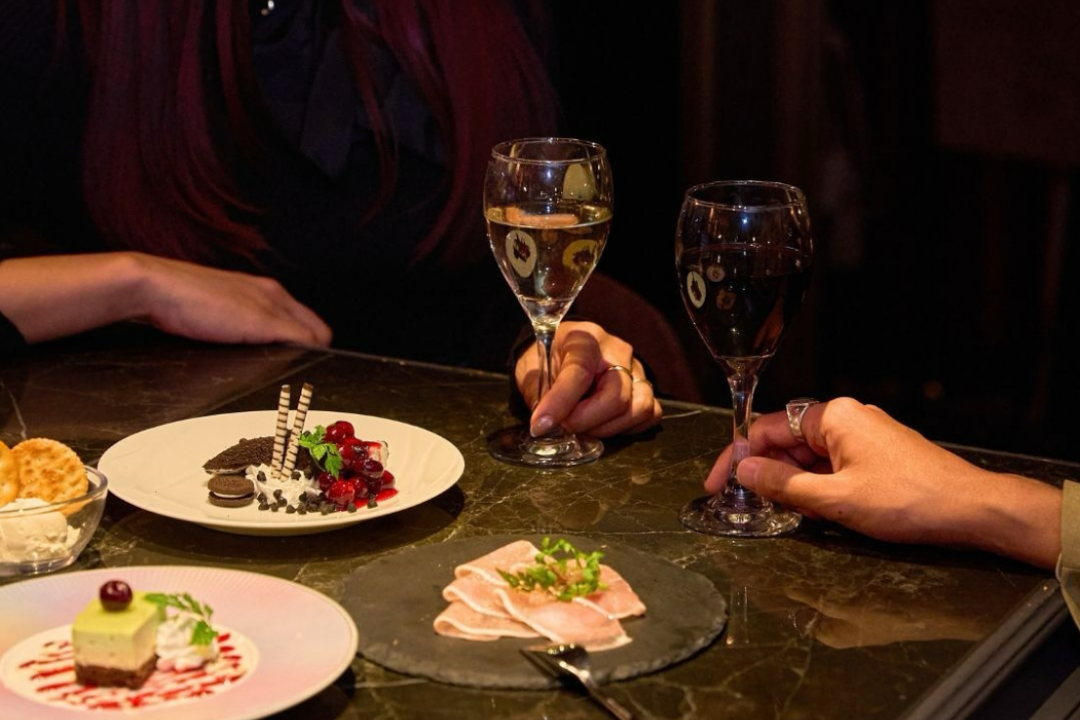
ORIENTAL LOUNGE builds on the familiar structure of a restaurant or cocktail lounge but incorporates operational systems specifically designed to encourage face-to-face interaction. Guests dine and enjoy drinks in a comfortable lounge setting, while staff carefully coordinate seating arrangements that bring male and female groups together. Rather than relying on chance encounters, the venue intentionally creates opportunities for conversations to begin naturally.
The guest experience is straightforward. Groups arrive as they would at any other restaurant, and staff assigns seating based on table availability. In many cases, groups are seated with guests of the opposite gender, allowing conversations to develop organically over food and drinks. There are no scheduled mixers, speed dating sessions, or organized activities. The experience feels much like visiting a normal lounge, with social interaction becoming a natural part of the evening.
The pricing structure also supports the concept. Women generally enjoy complimentary admission, while men pay based on the length of their stay. This model encourages balanced attendance between male and female guests, helping maintain an environment where shared seating can function effectively. Since men's fees are time-based, longer conversations naturally translate into longer visits.
Another important feature is the table rotation system. After a certain period, guests may have the opportunity to move to another table and meet a different group. This allows visitors to have several conversations during a single evening, making even shorter visits socially rewarding.
The physical environment is equally important. Spacious sofas, elegant lighting, and interiors inspired by luxury hotel lounges create a relaxed atmosphere where guests feel comfortable spending extended periods talking. Compared with traditional izakaya-style social venues, the design encourages longer, more comfortable conversations in a quieter setting.
Staff also play a far more active role than in a conventional restaurant. Beyond taking orders, they manage seating arrangements, coordinate table changes, and help maintain a smooth flow of conversation throughout the venue. Their role is to facilitate comfortable interactions without making the experience feel forced.
By combining hospitality, premium lounge design, and thoughtfully managed social interaction, ORIENTAL LOUNGE offers a distinctive nightlife experience that transforms an ordinary evening out into an opportunity to meet new people naturally.
Expanding as a Destination for Social Nightlife in Japan's Major Cities
Source: ORIENTAL LOUNGE Homepage
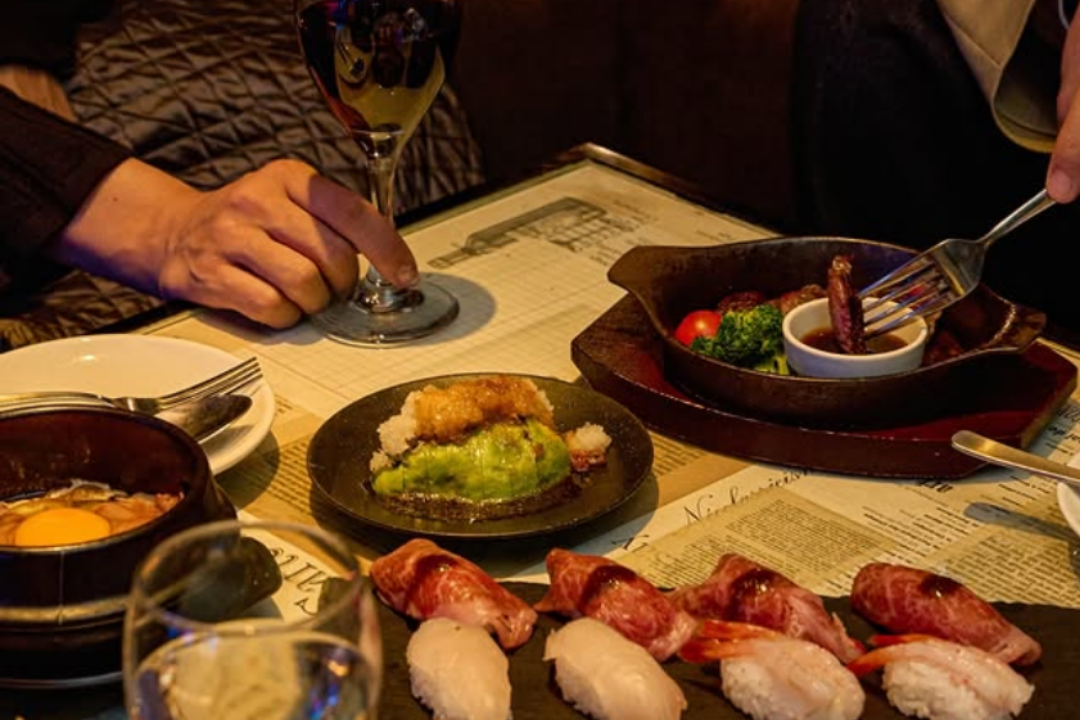
ORIENTAL LOUNGE has established itself as a distinctive player in Japan's urban nightlife scene by combining dining, hospitality, and social interaction within an upscale lounge environment. While the concept is built around the traditional Japanese idea of aiseki seating, it differentiates itself from earlier social dining venues by offering a more refined atmosphere. Spacious seating, sophisticated interiors, and relaxed lighting encourage guests to stay longer and enjoy meaningful conversations.
The brand primarily operates in Japan's major metropolitan areas, where population density and active nightlife create strong demand for social venues. Cities such as Tokyo, Osaka, Nagoya, and Fukuoka attract young professionals, students, and businesspeople looking for places to unwind after work or socialize on weekends. These urban environments provide ideal conditions for a hospitality model that combines dining with opportunities to meet new people.
The Changing Role of Hospitality in Social Life
Importantly, guests visit ORIENTAL LOUNGE for many different reasons. While some are interested in dating, others simply want to expand their social circle, meet new friends, or relax after work in an elegant environment. Because conversation is the focus rather than loud music or dancing, the experience differs significantly from traditional clubs or nightlife venues centered on entertainment.
The concept has also attracted interest from international visitors exploring Japan's nightlife. For travelers seeking a uniquely Japanese social experience beyond the typical izakaya or nightclub, ORIENTAL LOUNGE offers an accessible introduction to one aspect of modern urban social culture.
From a business perspective, the company has created a new category within Japan's food service industry. Rather than competing solely as a restaurant or bar, it combines hospitality with structured social interaction to deliver a different kind of customer experience. In a nightlife market often dominated by clubs, live music, and entertainment venues, ORIENTAL LOUNGE differentiates itself by placing conversation at the center of the experience.
Its spacious, upscale design also makes the venue suitable for corporate gatherings, networking events, and private parties. The comfortable seating and sophisticated atmosphere suit both casual business networking and private social functions, expanding the concept beyond everyday nightlife.
Ultimately, ORIENTAL LOUNGE demonstrates how restaurants can be reimagined as social infrastructure, creating spaces where new connections become a natural part of urban life.
A Company Philosophy Centered on Designing Human Connections
At the heart of the company behind ORIENTAL LOUNGE is a simple but ambitious idea: cities should offer more opportunities for people to meet naturally. Although urban areas bring millions of people together every day, meaningful new relationships often become increasingly difficult to form, especially after people enter the workforce and their daily routines become more established.
The company views this not simply as an individual challenge but as a structural feature of modern city life. While bars, clubs, and other nightlife venues already exist, they typically require guests to take the initiative before conversations begin. ORIENTAL LOUNGE approaches the issue differently by designing spaces and operational systems that naturally encourage interaction.
This philosophy takes shape through the venue's signature aiseki seating model. By seating unrelated guests together in an elegant lounge environment, ORIENTAL LOUNGE creates opportunities for conversations that might otherwise never happen. The venue functions as both a restaurant and a carefully designed social environment, giving it a dual identity that extends beyond traditional hospitality.
Viewed from this perspective, the business is as much a communication service as it is a food and beverage operation. Meals and drinks contribute to the overall experience, but the core value lies in creating an environment where meaningful face-to-face conversations can occur. Staff involvement, table management, and seating arrangements all support this objective.
From Casual Dining to Curated Social Experiences
This focus has become increasingly relevant in an era dominated by digital communication. While technology allows people to connect with countless others online, genuine in-person interactions have become less frequent. ORIENTAL LOUNGE seeks to restore those opportunities by integrating them into everyday nightlife.
The company's long-term vision extends beyond opening additional venues. It aims to create environments that naturally encourage human interaction and reshape how people experience nightlife in modern cities. ORIENTAL LOUNGE serves as the flagship example of this broader vision, demonstrating how hospitality spaces can also function as urban communication platforms.
In that sense, the company represents more than a restaurant operator. It is experimenting with new ways to design social infrastructure for increasingly connected, yet often socially fragmented, urban communities.
International Potential as a New Category of Urban Nightlife
Source: ORIENTAL LOUNGE Homepage
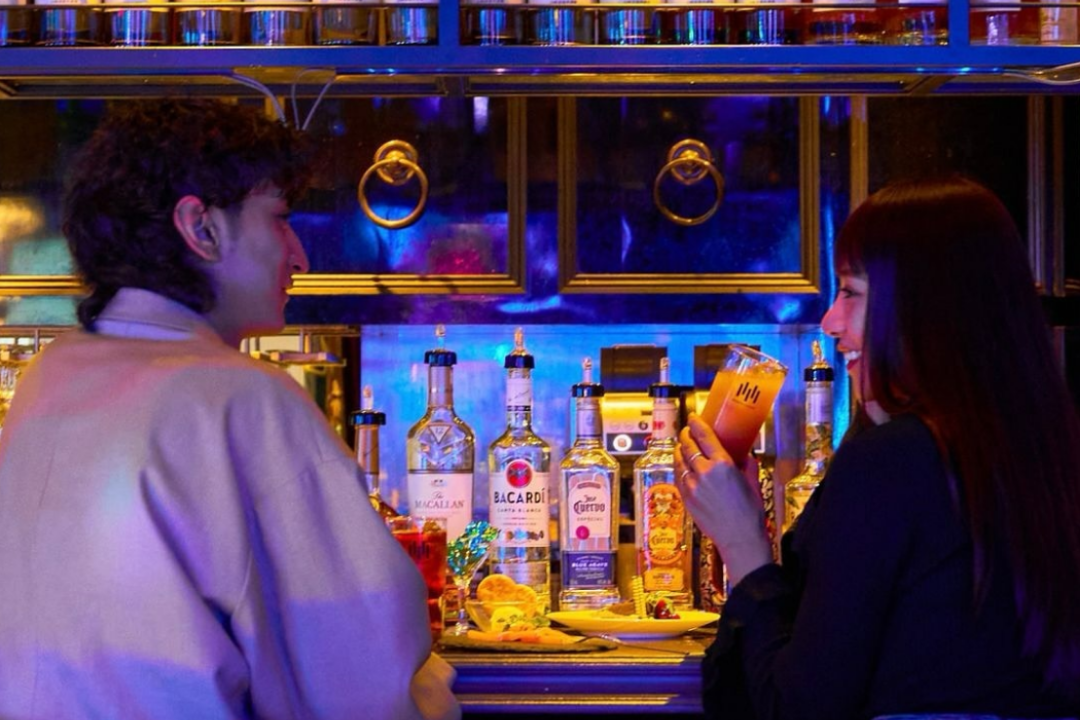
Although the aiseki lounge originated in Japan, the underlying concept has potential far beyond the Japanese market. Cities around the world face a similar challenge: despite high population density, opportunities to meet new people in natural, face-to-face settings remain surprisingly limited.
In Europe and North America, bars and clubs remain important social venues. Yet even in these environments, most visitors spend the evening with their own friends, and conversations with strangers depend largely on personal initiative. ORIENTAL LOUNGE offers a different approach by incorporating opportunities for interaction directly into the venue's operational design.
The rise of digital dating platforms has also highlighted an important gap. While online matching has become highly efficient, moving from digital conversations to real-world meetings still challenges many people. By embedding introductions into the familiar setting of a restaurant or lounge, the aiseki model offers a more approachable way to begin face-to-face conversations.
When Restaurants Become Places to Meet Strangers
Many countries already host speed dating events, networking sessions, and social mixers, but these are generally scheduled events rather than permanent venues. ORIENTAL LOUNGE differs by operating as a full-time hospitality business where guests can visit any evening, just as they would any restaurant or cocktail lounge. This lowers the barrier to participation and makes social interaction feel like a natural part of a night out.
From a B2B perspective, the concept may also appeal to hospitality operators and restaurant groups seeking new business models. By adding structured social experiences to existing restaurant operations, businesses can differentiate themselves from conventional bars and lounges while attracting customers looking for more meaningful nightlife experiences. Among young professionals and urban residents, demand for conversation-focused nightlife continues to grow.
The venue's interior design also translates well internationally. Luxury lounge aesthetics are widely recognized across global hospitality markets, making the physical concept relatively easy to adapt. Combined with a thoughtfully managed social system, the model could introduce a fresh type of nightlife experience in cities around the world.
Although ORIENTAL LOUNGE was developed within Japan's unique urban culture, its central idea of designing environments where people naturally connect has universal appeal. As nightlife and urban entertainment continue to evolve, hospitality concepts centered on authentic human interaction may become an increasingly important global category.
Conclusion
ORIENTAL LOUNGE demonstrates how an everyday hospitality venue can be transformed into a place where meaningful social connections naturally develop. By combining the aiseki seating concept with an elegant lounge atmosphere, it has created a distinctive nightlife experience that differs from both traditional social dining venues and conventional bars or clubs.
The concept succeeds because it transforms what was once left to chance into a carefully designed operational system. Seating arrangements, pricing, table rotations, and attentive staff management all work together to encourage conversations without making the experience feel structured or artificial. Guests simply visit as they would any upscale lounge, while the venue quietly creates opportunities for new interactions.
Through ORIENTAL LOUNGE, Cloud N Co., Ltd. has introduced a new category within Japan's nightlife industry. Rather than focusing on music, dancing, or casual dining, the brand centers its experience on conversation, hospitality, and comfortable long-stay environments.
Redefining Urban Encounters Through Hospitality Design
Modern cities bring together millions of people every day, yet forming new personal connections often remains surprisingly difficult. While digital platforms have expanded online networking, face-to-face communication still offers a level of authenticity that technology cannot fully replace. ORIENTAL LOUNGE responds to this challenge by creating physical spaces where these interactions can happen naturally.
For hospitality companies worldwide, the concept offers an intriguing business model. Restaurants and lounges already combine food, drinks, and socializing. By thoughtfully designing systems that encourage conversation, operators can create entirely new customer experiences without abandoning hospitality's core principles.
Ultimately, ORIENTAL LOUNGE illustrates that restaurants can serve a purpose beyond dining. They can become part of a city's social infrastructure, providing welcoming environments where strangers become acquaintances through carefully designed spaces, thoughtful hospitality, and genuine face-to-face conversation.
FAQ About ORIENTAL LOUNGE
1. What Is ORIENTAL LOUNGE?
ORIENTAL LOUNGE is a Japanese dining and nightlife concept built around a shared seating lounge, where guests are introduced to new people in a relaxed, upscale environment. Visitors can enjoy food and drinks in a luxurious lounge while naturally meeting and chatting with other guests.
2. How Does A Shared Seating Lounge Work?
Instead of expecting guests to approach strangers, staff guide eligible groups to shared tables where conversations can begin naturally. The opportunity to meet new people is built into the venue's operation, making introductions feel more comfortable and less intimidating.
3. How Is ORIENTAL LOUNGE Different From A Typical Bar Or Club?
At most bars and clubs, guests usually have to initiate conversations on their own. ORIENTAL LOUNGE differs by using a structured shared seating system that helps create natural interactions. It also offers a quieter, hotel-inspired lounge atmosphere designed for conversation rather than loud music or dancing.
4. What Kind Of People Visit ORIENTAL LOUNGE?
The lounge attracts a wide variety of guests, including professionals stopping by after work, groups of friends, and people who simply want to meet someone new. While some visitors are interested in dating, many come to enjoy conversation, expand their social circle, or experience a different kind of nightlife.
5. How Does ORIENTAL LOUNGE's Pricing System Work?
In general, women can use the lounge free of charge, while men pay based on the length of their stay. This pricing structure is intended to maintain a balanced mix of guests and create an environment where shared seating and conversation can take place more easily.
6. What Company Operates ORIENTAL LOUNGE?
Cloud N Co., Ltd., a Japanese hospitality company specializing in shared seating lounges and restaurant businesses, operates ORIENTAL LOUNGE. The company's core vision is to create urban spaces where people can connect naturally through face-to-face interaction.
7. Which Cities Have ORIENTAL LOUNGE Locations?
ORIENTAL LOUNGE primarily operates in major Japanese cities such as Tokyo, Osaka, Nagoya, and Fukuoka. These locations have active nightlife scenes and large populations, making them well suited for social lounge concepts.
8. Could The Shared Seating Lounge Concept Expand Internationally?
Potentially, yes. Many cities around the world face similar challenges in creating opportunities for people to meet in person. While the concept could be adapted for overseas markets, successful expansion would require adjustments to local culture, nightlife preferences, and legal regulations.
9. Why Has ORIENTAL LOUNGE Gained Attention?
Its biggest distinction is that it builds opportunities for social interaction directly into restaurant operations. By combining dining, hospitality, and thoughtfully designed social experiences, ORIENTAL LOUNGE introduces a different approach to urban nightlife.
10. What Value Does ORIENTAL LOUNGE Aim To Create?
The company's goal extends beyond serving food and drinks. It aims to create welcoming urban spaces where people can connect naturally through face-to-face conversation. By reimagining restaurants as social infrastructure, ORIENTAL LOUNGE seeks to make meaningful in-person interactions more accessible in everyday city life.