The global hospitality industry is undergoing a major transformation. Traditionally, hotels have been places to stay for a few nights, while vacation homes have been properties that individuals own and maintain. Today, however, digital technology and the rise of the sharing economy are reshaping that distinction. More travelers are looking for accommodations that feel like a home, support extended stays, and fit seamlessly into their lifestyles rather than simply providing a room for the night.
At the same time, owning a vacation home remains out of reach for many people. High purchase prices, ongoing maintenance costs, and limited annual usage make sole ownership difficult to justify. As a result, countless resort properties around the world sit vacant for most of the year, creating a widespread problem of underutilized real estate.
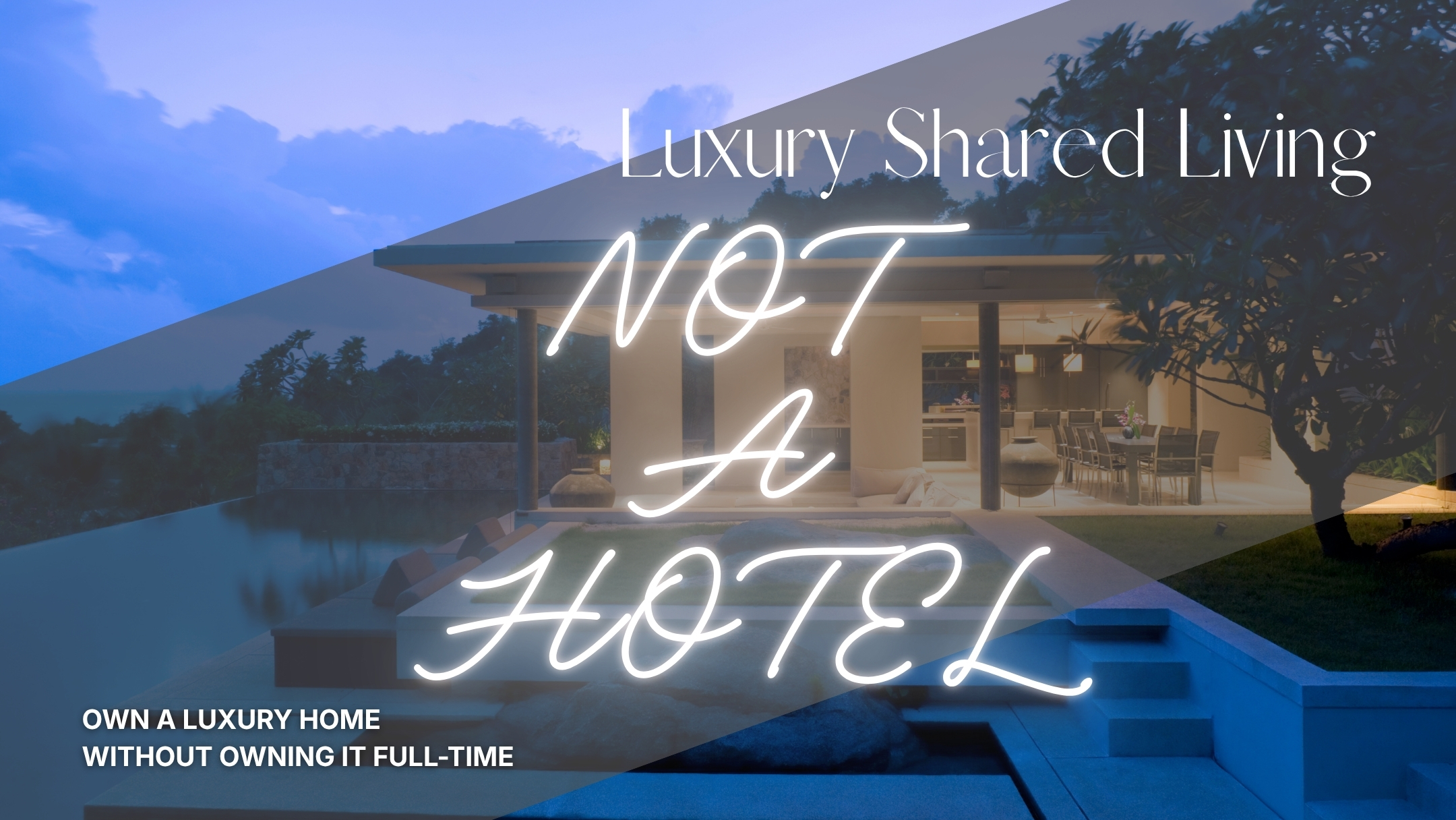
A Japanese company called NOT A HOTEL Inc. is tackling this issue with a new approach. Its platform, NOT A HOTEL, combines the benefits of vacation home ownership with the convenience of a luxury hotel. Owners purchase a fractional share of a property, use it during their allotted days each year, and allow the property to operate as premium accommodation when they are not staying there.
Another defining feature is the architecture itself. Every NOT A HOTEL property is designed by internationally recognized architects and designers, making each destination more than just a place to sleep. Whether located along the coast, in a forest, or near a hot spring, every residence is designed to create an immersive architectural experience that complements Japan's natural landscapes.
This article explores the ideas behind NOT A HOTEL, the structural problems within the hospitality industry that inspired its creation, and how its business model blends architecture, real estate, and hospitality into a single platform. It also examines why this Japanese concept could have growing relevance in global markets.
NOT A HOTEL Overview
NOT A HOTEL is a hospitality platform that combines fractional vacation home ownership with hotel-style accommodation. Rather than purchasing an entire second home, buyers own a share of a luxury property and receive the right to stay for a designated number of days each year. When they are not using the property, it is rented to other guests as a hotel.
This hybrid approach creates a new category between traditional vacation homes and luxury hotels.
One of the biggest drawbacks of owning a second home is that it often sits empty for most of the year while still generating maintenance expenses. NOT A HOTEL addresses this inefficiency through a shared ownership model. Owners secure personal usage each year while allowing the remaining availability to generate value through hotel operations.
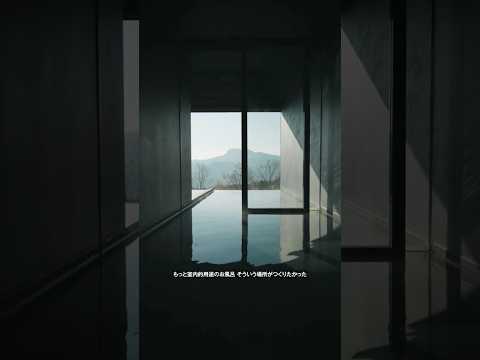
Properties are located throughout Japan in destinations known for their natural beauty, including coastal areas, forests, and hot spring regions. Many are designed by renowned architects and creative professionals, making the architecture itself central to the guest experience. Instead of functioning as conventional hotels, these buildings are designed as carefully crafted living spaces where architecture and nature work together.
The platform also emphasizes convenience. Through a dedicated mobile app, owners can manage reservations and their allocated stays while the operating company handles cleaning, maintenance, and property management. This eliminates many of the responsibilities normally associated with owning a vacation home while preserving the convenience of a luxury hotel.
As a result, owners gain both the lifestyle benefits of a premium vacation property and the financial advantages of a professionally managed accommodation business. Because unused dates become hotel inventory, the property stays active year-round instead of sitting vacant.
The Structural Gap Between Vacation Homes and Hotels
NOT A HOTEL was created to solve a long-standing problem that sits between the hospitality industry and the real estate market. Around the world, vacation homes and hotels have coexisted for decades, yet each model comes with significant limitations.
Owning a vacation home offers privacy, flexibility, and the comfort of having a personal retreat. However, most second homes are only used for a few weeks each year, leaving them empty for extended periods. Owners continue paying property taxes, maintenance costs, and management expenses even when the property is unoccupied.
Home Comfort vs. Hotel Service
Managing a second home also requires considerable effort. Cleaning, landscaping, equipment maintenance, repairs, and booking arrangements all require ongoing attention. When the property is located far from the owner's primary residence, these responsibilities become even more burdensome, often reducing how frequently the home is actually used.
Hotels solve many of these operational challenges, but they are designed primarily for short-term stays. They rarely provide the flexibility, privacy, or residential atmosphere that families or long-term travelers may want. While hotels excel at offering hospitality services, they are not intended to function as personal living spaces.
This created a clear gap between the two models. Vacation homes offered ownership but suffered from low utilization, while hotels provided convenience but lacked the freedom of a private residence. For many years, few solutions successfully combined the strengths of both.
Changing lifestyles have made this gap even more apparent. As remote work becomes more common, more people are spending extended periods away from major cities while continuing to work. This shift has increased demand for accommodations that support flexible living rather than simply overnight stays.
Private Home Comforts with Hotel Conveniences
NOT A HOTEL was designed as a response to these structural challenges. By combining fractional ownership with professionally managed hotel operations, it reduces underused real estate while giving owners greater flexibility.
In many ways, the platform redefines the relationship between hospitality and real estate. Instead of treating them as separate industries, it integrates them into a single model that offers both a lifestyle experience and a new approach to property ownership.
Why This Hospitality Model Was Created
The idea behind NOT A HOTEL emerged from inefficiencies affecting both the hospitality and real estate industries. Across the world's resort destinations, many luxury vacation homes remain unused for most of the year. Even if owners stay only a few weeks a year, they still pay maintenance fees and management costs year-round.
From a real estate perspective, this means valuable assets spend much of their time sitting idle. From the hospitality industry's perspective, however, many destinations still face shortages of high-quality accommodations during peak travel seasons. While vacation homes remain empty, hotels often struggle to meet demand during holidays and busy periods.
Applying Shared-Asset Philosophy to Luxury Destinations
NOT A HOTEL bridges this gap by combining ownership with hospitality operations. Buyers own a fractional share of a residence and receive guaranteed access during designated periods. When they are not using the property, it operates as a luxury hotel, keeping the residence active year-round instead of standing empty.
This concept reflects many of the same principles found in the sharing economy. Just as cars, office space, and other assets can be shared among multiple users, NOT A HOTEL applies this philosophy to premium real estate and hospitality.
Another distinguishing feature is its focus on architecture. Each property is designed as a destination in its own right rather than simply a place to stay. Located in scenic environments such as coastlines, forests, and hot spring areas across Japan, every residence is intended to make the building itself part of the travel experience.
Unlike a traditional hotel room, these residences support both short vacations and extended stays. Guests enjoy the services and convenience of a hotel while living in a space that feels much closer to a private home.
By combining hospitality and ownership in this way, NOT A HOTEL introduces a new model that fills the long-standing gap between the vacation home market and the hotel industry.
An Operating Model That Integrates Architecture, Real Estate, and Technology
Source: NOT A HOTEL Homepage
NOT A HOTEL is designed as more than a hospitality business. It is an integrated platform that brings together architecture, real estate, and digital technology into a single operating model. Traditional hotels focus on accommodation services, while vacation homes revolve around property ownership. NOT A HOTEL combines both concepts to create an entirely new way of staying.
This integration begins at the architectural level. Rather than building standard hotel rooms, the company develops entire residences carefully designed to blend into their natural surroundings. Oceanfront landscapes, forests, and other scenic environments become part of the living experience, with internationally recognized architects and designers shaping each project.
How Fractional Ownership Keeps Properties Active
The ownership model is equally distinctive. Buyers purchase a fractional interest in a property and receive a set number of days each year for personal use. This eliminates the need to own a vacation home full-time while still providing guaranteed access when desired. It also creates a more practical balance between ownership costs and actual usage.
Technology connects everything. Owners manage reservations and stay schedules through a dedicated app, while periods when the property is not in use are automatically incorporated into hotel operations. The digital platform removes many of the administrative responsibilities typically associated with second-home ownership.
The company handles operational management. Cleaning, maintenance, and property upkeep are professionally managed, allowing owners to enjoy the same convenience they would expect from a luxury hotel. At the same time, the residences offer the privacy and spaciousness of a vacation home, making them suitable for families, groups, and extended stays.
This combination of architecture, real estate, hospitality, and technology creates a business model that crosses several industries. Rather than simply operating hotels, NOT A HOTEL is redesigning how premium living spaces are owned, managed, and experienced.
Accommodation as an Architectural Experience
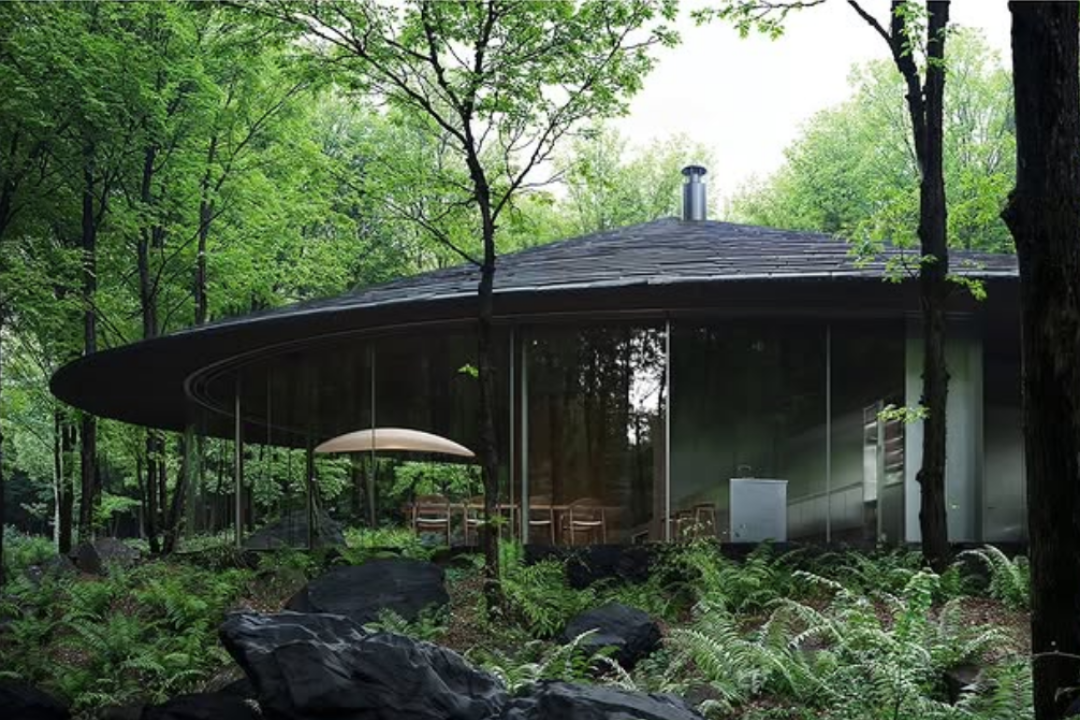
NOT A HOTEL properties are designed to blend into some of Japan's most scenic natural environments, including coastlines, forests, and hot spring regions. Rather than functioning as conventional hotels, these spaces are created as architectural destinations where the experience of staying is just as important as the location itself.
One example is the property in Aoshima, Miyazaki Prefecture, which overlooks the Pacific Ocean. The design emphasizes an uninterrupted connection with the sea through expansive living areas, floor-to-ceiling windows, and an infinity pool that appears to merge with the horizon. These homes are built to accommodate families and groups, offering spacious layouts instead of traditional hotel-style rooms.
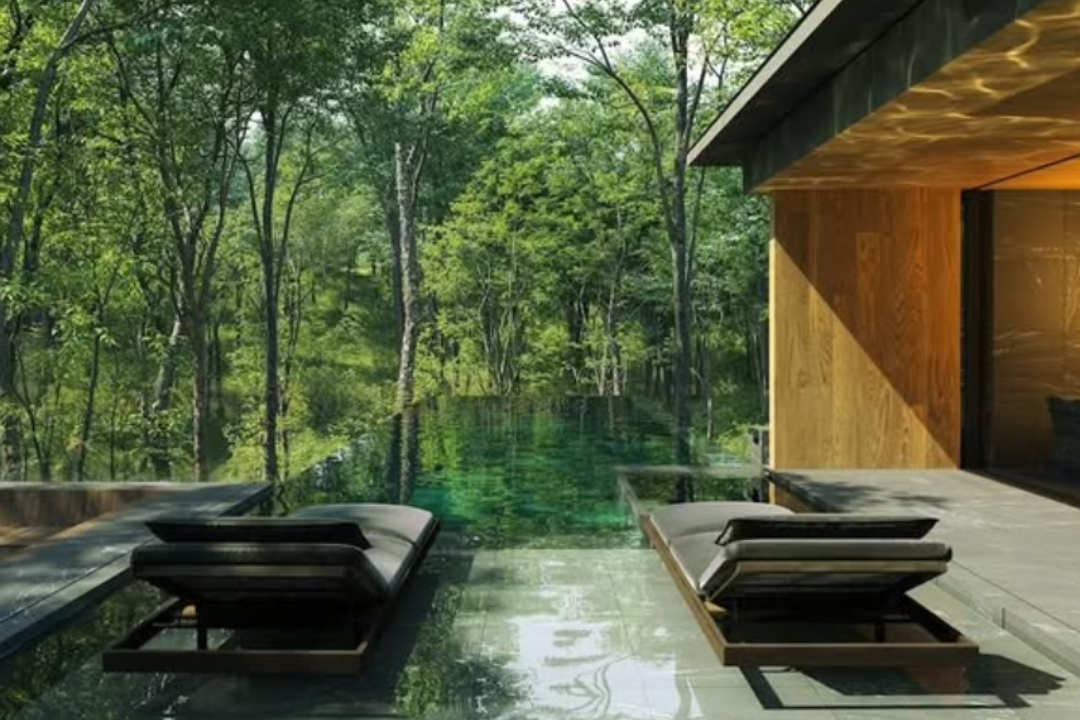
In contrast, the property in Nasu, Tochigi Prefecture, embraces its forest surroundings. The architecture softens the boundary between indoors and outdoors, allowing guests to remain immersed in nature throughout their stay. Large windows, outdoor terraces, and open layouts frame the surrounding landscape, making the environment part of the living space.
Filling the Long-Standing Gap Between Vacation Homes and Hotels
Unlike standard hotel accommodations, these properties are designed more like private luxury homes. Each includes living rooms, kitchens, bedrooms, and other residential amenities that make both short getaways and extended stays comfortable. Guests can spend a weekend relaxing or remain for several weeks while working remotely or enjoying a slower pace of life.
Many users maintain their primary residence in major cities and visit these properties during weekends, holidays, or remote work periods. As flexible work arrangements become more common worldwide, homes like these increasingly serve as second living bases rather than occasional vacation houses.
Another defining feature of the model is how the properties are utilized when owners are away. Unused ownership periods are made available to hotel guests, keeping the buildings active year-round instead of sitting vacant for long periods. This improves occupancy while also making high-quality accommodations available to a broader audience.
This hybrid approach creates a new category of accommodation. By combining the flexibility of a hotel with the comfort and privacy of a vacation home, NOT A HOTEL offers stays that adapt to different lifestyles instead of forcing travelers to choose between the two.
A Company Philosophy That Redefines the Meaning of Staying
Source: NOT A HOTEL Homepage
NOT A HOTEL is more than a hospitality company. It is built around the idea of redefining the relationship between home and travel. Traditionally, homes have been viewed as permanent living spaces, while hotels have been places for temporary stays. As lifestyles evolve, however, that distinction is becoming increasingly blurred.
The rise of remote work and flexible employment has made long-term stays outside major cities more practical than ever. Living in nature while continuing to work is no longer a niche lifestyle, creating demand for accommodations that offer more than the standard hotel experience.
NOT A HOTEL was designed with this mind shift. Instead of separating urban living from resort stays, the company assumes people may have multiple places they consider home. Its guiding concept, "Your Home Around the World," reflects this vision of a more flexible way of living.
Within this model, each property functions as a genuine living space rather than simply a place to sleep. Guests enjoy hotel-style services with the freedom and privacy of a home, complete with kitchens, living rooms, and amenities suited to extended stays.
This philosophy also shapes the architectural design. Every property is carefully planned to interact with its natural surroundings, whether overlooking the ocean, nestled in forests, or located near hot springs. Rather than replicating city life, each location offers an environment that encourages a different pace of living.
The company's long-term ambition extends beyond building individual properties. It aims to create a global network of residences where members can enjoy multiple destinations under a single platform. As this network expands, the traditional relationship between housing and travel could continue to evolve.
By combining real estate, hospitality, and technology, NOT A HOTEL is creating a category that sits outside both conventional hotels and traditional vacation homes. It represents a new vision for how people may choose to live, work, and travel in the future.
Bridging Japan's Urban Centers and Regional Destinations
NOT A HOTEL's business model is also closely tied to Japan's unique demographic and geographic challenges. For decades, population and economic activity have become increasingly concentrated in major metropolitan areas, particularly Tokyo. At the same time, many regional areas rich in natural beauty and tourism resources face population decline and underutilized land.
This imbalance has created a growing divide. Urban residents face rising housing costs and crowded cities, while many rural communities struggle with vacant properties and declining local economies. In response, more people are embracing lifestyles that alternate between city living and time spent in nature.
The widespread adoption of remote work has accelerated this trend. As long as reliable internet access is available, professionals no longer need to remain in a city office full-time. Spending extended periods in regional destinations while continuing to work has become a practical option for many.
NOT A HOTEL was developed to support this emerging lifestyle. Instead of requiring full ownership of a vacation home, the platform allows urban residents to enjoy a second living base in scenic locations without the maintenance burden or underutilization associated with traditional vacation properties.
The model may also provide economic benefits for local communities. Because properties operate as hotels during unused ownership periods, they attract a steady flow of visitors who spend money at local restaurants, shops, and attractions, helping support regional economies.
Equally important is the architectural approach. Rather than constructing large hotel complexes, NOT A HOTEL develops standalone residences designed to blend into the surrounding landscape. This allows tourism development while preserving the character of the natural environment.
In this sense, the platform offers more than a new hospitality concept. It presents a different way of thinking about the relationship between cities and rural areas by making multi-location living more accessible.
Opportunities Beyond Japan's Hospitality and Real Estate Markets
Although NOT A HOTEL was created in response to challenges within Japan, many of the issues it addresses are shared internationally. Vacation homes around the world often remain vacant for much of the year, particularly in resort destinations across Europe and North America. Owners continue to pay maintenance and ownership costs despite using their properties only a few weeks each year.
Traditional timeshare systems have attempted to solve this problem by allowing multiple owners to share a property. However, many timeshare models have been criticized for offering limited flexibility, fixed schedules, and inconsistent property quality.
NOT A HOTEL reimagines this concept for a digital era. By integrating architectural design, centralized operations, and app-based reservation management, it delivers a user experience that feels closer to a luxury hotel while retaining the benefits of shared ownership.
The company's emphasis on architecture also aligns with trends in the global luxury hospitality market. Today, travelers increasingly seek destinations where the building itself is part of the experience. Properties designed by internationally recognized architects often become attractions in their own right, and NOT A HOTEL places this architectural value at the center of its offering.
From a B2B perspective, the model also creates opportunities for partnerships with property developers, resort operators, and tourism companies. It introduces a third option beyond building either conventional hotels or standalone vacation homes. Existing underutilized resort properties could potentially be adapted using similar concepts.
Ultimately, NOT A HOTEL represents an effort to redefine the relationship between hospitality and real estate. By combining elements of both industries into a single platform, it introduces a flexible model that could become increasingly relevant in international markets.
Growth Through Architecture and Investment
Source: NOT A HOTEL Homepage
Although NOT A HOTEL was founded only recently, it has quickly become one of Japan's most closely watched hospitality and real estate startups. Rather than simply developing luxury accommodations, the company is introducing a new model that combines architecture, property ownership, and technology into a unified platform. Its progress is evident in both its expanding portfolio of developments and its successful fundraising efforts.
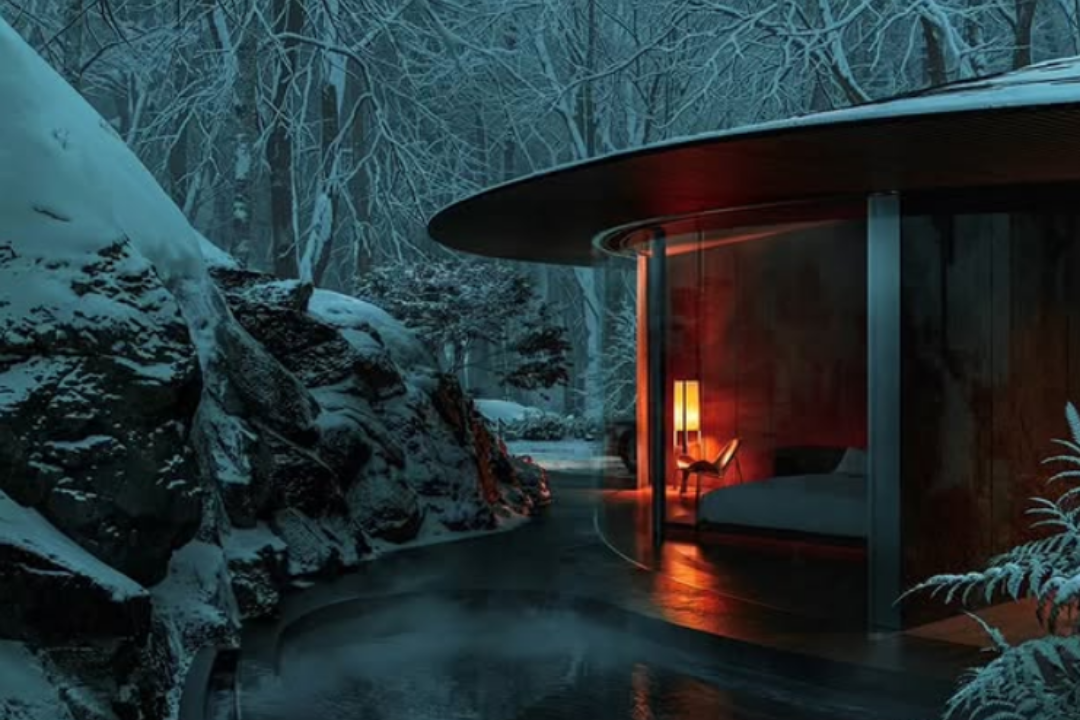
The company is developing properties in destinations such as Aoshima in Miyazaki Prefecture, Nasu in Tochigi Prefecture, and Ishigaki Island in Okinawa. Instead of conventional hotel buildings with rows of guest rooms, these projects consist of standalone luxury residences designed for families and groups, featuring spacious living areas, private pools, and expansive terraces.
Architecture is central to the brand. Internationally recognized architects and designers contribute to the projects, ensuring that each building is an essential part of the guest experience rather than simply a place to stay. This emphasis on design distinguishes NOT A HOTEL from many traditional luxury resorts.
The company has also attracted significant investment from Japanese investors and corporations, enabling it to develop multiple projects simultaneously. For a startup established in 2020, the scale of its fundraising has drawn considerable attention within Japan's startup ecosystem.
Media coverage has steadily increased as well, with NOT A HOTEL frequently highlighted as an innovative business that combines hospitality and real estate. Industry observers view it as a fresh alternative to both traditional hotels and conventional vacation home ownership.
Technology also plays an important role in the overall experience. Through the company's dedicated app, owners and guests can manage reservations, access their properties, and coordinate stays with ease. This digital infrastructure provides the convenience of a hotel while preserving the flexibility of private home ownership.
Although the business is still expanding, its growing portfolio of architectural projects and strong financial backing suggest that NOT A HOTEL has established itself as one of Japan's most innovative companies in the evolving hospitality sector.
Conclusion
NOT A HOTEL was created to fill the gap between two traditional ways of staying: hotels and vacation homes. Vacation homes offer privacy and flexibility but often suffer from low usage rates and ongoing maintenance costs. Hotels provide convenience for short trips but rarely deliver the comfort and freedom of a true home. By combining the strengths of both, NOT A HOTEL introduces an entirely different approach.
Owners purchase a share of a property, giving them the right to stay for a designated number of days each year. When they are not using the residence, it operates as a luxury hotel for other guests. This shared model keeps the property active year-round while maximizing the real estate's value.
The platform integrates architecture, property ownership, and digital technology into a single ecosystem. Carefully designed buildings blend into their natural surroundings, ownership is shared to improve efficiency, and app-based management simplifies reservations and operations.
Redefining Ownership and Travel Through a New Hospitality Model
For international businesses, the concept is particularly noteworthy because it addresses a challenge that exists well beyond Japan. Underutilized vacation properties are common in resort destinations around the world, and NOT A HOTEL offers one possible solution by transforming idle real estate into continuously operating hospitality assets.
Another distinguishing feature is its emphasis on architecture as the centerpiece of the experience. Buildings designed by renowned architects become destinations in themselves, appealing to travelers who value design as much as location. This positions the platform within the growing global market for luxury experiential travel.
At its core, NOT A HOTEL is attempting to redefine what accommodation can be. By blurring the line between home and travel, it supports a lifestyle where people can comfortably live, work, and relax across multiple destinations rather than remaining tied to a single residence.
Neither a conventional hotel nor a traditional vacation home, NOT A HOTEL represents a third category of hospitality. As travel habits, remote work, and shared ownership continue to evolve worldwide, this Japanese innovation offers an intriguing glimpse into how people may experience both travel and home.
FAQ About NOT A HOTEL
1. What Kind of Service Is NOT A HOTEL?
NOT A HOTEL is an accommodation platform that combines vacation home ownership with hotel stays. Owners can use the property for a set number of days per year, and during periods when it is not in use, the property is operated as a hotel.
2. What Is the Difference Between NOT A HOTEL and a Regular Vacation Home?
While regular vacation homes often present challenges regarding maintenance, management, and frequency of use, NOT A HOTEL handles all management and operations through the company. Furthermore, because the property is operated as lodging when not in use, it allows for efficient real estate utilization.
3. How Is It Different From a Standard Hotel?
While offering the convenience of a hotel, it provides spaces where guests can spend their time freely, much like renting an entire private residence. Equipped with kitchens and living rooms, these properties are also suitable for long-term stays and multi-person use.
4. In What Kinds of Locations Is NOT A HOTEL Expanding?
Properties are developed in locations that take advantage of Japan's natural environments, such as beaches, forests, and hot spring areas. Architectural designs that incorporate regional landscapes and local characteristics are also a major draw.
5. Are There Architectural Features?
Renowned architects and designers from around the world participate in the design process, creating spaces where guests can enjoy the architecture itself, rather than treating the property merely as a place to stay.
6. How Do Users Make Reservations and Manage Stays?
Bookings and schedules can be managed easily through a dedicated application. Since the operating company handles the complex management tasks, owners can use the service with the convenience of booking a hotel.
7. Why Is This Service Attracting So Much Attention?
This is because it balances the benefits of both hotels and vacation homes while solving issues like low property usage rates and the burdens of maintenance and management. It aligns well with diversifying lifestyles and the spread of remote work, drawing interest as a new way to stay.
8. Is There Potential to Expand Internationally?
Yes. Low usage rates of vacation homes in resort areas are a common issue worldwide, and this model combining ownership and lodging has the potential to be applied to international markets.
9. Who Is NOT A HOTEL Suitable For?
It is suitable for those who want to own a vacation home but want to minimize the management burden, as well as those who want to lead a lifestyle that splits time between urban areas and nature. It is also geared toward individuals who prioritize long-term stays and workations.
10. What Is the Future Vision of NOT A HOTEL?
Under the concept of "Your home around the world," the platform aims to remove the boundaries between living and traveling, enabling a new lifestyle where multiple regions can be utilized as bases for daily life.
Related Videos
If you're interested in new approaches to luxury travel and property ownership in Japan, the video below explores NOT A HOTEL, a hospitality platform that is rethinking the relationship between ownership and travel.