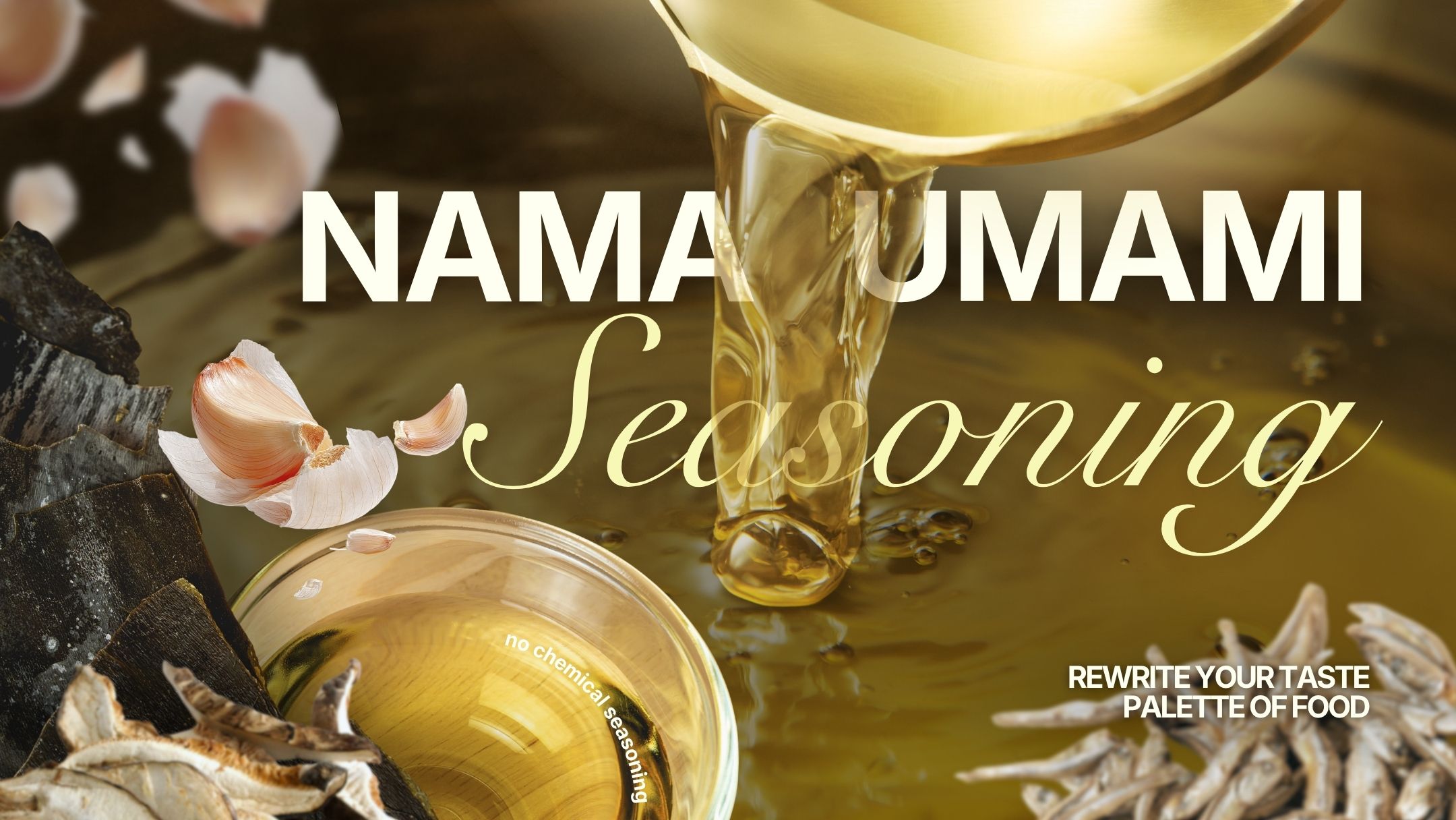
It has been quite some time since the word “UMAMI” became widely recognized worldwide.
As a concept that originated in Japan, umami has spread from fine dining restaurants to home cooking and even into the realm of processed foods. Yet, relatively few people truly understand how umami is created or the processes it goes through before reaching our tables.
Amid this backdrop, “Raw UMAMI” was born from a different perspective — not adding umami, but delivering the natural umami inherent in ingredients just as it is.
The company behind this product is Fooppy Inc., a Japanese startup. What Fooppy is pursuing is not merely the development of a new seasoning, but a reexamination of how we perceive food itself. Rather than relying on heat processing or refinement that can strip away aroma, depth, and nuanced flavor, the company seeks to preserve as much of the ingredients' original character as possible. The approach they chose is “raw.”
Japan has long cultivated culinary wisdom that draws out the natural power of ingredients, from fermentation and aging techniques to its dashi culture. Rooted in this rich culinary heritage, Raw UMAMI was created to meet the needs of modern lifestyles and global food challenges.
Globally, values such as “natural,” “clean label,” and “minimally processed” are becoming increasingly important in the food industry. For this reason, Raw UMAMI is not simply a new Japanese seasoning but a product that is highly relevant to international consumers today.
Raw UMAMI Overview
“Raw UMAMI” is a liquid seasoning developed in Japan to deliver the natural umami inherent in ingredients with as little processing as possible.
While many conventional seasonings are created through processes such as heating, concentration, and refinement, Raw UMAMI stands out by valuing “umami in its raw state.”
Its flavor profile is not tailored to any specific cuisine. Rather than leaning toward Japanese, Western, or Chinese cooking, it works across culinary categories to enhance the natural taste of ingredients. Instead of “adding” something new to a dish, it is designed to draw out the flavors that are already there, making it an easy-to-use seasoning for everyday cooking. Just as versatile as its flavor, its usage is simple.
It can be drizzled over finished dishes, used as a base seasoning, or added to soups and sauces. Its versatility allows even those with limited cooking experience to use it intuitively. One of the reasons it has gained support from many users is its ability to elevate satisfaction in everyday meals without adding extra effort to a busy routine.
The founder is Comewo (real name: Yuhei Kiyota), a chef who is also known for his appearance in the popular combat sports event “BreakingDown.” With his unconventional identity as a “fighting chef,” he embodies the philosophy at the core of Fooppy’s vision.
Creating “Food Choices,” Not Just Another Seasoning
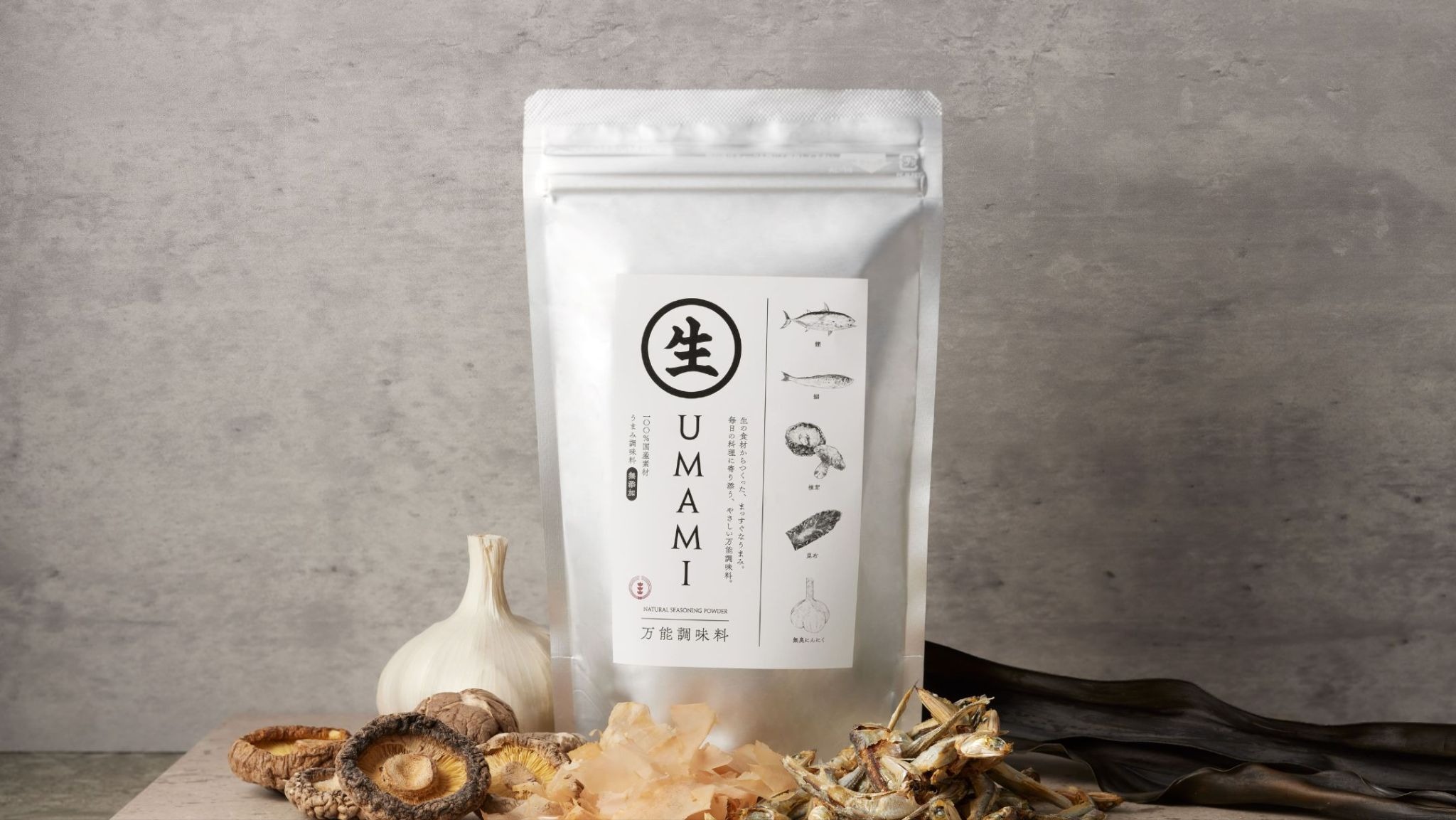
Source: UMAMI Homepage
Fooppy’s goal with Raw UMAMI was not simply to develop a new seasoning.
What the company identified as a problem was that, even when busy modern consumers want to choose safe, simple food, the available options are limited. As reliance on dining out and processed foods increases, many products offer little transparency regarding their ingredients or manufacturing processes, leaving people unsure of what to choose. Fooppy set out to change this situation at its core.
Raw UMAMI is positioned as one solution. It enhances and balances flavor without adding extra steps, and it is designed for confident use. By meeting these conditions, the product addresses a distinctly modern challenge: the desire to eat well, even when time is limited.
How to Use Raw UMAMI
There are no special rules for using Raw UMAMI.
Simply adding a small amount to a finished dish can sharpen its flavor profile and enhance the natural characteristics of the ingredients. It can also be used during preparation as a base seasoning to elevate even simple recipes.
Beyond home cooking, Raw UMAMI is also envisioned for use in professional settings, such as restaurant test kitchens and menu development, where it can help refine and balance a dish's foundational taste.
Price Range
The pricing is positioned to prioritize quality while remaining suitable for everyday use. Rather than targeting mass consumption, Raw UMAMI is designed to deliver noticeable results in small amounts, making it easy to incorporate into daily cooking without strain and to continue using over time.
Who It’s For
Raw UMAMI is intended for a broad audience, regardless of cooking experience or expertise. It is particularly well-suited for:
- Individuals who refuse to compromise on food quality, even with a busy schedule.
- Households seeking to refine flavor through simple preparation.
- Restaurants aiming to highlight the natural taste of ingredients.
- Chefs and food creators exploring flavor development without relying on heavy processing.
Not Adding Umami, but Choosing Not to Strip It Away
The greatest uniqueness of Raw UMAMI is that it is not a seasoning designed to deliver a strong, overpowering sense of umami.
Many umami-based seasonings are designed to produce an immediate, easily recognizable impact on flavor. In contrast, Raw UMAMI aims to draw out the natural taste and aroma that ingredients already possess, without diminishing them as much as possible.
This difference becomes clear when you actually use it.
Rather than pushing a specific flavor to the forefront, dishes made with Raw UMAMI feel more like their overall contours have been refined. The balance between ingredients settles naturally, depth emerges, and the overall completeness of the dish is elevated.
From a technical standpoint, Raw UMAMI does not rely on excessive heat treatment or heavy refinement processes. In conventional seasoning production, shelf stability and large-scale consistency are often prioritized, leading to standardized flavors and aromas. Raw UMAMI minimizes such processes to preserve the inherent taste of the ingredients.
Another defining feature is the prominent use of the word “Raw.” It is not merely a marketing phrase, but a direct expression of Fooppy’s philosophy. Add nothing unnecessary. Avoid over-processing. This approach is consistently reflected in everything from product formulation to its very name.
The Limited Food Choices Faced by Busy Modern Consumers
Behind the development of Raw UMAMI lies a strong sense of discomfort Fooppy had long felt. It stemmed from the reality that even when people want to choose safe, reliable, and simple food, the options available to them are extremely limited.
In busy daily life, many people cannot devote enough time to cooking at home. As reliance on dining out, ready-made meals, and processed foods increases, the ingredients and manufacturing processes of many products become harder to understand, leaving consumers unsure which criteria to use when making choices.
Fooppy viewed this not as an individual issue, but as a structural challenge within society as a whole. Even when there is a desire to eat properly, the barriers to doing so can be too high. Raw UMAMI was created to bridge that gap.
Designed as a tool to elevate food quality without adding extra steps to the cooking process, Raw UMAMI makes it possible to move closer to safer, more trustworthy meals simply by changing what you choose. This idea became the starting point of the product.
The Reality Seen from the Unconventional Position of a “Fighting Chef”
Comewo, the founder of Fooppy, has an unconventional background: he is a chef who has also competed in combat sports events. At first glance, these two worlds may seem unrelated. For him, however, both are acts of confronting oneself, deeply connected rather than separate pursuits.
Through his experiences in professional kitchens and in pushing himself to the limit under extreme conditions, he came to recognize the significant impact that everyday meals have on a person’s physical condition and mental state. When food becomes nothing more than fuel amid busyness and stress, the balance between body and mind can easily deteriorate.
Comewo did not aim to impose the idea of a “perfect” diet. Instead, his goal was to encourage people to make slightly better choices within realistic limits. Raw UMAMI emerged as a practical tool to support that mindset.
The product strongly reflects his personal experiences and sense of purpose. For that reason, its appeal does not rest solely on functionality but also on the story behind its creation—an element that gives Raw UMAMI its persuasive power.
From a “Specialty Seasoning” to Something Used in Real Kitchens
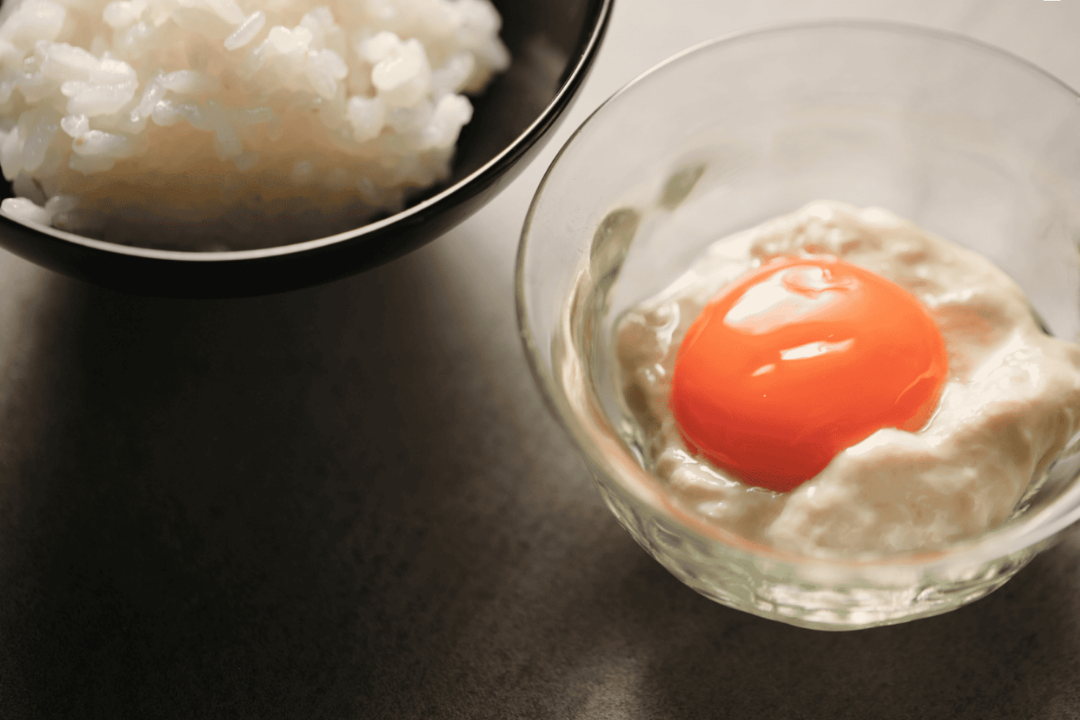
Source: UMAMI Homepage
Raw UMAMI is not positioned as a luxury-oriented seasoning, but as something that can be used naturally and consistently in everyday life. For that reason, its intended applications are not limited to a select group of chefs or specialists.
In-home kitchens are particularly well-suited for individuals who may not have much time to cook but do not want to compromise on food quality. Adding a small amount to stir-fries, soups, or simple side dishes helps bring flavors together more easily and reduces the risk of over- or under-seasoning. Because it does not require special culinary skills, it lends itself to continued, long-term use.
In the restaurant industry, Raw UMAMI is envisioned as a tool for recipe development and foundational flavor building. For establishments that aim to highlight the natural taste of ingredients, it serves to refine the base before layering additional seasoning. Since the product itself does not overpower a dish, it allows chefs to maintain their intended flavor direction without interference.
There are also advantages in settings such as food events and pop-up restaurants, where maintaining quality within limited preparation time is essential. Raw UMAMI helps ensure consistent flavor while simplifying kitchen operations.
In this way, Raw UMAMI is not a product confined to a specific industry or use case, but one designed with broad, practical application across a wide range of real-world settings.
What It Takes to Make “Simple” Possible
In developing Raw UMAMI, Fooppy places strong emphasis on the principle of “doing nothing unnecessary.” However, this does not mean cutting corners. On the contrary, reducing steps makes each decision even more critical.
The ingredients used are selected on the premise that they are naturally derived, and the formulation avoids excessive processing or refinement. As a result, the inherent quality and condition of the raw materials directly influence the final flavor. This makes careful sourcing and strict production management essential to ensure stability and consistency.
Within the manufacturing process, steps that would sacrifice flavor or aroma in favor of shelf life or distribution efficiency are minimized. The use of the word “Raw” is not simply a branding choice, but a direct reflection of this production philosophy.
In terms of quality control, the product is designed for everyday use, balancing safety with a stable supply. Rather than relying on extreme or overly specialized methods, priority is given to creating something people can continue to use and consume with confidence. This practical approach is what underpins the real-world usability of Raw UMAMI.
The “Subtractive Philosophy” Cultivated by Japanese Food Culture
At the foundation of Raw UMAMI lies the “subtractive” philosophy long cultivated within Japanese food culture. As seen in traditions such as dashi and fermentation, Japanese cuisine has historically emphasized drawing out the natural flavors of ingredients. Rather than masking them with strong seasoning, it focuses on retaining only what is necessary and removing what is excessive. This mindset is deeply rooted in everyday meals.
The direction Fooppy pursues with Raw UMAMI exists as a natural extension of that philosophy. Instead of adding bold flavors for immediate impact, the goal is to avoid altering the ingredients' inherent qualities. Raw UMAMI is positioned as minimal support—just enough to help those qualities emerge.
In Japan, healthy eating is often associated with restriction or sacrifice. Raw UMAMI challenges that assumption. Rather than imposing strict limitations, it encourages small changes in choice that allow satisfaction and peace of mind to coexist. This perspective is not only relevant within Japan, but is also a set of values likely to resonate with audiences overseas.
Beyond Seasoning: Toward Building Food Infrastructure
What Fooppy envisions through Raw UMAMI is not simply expanding sales of a single product. The company’s broader aim is to increase access to safe, reliable food choices that busy modern consumers can select without strain.
Raw UMAMI represents the first step in that direction. Looking ahead, Fooppy is considering product development that goes beyond umami alone, centered on naturally derived ingredients and simple design principles. The goal is not limited to seasonings, but extends to various categories found at the everyday dining table—establishing a standard that allows people to feel, “This is something I can choose with confidence.”
In terms of distribution, while e-commerce serves as the starting point, there is potential for expansion into restaurants, events, and collaborative projects that allow people to experience the product firsthand. Rather than merely delivering goods, Fooppy seeks to communicate the philosophy and story behind them. This approach not only builds brand recognition but also fosters long-term relationships with users.
As for international expansion, Raw UMAMI is not expected to be positioned simply as a “unique Japanese seasoning,” but rather as a food choice that does not rely heavily on processing. In markets where interest in food safety and transparency continues to grow, the philosophy behind Raw UMAMI holds strong potential to resonate.
A Product Experience That Begins with Empathy
Much of the feedback surrounding Raw UMAMI goes beyond taste alone. Comments such as “I don’t have to overthink it” and “It lowers the barrier to cooking” are especially telling.
Among those who cook regularly at home, there are remarks like “I no longer second-guess my seasoning” and “Even simple dishes feel satisfying.” For people who are less confident in the kitchen, the appeal lies in the fact that it is “hard to mess up” and “easy to use with confidence.”
On social media, many users express resonance with the concept of “raw” and the philosophy of building products around naturally derived ingredients. Rather than relying on flashy marketing, the brand’s quiet, value-driven approach appears to foster growth rooted in empathy and shared values.
Another distinctive aspect of Raw UMAMI is that understanding the founder, Comewo’s background, helps clarify why the product was created in the first place. When experienced not just as a standalone item but together with its philosophy and context, the product generates a deeper sense of conviction and trust.
Starting Small and Taking Root with Intention
Raw UMAMI is not a product built on flashy distribution strategies or mass sales from the outset. Instead, it is being developed primarily through e-commerce, carefully building connections with users who resonate with its philosophy and background.
This approach reflects Fooppy’s emphasis on long-term, continued use rather than rapid short-term expansion. The goal is to become something people genuinely rely on in their daily meals—something they feel makes a difference when it’s there. Fooppy believes that this steady accumulation of everyday trust is what will establish its presence domestically.
Attention is also gradually growing among food industry professionals and highly food-conscious consumers, with increasing recognition of the very perspective of “how umami is delivered.” While Raw UMAMI is still in a stage of growth, it also holds significant room for future development and potential.
Why International Companies Should Be Paying Attention Now

Source: UMAMI Homepage
Raw UMAMI is a product rooted in Japanese food culture, yet one that directly addresses the challenges facing modern society. Its philosophy—rather than “adding umami,” choosing not to diminish the natural strength of ingredients—serves as a quiet but pointed question to today’s food landscape, where processing and efficiency often take priority.
For overseas companies, the value Raw UMAMI represents goes beyond the novelty of a new seasoning. It offers insight into how to design food choices that people can select with confidence, even within a limited time. It also presents a case study on how to embed philosophy into a product. In that sense, Raw UMAMI provides meaningful lessons for businesses rethinking the relationship between product design and values.
This Japan-originated initiative holds the potential to steadily and quietly strengthen its presence in the global market, particularly as movements to reevaluate the future of food continue to gain momentum worldwide.
FAQ About Raw UMAMI
1. What Is Nama UMAMI?
Nama UMAMI is a liquid seasoning developed by Fooppy. It is designed to deliver the natural umami of ingredients with minimal processing, enhancing the overall flavor of dishes without relying on artificial additives.
2. How Is It Different from Typical Umami Seasonings?
Instead of adding a strong, noticeable flavor, it focuses on preserving and enhancing the natural taste of ingredients. While many seasonings aim to create an immediate impact, Nama UMAMI subtly balances and refines a dish's overall flavor.
3. Why Is the Term “Nama” (Fresh/Raw) Used?
The term reflects the product’s core philosophy. By avoiding excessive heating and processing, it aims to retain aroma, depth, and natural flavor, embodying the concept of delivering “fresh” umami.
4. What Types of Dishes Can It Be Used In?
It can be used across a wide range of cuisines, including Japanese, Western, and Chinese dishes. Adding a small amount to soups, stir-fries, sauces, pasta, or egg dishes helps bring ingredients together and enhance overall balance.
5. Why Does It Fit Modern Lifestyles?
It improves the quality of meals without adding extra effort. Even simple dishes can achieve a more complete flavor profile, making them ideal for people who want satisfying meals despite limited time.
6. How Is It Connected to Japanese Food Culture?
It is rooted in Japan’s dashi culture and the philosophy of “subtraction” in cooking; enhancing ingredients rather than masking them. Nama UMAMI modernizes this approach into a convenient seasoning.
7. How Does the Founder “Komeo” Influence the Product?
Komeo, the project’s founder, is a unique figure who combines a culinary background with experience competing in the BreakingDown. His personal understanding of how food affects both physical and mental health strongly shapes the philosophy behind Nama UMAMI, driven by the idea of creating an environment where people can naturally and without difficulty choose better food.
8. Can It Be Accepted in International Markets?
Yes, it aligns with global trends such as clean-label products, natural ingredients, and reduced processing. It is positioned not just as a Japanese seasoning, but as a modern approach to more mindful eating.
9. How Do Users Respond to It?
A. Many users say it makes even simple dishes more satisfying and helps take the guesswork out of seasoning. There is also growing appreciation for its “less is more” approach and its philosophy of relying on natural ingredients without unnecessary additions.
10. What Is the Main Appeal of Nama UMAMI?
Its greatest appeal lies in the philosophy of drawing out the natural potential of ingredients rather than simply adding flavor. More than just a seasoning, it functions as a new kind of food solution that helps modern consumers choose meals that feel both reliable and balanced, without added complexity.