Bringing Joy Back to Eating: How Japan’s Senior Nutrition Ice Cream “Me ICE” Reimagines Complete Nutrition
As people age, eating gradually begins to mean something different. Appetites often become smaller. Chewing and swallowing can require more effort. Nutrition becomes more important, yet relying entirely on supplements or functional foods can make eating feel clinical rather than enjoyable.
Across aging societies around the world, this challenge is usually discussed through healthcare, eldercare, and nutrition policy. But in reality, it is also deeply emotional. Eating is not simply fuel. It is routine, comfort, pleasure, identity, and one of the few daily rituals people continue to shape for themselves.
Against this backdrop, Japan developed an unusually different answer.
Instead of creating another nutrition drink, fortified powder, or meal replacement product, Me ICE chose ice cream.
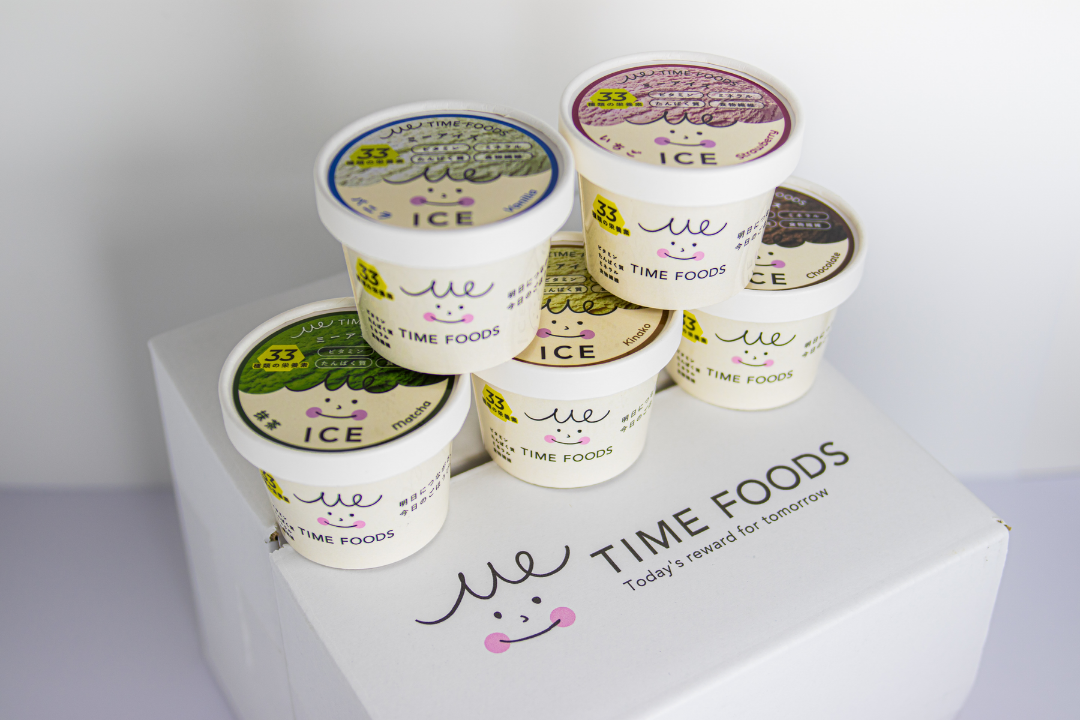
Cold, familiar, and associated with enjoyment rather than obligation, ice cream became the foundation for a product designed to support senior nutrition. Me ICE combines that sense of pleasure with nutritional planning intended to meet the needs of older adults.
What makes the idea stand out is that it does not begin with deficiency. It begins with desire. Rather than asking, “How do we get older adults to consume nutrients?” the question becomes, “How do we create something people actually want to eat?”
For readers outside Japan, this may feel surprisingly different from the way complete nutrition products are often positioned. In Europe and North America, meal replacement categories are frequently built around productivity, fitness, convenience, or efficiency. Products aimed at older adults often emphasize medical necessity. Me ICE takes another route. It treats enjoyment as a legitimate design requirement.
This article explores how Me ICE emerged, what values shape it, and why it reflects a distinctly Japanese way of thinking about food, aging, and quality of life.
Me ICE Overview
Me ICE is a nutritionally designed ice cream created primarily with older adults in mind. It was developed around a simple but difficult reality: many seniors struggle to consume sufficient nutrition not because they do not understand its importance, but because eating itself can become physically and psychologically demanding.
By choosing ice cream as the format, Me ICE lowers several of those barriers at once. Its cold temperature creates a pleasant mouthfeel, the texture reduces dependence on chewing strength, and the portion size allows nutrition to be consumed without requiring a full meal.
Importantly, it is not positioned as a dessert with added nutrients. Instead, it aims to become something between nourishment and enjoyment, integrated naturally into everyday life.
Why Turn Complete Nutrition Into Ice Cream?
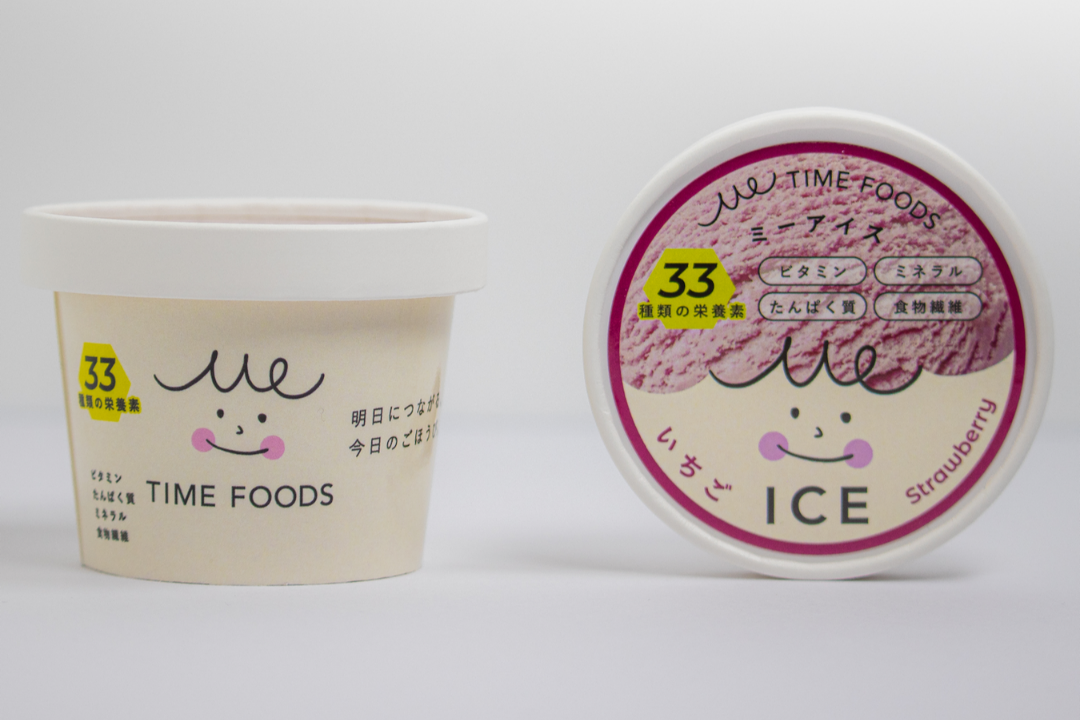
Source: TIME FOODS Me ICE Homepage
To understand Me ICE, the most important question is not what nutrients it contains but why it exists in the form of ice cream in the first place.
When people hear the term “complete nutrition,” they usually imagine products built around efficiency and function. Powdered meal replacements, fortified drinks, and nutrition bars dominate the category because they promise measurable results in convenient formats. They are designed to solve a problem as directly as possible.
But solving a nutritional problem does not automatically create a satisfying experience around eating.
Me ICE starts from a very different assumption. Instead of treating food as something to optimize, it begins with the idea that people still want to enjoy eating, even when appetite, chewing ability, or energy levels begin to change with age.
Ice cream carries a very different emotional meaning from conventional nutrition products. For many people, it is associated with comfort, pleasure, familiar routines, and small moments of enjoyment. It is something people look forward to rather than something they feel obligated to consume. Me ICE takes those positive associations and applies them to an area of life that often becomes increasingly medicalized in later years.
The choice also makes practical sense. A cold, smooth texture can feel easier and more appealing to eat. Smaller portions allow nutrients to be concentrated without requiring large meals. For older adults who may struggle to finish traditional portions, this makes nutritional intake feel more achievable.
What makes the concept especially interesting is what the product chooses not to emphasize. Me ICE does not present itself primarily as medical nutrition or supplementation. It first wants to be accepted as ice cream. The nutritional value becomes part of the experience rather than becoming the product’s entire identity.
That ordering reflects a broader shift in how Japan increasingly approaches aging. Rather than asking people to accept less enjoyable experiences in exchange for practicality, there is growing interest in redesigning everyday experiences so that enjoyment remains intact.
Nutrition Designed Around What People Can Actually Finish
When discussions turn to food for older adults, the conversation often becomes highly technical. Protein intake, vitamin balance, calorie goals, and nutritional requirements tend to dominate the discussion because they are measurable and easy to compare. But Me ICE appears to begin from a much simpler and more practical question: can someone realistically finish what is being served?
This question matters more than it may seem. Reduced appetite is common later in life, and changes in energy levels, digestion, and eating habits can make large portions feel difficult to manage. Even meals with excellent nutritional value lose their impact if they regularly go unfinished. Me ICE reflects the idea that successful nutrition does not begin with ideal targets on paper but with understanding how people actually eat in everyday life.
Many complete nutrition products are designed to replace an entire meal. While that approach can be efficient, it often results in products that feel dense, highly functional, and difficult to consume consistently. They ask users to commit to a system and maintain it over time. That model works for some people, but it can become demanding, especially for those whose eating patterns have become smaller, slower, or more variable.
Me ICE takes a different approach by working within eating habits that already exist rather than trying to replace them. Instead of asking people to substitute an entire meal, it creates opportunities to add nutrition into moments that feel natural: an afternoon snack, dessert after dinner, or a small portion at times when preparing or finishing a full meal feels difficult. The objective seems less about maximizing nutritional intake and more about lowering the barrier to maintaining it.
Another interesting aspect is restraint. Nutritional needs become more individualized with age, and appetite, digestion, and food tolerance can vary significantly from person to person. Rather than approaching complete nutrition as a mathematical problem to solve perfectly, Me ICE reflects a more balanced philosophy: provide meaningful nutrition in portions that feel manageable and sustainable over time.
That distinction matters because eating at home rarely functions like a clinical nutrition program. Meals are emotional, social, and deeply shaped by routine and habit. People do not usually calculate every nutritional outcome before opening the freezer. Me ICE seems designed to fit naturally into ordinary life rather than announcing itself as a special intervention. It aims to become something people simply reach for, not something that constantly reminds them their eating needs have changed.
Neither Medical Food Nor Dessert: Creating a New Middle Space
One of the most useful ways to understand Me ICE is to stop thinking about it as either a healthcare product or a dessert. Its appeal becomes clearer when viewed as something intentionally positioned between those two categories.
Traditional care foods are typically developed with function as the highest priority. Ease of swallowing, nutritional adequacy, and physical safety naturally come first, while flavor, presentation, and enjoyment often become secondary concerns. These priorities make sense in many situations, but they can also unintentionally make eating feel more clinical and less personal.
Desserts occupy the opposite position. They are associated with enjoyment, comfort, and reward, but they are rarely expected to contribute meaningfully to nutrition. One category prioritizes necessity, while the other prioritizes pleasure.
Me ICE deliberately places itself in the space between those ideas. It allows eating to serve two purposes at once: supporting nutritional needs while remaining something people genuinely want to eat. Instead of asking people to choose between practicality and enjoyment, it tries to combine both into a single experience.
This middle space becomes especially important later in life because meals can gradually shift from personal experiences into managed experiences. Healthcare providers and family members understandably focus on nutritional outcomes and physical wellbeing, but when food becomes too controlled, individual preference can begin to disappear. Eating becomes something scheduled and measured rather than something chosen.
Me ICE creates room for that choice to remain. Opening the freezer, selecting something independently, and eating because it sounds enjoyable rather than because someone recommended it carries meaning far beyond calories or nutrient intake. That sense of self-direction contributes directly to quality of life and can influence how people feel about food overall.
This positioning also changes the experience for families and caregivers. Instead of preparing separate foods or introducing products that feel medical or unfamiliar, nutritional support becomes integrated into ordinary routines. Ice cream already belongs in many households, which makes the product feel less like care and more like everyday life.
Rather than creating an entirely new food category, Me ICE suggests a different way of thinking about eating itself. It proposes that support and enjoyment do not need to exist at opposite ends of the spectrum, and that nutrition can become more effective when it feels less like an obligation.
How Me ICE Differs From Western Complete Nutrition Products
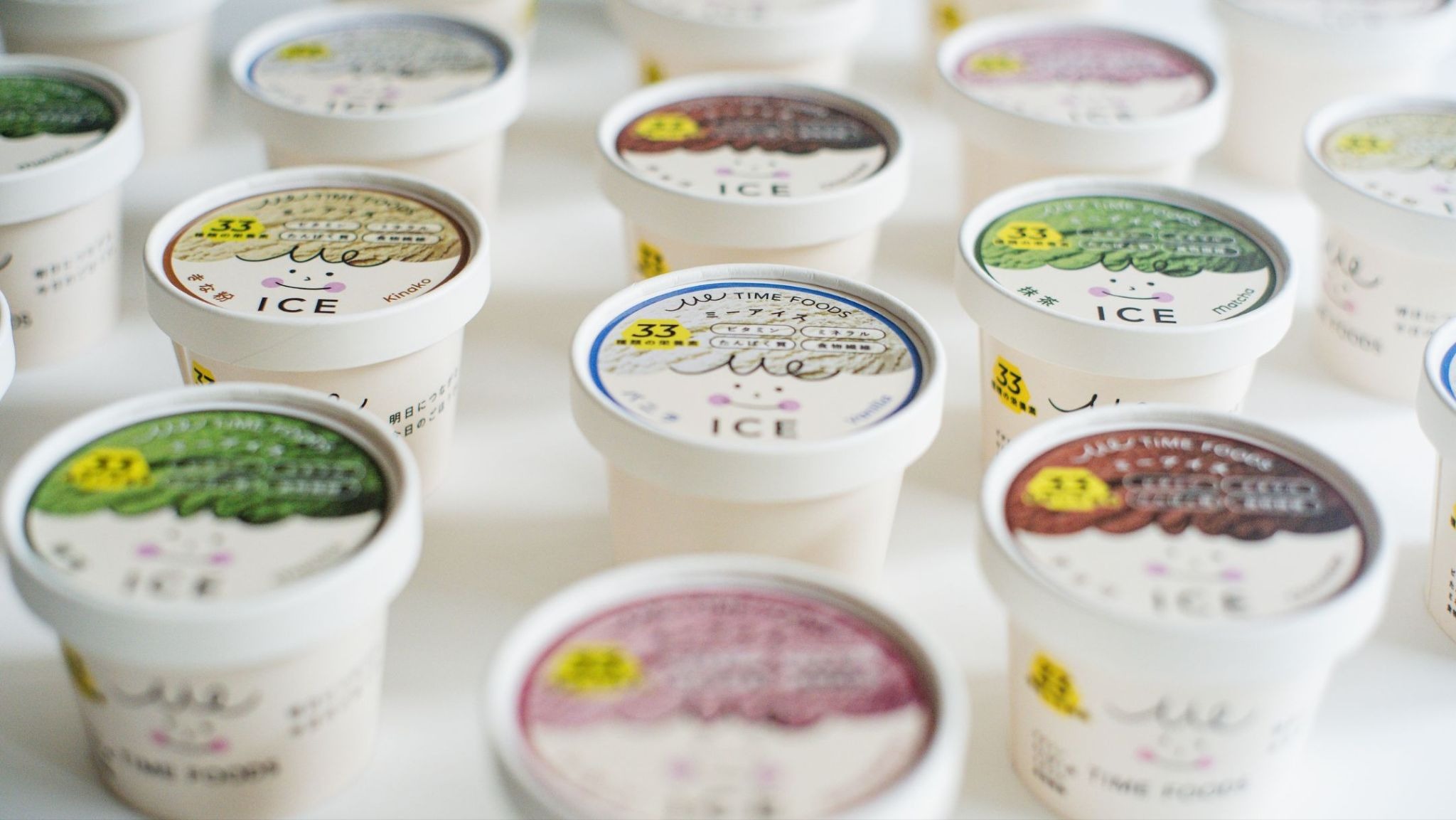
Source: TIME FOODS Me ICE Homepage
Complete nutrition products are already well established across Europe and North America, but they have largely developed around a different set of assumptions. Meal replacement drinks, fortified shakes, and functional nutrition products are often aimed at busy professionals, athletes, or consumers focused on health optimization. In many cases, their value is framed around efficiency: getting the necessary nutrients quickly, reducing time spent eating, and making nutrition easier to measure and control.
Reimagining the Meal: Me ICE and the Experience of Eating
Me ICE takes a noticeably different approach. Rather than treating food as something to streamline, it starts from the idea that eating itself still matters. The product is not designed to increase productivity or reduce meals into a task to complete. Instead, it appears to ask a different question: how can nutrition support people without taking away the experience of enjoying food?
For many older adults, meals are not interruptions in the day that need to be minimized. They often carry emotional weight and structure daily life in ways that go beyond nutrition. Eating can be tied to comfort, routine, memory, and personal identity. When food becomes overly optimized, something important can disappear along with the inconvenience. The pleasure of choosing, anticipating, and enjoying a meal may matter just as much as the nutritional outcome itself.
Beyond Biology: The Emotional Significance of Food
Another meaningful difference lies in what the product assumes about the person eating it. Many Western complete nutrition products are designed around active management. Consumers are expected to understand intake goals, track nutrients, and make deliberate decisions based on health objectives. That approach works well for people who want that level of control, but it also places responsibility on the individual to manage the process.
Me ICE appears to assume something simpler and more intuitive. Eat when you want to eat. Eat the amount that feels comfortable. Let nutrition fit into those moments naturally rather than asking people to reorganize their habits around nutritional targets. The objective is not to create perfect eating behavior but to make better nutrition easier to sustain.
The decision to use ice cream also reflects cultural context. In Japan, ice cream is not viewed only as an indulgence or occasional treat. It is deeply integrated into everyday life and enjoyed across age groups. Me ICE takes that familiarity and adapts it into a format intended to support aging. This does not necessarily make the Japanese approach superior to Western approaches. Rather, it reflects different social conditions and different ideas about what eating should continue to feel like later in life.
Food Design That Protects Dignity
At its core, Me ICE is not simply trying to improve nutritional intake. Beneath the product design sits a broader question about how food can help preserve dignity as people age.
Dignity can sound like an abstract concept, but in daily life it is often built through ordinary decisions. Choosing what to eat, deciding when to eat, and maintaining control over familiar routines all contribute to a person’s sense of independence. When those decisions gradually become controlled by schedules, medical recommendations, or practical limitations, people can begin to feel less like participants in daily life and more like recipients of care.
Breaking Free from the "Productivity" Mindset of Nutrition
Me ICE appears designed to preserve that sense of ownership. Ice cream is rarely experienced as something prescribed or imposed. It feels voluntary. People eat it because they want to, not because they feel they should. That difference may seem small, but it changes the emotional experience of eating.
This may also explain why the product avoids presenting itself in heavily medical language. Nutrition is important, but it does not become the dominant message. Instead, the product is designed to fit into ordinary life without announcing itself as a special intervention. Eating remains an act of personal choice first, with nutritional benefits arriving alongside that experience.
Leveraging Familiarity to Support Healthy Aging
Another notable aspect is that Me ICE does not appear to treat aging itself as a defining identity. Rather than emphasizing age or positioning older adults as fundamentally different consumers, it treats changing physical needs as a normal part of life. The design does not ask people to adopt a separate category of eating simply because they are older.
Viewed this way, food design becomes something larger than nutritional engineering. It becomes a way to help people maintain continuity with who they are, even as their needs change. In that sense, preserving enjoyment and preserving identity become closely connected.
Keeping Eating Enjoyable Until the End
Source: TIME FOODS Me ICE Homepage
Me ICE cannot be fully understood as simply another senior nutrition product. It is also an attempt to rethink what eating should remain throughout later life.
As people age, meals can increasingly become measured, managed, and optimized. Nutritional targets, medical concerns, and practical limitations begin to shape the experience. While those concerns are important, they can gradually shift eating away from enjoyment and toward obligation. Me ICE quietly pushes in another direction.
By choosing a format associated with pleasure, creating portions that feel achievable, occupying the space between medical food and dessert, and preserving the ability to choose freely, the product suggests that nutrition and enjoyment do not have to compete with each other.
Nutrition That Doesn’t Feel Like a Compromise
From an international perspective, Me ICE reflects ideas shaped by Japan’s experience as one of the world’s earliest super-aged societies. Rather than approaching complete nutrition primarily as a tool for efficiency, it approaches nutrition as something that can support dignity, comfort, and everyday enjoyment.
Population aging is becoming a challenge shared across countries, but the solutions do not all need to look the same. Me ICE offers one possible answer: acknowledge physical change without abandoning emotional satisfaction.
Eating remains one of the most personal and human forms of self-expression. This quiet innovation from Japan suggests that protecting that experience may ultimately matter just as much as meeting nutritional targets themselves.
Conclusion
Me ICE demonstrates that innovation in senior nutrition is not always about discovering new ingredients or maximizing nutritional efficiency. Sometimes, it is about rethinking the experience of eating itself.
By transforming complete nutrition into something as familiar and enjoyable as ice cream, MeTime Foods challenges the assumption that products designed for older adults must feel clinical or restrictive. Instead, Me ICE recognizes that maintaining appetite, preserving independence, and finding joy in everyday routines are all important parts of healthy aging.
As more countries face rapidly aging populations, the questions raised by Me ICE extend far beyond Japan. How can food products support nutrition without sacrificing pleasure? How can design preserve dignity rather than simply solve medical problems? And how can everyday rituals continue to feel like personal choices, even as physical needs change?
Me ICE may not be the universal answer to senior nutrition, but it offers an important perspective: successful nutritional support is not only about what people need to eat; it is also about creating food they genuinely want to enjoy. In that sense, this small Japanese innovation reflects a much larger idea about aging with comfort, autonomy, and quality of life.
FAQ About Me ICE
1. What Kind of Product is Me ICE?
Me ICE is a nutritionally complete ice cream developed primarily for seniors. It is designed to easily supplement nutrition during the senior years when food intake naturally tends to decrease. Its most notable feature is its focus on being just as delicious and easy to eat as regular ice cream.
2. Why Make a Nutritionally Complete Food in the Form of Ice Cream?
We chose ice cream to reduce the physical burden of eating and allow people to enjoy getting their nutrients. Aging often brings a decrease in appetite and changes in chewing ability. Ice cream offers a familiar, easy-to-eat texture for all ages, which helps lower the psychological barrier to nutritional supplementation.
3. Can Me ICE Be Used as a Meal Replacement?
While Me ICE is formulated for complete nutrition, it is not recommended as a full meal replacement. It is intended to be used as a snack or dessert to supplement the nutrition of those whose regular food intake may be insufficient. It is designed to be naturally and easily incorporated into daily life.
4. Does Me ICE Provide Nutrition Even in Small Amounts?
Because it is designed for seniors who may not be able to eat large portions at once, it allows for efficient nutritional intake even in small amounts. By focusing on a portion size that is easy to finish, it is easy to continue eating regularly without feeling forced.
5. How Is It Different From Standard Senior Care Foods?
Commercially available care foods and related products tend to prioritize physical needs and functions. Me ICE, on the other hand, emphasizes not only nutrition but also the joy and satisfaction of choosing and eating something delicious. It is an innovative food product positioned right between a care food and a regular dessert.
6. Who Is Me ICE Best Suited For?
It is ideal for seniors who are concerned about eating less or who want to improve their nutritional balance. It is also a great option for those who are reluctant to eat traditional care foods, and for families who want to help support the nutritional management of their elderly relatives.
7. Can People Other Than Seniors Eat Me ICE?
While Me ICE was developed primarily for seniors who may require care, it can be enjoyed by people of any age. It is a convenient option for anyone looking to improve their nutritional balance or consume nutrients efficiently. However, its core development concept remains focused on supporting the diets of the elderly.
8. Could Me ICE Attract Attention Internationally?
Population aging is a global challenge, not just a Japanese one. As a result, the demand for senior-focused nutritional foods is growing worldwide. Products like Me ICE that successfully combine comprehensive nutrition with the joy of eating are still quite rare, meaning it has strong potential to attract international attention in the future.