In the snowy mountains of northern Nagano, winter is not treated as an inconvenience to overcome. Instead, it becomes the foundation for an experience that exists nowhere else in the world.
Each year in the city of Iiyama, one of Japan’s snowiest regions, a temporary village of snow huts emerges across the landscape. Known as Kamakura no Sato (Kamakura Village), this unique destination invites visitors to step inside hand-built snow structures, enjoy traditional meals, and experience a side of Japan that is deeply connected to nature.
For international travelers, Kamakura no Sato offers more than a seasonal attraction. It represents a distinctly Japanese way of thinking; one that embraces natural conditions rather than fighting against them. As sustainability, local culture, and meaningful travel experiences gain prominence worldwide, this snow village has begun to attract attention far beyond Japan.
This article explores the concept behind Kamakura no Sato, its cultural roots, and why this remarkable winter tradition continues to resonate in the modern world.
Kamakura no Sato Overview
Kamakura no Sato is an incredibly enchanting winter marvel located in the northern mountainous reaches of Nagano Prefecture, masterfully turning deep environmental snow accumulation into a world-famous culinary spectacle.
Open for roughly one month each year, the snow plain transforms into a fairytale village of over twenty glowing, hand-carved snow huts built entirely by local volunteers. Inside these insulated micro-sanctuaries, guests gather around wooden tables to escape the sub-zero elements and share a bubbling cauldron of Noroshi Nabe, a localized comfort food rich with regional pork, mountain mushrooms, and sweet miso.
As experiential travel continues to dominate global tourism, Kamakura no Sato serves as an ideal blueprint for regional revitalization—proving that a remote community can leverage its rawest winter challenges to craft a highly sought-after, emotionally resonant lifestyle destination that captivates travelers from around the world.
What Is Kamakura no Sato?
Source: Kamakura no Sato Homepage
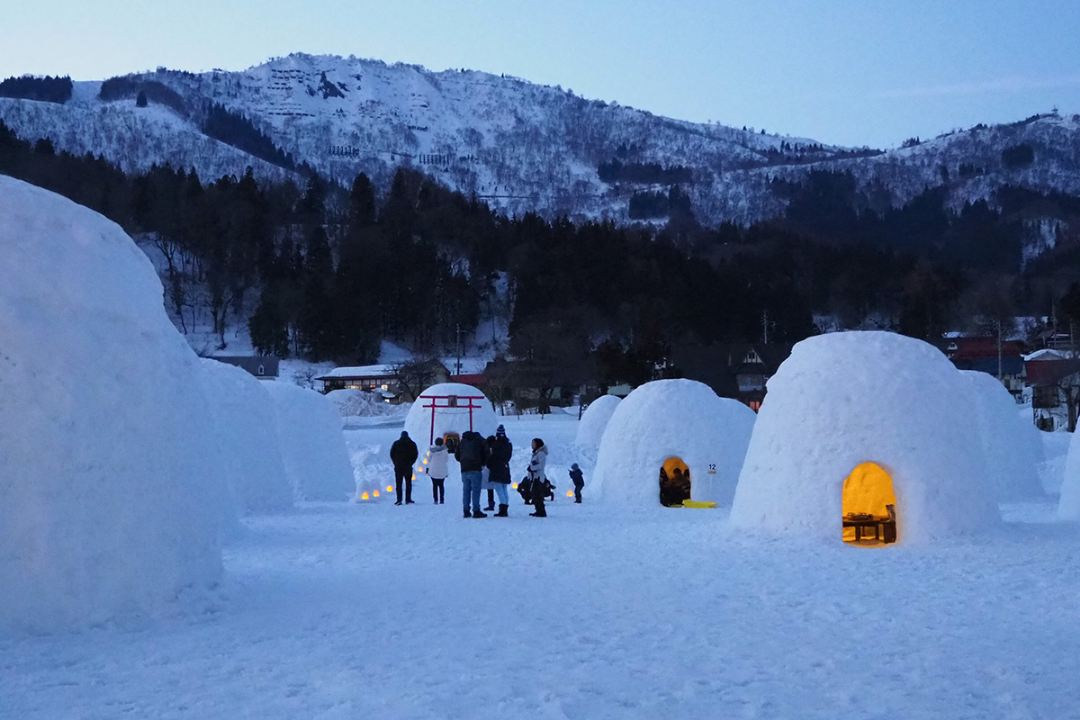
Kamakura no Sato is a seasonal snow village made up of multiple kamakura, large dome-shaped snow huts constructed entirely from compacted snow.
Unlike a single tourist attraction or building, the village serves as a temporary community space formed by the natural environment itself. Here, snow is not simply scenery; it is the primary building material.
The construction method is surprisingly simple. Massive piles of snow are shaped into domes and hollowed out from the inside to create enclosed spaces. Because snow contains countless tiny air pockets, it acts as an excellent insulator. Even when temperatures outside fall well below freezing, the interior remains relatively stable and comfortable.
What makes Kamakura no Sato particularly fascinating is that these structures are not merely decorative. Visitors can enter them, relax inside, share meals, and spend time with others. They are functional snow buildings designed to be experienced rather than simply admired.
Creating and maintaining such a village requires substantial snowfall and generations of local knowledge. Snow conditions, temperature fluctuations, and structural stability must be carefully monitored throughout the season. As a result, Kamakura no Sato is not simply built; it is continuously managed through an ongoing relationship with nature.
The Unique Philosophy Behind Kamakura Culture
One of the most remarkable aspects of kamakura culture is its approach to snow itself.
In many parts of the world, snow is viewed primarily as a problem to be removed. Municipalities invest significant resources in plowing roads, clearing sidewalks, and transporting snow away from populated areas.
Kamakura culture takes a different approach.
Instead of treating snow as waste, it transforms it into something valuable; a place that shelters people, brings communities together, and creates memorable experiences.
From an engineering perspective, kamakura are surprisingly efficient structures. They require no synthetic materials, advanced technology, or complex manufacturing processes. Freshly fallen snow becomes the building itself. Through careful shaping and an understanding of snow density and weight distribution, communities create structures that remain stable throughout the winter season.
Turning Snow Into Value
Culturally, the value of a kamakura comes from being inside it. Unlike snow sculptures or winter light displays designed to be viewed from a distance, a kamakura becomes meaningful only when people enter, sit together, share food, and spend time within its walls.
The experience itself is difficult to replicate elsewhere. The muffled silence created by snow, the soft light reflecting off white surfaces, and the sense of being protected within a natural structure all combine to create an atmosphere unlike that of any conventional building.
In this sense, Kamakura no Sato is not simply a destination—it is an environment shaped by snow itself.
Why Did This Tradition Develop?
The origins of kamakura culture are closely tied to the realities of life in Japan’s heavy-snow regions.
For centuries, winter brought significant challenges. Deep snow could isolate communities, restrict movement, and place enormous pressure on daily life. Before modern snow-removal infrastructure existed, surviving winter required creativity and adaptation.
Over time, residents began shifting their perspective.
Instead of asking how to eliminate snow, they explored ways to live with it.
Rather than completely escaping the cold, they learned how to create comfort within it.
The kamakura emerged from this mindset. By using snow as a natural insulating material, communities could create protected spaces without relying on scarce resources or advanced technology. Snow became both the challenge and the solution.
Historically, winter often forced people indoors. Opportunities for social interaction became limited, and outdoor gathering spaces virtually disappeared. Kamakura changed that dynamic by creating an unusual type of space—one that existed outdoors while still offering protection and comfort.
Inside a kamakura, people could gather, talk, eat, and share time despite the harsh weather outside.
As a result, kamakura evolved beyond its practical function. They became social spaces that strengthened community bonds and helped people endure long winters together.
Far from being a novelty, the kamakura represents a centuries-old example of human adaptation and ingenuity.
A Space Where Daily Life, Tourism, and Community Meet
Source: Kamakura no Sato Homepage
One reason Kamakura no Sato feels so distinctive is that it does not serve a single purpose.
Historically, kamakura functioned as a place to rest, socialize, and escape winter winds. Today, those same functions continue, but they have expanded into cultural and tourism experiences as well.
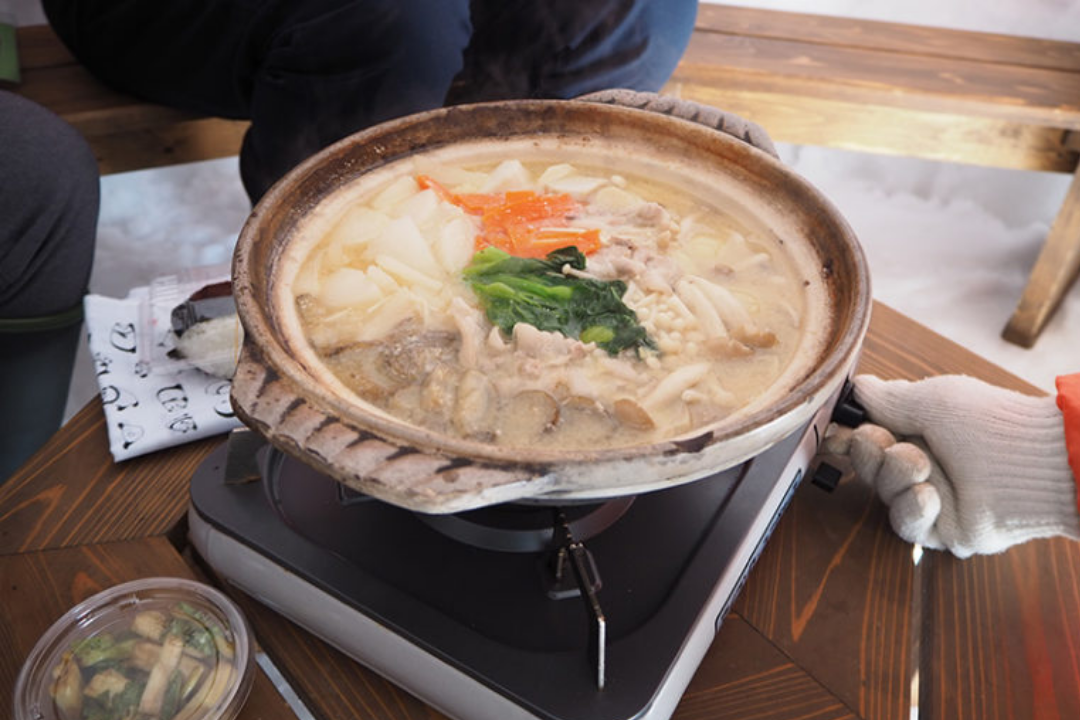
Visitors commonly enjoy meals inside the snow huts, relax with family and friends, or simply appreciate the quiet atmosphere created by the surrounding snow.
What makes the experience unusual is that there is often no major activity.
The snow hut itself is the attraction.
Modern tourism frequently relies on entertainment, performances, or carefully designed attractions. Kamakura no Sato demonstrates that a thoughtfully designed space can be enough. The experience comes from simply being present.
From a regional perspective, the snow village also plays an important role in attracting visitors during a season that might otherwise be considered an economic challenge. Rather than seeing winter as an obstacle, the community turns it into a reason to visit.
This transformation, from seasonal disadvantage to cultural asset, is one of Kamakura no Sato’s greatest achievements.
A Product of Japan’s Snow Country Wisdom
Kamakura culture developed in Japan because of a unique combination of environmental conditions and cultural values.
Japan's heavy-snow regions experience dramatic seasonal shifts, requiring residents to constantly adapt to changing natural conditions. Historically, this fostered a mindset focused less on controlling nature and more on working alongside it.
This philosophy is visible in the construction of kamakura.
Rather than relying solely on precise calculations, builders respond to changing snow quality, temperature variations, and sunlight conditions. Experience and intuition play a significant role alongside technical knowledge.
The approach to safety reflects a similar mindset.
Kamakura are temporary structures, not permanent buildings. Instead of aiming for absolute permanence, they are continuously observed, maintained, and adjusted as conditions change. This adaptive approach mirrors broader Japanese traditions of stewardship and maintenance.
Compared with some snow structures found elsewhere in the world, Japanese kamakura also tend to maintain a stronger connection with the surrounding environment. They provide shelter while still allowing visitors to remain aware of the natural world outside.
You are protected from winter—but never completely separated from it.
Snow Architecture Around the World: Similarities and Differences
Japan is not the only place where people have built with snow.
Across the Arctic and northern regions of the world, snow and ice have long been used as construction materials. Structures such as igloos and modern ice hotels demonstrate how communities have adapted to extreme winter environments.
Kamakura shares some similarities with these traditions, but they also differ in important ways.
Igloos historically served practical survival needs, functioning as temporary shelters in harsh environments. Ice hotels, meanwhile, often emphasize spectacle, luxury, and large-scale tourism.
Kamakura occupies a middle ground.
They are neither permanent infrastructure nor purely commercial attractions. Instead, they exist somewhere between everyday life, cultural tradition, and seasonal experience.
Another distinction lies in scale. Many international snow attractions emphasize size and visual impact. Kamakura no Sato focuses on intimacy and atmosphere. Rather than creating something monumental, it creates something personal.
This reflects a broader cultural difference: the emphasis is not on conquering nature, but on sharing space with it.
Why Kamakura Culture Resonates in the Age of Sustainability
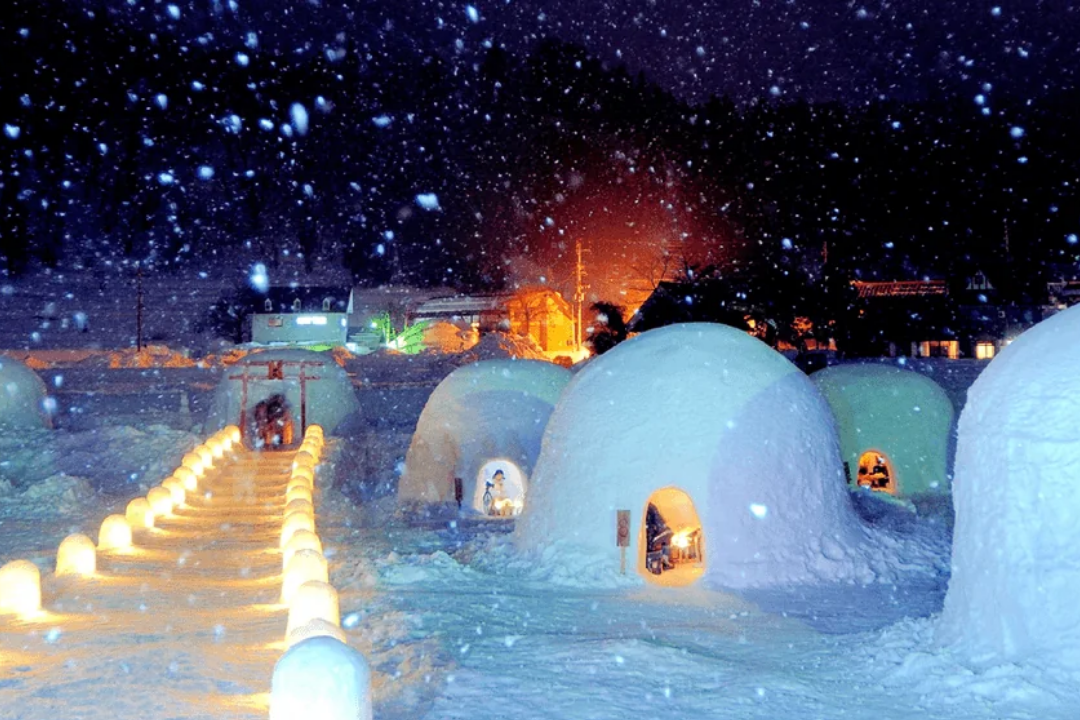
Source: Kamakura no Sato Homepage
The growing international interest in Kamakura no Sato is about more than its visual appeal.
At its core, the village embodies ideas that align closely with modern discussions surrounding sustainability and responsible tourism.
Snow serves as a renewable local resource. The structures require minimal industrial materials and disappear naturally when spring arrives. There is no demolition process, no long-term environmental footprint, and no permanent alteration of the landscape.
In many ways, a kamakura exemplifies circular design.
It emerges from nature and eventually returns to it.
The concept also highlights the value of local knowledge. Kamakura cannot simply be mass-produced or copied anywhere in the world. They depend on specific climate conditions, regional expertise, and community participation.
Ironically, this lack of scalability is part of their appeal.
At a time when destinations often struggle with over-commercialization and cultural homogenization, Kamakura no Sato offers something deeply rooted in place.
As climate change and environmental challenges encourage societies to rethink their relationship with the natural world, the philosophy behind kamakura culture feels increasingly relevant.
Conclusion
Kamakura no Sato is far more than a winter tourist attraction.
It represents a uniquely Japanese approach to living with nature—one that transforms environmental limitations into opportunities for connection, comfort, and cultural expression.
Within these snow-built spaces, architecture, community, and landscape become inseparable. Snow is not treated as an obstacle to be removed or a backdrop to admire. Instead, it becomes a material that shapes experiences, protects people, and brings communities together.
This way of thinking carries lessons that extend well beyond Japan.
Rather than relying solely on technology to overcome environmental challenges, Kamakura no Sato demonstrates the value of designing with natural conditions in mind. It reflects a form of resilience built on adaptation, creativity, and respect for place.
As the world searches for more sustainable ways to live, travel, and build, the philosophy embodied by these snow villages feels surprisingly contemporary.
Kamakura no Sato reminds us that sometimes the most meaningful innovations are not about conquering nature—but about finding our place within it.
In a world increasingly focused on controlling the environment, this small snow village in rural Japan offers a different perspective: one where coexistence, rather than conquest, creates lasting value.
FAQ About Kamakura no Sato
1. What is Kamakura no Sato?
Kamakura no Sato is a seasonal winter attraction found in heavy snowfall regions such as Iiyama, where snow huts known as kamakura are arranged like a small village. Rather than being simply a tourist attraction, it uses snow itself as a building material to create functional spaces where visitors can dine, relax, and gather, demonstrating how snow can become a livable environment.
2. Why Can a Comfortable Space be Built Entirely From Snow?
Snow contains a large amount of trapped air, giving it excellent insulating properties. Even when temperatures outside fall below freezing, the inside of a kamakura tends to remain relatively stable and comfortable. This allows people to spend time inside a structure made entirely from natural materials, reflecting practical knowledge developed over generations in Japan's snowy regions.
3. Why is Kamakura no Sato Considered Part of Japanese Culture Rather than Simply a Tourist Attraction?
A kamakura is more than just a snow structure; it reflects the lifestyle and relationship with nature in Japan's heavy-snowfall regions. Instead of treating snow as something to be removed or overcome, local communities have long viewed it as a material for creating living spaces. This perspective represents a uniquely Japanese way of adapting to the natural environment.
4. What Do People Do Inside a Kamakura?
Visitors typically enjoy meals, warm themselves, and spend time talking with family and friends. Although surrounded by snow, the interior feels peaceful and sheltered, creating the unique sensation of enjoying the outdoors while experiencing the comfort of an indoor space.
5. Why Has Kamakura no Sato Attracted International Attention?
Its philosophy of working with nature rather than trying to conquer it resonates with growing global interest in sustainability and regional culture. Instead of relying on large amounts of energy, Kamakura no Sato uses natural environmental conditions to create comfortable spaces, making it relevant to broader conversations about sustainable design.
6. How is a Kamakura Different from an Igloo or Other Snow Structures Found Overseas?
A kamakura occupies a unique space between daily life, social gathering, and cultural experience. Unlike an igloo, which traditionally serves as a practical shelter, or large-scale snow attractions built primarily for tourism, a kamakura is designed as a place where people can gather, share a meal, and enjoy quiet moments together in a relaxed setting.
7. What Safety Measures are Taken?
Local residents and organizers carefully monitor snow conditions and changing temperatures throughout the season. Because kamakura are temporary structures rather than permanent buildings, they require ongoing maintenance and adjustments in response to weather conditions to ensure they remain safe for visitors.
8. Why is Kamakura no Sato Considered a Valuable Winter Tourism Attraction?
It transforms heavy snowfall from a regional challenge into a reason for people to visit during winter. While snowy regions often see fewer visitors in the colder months, Kamakura no Sato turns the winter landscape itself into the attraction, creating an experience that exists only during the snow season.
9. Why is the Sense of Quietness Such an Important Part of the Experience?
Snow naturally absorbs sound, making the inside of a kamakura remarkably peaceful. Rather than creating silence artificially, the surrounding snow softens outside noise, producing a calm atmosphere that becomes one of the most memorable aspects of the experience.
10. What is the Greatest Strength of Kamakura no Sato?
Its greatest strength lies in creating a place for people within nature rather than trying to eliminate nature's challenges. By transforming heavy snowfall into a welcoming space where people can gather, Kamakura no Sato showcases the wisdom and creativity developed over generations in Japan's snowy regions. More than a tourist destination, it offers visitors the opportunity to experience a philosophy of living in harmony with nature.
Related Videos
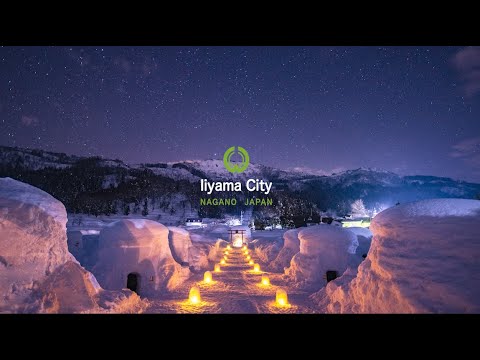
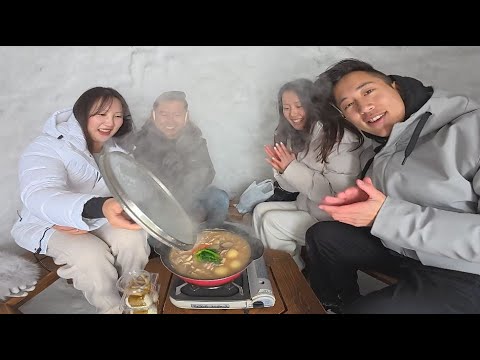
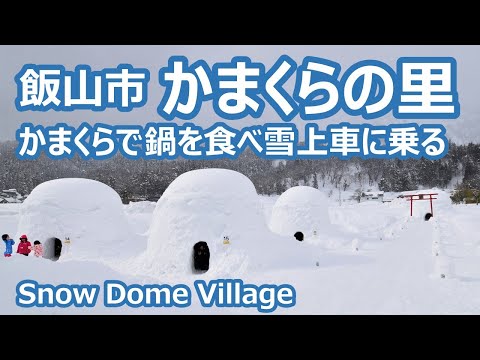
If you're interested in Japan’s winter travel experiences, the video below introduces Kamakura no Sato in Iiyama, Nagano, where visitors can enjoy dining inside beautiful snow huts. This video shows how local food, snowy scenery, and seasonal traditions come together to create a luxurious winter-only experience.