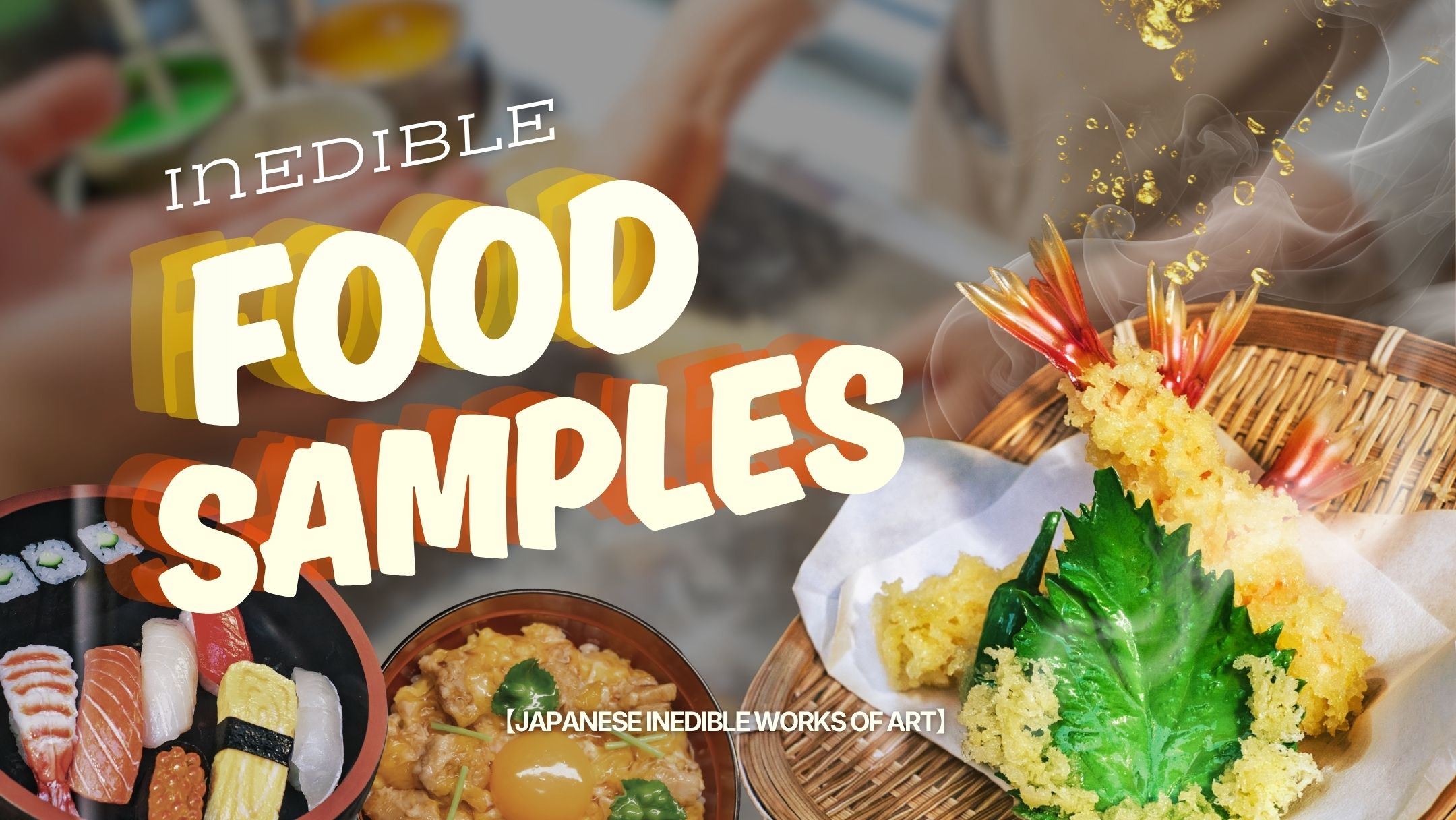
There are not many countries in the world where you can intuitively understand what kind of dining experience you are about to have before your food even arrives. One reason for this in Japan is the presence of shokuhin sanpuru, food replicas, displayed in glass cases at restaurant entrances.
The tiny droplets of oil on a bowl of ramen, the way the curry spreads to the rim of a plate, the crisp, airy texture of tempura batter. Every detail is crafted with such precision that it is easy to mistake it for real food. Yet none of it can be eaten. In Japan, these replicas have long been a familiar part of the dining scene. However, elsewhere, many people are astonished, wondering why anyone would go to such lengths to recreate a meal that is not meant to be eaten.
Food replicas were born in Japan and have since evolved in unique ways. They are far more than mere decorations. They are a tool to communicate the full story of a meal without a word, from its ingredients to its portion size. Where menu names and flat photographs can fall short, food replicas provide clarity and certainty that put the customer at ease.
Behind food replicas lies Japan’s thoughtful approach to hospitality. Even a small gap between what someone expects and what arrives at the table can affect how the entire meal feels. Over time, restaurants refined food replicas as a simple way to show, rather than explain, what the customers can expect.
Today, the number of people from many different linguistic and cultural backgrounds receiving services in the same settings is increasing worldwide. Clear visual cues and systems that do not rely on explanation are becoming more valuable. For this reason, food replicas are gaining attention not only as a distinctive part of Japanese culture, but as a useful and practical product relevant far beyond Japan.
Iwasaki Food Sample Overview
As a pioneer in the food replica industry, Iwasaki has long supported Japan’s dining culture. Their reputation is built on more than just technical skills. It is rooted in deep respect for restaurant operations and an uncompromising commitment to details that have earned trust.
Their true strength lies in designing with the customer’s experience in mind. Iwasaki has transformed the food replica from a mere decoration into an essential tool in the food service industry.
What are Food Replicas?
Source: Iwasaki Bei Homepage
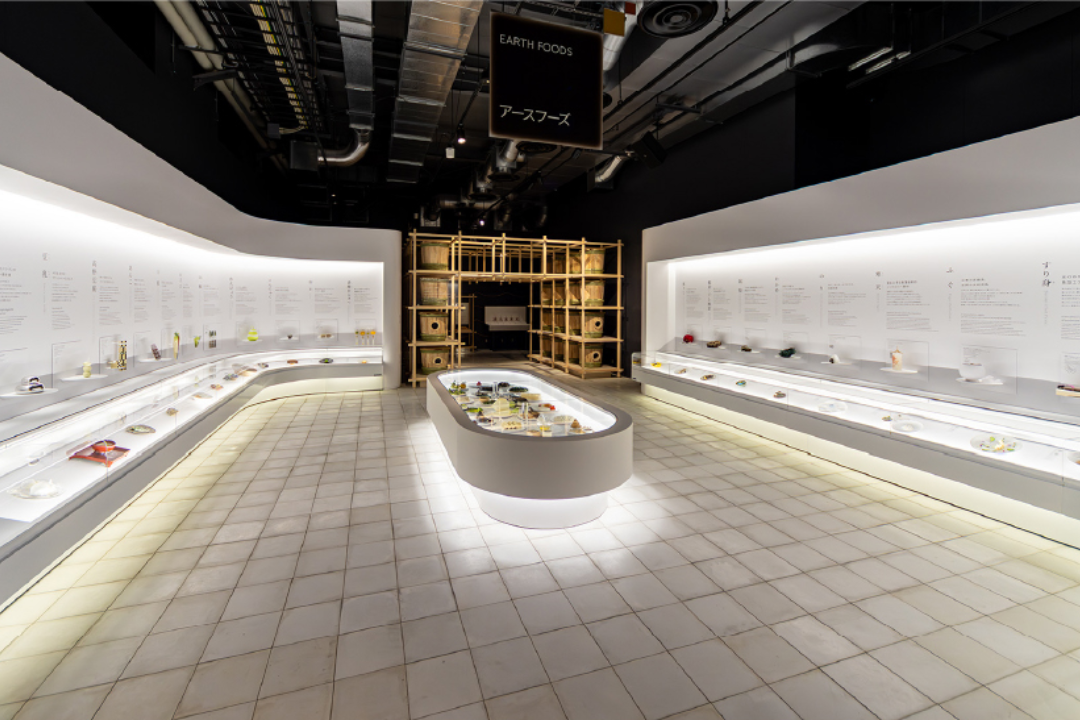
Food replicas are three-dimensional models that realistically represent the actual dishes. They are primarily placed in restaurant storefronts or in display cases to help customers choose their meals.
Their most distinctive feature, unlike photographs or illustrations, is that they are three-dimensional. Customers can grasp the height of the dish, the arrangement of ingredients, and the balance with the plate. Even unfamiliar dishes can be easily imagined through food replicas. This is especially beneficial for Japanese cuisines, where menu names often do not convey what the dish contains.
The process is intuitive. Customers can browse the replicas to choose their meals, and in some cases, they can even order by pointing. This systemis particularly helpful for tourists who do not understand Japanese, as well as children and elderly people who may struggle with written information.
Wax was the primary material used, however, resin has become the standard in the recent years. The improved durability allows the food replicas to be displayed for longer. Prices vary widely from small, simple items to large custom displays consisting of multiple menu items, depending on the level of detail and customization required.
Many restaurants consider food replicas as long-term investments rather than temporary advertisements. They help sell food while providing infrastructure that assists in smooth communication with customers.
Why Food Replicas Are Irreplaceable
The most unique aspect of food replicas is their level of realism that makes you wonder if such extraordinary effort is necessary. They do not merely trace the outlines of the dish, but replicate the sheen of oil, the flow of the sauce, the unevenness of noodles, and even how the dish will appear over time.
The difference compared to photos or videos is clear. A photo captures one angle and is highly influenced by lighting and shooting conditions. However, food replicas convey consistent information from any angle, allowing customers to change their viewpoints freely. The key strength og three-dimensional object is the ability to present the same information from every angle.
Food replicas also offer value that differs from digital menus or tablet ordering systems. While digital displays excel at updates and multilingual support, they create a sense of distance from the food. Food replicas exist in the physical space and allow customers to ‘experience’ the dish on the spot. The physical presence contributes to the restaurant’s atmosphere and leaves a stronger impression on the memory.
The idea that customers should not have to ask for explanations and that showing before telling is a valued culture in Japan. The precision of food replicas is a direct result of this thinking. They are not simply promotional items, but products formed by Japan’s service philosophy.
How Food Replicas are Used
Food replicas are not limited to restaurant storefront displays. They serve various roles across different industries.
In tourist areas with high inbound demand, they function as essential tools for overcoming language barriers. Even with multilingual menus, it can be difficult to convey the exact image of a dish. Food replicas eliminate the need for reading descriptions, significantly reducing stress when ordering.
In commercial facilities and food courts, their role is to speed up the decision-making process. When many people need to choose meals in a limited time, food replicas enable quick choices, improving turnover rates and operational stability.
In culinary schools and training facilities, they are used as an educational tool. By visually sharing the completed form of the dishes, instructors can more efficiently teach plating and presentation without repeatedly preparing real food, resulting in reduced cost and food waste.
At exhibitions and events, food replicas allow businesses to present menus and brand images even when real food cannot be displayed, enhancing the quality of presentations and business negotiations.
Food replicas are used in many different settings, helping solve challenges and offering value that goes beyond simply showing what a dish looks like.
Why Food Replicas are Long-Lasting Professional Tools
Source: Iwasaki Bei Homepage
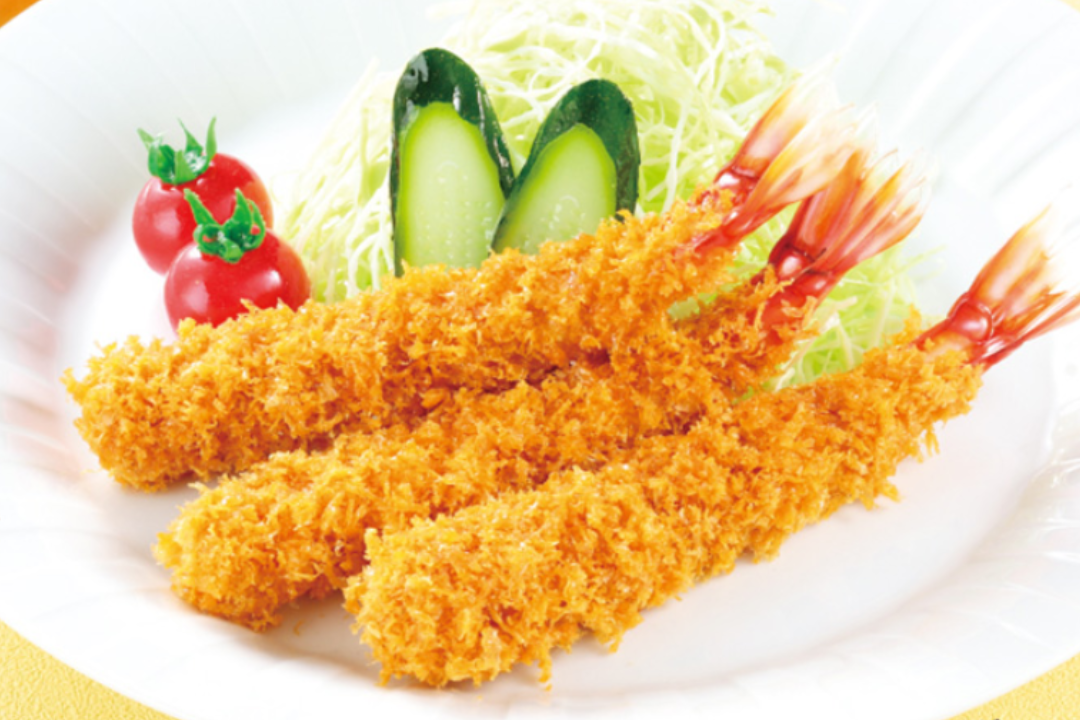
Though food replicas may resemble crafts or displays, they are fundamentally professional tools. The production of these requires not only visual accuracy, but durability and stability as well.
Production begins with close observation of real dishes, identifying the color, shape, ingredient placement, and light reflection. This precision at the observation stage greatly influences the final quality of the replicas.
Resin is now the standard material used, due to its durability and its ability to withstand temperature changes and lighting conditions. Restaurant entrances can be a harsh environment, as they tend to be exposed to sunlight and air conditioning, and food replicas must maintain quality under these conditions.
The manufacturers also balance reproducibility with consistency. The craftsman combines their skills with strict process control to produce multiple replicas at the same quality level. This has positioned food replicas as reliable professional products rather than decorative items.
Food Replicas as ‘Translators’ of Food Culture
Food replicas help people quickly capture the essence of Japan’s regional dishes in a way that names of description alone often can’t. Because local specialties are often rooted in unique traditions, seeing them in the displays makes a potentially confusing menu into an inviting discovery.
Even the most unfamiliar ingredients or unique plating styles suddenly feel more approachable. In tourist areas, these displays act as a welcoming gateway, giving visitors the confidence to experience local food culture without hesitation.
Food replicas embody the Japanese cultural value of preparing an environment where understanding is possible without excessive explanation. In this sense, food replicas act as translators of Japanese food culture and service philosophy.
Feedback Based on Real Use
Feedback on food replicas is largely based on real experience. Restaurant operators in Japan report reduced time spent explaining menus and fewer order mistakes. Particularly in locations with many tourists or first-time customers, it helps reduce the workload for staff.
Customers often describe food replicas as an easier way to understand than photos, as enjoyable to browse, and as reassuring when ordering. By matching expectations with reality before the meal is served, you ensure a much higher level of customer satisfaction.
International visitors frequently share their surprise at the realism of food replicas. As tourists share photos and videos of these online, they have often become symbolic representations of Japanese culture.
These reactions and reviews show that food replicas are more than just a tool; they are memorable experiences. The combination of visual impact and usability leaves a strong impression on many people.
Why Food Replicas are Gaining International Attention
Although food replicas are described as unique to Japan, the principle is universal. It is about conveying information in a way anyone can understand. There is a growing need for visual information that can be conveyed to anyone in a place where people from different languages and cultures receive the service.
In restaurants serving multinational customers, menu clarity strongly affects the dining experience. Food replicas supplement what translations and photos cannot convey, including portion size, composition, and presentation. This brings peace of mind when ordering a new meal.
In experiential dining environments or themed restaurants, food replicas can also serve as part of spatial design, building the anticipation before the meal arrives. They help create a memorable experience that photos or digital displays cannot easily replicate.
The strong interest in Japanese food culture across Asia has created an ideal market to integrate the visual clarity that food replicas offer. Western countries may also benefit from this, especially in tourist sites, airports, and museum diners as a way to seamlessly bridge the communication gap.
Proven Track Record in Japan
Source: Iwasaki Bei Homepage
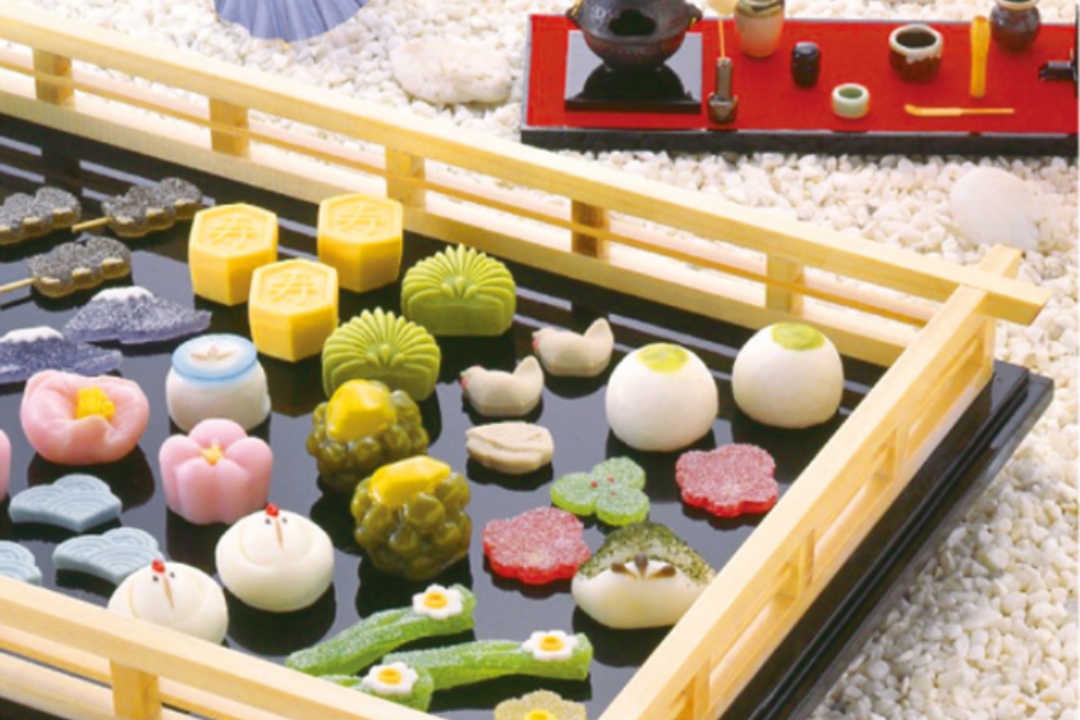
Food replicas have been a staple of Japan’s restaurants, commercial establishments, and tourist destinations for decades. The presence of a display case in department stores, station buildings, and busy dining districts represents more than just a menu. It is a symbol of a restaurant that is clear, welcoming, and trustworthy.
In Japan, many people feel hesitant when stepping into an unfamiliar restaurant, wondering exactly what kind of meal they will receive. Food replicas help remove this uncertainty. By allowing diners to confirm everything from portion sizes to plating style visually, the replicas lower the barrier to entry, which in turn drives foot traffic and improves table turnover.
In tourist areas, these replicas act as guides that do not require a word of Japanese. For international visitors, text-heavy menus can be confusing, and flat photos often fail to capture the reality of a dish. Food replicas solve this by instantly conveying the essence of a meal, regardless of language or nationality.
Through this long history of practical use, food replicas have evolved from simple promotional tools into a vital part of the infrastructure supporting Japan’s dining culture. Their longevity in the market is the ultimate proof of their reliability and the essential role they play in the food service industry.
Why Global Businesses Should Pay Attention Now
While food replicas are a product of Japan’s unique cultural history, their core value is universal: ‘clear, effortless communication’. In a globalized society where language and cultural differences are the baseline, the ability to convey a message instantly is more valuable than ever.
Businesses do more than just improve the customer experience by creating an environment where a dish can be understood without a single word of explanation. They lighten the load for their staff. The food replicas also serve as a preventive measure, smoothing over potential misunderstandings between a guest and a server.
For global companies, these replicas are far more than a ‘Japanese curiosity’. They reflect a thoughtful approach to communication design that prioritizes visual information, seamless service, and meaningful experience.
This system holds potential far beyond the restaurant floor and can be adapted across different industries and cultures. Ultimately, food replicas represent a tangible expression of a deeply thoughtful service philosophy.
FAQ About Food Replicas
1. What Are Food Replicas?
Food replicas are highly realistic, three-dimensional models of actual dishes. They are commonly displayed in restaurant showcases or storefronts to visually communicate the contents, portion size, and presentation of menu items. They are a distinctive feature of Japan’s dining culture.
2. Why Did Food Replica Culture Develop in Japan?
It stems from a customer service philosophy focused on clarity and making things understandable at a glance without requiring explanation. By allowing customers to see what they are ordering clearly, food replicas help reduce uncertainty and ordering errors, improving overall satisfaction.
3. How Are They Different from Photos or Digital Menus?
The key difference is their ability to convey three-dimensional information. Food replicas show height, ingredient placement, and portion size in a way that can be understood instantly from any angle, offering a physical presence that photos or screens cannot replicate.
4. What Materials Are They Made From?
While wax was traditionally used, modern food replicas are primarily made from durable resin materials. These are resistant to sunlight and temperature changes, allowing them to be displayed for long periods without deterioration.
5. Are They Helpful for International Tourists?
Yes, food replicas are highly valued as a “no-language-needed” menu guide. Even without understanding Japanese, customers can easily grasp what a dish contains just by looking at it, lowering the barrier to ordering.
6. What Benefits Do They Offer to Restaurants?
They help reduce ordering mistakes and the need for detailed explanations. By making dishes easier to visualize, they also create a sense of confidence and anticipation, which can lead to higher customer entry rates and increased orders.
7. Are Food Replicas Used Outside of Restaurants?
Yes, they are also used in culinary schools, exhibitions, and tourist facilities. They serve as educational tools to demonstrate finished dishes and as visual displays to communicate menus or brand concepts at events.
8. Why Are They Gaining Attention Overseas?
They function as a universal communication tool that can be understood regardless of language or culture. In restaurants and tourist facilities serving diverse customers, they reduce the need for explanations while enhancing the overall experience, and are also recognized as a symbol of Japanese culture.
9. Are Food Replicas Considered Craft Art?
Yes, their detailed realism, such as the sheen of oil, the irregularity of noodles, and the flow of sauces, has led to their being described as “inedible art.” Internationally, they are appreciated as examples of Japanese craftsmanship and are popular as tourist attractions and souvenirs.
10. What Is the Main Value of Food Replicas?
Their greatest value lies in communicating information without the need for explanation. By conveying details visually and intuitively, they allow people of all backgrounds to choose meals with confidence, embodying Japan’s spirit of hospitality and service.
Related Videos
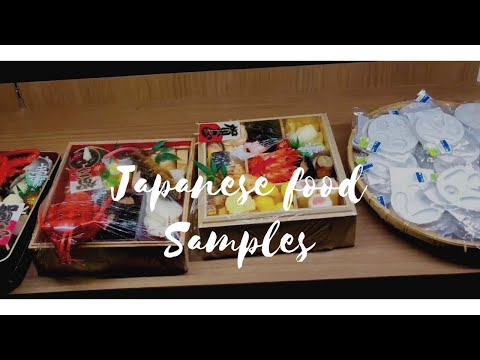
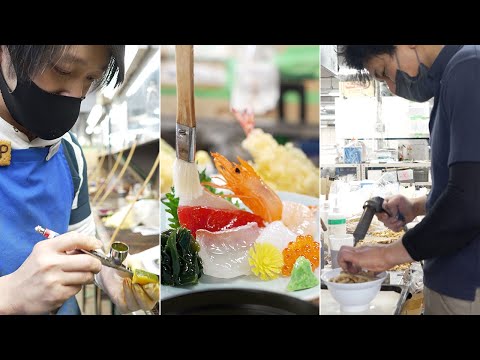
If you're interested in Japan’s incredibly realistic food replicas, the video below introduces the artistry behind these edible-looking creations. This video shows how skilled craftsmen recreate dishes in stunning detail, turning everyday meals into a unique cultural icon admired around the world.