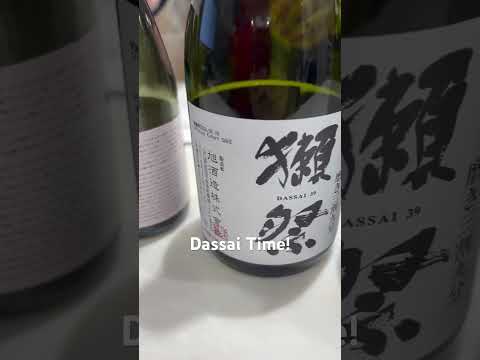
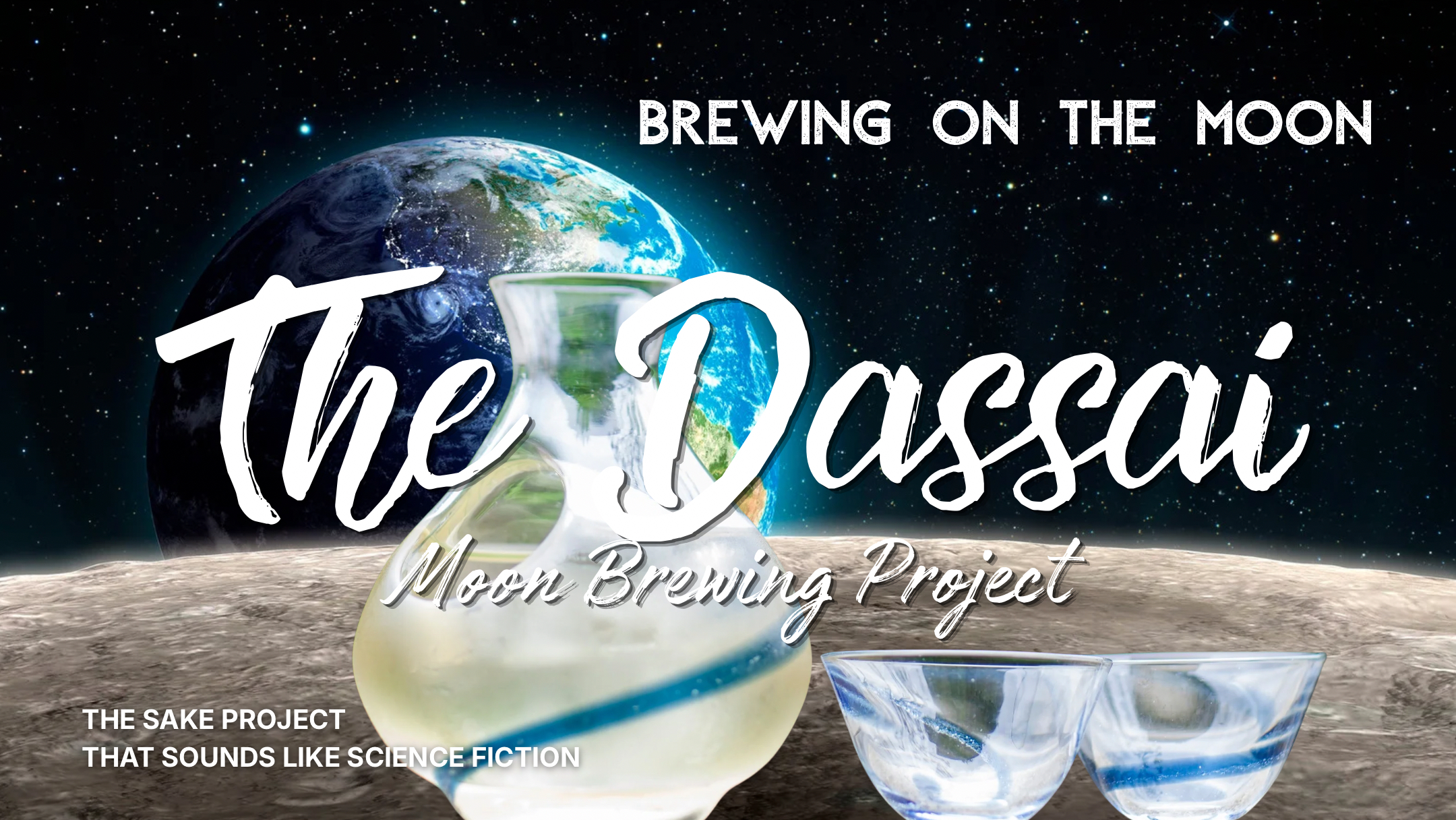
For centuries, sake has been defined by place.
Water, rice, climate, microorganisms, and the people who bring them together have long made sake one of the most regionally rooted alcoholic beverages in the world. Unlike products that can be easily replicated elsewhere, sake has traditionally been viewed as something inseparable from its local environment.
One company, however, has spent decades challenging that assumption.
Based in Iwakuni, Yamaguchi Prefecture, Asahi Shuzo, the maker of the premium sake brand Dassai, has built its reputation on a different philosophy. Rather than relying solely on inherited craftsmanship and intuition, the company has focused on measuring, documenting, and standardizing every possible aspect of the brewing process. Its goal has never been to replace human expertise, but to make excellence reproducible.
That approach helped transform sake from a niche regional beverage into a globally recognized premium product. By emphasizing quality control, process engineering, and consistency, Dassai positioned itself as a brand capable of speaking to international audiences while remaining rooted in Japanese brewing traditions.
Now, Asahi Shuzo is pursuing its most ambitious challenge yet: brewing sake in space.
At first glance, the idea sounds like a publicity stunt. Experiments designed for lunar environments, fermentation in low-gravity conditions, and studies of microbial behavior beyond Earth seem more like science fiction than sake production.
Yet the project is not primarily about marketing, novelty, or creating a futuristic luxury item.
Instead, it represents the logical extension of questions the company has been asking for years. How much sake brewing is truly essential? Which parts depend on Earth's environment, and which can be recreated elsewhere? If fermentation is understood as a process rather than a tradition tied to one location, could it function beyond our planet?
These questions are becoming increasingly relevant. Around the world, fermented foods and beverages are being reexamined through the lenses of sustainability, food security, and long-term preservation. In the space industry, researchers are exploring how future lunar bases and deep-space missions might develop sustainable food systems. The challenge is not simply transporting food from Earth, but creating food production methods that can operate in entirely new environments.
For Asahi Shuzo, the objective is not to bring sake to space. It is to determine whether sake brewing itself can exist there.
Why is the company pursuing this challenge now? What does it reveal about the future of fermentation technology? And what does it mean for the Dassai brand?
To answer those questions, it is worth taking a closer look at the Dassai Moon Brewing Project and the philosophy behind it.
The Dassai Moon Brewing Project Overview
The Dassai Moon Brewing Project is not about enjoying a glass of sake on the Moon.
Instead, it is a research and development initiative designed to explore whether the process of sake brewing can be extended beyond Earth. Based on the information released by the company, the project's ultimate goal is not the creation of a limited-edition product. Rather, it is an attempt to understand the portability of fermentation itself.
Sake is made from relatively simple ingredients: rice, water, koji mold, and yeast. Yet the fermentation process depends heavily on environmental conditions. Gravity influences fluid movement inside fermentation tanks. Temperature differences create convection currents that help distribute heat and nutrients. Microbial growth patterns are shaped by physical conditions that humans rarely notice because they are constants on Earth.
On the Moon or in low-gravity environments, many of these assumptions may no longer apply.
Without normal convection, temperature distribution could change. Ingredients might behave differently during fermentation. Microorganisms could respond in unexpected ways. Processes that brewers take for granted today may require entirely new approaches.
This is precisely what makes the project significant.
Rather than trying to reproduce Dassai sake in space exactly as it is brewed on Earth, Asahi Shuzo is attempting to identify which parts of the brewing process are fundamentally necessary and which are merely products of Earth's environment. The implications extend beyond sake and touch on fermentation science as a whole.
At present, no official pricing or commercialization plans have been announced. This reflects the fact that the project remains firmly in the research stage. Even if moon-brewed sake eventually reaches the market, its value would likely lie less in its exclusivity and more in what it proves about the future of fermentation.
In that sense, the project should not be viewed as a beverage product alone.
The most important outputs may be data: how fermentation behaves under unusual conditions, how stable the process remains, how ingredients can be transported and preserved, and which stages are most vulnerable to environmental changes. These findings could eventually influence food production systems on Earth as much as those envisioned for space.
Viewed only as "making sake on the Moon," the project may seem unconventional.
Viewed as an effort to redefine fermentation as a transferable industrial technology, it becomes something far more significant.
Why the Dassai Moon Project Matters
The Dassai Moon Project is far more than an experimental side project or a futuristic luxury concept. At its core, it represents an attempt to test one of Asahi Shuzo's most fundamental beliefs under the harshest conditions imaginable. For decades, the company has worked to transform sake brewing from a craft dependent on intuition into a process that can be understood, measured, and continuously refined. The Moon project extends that philosophy beyond Earth itself.
The Strategic Science Behind the Dassai Moon Project
Rather than focusing solely on how sake can be improved within familiar brewing environments, the project asks a deeper question: which elements of sake production remain essential when many of Earth's natural conditions no longer exist? By removing assumptions tied to gravity, atmospheric conditions, and traditional brewing infrastructure, the initiative seeks to identify the true foundations of fermentation.
The primary objective is not simply to create a bottle of sake brewed on the Moon. Instead, the project centers on understanding fermentation itself. Researchers are exploring how yeast and koji behave under altered gravitational conditions, how liquids circulate when natural convection is limited, and which stages of the brewing process can function normally versus those that require entirely new approaches. In many respects, the project resembles a scientific research program more than a conventional beverage development effort.
Testing the Frontiers of Fermentation
The knowledge gained through these experiments could extend well beyond the sake industry. Future food production systems for space habitats, disaster-response environments, remote communities, and regions with limited resources may all benefit from a deeper understanding of how fermentation operates under unusual conditions. By studying brewing in one of the most extreme environments imaginable, researchers can uncover insights that may ultimately improve food resilience in a wide range of settings.
The absence of immediate commercial goals highlights this purpose. Asahi Shuzo is not currently marketing a luxury product or chasing a publicity stunt. Instead, it is testing a hypothesis: can fermentation transcend the environment? If moon-brewed sake eventually becomes a reality, its significance will lie less in its rarity and more in what it proves about the adaptability of fermentation technology.
For Asahi Shuzo, Dassai has never been viewed as a finished achievement. It has always been an evolving experiment. The Moon project simply pushes that philosophy further than ever before, taking the pursuit of brewing knowledge into entirely new territory.
Why This Could Only Be Done by Dassai
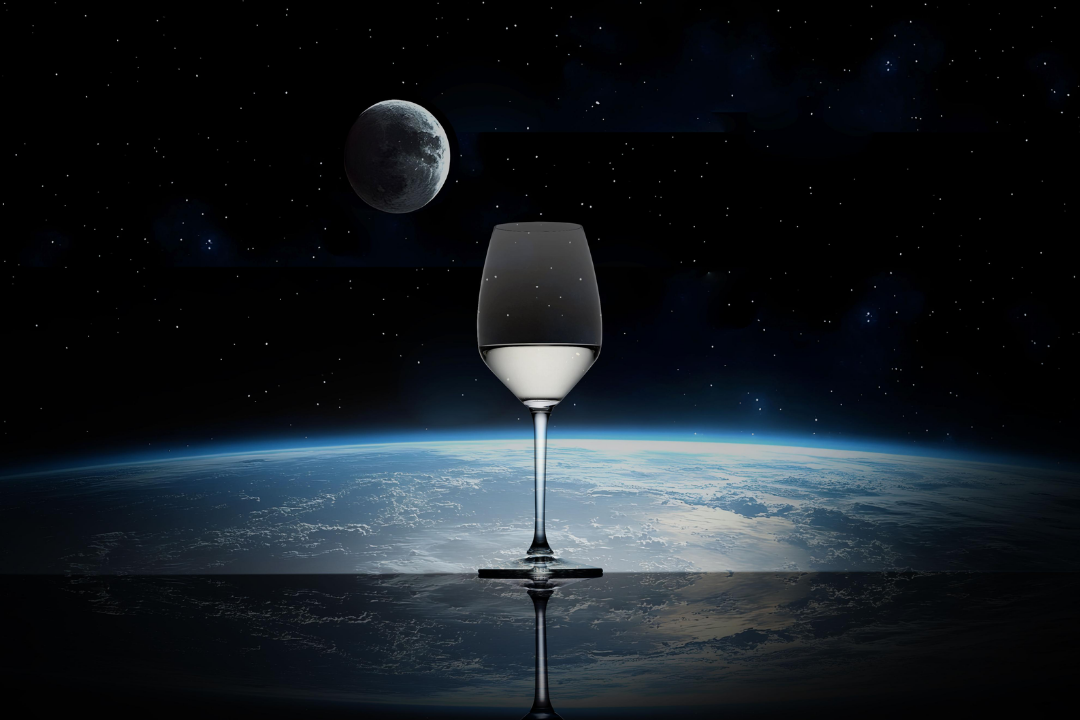
Source: Dassai MOON Homepage
Brewing sake in space presents immense technical challenges, but an equally important question is who has the capability to pursue such an ambitious project in the first place. The reason the Dassai Moon Project feels credible is that it builds upon decades of work that Asahi Shuzo has already undertaken.
One of the company's defining characteristics has been its commitment to understanding sake brewing as a structured process rather than an opaque craft. Over the years, factors such as rice polishing ratios, fermentation temperatures, ingredient conditions, and production timelines have been systematically documented, analyzed, and refined. By reducing reliance on unwritten knowledge and intuition alone, Asahi Shuzo created an environment where individual variables can be identified, tested, and improved. This foundation makes rigorous scientific experimentation possible.
Another key factor is Dassai's long-standing emphasis on reproducibility. While many breweries celebrate the uniqueness of local conditions and regional identity, Dassai has consistently focused on whether exceptional quality can be achieved repeatedly and reliably. From this perspective, the Moon is not a marketing gimmick. It is simply the most demanding environment imaginable in which to test that philosophy.
Building the Experimental Playground
The company also approaches fermentation as both a cultural tradition and a technological discipline. While deeply respectful of sake's heritage, Asahi Shuzo believes that preserving tradition requires continual innovation and deeper technical understanding. Investigating how microorganisms behave under radically different environmental conditions contributes not only to sake production but also to broader knowledge within fermentation science.
Perhaps most importantly, the project is designed with future applications in mind. Insights gained from lunar brewing experiments could inform food production systems in extreme climates, disaster-response scenarios, remote locations, and eventually even long-term space habitats. The potential value of this research extends well beyond alcoholic beverages.
For these reasons, the Dassai Moon Project should not be viewed merely as an unusual intersection of sake and space exploration. It is the culmination of decades spent questioning what sake truly is, which parts of the brewing process matter most, and how those principles can be adapted to entirely new environments. That history is what transforms the project from an intriguing concept into a credible and meaningful experiment.
The Challenges That Inspired the Project
The Dassai Moon Project did not emerge in isolation. It is rooted in a fundamental question that Asahi Shuzo has been exploring for years: how can sake continue to thrive in a world where environmental and social conditions are constantly changing?
Sake production depends on a complex combination of factors, including water quality, climate, microorganisms, skilled labor, and stable infrastructure. Each of these elements influences the brewing process, and disruptions to any one of them can create significant challenges. As Japan's sake industry confronts long-term issues such as an aging workforce, population decline, climate change, and shifting agricultural conditions, the need to rethink traditional assumptions has become increasingly apparent.
Rather than focusing solely on preserving existing methods, Asahi Shuzo has chosen to examine the foundations of those methods themselves. The Moon serves as an extreme testing environment precisely because it removes many of the conditions brewers typically rely upon. By studying fermentation under such circumstances, researchers can better understand which factors are truly essential and which may be more adaptable than previously assumed.
Why Dassai’s Space Initiative Bypasses Luxury Marketing
The project has also been shaped by developments in the global space sector. As governments and private companies move closer to long-term lunar missions and future off-Earth settlements, food production has become an increasingly important area of research. Beyond meeting nutritional needs, scientists recognize the value of familiar foods and cultural practices in supporting human well-being during extended missions.
Fermented foods have attracted particular interest because of their efficiency, preservation capabilities, and potential nutritional benefits. Within this broader context, the question of whether sake can be brewed beyond Earth becomes more than a novelty. It becomes a legitimate scientific and cultural inquiry with implications for future human habitation.
The project also carries significance for international audiences. Although sake has gained popularity worldwide, it is still often viewed as a product tied closely to specific regions and difficult to reproduce elsewhere. Demonstrating that high-quality brewing principles can function under extreme conditions could help reposition sake as both a traditional beverage and a transferable technology.
Viewed from this perspective, brewing sake on the Moon is not a futuristic fantasy. It is a practical effort to address challenges that the industry is already facing today while preparing for the environments of tomorrow.
What Industries Could Benefit From Moon Brewing?
Although the Dassai Moon Project remains in the research stage, the questions it explores have implications that extend far beyond the sake industry. At its heart is a simple but profound challenge: understanding how fermentation functions in extreme environments.
The most obvious connection is to space exploration and future off-Earth habitation. Long-duration missions require more than stored food supplies; they require sustainable systems capable of producing food within isolated environments. Fermentation offers a promising solution because it can generate nutritional and culinary value from relatively limited resources. Insights gained through lunar brewing research may contribute to the development of future food systems for space stations, lunar bases, and eventually human settlements beyond Earth.
The project may also offer valuable lessons for food and beverage manufacturing on Earth. Understanding how fermentation behaves under unusual conditions could improve process stability in regions with limited infrastructure, remote production facilities, or areas affected by significant environmental variability. By identifying which stages of fermentation are most vulnerable to changing conditions, producers may be able to develop more resilient and adaptable manufacturing systems.
Translating Space-Based Fermentation into Terrestrial Food Resilience
Disaster preparedness represents another potential application. Throughout history, fermentation has played an important role in food preservation and resource efficiency. If reliable fermentation systems can be designed to operate under extreme constraints, similar principles could one day support food production during supply chain disruptions, emergency situations, or natural disasters.
The project also creates opportunities for collaboration across multiple scientific fields. Unlike traditional product development efforts aimed at bringing a specific item to market, the Dassai Moon Project is fundamentally focused on generating knowledge. As a result, its findings may be relevant to researchers working in biotechnology, food science, microbiology, engineering, environmental systems, and space technology.
In this sense, the project should not be viewed as a single experiment with a predetermined commercial outcome. Instead, it functions as a research platform capable of generating insights that multiple industries can apply. While Asahi Shuzo remains a sake producer at its core, initiatives like the Dassai Moon Project increasingly position the company as a participant in the broader exploration of fermentation technology and its future possibilities.
Designing Without Bringing Earth’s Assumptions Into Space
One of the most carefully considered principles behind the Dassai Moon Project is the decision not to simply transplant successful Earth-based brewing methods into space. Sake brewing is built on countless practices refined through generations of experience, but many of those practices depend on Earth-specific conditions such as gravity and natural convection. Once the environment changes, those assumptions may no longer hold true.
To address this, the project first breaks down every stage of the brewing process to identify which factors are fundamentally responsible for quality. How rice dissolves, how koji mold propagates, how yeast behaves, and how temperature is managed are all being examined in detail. Unless brewers can clearly explain why each process works, they cannot properly adapt it to a different environment. The focus is therefore placed not on outcomes, but on understanding the mechanisms behind them.
Scaling Data-Driven Brewing to the Lunar Surface
Quality control must also be rethought. On Earth, natural convection within fermentation tanks helps distribute heat and ingredients evenly. In a low-gravity environment, that assumption disappears. Researchers must investigate how liquids move, whether ingredients become unevenly distributed, and whether microbial populations remain balanced. As a result, temperature control systems and mixing methods must be redesigned from the ground up.
Even the metrics used to evaluate quality are being reconsidered. Traditional sake production places significant emphasis on sensory evaluations such as aroma and flavor. In the Moon Project, however, fermentation stability and reproducibility are even more important. The key question becomes whether identical conditions consistently produce the same behavior. Verifying that consistency provides the foundation for future process design. In this sense, the project resembles research and development more than conventional product development.
Safety standards are equally demanding. In space, even minor problems can quickly escalate into serious consequences. From ingredient management and microbial handling to container design, every aspect must be engineered to minimize unexpected risks. The knowledge gained from these stringent safety requirements may ultimately improve brewing practices on Earth as well.
Importantly, the project is not attempting to create a special sake through special methods. Instead, it seeks to determine what aspects of sake brewing remain valid when all nonessential conditions are stripped away. By distinguishing what must change and what must remain constant between Earth and space, the project helps reveal the fundamental core of sake brewing itself.
The manufacturing systems and quality control frameworks being developed for the Dassai Moon Project are not intended as a final answer. Rather, they provide a foundation for continually asking new questions. This mindset is what allows space to function as a legitimate experimental environment rather than merely a publicity opportunity.
Preserving Tradition Through Continuous Reinvention
To understand the Dassai Moon Project, it is essential to recognize that it is not an isolated initiative or research theme. It emerges directly from Asahi Shuzo’s broader management philosophy. The lunar setting may attract attention, but the real story lies in the company’s consistent answer to a fundamental question: Why go this far?
For years, Asahi Shuzo has confronted structural vulnerabilities within the sake industry itself. These include reliance on individual artisans for technical knowledge, dependence on local conditions, and slow adaptation to a shrinking domestic market. Such issues are difficult for any single brewery to solve and represent risks shared across the industry. Rather than accepting them as unavoidable realities, Dassai has continuously questioned whether these structures can be fundamentally improved.
This mindset is embodied by company president Hiroshi Sakurai. Throughout his career, Sakurai has viewed sake not as a finished tradition that must simply be preserved, but as an evolving technology that requires continual refinement. Rather than rejecting the past, he evaluates which elements should be maintained and which must be changed to remain relevant in the future. This philosophy led to Dassai’s focus on Junmai Daiginjo production and its quality standards designed with international markets in mind.
The concept of brewing sake on the Moon follows this same logic. It is not a low-risk endeavor. The likelihood of failure is significant, and meaningful results may take years to emerge. Yet that is precisely why the challenge is considered worthwhile. Incremental improvements within familiar environments may not solve the deeper issues facing the sake industry. The Moon Project reflects a willingness to confront those challenges directly.
The project also addresses a future in which current brewing conditions may no longer be available. Labor shortages, environmental changes, and shifting economic realities could make traditional production methods increasingly difficult to sustain. Testing brewing systems in extreme environments is a way of preparing for future constraints before they become unavoidable. The Moon serves as a highly visible symbol of that preparation.
Dassai’s approach is therefore not driven by idealism alone. It is a practical response to long-term concerns. Preserving tradition requires a commitment to continuous adaptation. This willingness to evolve allows Asahi Shuzo to move beyond the boundaries of sake and explore the broader potential of fermentation technology itself.
Looking Toward the Moon While Digging Deeper Into Local Roots
Although the Dassai Moon Project reaches toward one of humanity’s most advanced frontiers, it remains deeply connected to Japanese culture and craftsmanship. At its core lies a brewing philosophy shaped by Japan’s long history of fermentation and regional manufacturing traditions. The project does not reject these values; rather, it seeks to test them under the most demanding conditions imaginable.
Asahi Shuzo is based in Iwakuni, Yamaguchi Prefecture, a region known for its excellent water resources and rice-growing heritage. Yet the company’s focus has never been simply to market local identity as a story. Instead, it has sought to understand which aspects of that environment truly matter. What defines high-quality water? Which characteristics of sake rice affect specific stages of production? By breaking regional conditions into measurable components, Dassai has gradually reduced its dependence on geography without abandoning its roots.
Japanese fermentation culture has traditionally evolved through cooperation with nature rather than total control over it. Microorganisms are not treated as variables to dominate but as partners whose behavior must be understood. This philosophy remains central to Dassai’s brewing approach. Even within the Moon Project, researchers are not attempting to force every outcome through artificial control. Instead, they observe how microorganisms behave in new environments and adjust conditions accordingly. Despite its futuristic setting, the project remains deeply rooted in Japanese ways of thinking.
Sake has also long been associated with celebrations, milestones, and shared experiences. Attempting to establish sake brewing within humanity’s future activities on the Moon can therefore be viewed as an effort to extend Japanese cultural practices into a new frontier. However, this is not about transplanting culture unchanged. It is about redesigning the conditions that allow culture to emerge and thrive.
Dassai’s objective is not to preserve “Japanese-ness” as a symbolic label. Rather, it aims to demonstrate the practicality and adaptability of Japan’s fermentation traditions in forms that remain effective regardless of location. Choosing the Moon, the furthest possible testing ground, creates a paradox that strengthens both regional identity and global relevance.
This ability to simultaneously look toward the future while remaining grounded in local foundations is one of the defining characteristics of the Dassai brand. In the next section, we examine how this ambitious project has been received within Japan and why it has earned serious attention beyond its novelty.
More Than a Publicity Story
Source: Dassai MOON Homepage
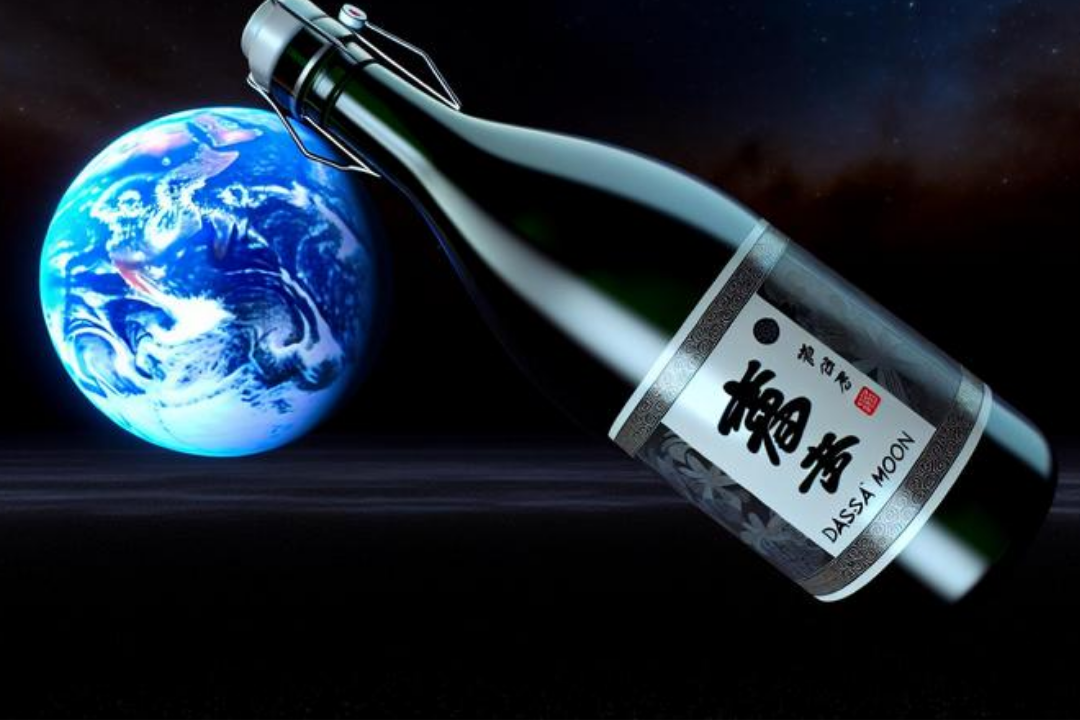
The Dassai Moon Project has attracted considerable attention since its inception. What makes it noteworthy, however, is that it has not been dismissed as a one-time publicity stunt. Because of the reputation Dassai has already established within Japan, even a concept as unconventional as lunar sake brewing is widely viewed as a legitimate challenge rather than a marketing spectacle.
Dassai occupies a unique position within the sake industry. Its decision to focus exclusively on Junmai Daiginjo sake was once considered risky, yet it ultimately created a clear quality identity that gained recognition both domestically and internationally. The brand’s continued presence in department stores, specialty retailers, and restaurants throughout Japan demonstrates that its credibility is built on sustained performance rather than temporary trends.
Although Dassai frequently appears in the media, the discussion often extends beyond awards and sales figures. The company has consistently engaged in conversations about the future of the sake industry itself, addressing issues such as production systems, international expansion, and quality standards. Within that broader context, the Moon Project is not an unexpected departure but a logical continuation of long-standing discussions.
Because Dassai has already earned trust through its products and philosophy, it can pursue initiatives that involve significant uncertainty. While innovation is sometimes approached cautiously within the sake industry, Dassai benefits from a reputation that encourages observers to focus not only on what is being attempted but also on who is attempting it.
The project has also attracted interest from researchers and engineers. Experiments involving fermentation and microbial behavior under extreme conditions carry scientific value beyond the sake industry. As a result, Dassai is increasingly discussed not only as a brewery but also as an organization engaged in meaningful research and development.
The Moon Project therefore rests upon decades of accumulated trust and achievement. Public interest follows because the foundation already exists. That relationship between credibility and innovation highlights one of the key strengths of the Dassai brand.
The Moment Sake Expands Beyond Its Category
The reason the Dassai Moon Project attracts international attention is not simply because sake is heading to space. From the perspective of foreign companies and research institutions, the project serves as an experiment in determining whether Japanese fermentation technology can function as an industrial process independent of specific environmental conditions.
Internationally, sake is already respected as a premium alcoholic beverage. Yet that reputation is often accompanied by perceptions that it is delicate, difficult to produce, and heavily dependent on unique local environments. By exploring brewing under lunar conditions, Dassai seeks to demonstrate not vulnerability but adaptability; the idea that fermentation systems can be redesigned to function beyond their traditional context.
Particularly compelling is the project’s focus on reproducibility and portability. In global food and beverage industries, the ability to consistently replicate quality across multiple locations is a critical requirement. Dassai’s efforts to deconstruct and standardize brewing processes may help reposition sake from an imported specialty product to a platform for local production and collaborative development.
The project also connects to broader discussions about food production in extreme environments. Beyond space exploration, questions surrounding fermentation in deserts, polar regions, and areas with unstable infrastructure are increasingly relevant. If fermentation systems can function under lunar conditions, they may offer solutions for many challenging environments on Earth as well. This practical logic resonates strongly with international researchers and businesses.
The cultural dimension is equally important. While sake represents Japanese culture, the underlying principles behind it, coexisting with microorganisms, adapting to environmental conditions, and refining processes over time, are universally applicable. The Moon Project presents these principles in a form that can be appreciated beyond cultural boundaries.
For international organizations, another attractive feature is that the initiative extends beyond selling finished products. Opportunities exist for participation in technical validation, joint research, and process development. Increasingly, Dassai is viewed not only as a sake producer but as a potential partner in expanding the possibilities of fermentation technology.
The next chapter explores Dassai’s existing international achievements and demonstrates how the Moon Project is grounded in decades of global experience rather than speculative ambition.
Extraterrestrial Thinking Has Already Begun
Source: Dassai MOON Homepage
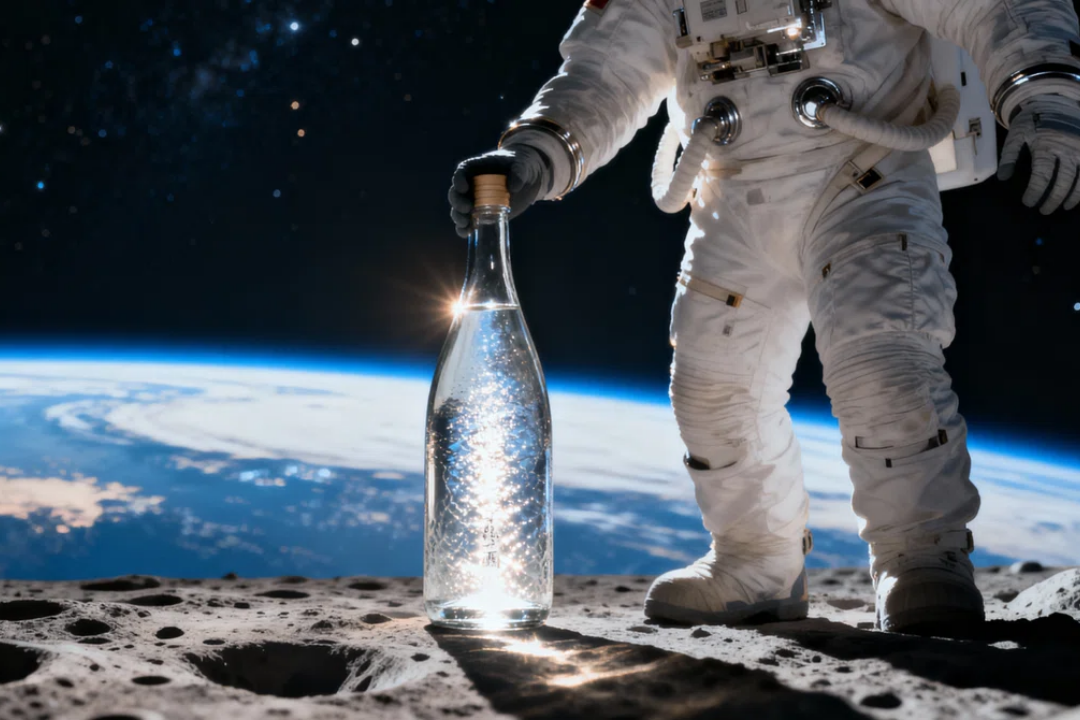
The Dassai Moon Project did not emerge suddenly from nowhere. It was built upon years of international expansion and experimentation by Asahi Shuzo. Long before considering lunar brewing, the company had already begun rethinking sake production beyond the boundaries of Japan.
A particularly important example is its challenge of brewing sake in the United States. Rather than relying solely on exports, Asahi Shuzo chose to establish local production. This decision challenged the assumption that sake must be produced exclusively in Japan and shipped abroad as a finished product. Differences in water quality, climate, ingredients, and workforce conditions forced the company to determine which aspects of Dassai’s quality standards could be reproduced in a completely different environment. In many ways, this became a precursor to the Moon Project’s central questions.
Through international experience, Asahi Shuzo also learned that sake is not valued overseas solely for its cultural significance. Global consumers increasingly evaluate it using criteria similar to those applied to wine and whisky, including consistency, transparency, and reproducibility. Dassai’s emphasis on process visualization and quantitative quality management reflects a desire to meet these international expectations.
Furthermore, many overseas researchers and companies view sake not simply as a traditional craft but as a technology with room for further development. Interest in fermentation science continues to grow, and Dassai’s work increasingly attracts attention as a potential platform for collaborative research. Through exhibitions, industry events, and professional dialogue, appreciation for the technical dimensions of sake has steadily expanded.
The Moon Project was conceived against this backdrop. After testing sake production across diverse environments on Earth, the next logical step became exploring an environment beyond Earth itself. Far from being a radical leap, the project represents a gradual progression built on previous experience. Without the lessons gained through international expansion, the concept of lunar brewing might have remained little more than a curiosity.
Viewed in this way, the Dassai Moon Project can be seen as the culmination of years of global engagement. The company is moving beyond simply introducing sake to international audiences and toward sharing fermentation technology itself with the world. The Moon is the next stage in that ongoing journey.
Conclusion
The Dassai Moon Project is not merely an attempt to bring sake into space. At its core, it is an effort to determine how far fermentation technology can operate independently of its environment by testing it under some of the most demanding conditions imaginable. In doing so, the project reaches beyond the sake industry and connects to fields such as food technology, biotechnology, space exploration, disaster preparedness, and sustainable production systems.
For international companies, the project carries significance in three key ways.
First, it demonstrates a commitment to ensuring quality through design and process rather than relying solely on culture, geography, or tradition. Dassai has steadily repositioned sake from a difficult-to-understand traditional product into a technology-driven product whose performance can be measured and validated. The Moon Project extends that philosophy into a framework that supports international collaboration and technology transfer.
Second, it uses an extreme environment as a testing ground. While the Moon may seem extraordinary, it functions as a logical stress test. Any process capable of succeeding under such conditions may also prove valuable in many of Earth’s most challenging environments, including regions affected by climate change, infrastructure limitations, or the need for highly reproducible food production systems.
Third, the project is not centered on selling a finished product. Whether lunar-brewed sake eventually reaches consumers is secondary. The true value lies in the knowledge generated through understanding, controlling, and redesigning fermentation processes. This creates opportunities for participation by international companies, research institutions, and technical partners. Dassai is increasingly positioned not only as an exporter of sake but as a collaborator in advancing fermentation technology.
For generations, sake has been viewed as something inseparable from its place of origin. Dassai is not rejecting that idea—it is testing it. By asking which elements of sake brewing can adapt to new environments and which represent its irreducible essence, the company is exploring the future of fermentation itself.
What international observers should focus on is not simply the fact that sake is heading to space. Rather, it is the broader question of whether Japanese fermentation technology can evolve into a globally shared industrial capability that transcends environmental, cultural, and market boundaries. The Dassai Moon Project represents a remarkably practical effort to find that answer.
FAQ About the Dassai MOON Project
1. What Is Dassai's "Sake Brewing on the Moon" Project?
Dassai's "Sake Brewing on the Moon" project is a research and development initiative that explores whether sake brewing itself can be recreated under conditions that simulate the lunar environment. Rather than simply sending sake into space, the project investigates whether fermentation can function in an environment with different gravity and environmental conditions, expanding the possibilities of Japanese sake production.
2. Why Is Dassai Attempting to Brew Sake on the Moon?
The goal is to better understand the essence of sake brewing and preserve it for the future. Sake depends on elements such as water, rice, koji, and yeast, but it is also heavily influenced by climate and environmental conditions. By challenging the process in the extreme environment of the Moon, the project aims to identify which conditions are truly essential and advance fermentation technology itself.
3. How Would Moon-Brewed Sake Differ From Regular Dassai?
The primary difference lies not in the finished flavor, but in the brewing environment. Conventional sake production assumes Earth's gravity and natural temperature conditions, while the Moon may affect how liquids move and how fermentation progresses. As a result, the fermentation process and quality control methods themselves must be reevaluated and tested.
4. Why Is Asahi Shuzo Able to Take on This Challenge?
Asahi Shuzo has long focused on scientifically analyzing and standardizing the brewing process rather than relying solely on the experience of master brewers. By quantifying each stage of production and striving for consistent quality, the company has developed an approach that naturally extends to exploring sake brewing beyond Earth.
5. What Is the Significance of Brewing Sake in Space?
Brewing sake in space is more than a publicity project. It has the potential to expand the science of fermentation. Technologies developed to manage microorganisms and fermentation under extreme conditions could eventually contribute not only to future food production in space but also to advances in food manufacturing and preservation here on Earth.
6. Will Moon-Brewed Dassai Ever Be Sold?
At this time, there are no announced plans to commercially sell Dassai brewed on the Moon. The project's objective is not to create an ultra-rare luxury product, but to study whether fermentation can succeed in an entirely different environment. The knowledge gained could help shape the future of sake brewing and food technology.
7. Does This Project Reflect Japanese Innovation?
Yes. One of the project's most distinctive qualities is its commitment to preserving tradition by embracing innovation. Rather than simply protecting established methods, Dassai continues to refine brewing techniques through science and technological advancement. The Moon brewing project represents a natural extension of that philosophy.
8. Why Is Dassai's Moon Project Attracting International Attention?
The project presents sake not only as a traditional Japanese beverage but also as a sophisticated fermentation technology with global applications. Researching brewing under space conditions may create opportunities for collaboration across fields such as food science, biotechnology, and space exploration.
9. Why Has Dassai's Moon Brewing Project Generated So Much Interest?
It challenges long-held assumptions about sake production. Traditionally, sake has been viewed as something deeply connected to local climates and regional environments. Rather than rejecting that heritage, Dassai is exploring whether a deeper understanding of fermentation could make sake brewing possible beyond its traditional geographical boundaries.
10. What Is the Greatest Appeal of Dassai's "Sake Brewing on the Moon" Project?
Its greatest appeal is the willingness to venture into an unknown environment in order to preserve a centuries-old tradition for future generations. Behind the ambitious idea of brewing sake on the Moon is a serious effort to deepen our understanding of Japanese fermentation culture and ensure its continued evolution. By looking toward space, the project opens new possibilities for one of Japan's most iconic traditions.
Related Videos
If you're interested in Japan’s ambitious spirit of innovation, the video below introduces Dassai’s challenge to brew sake on the Moon. This video shows how one of Japan’s most famous sake brands is pushing the boundaries of fermentation technology and exploring what Japanese craftsmanship could look like beyond Earth.