
For centuries, meat has followed a familiar path: animals are raised, slaughtered, and consumed. Livestock farming has long existed at the intersection of culture, economics, and ethics. Yet in the 21st century, that foundation is being quietly challenged.
As the world's population grows and concerns about sustainability, resource consumption, and animal welfare intensify, the question is no longer simply how much meat we can produce. Increasingly, it is how meat should be produced in the first place.
One of the most closely watched developments is cultivated meat, also known as lab-grown meat, which is produced by growing animal cells rather than raising entire animals. While discussions around cultivated meat in North America and Europe are often driven by venture-backed startups promising to disrupt the food industry, Japan has taken a somewhat different path.
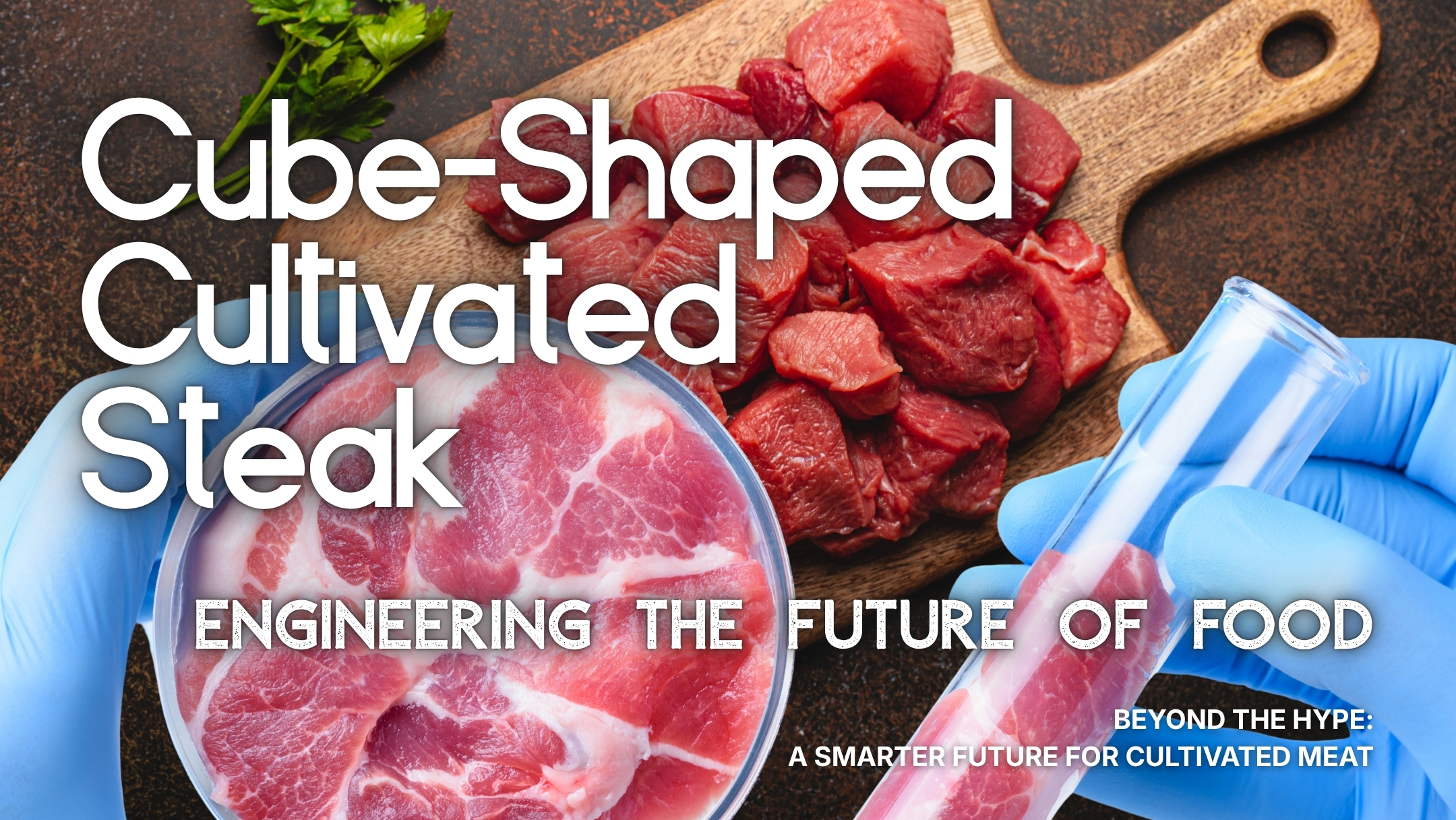
A striking example is Japan's development of a cube-shaped cultivated meat prototype that resembles a small diced steak. Rather than focusing solely on reproducing the biological components of meat, researchers have concentrated on something equally important: structure, texture, and the physical experience of eating meat.
What makes this project particularly interesting is its deliberate choice of shape. Reproducing an entire steak remains an enormous technical challenge. At the other extreme, ground or minced cultivated meat is easier to create but often lacks the sensory experience consumers associate with eating meat.
The cube-shaped format represents a practical middle ground. It balances texture, cooking versatility, and technological feasibility. More importantly, it reflects a distinctly Japanese approach to innovation: creating something that can realistically reach the dining table rather than chasing a perfect but distant vision.
The project brings together food manufacturers and research institutions, narrowing the gap between scientific research and commercial application. Instead of treating food technology as a futuristic concept, the focus is on integrating it into everyday life.
From a Western perspective, this combination of caution and practicality stands out. It highlights a uniquely Japanese approach to food innovation, one that prioritizes gradual progress over dramatic disruption.
In this article, we'll explore how this cube-shaped cultivated meat was developed, why its design matters, and what it reveals about Japan's broader vision for the future of food. Is cultivated meat really "meat"? And what role does Japan hope to play in shaping this emerging industry?
The answers are surprisingly grounded in reality.
Cube-Shaped Cultivated Meat Overview
Cube-shaped cultivated meat is a research initiative aimed at recreating a realistic piece of meat by cultivating animal muscle cells and assembling them into a three-dimensional structure.
Many early cultivated meat projects focused on producing cell sheets or minced meat-like products. This research takes a more ambitious step by attempting to create a genuine three-dimensional piece of meat with recognizable texture and form.
The cube shape is not accidental. It was chosen because it offers a practical balance between production feasibility, cooking performance, and the ability to replicate the experience of eating whole-cut meat. In many ways, it represents a realistic pathway toward future commercialization.
Why Does Three-Dimensional Structure Matter?
One of the biggest challenges in cultivated meat development is not growing cells. Scientists have become increasingly successful at multiplying animal cells in laboratory environments.
The harder problem is turning those cells into something that actually feels like meat.
The texture of meat comes from far more than its ingredients. It depends on the alignment of muscle fibers, the density of tissue, and the way fat is distributed throughout the structure. Simply growing cells in flat layers cannot fully recreate these characteristics.
This is where cube-shaped cultivated meat becomes significant.
Rather than attempting to replicate an entire steak immediately, researchers focused on creating a manageable three-dimensional structure. The cube format serves as a practical building block. Smaller pieces are easier to supply with nutrients and oxygen during cultivation, making the process more controllable and scalable.
The shape also matters from the consumer's perspective.
Ground meat products and meat pastes may function as substitutes, but they often fail to deliver the sensation people associate with eating meat. A cube-shaped piece, by contrast, introduces resistance when bitten and creates a more satisfying chewing experience.
A Practical Path to Cultivated Meat Integration
This reflects a broader philosophy behind Japanese cultivated meat research. Instead of pursuing an idealized end goal from the outset, researchers emphasize incremental realism. The objective is not to create a perfect steak tomorrow, but to build practical milestones that bring the technology closer to everyday use.
Viewed in that context, cube-shaped cultivated meat is not the final destination. It is an important stepping stone toward a future where cultivated meat becomes a viable part of the food system.
Designing Texture and the Feeling of "Real Meat"

Source: JST (Japan Science and Technology Agency) Homepage
When people evaluate cultivated meat, texture is often considered even more important than flavor.
Seasoning and cooking techniques can help replicate aroma and taste, but the physical sensation of chewing is much harder to imitate. The resistance of muscle fibers, the way they separate during chewing, and the overall mouthfeel are critical factors that determine whether consumers perceive a product as genuine meat.
This is precisely where cube-shaped cultivated meat aims to make progress.
The Relationship Between Shape and Sensation
The texture of conventional meat comes from bundles of muscle fibers aligned in specific directions, combined with varying amounts of fat tissue. Historically, many cultivated meat projects prioritized cell growth while treating fiber structure as a secondary challenge.
Three-dimensional cultivated meat changes that equation.
Researchers must consider not only how many cells to grow, but also where those cells are positioned and how they are organized. This requires expertise that spans biology, materials science, and engineering, making it a far more complex challenge than traditional food development.
The cube format offers a practical advantage here as well. Its size makes it easier to create consistent internal structures and control fiber alignment throughout the product. As a result, researchers can move closer to reproducing the distinctive characteristics associated with meat, including the way it tears and separates when chewed.
This may sound like a minor detail, but it represents a significant technological step forward.
Another interesting aspect is that the goal is not necessarily to recreate a Western-style steak experience. Japanese cuisine has long celebrated a wide variety of meat textures, from skewered grilled chicken and braised pork to slow-cooked stews. There is no single definition of what meat should feel like.
Why Laboratory Cells Don’t Feel Like Dinner Yet
In that sense, cube-shaped cultivated meat may not simply replicate existing products. It could also introduce entirely new textures and culinary possibilities.
At this stage, the objective is not perfection. The goal is to meet the minimum sensory requirements that make consumers think, "Yes, this feels like meat."
That realistic and measured approach continues to define Japan's contribution to the global cultivated meat industry.
A Practical Approach to Environmental and Ethical Challenges
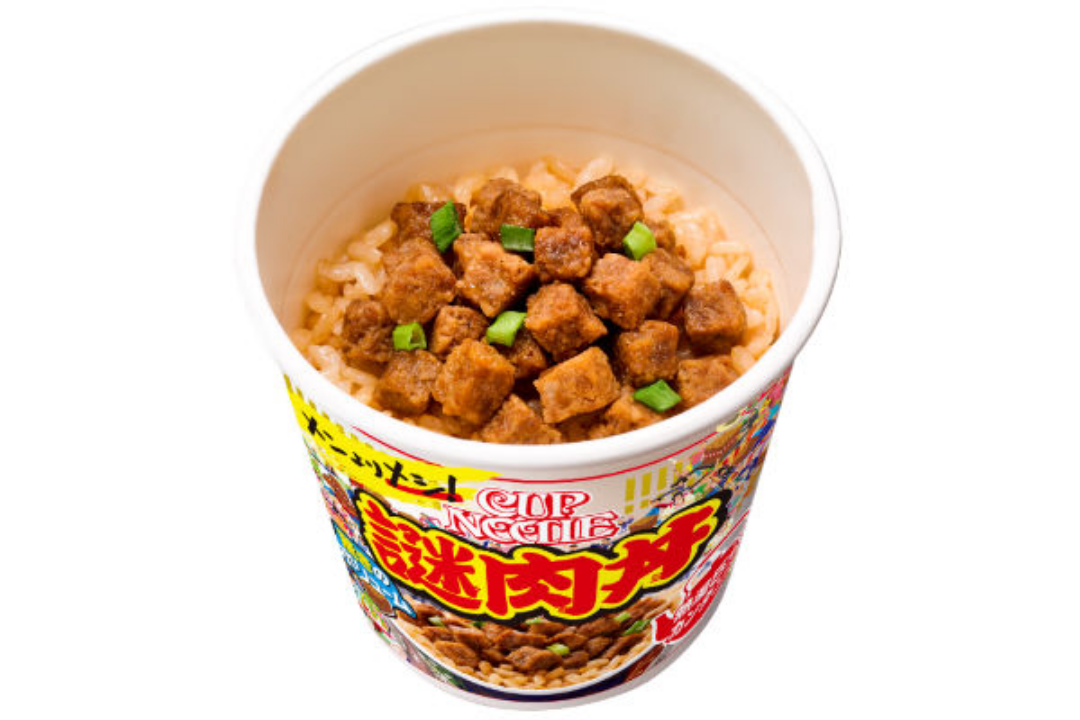
Source: Yami Homepage
One of the main reasons cultivated meat has attracted global attention is its potential to reduce environmental impact and address concerns about animal welfare. Conventional livestock farming is closely linked to greenhouse gas emissions, land use, and long-term food security challenges. Cultivated meat has therefore been promoted as a technology that could help alleviate some of these pressures.
Japan's approach, however, is notable for its pragmatism. The goal of cube-shaped cultivated meat is not to replace conventional meat entirely. Instead, the focus is on expanding consumer choice. Rather than presenting cultivated meat as a complete substitute, researchers see it as an additional option that people can choose depending on their needs and values.
Function Over Perfection: The Japanese Approach to Innovation
A similar mindset can be seen in discussions around ethics. The idea of "meat without slaughter" is undeniably powerful, but societal values rarely shift overnight. Instead of framing cultivated meat as a moral revolution, Japanese researchers tend to present it as a practical alternative. This approach minimizes friction with existing food cultures and acknowledges that dietary habits evolve gradually.
Environmental considerations are also approached with caution. Cultivated meat is not a perfect solution. Production requires energy and resources, meaning its sustainability depends heavily on how it is manufactured. This is one reason why researchers continue to experiment with efficient shapes, sizes, and production methods. The cube-shaped format reflects not only technical feasibility but also an effort to optimize resource use.
This tendency to avoid grand promises is characteristic of many Japanese technological innovations. The emphasis is often on improvement rather than disruption, and on addition rather than replacement. That incremental approach may ultimately make cultivated meat easier for society to accept.
How Japan's Approach Differs from Western Cultivated Meat Startups
In North America and Europe, cultivated meat development is often driven by startups backed by significant venture capital funding. Their messaging frequently centers on ambitious goals such as transforming the global food system or replacing traditional livestock farming altogether. The scale of that vision is undeniably bold.
Japan's cube-shaped cultivated meat project tells a different story.
Rather than imagining a future detached from the existing food industry, Japanese researchers and food manufacturers are working within established culinary and industrial frameworks. The goal is not to replace current systems overnight, but to gradually build upon them.
The Structural Hurdle in the Cultivated Meat Industry
This difference is reflected in the products themselves. Many Western cultivated meat companies have focused on products such as burgers, sausages, and other processed meats, partly because they are easier to commercialize. In contrast, Japanese researchers deliberately chose a cube-shaped steak format. The decision reflects a desire to create something that could eventually fit naturally into home cooking and restaurant menus.
Japanese research also places strong emphasis on timing. A technology may be scientifically viable, but that does not necessarily mean consumers are ready to embrace it. As a result, researchers often consider how cultivated meat might actually be used at the dining table long before it reaches the market.
If the Western approach seeks to pull the future closer through rapid innovation, the Japanese approach seeks to integrate the future gradually into the present. Together, these perspectives demonstrate the many possible paths for cultivated meat development.
Why Cultivated Meat May Fit Naturally into Japanese Food Culture
Japanese cuisine has long embraced a wide range of meat preparations. Thick-cut steaks are only one part of the picture. Thinly sliced meats, diced cuts, skewers, braised dishes, and stir-fries all play important roles in everyday cooking.
This flexibility could work in cultivated meat's favor.
The Cube as a Necessary Stepping Stone
Cube-shaped cultivated meat is not limited to grilling. It could potentially be incorporated into stews, stir-fries, curries, and many other dishes. Its size and shape allow it to function as an ingredient rather than as a standalone novelty, making it easier to imagine within existing culinary traditions.
Another factor is Japan's openness to gradual innovation. Historically, new ingredients have often been introduced by blending them into familiar dishes rather than replacing existing foods outright. Consumers tend to respond positively to products that offer a sense of novelty while still feeling culturally familiar.
The modest, practical nature of cube-shaped cultivated meat aligns well with that pattern. It does not demand that consumers completely rethink their eating habits. Instead, it presents itself as another ingredient that can coexist alongside traditional foods.
Viewed from this perspective, cultivated meat may be less of a futuristic replacement and more of a new category of food. That mindset reflects the adaptability and inclusiveness that have long characterized Japanese cuisine.
The Challenge of Bringing Cultivated Meat from the Lab to the Table

Source: JST (Japan Science and Technology Agency) Homepage
Technical success alone is not enough to make cultivated meat a part of everyday life. Equally important is what many researchers call "social implementation," the process of integrating a new technology into society.
There is a significant gap between creating a successful research prototype and creating a food product that consumers are willing to purchase and eat. Cultivated meat must overcome challenges related to safety, cost, production capacity, regulation, and public perception.
In the food industry, consumer confidence is particularly important. Scientific safety and consumer trust are not always the same thing. The newer and more unfamiliar a technology appears, the wider that gap can become.
This is one reason Japanese researchers have adopted a cautious and step-by-step approach. Rather than rushing toward commercialization, they first ask practical questions: How can this technology be explained clearly? What product formats will feel familiar to consumers? How can it be introduced with minimal resistance?
Choosing the Cube: A Strategic Choice
The cube-shaped design plays an important role here as well. It looks familiar enough to fit naturally into existing culinary contexts without appearing excessively futuristic. Familiarity lowers psychological barriers. People are often more willing to try something new when they can easily imagine how it might be cooked and eaten.
Cost and scalability remain major challenges. Cultivated meat is still expensive to produce, and large-scale manufacturing infrastructure is not yet fully established. As a result, Japanese researchers tend to focus less on replacing all conventional meat and more on identifying situations where cultivated meat can serve as an additional option.
This strategy helps reduce social resistance while creating opportunities for gradual adoption.
Ultimately, social implementation is not about forcing technology into society. It is about allowing technology to become part of everyday life at a pace that people can comfortably accept. In that sense, cube-shaped cultivated meat serves as an important test case.
Only technologies that move beyond the laboratory can truly influence food culture. Cultivated meat has not yet completed that journey, but it has taken meaningful steps toward it.
The Future of Meat May Arrive Quietly
Cube-shaped cultivated meat is not a flashy vision of the future. It does not capture public imagination in the same way as flying cars or other futuristic concepts. Yet that understated nature may be its greatest strength.
The project is not trying to eliminate conventional meat. It is trying to expand the range of available choices.
It is not built around dramatic claims about environmental or ethical transformation. Instead, it focuses on practical alternatives.
It is not attempting to create the perfect cultivated steak immediately. It is creating a format that could realistically find a place at the dining table.
This consistent emphasis on practicality is what distinguishes Japan's cultivated meat research.
A Vital Link: Moving Closer to a Sustainable Food System
The cube shape should not be viewed as a compromise. Rather, it represents a careful balancing of technological capability, consumer experience, and real-world feasibility. It preserves the act of chewing, fits naturally into cooking applications, and remains achievable with current technology.
To Western audiences, this approach may seem understated. But food culture rarely changes through sudden revolutions. More often, it evolves through gradual improvements that become part of everyday life before anyone notices.
Cultivated meat may eventually become a major part of the global food system, or it may remain one option among many. Either way, it is already influencing how we think about the future of food.
The future of meat is unlikely to arrive as a revolution. More likely, it will arrive as a practical improvement. And Japan's cube-shaped cultivated meat may already represent one of the first meaningful steps in that direction.
Conclusion
Japan's cube-shaped cultivated meat is not remarkable because it promises to revolutionize the food industry overnight. It is remarkable because it focuses on the difficult work of making a future technology feel practical, familiar, and genuinely edible.
Rather than chasing the image of a perfect lab-grown steak, researchers have concentrated on the challenges that matter most for everyday adoption: recreating texture, designing a realistic three-dimensional structure, and developing a format that can fit naturally into existing cooking habits. The result is a project that reflects a broader philosophy of Japanese innovation; one that favors steady progress and real-world usability over dramatic disruption.
As cultivated meat continues to evolve, technical breakthroughs alone will not determine its success. Consumer trust, affordability, regulation, and cultural acceptance will all play equally important roles. Japan's approach recognizes that the future of food depends not only on what scientists can grow in a laboratory, but also on what people are willing to cook, serve, and enjoy at the dinner table.
Whether cultivated meat ultimately becomes a mainstream protein source or one option among many, the cube-shaped prototype offers an important lesson: meaningful innovation is not always about creating something entirely new. Sometimes, it is about making the future feel just familiar enough that people are ready to welcome it into everyday life.
FAQ About Cube-Shaped Cultivated Meat
1. What Is Cube-Shaped Cultivated Meat?
Cube-shaped cultivated meat is a research initiative aimed at creating three-dimensional cuts of meat by cultivating animal muscle cells and other tissue components. Rather than simply growing cells, researchers are working to replicate the shape, structure, and texture of real meat, with the long-term goal of making cultured meat a viable food product.
2. How Is It Different From Conventional Cultivated Meat?
The key difference is its focus on recreating a three-dimensional meat structure. Many early cultured meat products were produced in sheet-like or minced forms, whereas this research seeks to replicate the appearance and bite of a solid piece of meat. The goal is to provide a more natural and satisfying eating experience.
3. Why Was A Cube Steak Shape Chosen?
Because reproducing an entire steak presents significant technical challenges, a cube-shaped format makes it easier to deliver nutrients and oxygen throughout the tissue while also simplifying the creation of a three-dimensional structure. It was chosen as a practical balance between technical feasibility, texture, and ease of preparation.
4. Why Is A Three-Dimensional Structure Important?
The arrangement of muscle fibers, fat, and connective tissues largely determines the texture of meat. Simply growing cells is not enough to recreate the texture and mouthfeel of conventional meat. By developing a three-dimensional structure, researchers aim to deliver not only a realistic appearance but also a more authentic eating experience.
5. Can Cultured Meat Help Address Environmental Challenges?
Cultured meat is widely viewed as a technology with the potential to reduce some of the environmental impacts and resource demands associated with livestock production. However, the manufacturing process also requires energy and other inputs, so it is not considered a complete solution to every challenge. In Japan, cultured meat is often viewed as one practical option within a broader range of sustainable food solutions.
6. What Characterizes Japan's Approach To Cultured Meat Research?
Japanese research often places a strong emphasis on practical applications and real-world adoption. The choice to develop a cube steak-shaped product reflects consideration for factors such as ease of cooking and consumer acceptance. In addition to technological innovation, researchers are also mindful of how cultured meat can fit within existing food cultures and dining habits.
7. Is Cultured Meat Intended To Replace Conventional Meat?
At this stage, the goal is not necessarily to replace all conventional meat. In Japan, many researchers view cultured meat as an additional option that can coexist alongside traditional livestock production. The expectation is that it will become one of several choices available to consumers, depending on their needs and preferences.
8. Why Has Japan's Research Attracted International Attention?
Japan's research is often recognized for considering not only technological advancement but also consumer acceptance and practical implementation. Rather than focusing solely on disruptive change, researchers are exploring ways to integrate cultured meat naturally into existing food cultures. This pragmatic approach has attracted interest internationally as a distinctive model for innovation.
9. Will Cultured Meat Be Available To Consumers Soon?
Widespread adoption is not expected in the immediate future. Before cultured meat can become a common food product, challenges related to safety, cost, large-scale production, and consumer understanding must be addressed. As a result, research and development efforts in Japan are progressing gradually with an eye toward future commercialization.
10. What Is The Most Significant Feature Of Cube-Shaped Cultivated Meat?
Its most significant feature is its focus on bridging cutting-edge technology and everyday food experiences. Rather than pursuing technological advancement alone, researchers are considering factors such as shape, texture, and ease of preparation to create a product that people can realistically embrace. In many ways, the project reflects Japan's practical approach to innovation, where usability and social acceptance are considered just as important as technological achievement.