
Traditionally, accommodation has served a simple purpose. It is a place to rest during a journey, recharge, and prepare for the next day. No matter how stylish or luxurious a hotel may be, its primary function has always been sleep.
Today, however, travelers are looking for something more. Comfort and price still matter, but they are no longer the only deciding factors. Increasingly, people choose accommodations based on the experiences they offer, the atmosphere they create, and the memories they leave behind.
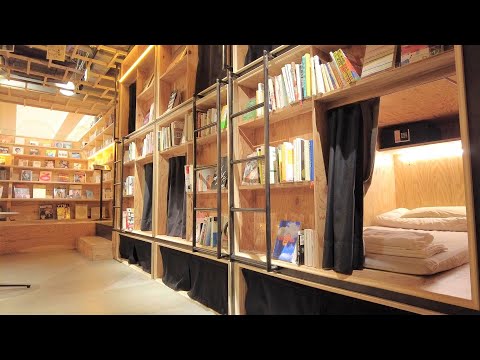
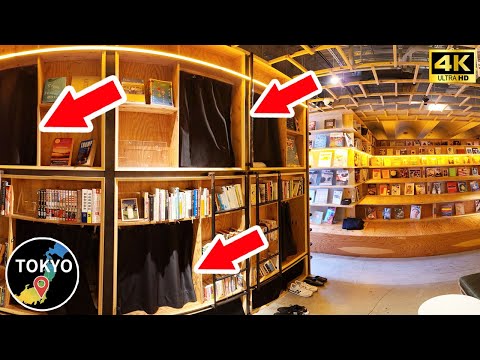
Few concepts capture this shift as clearly as Book and Bed Tokyo. Rather than competing through luxury, spacious rooms, or extensive amenities, it embraces a radically simple idea. The space is intentionally compact, dimly lit, and filled with books. Beds are built directly into towering bookshelves, allowing guests to fall asleep surrounded by stories.
The result feels less like staying in a hotel and more like stepping inside a novel.
The concept also reflects several uniquely Japanese cultural influences. Japan has a long tradition of making creative use of limited space, whether through capsule hotels, manga cafés, or compact urban living. There is also a cultural appreciation for focused immersion, whether in books, hobbies, or personal interests. Book and Bed combines these familiar elements in a way that feels surprisingly original.
What makes the concept particularly compelling is that it is not exclusively for avid readers. Reading is optional. The real experience comes from being surrounded by books. The low lighting, enclosed spaces, and shelves lining every direction create an environment that naturally separates guests from the constant stream of digital information. Smartphones become less appealing, distractions fade into the background, and time seems to move more slowly.
This is especially relevant in today's global hospitality market. Hotels and hostels have become increasingly difficult to differentiate through location or facilities alone. At the same time, demand for experiential accommodations continues to grow. Travelers are drawn to places that offer stories worth sharing, both online and offline.
Despite being a Japanese concept, Book and Bed does not rely on traditional imagery or cultural explanations to communicate its appeal. It does not emphasize tatami mats, historical aesthetics, or stereotypical notions of Japan. Instead, it presents a universally understandable idea: sleeping among books. That clarity makes the experience accessible to visitors from around the world while remaining distinctly Japanese in spirit.
This article explores the company behind Book and Bed, the philosophy that shaped the concept, and the reasons why this unusual accommodation continues to attract attention years after its launch. By looking beyond the novelty factor, we can better understand why this small Japanese innovation resonates so strongly with travelers today.
Book and Bed Overview
Book and Bed Tokyo is a hospitality concept built around the idea of a "bookstore you can stay in." Guests sleep within bookshelves, surrounded by thousands of books, creating an experience that blends accommodation with reading culture.
Rather than treating books as decorative elements, the entire space is designed around them. Large bookshelves containing up to 4,000 books serve as the centerpiece of the property. Guests can browse, read, relax, and eventually fall asleep without ever leaving the world of books.
The experience extends beyond overnight stays. Depending on the location, lounge and café spaces are also available during the day, allowing visitors to enjoy the atmosphere even if they are not staying overnight. This blurs the line between bookstore, café, and accommodation, creating a type of space that does not fit neatly into any single category.
Beds are integrated directly into the shelving structures, encouraging guests to read until they drift off to sleep or simply unwind in the soft lighting. By removing the traditional boundaries between reading and lodging, Book and Bed transforms time spent indoors into the main attraction.
Book and Bed: A Hospitality Concept Developed by Atelier Book and Bed
Book and Bed Tokyo reimagines accommodation not solely as a place to sleep, but as a space that shapes how people spend their time.
It is not quite a hotel, not quite a hostel, and not quite a bookstore. That deliberate ambiguity lies at the heart of its appeal.
The experience itself is remarkably simple. Guests spend time surrounded by books and eventually sleep among them. Some visitors read for hours. Others browse casually or simply relax while taking in the atmosphere. There is no schedule, activity program, or prescribed way to engage with the space.
Rather than telling guests what to do, Book and Bed changes the environment around them. As a result, people often find themselves naturally slowing down and spending time differently than they would in everyday life.
The facility is flexible in its use. At night, guests sleep in beds built into the bookshelves and can continue reading until they are ready to rest. During the day, some locations operate as lounges or cafés that welcome both overnight guests and visitors. This creates a shared environment where travelers, locals, readers, and casual visitors occupy the same space.
Pricing generally falls between budget accommodations and luxury hotels. Guests are not paying for large rooms or premium facilities. Instead, they are paying for a carefully curated experience. For those who value atmosphere and meaningful downtime over traditional hotel amenities, the proposition makes sense.
Importantly, the target audience extends well beyond book lovers. The concept appeals to people seeking a break from their daily routines, travelers looking for quieter experiences, and individuals feeling overwhelmed by the constant flow of information in modern life. For international visitors, it also provides an accessible way to experience a distinctly Japanese approach to space and leisure without requiring extensive cultural context.
Book and Bed was never designed to maximize convenience. Its compact layout, subdued lighting, and intentional imperfections are all part of the experience. That commitment to a clear vision is what elevates it beyond a simple themed hotel and turns it into a cultural product in its own right.
When the Space Itself Becomes the Experience
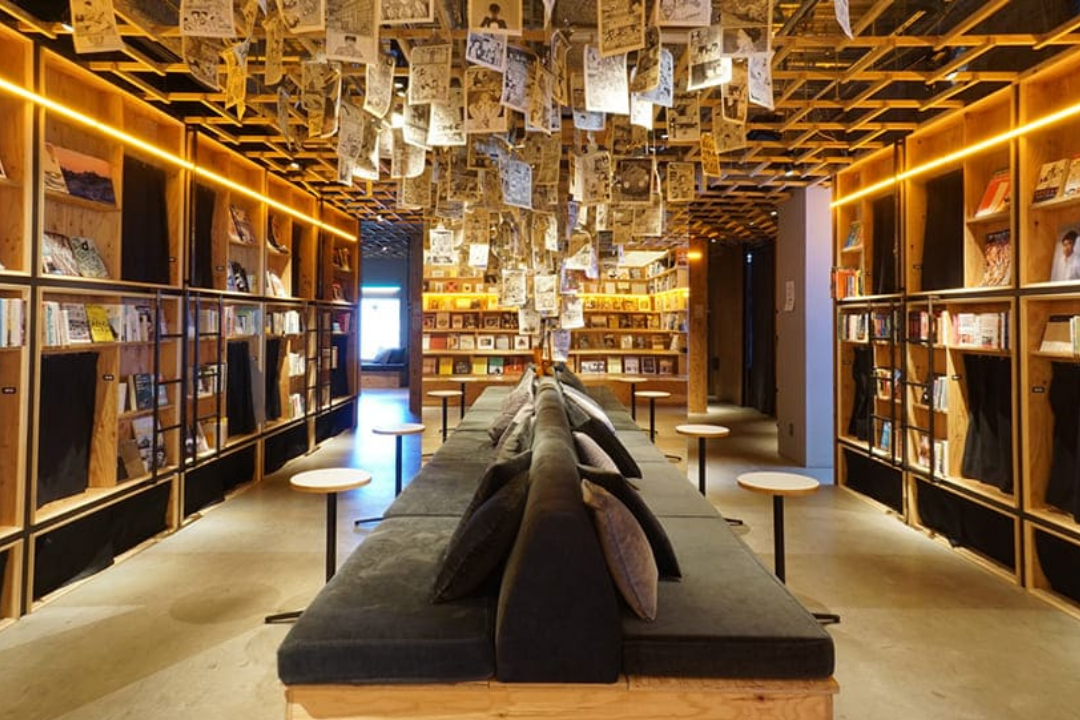
Source: Book and Bed Tokyo Homepage
The most distinctive aspect of Book and Bed is that it deliberately refuses comfort in the conventional sense.
Most hotels strive to improve guest satisfaction through larger rooms, brighter spaces, and additional amenities. Book and Bed takes the opposite approach. Lighting is intentionally subdued, ceilings feel lower, and sleeping spaces are tucked into bookshelves. By traditional hospitality standards, the environment may seem cramped or unconventional.
Yet this is precisely why it works.
Book and Bed is not designed to make sleeping easier. It is designed to make immersion easier.
Surrounded by books, guests find their attention naturally drawn inward. The outside world becomes less prominent. There are fewer visual distractions and fewer opportunities to multitask. The environment encourages activities such as reading, reflecting, daydreaming, or simply being present.
The atmosphere also occupies a unique middle ground between public and private space. It lacks the formal silence of a library and the complete isolation of a hotel room. Guests remain aware of others nearby without feeling disturbed by them. This balance creates a surprisingly comfortable environment for extended stays.
From a cultural perspective, the concept reflects a distinctly Japanese sensibility. It embraces limited space rather than fighting against it. It values concentration and immersion over maximum convenience. In many ways, Book and Bed extends ideas already present in Japanese urban living and leisure culture into the hospitality sector.
There is no groundbreaking technology behind the concept. No patents. No futuristic innovations. Its uniqueness comes from thoughtful experience design rather than technical invention.
Book and Bed is not primarily about what guests can do.
It is about how guests can feel.
Why This Accommodation Experience Was Created
The origins of Book and Bed can be traced back to a simple question:
Why do people stay in hotels?
The conventional answer is obvious. Hotels provide rest, comfort, and a place to prepare for the next day. Yet as hotel rooms around the world became increasingly similar, many stays also became increasingly forgettable.
The founders wondered whether accommodation itself could become the destination.
The Choice of Books as an Immersive Foundation
Rather than building a large hotel with extensive facilities, Atelier Book and Bed focused on creating a highly distinctive experience within the constraints of limited space and budget, their answer was books.
Books are familiar to nearly everyone, yet they remain one of the most powerful tools for immersion. Importantly, reading is voluntary. Guests can choose to engage deeply or not at all. This flexibility made books an ideal foundation for an experience-driven space.
The idea of placing beds inside bookshelves was not created simply to attract attention. Many people have experienced the pleasure of reading until they become sleepy or drifting off while holding a book. Book and Bed takes that familiar feeling and transforms it into a physical environment.
In that sense, the concept is not entirely new. It is an amplified version of a quiet desire many people already have.
An Accidental Sanctuary for Digital Detox
The project also challenges traditional hospitality priorities. Instead of adding more features and conveniences, it removes them. By creating a smaller, darker, and less stimulating environment, the space encourages guests to focus inward.
This subtractive approach is especially relevant in an age of constant connectivity. Modern life is filled with notifications, screens, and endless choices. Book and Bed offers a temporary escape from that environment. Although it is not marketed as a digital detox destination, it often functions as one.
Ultimately, Book and Bed emerged from the intersection of several worlds: publishing, bookstores, cafés, hospitality, and Japan's culture of compact spaces. That combination gives the concept depth beyond its initial novelty and helps explain why it continues to attract visitors years after its debut.
A Place for People Looking to Pause Between Movement and Sightseeing
The situations in which people choose Book and Bed differ from those of a typical hotel. Most guests are not simply looking for a place to sleep. Instead, they choose this space to slow down, step away from the pace of travel or daily life, and reconnect with their own rhythm.
The concept is particularly well-suited to solo travelers. Rather than constantly moving from one attraction to the next, many guests are looking for moments of quiet between destinations. Surrounded by books, they can enjoy solitude without feeling isolated. The presence of other people is there, but without the expectation of conversation or interaction. That balance creates a sense of comfort for those spending time alone.
For international visitors, the appeal is also easy to understand. When people think of accommodation in Japan, they often imagine traditional inns, hot springs, or luxury hotels. Book and Bed requires none of that cultural context. The idea of sleeping inside a bookstore is immediately intuitive, regardless of language or nationality. Guests can experience a distinctly Japanese sense of space without needing lengthy explanations about Japanese culture.
The concept also works well for short urban stays. Travelers with early morning departures, late-night arrivals, or gaps between sightseeing plans often use Book and Bed as a place to reset. Rather than adding another destination to their itinerary, they change the way they spend their time. That shift in pace is part of the property's value.
Business travelers use the space in their own way as well. Between meetings or work commitments, some guests choose Book and Bed not as a place to increase productivity but as a place to step away from it. Surrounded by books, they can relax their minds, reflect, and return to work with renewed focus the following day.
Ultimately, Book and Bed does not push guests toward any particular activity. Instead, it provides something increasingly rare: permission to do nothing. The people who are drawn to the space are often those who are actively seeking that kind of breathing room in their lives.
Operations and Quality Control That Protect the Concept
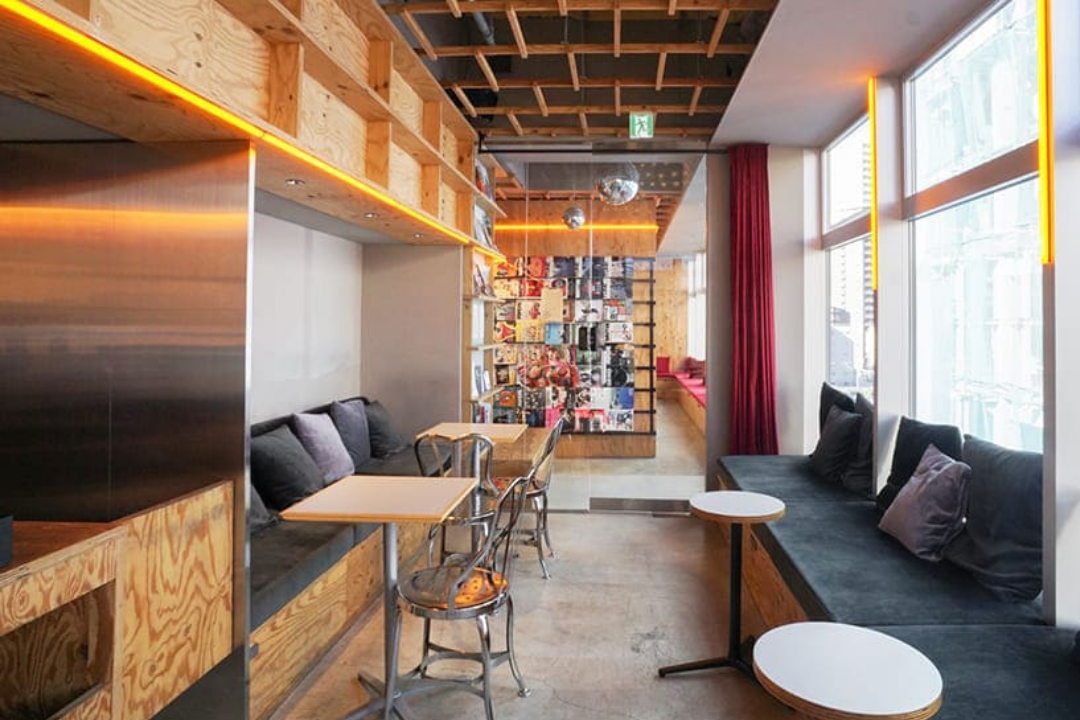
Source: Book and Bed Tokyo Homepage
The value of Book and Bed is not built on cutting-edge technology or expensive facilities. What matters most is preserving the atmosphere that makes the experience possible: the quietness, the warmth of the space, and the feeling of being immersed in books. Because the environment is intentionally imperfect, careful management is essential to ensure that imperfection never turns into discomfort or neglect.
One of the highest priorities in maintenance is protecting the atmosphere of the space. Unlike a brightly polished hotel designed to showcase cleanliness, Book and Bed aims to maintain its subdued lighting, natural textures, and lived-in character while ensuring high standards of hygiene. Areas around bookshelves and sleeping spaces receive regular attention, but without creating an overly sterile environment that would undermine the concept.
Book management is another unique challenge. The books are not decorative props. They are meant to be picked up, read, and enjoyed. Wear and tear are inevitable. Rather than trying to keep every book in pristine condition, the team balances usability with comfort, allowing signs of use while maintaining the overall quality of the collection. Books are rotated and replenished not to increase quantity but to preserve the density and character of the space.
The role of staff is also different from that of a conventional hotel. Rather than providing highly attentive service or extensive explanations, employees focus on helping guests settle naturally into the environment. At the same time, they provide clear guidance when necessary so first-time visitors feel comfortable. This restrained style of hospitality is a key part of the atmosphere.
Safety and legal compliance are, of course, maintained to the standards expected of a licensed accommodation facility. However, these elements remain largely invisible to guests. The ability to relax and surrender to the experience depends on a foundation of trust built through careful management behind the scenes.
In that sense, quality control at Book and Bed is not about adding features. It is about protecting what has already been stripped away. Continuous adjustments and maintenance ensure that the experience of quiet reading, reflection, and rest remains intact. That commitment is one reason the concept has endured beyond its initial novelty.
The Commitment to Avoid a Single "Right Answer"
From the perspective of the hospitality industry, the philosophy behind Book and Bed can seem unusual. Many accommodations strive to maximize guest satisfaction through standardization, improved amenities, and carefully optimized services. Book and Bed takes a different approach. It does not attempt to define a single ideal experience. Instead, it leaves that judgment to each guest.
A guiding principle for the company has been the belief that it does not need to appeal to everyone. Travelers seeking large rooms, luxury amenities, or extensive hotel services will likely find better options elsewhere. A dark, quiet, book-filled environment is inherently selective. Yet maintaining that distinct identity is precisely what gives the concept its strength. If it tried to satisfy every preference, it would become just another themed hotel.
Behind this philosophy is a broader concern about the growing uniformity of travel experiences. Around the world, hotels often feel interchangeable. The question Book and Bed asks is whether it is possible to create a kind of time that exists only in one place. Rather than competing through convenience, it seeks to attract people who connect with its values.
The company has also faced challenges that come with such a distinctive concept. Books age. Spaces wear down. Guests arrive with different expectations. Some inevitably find the experience different from what they imagined. Instead of trying to eliminate these reactions entirely, the team focuses on understanding them and learning from them.
The goal is not to create a place for a niche audience. Rather, it is to preserve an option for people who may one day realize they need exactly this kind of experience. By prioritizing openness and interpretation over perfection, Book and Bed has remained relevant over time.
An Experience Completed by Its Place Within the City
The Book and Bed experience does not exist in isolation within its walls. Much of its value comes from where it is located. It is not found in remote resorts or major tourist landmarks. Instead, it is embedded within active urban neighborhoods where people are constantly coming and going.
Most locations are within walking distance of train stations and surrounded by restaurants, shops, and city life. Outside, the streets are busy and energetic. Inside, the lighting softens, the pace slows, and books fill the field of vision. The contrast between these two environments makes the experience more powerful.
Rather than completely disconnecting guests from urban life, Book and Bed leaves the city just beyond reach. Guests remain aware of the world outside while inhabiting a quieter internal space. This relationship with the city allows even short stays to feel surprisingly immersive.
The connection to local communities is subtle. The spaces do not heavily promote local history or culture. Instead, they naturally reflect the rhythms of urban life. Office workers stopping by after work, travelers spending a few hours between journeys, and guests quietly reading late into the evening all contribute to the atmosphere. The result is a space that feels like an extension of everyday life rather than a separate destination.
For international visitors, the accessibility of these locations is another advantage. There is no need for extensive planning or cultural knowledge. Guests can easily find the property in the heart of the city and immediately experience a very different pace of life. Through that contrast, many gain an intuitive sense of a quieter side of Japanese urban culture.
Book and Bed is rarely the main destination of a trip. Instead, it exists in the spaces between destinations. It becomes memorable precisely because it occupies that in-between role. The experience is completed not despite the city around it, but because of it.
A Strategy of Not Expanding Too Far
One of the most striking aspects of Book and Bed's development is its reluctance to pursue growth for its own sake. Even after gaining significant recognition, the brand has avoided rapid expansion or aggressive standardization. This is not a rejection of growth. It is a deliberate effort to preserve the integrity of the experience.
Sleeping among books is only one part of what makes the concept work. The atmosphere, the relationship with the surrounding city, the behavior of guests, and the overall sense of scale all contribute to the experience. Expanding too quickly could prioritize operational efficiency over these more subtle elements, leading to a loss of identity.
At the same time, the underlying idea has potential far beyond accommodation. More than a combination of lodging and reading, Book and Bed demonstrates how physical spaces can influence the way people spend their time. That principle could be adapted to lounges, retail spaces, short-stay environments, and other forms of experiential design. The opportunity lies not in copying the format but in translating the philosophy.
The same thinking applies internationally. Rather than exporting an identical version of the concept, there is greater value in adapting it to different cultural and urban contexts. While the idea of sleeping among books is universally understandable, people experience space differently depending on where they live. Leaving room for local interpretation may ultimately strengthen the brand's long-term relevance.
This approach is particularly significant in an increasingly digital world. As people become overwhelmed by information, the demand for spaces that encourage stillness and focused attention continues to grow. By reducing stimuli and narrowing choices, Book and Bed offers a model that extends beyond hospitality.
Its future may not be defined by scale, but by depth. The focus is not on adding more, but on protecting what matters most. That philosophy has helped transform Book and Bed from a temporary trend into a concept that continues to inspire discussion.
An Experience That Resonates Across Borders
Source: Book and Bed Tokyo Homepage
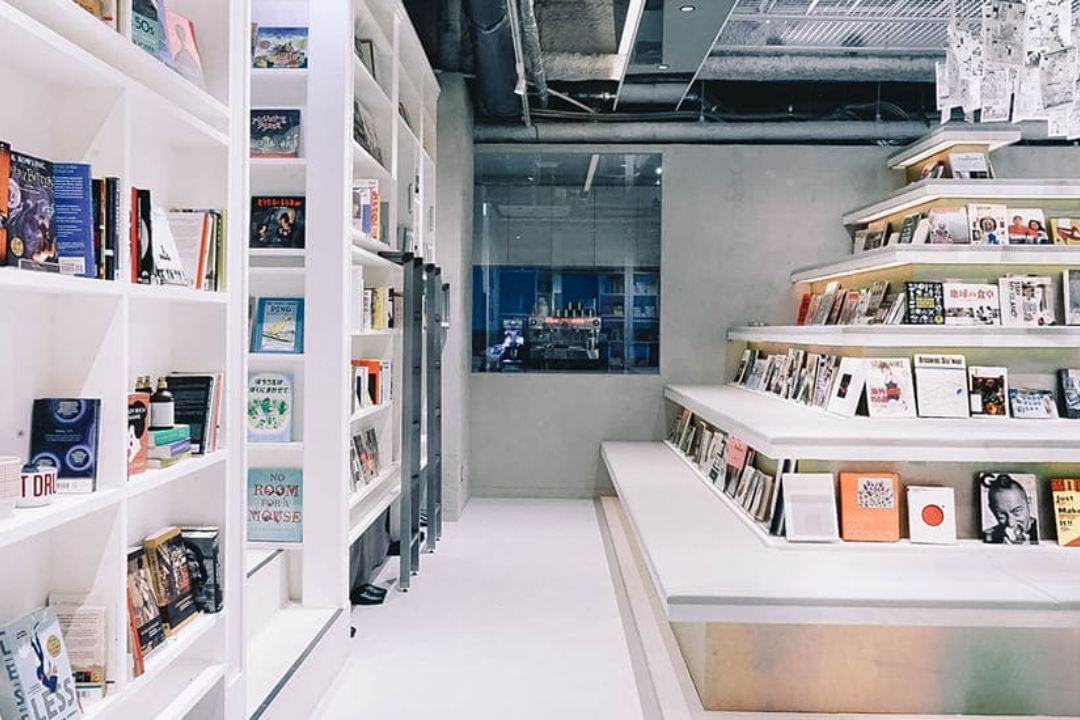
International reactions to Book and Bed Tokyo tend to focus less on facilities and pricing and more on the experience itself. Reviews and social media posts rarely dwell on room size or amenities. Instead, they describe how it felt to sleep surrounded by books and how that environment affected their state of mind.
Many visitors mention their first impression upon arrival. After stepping inside from a busy city street, the lighting becomes softer, and books fill the space. Guests often describe feeling both surprised and immediately at ease. Because the design intuitively communicates how the space should be used, first-time visitors rarely feel lost, even if they do not speak Japanese.
Interestingly, many guests value not the act of reading itself but the freedom to choose whether to read. International reviews frequently mention lying among the books, enjoying the quiet atmosphere, spending less time on smartphones, and experiencing a calmer transition into sleep. Those moments often become the most memorable part of the stay.
The concept also translates exceptionally well to visual platforms such as Instagram and YouTube. The integration of bookshelves and beds creates a distinctive image without relying on dramatic staging or exaggerated effects. As a result, the real-life experience closely matches expectations, helping build trust among international travelers.
What these reactions reveal is that Book and Bed does not attempt to explain Japanese culture directly. It does not rely on traditional motifs, tatami rooms, or familiar cultural symbols. Instead, it communicates ideas often associated with Japan, such as quietness, simplicity, and appreciation for empty space, through design alone. That level of abstraction allows the concept to resonate across cultures.
Conclusion
Book and Bed is not simply a new type of accommodation. It is a rethinking of how people spend time while traveling. Rather than adding more comfort, more amenities, or more stimulation, it creates immersion by removing distractions and reducing choices. In an age defined by information overload, that approach feels increasingly relevant.
For hospitality and experience-focused businesses around the world, the most valuable lesson is not the concept itself but the discipline behind it. The idea of sleeping among books is simple. What makes it successful is the consistency with which that idea is reflected in the space, operations, location, and guest experience.
The greatest opportunities for adaptation lie not in replicating the finished product but in embracing its philosophy. Designing for a state of mind rather than a destination. Leaving room for interpretation instead of overexplaining. Creating environments that encourage presence rather than constant activity.
As a small but influential innovation from Japan, Book and Bed raises an important question about the future of hospitality: in a world where more is always available, what happens when we choose to offer less? The answer it provides continues to resonate far beyond Japan's borders.
FAQ About Book and Bed Tokyo
1. What Is Book and Bed?
Book and Bed is a Japanese accommodation concept built around the idea of a "bookstore you can stay in." Beds are built directly into bookshelves, allowing guests to fall asleep surrounded by books after spending time reading. The result is a unique stay where the atmosphere itself becomes part of the experience.
2. Why Was the Idea of Sleeping Inside a Bookshelf Created?
The concept was inspired by a feeling many people have experienced at least once; the desire to fall asleep while reading a good book. Rather than adding luxurious features or high-tech amenities, Book and Bed transforms that familiar, personal moment into a physical space where guests can immerse themselves in books until they naturally drift off to sleep.
3. How Is It Different From a Typical Hotel or Hostel?
The biggest difference is that Book and Bed does not aim to maximize comfort in the traditional sense. Instead of competing through spacious rooms or extensive facilities, it intentionally creates small, dimly lit spaces that encourage immersion. The emphasis is not on providing the best night's sleep, but on the experience of spending time surrounded by books.
4. Can You Enjoy It Even If You're Not a Book Lover?
Yes. Book and Bed is not designed exclusively for avid readers. What it offers is more than just access to books; it provides a peaceful environment where guests can slow down, disconnect from constant digital distractions, and spend time at their own pace.
5. Why Is It Popular With International Travelers?
The experience of sleeping among books is easy to understand regardless of language or cultural background. Unlike accommodations that rely on explaining traditional Japanese customs, Book and Bed naturally conveys a sense of Japanese quietness and appreciation for simple, uncluttered spaces, making it appealing to visitors from around the world.
6. Why Does It Intentionally Embrace Small Spaces and Imperfection?
The compact design helps reduce outside distractions and encourages guests to focus inward. By placing people within the enclosed atmosphere of bookshelves rather than in large, brightly lit rooms, the space naturally invites reading, reflection, daydreaming, and quiet relaxation.
7. Why Does Staying There Become the Main Purpose of the Trip?
Book and Bed is designed around the quality of the time spent there rather than simply providing a functional place to sleep during a trip. Instead of luxurious amenities, it offers an atmosphere of calm and immersion that makes the stay itself feel like the destination.
8. When Do People Typically Stay at Book and Bed?
Many guests visit during solo trips, while taking a break from exploring a city, or before and after late-night or early-morning travel. It is also occasionally used by business travelers not as a place to work, but as a place to mentally reset and shift into a different frame of mind.
9. Why Does Book and Bed Avoid Over-Explaining the Experience?
The space is intentionally left open to personal interpretation so each guest can decide how to spend their time. Rather than directing visitors toward a particular activity, Book and Bed allows people to read, sleep, reflect, or simply do nothing at all, creating room for a more personal experience.
10. What Is the Greatest Strength of Book and Bed?
Its greatest strength is that it provides a space where people can fully immerse themselves in doing nothing without feeling guilty. In a world filled with constant information and endless choices, Book and Bed offers a quiet retreat where guests can slow down, reconnect with their own pace, and enjoy the simple luxury of unstructured time. That sense of spaciousness within stillness is what makes the experience so memorable.
Related Videos
If you're interested in Japan’s unique accommodation experiences, the video below introduces Book and Bed, a hotel where guests sleep surrounded by books. This video shows how the concept blurs the line between reading and resting, creating a cozy space where people can fall asleep in the middle of their favorite story.