A Coffeehouse Named After Missionaries: The Curious Story of Bateren, a Café Quietly Preserved in Rural Japan
In the city of Higashihiroshima, far from Japan's major tourist hubs, there is a café called Bateren. It is not part of a chain, nor was it created as a tourist attraction. Yet for decades, it has remained one of the region's most memorable and talked-about establishments.
Its appeal cannot be explained by coffee alone.
What Bateren has created is not simply a place to consume food and drinks. It is a place where people spend time. This idea lies at the heart of Japan's traditional kissaten culture, a style of independently owned coffeehouse that developed not merely as a dining business, but as a refuge from the pace of everyday life.
For international audiences, Bateren is interesting not because it is nostalgic. Its significance lies in a growing global conversation about slowing down. As efficiency, productivity, and constant connectivity increasingly dominate daily life, spaces that allow people to simply exist without purpose are being rediscovered and appreciated.
Japanese coffeehouses have long offered one answer to that need.
Bateren presents that answer in an unusually authentic form. Its atmosphere, seating arrangement, and relationship between owner and customer are all built around an unspoken assumption: you are allowed to stay.
This philosophy stands in stark contrast to many modern cafés designed around turnover rates, laptop work sessions, and optimized customer flow.
Around the world, cafés have increasingly become places for productivity and information consumption. Bateren represents something different. It allows time to pass without requiring anything to be produced. That distinction may seem subtle, but as an experience it is profound.
This article explores Bateren not as a quirky old café, but as a cultural space. We will examine why it developed into its current form, why it has endured, and how a single local coffeehouse in rural Japan came to embody ideas that resonate far beyond its hometown.
Kissako Bateren Overview
Kissako Bateren is a legendary, family-run establishment that completely flips the traditional Japanese jun-kissa (retro cafe) archetype by transforming it into a highly interactive, horror-themed entertainment venue. Founded in 1960 and tucked away in the mountain forestry of Higashihiroshima, the cafe greets courageous visitors with a simulated "river of the dead" before leading them into a pitch-black sanctuary filled with historical oddities, skulls, and hidden theatrical jump-scares.
Far from a standard commercial gimmick, the second-generation owner utilizes this unique, haunted-house atmosphere to intentionally shatter modern social walls and spark active, laughing conversations between complete strangers.
In an era dominated by hyper-efficient, transactional grab-and-go coffee lines, Kissako Bateren serves as a brilliant cultural reminder of Showa-era hospitality—proving that deliberate spatial eccentricity and raw human warmth can turn a simple cup of coffee into an unforgettable, community-binding emotional escape.
What Is Bateren?
Calling Bateren a café is technically correct.
But for international readers, "coffee shop" does not fully capture what it is.
The experience begins before you even enter. The exterior is easy to miss and can leave visitors wondering whether they have found the right place at all. Once inside, the darkness is immediately noticeable. The interior is so dim that some visitors mention needing to watch their step.
This darkness does not feel like a carefully staged horror attraction. Instead, it feels like the result of decades of accumulation.
The café is filled with skeletons, taxidermy, antique curiosities, religious artifacts, and unusual objects from around the world. According to local reports, the original owner was an avid collector who spent years acquiring, creating, and displaying unusual items. Over time, these collections transformed the space into what visitors see today.
What makes Bateren particularly fascinating is that it never becomes merely a "scary café."
Among its collection are rare antiques, historical objects, and pieces that can no longer be produced. Some visitors compare it to a haunted house. Others see it as a museum. Both interpretations are valid.
This dual identity elevates Bateren beyond the category of a typical local coffee shop.
Most cafés are associated with comfort, conversation, and relaxation. Bateren offers those things too, but it also introduces curiosity, surprise, unease, and wonder. These emotions coexist with coffee and desserts, creating an experience that visitors remember long after they leave.
The café also carries layers of history.
It originally opened as a bar rather than a coffeehouse. Operations were temporarily suspended due to the original owner's illness before eventually reopening around 2016. The space has evolved through real-life circumstances rather than being preserved as a static exhibit.
As a result, Bateren exists at the intersection of three identities: a coffeehouse, a private collection, and a repository of local memories.
Its value lies not in any one of those categories, but in how they overlap.
When a Collector's Obsession Takes Over the Interior Design
One of the most unusual aspects of Bateren is that it was never intentionally designed to resemble a haunted attraction.
Most themed venues begin with a concept. Designers develop a story, select decorations, and build an environment around a specific experience.
Bateren evolved in the opposite direction.
The original owner simply continued collecting objects, creating things, and accepting unusual items from various sources. Over time, the accumulation itself became the atmosphere.
In other words, the foundation of the space is not theatrical design. It is collecting.
What makes this collection particularly compelling is that the objects are not frightening in isolation. Skeletons and animal displays may initially appear unsettling, but they also function as conversation pieces and historical curiosities.
Visitors often describe the café as feeling like a haunted house at first glance. Yet those with an interest in antiques frequently compare it to a museum.
This creates an unusual contradiction. The space feels eerie, but also intellectually engaging.
The building's origins as a bar are equally important. Bars naturally favor dim lighting, intimate environments, and layered visual details. As unusual artifacts accumulated within that setting, the atmosphere gradually shifted toward something resembling a dark exhibition space.
For international visitors, Bateren's authenticity is a major part of its appeal.
Japan occasionally produces places where a single person's passion quietly takes control of an entire environment. These spaces rarely feel polished or curated in a commercial sense. Their imperfections become evidence of their authenticity.
Bateren is one such place.
It is not a safe, predictable version of spooky entertainment. It feels more like an unusual presence that has emerged naturally within everyday life.
The fact that it remains a functioning café only strengthens this effect.
Visitors can sit down with coffee, cocoa, or shaved ice while surrounded by objects that would seem entirely out of place elsewhere. The combination prevents the experience from becoming overwhelming and helps explain why people return rather than treating it as a one-time attraction.
From Bar to Coffeehouse: How Collection Became Environment
Source: Higashihiroshima Homepage
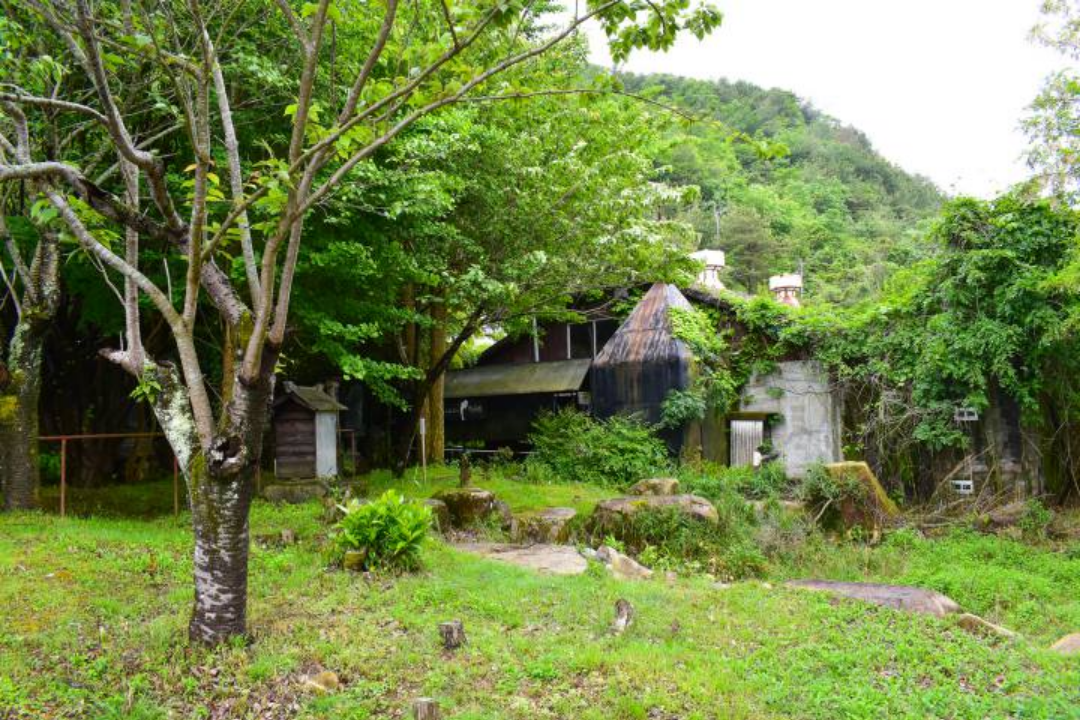
Bateren did not begin as the unusual coffeehouse visitors know today. According to local accounts, it originally operated as a bar, a type of venue where owners often have greater freedom to shape the atmosphere around their personal interests. In Bateren's case, that freedom became an outlet for the owner's fascination with collecting unusual objects.
Over the years, rare antiques, mysterious curiosities, handmade creations, and hard-to-find artifacts steadily accumulated throughout the building. What makes this important is that these items were never gathered to create a themed attraction. Unlike a museum, where collections are organized around clear categories and educational goals, Bateren's collection grew organically through personal interest. Objects were added because they were intriguing, meaningful, or simply too interesting to ignore.
As a result, the interior feels less like a curated exhibition and more like a physical record of one person's lifelong curiosity. Visitors are often struck by the lack of clear organization, but that apparent disorder is part of what gives the café its distinctive atmosphere. The space resists easy classification. It is not quite a museum, not quite an antique shop, and not quite a haunted attraction. That ambiguity is what makes it memorable.
The café's temporary closure and eventual reopening added another layer to its identity. Rather than modernizing the interior or replacing older elements, much of the existing space was preserved. Time itself became part of the environment. Layers of history remained visible, creating an atmosphere that reflects an earlier era of Japanese independent businesses, when shops were often extensions of their owners' personalities rather than carefully managed brands.
This is also why Bateren is so difficult to replicate. There is no design blueprint that could reproduce the same feeling elsewhere. The café is the product of decades of collecting, personal dedication, and a local community willing to embrace something unconventional. Its uniqueness comes not from careful planning, but from years of accumulation.
Its uniqueness comes not from planning, but from accumulation.
A Place Where Everyday Life and Unease Coexist
Source: Higashihiroshima Homepage
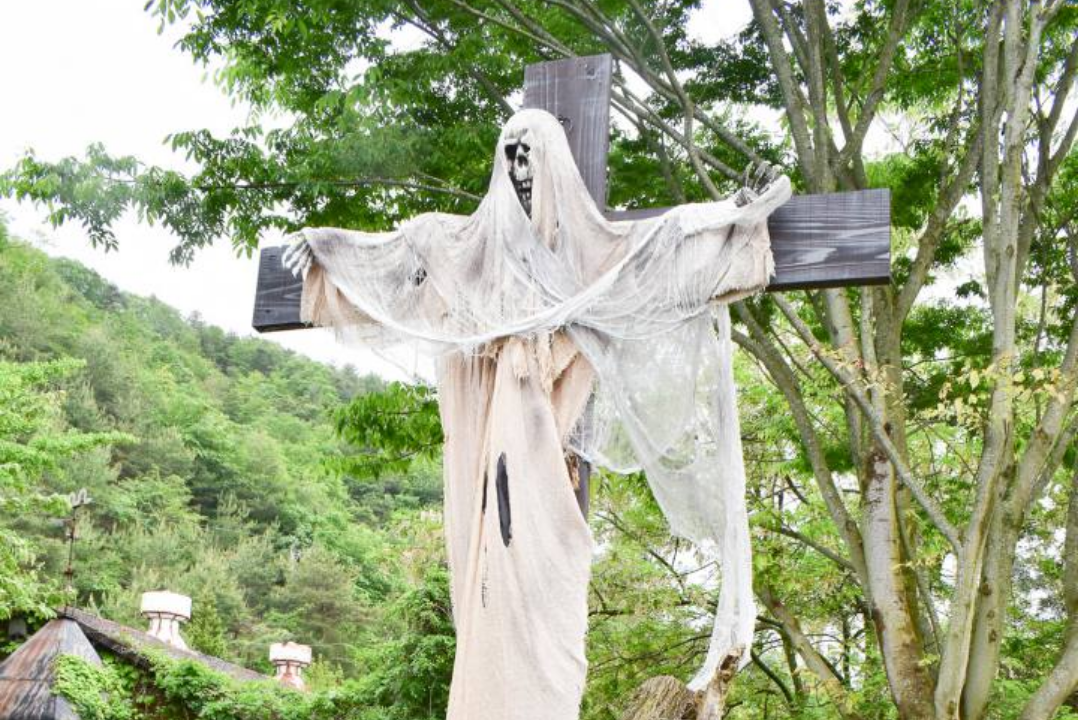
One of the most interesting aspects of Bateren is how it functions simultaneously as a destination and as an ordinary neighborhood café. For first-time visitors, the dark interior, antique displays, and unusual decorations can feel almost overwhelming. The space immediately creates a strong impression.
Yet once visitors sit down and order a drink, the experience changes. The unease never completely disappears, but it gradually softens. What initially felt strange begins to feel surprisingly normal.
For local residents, Bateren is not an attraction at all. It is simply a familiar place to stop for coffee, conversation, or quiet reflection. Regular customers have long since stopped focusing on the skeletons and unusual artifacts. Those objects have become part of the background, as ordinary as tables and chairs.
Visitors from outside the region often experience the café differently. Many arrive because they have heard stories about the strange atmosphere or unusual interior. They come expecting something bizarre and leave having experienced something more subtle. The visit does not end with shock or fear. Instead, curiosity slowly replaces caution.
This transformation is built into the café's structure. A horror attraction is designed to keep visitors tense, but Bateren remains a coffeehouse at its core. The familiar ritual of drinking coffee, sharing conversation, or simply sitting quietly provides a sense of comfort even while unusual objects surround the customer.
That combination creates an experience that feels distinctly Japanese. In many countries, spooky entertainment and dining are kept separate. At Bateren, they coexist naturally without requiring explanation. Visitors are free to interpret the space however they choose. Some come for the novelty, others for the atmosphere, and some simply enjoy having an unusual story to tell afterward. The café accommodates all of those experiences at the same time.
A Culture That Allows Personal Passion to Shape Public Spaces
Bateren could only have emerged within a culture willing to accept highly personal spaces. In many parts of the world, cafés and restaurants are expected to maintain consistent branding, broad appeal, and a carefully controlled customer experience. Spaces that reflect one individual's eccentric interests too strongly are often considered commercially risky.
Japan has traditionally been more accommodating of businesses shaped by personal passion, particularly in smaller cities and rural communities. Independent cafés have long served as extensions of their owners' personalities, interests, and lifestyles. Rather than trying to appeal to everyone, many succeed by creating environments that resonate deeply with a particular group of people.
Bateren embodies this approach. Its dim lighting, unusual collections, and slightly unsettling atmosphere are not universally appealing, yet the café has remained part of the local community for decades. Instead of being pressured to conform to mainstream expectations, it has been allowed to remain itself.
Japanese coffeehouse culture also tends to be remarkably flexible. A café can be a meeting place, a workspace, a refuge from daily life, or simply somewhere to pass time. Bateren pushes that flexibility even further. Visitors can approach it as a curiosity, a cultural experience, a place to relax, or all three at once.
Japan has also historically valued places that are difficult to categorize. Locations that generate stories and linger in memory often gain lasting support precisely because they resist simple definitions. Bateren is a perfect example. Visitors frequently leave wanting to describe it to friends, even if they struggle to find the right words. That desire to share the experience has become one of the reasons the café continues to attract attention.
Why Story Matters More Than Fear
When international visitors encounter Bateren, the café's appeal goes far beyond its eerie appearance. What often captures people's attention is not the sense of fear, but the story behind the space itself.
Many cafés around the world are created around clearly defined concepts. Designers establish themes, target audiences, and aesthetic guidelines before construction even begins. Bateren developed in the opposite direction. Its identity emerged gradually through collecting, preserving, and simply allowing things to remain.
This kind of accidental creativity is often highly valued in art, design, and cultural circles. Rather than feeling manufactured, the space feels authentic because it evolved naturally over time.
The atmosphere also differs significantly from conventional horror entertainment. There are no scripted experiences, no dramatic reveals, and no carefully constructed narratives. The objects are simply there, surrounded by decades of accumulated history. Visitors are left to interpret them on their own.
For many international travelers, this lack of explanation feels distinctly Japanese. Some of Japan's most memorable local destinations share a similar quality. They are not optimized for tourism, they do not provide exhaustive explanations, and yet they leave a lasting impression.
Bateren also exists somewhere between several different categories. It functions as a café, but it can also feel like an archive, a personal collection, or an informal exhibition space. This ambiguity makes it especially interesting from a cultural perspective.
Rather than representing a business model to copy, Bateren is better understood as an idea. Its influence spreads through photographs, stories, and personal experiences. In that sense, it is less a place that can be exported and more a cultural concept that can be interpreted and appreciated across borders.
The Value Found Beyond Speed and Optimization
Source: Higashihiroshima Homepage
At its core, Bateren represents a different relationship with time. Around the world, cafés have increasingly become spaces for productivity. People arrive with tasks to complete, meetings to attend, or work to finish before moving on to the next activity.
Bateren quietly operates according to a different philosophy.
Modern life is increasingly fragmented by notifications, schedules, messages, and constant demands for attention. Time without a clear purpose is often treated as wasted time. Bateren creates room for exactly that kind of unstructured experience.
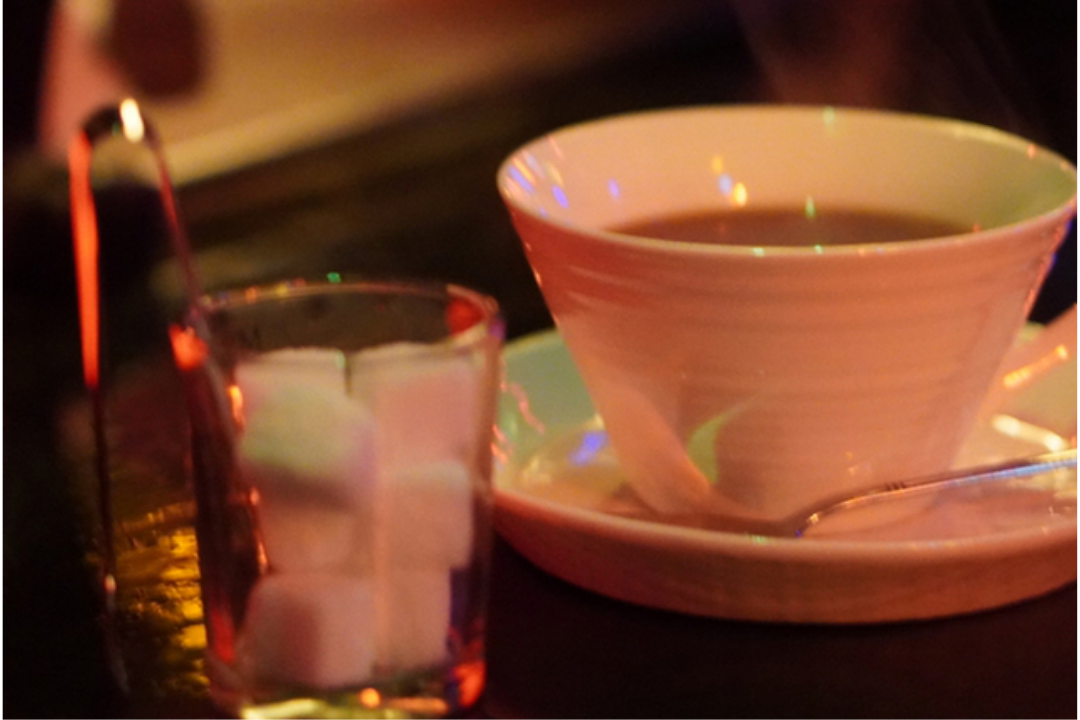
Sitting in a dimly lit room surrounded by unusual objects naturally slows the pace of attention. Visitors spend less time doing and more time observing. The space encourages contemplation rather than productivity.
The café also raises interesting questions about consumption. Without explicitly promoting sustainability, it demonstrates the value of preservation. Instead of continually replacing the old with the new, Bateren accumulates, maintains, and repurposes. Its interior reflects decades of continuity rather than constant reinvention.
This approach resonates with contemporary conversations about sustainability, even though it emerged from personal habits rather than environmental ideology. The café's commitment to preserving objects gives the space a sense of permanence that is increasingly rare.
There is also a connection to mental well-being. Bright, highly stimulating environments can be enjoyable for short visits but exhausting over longer periods. Bateren's darkness and quietness encourage a more reflective state of mind. The space allows multiple emotions to coexist. It can feel calming, mysterious, nostalgic, and slightly unsettling all at once.
Many international visitors find this ambiguity refreshing. Because the café does not tell people how they should feel, each person is free to form their own interpretation. That process often creates stronger memories than experiences that are carefully managed from beginning to end.
Ultimately, Bateren demonstrates that Japan's traditional coffeehouse culture has always been about more than food and drinks. It is also about creating a relationship with time. As more people around the world search for alternatives to constant optimization and stimulation, places like Bateren begin to feel less like relics of the past and more like examples of a different future.
Conclusion
Bateren does not offer a clear business formula, nor does it provide a model that can easily be replicated. In many ways, that is exactly why it remains significant.
The café demonstrates that hospitality spaces do not need to maximize efficiency, comfort, or universal appeal in order to create value. Sometimes the most memorable experiences emerge when personal interests, accumulated history, and traces of everyday life are allowed to remain visible.
Perhaps most importantly, Bateren's atmosphere was never created as a marketing strategy. Its darkness, collections, and sense of mystery emerged naturally through decades of use and preservation. The result feels authentic precisely because it was never designed to appear authentic.
For international audiences, Bateren represents a uniquely Japanese kind of cultural curiosity. It is not a theme park, nor is it a destination built specifically for tourism. Yet it leaves a lasting impression on those who visit.
The café also offers a different way of thinking about time. In a world increasingly defined by speed, clarity, and optimization, Bateren remains slow, dimly lit, and open to interpretation. Those qualities encourage visitors to pause, reflect, and experience the space on their own terms.
Bateren is not a blueprint for the future. It is something arguably more valuable: a reminder that not every meaningful place needs to be explained, optimized, or reinvented. A small coffeehouse in rural Japan continues to ask important questions about what we preserve, what we choose not to explain, and what happens when a space is allowed to grow naturally over time.
In that sense, Bateren is more than a café. It is an example of how a place can resist becoming just another product to consume, and instead become something people remember.
FAQ About Bateren Café
1. What Is Bateren?
Bateren is a one-of-a-kind traditional coffee shop located in Higashihiroshima, Hiroshima Prefecture. Inside its dimly lit interior, visitors will find antique objects and unusual decorations collected by the original owner, creating an atmosphere unlike that of a typical café. While guests can certainly enjoy coffee and other beverages, the true appeal lies in the unforgettable experience of spending time within its distinctive space.
2. How Is It Different From a Typical Café?
What sets Bateren apart is its emphasis on the experience of being in the space rather than on efficiency or following trends. While many cafés prioritize bright interiors and an approachable atmosphere, Bateren embraces darkness and mystery as part of its identity. The owner's personal interests and decades of collecting have naturally shaped the café into the unique place it is today.
3. Why Does the Interior Feel Like a Haunted House?
The café was not originally designed with a horror theme. Instead, its unusual atmosphere developed gradually as the original owner continued collecting antiques, curiosities, and decorative objects over the years. Skeletons, animal displays, and other seemingly eerie items are valued as collectibles and conversation pieces, allowing each visitor to experience the space in their own way.
4. Why Is It Called "Bateren"?
The word Bateren was historically used in Japan to refer to Christian missionaries. The café features many objects that evoke foreign cultures and historical influences, contributing to its mysterious, almost otherworldly atmosphere. Even its name reinforces the feeling of stepping into a world that exists just outside everyday life.
5. Who Enjoys Visiting Bateren?
Bateren is popular with people who appreciate traditional Japanese coffee shops as well as those who seek out unusual and memorable places. For local residents, it serves as a familiar neighborhood café, while first-time visitors often remember it as one of the most distinctive places they have ever experienced.
6. Why Has Bateren Been Remembered for So Long?
Its appeal comes from something that cannot easily be recreated elsewhere: the accumulation of time. The café's interior and atmosphere were not carefully staged according to a design plan. Instead, they evolved naturally through the owner's interests and years of collecting. That sense of authenticity and organic growth leaves a lasting impression on visitors.
7. What Makes Bateren Appealing to International Visitors?
One of its greatest attractions is that it is not a place created specifically for tourists. Instead, it offers an authentic glimpse into local Japanese culture. Throughout Japan, independently owned cafés often reflect the unique personalities and values of their owners, and Bateren is a remarkable example of this tradition. Its charm comes from genuine history rather than carefully manufactured entertainment.
8 Does Bateren Reflect Japanese Coffee Shop Culture?
Yes. Traditional Japanese coffee shops, or kissaten, have long served as places where people can relax and spend time at their own pace rather than simply eat or drink. Bateren embodies this spirit by valuing atmosphere and comfort over customer turnover, allowing visitors to enjoy the space however they choose.
9. Why Does Bateren Continue to Attract Attention Today?
Its appeal lies in the fact that it feels imperfect in the best possible way. At a time when many cafés feature polished designs and highly standardized experiences, Bateren offers a space shaped slowly over many years. Every visit presents the possibility of noticing something unexpected, making exploration part of the experience.
10. What Is the Biggest Appeal of Bateren?
Its greatest strength is the opportunity to experience a world that cannot be fully explained. The dim lighting, collections of antiques, and quiet passage of time come together to create an atmosphere found nowhere else. Rather than relying on carefully designed theatrics, Bateren offers a truly one-of-a-kind environment that has developed naturally over decades, and that authenticity is what makes it so memorable.
Related Videos
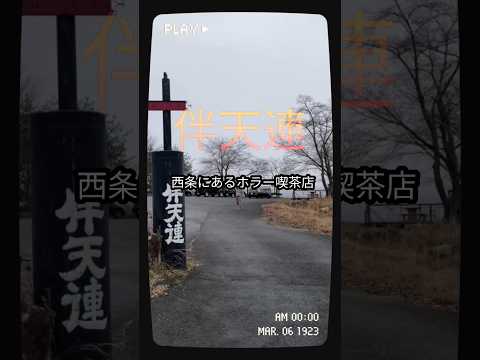
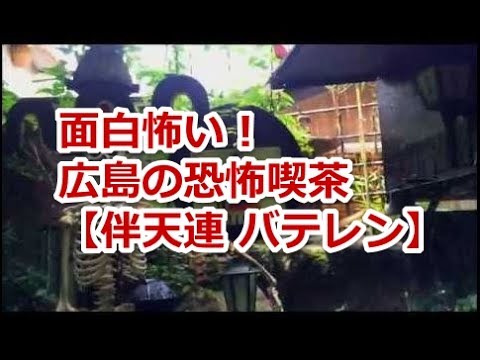
If you're interested in hidden gems of Japanese café culture, the video below introduces Bateren, a charming coffeehouse in rural Japan whose name comes from the Portuguese word for missionaries. This video shows how history, architecture, and local culture come together to preserve a unique atmosphere that has quietly captivated visitors for generations.