As cities become increasingly digital, opportunities for people to meet naturally in person are becoming rarer worldwide. Dating apps and social media have made it easier than ever to connect online, but taking those conversations into the real world still comes with a psychological barrier. In many major cities, few places let strangers comfortably strike up conversations, making it especially difficult for younger generations to meet new people organically.
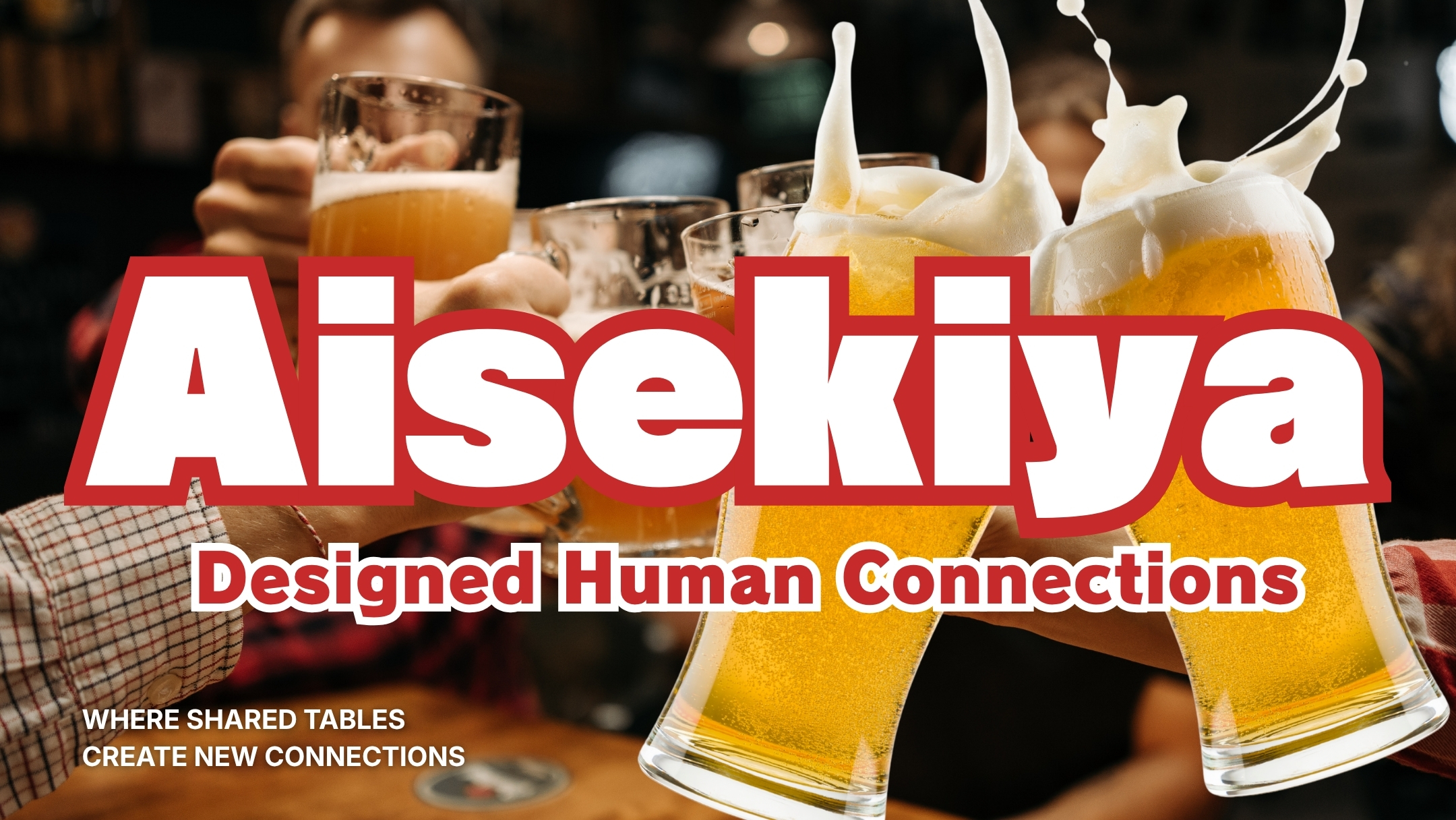
One uniquely Japanese solution to this challenge is Aisekiya. Rather than functioning as a traditional bar, club, or dating event, Aisekiya is a social dining service that intentionally creates opportunities for conversation by seating groups of men and women together at the same restaurant table. Instead of leaving encounters to chance, the service is designed around making introductions feel natural.
Founded in Tokyo in 2014, Aisekiya has since expanded to cities across Japan. Its business model is simple but carefully structured. Women generally dine for free, while men pay based on how long they stay. Staff members actively match guests at shared tables, allowing conversations to begin without anyone having to make the first move.
This makes Aisekiya more than just another restaurant. It represents a new type of social service that emerged from Japan's dining culture, transforming an everyday restaurant into a space specifically designed for meeting new people.
In this article, we'll explore the philosophy behind the company that created Aisekiya, examine the social challenges the service aims to address, and consider how its approach to engineering chance encounters could influence nightlife, hospitality, and social businesses beyond Japan.
Aisekiya Overview
Aisekiya is a Japanese social dining concept that creates opportunities for strangers to meet by seating male and female groups together at restaurant tables. Guests enjoy food and drinks just as they would at a typical restaurant. Still, instead of choosing where they sit, staff members arrange seating so different groups share a table, encouraging conversation from the moment they are introduced.
The key innovation is that Aisekiya transforms spontaneous social encounters into a structured dining experience. At a conventional bar or lounge, customers must approach strangers themselves, which many people find intimidating. At Aisekiya, the restaurant removes that pressure by handling the introductions through its seating system. Simply taking a seat is often enough to start a conversation.
The pricing model also supports this concept. Women generally enter and dine free of charge, while men pay an hourly fee. This pricing structure helps maintain a balance between male and female guests, increasing the likelihood that tables can be matched efficiently throughout the evening.
Another distinctive feature is the table rotation system. After spending time with one group, guests can request to move to another table, creating opportunities to meet several different people during a single visit.
Rather than operating as a standard restaurant, Aisekiya is designed as an urban social platform built around dining. By combining a familiar restaurant setting with a carefully managed matching system, it offers a different kind of nightlife experience that prioritizes real-world conversation over digital interaction.
The Decline of Spontaneous Social Encounters in Modern Cities
Many experts argue that opportunities for spontaneous face-to-face interaction have steadily declined in modern urban life. Although cities bring millions of people together in shared spaces every day, actually meeting someone new has become surprisingly uncommon. Daily routines such as commuting, shopping, and dining have become increasingly efficient, leaving fewer natural moments for strangers to interact.
This trend is especially noticeable among younger generations, whose social lives are increasingly centered on digital communication. Social media and messaging platforms make it easy to stay connected with existing friends, while dating apps introduce people online before they ever meet in person. However, transitioning from digital conversations to face-to-face interaction often remains intimidating.
The Barriers of Approaching Strangers in Crowded Venues
Traditionally, bars and clubs have served as places where people could meet new acquaintances. Yet these environments usually require guests to approach strangers themselves, something many people are reluctant to do. Even in crowded venues, most groups end up spending the evening only with the people they arrived with.
This challenge inspired a different approach. Rather than expecting customers to initiate conversations on their own, what if the space itself encouraged interaction? By seating strangers together at the same table, conversation becomes a natural part of the dining experience instead of something individuals must actively create.
Aisekiya was developed as a response to this shift in urban society. Within the familiar setting of a restaurant, guests are introduced to members of the opposite sex through the seating arrangement itself. There is no need to attend a dedicated singles event or networking party. Customers simply visit as they would at any other restaurant and let the system facilitate introductions.
What makes the concept particularly distinctive is that it does not rely on chance alone. Seating arrangements, pricing strategies, and table rotation policies are all designed to encourage interaction. Together, these operational elements create an environment where conversations occur more naturally than they might elsewhere.
Rather than simply providing nightlife, Aisekiya demonstrates how restaurant operations can be redesigned to restore opportunities for face-to-face communication that many modern cities have gradually lost.
Turning Restaurants Into Infrastructure for Social Connection
Aisekiya is more than a restaurant where men and women share tables. It represents a broader attempt to redesign face-to-face social interaction for modern urban life. Its operator, Section Eight Co., Ltd., recognized that restaurants already serve as everyday gathering places and asked whether those familiar spaces could also become places where strangers can meet comfortably.
Despite Japan's densely populated cities, many adults struggle to expand their social circles. Once people leave school and settle into full-time careers, opportunities to meet new people often decline dramatically. Daily life tends to revolve around existing friendships and workplace relationships, making it increasingly difficult to form new connections.
Nightlife venues such as bars, clubs, and organized singles events have long attempted to address this need. However, these environments typically require guests to make the first move themselves. For many people, approaching someone they have never met remains uncomfortable, even if they are interested.
Introductions Within a Familiar Restaurant Setting
Aisekiya addresses this problem through spatial design rather than personal initiative. Staff members seat compatible groups together, removing the pressure of initiating introductions. Guests are not expected to walk across the room or interrupt someone else's evening. Instead, the restaurant itself creates the opportunity for conversation.
The pricing structure also plays an important operational role. Women generally dine for free, while men pay by the hour, helping maintain a balanced guest ratio. As a result, Aisekiya functions as both a restaurant business and a managed social environment, blending hospitality with community building.
The concept fits naturally within Japan's dining culture, where izakayas and casual bars have long served as places for conversation and relationship building. Aisekiya builds on that tradition by extending it beyond existing friend groups and creating structured opportunities for strangers to connect.
The result is a new category of urban social venue. Guests visit for food and drinks, but they also leave with opportunities to meet people they otherwise would never have encountered. Instead of treating chance encounters as something unpredictable, Aisekiya transforms them into a service that can be thoughtfully designed and consistently delivered.
How Aisekiya Turns Meeting New People Into a Restaurant Operation
Source: Aisekiya Homepage
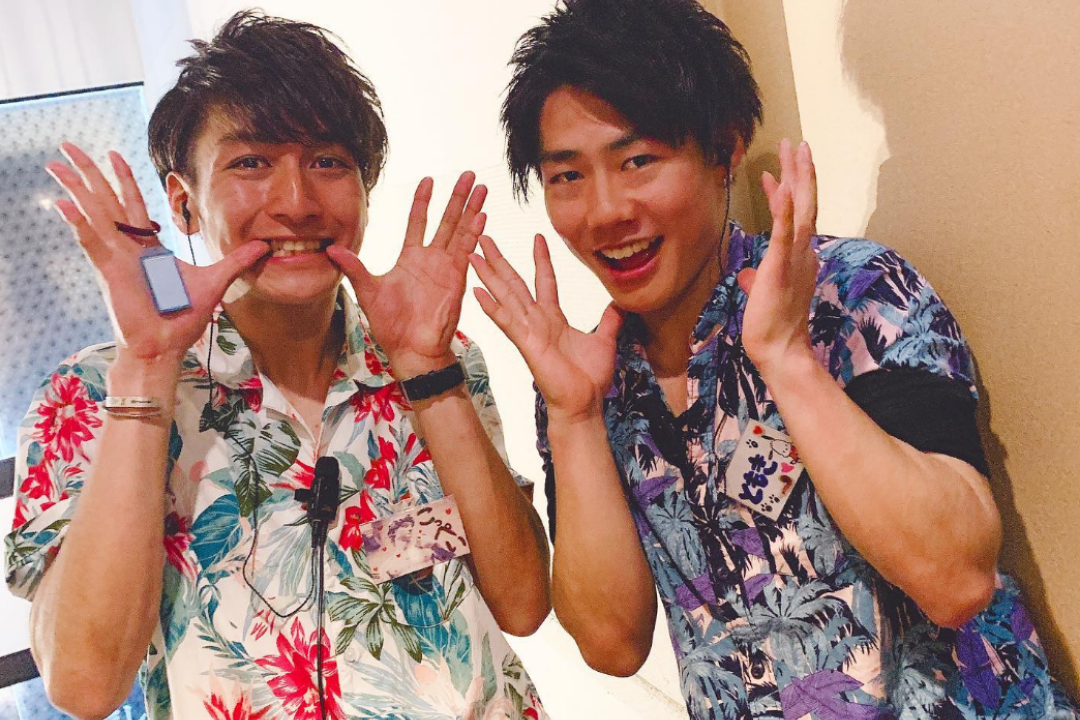
What makes Aisekiya unique is that it transforms something as unpredictable as meeting new people into a structured restaurant operation. In a typical restaurant, customers dine only with the group they arrive with. At Aisekiya, however, the venue actively manages seating arrangements, placing groups of men and women at the same table to encourage conversation. Rather than leaving introductions to chance, the restaurant is designed to facilitate them.
The customer experience is intentionally straightforward. Groups of men and women arrive separately, and staff guides them to available tables, where they are seated with members of the opposite sex. Guests do not need to register for a special event or networking session. They simply visit the restaurant as they would any other dining venue, and conversations begin naturally while they enjoy food and drinks.
How Seating, Pricing, and Rotations Drive Social Flow
The pricing model plays a key role in making this system work. Women generally dine free of charge, while men pay an hourly fee. This encourages a balanced mix of guests and helps ensure that shared tables can be formed consistently throughout the evening.
Because men's fees are based on time spent in the venue, longer and more engaging conversations naturally translate into longer visits. This connects the restaurant's revenue model with the social experience it provides, creating a sustainable business that combines hospitality with social interaction.
Table rotation is another important feature. After spending time with one group, guests can request to be matched with another table, allowing them to meet multiple people during a single visit. This expands networking opportunities for customers while also helping the restaurant maintain an active flow of guests.
Staff members play a much larger role than they would in a conventional restaurant. Beyond taking food and drink orders, they coordinate seating, facilitate table changes, and monitor the overall atmosphere to ensure conversations remain comfortable and enjoyable.
By combining dining, social interaction, and entertainment into a single operational system, Aisekiya has created a business model that differs significantly from traditional nightlife venues. Instead of relying on customers to create social opportunities themselves, the restaurant is designed to make those opportunities part of the experience.
How Aisekiya Expanded Across Japan's Urban Nightlife Market
Aisekiya opened its first location in Tokyo's Ebisu district in 2014 before gradually expanding into major cities across Japan. Although it represented a relatively new category within the restaurant industry, its simple concept of seating men and women together quickly attracted public attention. Television programs, newspapers, and online media frequently featured the brand, introducing it as a new style of Japanese nightlife.
The service became particularly popular among young professionals and university students in large cities. While many visitors come hoping to meet potential romantic partners, others simply use Aisekiya to make new friends or enjoy conversations with people outside their usual social circles. Since it operates as a restaurant rather than a scheduled event, customers can visit casually as part of a normal night out.
The model is especially well suited to densely populated cities. Urban areas such as Tokyo, Osaka, Nagoya, and Fukuoka have large populations of young adults, making it easier to maintain a balanced mix of male and female guests. This demographic advantage helped Aisekiya establish itself as a recognizable nightlife option across Japan.
Designing Hospitality Around Human Connection
From an operational perspective, Aisekiya also benefits from relying on the familiar framework of a restaurant. Kitchens, beverage service, and table service function much like those of any other dining establishment. The primary innovation lies in adding a carefully managed seating system on top of an existing restaurant operation, allowing the company to build a new business model using proven hospitality practices.
Section Eight, the company behind Aisekiya, has since expanded into other businesses focused on social interaction and relationship building. In addition to restaurants, it operates events and entertainment services designed to bring people together, with Aisekiya remaining the flagship brand at the center of its portfolio.
From a B2B perspective, Aisekiya effectively created a new category within the nightlife industry. Unlike bars or clubs, where social interaction depends largely on customer initiative, Aisekiya integrates social engagement directly into restaurant operations. While businesses centered on meeting new people already existed, embedding that experience into everyday dining was a fresh approach.
By combining hospitality with structured social interaction, Aisekiya introduced a new type of restaurant that has influenced Japan's nightlife landscape and demonstrated how dining venues can become spaces for meaningful human connection.
A Company Built Around Designing Human Connections
Source: Aisekiya Homepage
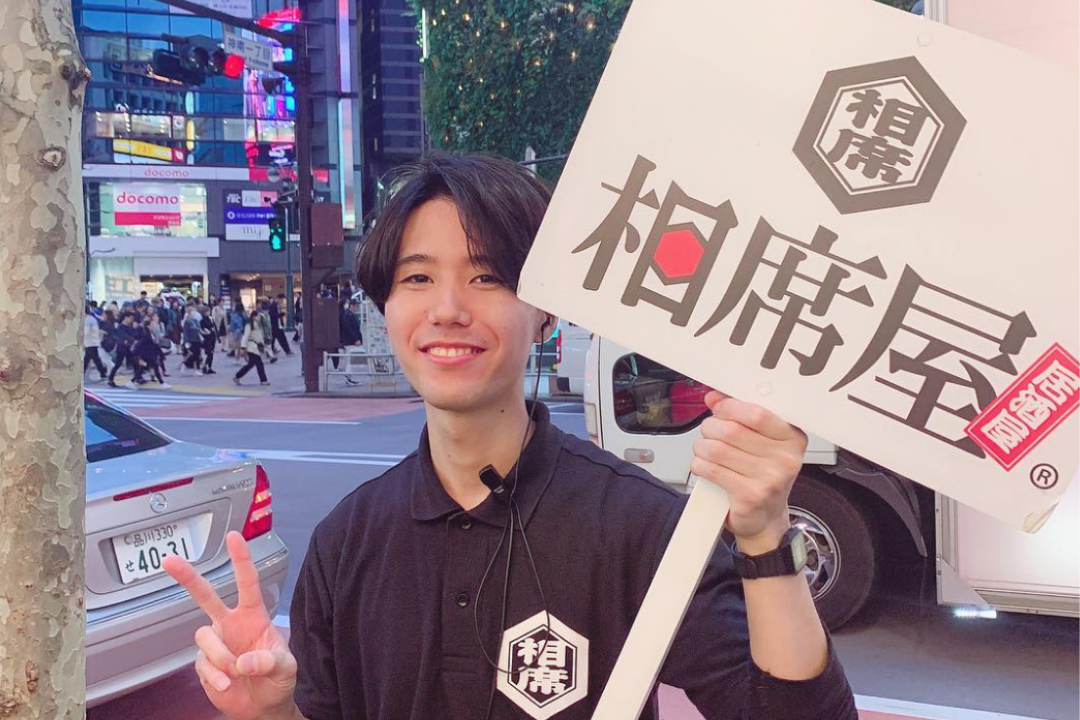
At the heart of Section Eight's business philosophy is a simple idea: creating opportunities for people to meet. Even in densely populated cities, forming new relationships can be surprisingly difficult. Once people leave school and settle into professional life, their daily routines often revolve around the same workplaces, neighborhoods, and friendship circles, leaving relatively few opportunities to meet someone new.
Rather than accepting this as an unavoidable reality, Section Eight views it as a design challenge. The company's philosophy is that meaningful interactions do not have to depend entirely on chance. By thoughtfully designing spaces, systems, and customer experiences, businesses can naturally encourage conversation and connection.
Aisekiya became the company's first and most recognizable example of this philosophy. Instead of asking customers to overcome the awkwardness of approaching strangers, the restaurant creates an environment where introductions happen naturally through its seating system.
This approach is also rooted in Japanese urban culture. In Japan, strangers are generally less likely to start conversations in public spaces than in some other countries. At the same time, restaurants, izakayas, and bars have long served as places where conversations flow more easily. Aisekiya builds on this cultural foundation by extending those social settings beyond existing friend groups and encouraging new connections.
Following Aisekiya's success, Section Eight expanded into other businesses centered on real-world interaction, including social events and communication-focused entertainment. Although each service differs, they all share a common objective: encouraging face-to-face communication in an increasingly digital world.
As online communication becomes the norm, in-person interaction is becoming more valuable, not less. While people can connect with thousands of others digitally, meaningful face-to-face conversations are becoming increasingly rare. Services like Aisekiya attempt to bridge that gap by creating comfortable spaces where people can meet naturally.
For Section Eight, the goal extends beyond opening more restaurants. The company aims to design environments that strengthen human connections within cities, positioning itself not simply as a restaurant operator but as a creator of urban communication experiences.
Global Potential Beyond Japan's Nightlife Industry
Source: Aisekiya Homepage
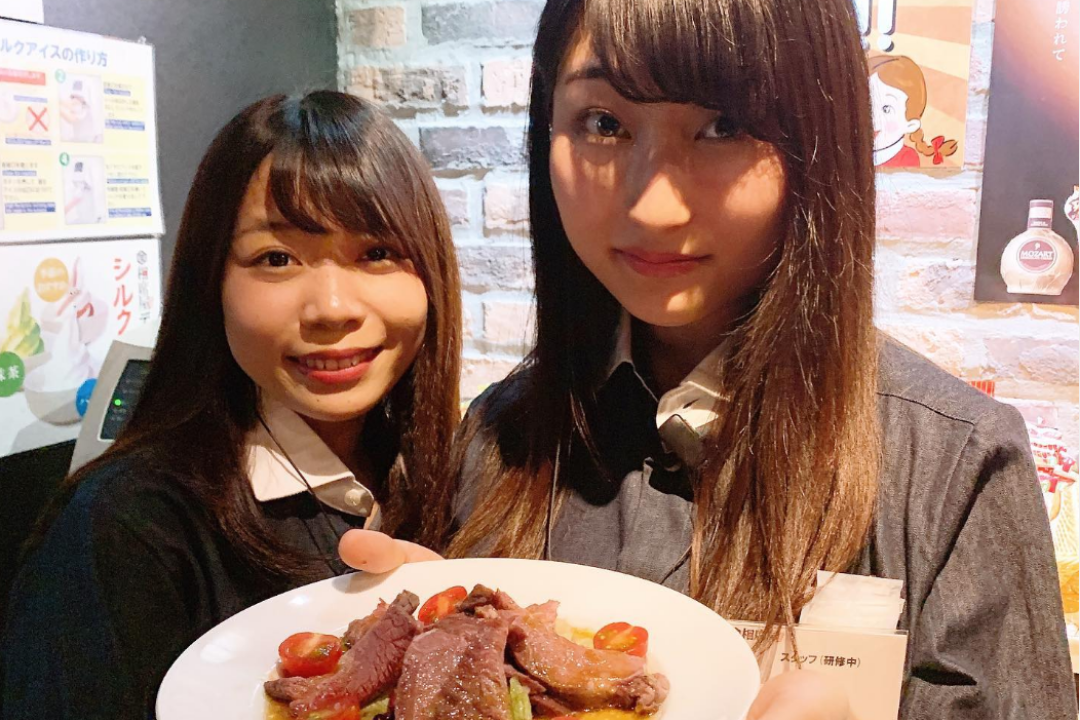
Although Aisekiya was developed within Japan's restaurant culture, its underlying concept could work in cities around the world. Major urban centers everywhere face a similar challenge: despite being surrounded by millions of people, many residents find it surprisingly difficult to meet someone new in person.
Bars and clubs have traditionally filled this role in North America and Europe, but these venues still rely heavily on customers to take the initiative and approach strangers. Most guests spend the evening with the people they arrived with, and whether new conversations begin often depends entirely on individual confidence. Aisekiya takes a different approach by letting the venue facilitate introductions.
Even as dating apps have become widespread, face-to-face interaction retains unique value. Online matching can efficiently introduce people, but many users hesitate when it comes time to arrange an in-person meeting. By embedding introductions into a familiar restaurant experience, Aisekiya reduces some of that hesitation and makes meeting new people feel more natural.
Many cities already host networking events, singles mixers, and speed dating sessions, but these are usually scheduled events that require planning. Aisekiya differs by operating as a permanent restaurant. Customers can simply drop in for dinner or drinks without committing to a formal event, making the experience feel much more accessible.
Redefining Urban Encounters Through Service Design
From a business perspective, the concept could offer restaurants and nightlife operators a new service category. Existing restaurant infrastructure can be combined with social programming to attract customers looking for more interactive dining experiences. In cities with large populations of young professionals, demand for venues that encourage genuine social interaction continues to grow.
The concept also reflects a distinctive aspect of Japanese dining culture. Izakayas and casual bars have long been places where conversation naturally develops over food and drinks. Aisekiya takes that tradition one step further by intentionally creating opportunities for strangers to share the same table.
While the service originated in Japan, the broader idea of designing spaces that encourage meaningful human interaction has clear international appeal. As cities continue searching for new ways to foster community, models like Aisekiya could become an important part of the future nightlife and entertainment landscape.
Conclusion
Aisekiya is a Japanese social dining service that reimagines how people meet in modern cities. By seating groups of men and women together at the same table, it creates an environment where conversations can begin naturally without requiring guests to participate in organized events or overcome the awkwardness of approaching strangers on their own.
The innovation lies in transforming chance encounters into a structured operational system. Seating arrangements, pricing strategies, table rotation, and staff coordination all work together to create an environment where social interaction becomes a built-in part of the dining experience. Rather than changing what a restaurant is, Aisekiya expands what a restaurant can do.
Through this model, Section Eight has demonstrated that restaurants can become platforms for strengthening real-world communication. At a time when digital interactions dominate daily life, face-to-face conversations remain an important part of building meaningful relationships, and Aisekiya provides one practical way to encourage them.
For businesses outside Japan, the concept offers an interesting example of how hospitality and social experiences can be combined into a single business model. Cities around the world continue to seek new ways to help people connect, and Aisekiya shows that restaurant operations themselves can become part of the solution.
Ultimately, Aisekiya represents more than a dating venue or nightlife destination. It demonstrates that opportunities to meet new people can be intentionally designed rather than left entirely to chance. By transforming an everyday restaurant into a place where new conversations naturally begin, the company offers a fresh perspective on the future of urban social life.
FAQ About Aisekiya
1. What Kind of Service Is Aisekiya?
Aisekiya is a social dining service originating in Japan that brings male and female customers together at the same table in a restaurant setting, providing opportunities for natural conversation and interaction. It employs a system where the establishment coordinates the shared seating, allowing guests to communicate with people they are meeting for the first time while enjoying food and drinks.
2. How Is Aisekiya Different From Regular Izakayas or Bars?
At conventional izakayas or bars, you generally need to approach other customers on your own. In contrast, at Aisekiya, staff arrange seating to create an environment where conversation starts naturally, making it much easier to interact with people you are meeting for the first time.
3. How Does the Pricing System Work?
While pricing varies by location or plan, the basic structure generally allows female customers to use the service free of charge, while male customers pay based on the length of their stay. This pricing system helps maintain a balance of male and female guests, creating an environment where table sharing is easily facilitated.
4. Can You Change Seats at Aisekiya?
According to the restaurant's rules, tables rotate at set intervals, offering opportunities to interact with multiple groups during a single visit. This operational method, designed to let guests enjoy conversations with a wider variety of people, is a distinctive feature of Aisekiya.
5. Who Utilizes Aisekiya?
People use it for various goals, including interacting with new people, making friends, or simply enjoying a meal. It is not a service solely intended for dating; many people use it for casual social communication.
6. Why Is Aisekiya Attracting Attention?
With digital communication, the service is valued for providing an environment where natural face-to-face conversations can begin. Utilizing the familiar setting of a restaurant to design interpersonal encounters as a structured service is another key reason for its growing attention.
7. Is There Potential for the Aisekiya Concept to Work Globally?
The need for opportunities to interact with new people is shared across urban areas worldwide. Therefore, the Aisekiya model, which combines dining and socializing, could expand into international markets if adapted to local cultures and customs.
8. How Is Aisekiya Different From Matching Apps?
Matching apps generally involve finding someone online before meeting them in person. On the other hand, Aisekiya allows natural conversations to begin on-site right after entering the establishment; the main difference is the ability to interact face-to-face without intermediate online messaging.
9. Why Does It Adopt the Form of a Restaurant?
Settings where people enjoy food and drinks naturally foster conversation, even among those meeting for the first time. By building on the everyday activity of dining, the concept creates a space where natural communication begins without special preparations, such as participating in organized events.
10. What Is the Service Direction That Aisekiya Aims For?
Rather than being a mere restaurant, Aisekiya aims to be an urban communication service that generates opportunities for people to connect naturally. The goal is to provide spaces for interaction through dining and to propose a new social option for modern urban lifestyles.