The Freedom of Living Without a Permanent Address: How Japan’s ADDress Is Rethinking the Meaning of Home
For generations, housing has been treated as something fixed. Choosing where to live often meant choosing your workplace, social circle, daily routines, and long-term future all at once. Moving was expensive, complicated, and often reserved for major life events.
Today, that assumption is beginning to change. As remote work becomes more common and location-independent careers continue to grow, many people no longer need to return to the same place every day. For them, the idea that home must be tied to a single address is no longer a given.
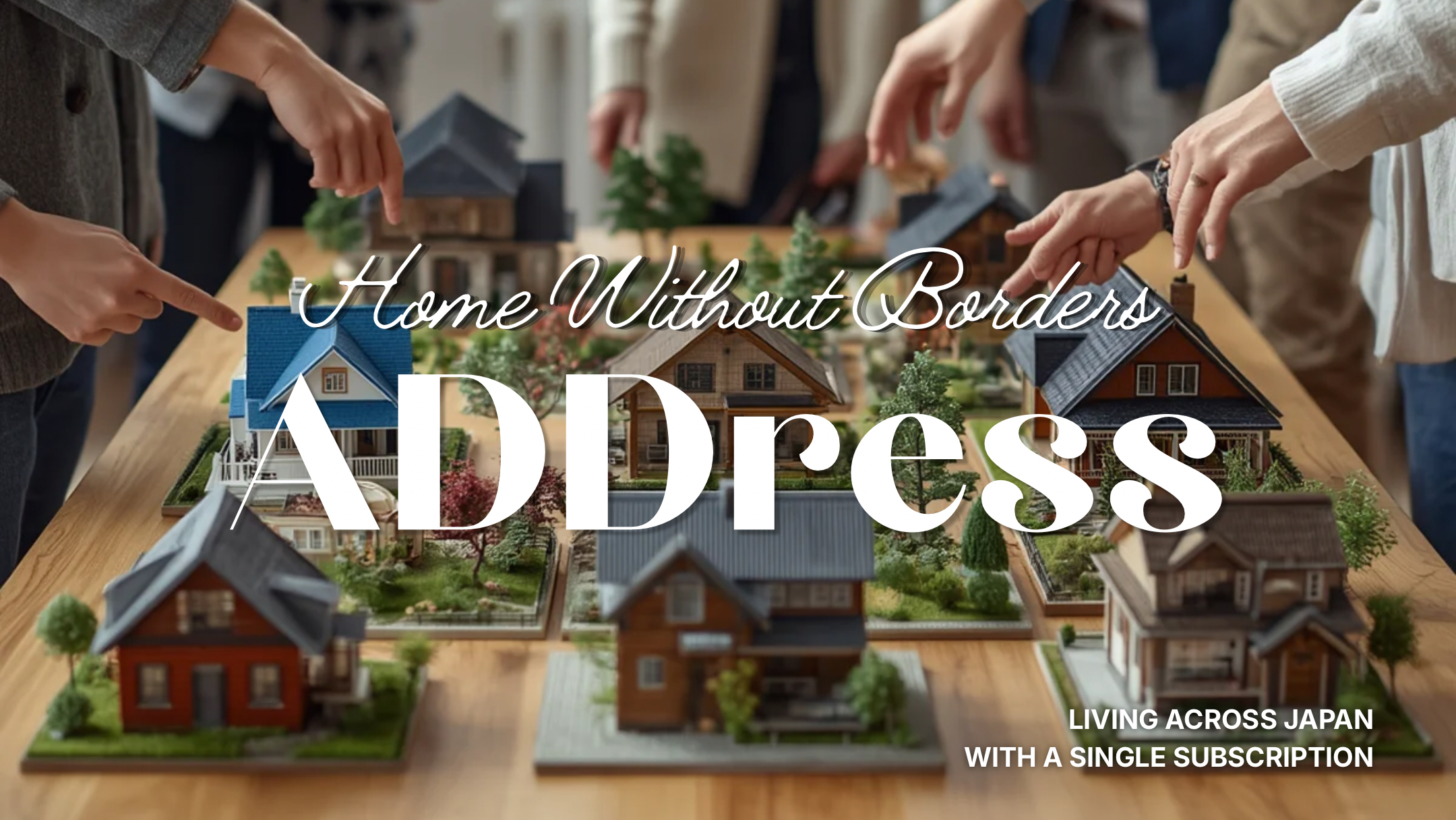
This shift has created opportunities for new housing models, and one of Japan's most innovative examples is ADDress. Rather than making it easier to rent a new apartment, ADDress reimagines the concept of home itself. Through a nationwide subscription network of residences, members can move freely between locations while maintaining a stable lifestyle. The service is built on a simple idea: home does not have to be a single place.
The fact that ADDress emerged in Japan is significant. Challenges such as population concentration in major cities, rising housing costs, vacant homes in rural communities, and long commuting times have shaped Japanese society for decades. While these issues are often discussed separately, many stem from the assumption that people must remain tied to one location. ADDress approaches these challenges not through government policy, but by giving individuals a practical alternative.
Its relevance extends beyond Japan. Around the world, remote work and digital nomad lifestyles have become increasingly common, yet housing options often remain limited to either short-term accommodations or long-term leases. The middle ground is surprisingly underdeveloped in many countries. ADDress represents one of the few large-scale attempts to create a flexible housing network that sits between these two extremes.
Importantly, ADDress does not sell an idealized vision of freedom. The company has spent years addressing practical challenges such as contracts, moving logistics, residency requirements, and everyday living infrastructure. The result is a system that allows people to live without owning or permanently renting a single home, while still maintaining a sense of stability.
This article explores how ADDress was created, the problems it aims to solve, and why its model is gaining attention as a potential blueprint for the future of housing.
ADDress: A Subscription-Based Housing Overview
ADDress is a multi-location living service that allows members to stay at residences across Japan through a monthly subscription. It is neither a hotel network nor a traditional rental housing platform. Instead, it is designed to support everyday life across multiple locations.
The company is not simply providing places to stay. Its core innovation lies in reducing the friction traditionally associated with moving. Members avoid many of the complexities of conventional housing, including lease negotiations, deposits, key money, furnishing costs, and repeated relocation expenses. With a single membership, users can move between locations while maintaining continuity in their daily lives.
The network includes properties in both urban and rural areas. Rather than focusing solely on tourist destinations, ADDress allows members to spend time in communities where people actually live and work. This creates opportunities to experience local rhythms and cultures in ways that short-term travel rarely allows.
At its core, ADDress is built around a different philosophy of housing. Instead of treating homes as assets tied to ownership or long-term residency, the company views housing as flexible infrastructure that can adapt to changing lifestyles.
A New Alternative to Traditional Housing
ADDress enables a form of living that goes beyond temporary stays or trial relocations. Members subscribe to a monthly plan and use a centralized reservation system to access residences throughout Japan. Rather than signing individual leases for each property, users move between locations within a single framework.
People use the service in a variety of ways. Some spend weekdays in major cities for work and weekends in quieter regional communities. Others move between locations every few weeks, adjusting their environment according to the seasons, personal goals, or lifestyle preferences. While the model is well suited to remote workers, it is not limited to any particular profession.
The pricing structure is also worth noting. While ADDress is not necessarily cheaper than a conventional apartment in every case, it eliminates many of the upfront and recurring expenses associated with moving. When deposits, furnishing costs, and relocation expenses are taken into account, the overall cost structure becomes much simpler.
The service attracts a broad range of users, including freelancers, remote workers, individuals exploring relocation opportunities, people seeking greater mobility, and families navigating life transitions. Rather than promoting a single lifestyle, ADDress creates flexibility for many different approaches to living.
The real value of the service is not mobility for its own sake. It is the reduction of the practical and psychological barriers that traditionally limit where and how people live.
Connecting Housing, Community, and Daily Life
Source: ADDress Homepage
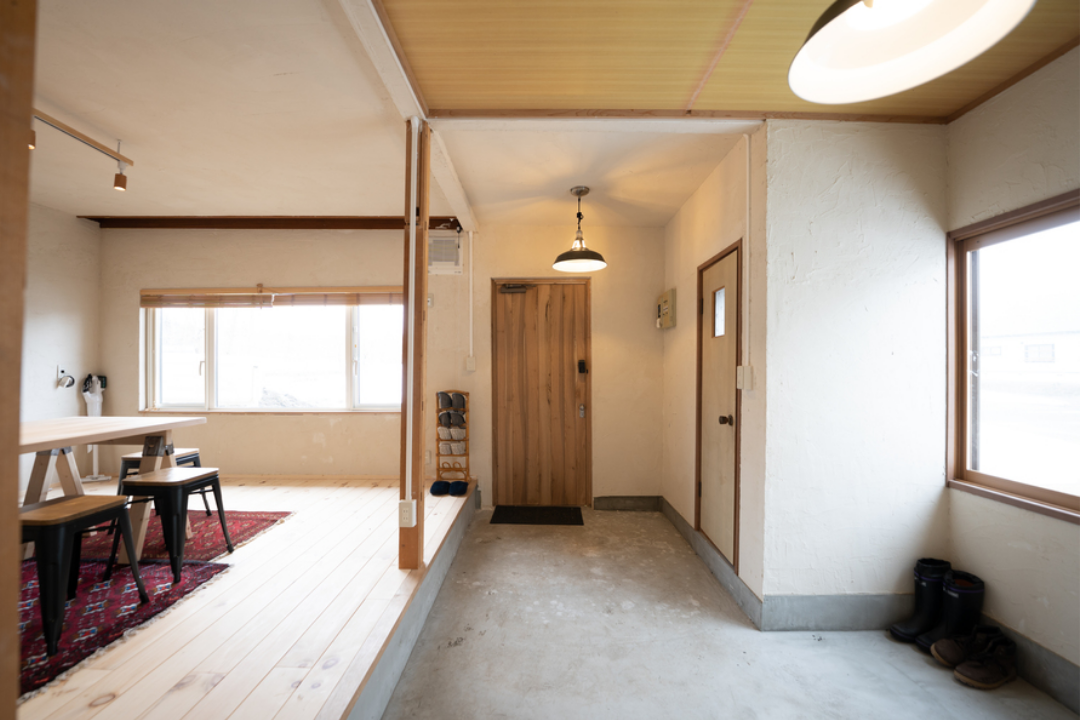
What makes ADDress unique goes beyond the ability to stay in multiple locations. Its deeper innovation lies in how it connects housing, local communities, and everyday life within a single system.
Traditional accommodation services often separate visitors from the communities around them. ADDress takes a different approach. It is designed around the idea of living rather than simply staying.
One major difference is its contract structure. Instead of signing separate leases for individual properties, members subscribe to the overall service. This dramatically reduces the administrative burden associated with relocation and makes moving between homes much more seamless.
The company also makes extensive use of existing housing stock, including vacant homes that might otherwise remain unused. By restoring these properties to active use, ADDress contributes to local revitalization while expanding housing options for members. This is not simply a real estate strategy. It is also an effort to reconnect underutilized communities with new residents.
Community engagement is another key component. Many properties have local house managers who help maintain the residences and act as bridges between guests and the surrounding area. As a result, members are often welcomed as temporary residents rather than viewed solely as tourists.
The platform also supports a broader member community. While social interaction is never mandatory, users often connect with others who share similar values around mobility, flexibility, and alternative lifestyles. This helps reduce the isolation that can sometimes accompany location-independent living.
ADDress is not simply a housing subscription. It is a redesign of the relationship between housing, community, and mobility.
Questioning the Assumption of Permanent Residence
The origins of ADDress can be traced to a simple question: why is housing still so difficult to move?
Work can increasingly be done online. Relationships can be maintained across distances. Yet housing remains heavily tied to long-term contracts and geographic permanence. The founders saw this mismatch as an unnecessary limitation on how people organize their lives.
In Japan, housing has traditionally been closely linked to major life decisions such as employment, marriage, family planning, and relocation. Moving is often treated as a significant commitment rather than a routine choice. As a result, people frequently stay in places that no longer suit their needs simply because changing homes is too difficult.
At the same time, many rural areas face growing numbers of vacant homes, while major cities struggle with rising housing costs and commuting pressures. ADDress saw an opportunity to address both issues through a single idea: make housing more fluid.
From the beginning, the company avoided idealistic narratives. It does not encourage everyone to move to the countryside or become a digital nomad. Instead, its goal is to give people greater freedom to choose where they live based on their current circumstances.
In this sense, ADDress transforms housing from a major life decision into an ongoing lifestyle choice.
Creating Space for Different Ways of Living
Source: ADDress Homepage
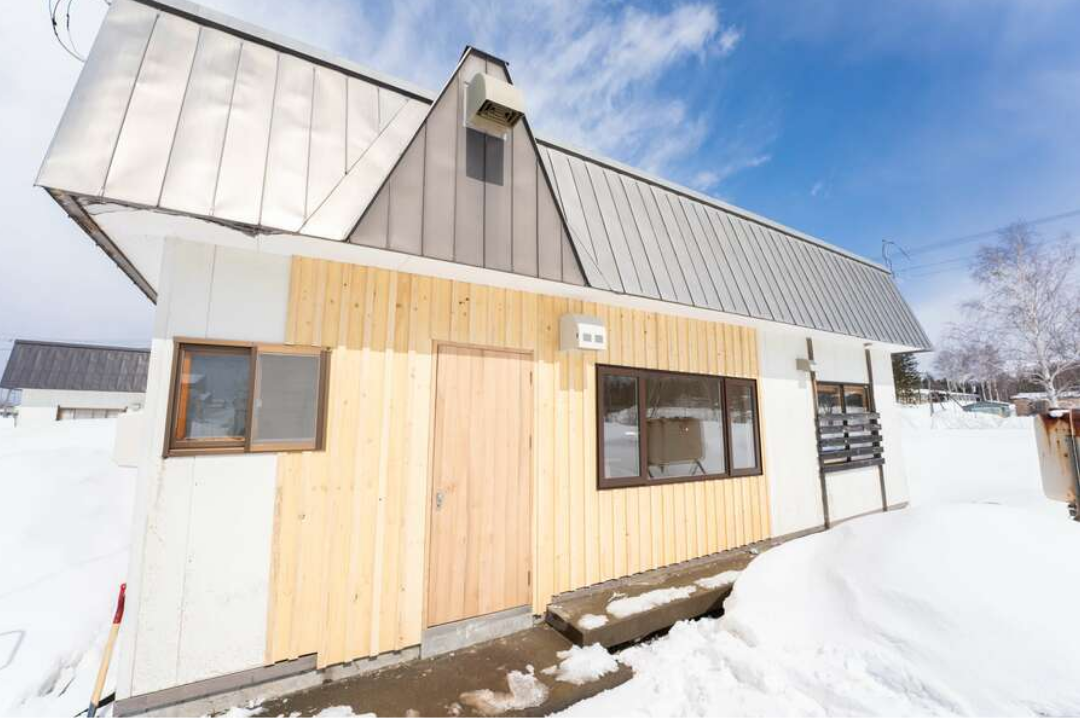
One reason ADDress has gained traction is that it supports people during periods of transition.
A change in work arrangements, family circumstances, personal priorities, or future plans can make a fixed residence feel restrictive. In these moments, the ability to move without completely uprooting one's life can be valuable.
Remote workers often use the platform to balance city life with time in regional communities. Others use it as a way to explore potential relocation destinations before making long-term commitments. Living somewhere for several weeks provides insights that short visits rarely offer.
Families have also begun using the service in creative ways. Temporary moves related to childcare, eldercare, education, or work can be managed without committing to permanent relocation. The flexibility allows households to adapt more easily to changing needs.
Some users simply seek a change of environment. Unlike a vacation, which emphasizes escape from daily life, ADDress allows people to shift their surroundings while maintaining normal routines. This middle ground between travel and permanent residence is one of the platform's defining characteristics.
Rather than prescribing a single "correct" way to live, ADDress provides the conditions for users to create their own.
Building a Sustainable Nationwide Network
A nationwide housing network requires more than a large number of properties. The challenge is maintaining quality and trust as the network grows.
ADDress addresses this through a combination of centralized systems and local support. Each property typically works with a house manager who oversees daily operations, supports residents, and helps maintain connections with the local community.
Maintenance standards are designed around long-term usability rather than hotel-style perfection. The goal is not to create identical spaces everywhere, but to ensure that each property remains clean, safe, and functional while retaining its unique character.
Members also play an active role in the system. Rather than being passive customers, they are expected to respect shared spaces and contribute to a culture of mutual responsibility. This approach helps create sustainable communities without relying on extensive rules or enforcement.
Expansion is approached cautiously. Property quality, community relationships, and operational capacity are all carefully evaluated before new locations are added. Growth is viewed as a long-term process rather than a race.
The result is a network designed for sustainability rather than rapid scale.
Why Longevity Matters More Than Novelty
Many alternative housing concepts generate attention but struggle to achieve long-term adoption. ADDress has distinguished itself by continuing to grow while maintaining an active user base.
Media coverage often highlights the service as a practical solution rather than a temporary trend. Discussions frequently connect ADDress to broader issues such as remote work, rural revitalization, housing affordability, and the reuse of vacant properties.
Its user base has also diversified over time. What began as an option primarily associated with remote workers and freelancers now attracts people from a wide range of age groups, professions, and household structures.
Partnerships with municipalities and local communities have further strengthened its position. Many regions view the platform as a way to encourage ongoing engagement with local areas rather than short-term tourism.
Perhaps most importantly, many members continue using the service over extended periods. This suggests that the model works not only as an interesting experiment but as a viable way of life.
ADDress has become proof that flexible living can move beyond theory and function in everyday reality.
The Global Relevance of Housing Mobility
Source: ADDress Homepage
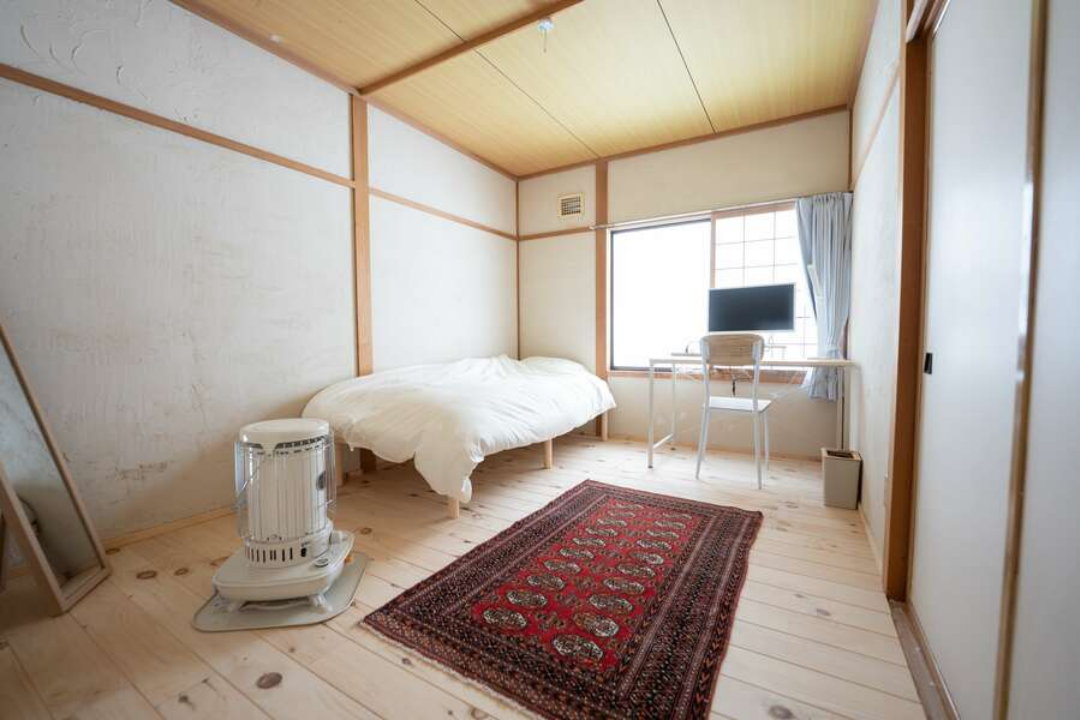
Viewed from an international perspective, ADDress reflects broader global trends.
Across many countries, rising housing costs, remote work, and changing lifestyle expectations are challenging traditional assumptions about where people live. At the same time, housing options often remain polarized between short-term accommodation and long-term leases.
Various forms of co-living have emerged around the world, but many focus primarily on temporary stays or lifestyle branding. ADDress differs because it is built around continuity of life rather than temporary experiences.
Its model is also intentionally broad. The company does not position itself exclusively for digital nomads or remote workers. Instead, it offers a framework that can support a wide variety of living arrangements. This flexibility makes the concept easier to adapt across different cultures and housing systems.
For international observers, the most important takeaway is not the specific Japanese implementation. It is the underlying idea of treating housing as a network rather than a fixed location. Even in countries with very different legal and cultural environments, this concept offers valuable insights into how housing could evolve.
Conclusion
ADDress is not selling an abstract dream of freedom. It is a practical response to the limitations of traditional housing systems.
By reducing the contractual, financial, and psychological barriers associated with moving, the company has created a model that allows people to choose mobility when it makes sense for their lives. The goal is not movement for its own sake, but the ability to move when needed.
What ADDress offers is not a choice between permanent settlement and constant travel. Instead, it creates a third option: a lifestyle where housing can adapt to changing circumstances without requiring major disruption.
Within Japan, the model has demonstrated how flexible living can support both individuals and local communities. Internationally, it provides a compelling example of how housing systems might evolve in an era defined by remote work, demographic change, and greater personal mobility.
For businesses, policymakers, and housing innovators abroad, the most valuable lesson is not the service itself but the philosophy behind it. Housing does not need to be defined solely by ownership or long-term contracts. It can also function as a flexible network that expands people's choices.
As a Japanese innovation, ADDress offers a practical glimpse into a future where home is not necessarily a place you stay, but a system that moves with you.
FAQ About ADDress
1. What Is ADDress?
ADDress is a Japanese multi-location living service that allows members to stay in a network of partner homes across Japan for a monthly subscription fee. Rather than settling permanently in a single residence like a traditional rental property, the service offers a flexible way of living that makes it possible to move between multiple regions while maintaining an everyday lifestyle.
2. Why Was ADDress Created?
As work styles and lifestyles became more diverse, housing remained largely tied to long-term leases and permanent residency. ADDress was created to rethink the traditional assumption that people must live in one fixed location, giving users the freedom to choose where they live based on their changing needs and circumstances.
3. How Is It Different From a Hotel or a Share House?
ADDress is designed for everyday living rather than travel or temporary accommodation. Unlike hotels, which are intended for short stays, or share houses, which usually involve living in one fixed location, ADDress allows members to continue their daily lives while moving between homes throughout Japan.
4. Why Has ADDress Become Popular Among Remote Workers?
For people who are no longer tied to a physical workplace, the service also removes the need to remain in a single home. Members can work in the city during the week, spend weekends in the countryside, or change locations with the seasons, making it easier to build a lifestyle that suits their personal preferences.
5. Why Is ADDress Often Discussed in Relation to Regional Revitalization?
The service has attracted attention because it brings new life to vacant homes and existing housing in rural communities while encouraging people to spend meaningful time there. Instead of visiting as short-term tourists, members live in these communities for extended periods, creating deeper relationships with local residents and contributing to regional activity.
6. Why Is It Called a "Housing Subscription Service"?
Instead of signing a separate lease for each property, members pay one monthly fee to access the entire network of homes. This eliminates the need to repeatedly sign and cancel rental contracts, allowing housing to function as a flexible network rather than a single fixed property.
7. Who Uses ADDress?
ADDress is used by a wide range of people, including remote workers, freelancers, individuals considering relocation, people interested in trying a dual-location lifestyle, and families seeking greater flexibility. One of its defining strengths is that it is not designed for just one type of lifestyle.
8. Why Are House Managers So Important?
House managers play a key role in making multi-location living comfortable and sustainable. Each ADDress property has a house manager who helps connect members with the local community. In addition to overseeing the property, they explain house rules, offer local guidance, and help residents settle into unfamiliar areas, making it easier to adapt to each new location.
9. Why Has ADDress Attracted International Attention?
The challenges of being tied to one place, driven by factors such as the rise of remote work and increasing housing costs, are being experienced around the world. As a result, ADDress has become a notable example of a new housing model that sits between short-term accommodation and traditional long-term rentals.
10. What Is the Greatest Strength of ADDress?
Its greatest strength is that it separates the decision of where to live from the decision of how to live. Rather than forcing people to choose between settling down permanently or constantly traveling, ADDress creates the flexibility to choose the right place at the right time. In doing so, it reimagines housing not as something to own, but as a living infrastructure that people can freely access according to their changing lifestyles.
Related Videos
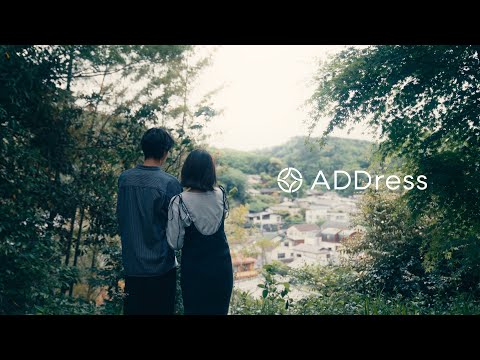
If you're interested in new ways of living and working, the video below introduces ADDress, a subscription service that allows people to live across Japan without a permanent home. This video shows how the service is redefining the meaning of home by giving people the freedom to choose where and how they live.