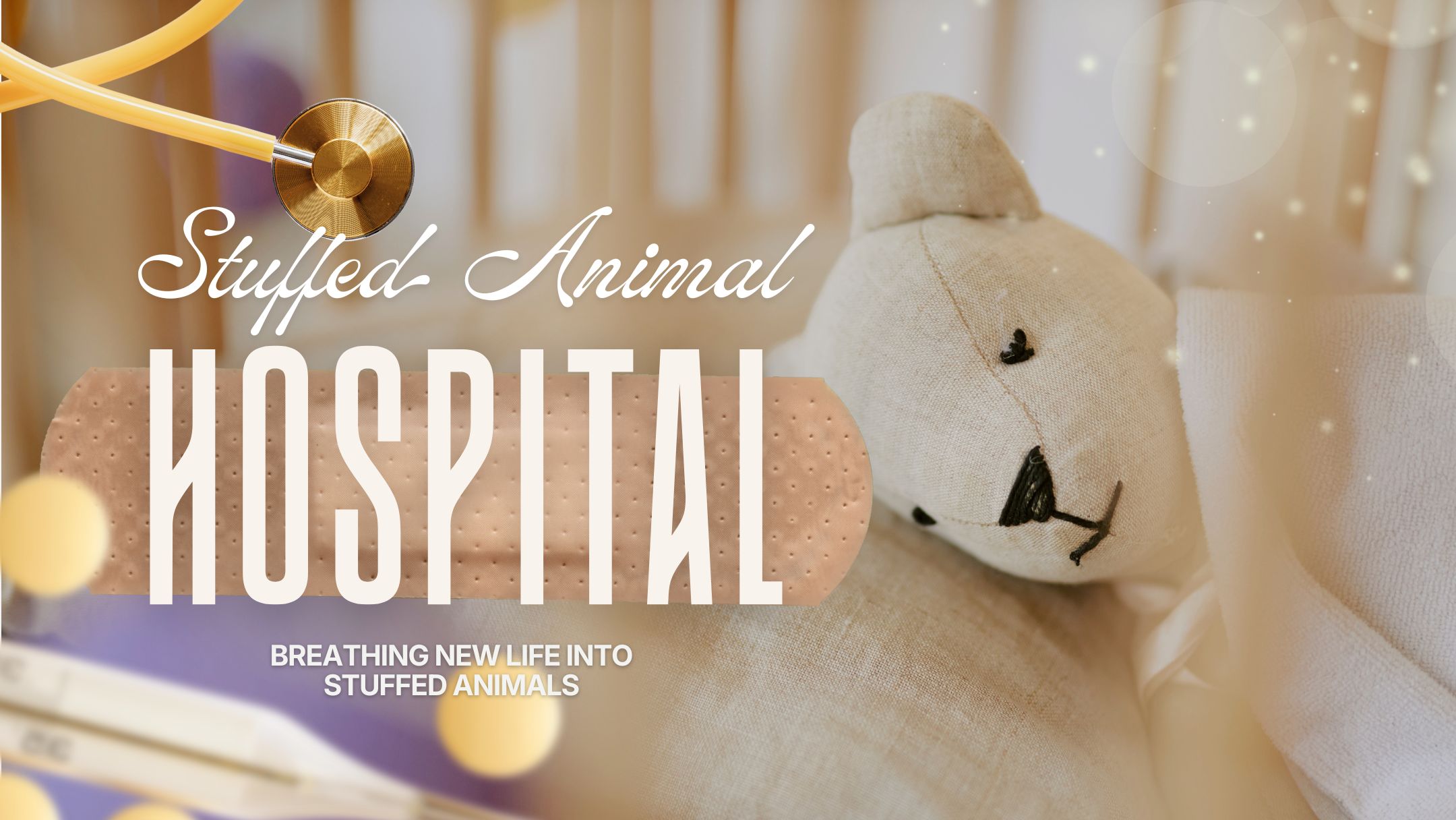
Stuffed animals are no longer seen only as children’s toys. For many adults, they offer comfort, emotional support, and a sense of nostalgia. In today’s fast-paced and stressful society, this gentle reassurance has become especially valuable, and the popularity of stuffed animals continues to grow. In response, a unique Japanese service called Stuffed Animal Hospital®, which specializes in repairing and caring for stuffed animals, has been attracting significant attention.
The hospital provides remarkably detailed services similar to those of a real medical facility. Staff members stitch torn seams, clean dirt and stains, and replace worn cotton stuffing. Because customers can keep using their cherished stuffed animals for many years, the service holds special value for those who cannot imagine parting with their beloved companions. With global interest in sustainability on the rise, the idea of repairing and reusing well-loved items resonates worldwide. As a result, demand for Stuffed Animal Hospital® is increasing both within Japan and internationally.
Stuffed Animal Hospital® Overview
Stuffed Animal Hospital® specializes in repairing and cleaning well-loved stuffed animals. Services include stitching damaged areas, replacing cotton stuffing, and removing stains, all with a level of care similar to that of a medical clinic. Customers fill out an application form on the official website, then send in their stuffed animal. After a detailed examination, trained staff provide a diagnosis, a repair plan, and a cost estimate. Fees vary depending on the work required, but simple stitching and cleaning generally start at a few thousand yen.
The hospital also offers care tailored to each stuffed animal’s condition and the owner’s wishes. What makes the service especially unique is that it goes beyond basic repairs. Treatment options such as “hospitalization” or “esthetic treatments” help restore each stuffed animal’s original charm. For many owners, the moment their companion returns “healthy” is deeply moving, which helps explain the service’s high rate of repeat users.
The Japanese Spirit of Treasuring Things
Source: Nuigurumi Hospital Homepage
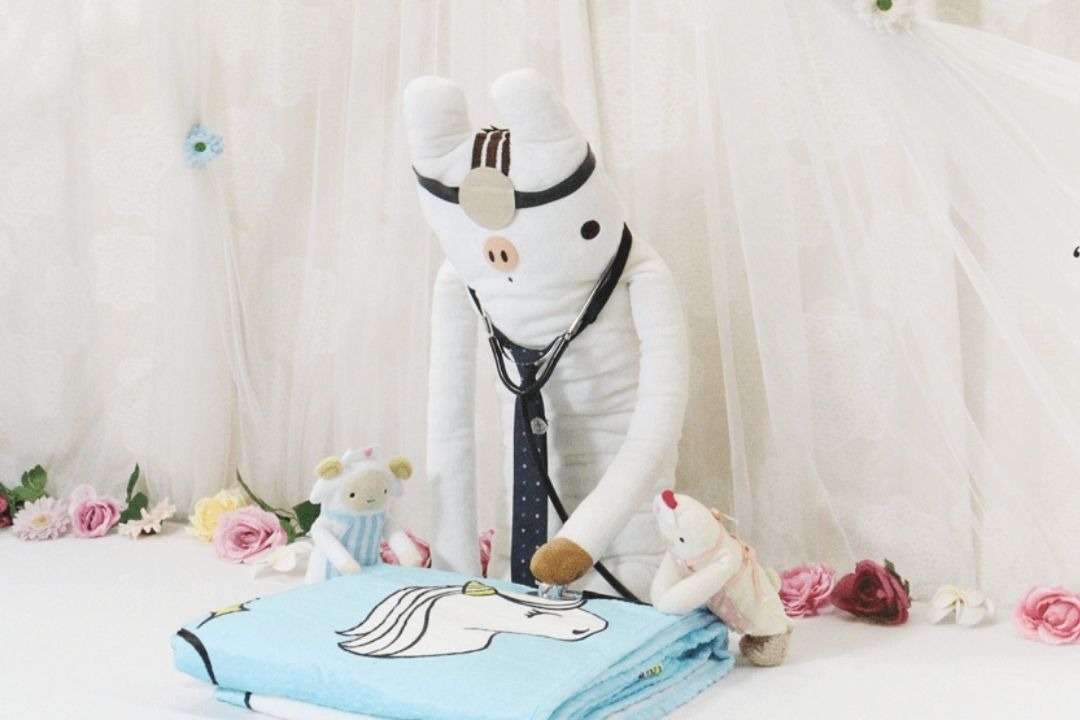
At Stuffed Animal Hospital®, stuffed animals are treated as patients, creating an experience similar to visiting a real hospital. Beyond ordinary repairs, the hospital offers creative treatment options inspired by medical and beauty care practices, including hospitalization, esthetic treatments, and even hair implant surgery. These services allow owners to entrust their beloved companions with complete confidence, often deepening their emotional attachment in the process.
Technically, the staff possesses advanced skills. They carefully repair each stuffed animal based on its material, shape, and degree of wear, often achieving results that look almost new. With years of experience, they can handle delicate or complex cases that other providers might decline. This careful attention to detail has earned the trust of many customers.
At the heart of the hospital is a Japanese cultural philosophy that values treasuring objects and acknowledging the “spirit” believed to reside in them. Rather than seeing stuffed animals as disposable toys, the hospital treats them as family members. This mindset creates a warm and meaningful experience for users.
Psychological Support in Education and Welfare
Although Stuffed Animal Hospital® primarily serves individual customers, its expertise is also applied in fields such as education and welfare. In child welfare facilities and eldercare homes, stuffed animals offer emotional stability, and repairing them helps maintain that sense of comfort. Some companies also use the service to care for promotional mascots, improving brand image and customer satisfaction by keeping cherished items in good condition. Environmental organizations and local governments encourage repairing stuffed animals as part of broader sustainability efforts to reduce waste. Through these initiatives, Stuffed Animal Hospital® contributes not only to emotional well-being but also to environmental responsibility.
The Origins of Stuffed Animal Hospital
The hospital was created out of the desire to keep using cherished stuffed animals for many years. When the founder’s childhood stuffed animal tore, the sadness of losing such an important companion became the motivation for creating a place that could care for stuffed animals with respect and affection.
At the time, Japan lacked professional stuffed animal repair services, so the founder had to develop techniques through extensive trial and error. Over time, they refined methods for delicate stitching and cleaning across many materials. By treating stuffed animals like patients and offering special options such as hospitalization and esthetic treatments, the hospital created a warm and memorable experience far beyond simple repair work.
Delivering Stuffed Animals Home Safely
Source: Nuigurumi Hospital Homepage
To ensure peace of mind, the hospital maintains strict quality and safety standards. Each repair is tailored to the stuffed animal’s material and condition, with great care taken to preserve its original appearance and feel. Staff select durable, safe materials and use expert techniques developed through years of experience. Quality checks are performed at each stage, and hygiene is maintained with specialized cleaning equipment and rigorous sterilization and deodorization procedures. This careful approach has earned users' trust and forms the foundation of the hospital’s strong reputation.
A New Value Born from Challenge
The founder’s childhood sadness at losing a beloved stuffed animal created a deep wish to treat them as long-term family members rather than disposable items. Even though Japan has a tradition of valuing belongings, professional repair services for stuffed animals were rare. This motivated the founder to establish a place where anyone could send their companion with confidence. The hospital focuses not only on technical skill but also on providing emotional comfort to its customers, reinforcing the bond between people and their beloved items. Through this mission, the hospital also contributes to a more sustainable society.
Ties to Japanese Culture
Stuffed Animal Hospital® is rooted in Japan’s traditional mindset of caring for and repairing belongings. This approach aligns closely with today’s sustainability values. The hospital’s philosophy of treating stuffed animals as family members reflects the Japanese spirit of mottainai (avoiding waste) and the country’s long history of craftsmanship.
Community involvement is also key. The hospital hosts workshops and events that promote cherishing belongings and appreciating their emotional value. These efforts connect traditional culture with modern needs and help pass these values on to future generations.
Expanding Globally
Stuffed Animal Hospital® aims to broaden its range of services and increase brand recognition domestically and internationally. The service plans to continue improving repair techniques and expanding its care menus to better handle a wider variety of stuffed animals. At the same time, the hospital has begun incorporating online consultations and quotation services, offering greater convenience.
To increase the brand’s presence through social media and video content, the hospital is sharing the emotional and environmental value of repairing cherished stuffed animals. Looking ahead, international expansion is also a growing focus. In particular, the service is exploring growth in Asia and Western countries where appreciation for stuffed animals and sustainability is increasing.
In the future, Stuffed Animal Hospital® aims to expand globally by forming partnerships with local companies and eventually opening physical stores.
Media Coverage and Public Response
Source: Nuigurumi Hospital Homepage
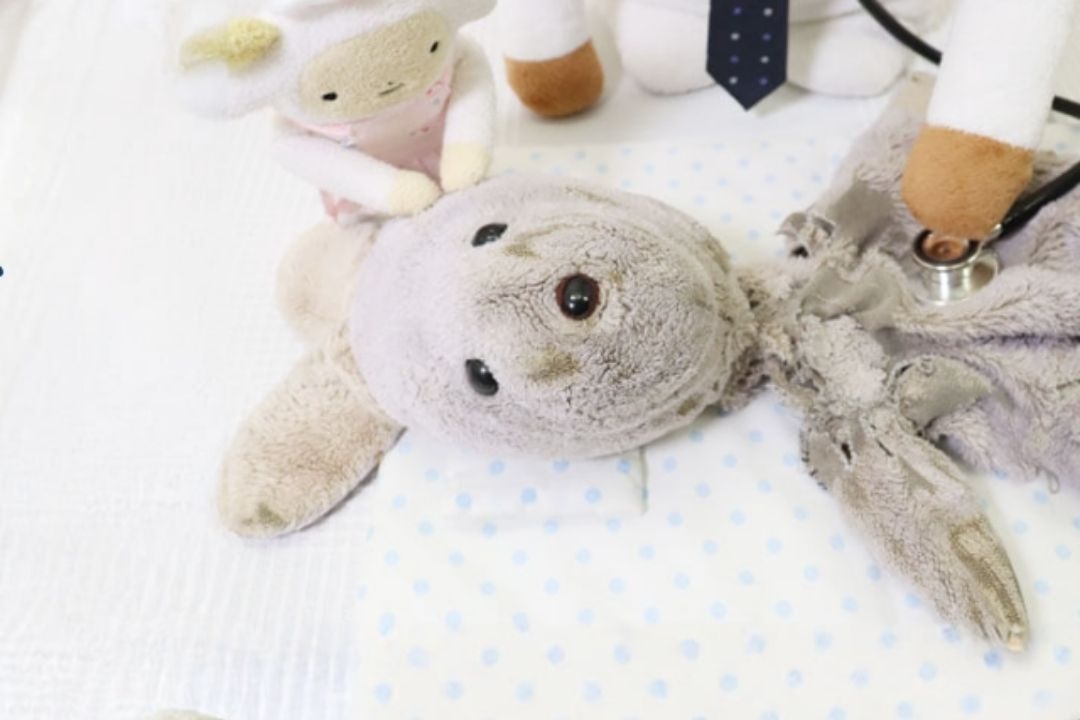
Stuffed Animal Hospital® has received high recognition in Japan and has built a strong track record. It has been featured across various media outlets, including television, magazines, and online publications, where its unique service has attracted plentiful attention. In particular, it is often introduced as an example of cultural tradition and sustainability. While specific sales figures and revenue are not publicly disclosed, positive customer reviews and a high rate of repeat usage indicate its popularity.
In addition to a strong social media presence under the hashtag #StuffedAnimalHospital, the service has held limited-time pop-up events at department stores, select shops, and tourist locations, offering visitors the opportunity to bring their stuffed animals for in-person consultations. These opportunities have helped raise brand awareness and broaden the customer base.
What Users Say
Stuffed Animal Hospital® receives enthusiastic feedback from customers in Japan and around the world. Many express joy and relief when their stuffed animals return looking revitalized, saying the service helps preserve precious memories. Growing numbers of international customers, including English-speaking users and collectors, praise the accuracy of the restorations and the staff’s ability to honor sentimental value across cultures.
On Instagram, X (formerly Twitter), and YouTube, the hashtag #StuffedAnimalHospital appears in countless posts showing before-and-after transformations. Influencers and celebrities have also shared their experiences, contributing to the hospital’s growing credibility and visibility.
Conclusion
As global awareness of sustainability grows, repairing and reusing cherished belongings is becoming increasingly common. Within this movement, services like Stuffed Animal Hospital® stand out for combining specialized technical skill with heartfelt emotional care. The service resonates strongly with eco-conscious consumers in Asia and the West.
For international companies, Japan’s unique expertise and service model present an opportunity to create highly distinctive businesses. Local partnerships would allow Stuffed Animal Hospital® to expand efficiently while sharing the broader social value of reducing waste and celebrating emotional connection. Together, such collaborations can support sustainable, long-term growth.
FAQ About Stuffed Animal Hospital
1. What Types of Damage Can a Stuffed Toy Hospital Repair?
A wide range of issues can be handled, including tears, loose seams, stain cleaning, and restuffing. Even plush toys that have deteriorated over many years can be treated using repair methods suited to their condition, to restore them as close as possible to their original form.
2. Will It Be Restored to Exactly the Same Condition as Before?
It may not return to a completely identical state, but the repair process prioritizes preserving its texture and memories. Care is taken to balance appearance and feel while considering materials and aging.
3. What Do “Hospitalization” and “Spa Treatment” Mean?
“Hospitalization” refers to the overall repair process, while “spa treatment” means cleaning and care. Although the terms are medical in style, the service actually involves a combination of sewing repairs, washing, and reshaping as part of total care.
4. What Is the Process From Application to Return?
After applying through the official website, the plush toy is shipped. Specialists then assess its condition, provide a quote, carry out the work, and return it. Since details are confirmed in advance, the service can be used with a full understanding of the scope.
5. Can I Trust Them With a Plush Toy That Has Strong Sentimental Value?
Yes. The service emphasizes treating plush toys as family members and responds with care that respects the owner’s emotional attachment. It focuses not only on repair but also on preserving sentimental value.
6. Is It Hygienic for Plush Toys Used by Small Children?
Cleaning and sanitization are performed using specialized equipment, with attention to hygiene. Materials are also selected with safety in mind, making the service suitable for children’s items.
7. How Much Does the Repair Cost?
Costs vary depending on the type of repair, but basic stitching and cleaning services start from a few thousand yen. A detailed estimate is provided after assessment, allowing decisions based on the specific work required.
8. Can Companies or Facilities Use This Service?
Yes. It is used in childcare and elderly care facilities as part of emotional support, and by companies for maintaining mascots and similar items.
9. Why Is This Service Considered Sustainable?
It promotes the idea of repairing and continuing to use items rather than discarding them. Reinterpreting a culture of valuing possessions in a modern way contributes to reducing environmental impact.
10. Why do People Use it Globally as Well?
In addition to high repair quality, the uniquely Japanese perspective of treating plush toys as family members is highly regarded. Support has grown due to both cultural resonance and quality.
Related Videos
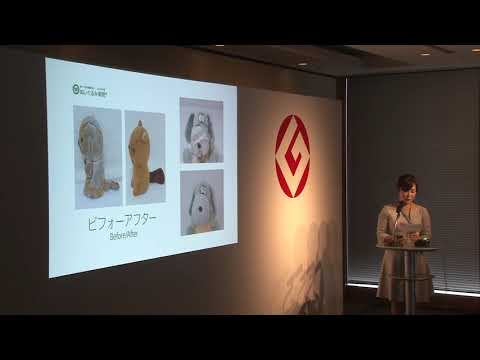
If you're interested in Japan’s unique approach to emotional care and repair, the video below introduces the Stuffed Animal Hospital, where beloved plush toys are restored with care. This video shows how craftsmanship and compassion come together to bring cherished stuffed animals back to life.