In many countries, parents are expected to drive their children to school, daycare, after-school activities, and medical appointments. In Japan, however, a different model has emerged. KidsTaxi is a specialized transportation service that allows children to travel independently under the supervision of professionally trained taxi drivers.
Unlike a conventional taxi, KidsTaxi is designed specifically for unaccompanied children. Drivers are responsible not only for transportation but also for ensuring that children are safely picked up, monitored throughout the journey, and handed over to an authorized adult or institution at their destination. The service reflects a broader shift in urban Japan, where family responsibilities that were traditionally handled at home are increasingly supported by specialized service providers.
Parents typically book rides in advance through a dedicated reservation system or mobile app. During booking, they specify pickup and drop-off locations, schedules, destination details, and any special instructions. Drivers receive this information before the trip, allowing them to provide a structured, predictable service rather than a standard on-demand taxi ride.
The service supports both occasional and recurring transportation needs. Some families use it for one-time appointments such as hospital visits, while many rely on scheduled pickups throughout the week. A child may be transported from daycare to home, from school to a music lesson, or between multiple extracurricular activities without a parent present.
The primary users are working parents who cannot personally handle every school pickup or afternoon activity because of professional commitments. The service is also valuable for families without nearby relatives who can assist with childcare. As dual-income households become increasingly common in Japan's major cities, KidsTaxi provides an alternative way to manage one of the most time-consuming aspects of parenting.
Pricing is generally higher than that of a standard taxi because the service includes much more than transportation. In addition to distance and travel time, the fee typically covers child supervision, identity verification during pickup and drop-off, and operational procedures designed to improve safety. Exact pricing varies by operator and region.
Although the primary customers are families, the service also presents opportunities for organizations. Educational institutions, daycare centers, and after-school programs can integrate transportation into their offerings, making their services more convenient for parents. Companies may also include KidsTaxi as part of employee family benefits, helping working parents better balance professional and family responsibilities.
Ultimately, KidsTaxi is not simply another mobility service. It represents a broader trend toward outsourcing household responsibilities through trusted urban infrastructure. As more families seek practical solutions for balancing work and childcare, demand for specialized child transportation services continues to grow.
Nippon Kotsu’s KidsTaxi Overview
One of the best known providers of KidsTaxi services is Nippon Kotsu, one of Japan's largest taxi companies. The company operates primarily in major metropolitan areas and offers a wide range of transportation services, including standard taxi operations, airport transfers, sightseeing transportation, and corporate mobility solutions.
KidsTaxi builds on the company's existing transportation infrastructure rather than creating an entirely separate operation. Its long experience in fleet management, driver training, and operational oversight provides the foundation for a service specifically designed around children's transportation. Rather than focusing only on occasional trips, the service also supports recurring transportation needs such as daily school pickups or regular extracurricular activities.
One reason Nippon Kotsu has become a leading provider in this field is its standardized operating model. Driver selection, child verification procedures, pickup protocols, and handoff processes all follow clearly defined procedures designed to maximize safety and consistency. These structured operations help parents feel comfortable entrusting their children to the service.
The company also has extensive experience serving corporate clients, making it well positioned to expand KidsTaxi into employee benefits programs and other business partnerships that support working families.
Compared with smaller operators, Nippon Kotsu benefits from its organizational scale and mature operational management systems. In child transportation, where trust is often the deciding factor for customers, these capabilities provide an important competitive advantage.
As more transportation companies enter this market, large operators such as Nippon Kotsu are likely to play a significant role in establishing service standards and expanding the role of professional mobility services within family support systems.
How KidsTaxi Differs from a Conventional Taxi Service
KidsTaxi uses Japan's existing taxi network, but it has been redesigned around an entirely different purpose. The defining feature is that children are expected to travel without a parent or guardian. Every aspect of the service, from driver training to operational procedures, is built around that assumption.
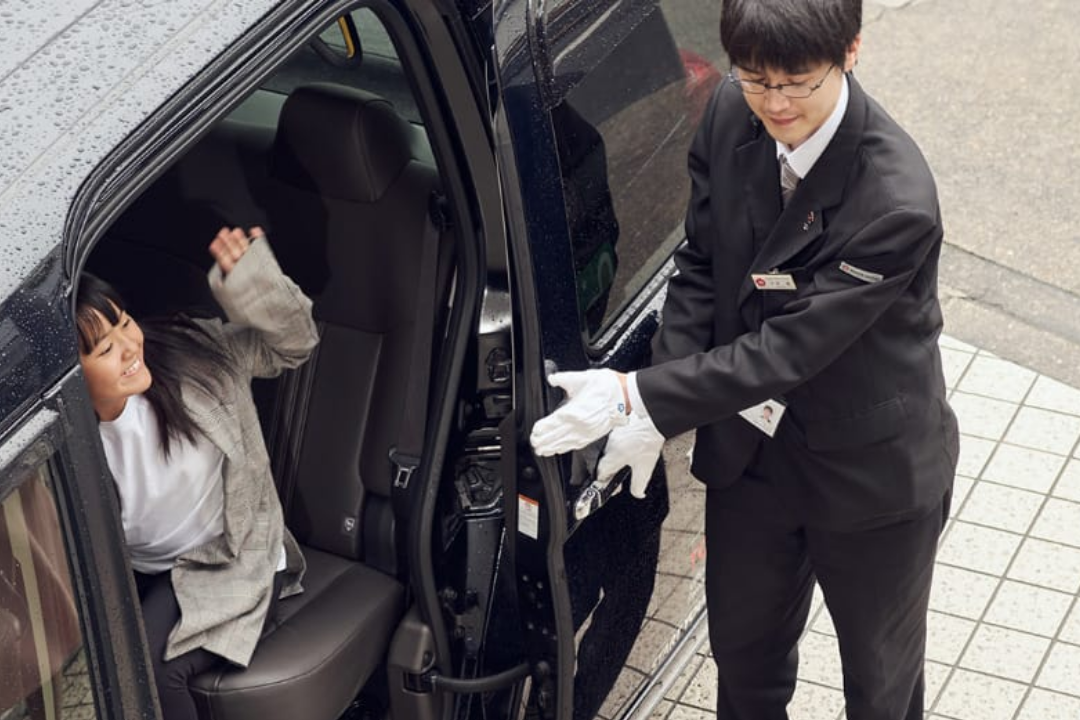
A conventional taxi simply transports passengers from one location to another. KidsTaxi, by contrast, treats the entire pickup and drop-off process as part of the service. Drivers verify the child's identity, supervise them during the journey, and confirm that they are safely handed over to an approved adult or organization. In practice, the driver performs a limited caregiving role in addition to driving.
Because of these additional responsibilities, drivers require skills beyond ordinary taxi operations. Many providers conduct specialized training covering communication with children, emergency procedures, and safety protocols. Some companies assign only certified drivers who have completed child-focused training programs.
The Shift from Standard Bookings to Planned Reservations
Another important distinction is that KidsTaxi operates primarily through reservations rather than immediate bookings. Parents schedule transportation ahead of time, allowing routes and assignments to be carefully planned. This approach improves reliability and is particularly valuable for recurring trips such as school commutes, tutoring sessions, or extracurricular activities.
Many providers also incorporate digital monitoring features. Parents may receive notifications when a child is picked up, when the trip begins, and when the destination is reached. While parents are not physically present, these updates provide visibility throughout the journey and help build confidence in the service.
The concept is also closely tied to Japan's social environment. Compared with many other countries, Japanese children often begin traveling independently at a relatively young age by walking, cycling, or using public transportation. KidsTaxi builds on this cultural norm by offering a safer, more structured alternative for situations where independent travel may not be appropriate.
The service also extends beyond direct consumer use. Educational organizations can integrate transportation into their programs, making after-school activities more accessible. Employers can adopt the service as part of family-friendly workplace initiatives, reducing one of the logistical challenges working parents face.
By combining transportation with supervision, operational planning, and real-time communication, KidsTaxi transforms a traditional taxi into a comprehensive family support service. The value proposition extends well beyond mobility and reflects a broader shift toward lifestyle services that help families manage everyday responsibilities.
Expanding Through Schools, Childcare Providers, and Businesses
While many people think of KidsTaxi as a service for individual families, its long-term growth potential lies in partnerships with institutions. Children's transportation is connected to schools, childcare providers, extracurricular education, employers, and local communities, making the service relevant across multiple industries.
One of the most common partnership models involves private tutoring centers and extracurricular education providers. By including transportation as part of their service, these organizations reduce the logistical burden on parents while making their programs easier to attend. This is particularly valuable in large cities where children often participate in multiple activities throughout the week, and transportation becomes a significant challenge.
Childcare facilities and after-school programs also represent natural partners. If parents can't leave work in time for pickup, KidsTaxi can transport children from daycare or after-school care to their homes or another scheduled destination. In this context, transportation becomes an extension of childcare rather than a separate service.
How Transportation Services Can Expand Corporate Family Support
Companies are another potential customer segment. As employers place greater emphasis on work life balance and family-friendly policies, child transportation can become part of an employee benefits package. Supporting parents in this way may improve retention, reduce stress, and contribute to a more flexible workplace, particularly in industries where long working hours remain common.
Local governments may also benefit from incorporating specialized child transportation into broader community services. In areas where public transportation is limited, or families have few mobility options, KidsTaxi can complement existing infrastructure by providing a safe, reliable means of transportation for children.
Healthcare is another area with potential applications. Children often require regular medical appointments or specialized treatments, yet parents cannot always accompany every visit. Under appropriate safety procedures, KidsTaxi can help bridge that gap by providing dependable transportation to healthcare facilities.
Viewed from a business perspective, KidsTaxi is more than a transportation service. It is an emerging piece of childcare infrastructure that connects families with educational institutions, employers, healthcare providers, and public services. This broader ecosystem approach may ultimately become one of the service's strongest competitive advantages.
Building Trust Through Safety and Operational Excellence
Source: Nippon Kotsu EDS Homepage
KidsTaxi's success depends almost entirely on trust. Since children travel without their parents, safety cannot simply be an added feature. It must be embedded throughout the entire operation, from booking to final handoff.
Driver selection is one of the most important elements of the service. Providers typically require more than excellent driving skills. Drivers must also demonstrate sound judgment, effective communication, and the ability to interact appropriately with children. Many operators assign only specially trained drivers to child transportation services, with additional instruction covering emergency response, child behavior, and communication with parents.
Operational procedures are equally important. Every pickup follows pre-registered information to verify the child's identity, while every drop-off includes confirmation that the child has been safely transferred to the designated guardian or organization. These structured processes reduce uncertainty and help maintain a consistent standard of care.
Reducing Logistical Hurdles for Working Parents
Parents also benefit from regular updates throughout the journey. Notifications confirming pickup, travel progress, and arrival allow families to monitor the trip even when they cannot be physically present. These communication features play a significant role in building confidence and encouraging repeat use.
Vehicle safety also receives additional attention. Cars may be equipped with child safety seats where appropriate, while regular vehicle inspections and driver management systems help minimize operational risks. Providers also monitor driver schedules and working conditions to promote safe driving practices.
The service is designed as a complete operational system rather than a series of individual rides. Reservations, dispatch, transportation, handoff procedures, and reporting all follow standardized processes. This consistency is especially important for families using the service regularly, where punctuality and reliability directly influence customer satisfaction.
Regulatory compliance is another critical component. Providers must meet standard transportation regulations while also satisfying any additional requirements for transporting children. Adhering to these standards reinforces the service's credibility and helps build public trust.
By combining specialized driver training, standardized operating procedures, digital communication, and comprehensive safety management, KidsTaxi shows how a traditional transportation business can evolve into a trusted, child-focused mobility service.
Supporting Families as Part of Community Infrastructure
KidsTaxi does more than solve transportation challenges for individual households. It also has the potential to become part of the broader infrastructure that supports families within local communities. In many Japanese cities, daycare centers, schools, tutoring centers, and extracurricular facilities are spread across different neighborhoods, making children's daily transportation a significant logistical challenge. Within this environment, specialized transportation services serve as a bridge between families and community institutions.
As dual-income households become increasingly common, child transportation is no longer something families can always manage on their own. Parents are often unavailable during school pickups or after school hours because of work commitments. A trusted third party that can safely transport children has therefore become an increasingly important part of the childcare ecosystem, and KidsTaxi represents one private sector response to this growing need.
Bridging Transportation with Certified Child Caregiving
Partnerships with schools, daycare centers, and after-school programs further expand the service's role. For example, a child can be transported from an after-school care program directly to home or to another scheduled activity. Rather than functioning as a standalone transportation provider, KidsTaxi becomes part of a larger network connecting families with educational and childcare services. This flexibility helps parents manage their schedules while giving children greater access to educational and recreational opportunities.
Changing family structures also contribute to the demand for services like KidsTaxi. In previous generations, grandparents or extended family members often helped with school pickups and other childcare responsibilities. As nuclear families become more common and relatives are less likely to live nearby, professional transportation services increasingly fill responsibilities that were once handled within the family.
From the perspective of local governments, ensuring safe transportation for children remains an important public policy issue. While many communities invest in safer school routes and neighborhood watch programs, transportation after school or to extracurricular activities often remains the responsibility of individual families. Private transportation services can complement existing public efforts by filling this gap.
KidsTaxi also contributes to the broader transportation ecosystem. Even in cities with excellent public transit, younger children may not be able to travel independently because of their age or safety concerns. A dedicated transportation service gives families an additional option that combines convenience with professional supervision.
Ultimately, KidsTaxi should be viewed not only as a household convenience but also as part of a broader support system for modern families. By connecting transportation, education, childcare, and local communities, it helps create a more flexible and resilient childcare infrastructure.
Designing an Experience That Builds Trust
KidsTaxi's success depends not only on transporting children safely but also on earning parents' confidence. Every interaction, from the initial reservation to the final arrival confirmation, contributes to the overall customer experience.
For parents, confidence begins with transparency. Before each trip, they need clear information about the assigned driver, the planned route, expected arrival times, and the transportation process. Providing this information upfront helps families understand exactly how the service operates and reduces uncertainty.
Communication during the journey is equally important. Notifications confirming pickup, departure, and arrival allow parents to follow the trip in real time even when they cannot accompany their child. These updates provide reassurance and reinforce the perception that the service is reliable and professionally managed.
Safe Transit Solutions for Families
Driver behavior also plays a major role in shaping customer satisfaction. Parents are not simply hiring someone to drive a vehicle. They are temporarily entrusting another adult with their child's care. Professional communication, patience, and a child-friendly attitude therefore become essential components of the service experience.
Reliability becomes especially important for families using the service regularly. Consistent punctuality, dependable operations, and standardized service quality are often more valuable than occasional convenience. Frequent delays or inconsistent experiences can quickly undermine customer confidence.
Online reviews and social media discussions also influence public perception. Because the service involves children, families often pay close attention to testimonials about safety, professionalism, and reliability before deciding whether to use it. Positive customer experiences therefore become a valuable marketing asset.
For corporate clients, employee feedback plays a similar role. If companies offer KidsTaxi as part of their employee benefits program, staff satisfaction becomes an important measure of success. Showing that the service reduces work-life conflicts and supports working parents can strengthen the business case for continued adoption.
Taken together, these elements show that KidsTaxi is evaluated as a complete customer experience rather than simply a transportation service. Careful coordination between booking, operations, communication, and customer support creates the trust families need to use the service regularly.
Opportunities for International Expansion
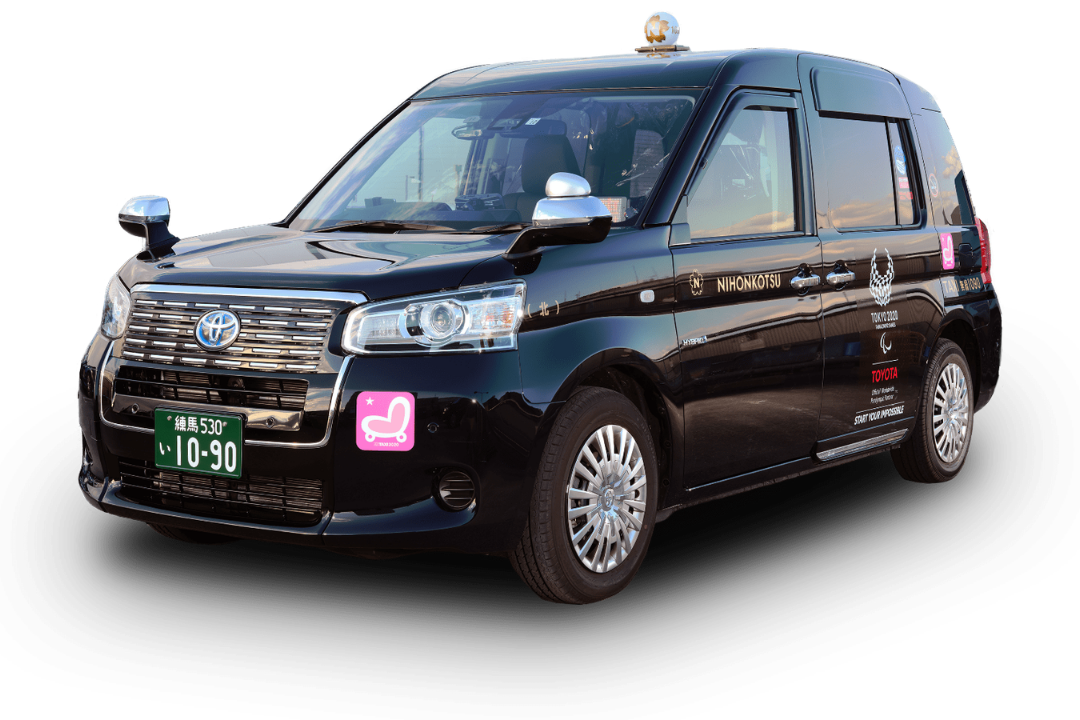
Source: Nippon Kotsu EDS Homepage
Although KidsTaxi emerged in response to challenges specific to Japan, the underlying business model has broader international potential. Urbanization and the growth of dual-income households are global trends, and many countries are facing similar questions about how children can travel safely when parents have limited time.
At the same time, expanding internationally requires careful adaptation. Japan has a relatively unique culture in which children often travel independently at an early age, supported by reliable public transportation and generally safe neighborhoods. These social conditions make services like KidsTaxi easier to introduce.
Many Western countries have different expectations. Parents are generally more likely to drive their children personally, and allowing a child to travel alone with a third party may face greater cultural resistance. Companies entering these markets would therefore need to invest heavily in trust-building, transparency, and customer education in addition to the transportation service itself.
Regulatory requirements are another important consideration. Laws governing child transportation vary widely between countries and may include additional licensing requirements, child protection regulations, insurance standards, and legal responsibilities. Companies would need to adapt their operating model to comply with local rules while maintaining consistent service quality.
Despite these challenges, demand could continue to grow internationally. As children's schedules become more complex and working parents face increasing time constraints, professionally managed transportation services may become an attractive alternative in many urban markets.
The corporate sector also presents opportunities. Employers worldwide are expanding family-friendly workplace policies, and child transportation could become part of broader employee support programs designed to improve work-life balance and talent retention.
Another possible direction is integration with existing ride-hailing platforms. Since app-based transportation services are already widely used in many countries, companies could introduce specialized child transportation as an additional service within established mobility ecosystems rather than building entirely new networks.
Success outside Japan will ultimately depend on adapting the model to local cultural expectations and regulatory environments while maintaining the high standards of safety and trust that define the service.
Comparing KidsTaxi with International Models
Dedicated child transportation services are not unique to Japan. Similar businesses already operate in several countries, although their business models and operating structures differ significantly.
In the United States, for example, several companies specialize in transporting children. These services are typically managed through smartphone apps that allow parents to schedule rides, monitor trips in real time, and review driver credentials. Digital platforms are central to the customer experience, with technology handling reservations, communication, and tracking.
Japan's KidsTaxi model takes a somewhat different approach. Instead of building an entirely new platform, many services are operated by established taxi companies that leverage decades of experience in fleet management, driver training, and transportation safety. This organizational foundation helps reinforce public trust while providing consistent operational standards.
Transportation infrastructure also shapes how these services evolve. In many Western countries, school bus systems already transport large numbers of students, reducing the need for individual child transportation services in certain regions. Japan has a much more limited school bus network in urban areas, creating stronger demand for individualized transportation options.
International platforms often emphasize digital verification systems, customer ratings, and driver reviews to build trust. The Japanese approach relies more heavily on institutional oversight, standardized operating procedures, and centralized management by established transportation companies. Both models aim to improve safety, but they achieve this through different organizational philosophies.
These differences reflect broader variations in urban planning, transportation infrastructure, and cultural expectations. Public transit availability, road networks, school transportation systems, and parenting norms all influence how child transportation services are designed.
As similar services continue to emerge globally, KidsTaxi occupies a distinctive position. Its reliance on experienced taxi operators provides an advantage in operational management and safety, although continued investment in digital technology and customer-facing platforms will likely become increasingly important.
Why Child Transportation Has Become a Social Challenge
For many years, transporting children to school and extracurricular activities was viewed primarily as a family responsibility. Parents, especially mothers, typically handled daily pickups and drop-offs. Over time, however, demographic and economic changes have transformed this household task into a broader social issue.
The steady rise of dual-income households has made it increasingly difficult for parents to manage every transportation need themselves. After-school hours often conflict directly with working schedules, creating logistical challenges that many families struggle to solve.
Children's schedules have also become more complex. Many now participate in multiple educational programs, sports, music lessons, and tutoring sessions spread across different locations. As the number of destinations increases, transportation becomes more time-consuming and more complicated.
Urban development has contributed to the problem as well. Schools, daycare centers, tutoring facilities, and activity centers are often distributed across different parts of a city. Although public transportation is generally available, younger children may not be able to use it safely without adult supervision, so parents often have to provide transportation themselves.
Family structures have changed at the same time. Extended family members are less likely to live nearby, reducing the informal support networks that previously helped with childcare and transportation. Community-based assistance has also become less common in many urban areas.
As a result, children's transportation has gradually shifted from being a private family responsibility to a broader societal challenge shaped by changing work patterns, urban development, and family demographics. Services like KidsTaxi represent one attempt to address this transformation by providing professional support for responsibilities that were once handled almost exclusively within the household.
Transportation is not simply about moving children from one place to another. It is essential to ensuring their safety, education, and daily routines. Improving this aspect of family life can benefit communities as a whole.
From Transportation Service to Family Support Platform
KidsTaxi was not originally conceived as an entirely new industry. Instead, it emerged from needs that taxi operators repeatedly observed through their everyday interactions with customers. Frequent requests for child transportation highlighted a gap that traditional taxi services were not designed to address.
As dual-income households increased and recurring transportation needs became more common, operators recognized an opportunity to rethink mobility. Rather than treating transportation as a simple trip between two locations, they began designing services that also included child supervision, structured handoffs, and communication with parents.
Building trust quickly became a central challenge. Parents are understandably cautious about leaving children in the care of someone outside the family. Established taxi companies could build on their existing strengths in driver management, operational oversight, and safety procedures to create a service capable of earning that trust.
The business model also benefits from recurring demand. School transportation, tutoring sessions, and extracurricular activities generate predictable schedules, allowing operators to build sustainable long-term customer relationships rather than relying solely on one-time bookings.
For taxi companies, KidsTaxi represents a natural extension of existing assets. The same vehicles, drivers, and operational expertise that support traditional taxi services can also create new value by addressing family needs that previously had few professional solutions.
In this sense, KidsTaxi illustrates how mobility companies can expand beyond transportation into broader lifestyle services. The concept shows that transportation infrastructure can support everyday family life rather than simply moving passengers.
The Future of Child Transportation Services

Source: Nippon Kotsu EDS Homepage
Looking ahead, KidsTaxi could evolve beyond specialized transportation into a broader family support platform. Strengthening its role within childcare infrastructure could significantly expand its social and commercial impact.
Digital technology will play an important role in this evolution. Integrated mobile apps, centralized reservations, real-time tracking, automated notifications, and operational transparency can further improve both convenience and customer confidence. Similar technologies have already become standard in international mobility services and are likely to shape the next stage of development in Japan as well.
The Future of Family Mobility: Smart Tech and Digital Monitoring
Closer integration with schools, daycare providers, and extracurricular education is another promising direction. Transportation could eventually become a standard component of educational services rather than an optional add-on, creating greater convenience for families while helping institutions differentiate themselves.
Corporate adoption is also expected to grow. As employers continue investing in family-friendly workplace policies, transportation support could become part of comprehensive employee benefit programs that improve recruitment, retention, and workplace satisfaction.
Public-private partnerships may create additional opportunities, particularly in regions where transportation options remain limited. By combining government initiatives with private-sector expertise, communities could improve access to safe, reliable mobility for children.
The service itself may also expand beyond transportation. Future models could combine supervised travel with additional support services such as child monitoring, basic assistance, or other family-oriented offerings, creating a more comprehensive lifestyle platform.
Taken together, these developments suggest that KidsTaxi may eventually become much more than a specialized taxi service. By connecting transportation with education, employers, local governments, and community services, it could become an important component of future childcare infrastructure.
Adoption in Japan and Growing Public Recognition
KidsTaxi has already established a presence in Japan's major metropolitan areas, particularly through large taxi operators. Demand has grown alongside rising numbers of dual-income households and increasingly complex educational schedules, making child transportation an important part of everyday urban life.
Large operators such as Nippon Kotsu have expanded the service efficiently by using existing fleets and operational networks rather than building entirely new infrastructure. This approach allows the service area to grow alongside established taxi operations while maintaining consistent standards.
Most customers are working families, with demand peaking during weekday afternoons and evenings when children travel between school, daycare, extracurricular activities, and home. As families continue using the service regularly, KidsTaxi increasingly functions as part of their daily routine rather than an occasional convenience.
Its reputation also benefits from the operational expertise of established taxi companies. Existing systems for driver training, vehicle maintenance, and fleet management help deliver the consistency that parents expect when entrusting their children to a professional service.
Media coverage and discussions about childcare policy have also increased public awareness. As balancing work and family responsibilities becomes an increasingly important social issue, specialized child transportation is receiving greater attention as one possible solution.
Corporate adoption is also beginning to expand, with some employers incorporating child transportation into family support initiatives. These programs not only benefit employees but also increase public awareness of the service itself.
Although the market is still developing, KidsTaxi has already demonstrated that professional child transportation can become a trusted part of Japan's urban mobility landscape.
Conclusion: Rethinking How Society Supports Children's Mobility
KidsTaxi represents a new approach to a responsibility that was traditionally handled almost entirely within the family. Rather than simply providing transportation, it helps parents overcome the time constraints and logistical challenges associated with raising children in modern cities.
As work patterns, family structures, and educational opportunities continue to evolve, children's mobility can no longer be seen as solely a private household issue. Services like KidsTaxi demonstrate how transportation infrastructure can be redesigned to provide meaningful support for everyday family life.
Its value extends across multiple sectors. Schools and childcare providers can integrate transportation into their services, employers can strengthen family-friendly workplace policies, and communities can expand the range of mobility options available to children.
For businesses outside Japan, one of the most valuable lessons is not the taxi itself but the underlying concept. KidsTaxi reimagines transportation as a lifestyle support service rather than simply a way to move passengers. That perspective opens opportunities in many adjacent markets, including senior transportation, healthcare mobility, and assisted living services.
As urban services continue evolving, transportation, supervision, and daily assistance are likely to become increasingly interconnected. KidsTaxi illustrates how combining these functions can create entirely new forms of public value while responding to the changing realities of modern family life.
By transforming a routine task into a professionally managed service, KidsTaxi offers a compelling example of how cities can rethink childcare support. It demonstrates that mobility can become more than transportation. It can become an essential part of the social infrastructure that helps families thrive.
FAQ About KidsTaxi
1. What Makes KidsTaxi Different From a Regular Taxi?
KidsTaxi is a child transportation service specifically designed for children traveling on their own. Rather than simply taking passengers from one destination to another like a conventional taxi, it operates through pre-scheduled rides, secure handoff procedures between parents and schools or caregivers, and child-focused supervision. Safety management is integrated throughout the entire service, making KidsTaxi more than just a transportation option—it is also a childcare support service.
2. Why Has There Been Growing Demand for Services Like KidsTaxi?
The rise in dual-income households and the growing variety of after-school activities, tutoring programs, and extracurricular lessons have made it harder for parents to handle transportation on their own. In addition, the growth of nuclear families means many parents can no longer rely on grandparents or extended family for assistance. As a result, professionally managed child transportation services have become an increasingly attractive solution.
3. Is It Safe for Children to Ride KidsTaxi Alone?
Yes. KidsTaxi places safety at the center of its operations. In addition to advance scheduling and trip management, the service incorporates multiple safety measures, including driver training, identity verification, and confirmation that children are handed over only to authorized individuals. Some operators also provide real-time notifications when a child is picked up and dropped off, allowing parents to monitor the journey with greater peace of mind.
4. What Types of Families Commonly Use KidsTaxi?
KidsTaxi is most commonly used by dual-income families for transportation between daycare centers, schools, extracurricular activities, tutoring centers, hospitals, and home. It is particularly valuable for parents whose work schedules prevent them from providing transportation, as well as for families without support from nearby grandparents or those needing transportation between multiple locations. Both recurring and one-time rides are typically available.
5. What Benefits Does KidsTaxi Offer Educational Institutions and Businesses?
Educational institutions such as tutoring schools and activity centers can improve convenience for families by integrating transportation services into their programs. Businesses can also offer KidsTaxi as an employee benefit, helping working parents better balance family responsibilities with their careers. As a result, the service creates value not only for households but also for schools, employers, and other organizations.
6. Can KidsTaxi Contribute to Smart Cities and Community Childcare Support?
Yes. Providing safe transportation for children is an important part of creating family-friendly communities. KidsTaxi serves as a transportation link between homes, schools, and childcare facilities, helping reduce parental burdens while expanding children’s opportunities to participate in educational and recreational activities. As partnerships with local governments and regional transportation systems continue to develop, KidsTaxi could become an integral part of community childcare infrastructure.
7. Could Services Like KidsTaxi Become Popular Outside Japan?
There is strong potential for similar services to expand internationally, as growing numbers of dual-income families and increasing transportation needs for children are global trends. However, cultural attitudes toward children traveling independently, legal requirements, and child safety regulations vary by country. Successful international expansion would therefore require adapting the service to local customs and regulatory frameworks.
8. How Is KidsTaxi Different From a Standard Ride-Hailing App?
While conventional ride-hailing services primarily focus on transporting passengers from one location to another, KidsTaxi is specifically designed for children’s transportation. Features such as child supervision, secure handoff verification, scheduled operations, and specially trained drivers distinguish it from ordinary ride-hailing platforms. Consequently, KidsTaxi functions not only as a transportation service but also as a broader family support solution.
9. How Is KidsTaxi Expected to Evolve in the Future?
Future developments may include AI-powered route optimization and demand forecasting, GPS-based real-time ride notifications, and enhanced safety management through IoT technologies. As partnerships with schools, local governments, and businesses continue to grow, KidsTaxi could evolve beyond transportation into a comprehensive childcare support service that benefits entire communities.
10. What Value Could KidsTaxi Bring to the Future of Urban Living?
KidsTaxi represents a new service model that enables society to share responsibility for one of the everyday challenges of raising children: safe transportation. Beyond easing parents’ time constraints, it could serve as infrastructure connecting education, childcare, businesses, and local communities. Looking ahead, KidsTaxi could become a leading example of integrated mobility and family support services, contributing to more sustainable cities and stronger childcare support systems.
Related Videos
If you're interested in how Japan is rethinking transportation for children, the video below explores services like KidsTaxi. These services help families manage children's daily travel by providing specialized transportation designed around safety and convenience.