HELLO CYCLING is one of Japan’s largest bike-sharing platforms, allowing users to rent a bicycle from one docking station and return it to another. Unlike traditional bicycle rental shops, which typically require riders to return bikes to the same location, HELLO CYCLING is designed as a flexible transportation network that supports everyday urban mobility.
The service is built around a smartphone app, making the entire rental process digital. Users can search for nearby stations, check bike availability, reserve a bike, unlock it, and pay without visiting a staffed rental counter. This seamless experience makes bike sharing practical for commuting, errands, sightseeing, and other daily trips. Many bicycles are equipped with electric pedal assistance, making longer rides and hilly routes more accessible to a wider range of riders.
One of the platform’s primary strengths is its ability to solve the “last mile” transportation challenge. Whether traveling from a train station to an office, moving between tourist attractions, or riding from a residential neighborhood to the nearest transit hub, bike sharing fills the gap between walking and public transportation. In dense urban environments, it offers a convenient alternative for trips that are too long to walk but too short to justify taking a taxi.
Pricing is generally based on usage time, making the service cost effective for short trips. Instead of purchasing and maintaining a bicycle, users only pay when they need one. Some regions also offer subscription or commuter plans for frequent riders, making the platform suitable for regular transportation as well as occasional use.
Although individual consumers make up a significant portion of users, the platform also serves businesses and local governments. Companies can provide shared bicycles as an efficient transportation option for employees traveling between meetings or offices, potentially reducing transportation costs while improving productivity. Municipal governments can integrate bike sharing into broader mobility strategies to improve access to public transportation and support sustainability initiatives.
Rather than treating bicycles as standalone vehicles, HELLO CYCLING positions them as part of a connected urban mobility system. By combining a distributed network of docking stations with digital management, the platform reduces dependence on private bicycle ownership while expanding transportation options throughout the city.
Share Cycling Overview
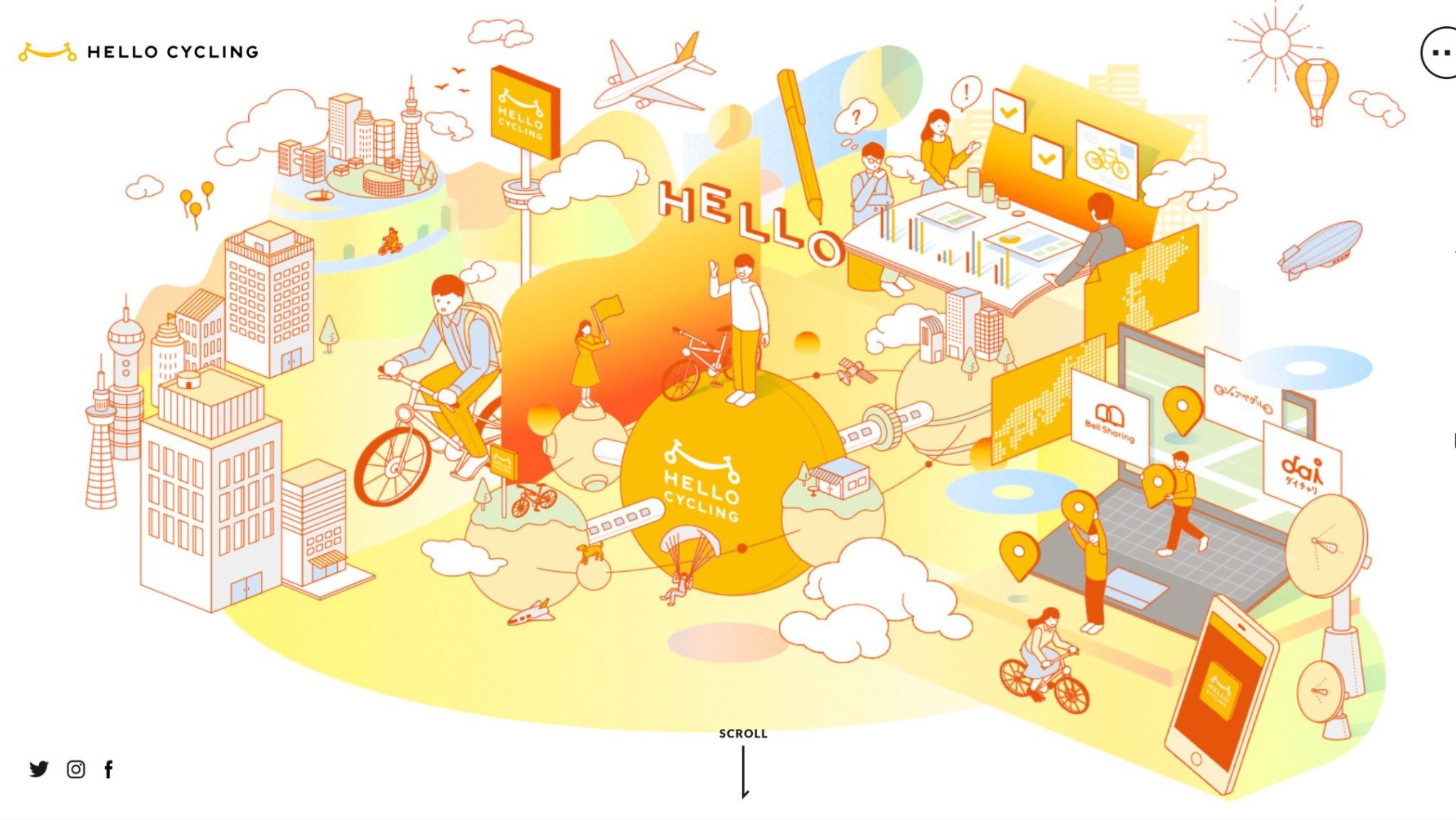
OpenStreet Inc., the company behind HELLO CYCLING, has built one of Japan’s largest bike sharing platforms by connecting operators and municipalities through a unified nationwide network. Drawing on expertise in digital technology and telecommunications, the company combines physical mobility infrastructure with cloud based platform management.
What distinguishes OpenStreet is that it operates as a platform provider rather than simply a bicycle rental company. HELLO CYCLING relies on partnerships with regional operators, municipalities, commercial facilities, and property owners to expand its network. This collaborative ecosystem allows the platform to scale far more efficiently than a centrally managed operation.
Within this model, OpenStreet develops and manages the technology platform, mobile application, reservation system, payment infrastructure, and operational management tools. Local partners, meanwhile, install and maintain docking stations within their respective regions. This division of responsibilities enables rapid expansion while maintaining consistent service standards.
One of the company’s key strengths is its ability to integrate digital services with physical transportation infrastructure. By combining mobile technology, payment systems, fleet management, and station operations into a single platform, OpenStreet continuously optimizes network performance. Its relationship with the SoftBank Group has also provided access to expertise in telecommunications and data driven operations.
Unlike providers focused on a single metropolitan area, OpenStreet has pursued a nationwide platform strategy. Through partnerships across Japan, the company has expanded HELLO CYCLING into multiple cities while allowing users to access the network using the same application regardless of location.
Although HELLO CYCLING depends on numerous regional partners, OpenStreet remains the central platform that connects the ecosystem. Its technology and operational infrastructure form the foundation that enables the service to function as an integrated urban mobility network.
How Network Based Bike Sharing Differs from Traditional Transportation
Although HELLO CYCLING relies on conventional bicycles, its operating model differs significantly from both traditional bike rentals and public transportation. The key distinction lies in its network based design. Instead of functioning as individual rental locations, the platform connects numerous stations across an entire city, allowing users to travel freely between them.
Traditional bicycle rental services usually require customers to return the bicycle to the same location where it was rented. This limits their usefulness for everyday transportation and makes them more suitable for tourism or recreational activities. HELLO CYCLING removes this restriction by allowing bicycles to be returned to different stations, making the service practical for commuting, errands, and other routine travel.
The platform also differs from buses and rail systems. Public transportation follows fixed routes and schedules, while bike sharing allows users to travel whenever they choose without waiting for timetables. This flexibility makes it especially useful for short trips or situations where time is limited. It also serves as an effective solution for the final leg of a journey between transit stations and a person’s destination.
What Makes HELLO CYCLING Different?
Compared with taxis, bike sharing occupies a different position within the urban transportation ecosystem. Taxis provide direct door to door transportation but can become expensive for relatively short distances. Bike sharing allows riders to travel independently at a much lower cost, making it well suited for trips lasting only a few minutes.
Digital management is another defining characteristic of the platform. Information such as bicycle availability, station capacity, usage history, and payment data is centrally managed, allowing operators to optimize the network as a whole. By analyzing demand and relocating bicycles between stations, operators can improve availability and maximize system efficiency.
In many ways, HELLO CYCLING sits between physical infrastructure and a digital platform. The bicycles and docking stations form the physical network, while software manages reservations, payments, access control, and operational planning. This integration of hardware and digital technology creates a mobility service that extends far beyond a conventional rental business.
Rather than simply providing bicycles for rent, HELLO CYCLING helps reshape urban transportation into a connected mobility network. By complementing existing transit systems and offering greater flexibility for short-distance travel, it contributes to a more efficient and diversified urban transportation ecosystem.
Expanding Use Cases Across Cities, Tourism, and Business
HELLO CYCLING has evolved beyond a consumer focused transportation service and is now being adopted across multiple sectors. In major cities, docking stations are commonly located near railway stations, providing commuters and office workers with an efficient connection between transit hubs and their workplaces. For areas where walking is inconvenient but public transportation is unnecessary, bike sharing offers a practical alternative.
Businesses also benefit from the platform. Sales teams, field technicians, and employees who frequently travel short distances during the workday can often reach destinations more efficiently by bicycle than by taxi or public transit. Organizations that provide bike sharing through corporate plans may reduce transportation expenses while improving employee mobility and productivity.
Tourism represents another major application. By installing stations near attractions, visitors can explore multiple destinations more efficiently than they could on foot. This not only improves the visitor experience but can also encourage longer stays and increased spending at local businesses. In many cases, tourism organizations and local governments work together to integrate bike sharing into regional transportation strategies.
How Bike Sharing Fits Into Japan’s Urban Transportation Network
Residential communities also benefit from the service. Residents can access bicycles whenever needed for shopping, commuting to nearby train stations, visiting medical facilities, or running other everyday errands without the responsibilities of ownership. In densely populated cities where bicycle storage is limited, shared mobility offers a particularly attractive alternative.
Local governments are increasingly incorporating bike sharing into broader transportation planning. Installing stations in neighborhoods underserved by buses or rail can improve mobility options, reduce transportation gaps, and support residents with limited access to private vehicles, including older adults.
Real estate developers have also begun viewing bike sharing as a value added amenity. Residential buildings, mixed use developments, and commercial properties can increase their appeal by providing convenient access to shared bicycles, giving tenants and visitors another transportation option without requiring dedicated bicycle ownership.
Through these diverse applications, HELLO CYCLING has expanded beyond a consumer mobility service into infrastructure that supports businesses, municipalities, tourism, and residential communities. Its growing role across both public and private sectors highlights the increasing importance of shared mobility in modern cities.
Maintaining Service Quality Through Fleet Management and Safety Standards
Source: HELLO CYCLING Homepage
While HELLO CYCLING delivers a highly digital user experience, its success ultimately depends on the quality of its physical infrastructure. The bicycles themselves, along with the docking stations that support them, require continuous management to ensure reliability and user safety.
Unlike privately owned bicycles, shared bikes are designed to withstand frequent use by many riders. Components such as frames, brakes, tires, and drivetrains are selected for durability, minimizing wear and reducing maintenance requirements over extended periods of operation. Electric assist bicycles also require careful management of batteries and electrical systems to maintain safe and reliable performance.
Regular inspections play an essential role in maintaining the fleet. Operators routinely check braking performance, tire pressure, lighting systems, and other safety related components before returning bicycles to service. If any issues are identified, the affected bicycle is removed from circulation until repairs or replacement parts have been completed.
Station management is equally important. A bike sharing network functions efficiently only when bicycles are available where users need them and empty docking spaces exist where riders intend to return them. Operators continuously monitor inventory levels across stations and relocate bicycles based on demand forecasts and usage data to maintain a balanced network.
Safety extends beyond vehicle maintenance. Because riders operate the bicycles themselves, promoting safe riding behavior is an important part of the service. Operators and local governments often encourage compliance with traffic regulations, responsible riding practices, and helmet use where appropriate.
Insurance coverage also shapes overall service design. Many bike sharing programs include insurance that protects users and third parties in the event of an accident, helping reduce risk while increasing user confidence.
HELLO CYCLING demonstrates that successful shared mobility depends on more than a well designed app. Long term reliability requires continuous investment in fleet maintenance, infrastructure management, operational planning, and safety standards, ensuring the service remains a dependable transportation option for everyday travel.
Opportunities for International Expansion and Alignment with Mobility Policies
Bike sharing has become an established mobility solution in cities worldwide, making HELLO CYCLING’s operating model relevant beyond Japan. Many of the transportation challenges it addresses, including improving short distance travel and reducing environmental impact, are shared by cities globally. As governments seek more sustainable transportation options, shared bicycles are increasingly viewed as part of the solution.
Across Europe, many cities have invested heavily in cycling infrastructure, allowing bike sharing systems to function as an extension of public transportation. Dedicated cycling lanes and well established traffic regulations make bicycles a practical option for daily commuting. In contrast, cycling infrastructure varies significantly across Asia and North America, so deployment strategies must adapt to local conditions rather than simply replicate elsewhere.
How Technology Is Reshaping Everyday Transportation
HELLO CYCLING’s station based model also depends on thoughtful urban planning. The placement and density of docking stations directly affect user adoption and service efficiency, making collaboration with municipalities, property owners, and commercial facilities essential. Successful international expansion would similarly require partnerships with local governments, real estate developers, and transportation stakeholders.
Environmental policy is another area where the platform aligns well with international trends. Many countries are pursuing carbon reduction goals and congestion mitigation strategies, with cycling actively promoted as a cleaner alternative to private vehicle use. Because bike sharing encourages a shift away from personal car ownership for short trips, it is often well positioned to receive public sector support.
However, cultural differences cannot be overlooked. Cycling habits, road etiquette, and public attitudes toward bicycles differ considerably between countries. A service that succeeds in one market may require significant adjustments elsewhere, making localization an important part of any expansion strategy.
Competition is another important consideration. Many international markets already include multiple bike sharing providers, including both station based and dockless platforms. HELLO CYCLING would need to differentiate itself by emphasizing the operational stability, infrastructure integration, and reliability that characterize its station based approach.
Corporate partnerships also represent an attractive opportunity abroad. Companies worldwide increasingly promote cycling as part of ESG initiatives, employee wellness programs, and sustainable commuting strategies. Providing bike sharing as an employee benefit could create new business opportunities while supporting broader corporate sustainability goals.
Taken together, these factors suggest that HELLO CYCLING has meaningful international potential. By aligning with urban transportation policy, environmental initiatives, and corporate mobility needs, the platform can position itself as more than a bicycle rental service. It could become part of the transportation infrastructure supporting future cities.
How HELLO CYCLING Differs from Similar Bike Sharing Services Worldwide
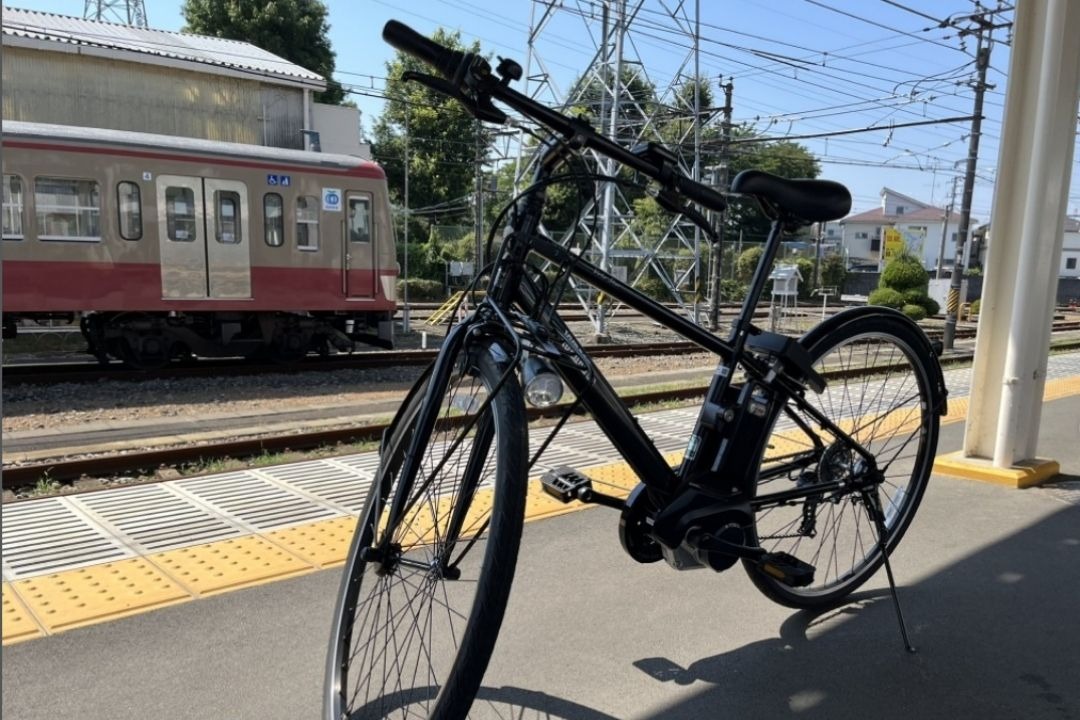
Source: HELLO CYCLING Homepage
Bike sharing is already a mature industry in many countries, meaning HELLO CYCLING would need a clearly differentiated position when entering overseas markets. Most international systems fall into one of two categories: station based networks and dockless, or free floating, services.
Dockless systems allow riders to leave bicycles almost anywhere within a designated service area rather than returning them to fixed stations. This model became especially popular in China, Europe, and North America because of its flexibility and convenience. However, it has also created operational challenges, including poorly parked bicycles, visual clutter, and higher maintenance costs.
Why Bike Sharing Offers More Flexibility Than Traditional Rentals
HELLO CYCLING takes a different approach by using a station based network. Requiring bicycles to be returned to designated locations makes fleet management more predictable while reducing the impact on public spaces and city streets. It also makes the platform easier to integrate with municipalities, commercial properties, and long term urban development projects.
Another distinction lies in the relationship between the digital platform and physical infrastructure. Some international providers focus primarily on app based operations, whereas HELLO CYCLING places equal emphasis on developing partnerships that support station deployment. Building relationships with property owners, local businesses, and municipalities becomes part of the company’s competitive advantage rather than simply a logistical requirement.
Pricing strategies also differ across markets. Many international bike sharing services emphasize subscription based memberships for frequent users. HELLO CYCLING supports both occasional riders through flexible short term pricing and regular commuters through longer term usage plans, allowing it to appeal to a broader customer base.
Electric assist bicycles provide another competitive advantage. In Japan, electric bicycles have become widely accepted for everyday transportation, making longer distances and hilly terrain easier to navigate. Adoption rates vary internationally, but markets with increasing demand for electric mobility may find this feature especially attractive.
Ultimately, HELLO CYCLING distinguishes itself by prioritizing operational reliability, infrastructure management, and long term sustainability through its station based model. For international markets, communicating these strengths will be critical to standing out in an increasingly competitive bike sharing industry.
Why Cities Are Rethinking Urban Mobility
For decades, urban transportation has largely revolved around railways and private automobiles. Today, however, many cities are confronting challenges that traditional transportation systems alone can no longer solve. Traffic congestion, carbon emissions, and overcrowded public transit have made more flexible mobility solutions increasingly necessary.
Private cars offer convenience but also generate high external costs. As urban populations continue to grow, increasing vehicle ownership contributes to heavier congestion, longer travel times, and greater demand for parking, all of which reduce overall transportation efficiency.
Public transportation, while highly effective at moving large numbers of people, often struggles with the last-mile problem. Travelers frequently need to walk considerable distances between train stations or bus stops and their final destinations. This gap can be particularly challenging for older adults, commuters carrying heavy bags, or people traveling under time constraints.
Changing urban development patterns have also diversified travel behavior. Modern cities increasingly distribute offices, residential neighborhoods, shopping districts, and entertainment venues across multiple districts rather than concentrating them in one area. As a result, transportation systems must accommodate a wider variety of short, flexible trips throughout the day.
Environmental concerns are another major driver. Governments worldwide are pursuing ambitious carbon reduction targets and encouraging transportation methods with lower environmental impact. Walking and cycling are increasingly recognized as essential components of sustainable urban mobility strategies.
Consumer attitudes are also evolving. Rather than purchasing and maintaining personal vehicles, many people now prefer access based services that let them use transportation only when necessary. This shift from ownership to shared mobility has accelerated the adoption of bike sharing and similar transportation models.
Against this backdrop, cities are redesigning how people move through urban environments. Services like HELLO CYCLING improve short distance transportation while supporting environmental sustainability, complementing existing transit systems instead of replacing them.
The Vision Behind Combining Mobility and Digital Technology
HELLO CYCLING was not created because bicycles themselves were new. Instead, its innovation lies in rethinking how digital technology can organize existing transportation. As cities searched for solutions to increasingly complex mobility challenges, combining physical infrastructure with software created an opportunity to deliver a more flexible transportation service.
Traditional bicycle rentals were generally designed for one time recreational use, requiring riders to borrow and return bicycles at the same location. By connecting numerous docking stations through a centralized digital platform, HELLO CYCLING transformed bicycle rentals into a practical transportation network suitable for everyday travel.
Technology plays a central role in making this possible. Real time information about bicycle locations, station capacity, reservations, and payments allows operators to optimize the entire network continuously. Users benefit from the flexibility of borrowing a bicycle at one station and returning it elsewhere without added complexity.
The business model also differs from conventional transportation companies because it relies on partnerships instead of centralized ownership. Regional operators, municipalities, and commercial partners manage local infrastructure while the platform coordinates the network as a whole. This distributed model enables faster expansion and greater flexibility across different regions.
The widespread adoption of smartphones and mobile internet has been another enabling factor. Real time reservations, digital payments, and location tracking have transformed what once was a complicated rental process into a seamless user experience.
Beyond transportation, the platform also functions as a data driven mobility system. By analyzing travel patterns and usage data, operators can optimize station placement, improve bicycle redistribution, and increase operational efficiency across the network.
HELLO CYCLING demonstrates how combining digital technology with physical infrastructure can create entirely new forms of urban mobility. Rather than reinventing the bicycle itself, the company has reinvented how bicycles fit into modern cities.
Future Growth as Urban Mobility Infrastructure
Although HELLO CYCLING currently focuses on bike sharing, its platform could expand into a broader urban mobility ecosystem. Instead of serving only as a bicycle rental service, it could become one component of an integrated transportation network supporting cities of the future.
One possible direction is to connect with additional transportation options. Integrating bicycles with trains, buses, electric scooters, and other forms of micromobility would allow users to plan complete journeys through a single platform, making urban travel even more efficient.
Data analytics will also play an increasingly important role. As travel patterns become better understood, operators can improve demand forecasting, optimize station placement, and reduce issues such as bicycle shortages or uneven fleet distribution. These insights may also contribute to broader transportation planning and urban policy.
Energy management presents another opportunity. As electric assist bicycles become more common, efficient battery management and charging infrastructure will become increasingly important. Integration with renewable energy systems could further improve the environmental performance of shared mobility networks.
Corporate mobility services are also likely to expand. Beyond supporting business travel and employee commuting, companies may incorporate shared bicycles into workplace wellness initiatives that promote healthier lifestyles while improving transportation efficiency.
Smart city development offers another promising avenue. As cities increasingly connect transportation, energy, and environmental data through integrated digital platforms, bike sharing can become one component within a larger intelligent infrastructure network. Real time traffic management and demand based transportation planning could further enhance overall urban efficiency.
HELLO CYCLING therefore has the potential to evolve beyond bike sharing into a broader mobility platform. By connecting multiple transportation modes and integrating with future smart city initiatives, it could play an increasingly important role in shaping urban transportation.
HELLO CYCLING’s Growing Network Across Japan

Source: HELLO CYCLING Homepage
HELLO CYCLING continues to expand its network throughout Japan by increasing the number of docking stations across both major metropolitan areas and regional cities. While the service initially gained traction in densely populated urban centers, recent expansion into suburban and regional markets has transformed it into a nationwide mobility platform rather than a city specific service.
One of the platform’s biggest advantages is consistency. Users can access stations across different cities using the same mobile application, making the service convenient for both business travelers and tourists. This familiar experience lowers the barrier to adoption regardless of location.
In major cities, stations are concentrated around train stations, office districts, and commercial centers, allowing users to find multiple docking locations within walking distance. Regional and suburban areas typically have lower station density, which can affect convenience but also creates opportunities for future expansion.
Outside metropolitan areas, the platform supports both tourism and everyday transportation. Visitors can travel efficiently between attractions, while local residents use shared bicycles for routine trips where public transportation may be limited. In some communities, bike sharing has become an important complement to existing transit services.
Expansion has been made possible through partnerships with municipalities, businesses, and property owners. By sharing installation costs and providing suitable locations for docking stations, these partners enable faster network growth than a centralized deployment model alone.
The platform also benefits from continuously growing operational data. Demand patterns help determine where to install additional stations and where to relocate bicycles, allowing the network to become more efficient over time.
As HELLO CYCLING expands throughout Japan, it continues to strengthen its role in the country’s evolving transportation infrastructure, connecting cities, suburbs, and regional communities through a unified bike-sharing network.
Redefining Short Distance Mobility
HELLO CYCLING is more than a bicycle sharing service. It represents a new way of thinking about short distance transportation within cities, occupying the space between walking, public transportation, and private vehicles.
Its greatest contribution is expanding transportation choice. Trips that once required lengthy walks or inefficient public transit connections can now be completed more quickly and flexibly, helping people save time while increasing access to more destinations throughout the city.
For international businesses, one of the platform's most compelling aspects is its combination of physical infrastructure and digital technology. Instead of simply providing bicycles, the system integrates station planning, fleet management, operational analytics, and user management into a single mobility platform. This approach aligns closely with broader smart city and urban development initiatives.
The model also delivers value across both public and private sectors. Businesses can improve employee mobility and support workplace wellness, while governments can use bike sharing to reduce congestion, lower emissions, and improve transportation accessibility. Creating value for multiple stakeholder groups strengthens the platform's long-term sustainability.
Its underlying technology is also adaptable to future mobility services. Electric scooters, compact electric vehicles, and other forms of micromobility could eventually be incorporated into the same platform, allowing the network to evolve alongside changing transportation needs.
Ultimately, HELLO CYCLING redefines mobility by treating transportation as an integrated component of urban infrastructure rather than simply a means of getting from one place to another. By optimizing short distance travel, it has the potential to reshape how people move through cities and how cities are designed.
FAQ About HELLO CYCLING
1. What Makes HELLO CYCLING Different From Traditional Bike Rental Services?
HELLO CYCLING is a network-based bike-sharing service that allows users to return bicycles at a station different from where they were rented. Unlike traditional bike rental services that require returning the bicycle to the same location, HELLO CYCLING is designed for everyday transportation needs such as commuting, school travel, and shopping.
2. In What Situations Is HELLO CYCLING Used?
HELLO CYCLING is widely used for short-distance transportation, including last-mile trips from train stations to destinations, access between residential areas and nearby stations, shopping, medical visits, and sightseeing around tourist areas. Its use as a complementary mobility option alongside public transportation has been increasing.
3. Why Is HELLO CYCLING Attracting Attention As Urban Infrastructure?
Share cycling is more than just a bicycle rental service; it is a system that uses stations distributed throughout a city as a connected network. By complementing public transportation and expanding mobility options, it is expected to become an important infrastructure component supporting smart cities and sustainable urban development.
4. Is HELLO CYCLING Being Adopted By Companies And Local Governments?
HELLO CYCLING is used not only by individual users but also by companies and local governments. Businesses adopt the service to improve the efficiency of sales activities and employee transportation, as well as to support commuting and employee benefits. Local governments often introduce the service to provide additional mobility options in areas not fully covered by trains or buses. It is also expected to help address regional challenges such as transportation gaps, reducing environmental impact, and improving convenience for local residents.
5. What Safety Measures Are Taken For Share Cycling Services?
Bicycles undergo regular inspections and maintenance, with safety-related components such as brakes, tires, and lights being carefully managed. In addition, insurance coverage and initiatives to promote traffic safety awareness are being implemented to create a safer environment for users.
6. What Challenges Does HELLO CYCLING Face?
During periods of high demand, bicycles may become unavailable, or users may find no open return stations. Other challenges include uneven bicycle distribution and differences in station availability. Operators are using data analysis to improve vehicle redistribution and optimize the overall network.
7. Are Services Like HELLO CYCLING Popular Overseas?
Share cycling services have become widely adopted in cities across Europe, North America, China, and other regions, establishing themselves as transportation infrastructure for short-distance travel. However, some overseas markets rely heavily on “free-floating” models, which allow bicycles to be returned outside designated stations, unlike the station-based model commonly used in Japan. Service structures are optimized according to each city’s transportation environment, regulations, and user needs.
8. Can HELLO CYCLING Help Address Environmental Issues?
By replacing short-distance car trips, share cycling has the potential to reduce CO2 emissions and help alleviate traffic congestion. As a result, many local governments are promoting share cycling as part of environmental policies and sustainable urban development initiatives.
9. What Future Developments Are Expected For HELLO CYCLING?
Future developments may include AI-based demand forecasting, optimized bicycle distribution, integration with other mobility services, and connections with smart city initiatives. Beyond bicycles, HELLO CYCLING could evolve into a comprehensive mobility platform that combines multiple transportation options.
10. What Value Will HELLO CYCLING Bring To Future Cities?
HELLO CYCLING functions not only as a bicycle-sharing service but also as infrastructure that improves the efficiency of short-distance urban mobility. By complementing public transportation, reducing environmental impact, and improving accessibility, it is expected to become an important service supporting future smart cities and sustainable urban transportation.
Related Videos
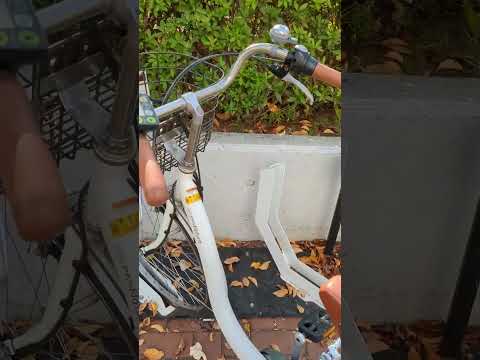
If you're interested in how shared mobility is changing transportation in Japan, the video below explores bicycle-sharing services that turn bikes into accessible urban infrastructure. Share cycling offers residents and visitors a flexible way to travel short distances without owning a bicycle.