For more than a century, TOTO has quietly shaped everyday life through toilets, bathrooms, and water-related home products. While the Japanese company is best known internationally for innovations such as advanced bidet toilets, its broader philosophy has always been centered on something less visible: eliminating discomfort that people notice but rarely talk about.
Whether it is water flow, noise, odors, or the tactile experience of using a bathroom fixture, TOTO's approach has long been to refine these details until they fade into the background. The company's goal is not to draw attention to technology, but to make daily life feel naturally better without users having to think about it.
Today, TOTO is exploring a new challenge. Instead of simply making toilets more comfortable, the company is investigating how the bathroom itself could become a place where subtle signs of health changes are detected. At the center of this effort is a research project known as Stool Scan.
Unlike many health technologies, Stool Scan does not require users to wear a device, answer questionnaires, or manually enter data. The concept is built around an activity people already perform every day. By analyzing stool characteristics during normal toilet use, the system aims to identify patterns that may indicate changes in physical condition over time.
The idea emerges from a challenge that many countries are facing: aging populations and growing pressure on healthcare systems. Around the world, healthcare is gradually shifting from treating illness after diagnosis to identifying warning signs before conditions become more serious. However, continuous health tracking often requires effort, discipline, and long-term engagement from users, which can be difficult to sustain.
TOTO's response is to focus on a daily habit that already exists.
The bathroom is one of the few places that virtually everyone visits every day. It is also a space where changes in the body often appear naturally. Yet for decades, much of the information contained in those daily experiences has been left to personal observation and subjective judgment. Stool Scan attempts to capture that information quietly, not as a medical device demanding attention, but as a seamless extension of everyday infrastructure.
Why is TOTO entering this field now?
The company appears to recognize that simply making toilets easier to use may no longer be enough to address the challenges of aging societies. As a company that has spent generations building the infrastructure of daily living, TOTO sees an opportunity to extend that role into adjacent areas such as preventative wellness and early health awareness. Stool Scan represents an extension of that long-term philosophy.
Stool Scan Overview
Stool Scan is a research and development initiative from TOTO that uses sensors to observe stool characteristics during normal toilet use. The concept is designed to work without requiring any special actions from the user. Simply using the toilet as usual would allow the system to collect information about factors such as stool shape and condition.
Importantly, the goal is not to diagnose disease from the toilet.
Instead, Stool Scan is intended to help identify deviations from a person's normal patterns. Because stool can be influenced by digestion, diet, stress, sleep, and overall physical condition, it often reflects health changes relatively quickly. TOTO's objective is to provide a more consistent way of recognizing those changes rather than relying solely on personal perception.
At present, Stool Scan is not a commercial product and is not available for purchase. The technology remains in the research and testing stage, and no pricing information has been announced. Future applications may involve integration with healthcare providers, eldercare facilities, or home care services. Still, the current focus is on determining how naturally such a system can fit into everyday life.
One of the most interesting aspects of the project is that it does not attempt to turn health management into another daily task. Users would not need to log information into an app or wear specialized equipment. Instead, information could be gathered passively through a routine activity that already takes place every day.
For TOTO, that quiet and almost invisible value proposition is the central appeal of the technology.
TOTO's Vision Behind Stool Scan
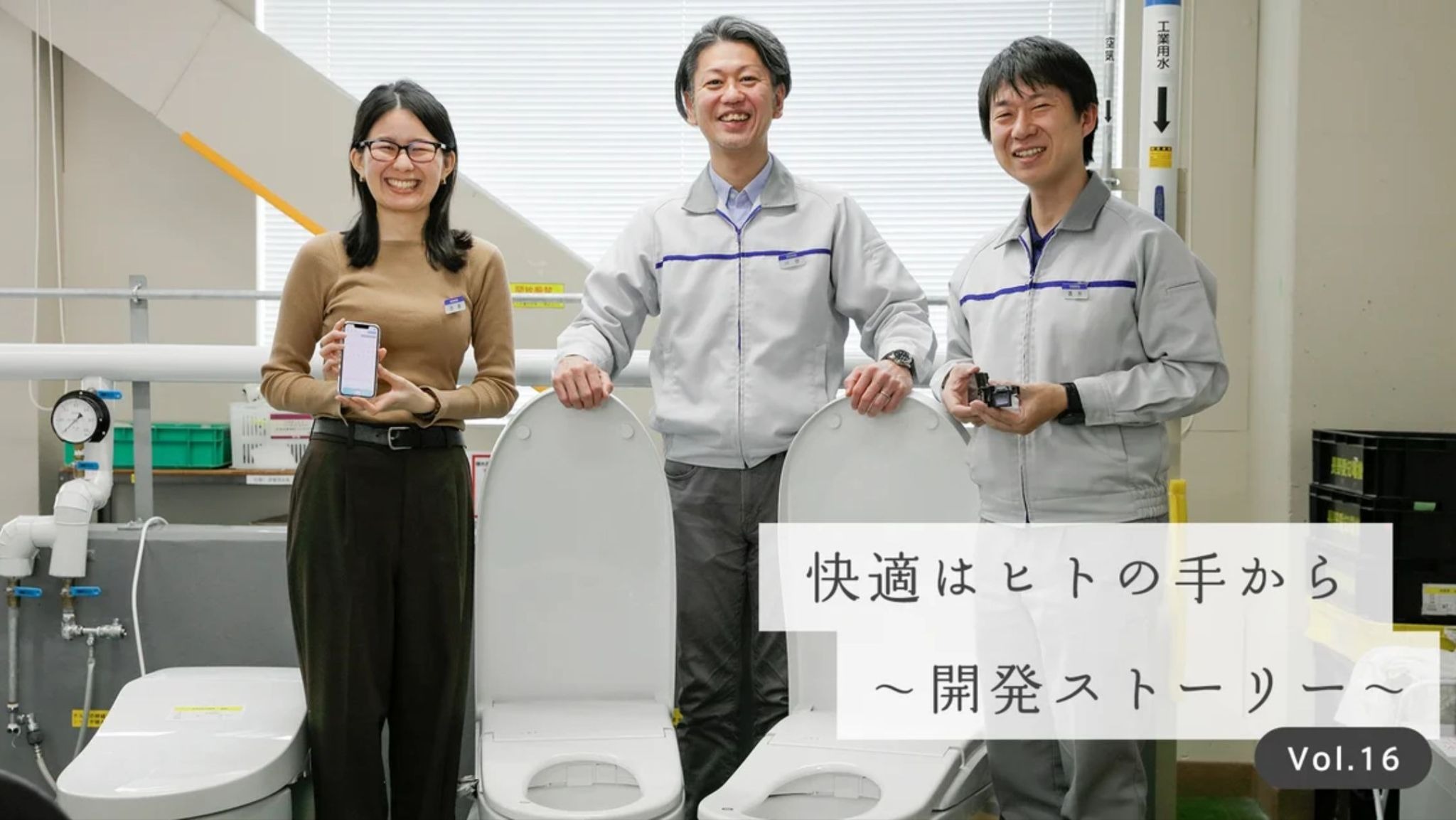
Source: TOTO Homepage
What TOTO is pursuing with Stool Scan is not the development of another consumer health gadget or medical device. The project is focused on creating a system that can detect changes in health naturally through an existing piece of household infrastructure.
This approach is closely aligned with the company's long-standing philosophy. For decades, TOTO has worked to improve daily living not by changing people's behavior, but by improving the environments they already use. Stool Scan applies the same principle to health awareness.
The technology's primary function is to observe stool conditions over time and identify meaningful changes. This may sound simple, but it addresses a real challenge. People often overlook subtle health changes because of busy schedules, routine habits, or the assumption that minor issues will resolve themselves. This is especially common among older adults and individuals who live alone, where there may be no one nearby to notice gradual changes.
TOTO’s Invisible Revolution in Health
Rather than acting as a diagnostic tool, Stool Scan is intended to make those small warning signs more visible within everyday life.
From the user's perspective, the process is designed to be remarkably straightforward. No additional setup, preparation, or interaction is required beyond normal toilet use. The sensing technology operates in the background, following a design philosophy that avoids adding new responsibilities to the user.
This principle is significant because many health-tracking solutions struggle with long-term adoption. Systems that require regular input, manual tracking, or behavioral changes often lose effectiveness over time as users become less engaged. TOTO's approach seeks to eliminate that friction.
There is currently no announced price because Stool Scan remains in the research phase. Even if it eventually reaches the market, the company appears to envision it as part of a broader ecosystem that combines bathroom infrastructure with supportive services, rather than as a standalone premium device.
Potential users extend beyond ordinary households. TOTO has also considered applications in senior living communities, nursing facilities, home healthcare settings, and other environments where ongoing wellness observation is important. In many cases, the information could serve as a reference point for family members or caregivers rather than being connected directly to medical intervention.
This distinction is important.
TOTO is not promoting a future in which toilets manage people's health. Instead, the company is exploring how everyday infrastructure can quietly increase opportunities for awareness without increasing the burden of health management itself.
In that sense, Stool Scan is less about technology and more about redefining the role that everyday household infrastructure can play in supporting long-term well-being.
The Idea of Health Sensing Without Asking People to Measure or Think About It
The defining feature of TOTO’s stool-scanning concept is that it is designed to remove the burden of health management from the user. Most health technologies require some form of active participation, whether that means stepping on a scale, wearing a sensor, or opening an app to log data. While these approaches are effective, they also introduce friction into everyday life. Stool scanning takes a different approach by embedding health monitoring into an activity people already perform naturally: using the toilet.
From a technological standpoint, the concept relies on passive, non-contact sensing. Users are not expected to interact with cameras, sensors, or measurement tools. Instead, the system is designed to observe stool characteristics according to predefined criteria and identify changes over time. The goal is not to provide the kind of precise diagnosis associated with medical devices. Rather, it is to detect deviations from an individual’s normal patterns. What matters is not an absolute measurement, but the difference between yesterday and today, or between current conditions and a person's usual baseline.
The "Invisible" Health Check-up You Don't Have to Think About
The concept also reflects a distinct cultural perspective. Stool information can offer valuable insights into a person’s health, yet it remains a topic many people are reluctant to discuss openly. Rather than bringing this information to the forefront, TOTO envisions handling it quietly in the background. Users are not constantly confronted with health metrics, nor are they expected to report their results to others. This subtle approach aligns closely with Japanese attitudes toward privacy and everyday living.
From a user experience perspective, the absence of interaction is part of the value. Health-monitoring products can sometimes create anxiety by encouraging people to constantly focus on potential problems. With stool scanning, nothing happens when conditions remain normal. Only when meaningful changes emerge might the information serve as a prompt for family members or caregivers to pay closer attention. This understated design philosophy makes the technology better suited for long-term use.
Another important aspect is that stool scanning is not intended to function as a standalone gadget. Its value emerges through its relationship with the toilet itself, the home environment, and broader care and healthcare systems. TOTO’s focus extends beyond collecting data. The company is also considering who receives that information, when it becomes meaningful, and how it should be interpreted. This systems-level thinking sets the concept apart from many consumer health devices.
Ultimately, the uniqueness of stool scanning does not lie in a futuristic appearance or a dramatic technological breakthrough. Its significance lies in the idea of returning health monitoring to the background of daily life. To understand why TOTO pursued this concept, it is necessary to look at the societal challenges and long-term concerns that shaped its development.
“Changes in Health Often Appear in Daily Life Before They Reach the Hospital”
The development of stool scanning is rooted in both the everyday challenges TOTO has long sought to address and broader changes taking place in society. Aging populations in Japan and many other countries are forcing governments, healthcare providers, and communities to reconsider how healthcare and caregiving systems operate. Relying solely on treatment after illness occurs is becoming increasingly difficult as medical resources and caregiving personnel face growing pressure. At the same time, many early signs of health changes already appear in daily life long before professional intervention becomes necessary.
TOTO focused on the fact that one of the most natural places for these early signals to appear is the toilet. Stool condition can be influenced by diet, sleep quality, stress levels, and overall physical health, often reflecting changes relatively quickly. Yet these signs are frequently overlooked. People may dismiss them as temporary irregularities or assume they will resolve on their own. In some cases, symptoms that later prove significant may initially seem too minor to justify a medical consultation.
Rather than creating additional tests or screening procedures, TOTO chose to explore whether meaningful insights could be gathered from activities people already perform every day. The toilet is a universal part of daily life, regardless of age, lifestyle, or level of health awareness. If information could be collected passively without adding effort or inconvenience, opportunities for earlier awareness and intervention might increase. Stool scanning represents an attempt to test that hypothesis.
How TOTO is Removing the "Work" from Personal Health
This approach reflects TOTO’s long-standing philosophy toward bathroom and sanitation infrastructure. The company has consistently viewed toilets as more than functional fixtures. Cleanliness, comfort, and safety are most effective when users do not need to think about them. TOTO began asking whether health support could be approached similarly, providing assistance quietly in the background rather than demanding constant attention from the user.
Changes in household structures have also influenced the concept’s development. As single-person households and elderly-only households become more common, fewer people have someone nearby who might notice subtle changes in their physical condition. Stool scanning is not intended to replace doctors or healthcare professionals, but it could help bridge the gap between the individual and those who provide support. From TOTO’s perspective, the project is less about entering the medical sector and more about expanding the role that everyday infrastructure can play in supporting well-being.
Not a Replacement for Medicine, but an Additional Layer of Awareness
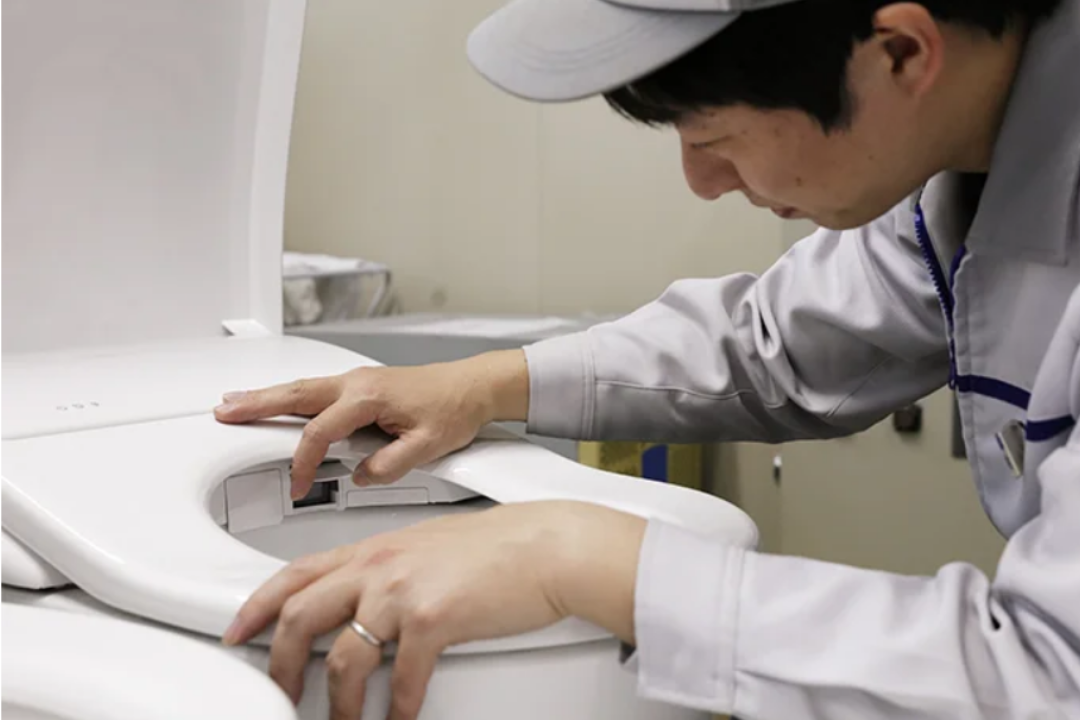
Source: TOTO Homepage
TOTO does not envision stool scanning as a finished product designed exclusively for a single industry or use case. Instead, the company sees it as a tool that could complement existing healthcare and caregiving systems by helping identify changes that might otherwise go unnoticed. As a result, potential applications are best understood through the various points where daily life intersects with support and care.
One of the most frequently discussed applications is within senior living facilities and long-term care environments. Care staff already monitor residents’ well-being, but it is difficult to observe every aspect of health through human attention alone. Stool condition can provide useful information, yet it is not always documented or communicated in detail. In this context, stool scanning is not intended as a system that requires constant monitoring. Rather, it could provide supplementary information that helps staff recognize ongoing changes and prioritize their responses. The goal is to enhance awareness without adding significant workload.
Why TOTO Prioritizes Routine Over Behavioral Change
The technology may also have value in home-based care settings. For elderly individuals living alone or for families that cannot provide daily supervision, subtle health changes can easily go unnoticed. Trend data generated through stool scanning could offer family members, caregivers, or support workers additional context when evaluating a person’s condition. Again, the emphasis is not on real-time surveillance but on creating opportunities for earlier awareness within the normal flow of daily life.
TOTO has been particularly cautious when discussing direct integration with healthcare providers. Stool scanning is not intended to function as a diagnostic device and is not positioned as a substitute for medical judgment. However, information collected over time could potentially serve as supplementary context during medical consultations, helping individuals and healthcare professionals review patterns that might otherwise be forgotten. In this sense, the technology aims to narrow the gap that often exists between everyday life and formal healthcare.
The concept has also attracted interest within discussions surrounding local government services and community-based care programs. As societies seek new ways to support aging populations, everyday living environments are increasingly viewed as part of the broader care ecosystem. A toilet capable of identifying subtle changes may contribute to this framework, provided that privacy protections and data governance are handled appropriately. In such cases, the technology could function as an indirect tool for reducing isolation and supporting earlier intervention when concerns arise.
What unites these potential applications is that stool scanning is never intended to become the central focus. TOTO’s vision is for the technology to remain largely invisible: unobtrusive, rarely discussed, yet quietly useful when needed. That philosophy also explains why considerations such as manufacturing quality, reliability, and privacy protection are just as important as the sensing technology itself.
Prioritizing Cleanliness, Safety, and Privacy as Non-Negotiable Requirements
Before stool scanning can become a reality, several conditions must be met that go beyond technical accuracy. The most important of these are cleanliness, safety, and respect for privacy, all of which are fundamental expectations of any toilet environment. For TOTO, the key question is not simply whether stool can be measured, but whether such a system can be accepted as part of everyday living infrastructure.
Redefining the Role of the Modern Bathroom
Hygiene is the first essential consideration. Toilets are used daily and must remain clean and comfortable for everyone. The sensing technologies being explored for stool scanning are designed to operate without requiring direct user contact, and researchers are evaluating structures that do not interfere with routine cleaning or maintenance. TOTO’s decades of experience in selecting durable materials and designing reliable water-related fixtures play a crucial role in these developments.
Quality control is approached differently from consumer electronics or digital devices. Toilets are long-term installations that are expected to function reliably for many years without frequent updates or adjustments. As a result, stable operation from the outset and resistance to performance degradation over time are critical requirements. Rather than pursuing rapid improvements in functionality, stool scanning is being developed with an emphasis on long-term consistency, reliability, and reproducibility.
A Tool for Caregivers, Not Just Users
Privacy is perhaps the most sensitive issue. Information related to bowel movements is deeply personal, and mishandling it could easily create discomfort or resistance among users. TOTO places greater importance on limiting the handling of such information than on maximizing its visibility. The company believes that avoiding unnecessary exposure of data and maintaining a comfortable distance between users and the technology are essential conditions for social acceptance.
The management of data itself also requires clear boundaries. It must be explicitly defined who can access information, at what stage, and under what circumstances. Stool scanning is not designed around the assumption that information will be shared without the user’s consent. Even in situations involving healthcare or caregiving services, the technology is envisioned as providing only limited supplementary information rather than serving as a primary decision-making tool. This reflects not merely a technical constraint, but TOTO’s philosophy as a provider of essential living infrastructure.
These principles of manufacturing and quality management are also what prevent stool scanning from remaining an experimental concept. The toilet is a space where failures are difficult to tolerate. Recognizing this reality, TOTO continues to carefully evaluate how far the technology can advance while remaining consistent with the expectations people place on such a critical part of daily life.
Helping Society Recognize “Unspoken Health Concerns”
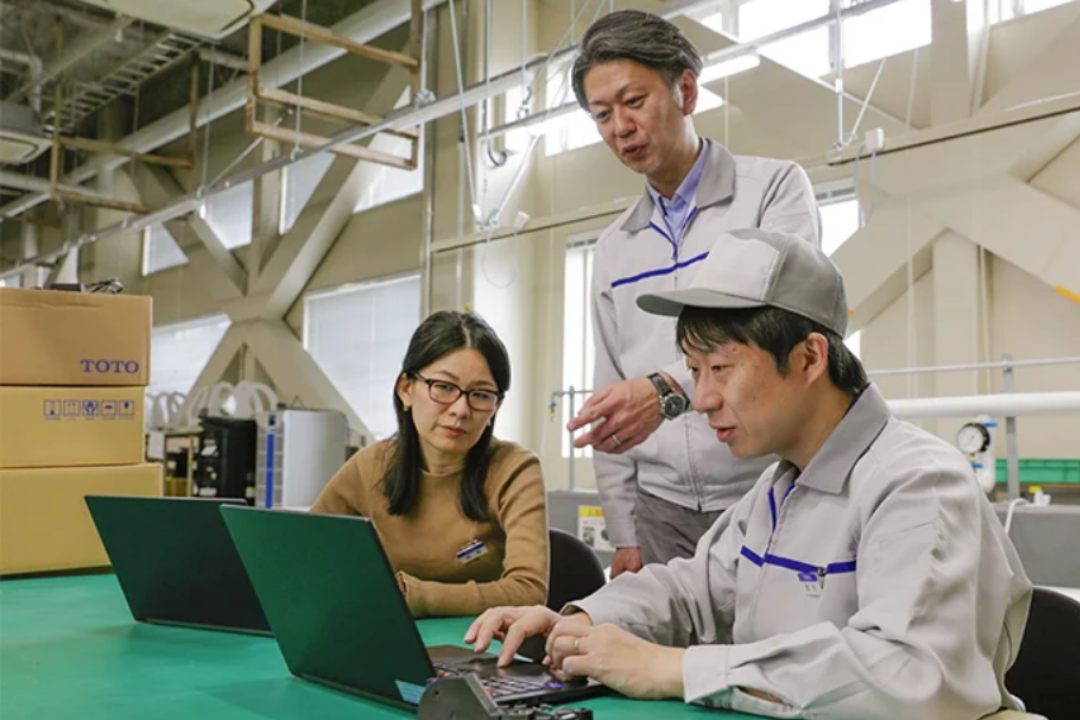
Source: TOTO Homepage
At the core of TOTO’s interest in stool scanning is a long-standing awareness of a broader social issue. Many everyday inconveniences and health concerns are often left to individual effort, endurance, or self-management, while society provides relatively little support. Bathrooms and water-related environments are among the most visible examples of this challenge.
Since its founding, TOTO has focused on practical issues related to sanitation and hygiene. Expanding access to clean and comfortable toilets was never solely about convenience. It also contributed to disease prevention and improved quality of life. Throughout its history, the company’s product development philosophy has centered on creating environments where problems are resolved even before people feel the need to complain about them.
The Strategic Reach of Stool Scan
The thinking behind stool scanning follows this same philosophy. Changes in physical condition do not always appear as pain or obvious symptoms. More often, they emerge as subtle irregularities that become buried within daily routines. Speaking openly about such changes can also be psychologically difficult. Topics related to bowel movements are particularly challenging because they are often considered private and socially uncomfortable to discuss.
What makes TOTO’s approach significant is that the company is not attempting to enter the medical field directly. Diagnosis and treatment remain the responsibility of healthcare professionals, and toilets cannot replace those functions. However, as an infrastructure provider positioned at one of the earliest points where signs of physical change may appear, TOTO believes it can help create opportunities for awareness. The company sees this as a responsibility that naturally aligns with its role in managing everyday living environments.
This perspective is also connected to broader demographic changes. As populations age and single-person households become increasingly common, the assumption that someone will always be available to notice health changes is becoming less realistic. Stool scanning cannot eliminate social isolation, but it may serve as one pathway for connecting subtle, easily overlooked changes with broader support systems. TOTO seeks to fulfill this role in a practical and measured way without overstating its potential.
Stool scanning is not a technology that promises dramatic or immediate results. Its value lies in quietly supporting ordinary daily life. Determining how that value can be translated into products and services is guided by a principle that has shaped TOTO since its founding: the commitment to supporting everyday living.
A Culture of Refining the Ordinary Created the Foundation for Stool Scanning
At first glance, stool scanning may seem like a futuristic and unconventional technology. Yet it cannot be separated from the cultural context in which it was conceived. TOTO’s decision to explore the idea in Japan reflects a long tradition of treating toilets not merely as functional equipment, but as spaces that significantly influence quality of life.
In Japan, the toilet has traditionally been viewed as both a private space and a place where order and cleanliness are maintained. Expectations that toilets should remain hygienic, odor-free, and easy to use have become deeply embedded in daily life. These values are not generally regarded as luxuries but as forms of consideration that support harmonious communal living. TOTO’s product development has evolved within this cultural framework.
Why Your Toilet May Be the Future of Preventative Health
Japanese manufacturing culture also emphasizes the gradual elevation of everyday standards. Rather than pursuing sudden, dramatic transformations, many innovations aim to integrate seamlessly into daily life. This mindset closely resembles the design philosophy behind stool scanning. The goal is not to constantly remind people about their health, but to create an environment where important signs can be detected naturally and unobtrusively.
The concept also aligns with Japan’s efforts to support aging populations within local communities. Across the country, governments and care organizations have explored ways to enable older adults to continue living independently in familiar environments. Within these frameworks, housing and living conditions are increasingly viewed as part of the support system itself. The possibility that a toilet could contribute indirectly to this role connects stool scanning to broader social initiatives already underway.
Japan’s cultural approach to personal information also influences the concept. While there is often discomfort with openly sharing highly personal health data, there is strong appreciation for systems that quietly maintain well-being in the background. Stool scanning is designed around this principle. Information is not constantly presented or emphasized but becomes meaningful only when necessary. This restrained approach fits naturally within Japanese cultural expectations.
In many respects, stool scanning is an idea that could only have emerged from Japan’s unique relationship with sanitation, privacy, and infrastructure. At the same time, it is a technology that likely requires extensive validation within Japan before it can be adapted elsewhere. The next step is understanding how TOTO intends to develop the concept further and connect it with society in the years ahead.
How Far Can It Go While Remaining Living Infrastructure Rather Than a Health Device?
TOTO has not publicly presented a detailed roadmap for stool scanning. Instead, the company has consistently emphasized a gradual approach that prioritizes testing, social acceptance, and careful evaluation of potential concerns. This reflects both the complexity of the technology and the company’s cautious approach.
One of the primary goals is not simply improving technical accuracy, but understanding how information should be used. Beyond determining what can be measured, TOTO must evaluate who benefits from that information and when it becomes meaningful. Should findings be communicated directly to users, shared with family members, or made available to caregivers? Should information only be interpreted as long-term trends? Alongside advances in sensing technology, answering these questions remains one of the project’s most important challenges.
Making Health Awareness Part of the Household Foundation
Another area of focus is integration with existing support systems. TOTO does not envision stool scanning as a standalone solution. Its value will likely depend on how it connects with housing environments, caregiving services, monitoring systems, and other forms of daily support. Notably, however, the company believes that the technology should first function effectively on its own before extensive data-sharing networks are introduced.
The company is equally cautious regarding international expansion. Stool scanning is rooted in assumptions about Japanese bathroom culture and attitudes toward sanitation. Technical feasibility alone is not sufficient justification for introducing the concept to other markets. TOTO believes it must first determine which aspects are universally applicable and which depend heavily on cultural context before meaningful overseas applications can be explored.
The business model remains undefined as well. Stool scanning is unlikely to become an immediate source of revenue. Instead, it has the potential to reshape the very definition of what a toilet can provide. Beyond comfort and cleanliness, toilets may eventually contribute to awareness and preventive support. How this role can be incorporated into future products and services remains an open question.
Ultimately, TOTO’s objective is not to become a healthcare company. Rather, it is exploring how the responsibilities of living infrastructure may evolve. The company continues to examine where meaningful support ends and where intervention becomes excessive, carefully refining the boundaries that will shape the future of stool scanning.
A Quiet Form of Acceptance Beyond Simple Convenience
Because stool scanning has not yet been commercialized as a consumer product, there are no traditional customer reviews or product ratings available. The experiences discussed here are instead based on reactions observed through public demonstrations, research initiatives, and media coverage. What stands out is that acceptance is often framed less around excitement and more around the absence of disruption.
One commonly expressed positive reaction is the reassurance that users are not required to do anything extra. Many health technologies depend on behavior changes such as monitoring, recording, or reviewing data. While beneficial in theory, these activities can become burdensome in practice. Because stool scanning operates within the familiar routine of using a toilet, it does not require significant changes to daily habits. This aspect is often viewed favorably by older adults and their families.
At the same time, concerns about handling bowel-related information are openly acknowledged. Defecation is an intensely private activity, and some people naturally feel uneasy about the idea of their data being recorded or observed. Interestingly, one factor that helps ease these concerns is the technology’s intentionally restrained design. Rather than continuously displaying data or images, the system is intended to provide information only when necessary. This limited visibility contributes to perceptions that the technology feels supportive rather than intrusive.
Health Tracking Without Effort
Caregivers and family members often see value in the technology as an additional source of information. Stool scanning is not intended to function as an alarm system that demands immediate intervention. Instead, it serves as another reference point that can supplement observations previously based largely on intuition or experience. This can be particularly useful when individuals struggle to communicate subtle changes in their condition.
Experts and media outlets have generally taken a cautious and practical view. Rather than portraying stool scanning as a revolutionary medical breakthrough, discussions often focus on the broader question of how living infrastructure can contribute to health and well-being. This perspective aligns with TOTO’s own positioning of the technology as a supportive tool rather than a substitute for medical care.
Overall, reactions to stool scanning tend to center on qualities such as being unobtrusive, practical, and easy to live with. Rather than generating dramatic enthusiasm, the technology is valued for fitting naturally into everyday life. This understated form of acceptance may ultimately be one of its greatest strengths.
A Technology Still Measuring Its Distance from Society
Within TOTO, stool scanning remains primarily a research and development initiative. In Japan, it has accumulated recognition not as a commercial success story but as an important contribution to public discussion. This reflects the company’s decision to prioritize understanding social acceptance and potential concerns before pursuing rapid commercialization.
The concept has been introduced gradually through official communications, research presentations, and specialized media coverage. Rather than being portrayed as a sensational health gadget, it is frequently discussed as an exploration of how far living infrastructure can contribute to health awareness. This framing closely mirrors TOTO’s own intentions.
Supporting Aging Populations Through Passive Monitoring
One notable aspect of domestic reactions is the coexistence of both skepticism and optimism. Concerns regarding privacy and the handling of personal information are often expressed clearly. At the same time, many people recognize the growing need for mechanisms that can detect subtle health changes in aging societies. By generating discussion from both perspectives, stool scanning has already achieved a certain level of significance.
TOTO’s broader reputation has also influenced public perception. Through products such as advanced bidet toilets, the company has repeatedly introduced innovations that initially faced hesitation but eventually became widely accepted. This history contributes to trust in the company’s willingness to move carefully rather than forcing rapid changes in behavior.
Beyond the question of commercialization, stool scanning has also become a platform for exploring larger issues. It raises questions about the future role of toilets, the relationship between daily life and healthcare, and the ethical handling of personal data. These contributions may not be measurable through sales figures, but they represent a meaningful achievement for a company focused on living infrastructure.
Today, stool scanning is not a widely adopted technology in Japan. Nevertheless, it has established itself as a research initiative that poses important questions society cannot easily ignore.
A Field Where Cultural Compatibility Matters More Than Technical Superiority
When considering the international future of stool scanning, technical limitations are not the primary challenge. The central issue is cultural: how different societies choose to approach an activity as private as defecation. This is one of the main reasons TOTO continues to proceed cautiously.
Many countries face similar challenges related to aging populations, rising healthcare costs, and increasing interest in preventive care. There is clear demand for methods that can identify changes in health before they become serious problems. However, attitudes toward toilets, privacy, and personal information vary significantly across regions. Japan’s highly developed toilet culture remains relatively unique on a global scale.
As a result, the value of stool scanning is unlikely to be realized through a simple export of Japanese technology. Success will depend on adapting the underlying concepts and design philosophy to local cultural expectations and institutional frameworks. In some societies, the system’s limited visibility and privacy-conscious approach may actually make it more acceptable.
Healthcare regulations also play an important role. In many countries, strict distinctions exist between consumer health information and medical services. Because stool scanning is not intended to diagnose disease and instead functions as an extension of daily living information, it may avoid some regulatory challenges. At the same time, this ambiguity may make its value harder to communicate.
The broader appeal of stool scanning lies less in the technology itself and more in the idea that living infrastructure can support awareness of health changes. Connecting toilets, housing environments, caregiving systems, and monitoring services into a cohesive support network is a concept that may become increasingly relevant worldwide. TOTO’s ongoing research in Japan is helping determine how universal that idea truly is.
International expansion is therefore not viewed as a short-term objective. Understanding how the technology can coexist with different cultures, legal systems, and daily habits remains a necessary prerequisite.
What the Lack of Commercial Success Reveals About the Technology’s Maturity
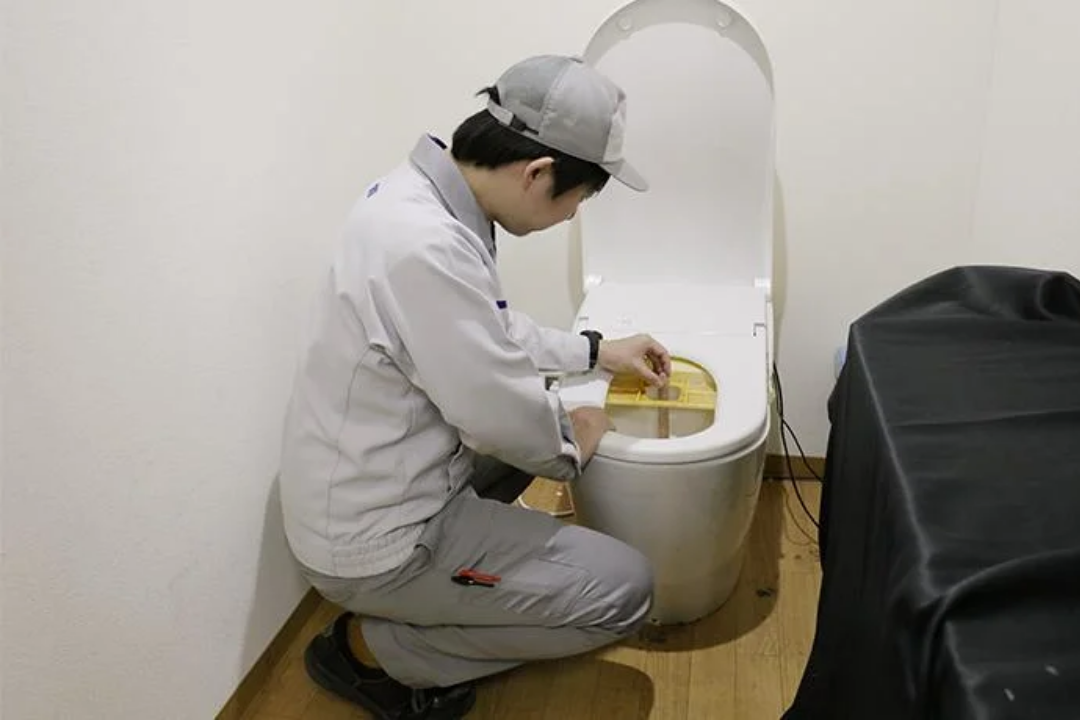
Source: TOTO Homepage
At present, there are no confirmed examples of large-scale international sales or commercial deployment of stool scanning technology. This absence should not be interpreted as a lack of information or market potential. Rather, it reflects TOTO’s deliberate decision to remain in a research and validation phase.
One reason is that stool scanning cannot easily be separated from the broader ecosystem in which it operates. Its value depends on the interaction between toilets, living environments, user behavior, and in some cases caregiving or healthcare systems. Simply exporting the hardware would not necessarily reproduce the same benefits. TOTO has avoided expansion strategies that ignore this reality.
Another factor is the need for careful discussion around privacy and personal data. Regulations concerning health-related information differ widely across countries. Although stool scanning is not intended for medical diagnosis, it still involves highly sensitive information. Introducing the technology commercially before establishing clear expectations and safeguards could undermine public trust.
Interest from overseas researchers and organizations does exist. Countries facing challenges related to aging populations and home-based care have shown curiosity about the broader concept of detecting health signals through everyday activities. However, interest is generally focused on the idea itself rather than immediate adoption as a commercial product.
The lack of international sales should therefore not be interpreted as evidence of weak market demand. Instead, it demonstrates TOTO’s commitment to ensuring that stool scanning functions responsibly as part of living infrastructure before pursuing large-scale commercialization. At this stage, avoiding the wrong kind of success appears more important than achieving rapid market expansion.
Conclusion
Stool scanning is not the kind of innovation that attracts attention through dramatic breakthroughs or headline-grabbing claims. It does not diagnose disease, nor does it assign numerical scores to a person’s health. Yet its significance lies in how it reimagines the relationship between health and everyday life.
Traditionally, health management has relied heavily on individual awareness and effort. People must monitor themselves, keep records, and seek medical care when necessary. While these actions remain essential, they also require time, attention, and commitment. Stool scanning proposes a different role: quietly detecting early signs within the routines people already follow. Instead of requiring new devices or behaviors, it builds upon an existing part of daily infrastructure, the toilet.
This approach is closely tied to TOTO’s identity. For decades, the company has improved sanitation and comfort in ways that users often notice only after they have become part of everyday life. That history allows TOTO to approach health-related concerns with the same philosophy of unobtrusive support. In many ways, stool scanning is less a new business venture than an exploration of what responsibilities living infrastructure should carry in the future.
From an international perspective, the technology’s value does not stem solely from its technical sophistication. Equally important is the way it attempts to balance health awareness with cultural expectations and privacy concerns. As aging populations and healthcare burdens continue to grow worldwide, solutions do not necessarily need to be highly visible or disruptive. Systems that operate quietly in the background may ultimately prove more sustainable.
Stool scanning is unlikely to become a globally adopted product overnight. Nevertheless, it offers a concrete response to an increasingly important question: where, by whom, and in what way should health be supported? By addressing that question through one of the most ordinary spaces in daily life, TOTO demonstrates how living infrastructure can contribute to solving broader social challenges in a thoughtful and understated manner.
FAQ About TOTO’s Stool Scan
1. What Is Stool Scan?
Stool Scan is a sensing technology being researched and developed by TOTO. It is designed to monitor stool characteristics during everyday toilet use and help identify potential changes in a person's physical condition over time. One of its key features is that it requires no special action from the user.
2. Is Stool Scan A Medical Device That Diagnoses Diseases?
Stool Scan is not intended to diagnose diseases as a medical device. Instead, it is designed to help people monitor stool conditions on an ongoing basis and recognize signs of unusual changes or potential shifts in their health.
3. What Does Stool Scan Measure?
The technology is intended to analyze characteristics such as the shape and condition of stool during toilet use and track changes over time. By monitoring these patterns, it aims to help identify potential indicators of changes in physical well-being.
4. Does It Require Any Special User Action?
No special operation or manual input is intended. The goal is to collect information automatically during normal toilet use, allowing the technology to fit naturally into daily life without adding extra effort for users.
5. Is Stool Scan Available For Purchase?
The technology is currently in the research and demonstration stage and is not available as a commercial product for consumers. Testing and evaluation are ongoing as part of the development process.
6. Could Stool Scan Eventually Be Used In Homes?
While the technology is still in the research and demonstration phase, future development will likely be guided by testing results and societal needs. The long-term goal is to explore practical applications, including possible use in residential settings.
7. Where Could This Technology Be Used?
In addition to private homes, Stool Scan could be useful in environments where monitoring day-to-day health changes is important, such as senior care facilities, nursing homes, home care settings, and home healthcare environments.
8. How Could The Collected Information Be Used?
The data is intended to serve as supporting information that may help identify signs of changes in a person's physical condition. It is not meant to replace medical care or diagnosis, but rather to help individuals, family members, caregivers, and healthcare professionals recognize potential changes that may warrant attention.
9. How Is User Privacy Addressed?
TOTO recognizes that information related to stool conditions is highly personal and places a strong emphasis on protecting user privacy. The company aims to create a system that integrates naturally into daily life while avoiding unnecessary exposure or visualization of personal information.
10. What Is TOTO's Vision For Stool Scan?
TOTO's goal is not to turn the toilet into a medical diagnostic device, but to create an environment where people can naturally become aware of changes in their physical condition through everyday infrastructure. The company aims to support ongoing health awareness without adding complexity or burden to daily life.