
In recent years, the rise of social media and digital platforms has allowed a single comment—whether from an individual or a company—to spread instantly. What starts as a small mistake can quickly escalate into widespread criticism or even a full-blown scandal. As communication crosses borders more easily than ever, words now carry tremendous weight, and every response can influence how much trust people place in a brand or an individual.
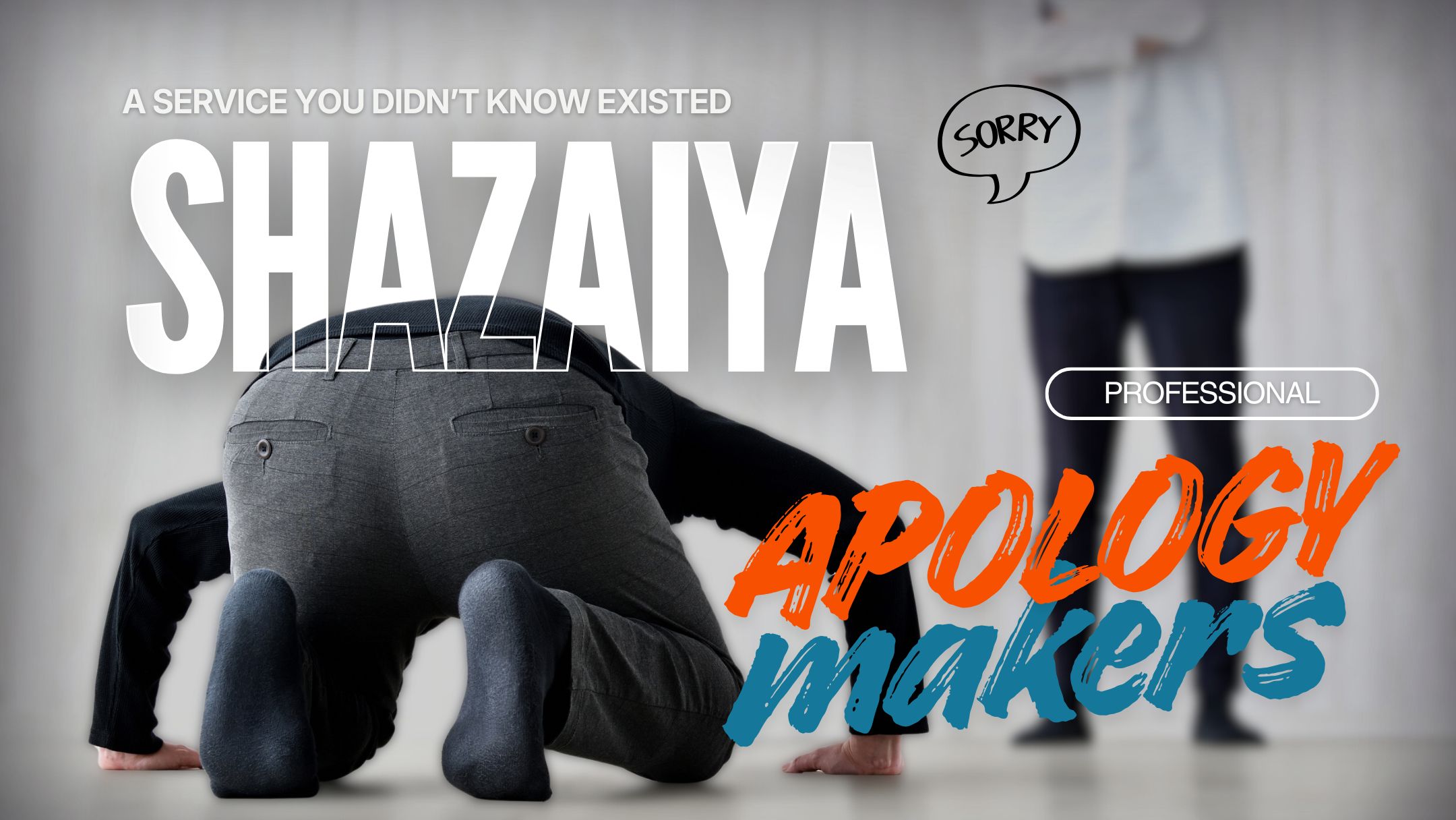
Against this backdrop, a service known as Shazaiya has been drawing increasing attention. Acting on behalf of clients, these professionals deliver apologies or explanations and support the process of repairing relationships. Although the service was born in Japan, it embodies universal values: expressing sincerity, easing conflict, and helping people find resolution.
As interpersonal and business-related friction grows worldwide, third-party intervention of this kind is beginning to gain relevance even in multicultural societies. This article introduces the Shazaiya service and explores why it is attracting interest across borders.
Shazaiya Overview
Shazaiya is a service that delivers apologies or explanations on a client’s behalf to restore smooth communication. The process is simple. After you submit your situation via a form or by phone, the staff proposes the most appropriate apology style and response method. Clients can choose from a wide range of options, including drafting written apologies, arranging direct visits, or handling matters online.
Pricing varies based on the complexity of the request and the delivery method, but some plans start at an affordable level, making the service accessible to both individuals and businesses. Its greatest appeal lies in the calm, sincere approach that only trained professionals can provide. By stepping in before emotions escalate, Shazaiya helps restore trust while preventing further conflict. This has proven especially effective in addressing modern issues such as business disputes and social media controversies, earning the service strong, growing support.
The Unique Features of a “Shazaiya Service”

Source: Shazaiya Homepage
Shazaiya stands out as a rare business model that systematizes Japan’s unique apology culture. While in many countries apologies are seen purely as a matter of personal responsibility, Japan emphasizes the importance of how sincerity is communicated. Word choice, tone, body language, and even the environment all influence how an apology is received.
Turning Sincerity into a Professional Service
Building on this cultural foundation, Shazaiya creates the most suitable form of expression for each client and offers a structured method for delivering third-party apologies. On the technical side, the service applies principles of psychology and communication theory when crafting apology letters or scripts, ensuring that the language accounts for the recipient’s emotions and perspective. Staff members are also trained in acting and etiquette so they can perform as the client’s proxy with the composure and skill of professional performers. This is not something commonly found in other services.
For clients, one of the greatest advantages is the relief of not needing to face a difficult apology situation directly. This Japan-born approach also holds potential for resolving interpersonal conflicts in multicultural environments and easing friction in international business settings. Ultimately, the strength of Shazaiya lies in transforming the Japanese idea of “giving visible form to sincerity” into a practical, globally adaptable service.
Bridging People Together
Shazaiya is used not only by individuals but also by companies and organizations across many industries.
In the insurance industry, for example, a sales representative may cause trouble during a customer interaction, leaving their manager uncertain about how to deliver an appropriate apology. In such cases, Shazaiya staff can accompany the representative while acting in the role of the manager, offering a sincere apology on their behalf and restoring customer trust.
In fields such as real estate, manufacturing, and beauty, handling claims and disputes often consumes significant time and energy. By outsourcing these tasks to Shazaiya, companies can reduce emotional strain, lower costs, and allow employees to focus on their core responsibilities.
Shazaiya’s services are also used as external consultation channels for internal reporting and harassment issues. In industries like retail, tourism, and SaaS, the presence of external hotlines—offering anonymity and multilingual support—allows employees to seek advice safely. This contributes to faster risk management and strengthens corporate credibility.
From these examples, it is clear that Shazaiya does more than resolve disputes. It also supports employee well-being, improves business efficiency, and protects brand image. Wherever human relationships and trust matter, Shazaiya can play an essential role.
The Origins of Shazaiya and Japan’s Culture of Apology

Source: Shazaiya Homepage
The origins of Shazaiya lie in the increasing complexity of modern relationships and the emotional difficulty many people feel when apologizing. In Japanese society, demonstrating sincerity is considered extremely important, and the way an apology is delivered can significantly influence future relationships.
However, in reality, many people find it hard to apologize directly. Some become emotional, some hesitate until the timing is lost, and some fear making things worse. To support people facing these “difficult apologies,” the idea of an apology-proxy service was born.
From Simple Proxy Apologies to Professional Communication Support
In its early days, the business centred mainly on visiting the location of a dispute and expressing sincerity on behalf of the client. Over time, however, communication theory and psychological insights were incorporated to improve how messages were conveyed. This eventually led to services such as drafting apology letters, designing apology scenarios, and training staff in performance techniques similar to acting.
The founder has shared that a personal failure in handling a customer complaint—and the resulting loss of a key client—made the need for a professional apology system painfully clear. Shazaiya was created not simply as a substitute for apologizing, but as a way to “give form to sincerity,” and it continues to evolve to meet the demands of modern society.
Management Approach
Shazaiya’s services are based on extensive case data, psychological and communication expertise, and thoroughly trained staff. Each client’s situation is analyzed carefully, and the most suitable response style is designed through a structured process.
Before accepting a request, detailed interviews are conducted to understand both the client’s objectives and the recipient’s personality and circumstances. After the response, feedback is reviewed to improve manuals and training programs. Strict confidentiality agreements and strong personal information protection procedures are also in place, allowing clients to use the service with complete confidence.
In other words, Shazaiya was created not to be a substitute for apologizing. It was created to help turn sincerity into something that can be clearly felt and understood, and the service has continued to evolve to meet the needs of modern society.
The Founder’s View on the Significance of Shazaiya
At the core of Shazaiya is the founder’s recognition of a growing social challenge. In today’s environment, a single misstep by an individual or company can rapidly spread across social media and ignite public backlash. What the founder confronted firsthand was the emotional difficulty of apologizing.
People naturally resist admitting mistakes. Pride, fear, and embarrassment can make it hard to apologize at the right moment, often worsening the situation. The founder once experienced a serious business setback because he failed to deliver an appropriate apology and lost significant trust. That moment became a turning point.
The wish to support “those who want to show sincerity but don’t know how” and “those who cannot bring themselves to speak words of apology” became the foundation of the service. With help from experts in psychology and communication, Shazaiya developed into a system that guides both clients and recipients toward constructive resolution. The founder’s vision remains clear: apology should not be a source of shame but a first step toward rebuilding relationships.
From Japan to the World: Expanding Apology Services

Source: Shazaiya Homepage
Originally, the service focused on individual issues such as infidelity or personal relationship troubles. In recent years, corporate requests have increased dramatically. Looking ahead, demand from both individuals and businesses is expected to grow, along with opportunities in digital and international services.
Online apologies via email, phone, or video call reduce distance and cost barriers, making it easier to handle international requests. Japan’s highly formal and sincere apology practices have also attracted attention from foreign media, with some highlighting the cultural symbolism of gestures like dogeza. While this can be a distinctive advantage, cultural differences must be considered. In some countries, proactive apologies are valued; in others, factual explanations matter more.
For successful international expansion, Shazaiya needs both cultural research and adaptable communication methods. Future possibilities include fixed-rate corporate apology packages, premium plans involving psychological counsellors, and services tailored for global markets. Marketing strategies that clearly present measurable results, as well as sharing case studies through social media and industry media, will also help build recognition.
For global outreach, useful approaches include partnering with local legal or psychological professionals, developing multilingual websites, and adopting communication tools commonly used in each region, such as WhatsApp. At the same time, the service must prepare for ethical and legal risks by strengthening contract management, data protection, and insurance coverage.
Potential for Acceptance Globally
Shazaiya, which systematizes Japan’s unique culture of apology and etiquette, has strong potential to attract attention worldwide. In many Asian countries where courtesy and saving face are culturally significant, Japan’s methods of expressing sincerity through formal apologies are likely to be well received. In the West as well, the spread of digital communication has increased the importance of crisis management and reputation control. This creates a favorable environment for professional third-party apology services.
Potential target markets include industries with strict corporate cultures—such as finance and IT—as well as global companies managing multicultural teams. Service sectors that regularly handle consumer complaints may also benefit. Universal values such as “making sincerity visible,” “using neutral third-party intervention,” and “easing emotions through psychological approaches” make the service highly adaptable across borders.
As a result, Shazaiya has the potential to evolve from a simple representation into a meaningful solution for challenges in international business and multicultural communication.
Conclusion
Shazaiya is a one-of-a-kind service that organizes Japan’s distinctive culture of apology into a structured system with global potential. In a world where social media allows information to spread instantly, the risks of reputational damage go far beyond national borders. Companies now require diverse methods for trust recovery and crisis management, and interest in professional apology services continues to grow.
In Asian countries that value courtesy and face-saving, as well as among global companies managing multicultural teams, Shazaiya’s approach of “making sincerity visible” is especially well suited. For international businesses, Japan’s expertise in apology methods and conflict resolution can strengthen customer satisfaction and enhance brand trust. For Shazaiya, expanding into international markets and building a track record of cross-cultural adaptation will further strengthen its global presence.
Ultimately, the real value for international companies lies not only in adopting a unique service, but in gaining a strategic partner capable of maintaining trust and rebuilding relationships on an international scale.
FAQ About Shazaiya
1. What Types Of Problems Can Shazaiya Handle?
Shazaiya handles a wide range of situations, including interpersonal conflicts, corporate complaints, business relationship disputes, and social media controversies. Its main feature is designing apology strategies and communication methods tailored to each situation to help repair relationships.
2. Can Apologies Be Handled Without Meeting In Person?
Yes. In addition to face-to-face visits, Shazaiya can handle apologies through phone calls, email, and online meetings. The most appropriate method is selected based on the relationship and circumstances involved.
3. Is It Possible To Request Only An Apology Letter?
Yes. Shazaiya also provides apology letter writing services. Using principles from psychology and communication theory, the wording is carefully designed to consider the recipient’s emotions and encourage relationship improvement through written communication alone.
4. How Is The Service Plan Determined?
The process begins with a detailed consultation covering the background of the issue, the personality of the other party, and the client’s goals. Based on this information, a customized apology strategy and response plan are developed.
5. Why Can A Third-Party Apology Help Improve Relationships?
Third-party involvement can help avoid emotional confrontation and allow communication to remain calm and objective. Shazaiya specializes in designing expressions and behavior that effectively convey sincerity, making apologies easier for the other party to accept.
6. How Is The Service Used In Business Settings?
It is used across industries such as insurance, real estate, manufacturing, and beauty services for complaint handling and conflict resolution. By outsourcing apology-related communication, companies can reduce employee stress while helping maintain customer relationships and operational efficiency.
7. Is Privacy Protected When Using The Service?
Yes. Confidentiality agreements and personal information protection systems are in place to ensure that client details and case information are managed securely and not disclosed externally.
8. Could Similar Services Work Internationally?
Yes, there is potential demand internationally. In multicultural environments and international business settings, third-party mediation can be effective for conflict resolution and rebuilding trust. The service can also be adapted to different cultural expectations surrounding apologies.
9. Are There Any Important Limitations Or Precautions?
Legal negotiations and liability judgments are outside the scope of the service, so professional legal support may still be necessary in some cases. It is also important to carefully design the apology approach in advance, as cultural values and personal perspectives can affect how apologies are received.
10. What Is The Greatest Value Of Shazaiya?
ts greatest value lies in professionally transforming “sincerity into action.” Rather than simply apologizing on someone’s behalf, Shazaiya uses psychology and communication theory to design and execute apologies aimed at restoring relationships effectively.