
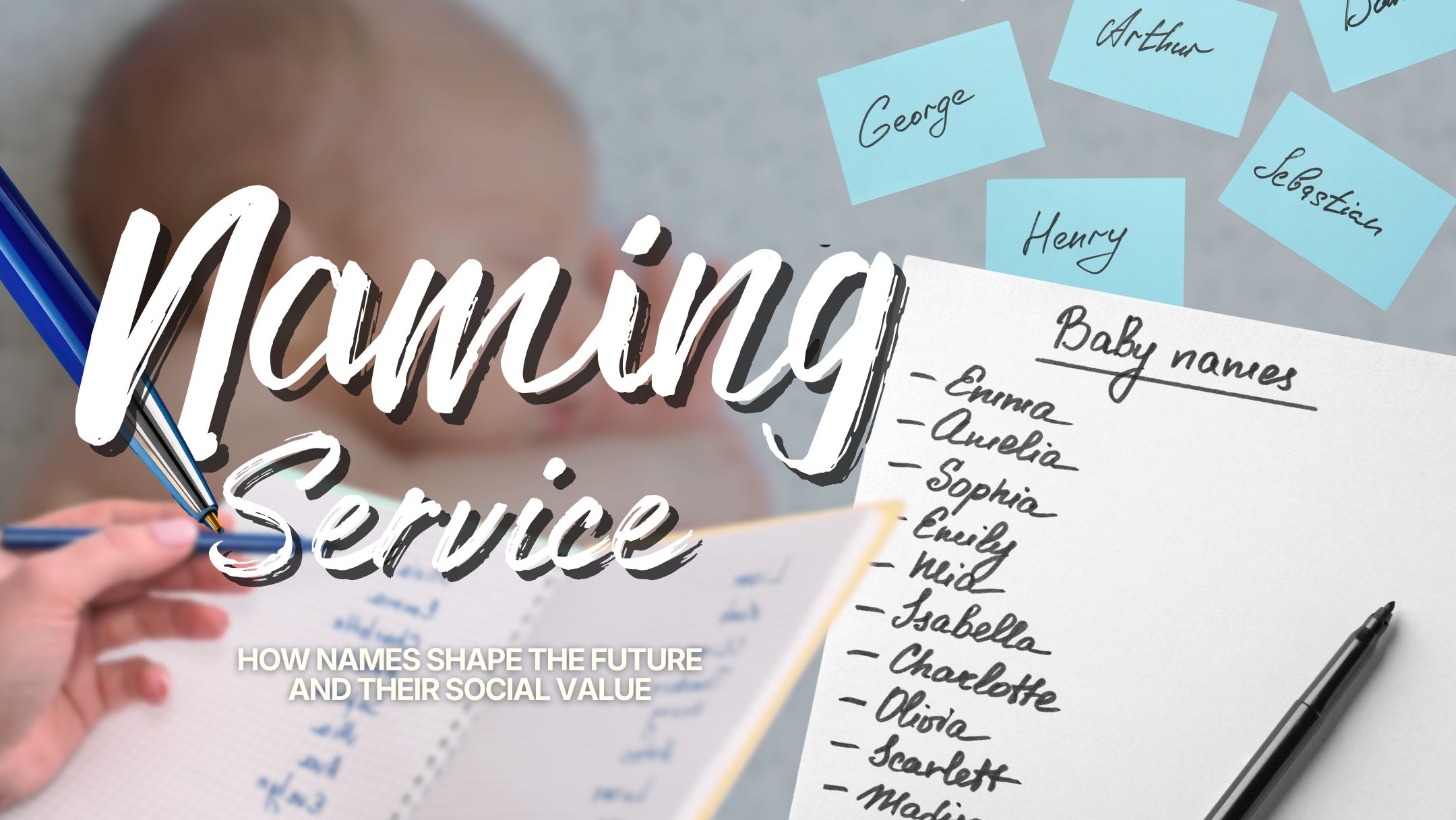
From the moment humanity first developed language, naming has been a fundamental cultural act. The names given to people, places, objects, and organizations are more than identifiers. They carry meaning and stories, and often reflect history and shared values. In Japan in particular, naming has long been treated as an act of intention and care. A baby’s name carries the hopes of the parents. A company’s name expresses the founder’s vision for the future. And the name of a new service becomes the first point of contact with customers who have yet to discover it.
Today, the role of naming has become far more complex. Beyond sound and aesthetic impression, considerations such as online searchability, ease of sharing on social media, trademark availability, and suitability in international markets have all become essential. Naming is no longer an intuitive task; it has evolved into a strategic decision-making process that blends creativity with analysis.
In this environment, “naming support services” offered through online platforms have gained attention. When clients struggle to put their ideas into words or want new inspiration, professional creators provide multiple suggestions to choose from. Coconala offers a wide range of such services, from those that incorporate fortune-telling elements to those specializing in marketing and branding.
Although the exchange may seem small, the outcome of a naming project becomes the foundation of a brand for years to come. A single name can be viewed as an investment in the future, as well as the first promise a company makes to society.
Coconala Naming Support Service Overview
Naming services on Coconala are designed to suit a wide range of goals. For baby names, suggestions often draw on cultural traditions such as classical name analysis, stroke counts, or the harmony of sound and character combinations. For company or product names, the focus is on uniqueness and memorability from a branding perspective, with some providers also considering pronunciation and meaning in international markets. For stage names or business names, creators propose options that align with the client’s personality and career direction, resulting in names that feel consistent and impactful.
Most services, however, provide only creative suggestions and do not guarantee trademark registration or domain availability. Clients must check these themselves to avoid legal risks. Naming services should be seen as “the first step in expanding ideas,” with success ultimately depending on how well the following practical tasks are executed.
The Diverse Roles and Social Significance of Naming Services

Source: Coconala Magazine
One of the strengths of naming services is the wide range of situations in which they are used—from baby names to company names, product names, stage names, project titles, and even pet names. In every case, a name is more than a label. It is a medium for expressing meaning.
The Power of Names: Beyond Simple Labels
Selecting a baby’s name is often the first major decision for new parents. They imagine their child’s future and embed wishes for health and happiness into each character. At the same time, the process can be psychologically demanding. Parents must consider countless character combinations, balance trends with individuality, and weigh the importance of sound and stroke count. Naming services help ease this stress by presenting thoughtful options and supporting families during an emotional and meaningful decision. In this sense, these services contribute to the broader social support system for child-rearing.
Choosing a company name comes with different pressures. For startups and small businesses, a name shapes the first impression for investors and customers. Yet today’s world produces more “naming refugees” than ever before. Trademark registrations are heavily saturated, while domains and social media handles are claimed quickly. Words that once seemed unique can be lost in search results. Naming services provide entrepreneurs with a practical tool to compete in this environment.
For stage names or business names, identity becomes the central issue. In an era where social media serves as a second business card, a name must be both discoverable and memorable. Some individuals want anonymity while still gaining trust, while others want to stand out. Naming services help people navigate these conflicting needs and craft a “second face” suited to the digital age.
Naming in a Global Context: Bridging Cultures and Languages
Globalization adds another layer of complexity. A name that sounds beautiful in Japanese may be misunderstood globally, and a coined term from English may feel awkward to Japanese speakers. Bridging this gap requires specialized cultural and linguistic knowledge. Naming services provide that bridge.
We now live in an era where a name itself can function as a brand. It must be short enough for hashtags, distinct enough to stand out in search results, and meaningful enough to leave an impression. In a world overflowing with information, a strong name is an increasingly valuable asset.
Designing a Naming Project: Clarifying Objectives and Priorities
Naming projects often fails because their objectives are unclear. Without defining why the name is needed and who it must reach, ideas become scattered. A restaurant targeting only the domestic market may benefit from a name that feels familiar and local. A tech company aiming for global expansion should prioritize ease of pronunciation and clarity of meaning for English speakers.
Setting priorities is essential. Memorability and uniqueness can conflict. A pleasant sound may be difficult to trademark. This is why it is important to establish what matters most—recognition, differentiation, or future trademark protection. When all team members share the same priorities, decisions become more consistent and efficient.
Cultural considerations also require careful attention. A word with a positive meaning in Japanese may have an unfortunate meaning in English. There are many cases of Japanese companies needing to rebrand when entering international markets. Consulting experts early can prevent unnecessary risks.
Generating and Evaluating Name Ideas: The Cycle of Divergence and Convergence
Naming typically begins with a divergent phase in which many ideas are generated. These may include coined terms, word combinations, symbolic characters, and various sound patterns. This is followed by a convergent phase, in which options are narrowed based on criteria such as clarity of meaning, ease of pronunciation, and domain availability.
Both sensory and practical criteria must be considered. Sensory checks include whether the name has a pleasant sound and aligns with the brand’s worldview. Practical checks include trademark viability, searchability, and suitability in international markets. Balancing these is challenging but essential for producing a name that can succeed in the long term.
At the final stage, it is helpful to test names with people both inside and outside the organization. Saying names aloud often reveals issues that are not obvious on paper. Gathering feedback allows the list to be refined and narrowed down to a few final candidates.
Names as Assets: The Social and Strategic Value of Naming Services

Source: Coconala Magazine
Naming services on Coconala range from a few thousand yen to several tens of thousands of yen. The price varies based on the number of proposals, the level of research included, and the number of revisions allowed. What matters most, however, is not the cost but the value.
A strong name can support a brand for years or even decades. A weak name can necessitate costly rebranding and cause confusion or erode trust. Naming should be viewed as an investment rather than an expense.
Early-stage startups may opt for lower-cost services to explore a wide range of ideas. As the business grows, investing in legal checks or expert consultation becomes more important. The key is choosing an approach that fits the company’s stage of development.
Post-Naming Procedures: Checking Off the Essentials
Once a name is chosen, several important tasks remain. The first is securing a domain and social media accounts, which are crucial in today’s digital-first environment.
Next, a professional trademark search should be conducted to identify risks before launch. Companies should also prepare a clear “naming story” that explains the meaning and intent behind the name. This helps build internal understanding and ensures consistency in external communication.
For companies expanding internationally, pronunciation and meaning should be checked by native speakers. Preparing alternative names for specific markets may also help avoid future problems.
Naming Is Shaping the Future

Source: Coconala Magazine
Naming is not simply labeling—it is an act of envisioning the future. A baby’s name carries a family’s hopes. A company’s name reflects its founding vision. A product’s name expresses the value it promises to customers. Naming services like those offered on Coconala act as creative partners in this important step.
Yet naming is only the beginning. Legal procedures, domain acquisition, cultural checks, and story-building all follow. Once chosen, a name stays with a person or brand for a long time, and its influence can be profound. Naming should therefore be treated not as a quick task but as a long-term investment in shaping the future.
The name ultimately selected becomes the first promise that connects the client with society. Understanding this responsibility encourages a more intentional and strategic approach to the naming process.
International Opportunities
Japanese naming services have potential beyond the domestic market. As startups, creators, and small businesses worldwide compete in a saturated digital space, the demand for meaningful and distinctive names grows. Challenges such as trademark issues and limited domain availability create opportunities for naming services that combine creativity with strategic thinking.
An area where Japanese naming services stand out is their sensitivity to meaning and cultural nuance. It traditionally places importance on symbolism and long-term intent rather than on what is trending. This resonates with international brands that are seeking names that convey the thought and intention behind their company.
These services delivered digitally allow for further international expansion. Services can be adapted for English naming, Japanese-style branding, or localizing support for companies wanting to enter the Japanese market. Japanese naming services can serve as more than creative support; they can also act as a cultural bridge to help brands communicate their brand in global markets.
Conclusion
In an era when identities, both personal and corporate, must stand out amid global competition and digital noise, names carry more weight than ever. They act as symbols, communicate values, and form the foundation of future branding efforts. Naming services play a meaningful role in supporting individuals, families, and businesses through this increasingly complex decision-making process.
Whether welcoming a new child, launching a startup, or introducing a product to the world, the act of naming represents a moment where creativity, strategy, and aspiration intersect. By approaching this process with care—and by leveraging professional support when needed—clients can craft names that not only resonate today but continue to provide value far into the future.
FAQ About Naming Services
1. What Types Of Requests Do Naming Services Handle?
They cover a wide range of needs, including baby names, company names, product names, stage names, and business names. Proposals are tailored to each purpose, incorporating cultural context and branding considerations.
2. How Is This Different From Coming Up With A Name Yourself?
The key difference is access to expert perspectives and multiple options. Suggestions consider not only sound and meaning, but also searchability, originality, and international usability.
3. What Criteria Are Used To Create Name Proposals?
Factors such as meaning, pronunciation, character balance, and brand fit are taken into account. For businesses, memorability and differentiation are emphasized, while baby names often focus on cultural significance and intention.
4. Do Services Also Handle Trademark Registration Or Domain Acquisition?
In most cases, services focus on providing name proposals. Trademark checks and domain registration typically require separate confirmation by the client or a specialist.
5. Can They Suggest Names Suitable For International Use?
Yes. Some providers incorporate global considerations, such as ease of pronunciation in English and avoiding unintended meanings in other languages.
6. How Much Do Naming Services Cost?
Fees range from a few thousand to tens of thousands of yen, depending on the number of proposals and the level of research involved. Options are available for individuals and startups. The pricing is set to be accessible for individuals and startups.
7. What Should Clients Prepare Before Requesting A Name?
It is important to clarify the purpose, target audience, and key priorities such as memorability, uniqueness, or meaning. Clear direction improves both proposal quality and selection speed.
8. Who Are Naming Services Best Suited For?
They are ideal for those struggling to decide on a name or seeking a more strategic approach. Startups, freelancers, and first-time users especially benefit from professional input.
9. Why Is Demand For Naming Services Increasing Today?
In the digital age, factors like search visibility, social media presence, and trademark availability have become more important. Names now directly impact brand value, increasing the need for expert support.
10. What Is The Main Value Of Naming Services?
They enable the strategic creation of names that can influence future success. Rather than simply generating ideas, it helps articulate the direction of a brand or individual and connects it to long-term value.