
Evening at the front door. The turn of the key sends a faint ripple through the chest. Beyond it lie cardboard boxes that were supposed to be sorted “someday,” plastic bags stacked across the floor, and piles of paper and clothing with no place to go. At first, it was easy to look away and say, “I’ll take care of it later when I’m less busy.” But “later” kept repeating, and before long, the living space shrank—and so did the emotional breathing room.
In Japan, slipping into what is called a “garbage house” is not rare. Behind it are factors like an aging society, more single-person households, long working hours, hoarding tendencies, and the shame of not wanting anyone to see. Rather than seeking help, people often try to push themselves harder—something that can feel distinctly Japanese. Yet in reality, there are situations that no one can overcome alone. Foul odors, pests, flammable piles of trash, and strained relations with neighbors—these dangers create a clear threshold where professional intervention becomes essential for safety and sanitation.
This is where “Progress,” a company specializing in garbage-house and cluttered-room cleanups, steps in. With trained eyes and experienced hands, they ease not only the physical burden but also the emotional one, helping people restart their lives. At the crossroads of Japan’s highly refined service culture and strong on-site capabilities, what exactly is happening? Let’s take a closer look at the concrete solutions waiting beyond shame and hesitation.
Garbage House Cleanup Service Overview
Progress is a professional team dedicated to garbage house and cluttered room cleanups, offering one-stop services that include sorting, removal, disposal, cleaning, and basic deodorization. They handle apartments, detached homes, offices, warehouses, and more. During the estimate, they confirm what should be kept and what should go, and carefully check for valuables and important documents. If requested, they provide updates or photos throughout the process, offering peace of mind even when clients are not present.
One of their most reassuring points is transparent pricing with no hidden charges. The basic package includes sorting, removal, basic cleaning, and protective coverings, eliminating the worry that costs will suddenly balloon with added options. If items can be resold, they assess and purchase them on the spot, thereby offsetting overall costs—an enormous relief when expenses would otherwise feel overwhelming.
Why Do People “Fail” to Clean Up? The Japanese Context

Source: Gomiyashikikatazuke Homepage
Garbage houses are often dismissed as the result of laziness or a flawed personality, but the reality is far more complex. First, living spaces in Japan are small. A single-person apartment in the city offers little storage, so that clutter can snowball quickly. Strict rules on garbage separation and collection add further challenges; missing one pickup can easily lead to another “temporary pile” that keeps growing.
Why Cleaning Becomes Impossible: Cultural and Social Factors in Japan
There is the psychology of hoarding: “I might need this someday,” “It feels wasteful to throw it away,” “What if I regret getting rid of it?” These thoughts are emotional rather than logical. In Japan, the value of mottainai (not wasting) runs deep, making it easy to feel guilty about discarding things. The culture of shame also weighs heavily: the desire not to let anyone see a messy room delays seeking help, worsening the problem.
Aging and solitary living also play a role. Declining physical or cognitive abilities, hospital visits, or caregiving burdens often push housekeeping aside, leading to self-neglect. On top of this, long working hours and shift work disrupt routines for cleaning and garbage disposal.
What is needed here is not criticism of those who “can’t clean,” but structural support: assistance with garbage rules, community outreach, and professional “reset” services. Teams like Progress provide the practical, on-the-ground support to fill these structural gaps.
The Value of Professionals: Balancing Safety, Sanitation, and Logistics
The challenge of garbage house cleanup isn’t just volume. Safety and sanitation are at stake. Bags may conceal broken glass, blades, batteries, rotting food, or mold. Tackling this barehanded, without protection, brings a serious risk of injury or infection. Professionals know the gear, the removal routes, the precautions, and the sorting standards—beginning with careful, risk-free preparation.
The process begins with sorting—aligning keep/discard criteria with the client as valuables and documents are searched for. Then comes removal—protecting narrow hallways and elevators, managing noise and vibration to respect the living environment. Loading and disposal are carried out in accordance with legal standards, with recycling where possible. Cleaning and deodorization restore the space to a minimally livable state.
Transparent pricing is another reason Progress is trusted. Their basic package covers the essentials, minimizing worry over hidden costs. Their system of offsetting fees with buyback items further lowers both financial and psychological barriers.
Speed and discretion are equally critical. Some clients want a fast cleanup without neighbors noticing. Progress balances this through careful scheduling and discreet removal routes. Moving large volumes quickly requires efficient staffing: sorters, haulers, loaders, cleaners. On-site management ensures no step falters.
The difference shows after the cleanup. To prevent relapse, they suggest small, practical habits: avoiding temporary storage, setting expiry dates for paper bags and boxes, and spending 15 minutes after coming home keeping tabletops and floors visible. The goal is not perfection, but a sustainable “70%.” Their deep on-site experience is passed on as a philosophy of tidying.
A Day in the Process: From Request to Completion

Source: Gomiyashikikatazuke Homepage
1. Consultation & Estimate
Initial contact is by phone or through an online form. The contact person remains detached yet empathetic toward clients who may feel embarrassed or anxious. They confirm desired work hours, items to keep, key exchanges, and parking. On-site estimates assess volume, layout, stairs, elevators, and protective covering needs, then present procedures and costs on the spot.
2. Preparation & Planning
Once agreed upon, staff assign vehicles, supplies, and personnel—encompassing bags, tape, coverings, carts, tools, cleaning products, and devices for records. For properties requiring protective measures in shared spaces, they coordinate with building management. A clear order of “who does what when” ensures smooth operations on the day.
3. On-Site Work
At the start, they reconfirm which items to keep and which to discard. Work proceeds quickly and quietly. Fragile or hazardous items are placed in special containers. Clothing and paper are compressed for efficient removal. Hallways and walls are protected; as space clears, cleaning begins alongside removal, slowly bringing the room back into view.
4. Cleaning & Deodorization
Floors, baseboards, switches, and water areas are refreshed both visually and to the touch. The priority is eliminating odor sources, followed by spraying, wiping, and ventilating to reduce lingering smells. Stronger measures against odor or pests are recommended if needed.
5. Confirmation & Handover
Remaining items are placed, keys and documents returned, and purchase statements handed over. Photos are provided if requested. Finally, they propose three simple habits to prevent clutter until the next garbage pickup. The goal is not perfection, but a sustainable way of living.
Throughout the process, Progress guarantees what they call “conditions of reassurance”: transparent estimates, on-site safety, consideration for neighbors, no surprise charges, and aftercare advice. Cleanup is both physical work and a project of trust.
Case Studies: Stories of Restarting
Sometimes, a cluttered home isn’t just about mess—it’s about stress, privacy, and emotional hurdles. These case studies show how professional support from Progress helps clients regain order, dignity, and peace of mind, turning overwhelming spaces into manageable, livable homes.
Case A: Last-Minute Before Inspection
An apartment fire inspection was scheduled for the next day. The client, working from home, realized the floor was buried under papers and bags. After a morning estimate, work began that afternoon. Essential documents and the entryway were secured first, followed by intensive removal. By evening, floors and passageways were clear, and the inspection went smoothly. The client said, “Now I can face tomorrow.”
Case B: Elderly Parent Supported by Family
An elderly parent’s home had become unmanageable. The adult child returned from afar and contacted Progress. Together with the staff, they listed keepsakes and searched for them. When photos, letters, bankbooks, and seals were found, the mood softened. After cleanup, they set family rules—no items blocking steps, a “take-out calendar” aligned with monthly recycling pickup—working together to prevent recurrence.
Case C: Respecting the Desire for Privacy
A younger client worried about neighbors finding out. Work was scheduled early in the morning, with vehicles parked discreetly. Bags were double-layered, and entry and exit were kept brief. The process required no client presence, providing the reassurance of the room being “cleaned without being seen.”
Case D: Addressing the Meaning, Not Just the Volume
One client’s hesitation wasn’t due to the possibility of using the items someday, but rather to the fear of throwing them away. Progress didn’t push decisions but created a “hold box” for items not yet ready to discard. They aimed for a “70% improvement,” leaving one small task for the next garbage day. Two weeks later, the client proudly reported that they had been able to keep going on their own.
What all these cases share is respect for dignity. No judgments about the state of the room—just fast, quiet, careful work. As the space transforms, so do words, expressions, and self-perception. Cleanup doesn’t just renew a room—it renews self-esteem.
Japan vs. English-Speaking Countries: Different Cultures of Tidying
Source: Gomiyashikikatazuke Homepage
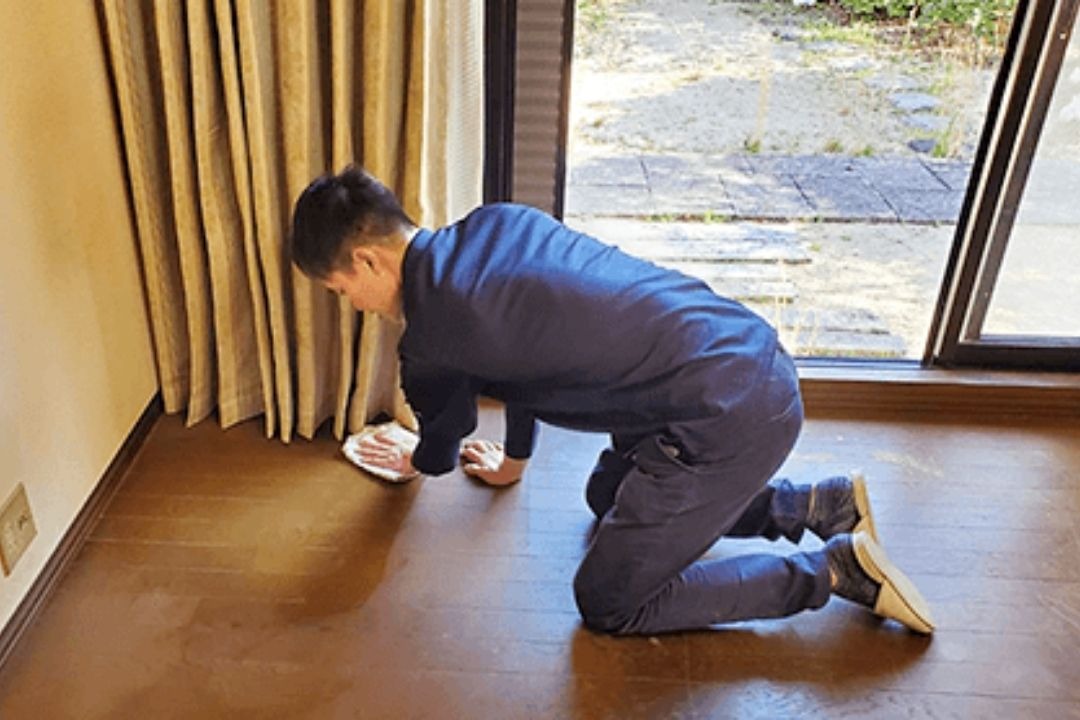
Hoarding is common in English-speaking countries, too, and is often highlighted on TV shows as a social issue. Larger homes, garages, and the culture of self-storage make it easier to hide clutter, allowing problems to grow and persist over the long term. In contrast, Japan’s compact urban housing and close neighbors mean odors, pests, and blocked hallways quickly impact everyday life, making early intervention essential.
Institutional responses differ as well. Overseas, authorities may step in with near-compulsory action against code violations. In Japan, solutions lean toward support and quiet resolution. With stronger sensitivities to shame and privacy, delicate private-sector responses become crucial. Companies like Progress offer bundled services—cleanup, buybacks, light renovations, even moving support—thanks to Japan’s one-stop service culture.
Communication style is another key difference. In English-speaking contexts, “keep or discard” is often decided firmly and quickly. In Japan, more emphasis is placed on holding, phasing, and building consensus. Instead of perfection, the practical “70% goal” helps prevent relapse. A step-by-step, conversational approach lowers emotional resistance and fosters independence.
This cultural thoughtfulness elevates Japan’s cleanup services from simple disposal work to life recovery support. Progress is a prime example.
Conclusion
Cleaning up a garbage house is both physical labor and a psychological reset. To see the floor again, to open the windows, to breathe lighter air—it’s like reinstalling the operating system of daily life. Standing in a clean room, many say they can start over from there.
Progress’s value lies in combining speed, consideration, and transparent pricing with relapse prevention know-how. Estimates are precise, there are no surprise bills, and buybacks lower costs. Removal is quiet, efficient, and considerate of neighbors. Cleaning redefines the space and makes it a functional room again, and aftercare tips sustain it. In this way, layers of shame, hesitation, and resignation are peeled away, guiding clients toward what comes next.
Japan’s garbage house issue reflects broader social challenges that individuals cannot carry alone: cramped housing, strict disposal rules, isolation, and long work hours. Those who slip through the cracks don’t need blame—they need a way back. Professional planning and on-site strength shorten and smooth that path.
Beyond the door is more than clutter. There is daily life waiting to return: morning light, a clear desk, steam rising from a mug, a deep breath. Cleanup is not an “end,” but a beginning. If your hand hesitates at the door now, call for a companion. Teams like Progress accept the shame and hesitation and take that first step with you.
To tidy up is to reclaim your life. To reclaim your life is to reclaim yourself. The reset button is always there to press—and there is no reason not to.
FAQ About Hoarding and Cluttered Room Cleaning Service
1. What Is Progress Co., Ltd.’s Hoarding and Cluttered Room Cleaning Service?
It is a cleaning service provided by Progress Co., Ltd. that specializes in hoarded or severely cluttered spaces. The service includes sorting, removal, disposal, basic cleaning, and deodorization in a single package, supporting the restoration of livable environments. It is available for apartments, houses, offices, and warehouses.
2. Can You Handle Extremely Severe Cluttered Conditions?
Yes. The service covers a wide range of conditions, from mildly cluttered rooms to spaces filled with large amounts of accumulated waste. The work plan is adjusted according to the volume and condition of the space.
3. What Are the Benefits of Hiring Professionals for This Service?
There are major advantages in safety, hygiene, and speed. Hoarded environments may contain broken objects, decaying waste, or pests, making cleanup dangerous without proper equipment and expertise. Professionals handle sorting, removal, and cleaning efficiently while significantly reducing the burden on the client.
4. Can the Work Be Done Without Neighbors Noticing?
Yes. The service can be arranged with privacy considerations in mind. Work schedules and removal routes can be adjusted to minimize visibility and reduce attention from neighbors.
5. How Is the Pricing Determined?
Pricing is based on factors such as volume, number of workers, and scope of work. A standard package typically includes sorting, removal, basic cleaning, and protective measures, with transparent pricing designed to minimize unexpected additional charges.
6. Do They Buy Usable Items?
Yes. If furniture or appliances can be resold, they may be assessed for purchase on-site. The value can sometimes be deducted from the total service cost, helping reduce expenses.
7. Is Difficulty in Cleaning Just a Personality Issue?
Not necessarily. It can be influenced by factors such as aging, living alone, long working hours, or psychological attachment to possessions. The service focuses on support rather than judgment, treating it as part of rebuilding living conditions.
8. Can You Consult About Preventing It From Happening Again?
Yes. After cleaning, advice may be provided on organizational habits and lifestyle adjustments to help prevent clutter from accumulating again.
9. What Is Unique About This Service Compared to Overseas Cleaning Services?
In Japan, greater emphasis is placed on privacy, social consideration, and emotional sensitivity. Services often go beyond simple removal, incorporating careful planning, discretion, and respectful communication with clients.
10. What Is the Main Value of Progress Co., Ltd.’s Hoarding and Cluttered Room Cleaning Service?
The main value is not only cleaning the space, but helping restore daily life. By reorganizing the environment, it supports clients in regaining stability and taking the first step toward rebuilding their lifestyle.