We’ve all had that moment on a cloudy day: you toss a folding umbrella into your bag just in case, only to realize later that it never rained and now you’re stuck carrying the extra weight. Or, on the opposite end, a sudden shower forces you to buy a cheap plastic umbrella at a convenience store near the station, which ends up forgotten in the closet once you’re home. These small, everyday wastes are surprisingly common in Japanese city life. In urban areas, especially, countless plastic umbrellas are used only briefly and then discarded, creating environmental issues and unnecessary resource consumption.
Rental umbrella services were created to address this problem with a simple idea: borrow one when you need it and return it when you don’t. Among these services, iKASA has gained significant popularity. Using a smartphone app, you can borrow an umbrella at one location and return it at another, making the system both practical and convenient. The service eliminates the hassle of carrying an umbrella everywhere while promoting sustainability by reducing disposable umbrella use. According to iKASA, its umbrellas are designed for repeated use, offering both environmental and economic benefits since users pay only when needed.
This mix of convenience and eco-friendliness shows how the sharing economy can extend beyond large items to everyday essentials like umbrellas. Borrowing an umbrella at a station or shopping mall and returning it at your destination may seem like a small change, but if widely adopted, it could reshape urban habits and dramatically reduce waste over time. iKASA is already partnering with municipalities and businesses to expand its network and support projects that aim to eliminate disposable umbrellas altogether.
In this article, we’ll explore iKASA’s service and company background, then look deeper into its usability, pricing, spot availability, environmental impact, comparisons with other options, and future outlook. By rethinking how we approach rainy days, even small shifts in behavior may help transform the future of our cities. This Japanese-born service offers a clear example of how that shift has already begun.
iKASA Overview
iKASA is a smartphone-based umbrella sharing service that allows users to borrow an umbrella at designated spots throughout the city and return it at another. To borrow, simply scan the QR code on the stand or follow the on-site instructions. The umbrellas—available as folding or one-touch types—are designed to be durable and reused many times, unlike disposable plastic umbrellas. Pricing includes both pay-per-use (in 24-hour increments) and unlimited monthly subscription plans. Recent pricing updates show that the company continually refines its service.
Why iKASA Was Created
Japan uses an estimated 120 to 130 million umbrellas every year, and more than 60% of these are disposable plastic umbrellas. Many are bought for sudden rain and discarded after just one use, creating significant environmental waste.
iKASA was created to change this. By offering an alternative option of sharing umbrellas, people can borrow an umbrella only when they need it and return it after use. This reduces waste without sacrificing convenience.
Reducing Plastic Waste from Disposable Umbrellas
In partnerships with major private companies, iKASA also launched “2030 Disposable Umbrella Zero Project”, which is aimed at raising awareness and encouraging sustainable behaviour. Their goal is to treat umbrellas as a shared resource, not disposable items.
Convenience Without Environmental Cost
iKASA is designed to be simple and intuitive. After downloading the app and registering, users can check nearby spots on the map. Borrowing an umbrella is as easy as scanning the QR code, and returning it usually involves sliding it back into the stand. The smooth process makes daily use easy.
Pricing is straightforward. The current pay-per-use rate is 140 yen (tax included) per 24 hours, with a monthly cap. For frequent users, the unlimited monthly plan—about 280 yen—is cost-effective. Offering both flexible pay-as-you-go and affordable subscription options allows iKASA to appeal to a wide range of users.
The service is especially helpful for those who don’t usually carry an umbrella or who make frequent short trips. For a quick lunch break, a short commute, or sightseeing during unexpected rain, borrowing can be cheaper and far less wasteful than purchasing another plastic umbrella. And because umbrellas can be returned at different locations, the service doesn’t disrupt your plans. However, availability depends on nearby spots, and at peak times, some locations may temporarily run out.
Spot Distribution and Network Expansion

Source: iKASA Homepage
The convenience of iKASA relies heavily on the number and placement of its spots. The company has been installing them at stations, shopping centers, convenience stores, and office buildings, expanding rapidly across urban areas. Through partnerships with municipalities, railways, and commercial facilities, the network has grown to around 1,600–1,800 locations, with strong coverage around major stations.
This widespread availability is essential for meeting users’ expectations of accessibility. In areas with multiple spots around train stations, commuters and students naturally incorporate the service into their routines. While suburban and rural areas have fewer spots, expansion into regional malls and outlets is progressing, and coverage is expected to continue growing.
Partner diversity also plays an important role. By collaborating with transport operators, property managers, and commercial facilities, iKASA can maintain and manage shared umbrellas more effectively. For businesses, offering umbrella sharing adds convenience for visitors and serves as a CSR initiative, encouraging further expansion.
Environmental and Social Impact
Clusters of abandoned umbrellas near vending machines or station gates are a common sight in urban Japan. Many people use a plastic umbrella just once and leave it behind. This kind of throwaway behavior creates a significant waste problem, but iKASA offers an alternative.
Its goal of reducing disposable umbrellas is not just a marketing phrase but a long-term effort supported by everyday action. Imagine a traveler caught in a brief rain shower with luggage in hand. Buying a plastic umbrella would mean using it only for a few minutes before discarding it. Borrowing an umbrella from iKASA changes that behavior. After experiencing it once, people are more likely to borrow again. Small actions become habits, and habits create measurable social impact.
Achieving meaningful environmental benefits requires more than encouraging borrowing. Umbrellas must be durable, and repair and collection logistics must be efficient. Without proper upkeep, umbrellas would break quickly, leading to more replacements and waste. iKASA invests in durable materials, maintenance systems, and rapid response processes to minimize the environmental footprint throughout the product lifecycle.
Shaping a Culture of Sustainable Convenience
Psychological barriers also matter. Some people hesitate: What if I can’t find a return spot? What if it breaks? What if it gets dirty? Addressing these concerns is essential. iKASA provides transparent pricing, real-time availability in the app, and clear rules for insurance and compensation. These elements help users feel that borrowing is not just convenient but responsible.
Ultimately, iKASA’s value lies not only in improving umbrella distribution but also in changing how people make choices. Each decision to borrow shifts the city’s waste landscape a little. Over time, these shifts can lead to a more sustainable urban environment.
Comparing Umbrella Options: Why iKASA Stands Out

Source: iKASA Homepage
On a rainy day, most people choose between buying a plastic umbrella, carrying their own, or using a sharing service. Each option has pros and cons. Plastic umbrellas provide quick relief but are wasteful. Personal umbrellas last long, but are inconvenient to carry and easy to lose.
How Seamless Service Sets iKASA Apart
iKASA offers a middle ground: convenience without contributing to excessive waste. But its competitors aren’t limited to other rental umbrella services. Alternatives include community-run projects, free umbrella lending at tourist sites, or simply maintaining the habit of always carrying one.
What sets iKASA apart is seamless convenience. From the moment it starts raining to the moment you return the umbrella, the experience must be smooth. If spots are scarce, if the app is slow, or if pricing is unclear, people will revert to other options. This is why iKASA emphasizes dense networks, clear app design, and transparent pricing. Adoption by corporations and event venues also boosts awareness and encourages everyday use.
The Future of Umbrella Sharing: iKASA’s Vision
Source: iKASA Homepage
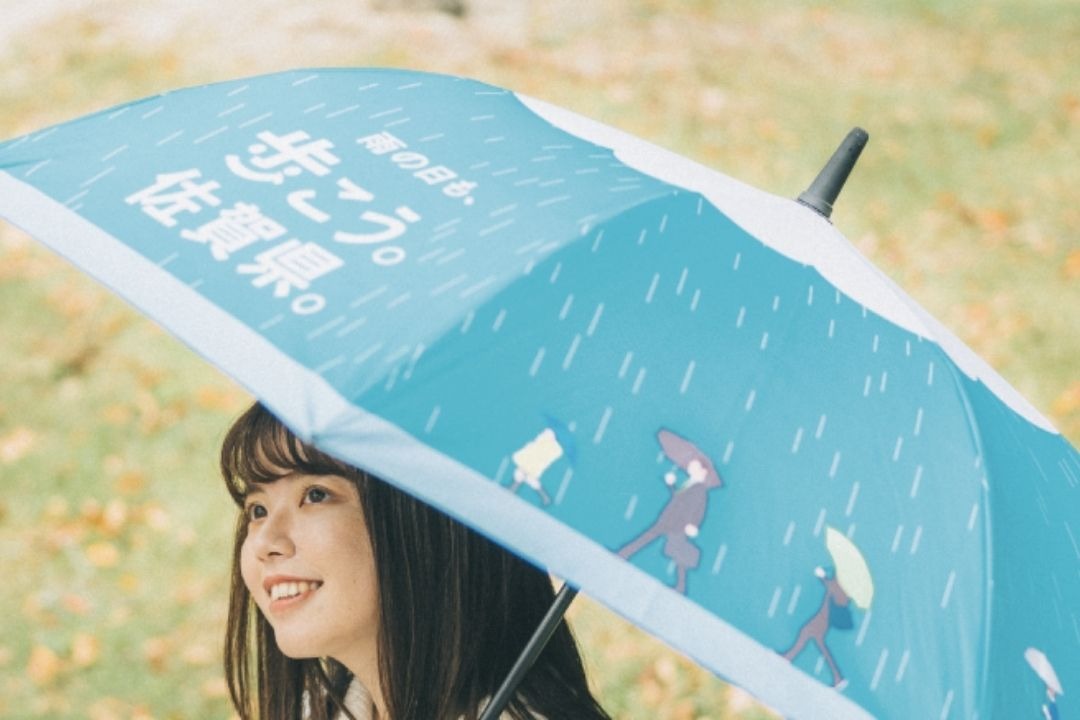
Picture the future: a street sign showing the nearest umbrella spot, your phone displaying real-time availability, and umbrellas equipped with IoT tags that trigger automatic repairs based on usage data. This is the direction iKASA is heading.
Growth opportunities lie not only in increasing spot numbers but also in expanding use cases: short-term borrowing at tourist sites, promotional campaigns in shopping malls, and subscription plans for office workers and students. Corporate adoption as an employee benefit could also drive regular use.
But challenges remain. Lost or damaged umbrellas, maintenance requirements, and repair logistics demand significant resources. Changing user behavior also takes time. To attract more partners, iKASA must highlight benefits such as increased customer satisfaction and CSR value.
Technology will play a key role. NFC, automatic locks, and IoT tracking can streamline operations and improve efficiency. Data-driven spot placement can reduce unnecessary transport. However, these advances require investment, so proving cost-effectiveness will be essential.
Innovation Meets Sustainability: The Road Ahead
In the long term, the question is whether iKASA can become a comprehensive rainy-day platform. If linked with weather forecasts or urban mobility services, it could contribute to urban planning, disaster preparedness, and tourism. This will require collaboration with public institutions, infrastructure owners, and clear data governance.
Conclusion
iKASA is introducing a new approach to solving everyday inconveniences through technology and sharing. It offers environmental benefits by reducing disposable umbrella use and practical value by removing the need to carry one everywhere. With its expanding network and flexible pricing, it is becoming a useful option for city residents and travelers making short trips.
At the same time, establishing umbrella sharing as sustainable urban infrastructure will require efficient operations, durable products, robust repair systems, and continued efforts to shift consumer behavior. The goal is to encourage people to choose iKASA not just for convenience but because it’s better for the environment. This will require cooperation among municipalities, businesses, and users alike.
For international readers, it’s also important to understand the cultural context. In Japan, buying cheap plastic umbrellas for brief showers has long been the norm, but rising environmental awareness and the growth of sharing services are changing that. iKASA is at the forefront of this shift.
So here’s a suggestion: the next time you’re traveling, commuting, or heading out for a quick errand and feel that carrying an umbrella is a hassle, check whether there’s an iKASA spot nearby. That small choice can reduce waste and help make city life a little more sustainable.
FAQ About iKASA
1. What Is iKASA?
iKASA is an umbrella-sharing service that allows users to rent an umbrella from designated spots around the city and return it at a different location. It reduces the need to carry an umbrella and makes daily movement more convenient.
2. Can I Return The Umbrella At A Different Location?
Yes. One of iKASA’s key features is the ability to return umbrellas at any designated station, making it easy to use while on the move.
3. Is It Difficult To Use?
No. After downloading the app and registering, simply scan the QR code at a station to unlock an umbrella. To return it, insert it back into any designated spot.
4. How Is It Priced?
There are two options: pay-per-use (typically charged per 24 hours) or a monthly subscription. For example, pay-per-use is around ¥140 per day, while a monthly plan (around ¥280) is more cost-effective for frequent users.
5. How Is It Different From Buying An Umbrella At A Convenience Store?
Unlike disposable plastic umbrellas that are often used once, iKASA operates on a reuse system. This not only reduces costs over time but also helps minimize waste and environmental impact.
6. Are The Umbrellas Durable?
Yes. They are designed for repeated use and are more durable than typical disposable umbrellas, making them suitable for everyday conditions.
7. Where Can I Use iKASA?
It is available at stations, commercial facilities, office buildings, and convenience stores, mainly in urban areas. Locations nearby can be easily checked via the app.
8. Can I Always Find An Umbrella On Rainy Days?
Availability depends on stock at each station. During peak rainy periods, umbrellas may be temporarily unavailable, so checking the app in advance is recommended.
9. Why Is This Service Gaining Attention?
In addition to convenience, it addresses environmental concerns by reducing the use of disposable umbrellas. Making small daily changes helps reduce urban waste.
10. What Is The Main Benefit Of iKASA?
It enables a “no-need-to-carry” lifestyle. You can borrow an umbrella only when needed and return it afterward, keeping your belongings light while maintaining flexibility in rainy weather.
Related Videos
If you're interested in Japan’s eco-friendly urban services, the video below introduces iKASA, an umbrella sharing system designed to reduce waste and improve convenience. This video shows how users can easily borrow and return umbrellas across the city, supporting a more sustainable lifestyle.