From the earliest stone carvings to letters written on parchment and ink brushed on Japanese washi paper, writing has always been one of humanity’s most fundamental forms of expression. Written characters are never just symbols—they reflect the writer’s emotions, thoughts, and even personal quirks. While digital fonts and printed typefaces dominate today’s world, the unique warmth and humanity of handwriting have never disappeared. In fact, in our highly standardized digital society, their value may be stronger than ever.
Nowhere is this truer than in Japan, where handwriting has long bridged artistic expression and heartfelt communication. From calligraphy to letter-writing traditions, handwriting carries cultural significance. Seasonal greetings such as New Year’s cards and summer letters, as well as envelopes and invitations for weddings, funerals, and other formal occasions, are not merely informative—they express sincerity. In this context, a service that provides beautiful handwriting for clients is not just convenient but also deeply tied to cultural traditions.
It is within this backdrop that the Japan-based platform Coconala has gained attention for its handwriting service. Professional creators and skilled calligraphers write messages and characters by hand upon request. Though seemingly at odds with our digital age, demand for this service is rising in Japan and overseas as people seek ways to convey genuine sentiment.
There are three main reasons behind its appeal. First, handwriting carries warmth and a human touch that digital text cannot replicate. Second, Coconala connects clients with a wide range of calligraphers and writers, offering a variety of styles. Third, the service is used by both individuals and businesses. For individuals, it might mean a love letter or a card to accompany a gift; for businesses, it could be a note sent with a client gift, or a handwritten-style title page for promotional materials.
In Japanese business culture, a handwritten note on fine stationery or a greeting card with a personal signature is a symbol of trust and sincerity. While an email may be acceptable, handwriting leaves a far stronger impression. Once this cultural nuance is understood, it becomes clear that handwriting services are not simply outsourcing, but rather expressions of sincerity with added artistic value.
Coconala’s handwriting service is therefore more than simply writing on someone’s behalf: it acts as a partnership in conveying heartfelt messages. This article explores its features, background, and uses, and examines why handwriting is regaining attention in today’s society.
Coconala’s Handwriting Service Overview
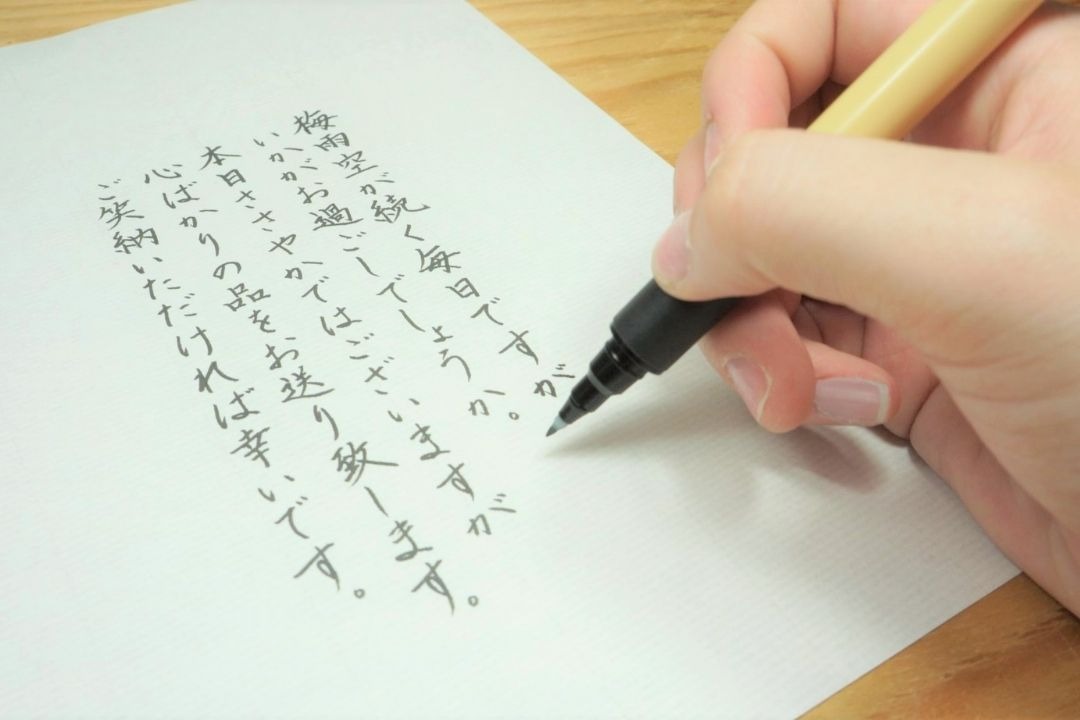
Coconala, one of Japan’s largest skill marketplaces, offers a handwriting service where professionals and experienced writers create custom handwritten characters. These works are not mere imitations; they range from refined brush calligraphy to approachable, rounded writing to stylish Western lettering for international audiences. Requests go beyond letters and greeting cards, covering wedding message cards, handwritten-style notes for corporate gifts, and decorative title lettering for design purposes. This flexibility is why clients turn to the service when they want a truly unique and personal style of writing.
The platform’s convenience is another draw. Providers display their profiles and samples, allowing clients to choose someone whose style fits their vision. Prices vary widely: short messages can be requested at an affordable price, while longer texts or advanced calligraphy work cost more. Because the entire process—from order to delivery—takes place online, the service is available both in Japan and abroad.
The company’s strength lies in its accessibility: traditionally, hiring experts required overcoming complex barriers, but on Coconala, anyone can connect with skilled professionals easily online. The handwriting service, while grounded in analog appeal, attracts diverse customers, including international clients eager to experience Japan’s writing culture. Coconala’s emphasis on skill diversity has enabled cultural elements like handwriting to become viable business opportunities.
The Warmth and Value of Handwriting

Source: Coconala Service
In today’s digital environment, we consume endless amounts of text—emails, chat messages, social media, forms. While convenient, such text lacks a personal touch. Uniform fonts convey only information, not individuality.
The Power of the Personal Touch: Why Handwriting Still Matters
Handwriting, by contrast, carries character and emotion. Even a simple “thank you” reveals subtle cues—pressure, rhythm, balance—that make the recipient feel the writer’s sincerity. Studies have even shown that people perceive handwritten messages as more sincere than typed ones.
Coconala’s handwriting service harnesses this unique quality. Writers can tailor styles to fit the client’s mood and purpose: dignified calligraphy for formal occasions, soft, rounded letters for casual settings, or Western-style calligraphy for global audiences.
This is more than just transcription—it is a visual expression of thought that shortens emotional distance and conveys warmth no digital font can replicate. In today’s world of global communication, such human-centered expression is more relevant than ever.
Beyond Fonts: Handwriting as a Bridge Between People
Coconala’s handwriting service serves both personal and business needs. For individuals, popular uses include gift message cards and letters for weddings, birthdays, or anniversaries. Compared to generic printed text, a handwritten-style note prepared especially for the recipient feels deeply personal and enhances the emotional impact of the gift.
In Japan, thank-you notes and New Year’s cards remain staples, while in business, a handwritten note attached to formal documents signals sincerity and reliability. This custom can also benefit overseas companies, where even a short handwritten message can strengthen trust in professional settings.
Handwriting also functions as a design element. Handwritten-style lettering enhances store signage, packaging, or advertising copy, projecting authenticity and individuality. Especially in crafts and food industries, handwriting conveys human warmth and trustworthiness that digital fonts cannot.
This wide range of applications demonstrates that Coconala’s handwriting service is far more than a service limited to Japan—it has clear potential for global use. While it draws on cultural traditions, it also offers the flexibility to adapt to contemporary needs, effectively bridging heritage and modern practicality.
Handwriting in Business
Source: Coconala Service
Business today emphasizes speed and efficiency. Emails, e-signatures, and virtual meetings dominate, but handwritten notes stand out all the more in this environment.
Standing Out in a Digital Workplace
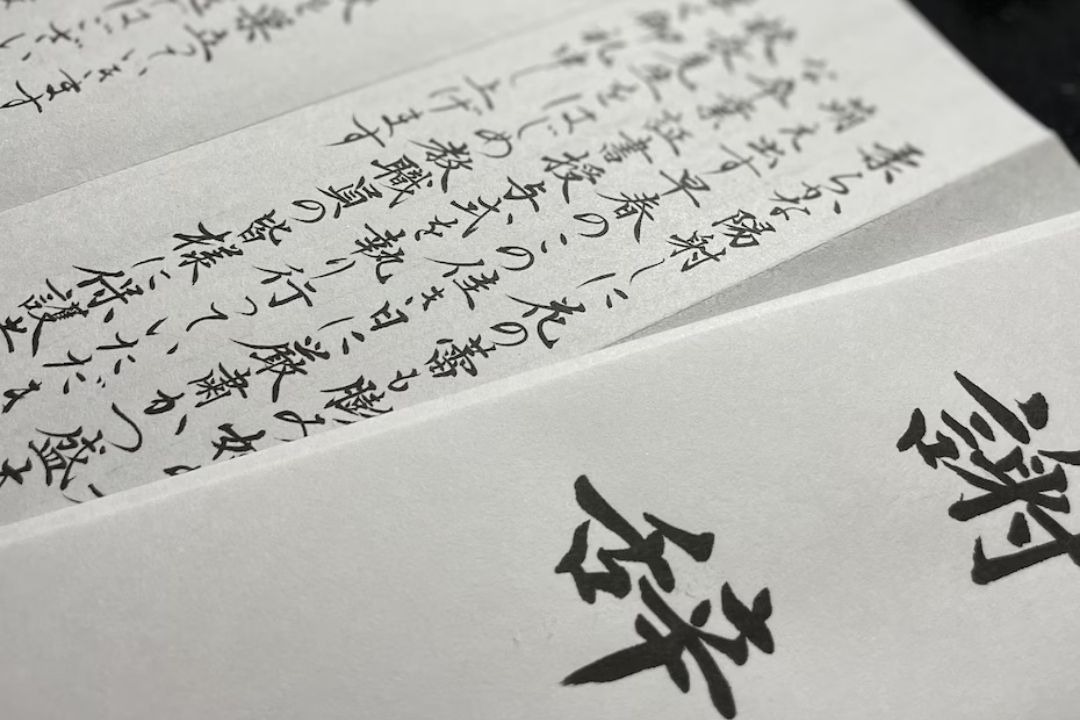
In Japanese corporate culture, a handwritten message attached to a client gift is known to make a strong impression. Compared to a printed insert, handwritten words feel more sincere and human, strengthening trust. This practice also resonates internationally. In the West, employees also appreciate it when a CEO or manager sends them a handwritten thank-you card.
Coconala supports businesses by providing brush-pen greeting cards, handwritten messages for important clients, or bulk handwritten-style addressing. Companies save time while maintaining a thoughtful image.
From a branding perspective, handwriting adds authenticity. On packaging or ad copy, it communicates warmth, craftsmanship, and trust—powerful qualities in industries like craft beer, organic food, and handmade goods.
Far from being nostalgic, handwriting functions as a modern strategic tool for building trust and brand value.
Global Appeal: From Japan to the World
For Western audiences, Japan’s handwriting culture offers both aesthetic and cultural fascination. Calligraphy (shodo) is respected as an art form and is used in interior design and branding. Coconala’s handwriting service makes this accessible worldwide.
Japanese writing is visually unique—the interplay of hiragana, katakana, and kanji creates rhythms unseen in alphabet-based languages. A name or favorite phrase written in kanji instantly becomes art.
There are also practical applications. Overseas companies entering Japan can use handwritten characters in greetings or promotional materials to demonstrate cultural awareness and respect—something that printed translations alone cannot achieve.
Handwriting is also sought for weddings, anniversaries, and graduations worldwide, where people want messages that feel personal and irreplaceable. Digital fonts or printed text often feel insufficient, and the value of handwriting created by someone’s own hand is universally appreciated.
Bridging Cultures Through Calligraphy
In addition, in recent years, the number of overseas fans who appreciate Japanese culture has been increasing. For them, the ability to order authentic Japanese handwriting online is a significant attraction. Without attending calligraphy classes, they can obtain professionally finished handwritten works as unique pieces. This can be seen as a new form of cultural exchange that transcends borders.
Thus, handwriting services are not only domestic conveniences, but gateways to Japanese culture for the world.
A Transparent Ordering Process
When it comes to handwriting services, many clients worry that the results will not meet their expectations. With something as personal as writing, reassurance is key.
Coconala addresses this by providing clear systems: clients can review providers’ profiles, samples, and customer reviews before ordering. The process is simple: clients share their purpose, style preferences, and deadlines; providers respond with quotes and availability. Once confirmed, work begins, and the final product is delivered digitally or by mail. Clients can request adjustments at any time during the process, reducing the risk of disappointment.
Payments are made securely through the platform and only released after delivery. If issues arise, Coconala mediates, giving even first-time users peace of mind. This transparency also reassures overseas clients, who may be navigating cultural or language differences.
Customer Stories: Lasting Value in a Digital World
Source: Coconala Service
The accurate measure of any service lies in customer experiences, and many testimonials highlight the impact of Coconala’s handwriting service.
One client requested a handwritten letter for a grandmother living far away. Used to exchanging emails, the grandmother was moved to tears upon receiving a warm, handwritten letter after so long. The client, too, felt satisfied to be able to send such beautiful writing that they couldn’t produce themselves.
In business, another client commissioned a calligraphy-style thank-you letter for a partner company. The handwritten note left a far better impression than printed materials, prompting an appreciative response and strengthening their relationship, which led to continued collaboration.
In the design field, a client sought a handwritten touch for product labels to add warmth. The handwritten lettering enhanced the sense of craftsmanship and boosted sales. Consumers responded positively, saying the design “felt human-made” and more trustworthy.
These stories show that handwriting services do far more than produce text—they help deepen connections and deliver results that exceed expectations.
Conclusion
Today, most text appears in uniform fonts on screens—efficient but impersonal. Paradoxically, handwriting has become more meaningful than ever.
Coconala’s handwriting service embodies this shift. By expressing clients’ thoughts through elegant or approachable handwritten styles, it transforms communication into a human connection. From personal milestones to business branding, its applications are vast.
Internationally, the beauty of Japanese writing and calligraphy continues to draw admiration, and the ability to order authentic works online has created a new channel for cultural engagement.
Backed by a secure platform and transparent process, the service reassures clients at every step. Accessible creators, flexible responses, and clear examples help clients find the perfect match.
Ultimately, handwriting services offer more than characters on paper. They provide a connection. They give form to emotion, express sincerity, and leave lasting impressions. In a world awash with digital text, handwriting stands apart as a powerful and meaningful choice.
As this article has shown, the appeal of handwriting is timeless—and Coconala’s service highlights its modern relevance. From everyday communication to international business, the value of handwritten text endures. Whether you want to share a heartfelt message or add a human touch to your brand, this service provides the tools to do so.
In today’s hybrid world, where digital and analog coexist, handwriting will undoubtedly continue to be chosen as a way to give form to heartfelt expression.
FAQ About Handwriting Proxy Service
1. What Is the Handwriting Proxy Service?
The handwriting proxy service is a writing service offered by Coconala Inc. Professional calligraphers and clean-writing specialists create handwritten content such as message cards, letters, address writing, and decorative lettering based on customer requests.
2. Why Is Handwriting Still Needed in the Digital Age?
Handwritten text conveys warmth and personality that digital fonts cannot fully replicate. Variations in pressure and stroke create a sense of sincerity and emotion, making it valued as a more personal and meaningful form of communication.
3. What Is It Used For?
It is used for wedding message cards, birthday letters, New Year cards, gift envelopes, address writing, and more. It is also used in business settings such as greeting letters, thank-you notes, product labeling, and promotional materials.
4. Can I Choose the Style or Font?
Yes. Styles range from formal calligraphy to soft, friendly handwriting and decorative script. Users can select writers based on sample works to match their desired tone and image.
5. What Are the Benefits of Using Coconala?
Users can review each creator’s portfolio, ratings, and reviews before ordering. The entire process is completed online, making it accessible domestically and internationally.
6. Is It Effective for Business Use?
Yes. It is particularly effective when expressing sincerity or professionalism. Handwritten-style messages help convey human warmth that printed text alone cannot, supporting trust-building in business relationships.
7. How Is It Viewed Internationally?
Japanese handwriting is often appreciated as an art form due to its aesthetic structure and calligraphy tradition. Handwritten kanji and kana are also valued as decorative and cultural elements in interior design and art abroad.
8. What Should Be Considered When Ordering?
It is important to clearly communicate purpose, desired style, and deadline. Providing examples and specifying impressions such as “elegant” or “friendly” helps achieve more accurate results.
9. Is It Just a Simple Writing Service?
No. It is more than transcription. It functions as a visual expression service that transforms emotions, intentions, or brand identity into written form.
10. What Is the Main Value of the Handwriting Proxy Service?
Its main value is delivering emotional warmth that digital communication cannot express. It creates memorable, human-centered communication that brings people closer together.